23 May 2026
Fragrance layering is older than the term suggests. Long before the beauty industry gave it a name and a hashtag, women in the Middle East were building complex personal scent profiles by combining oud, rose water, and skin-warming musks across different layers of skin and clothing. The idea of a single signature scent – one bottle, worn exclusively, every day – is, historically speaking, the exception rather than the rule.
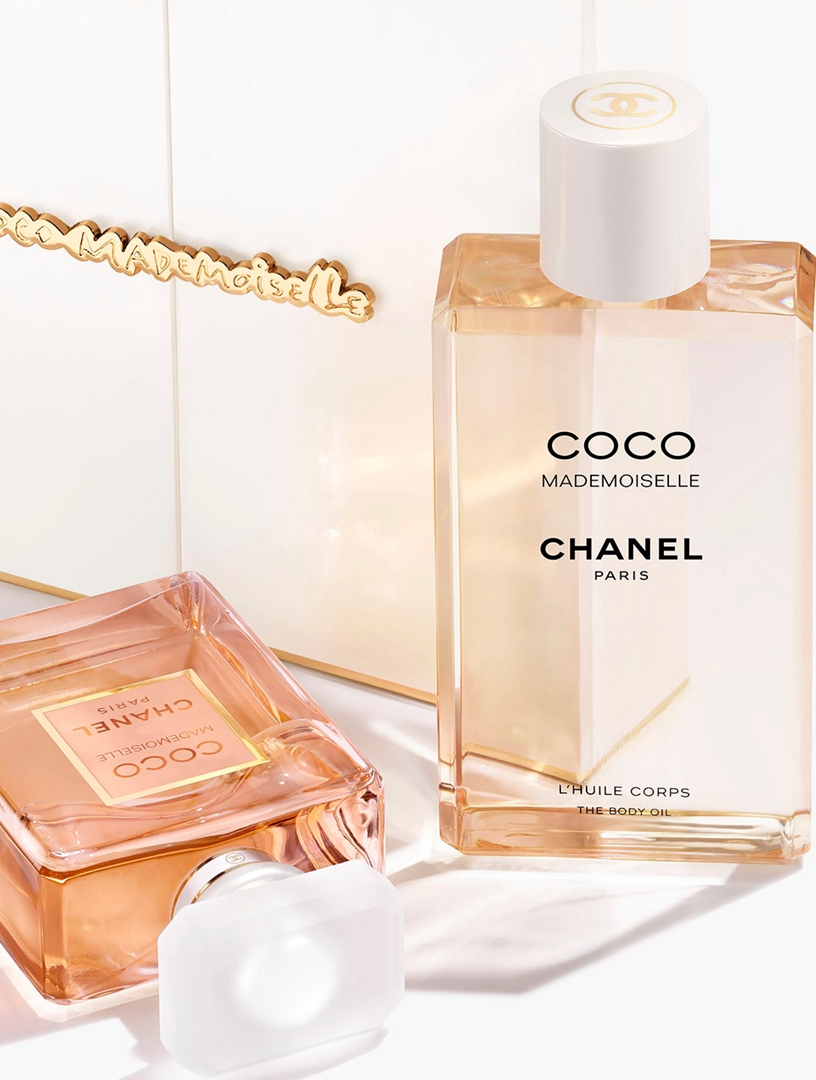
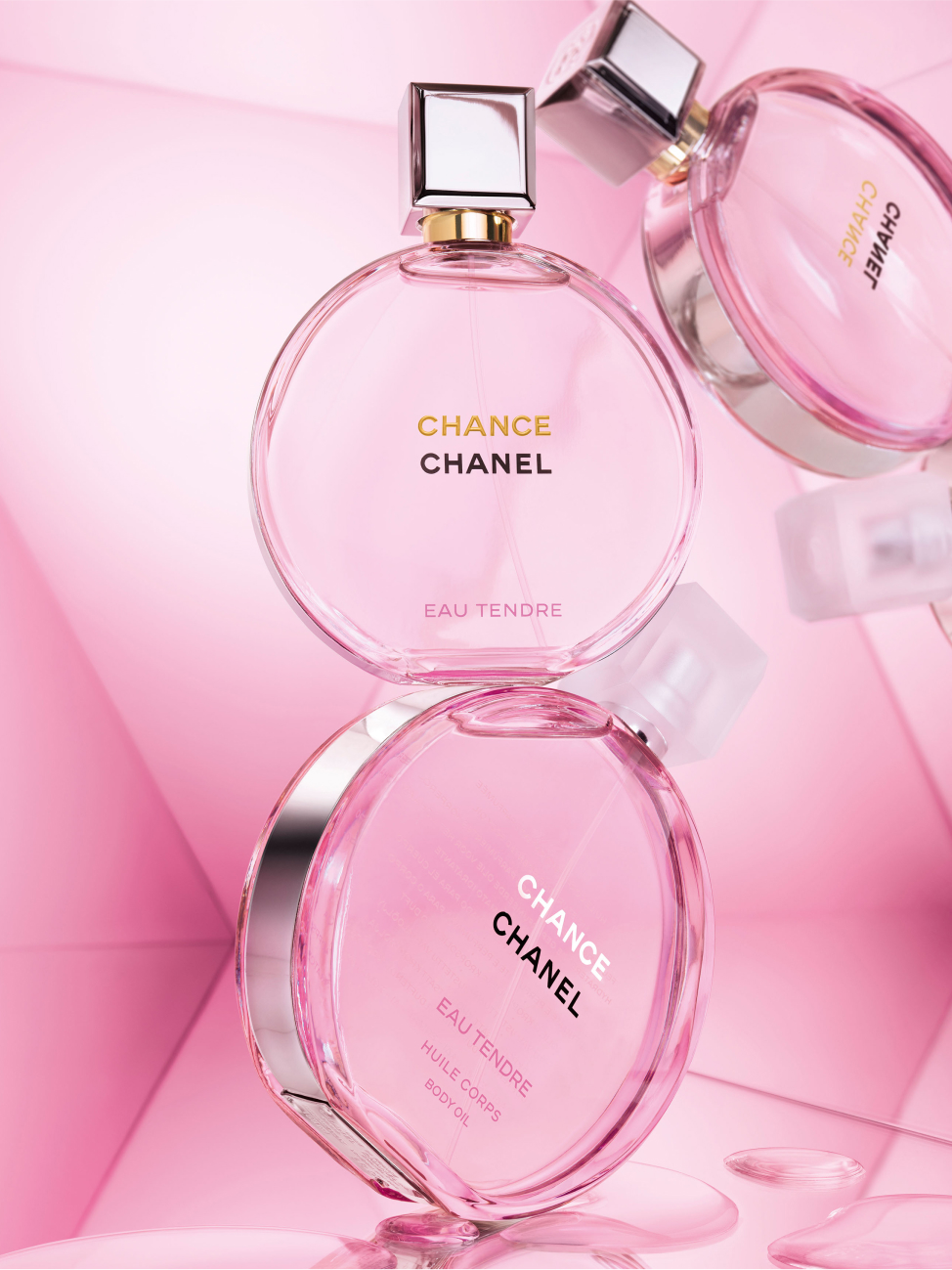
CHANEL has understood this for some time. The Les Exclusifs de Chanel collection, launched in 2007, carries an explicit invitation to layer: the fragrances were described from the outset as scents to be used alone or combined for an intensified trail. The body oils that extend several of those same scents are designed specifically to build the fragrance foundation before the eau de parfum is applied. The COCO MADEMOISELLE Fragrance Primer, launched in 2025, solidifies the practice further still. The house is not simply tolerating layering but is building a system for it.
Olivier Polge, CHANEL’s in-house perfumer since 2015, has noted that he doesn’t personally layer fragrances himself. Each composition is, in his view, a finished statement. But he also acknowledges that layering is a cultural practice he welcomes, in the way a fashion designer might welcome the unexpected ways a customer chooses to combine pieces from different collections. The clothes are finished. The styling is yours.
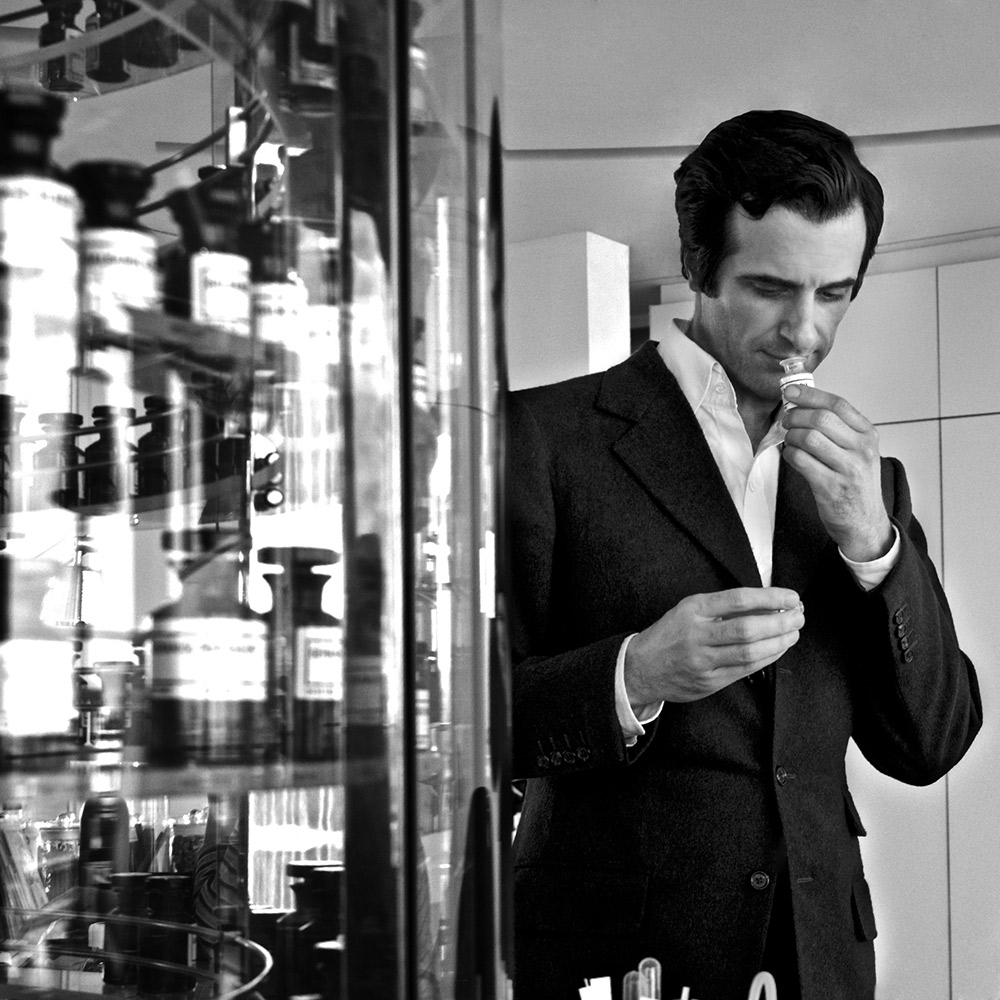
Olivier Polge. Image Credit: CHANEL
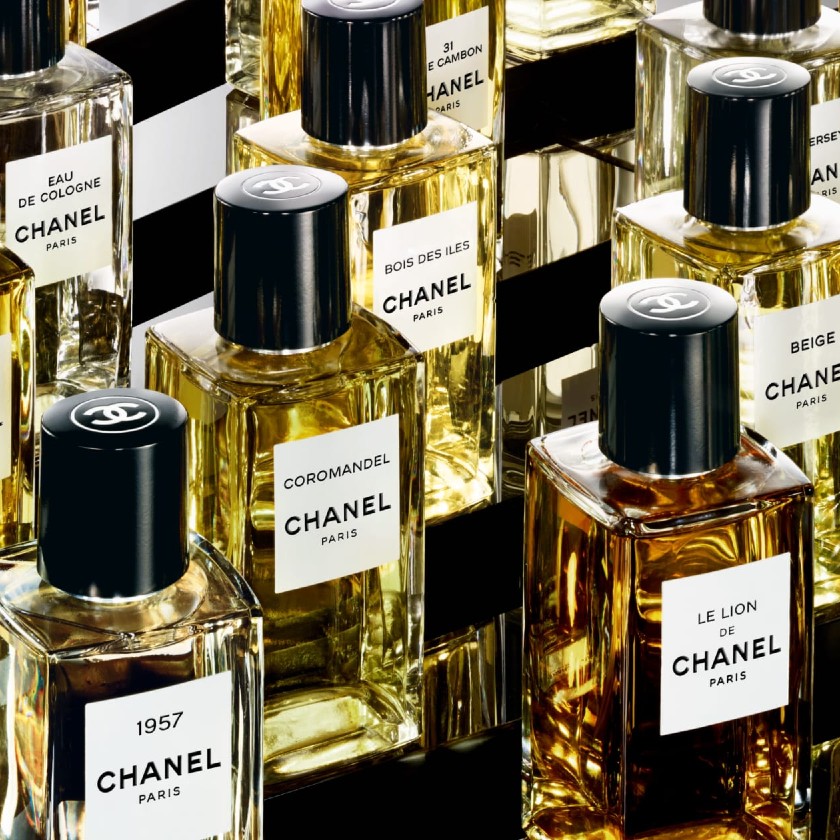
Les Exclusifs de CHANEL. Image Credit: CHANEL
Before you can layer intelligently, it helps to understand what CHANEL is actually doing when it constructs a scent. The house does not work in the language of individual raw materials – you will never see a perfume called Jasmine by CHANEL or Rose by CHANEL. As Polge has explained, the house aims for abstraction, for style rather than literal interpretation. Every CHANEL fragrance is a complex accord, a chord rather than a single note, built to evoke a feeling or a chapter of the CHANEL story.
This matters for layering because it means that what you are combining is not a simple ingredient list but a complete emotional identity. When you layer Coco Mademoiselle with something from the Les Exclusifs line, you are combining two finished compositions and the result will depend on how their emotional registers complement or contrast each other. The key to doing this well is understanding what each fragrance is fundamentally about, and what it shares with its potential layering partner.
CHANEL’s fragrances organise naturally into families, not in the marketing sense of flanker lines, but in the structural sense: groups of compositions that share underlying accords and values, even when they read as quite different on the surface. Understanding these families is the starting point for intelligent layering.
Image Credit: CHANEL
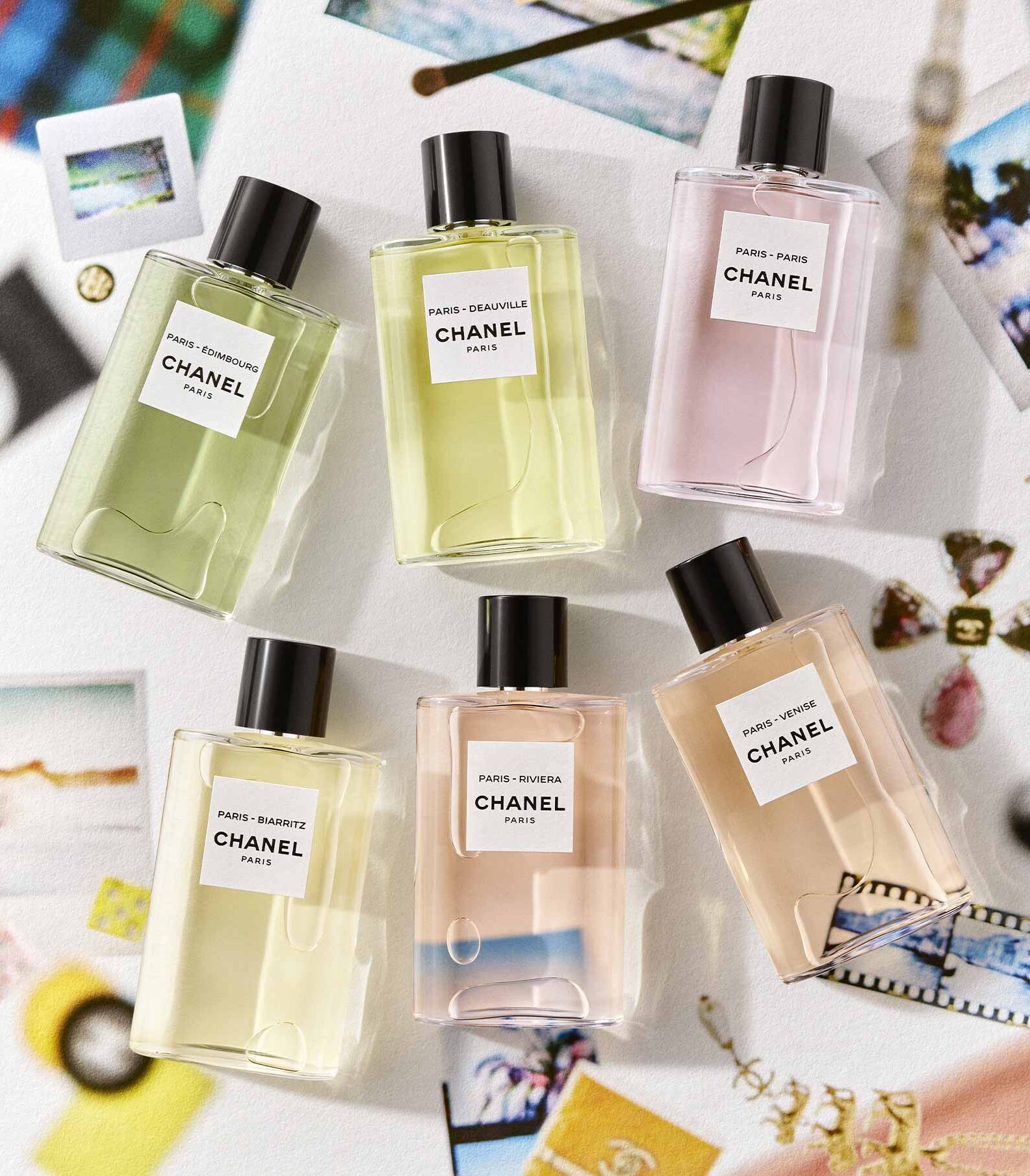
Les Eaux de CHANEL. Image Credit: CHANEL
The CHANEL oeuvre spans nearly a century of continuous creation and is deep enough to resist clean categorization, but for the purpose of layering, four broad families offer a useful map.
The Aldehydic Florals. N°5, N°22, and their various iterations share the signature quality of the aldehyde accord: a luminous, abstract radiance that sits above the floral heart and gives CHANEL’s classic compositions their particular high-pitched clarity. These are the most architectural of the house’s scents – precise, elevated, and unfailingly elegant. On their own they can feel formal; layered with something warmer or earthier, they become more approachable without losing their structure.
The Warm Orientals. Coco, Coromandel, Le Lion, and the vintage Cuir de Russie occupy the richer, darker end of the spectrum. These are scents built on amber, patchouli, incense, resins, and leather – materials that deepen on the skin and project a warmth that the aldehydic family does not. Coco is the most spiced; Coromandel leans toward woody lacquer and white chocolate; Le Lion toward dry amber; Cuir de Russie toward the sophistication of polished riding boots and birch tar. They have the longest sillage and the most power.
The Fresh Florals. Coco Mademoiselle, Chance, Gabrielle, Bel Respiro, and Chance Eau Tendre occupy the middle ground where brightness meets warmth. These are scents with citrus or white floral openings that settle into something softer – rose, jasmine, patchouli, musk. They are the most wearable of the families in an everyday sense, and the most versatile as layering partners, because their moderate weight allows them to support or be supported by scents on either side of the spectrum.
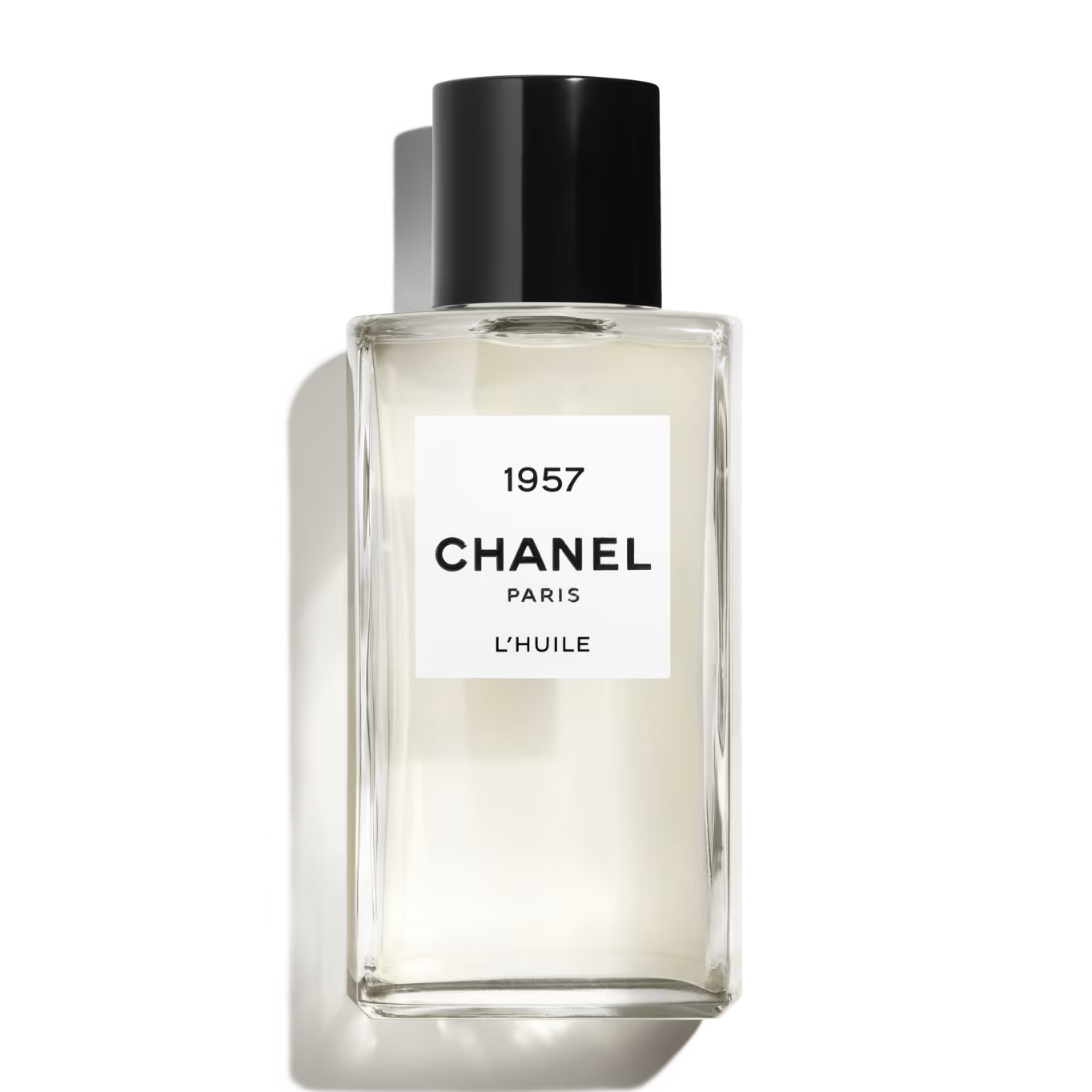
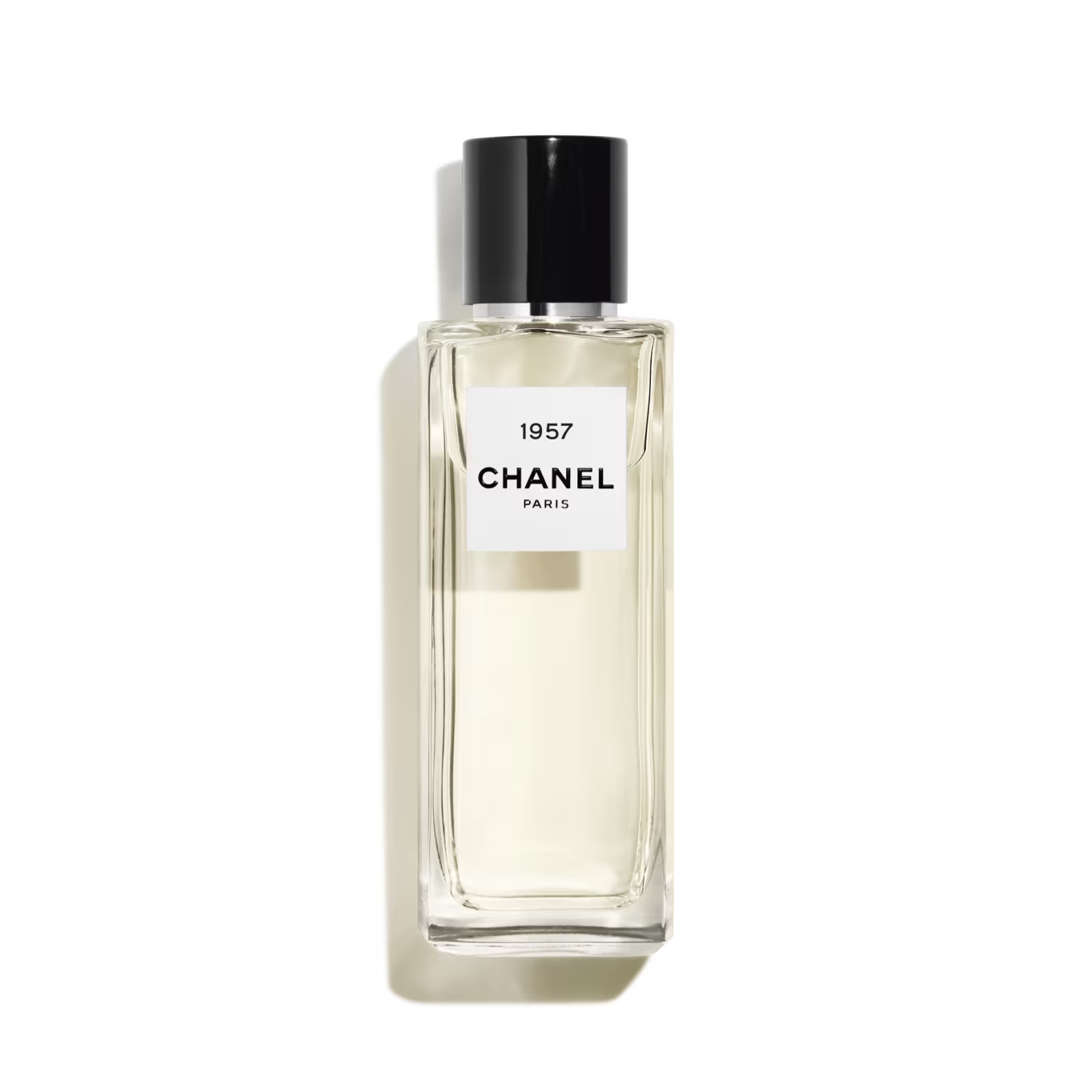
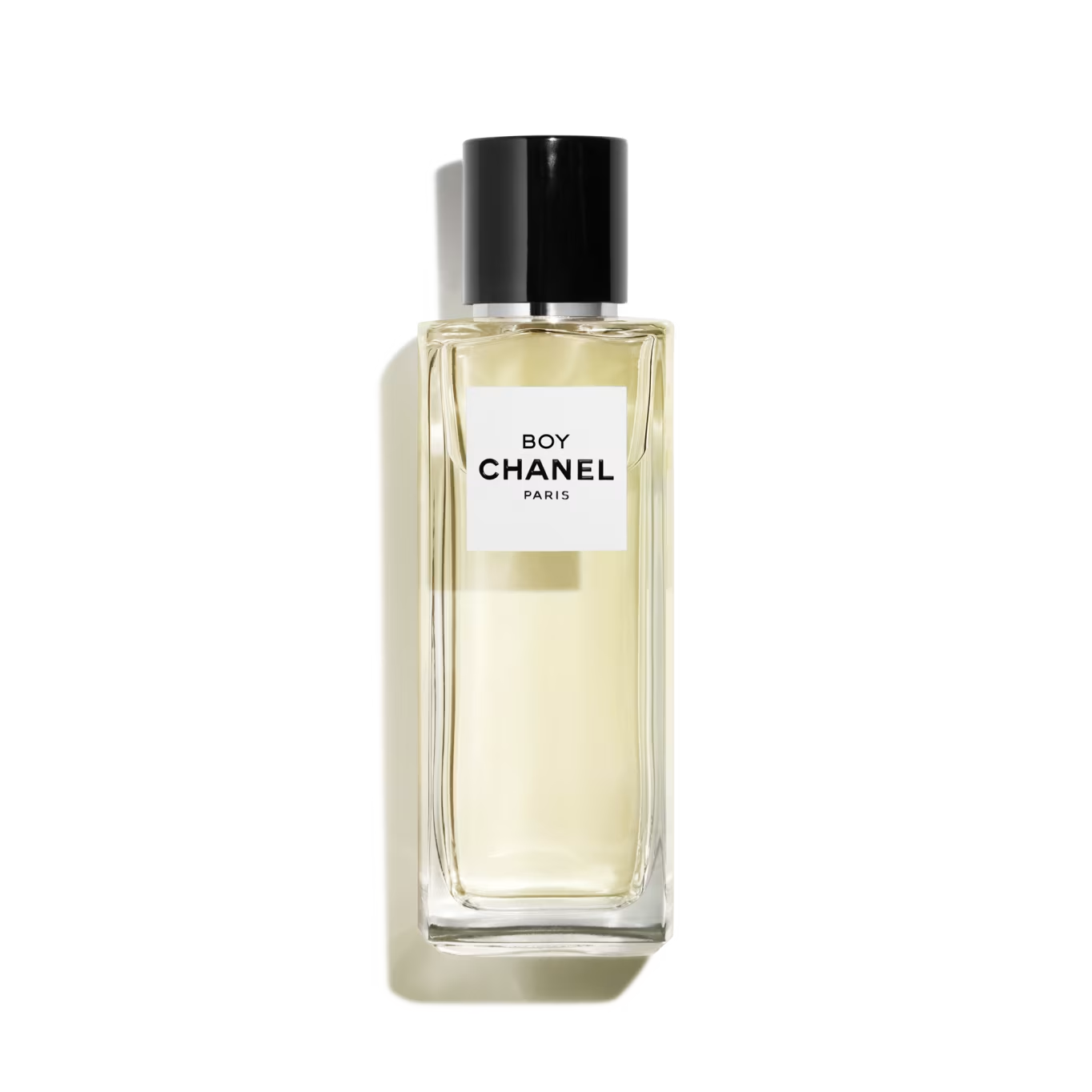
The Dry Woody Musks. Sycomore, Boy, Bois des Îles, 1957, Jersey, and Beige form the most understated family – scents organised around vetiver, iris, sandalwood, musk, and clean green notes. These are quiet, skin-close compositions that add depth without drama. 1957 is the most powdery and luminous; Sycomore the smokiest and most assertively woody; Boy the most androgynous and linear. As layering bases, they provide a sophisticated foundation that almost any scent can be worn over.

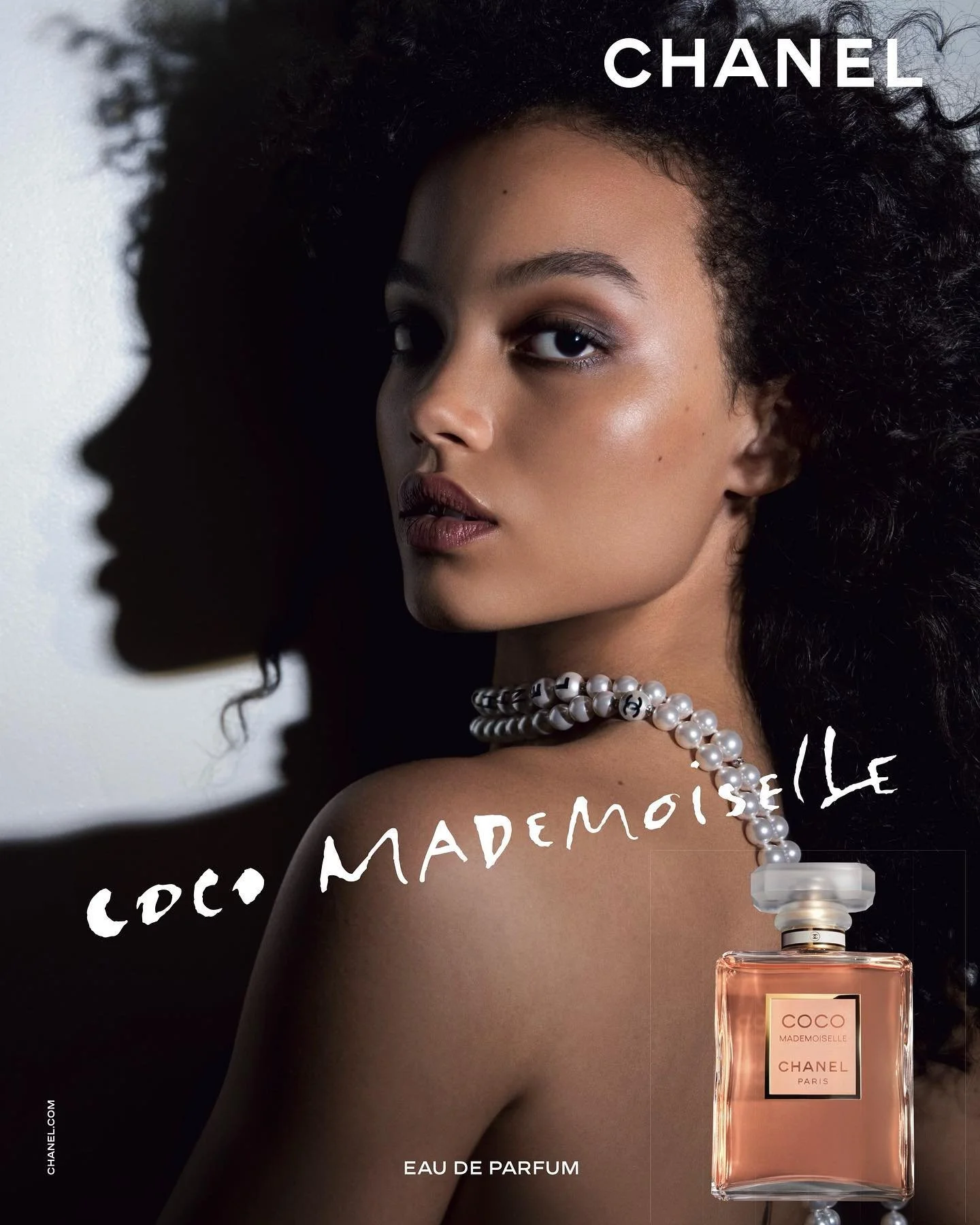
Image Credit: CHANEL
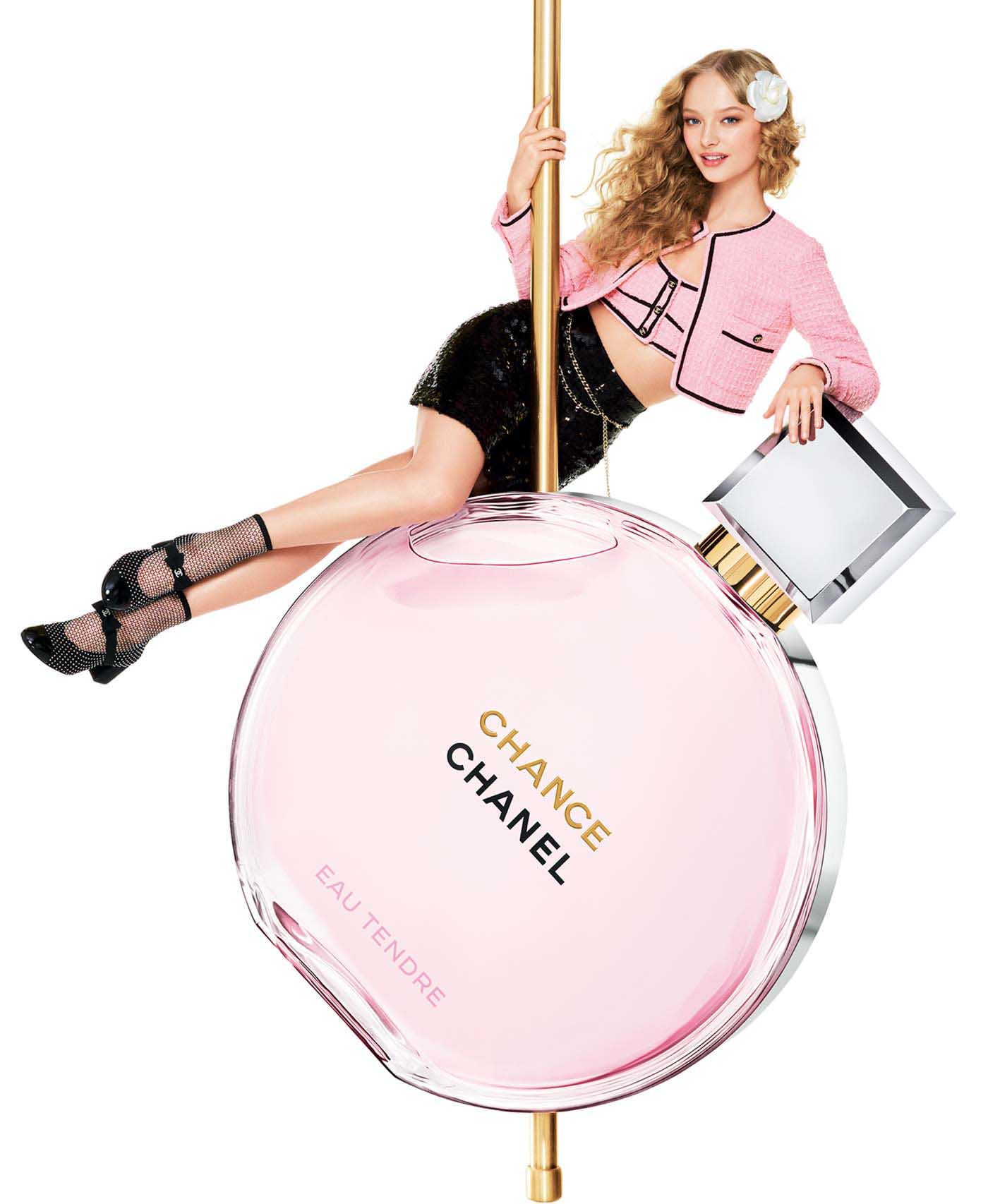
Image Credit: CHANEL
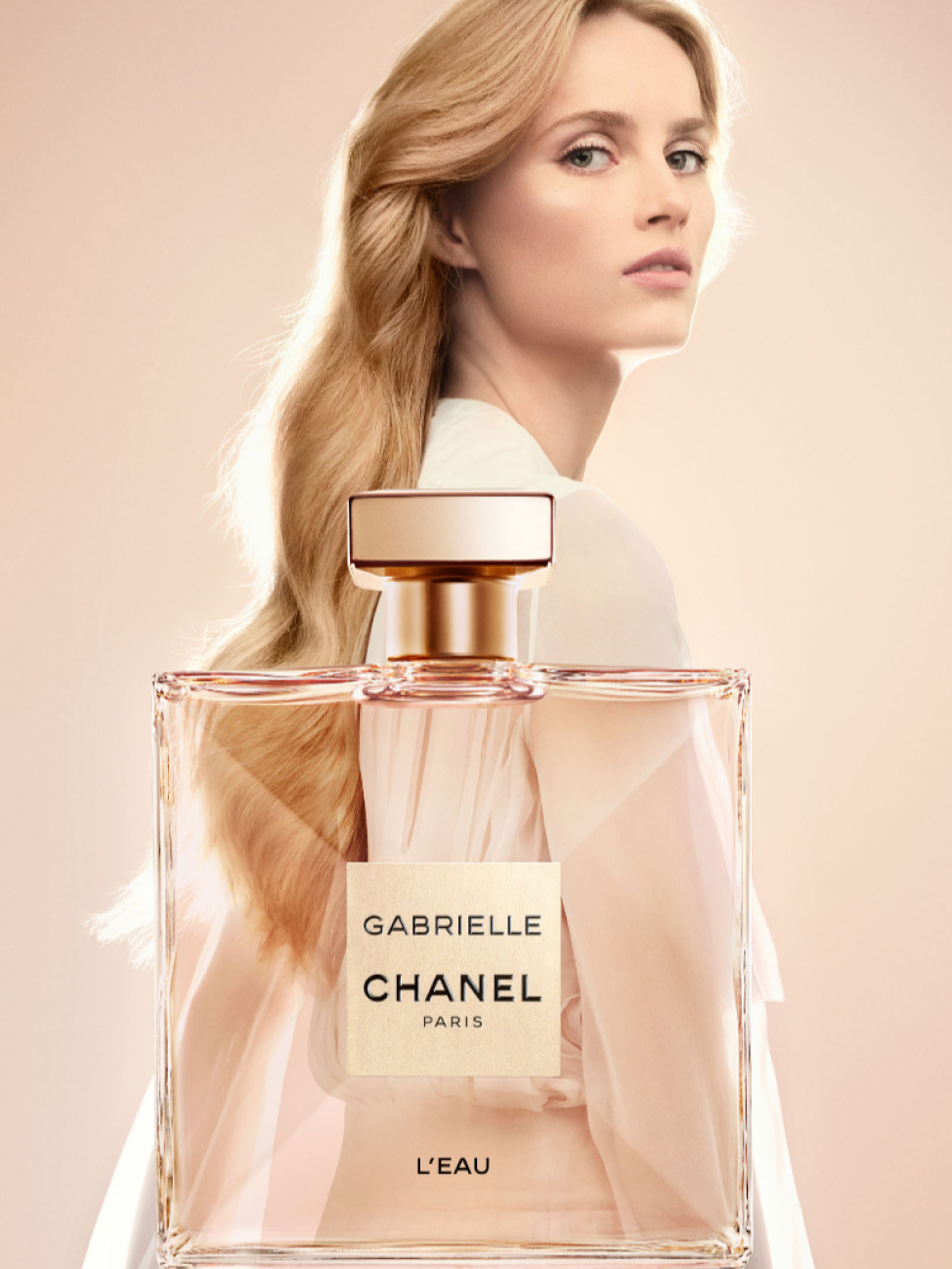
Image Credit: CHANEL
Rich body oils carrying notes of CHANEL’s most classic fragrances are the most direct expression of CHANEL’s own layering philosophy. Each is built on the foundation of its corresponding eau de parfum: applied to the skin before the fragrance, the oil creates a scented canvas that the parfum can bloom from, deepening its projection and prolonging its wear.
The technique is straightforward. Warm a few drops of the body oil between the palms and apply it to pulse points (wrists, neck, the inner elbow) before dressing. Allow it to absorb for a moment, then apply the eau de parfum over the top. The oil acts as both an anchor and an amplifier: its fatty molecules slow the evaporation of the parfum, which means the scent stays closer to the skin for longer while its sillage – the trail it leaves in the air – becomes richer and more sustained.
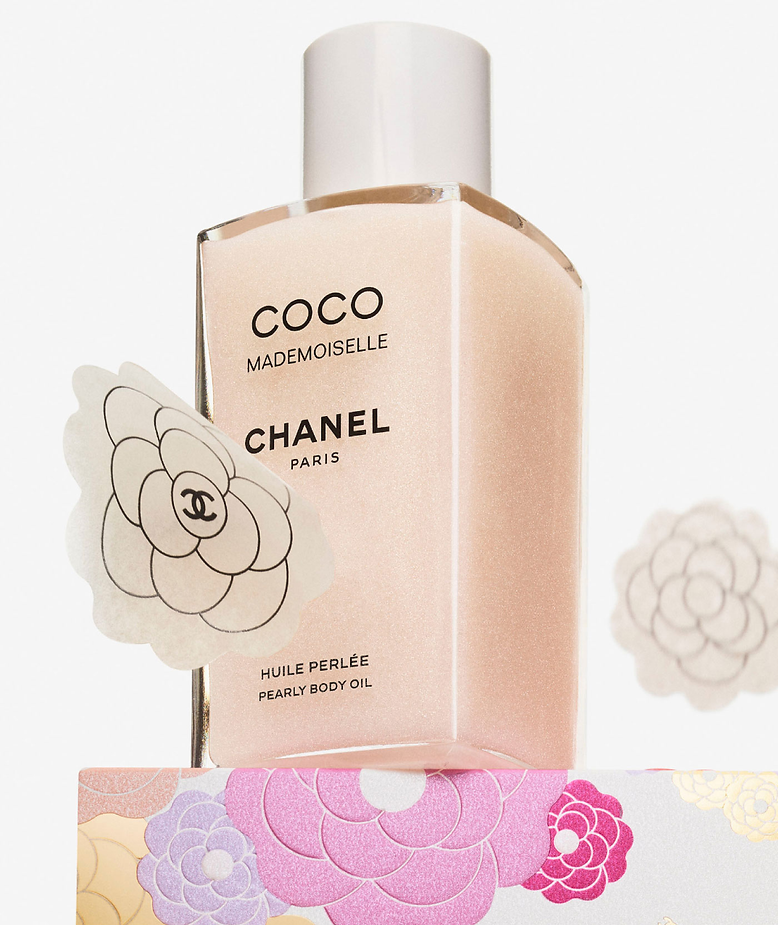
Image Credit: CHANEL
Image Credit: CHANEL
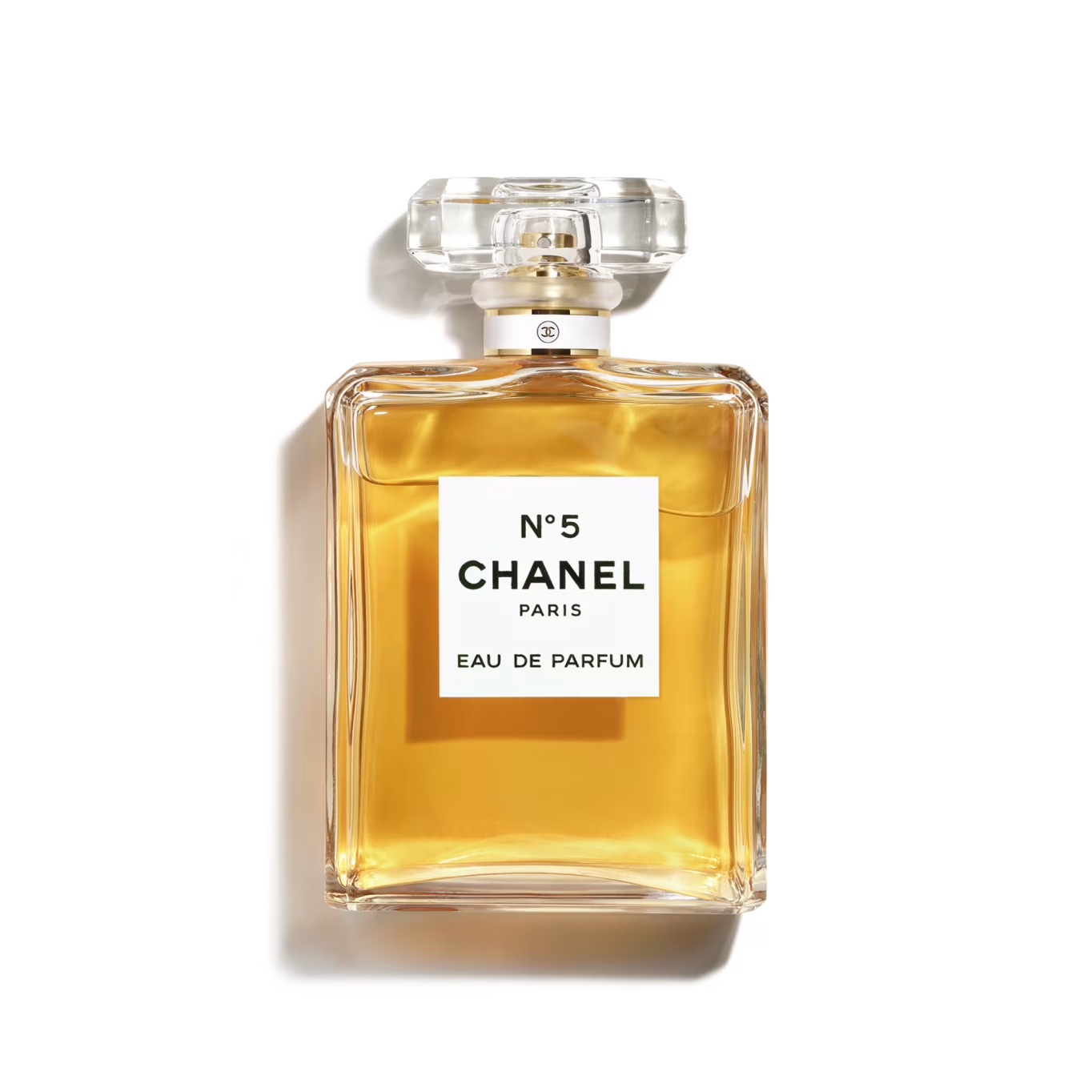
The Pairings: 1957 Body Oil (base) & N°5 Eau de Parfum (over)
What it Creates: N°5 carried on a foundation of powdery iris and warm honey. The aldehydic brightness of the classic is preserved in the opening, but the drydown is softer, warmer, and more skin-close than N°5 alone typically achieves.
Best For: evening wear, cooler months, anyone who finds N°5 on its own slightly sharp.
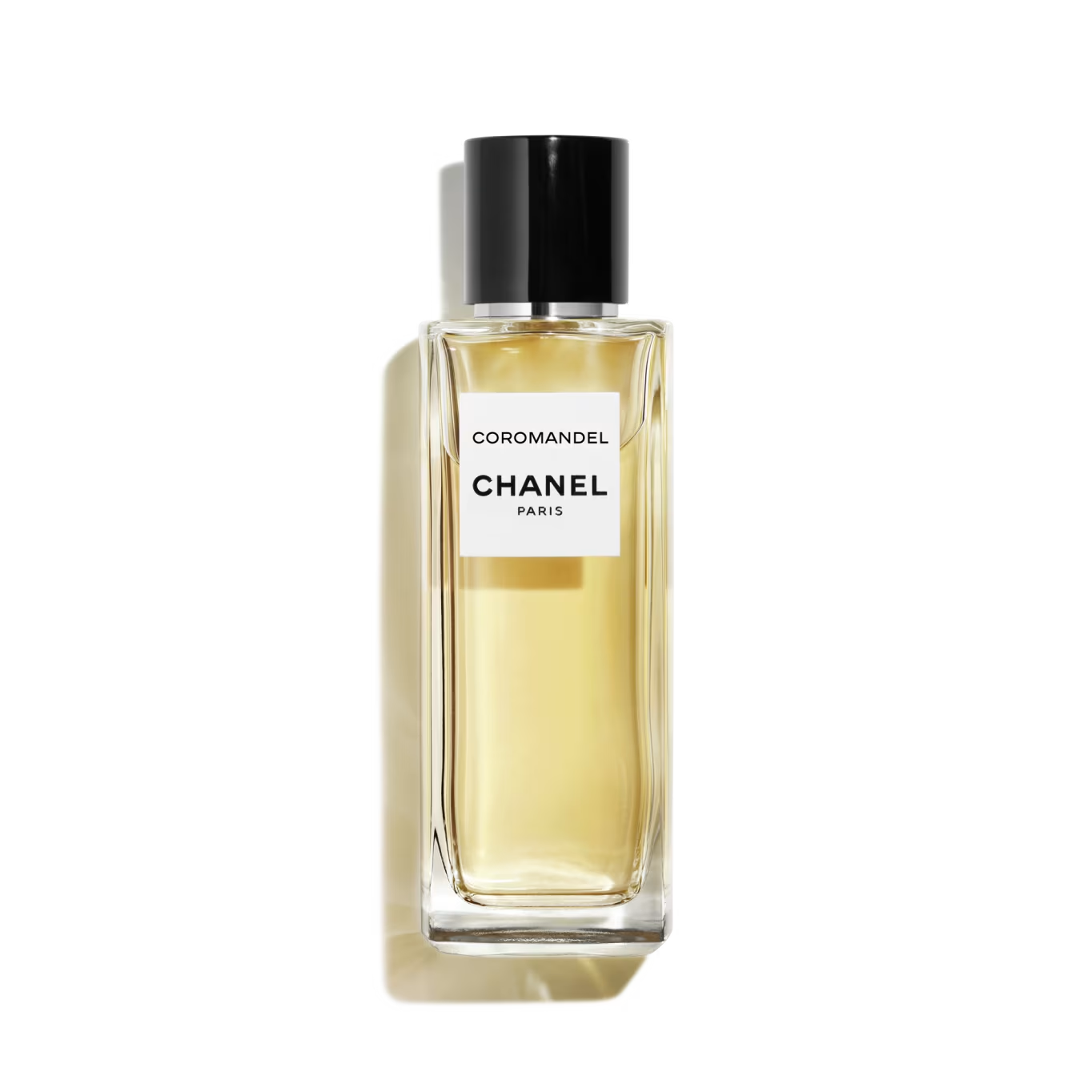
The Pairings: Coromandel Eau de Parfum (first, lightly) & Coco Mademoiselle Eau de Parfum (over)
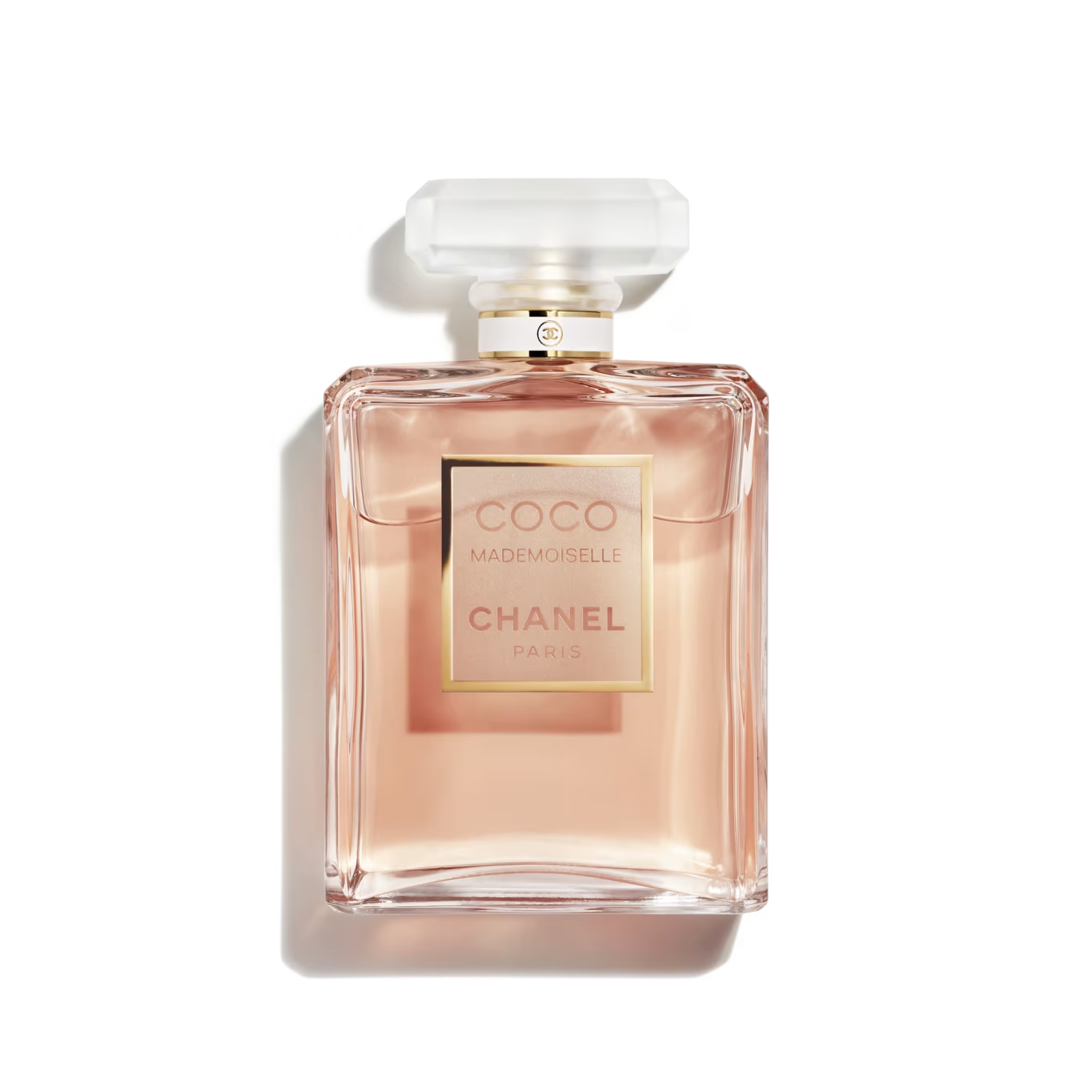
What it Creates:A single spray of Coromandel on the wrists, allowed to settle for a minute, then Coco Mademoiselle applied to the neck and écru. The bergamot and orange of Mademoiselle opens as usual, but its patchouli base lands on the woody amber of Coromandel and the two deepen together. The result is Mademoiselle with more gravity — less bright, more smouldering.
Best For: evenings, autumn and winter, those who love Mademoiselle but find it too light for formal occasions.
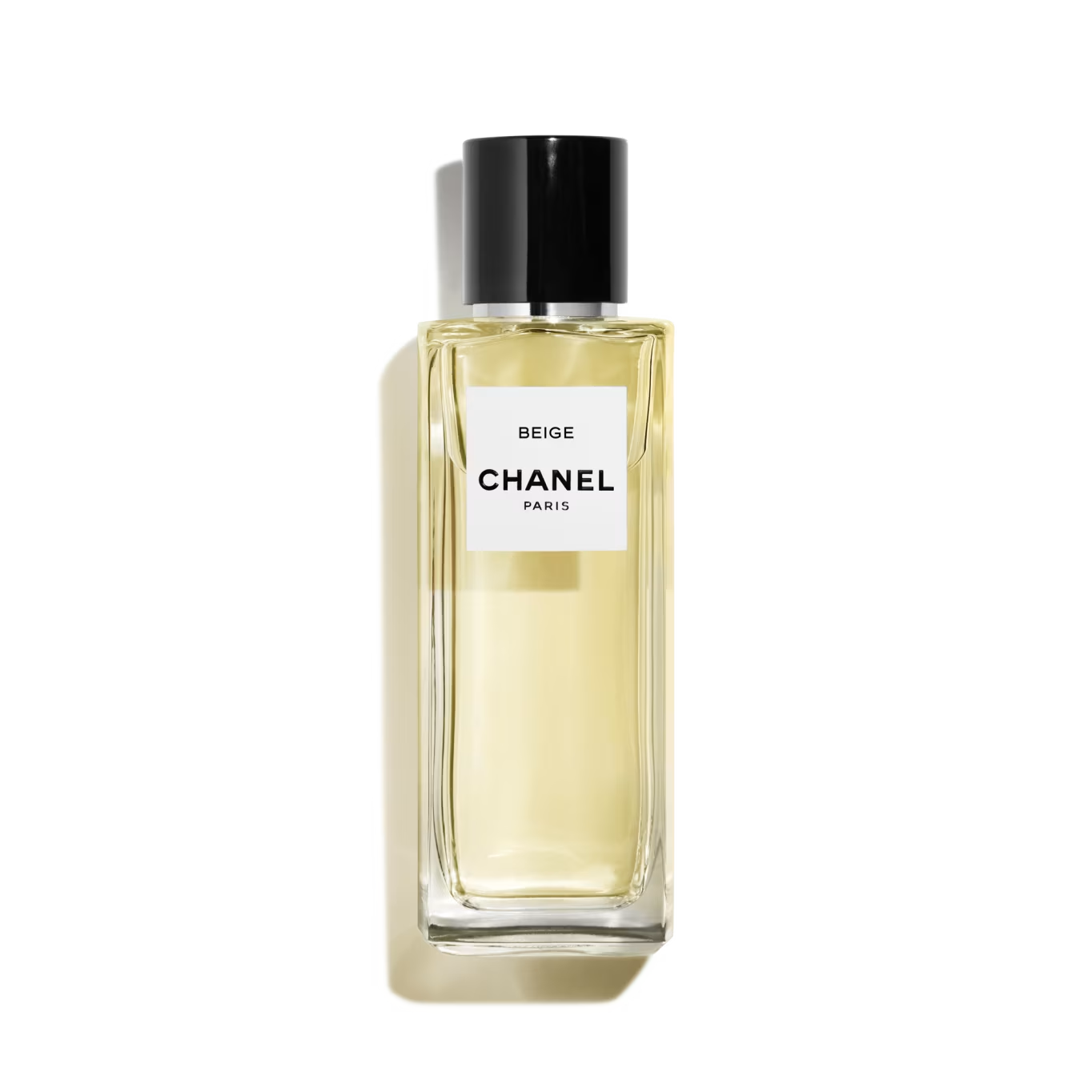
The Pairings: Beige Eau de Parfum (base) & 1957 Eau de Parfum (over, very lightly)
What it Creates: Beige, a honeyed freesia and rose composition, and 1957, a white musk accord with bergamot and iris, share an elevated cleanliness that sits close to the skin. Together they create something close to the idealized scent of very well-maintained, warm skin – not nothing, but nothing you can quite name. Complex but invisible.
Best for: daytime wear, professional settings, summer, anyone who wants presence without announcement.
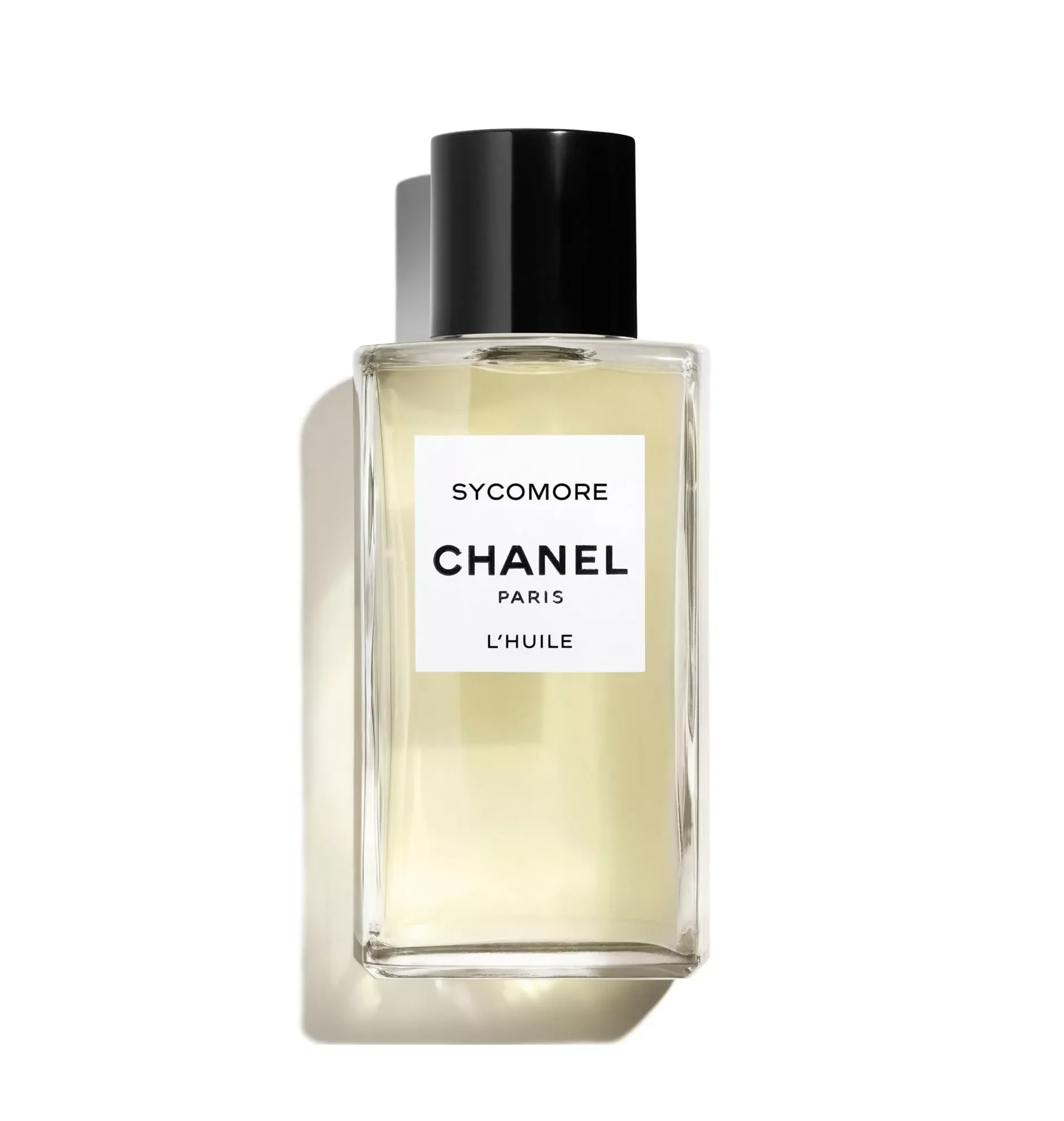
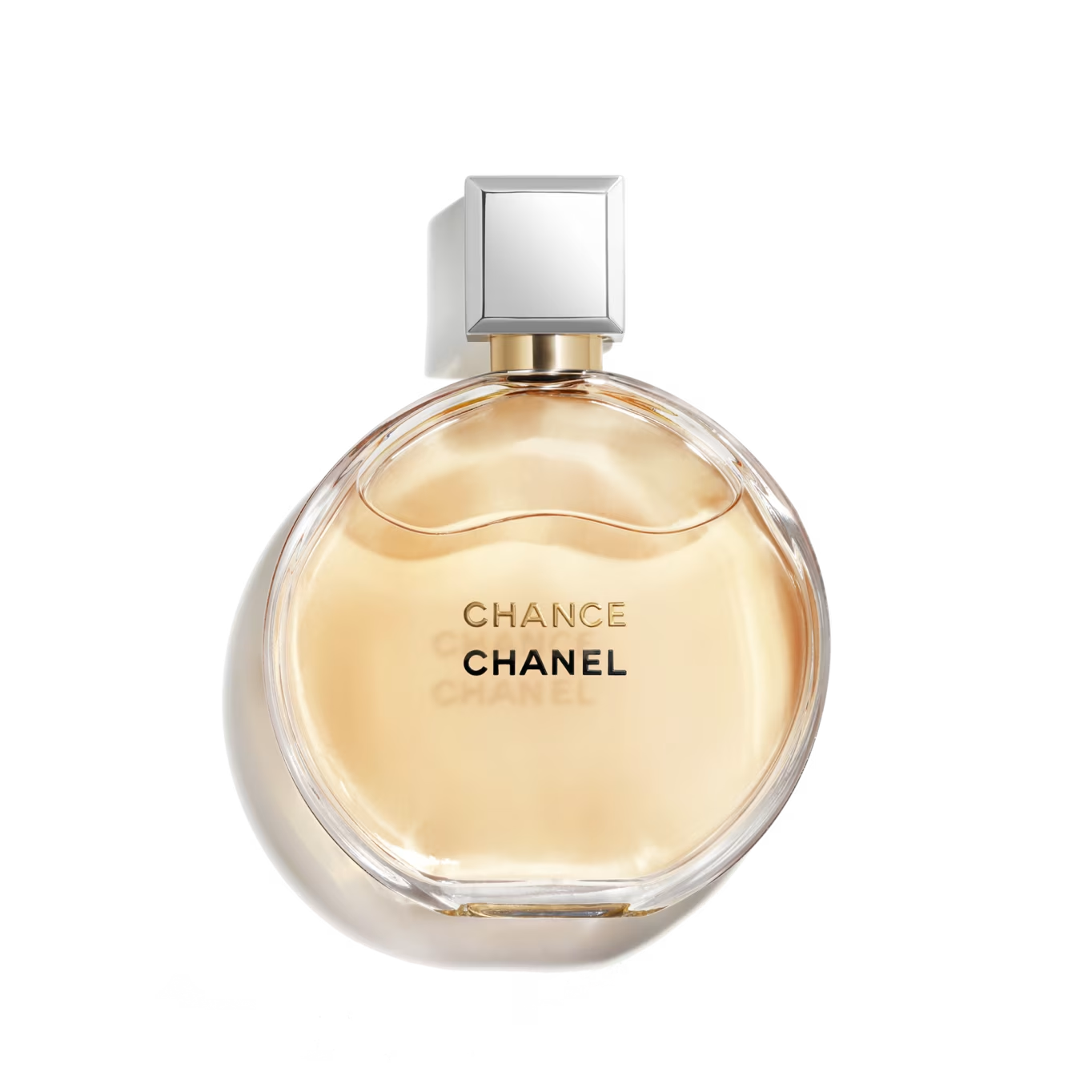
The Pairings: Sycomore Body Oil (base) & Chance Eau de Parfum (over)
What it Creates: Sycomore’s dry vetiver and smoky aldehydes sit beneath the bright pink pepper, jasmine, and white musk of Chance. The effect is Chance with a shadow — the lightness of the original is present in the opening, but the base becomes darker, more complex, and more lingering than Chance alone typically achieves.
Best for: transition seasons, late afternoon into evening, those who find Chance too transparent on their skin.
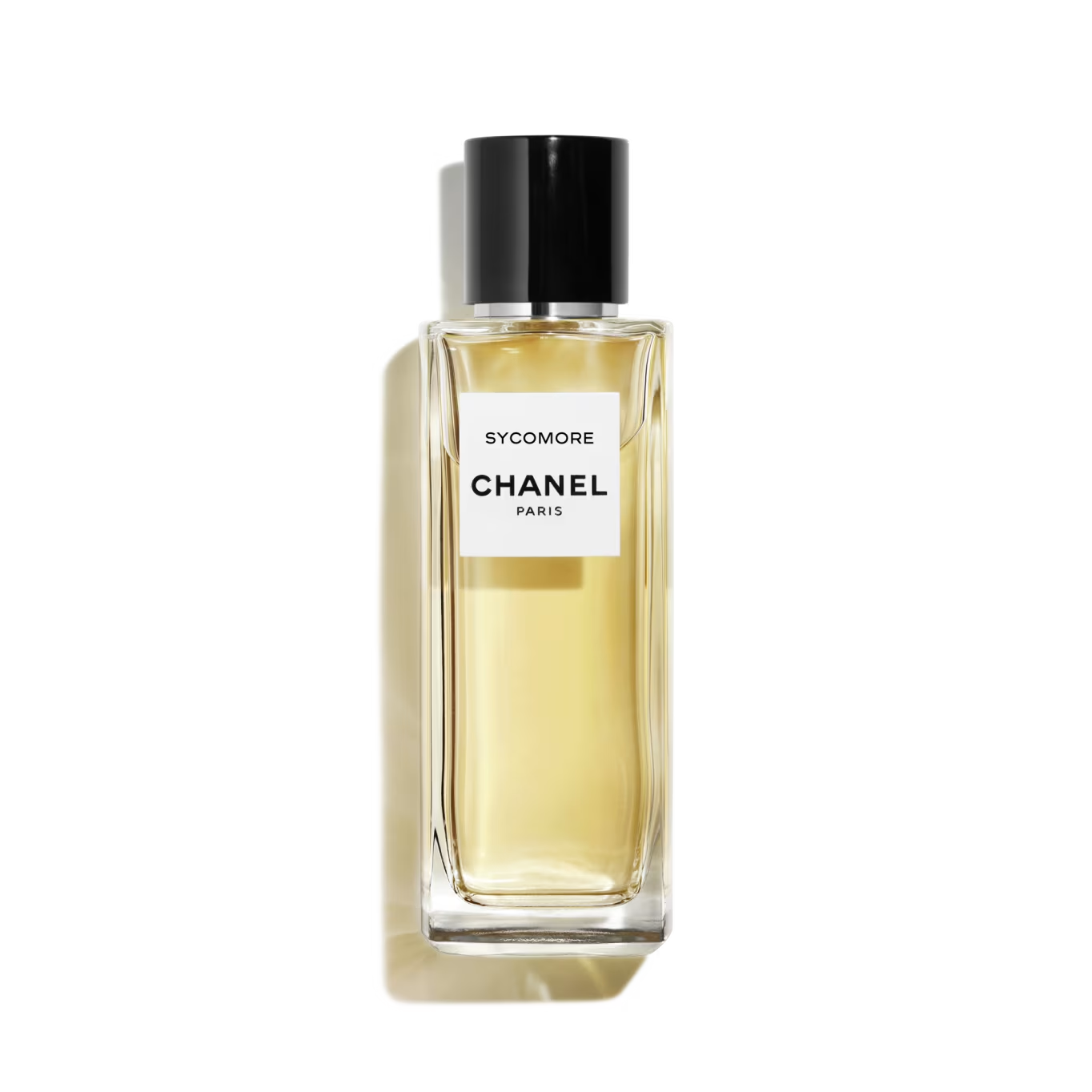
The Pairings: Sycomore Eau de Parfum (first, lightly) & Boy Eau de Parfum (over)
What it Creates: Both sit in the dry woody musk family. Sycomore is the smokier, more elemental of the two; Boy is softer and more urban, organised around grey musk and cedar.
Together they create a linear, authoritative, almost architectural scent trail — sophisticated without being overtly feminine or masculine. The sum is quieter than either alone but more persistent.
Best for: the CHANEL wearer who dresses instinctively rather than decoratively. A scent for someone who already knows what they want.
These pairings are starting points, not formulas, and the way any combination reads on your skin will be shaped by your own skin chemistry, body temperature, and the time of day. A few principles make the process more reliable:
Start with the heavier scent. As a general principle, apply the richer, denser fragrance first and the lighter one over the top. The heavier scent provides the foundation; the lighter one shapes the opening.
Allow settling time. Apply the first layer and wait thirty seconds to a minute before adding the second. This prevents the two scents competing at the same level and gives each space to begin its own development before they interact.
Work with shared notes, not identical ones. The most successful combinations share at least one structural element – a common base note, an overlapping family, a similar emotional register – while differing in at least one meaningful way.
Apply to different zones when in doubt. If you are uncertain how two scents will interact directly, apply them to separate pulse points: one to the wrists and one to the neck. The warmth of the skin will carry them individually while the air blends them at a distance. This is a forgiving way to explore a pairing before committing to full overlap.
Less, and then less again. The instruction with any fragrance layering is always to use significantly less of each than you would wear alone. Two sprays of two fragrances is rarely the right answer. One spray of each, or one spray and a body oil application, is almost always more than sufficient.
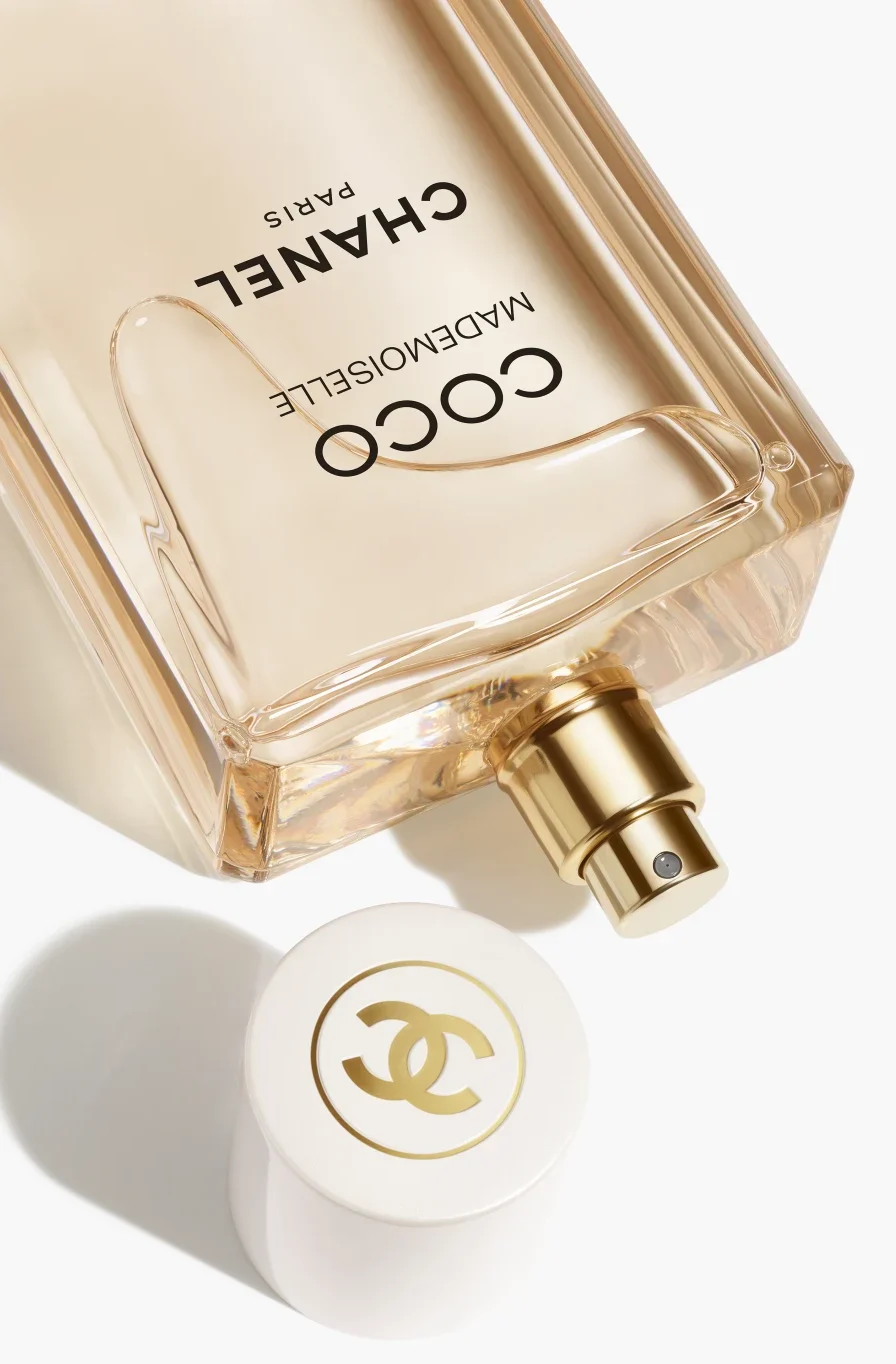
Image Credit: CHANEL
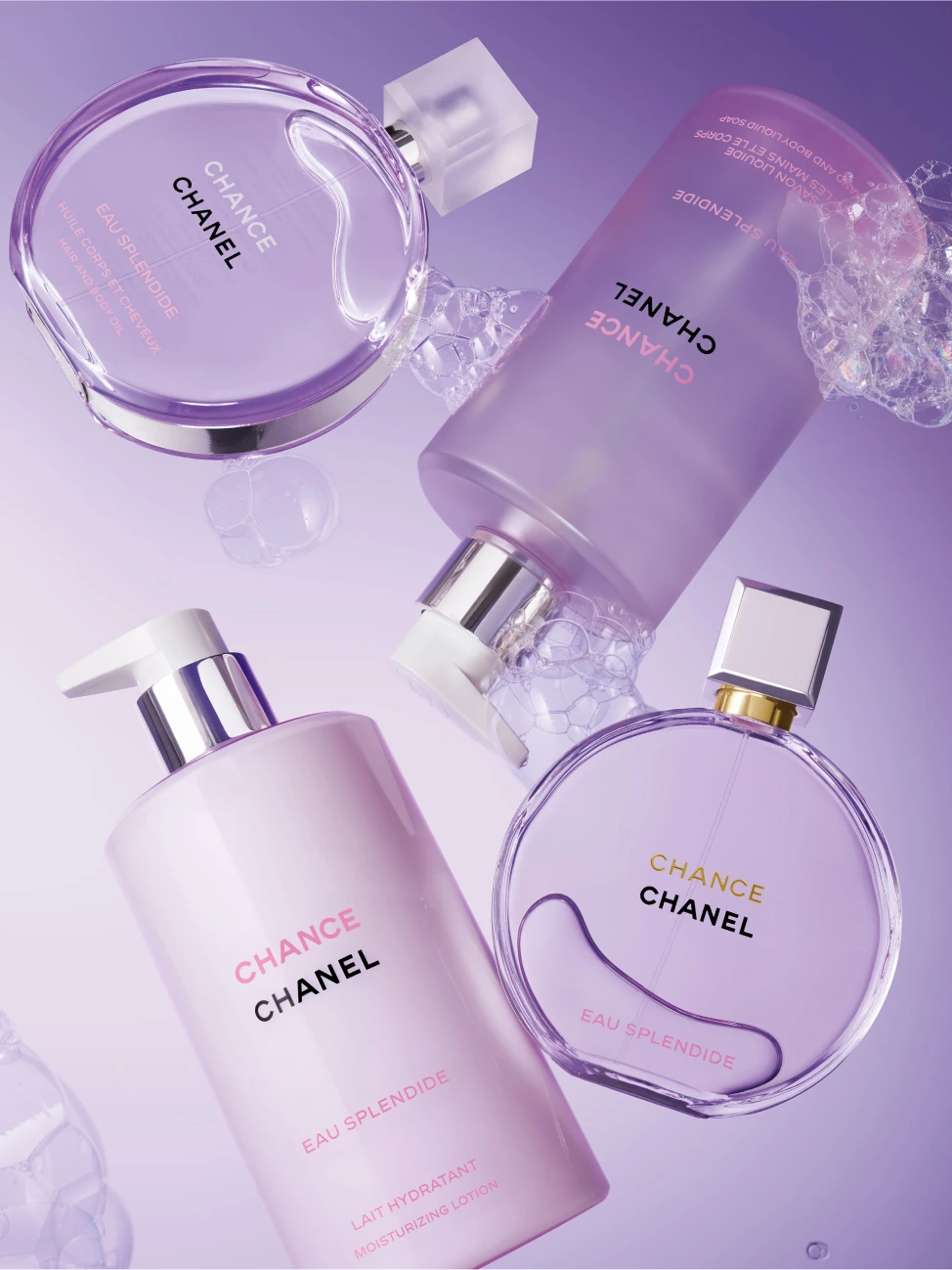
Image Credit: CHANEL
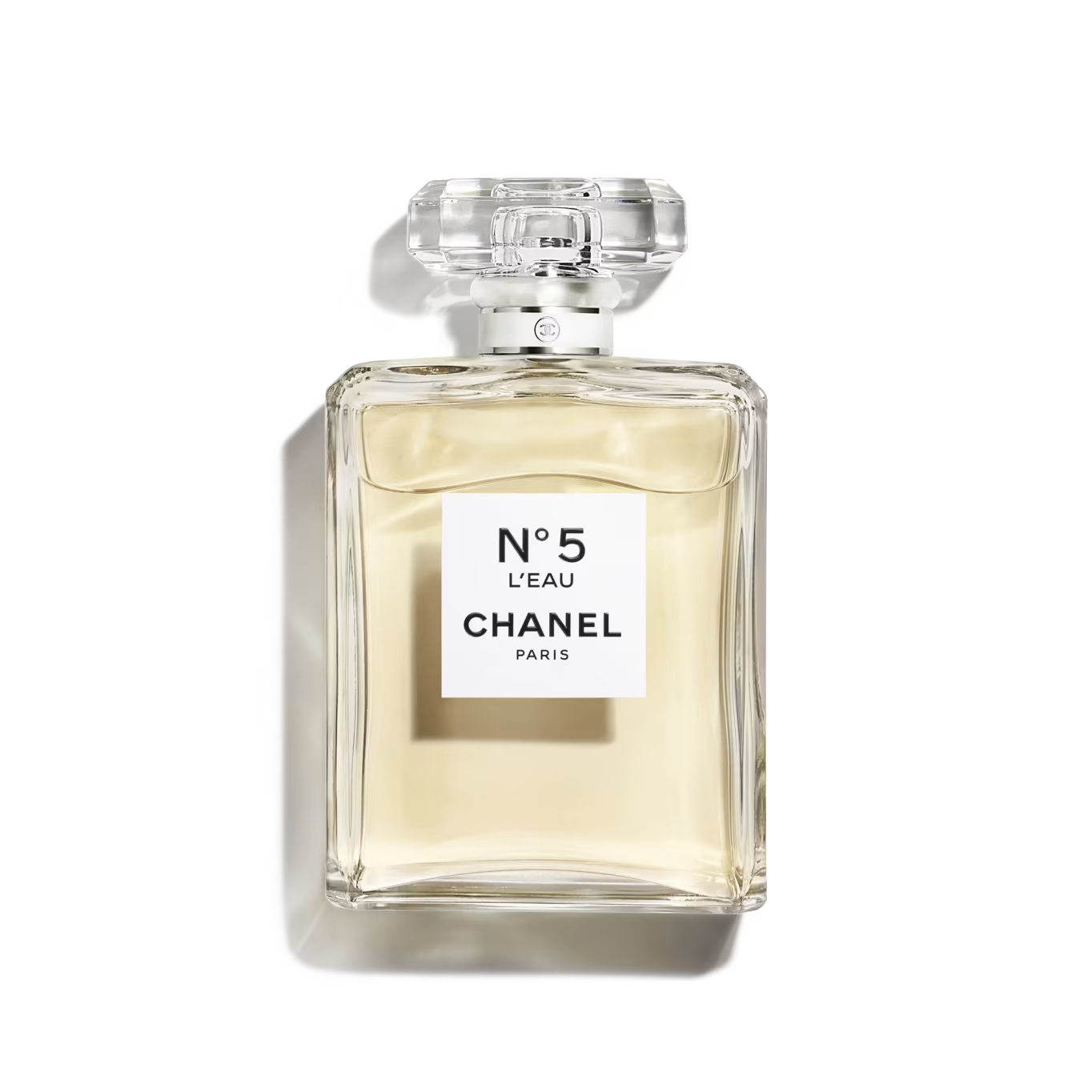
Image Credit: CHANEL
CHANEL’s fragrances were not created to be combined. Olivier Polge is clear on this: each composition is finished in itself, a complete statement that is not waiting for a partner. The layering is something that happens in the space between the perfumer’s intentions and the wearer’s instincts.
That space is interesting precisely because it is uncontrolled. The house cannot predict what N°5 will become on your skin when it meets the Sycomore oil, any more than Coco Chanel could have predicted how a customer would wear her jersey dress with borrowed details from a man’s wardrobe. The clothes, the fragrances – they are designed with integrity and worn with freedom.
That balance of finished intention and personal interpretation is, perhaps, the most CHANEL thing of all.