
24 October 2026


Every major fashion house talks about heritage. Few have one as thoroughly documented, or as integral to their creative identity, as CHANEL. Preserved through the Patrimoine de CHANEL – the archive on the outskirts of Paris overseen by Madame Odile Prémel, who leads the house’s heritage collection – offers more than a record of past collections. It is a resource for understanding Gabrielle Chanel’s ideas, the circumstances that shaped her work and the creative decisions that continue to define the brand. For CHANEL, referencing the past is not an exercise in nostalgia. It is a way to establish what comes next.
Gabrielle Chanel established a distinct design philosophy grounded in practicality, freedom of movement and a challenge to conventional ideas of femininity. Karl Lagerfeld understood that the strength of this foundation lay in its flexibility. During his 36 years at CHANEL, he repeatedly reinterpreted the house’s visual language, changing proportions, materials and context without losing its identity.
The archive makes this possible. Rather than serving as a collection of designs to reproduce, it provides a framework for experimentation. A historical garment can reveal how a silhouette evolved, why a particular construction worked or how Gabrielle Chanel approached dressing women in her own time. Those discoveries can inform an entirely new idea rather than dictate a familiar result.
Without that understanding, heritage risks becoming a checklist. With it, a designer can challenge expectations while maintaining a clear connection to the house.
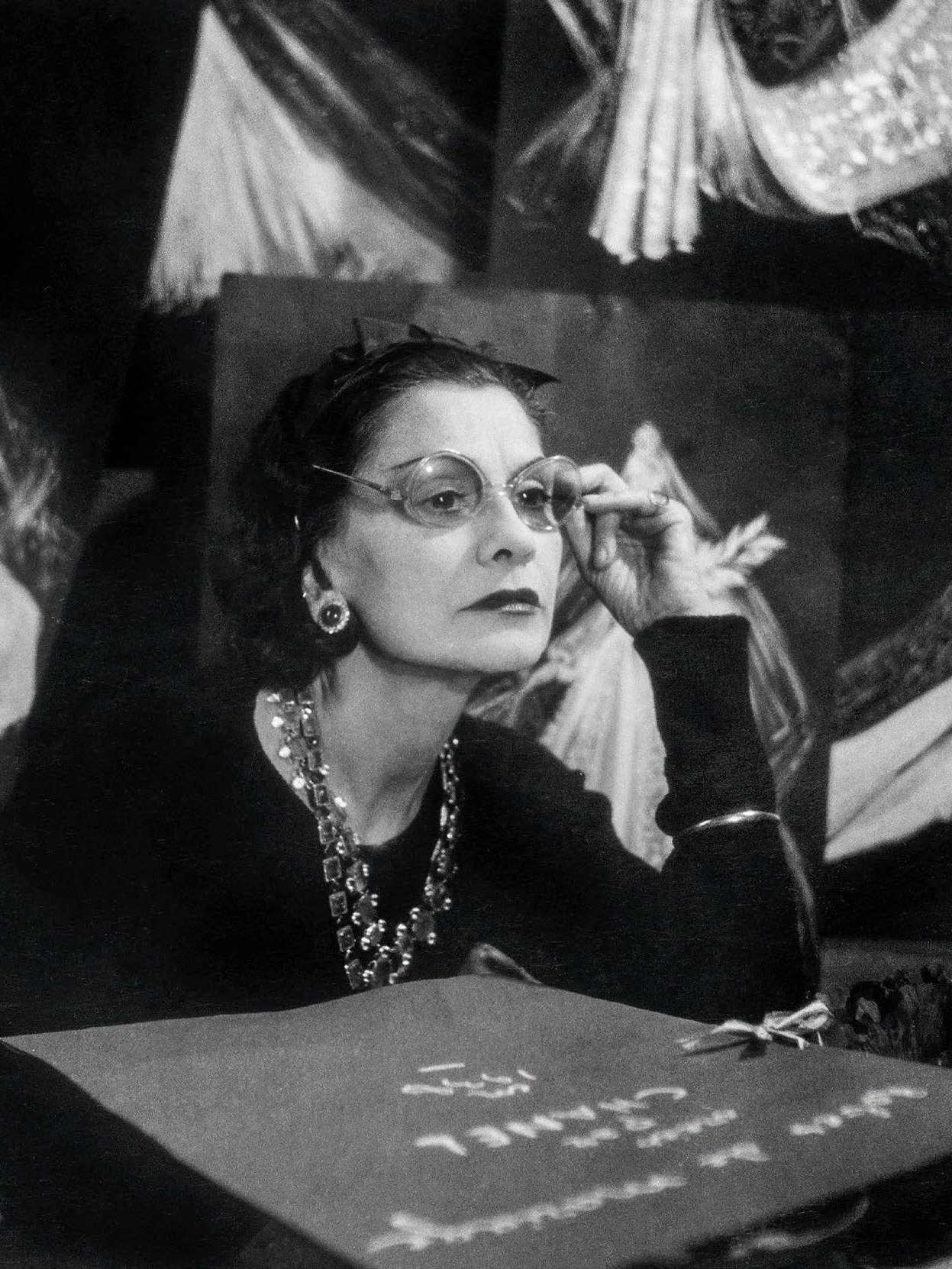
Image Credit: CHANEL
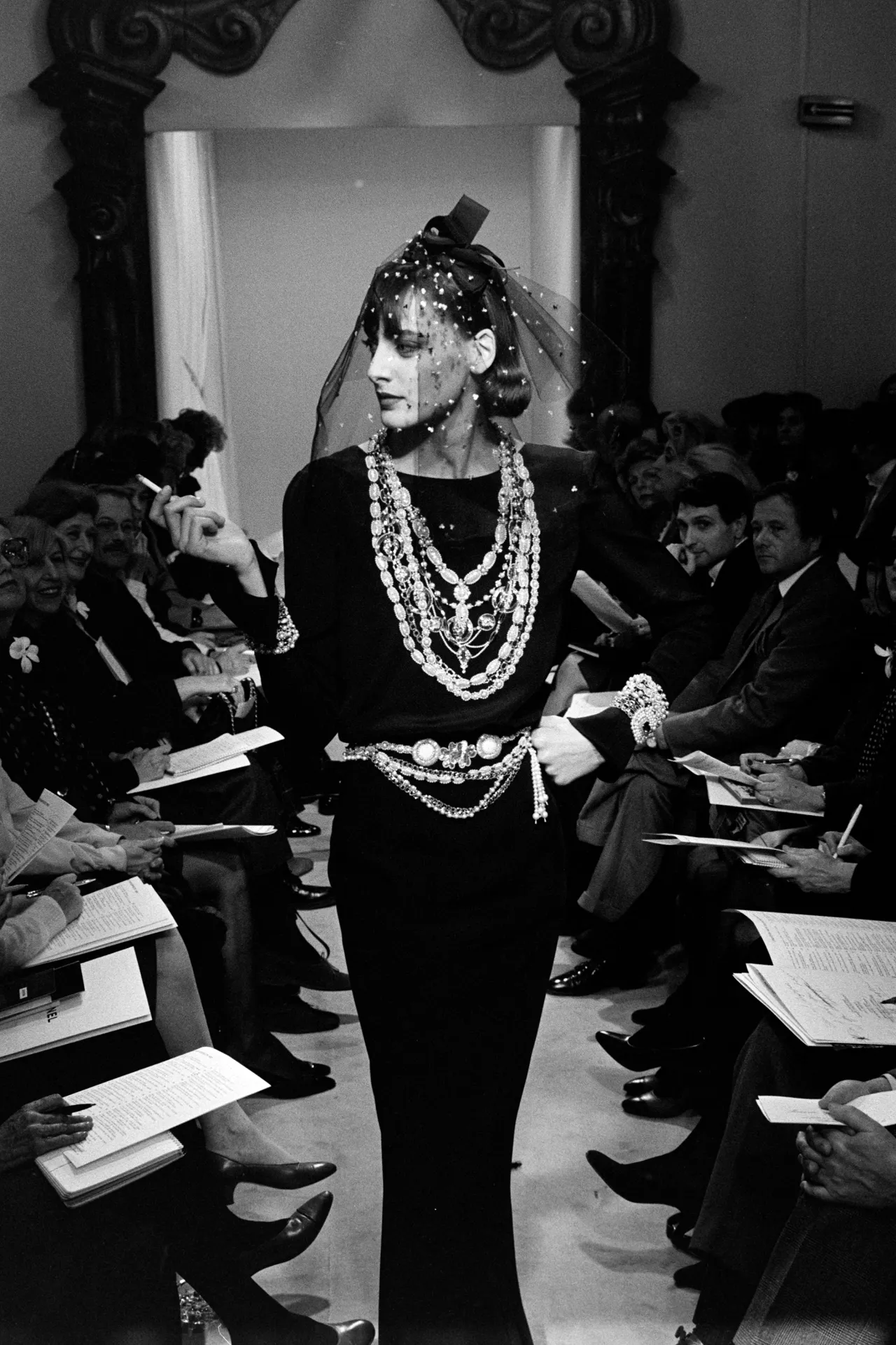
Image Credit: CHANEL
Matthieu Blazy’s arrival at CHANEL began with an encounter with the house’s history that was as overwhelming as it was inspiring. On his first day, he visited the Patrimoine de CHANEL: “The first day I arrived at Chanel I went to the archive and I felt very overwhelmed. It was too much beauty almost. I didn’t know where to take it,” Blazy told AnOther Magazine.
He returned to the archive but eventually chose another way to explore the house’s history. Rather than continue studying its extensive collection of objects and garments, he began reading about Gabrielle Chanel through historical books and accounts of her life. As he explained in his interview, he preferred discovering the stories behind the imagery. Those findings would lead to further conversations with Prémel and the archive team.
His response offers an important insight into the challenge of leading one of fashion’s most historically significant houses. Access to an extensive archive does not automatically provide creative direction. Before interpreting CHANEL’s visual language, Blazy wanted to understand the woman behind it. Her ambitions, experiences and unconventional approach to fashion offered a more personal starting point than a checklist of established house codes.
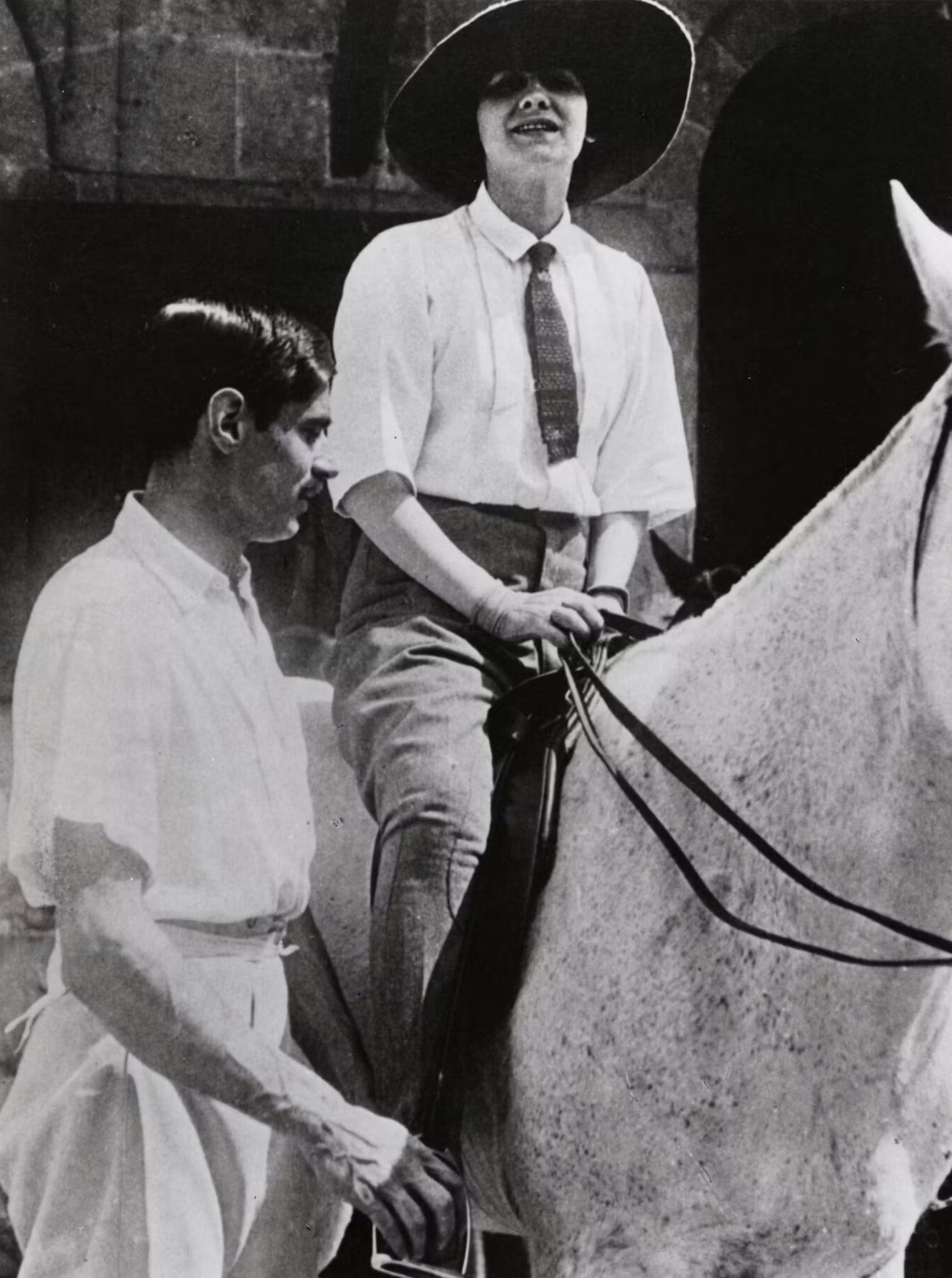
Image Credit: CHANEL

Image Credit: Sam Marie-Saint
His Spring/Summer 2027 Ready-to-Wear collection brought this approach into particularly clear focus. Blazy conceived the collection around Gabrielle Chanel’s many identities, presenting her as a woman who continued to evolve throughout her life rather than one defined by a single image. The collection moved between masculine and feminine references, relaxed dressing and structured tailoring, reflecting the different influences that shaped her work.
The opening look made the historical connection unmistakable. A sheer white dress was paired with Gabrielle Chanel’s own 2.55 handbag, borrowed from the Patrimoine. The original bag appeared again in the closing look, bookending the show with an object that belonged to the founder herself.
The decision gave the collection a narrative dimension beyond its clothes. The 2.55 is already one of fashion’s most recognizable handbags, but the original object carries a different significance from a contemporary reproduction. Its worn leather and faded finish record the passage of time, connecting the collection directly to the woman who created it. By placing the bag at both ends of the runway, Blazy established a link between CHANEL’s beginnings and its future without turning the collection into a historical reenactment.

Image Credit: CHANEL
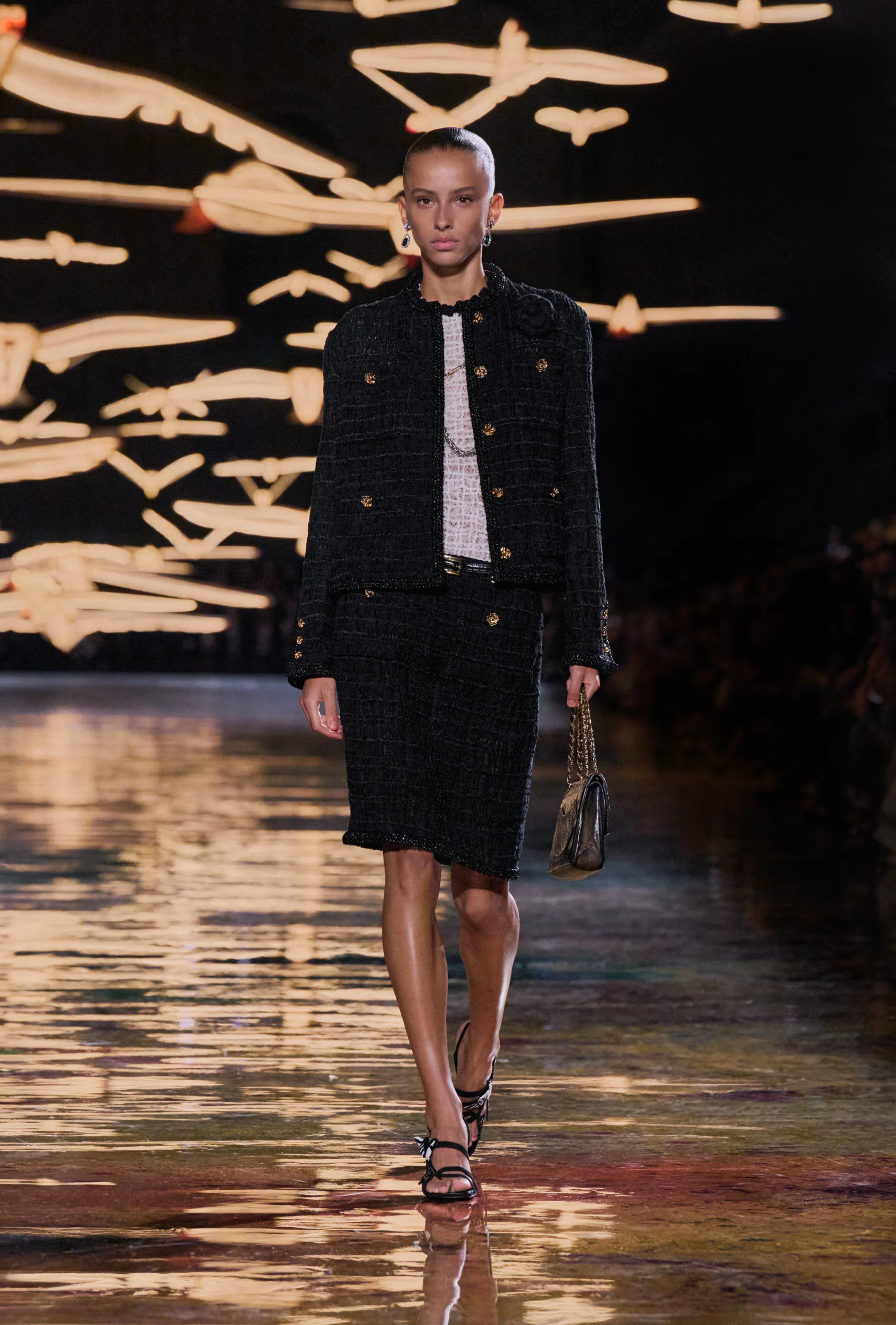
Image Credit: CHANEL
His Fall 2026 Couture collection offered another example of archival research extending beyond garments and runway references. While exploring Gabrielle Chanel’s personal library, Blazy discovered Les Fées, contes des contes, a collection of fairy tales by Charles Perrault. The discovery prompted him to consider whether Chanel’s own life could be understood as a fairy tale, inspiring Gaby and the Beanstalk, a collection that translated literary narratives into couture.
The library became a source of creative direction, with stories such as Jack and the Beanstalk and Goldilocks and the Three Bears informing a collection that balanced fantasy with the technical discipline of couture. The inspiration was not a historical dress to reproduce but a book that offered a different way to think about Gabrielle Chanel and the clothes associated with her name.

Image Credit: Go Runway
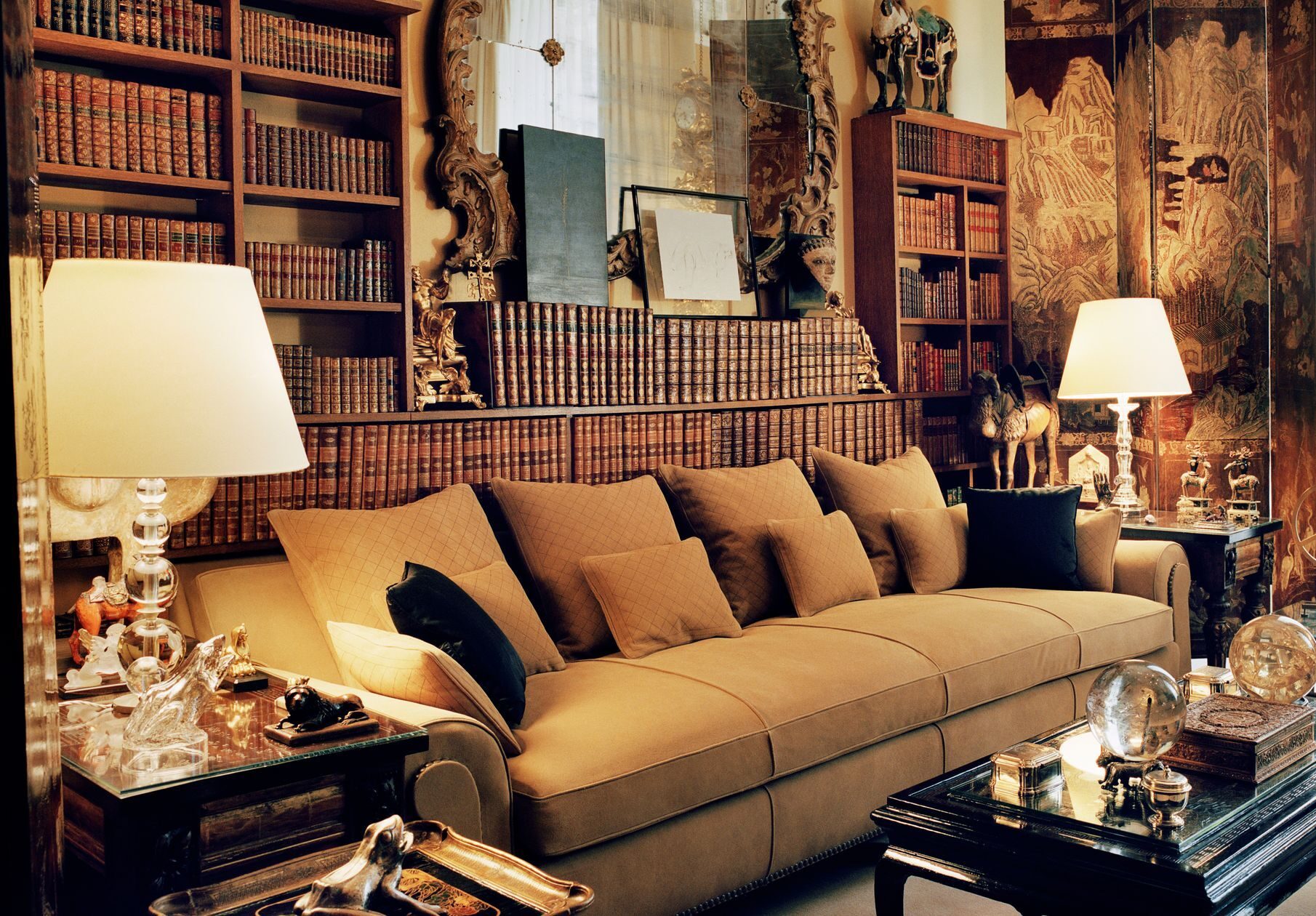
Image Credit: Francois Halard
Together, these collections demonstrate how broadly the archive can be understood. A vintage garment can reveal a new approach to construction, an original handbag can connect a collection to its founder, and a book from a personal library can inspire an entirely new narrative. Gabrielle Chanel’s belongings and surroundings provide insight into her interests and outlook, extending the archive beyond fashion itself.
The archive also has commercial value. CHANEL’s recognizability allows new collections to connect with established customers while giving them reasons to engage with the house again. Familiarity supports brand continuity, but it does not guarantee success on its own. Customers must also see a reason for the house to evolve.
A strong archival foundation helps balance those expectations. It gives a new creative director a point of departure without requiring the work to resemble that of a predecessor. For customers, the connection provides reassurance that the house remains recognizably CHANEL. For the designer, it creates room to develop a distinct point of view.
This balance is especially important during a creative transition. Each new collection is judged against the house’s history, as well as the expectations established by the designers who came before. Understanding that history allows a creative director to make informed decisions about what to preserve, what to reconsider and what can be left behind.
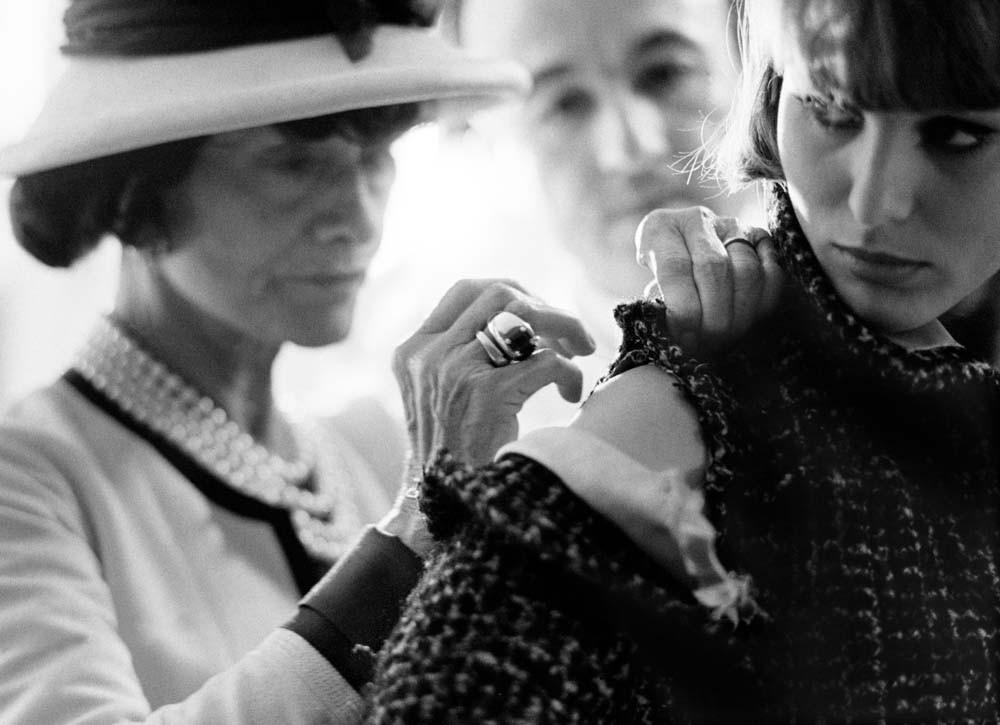
Image Credit: Douglas Kirkland
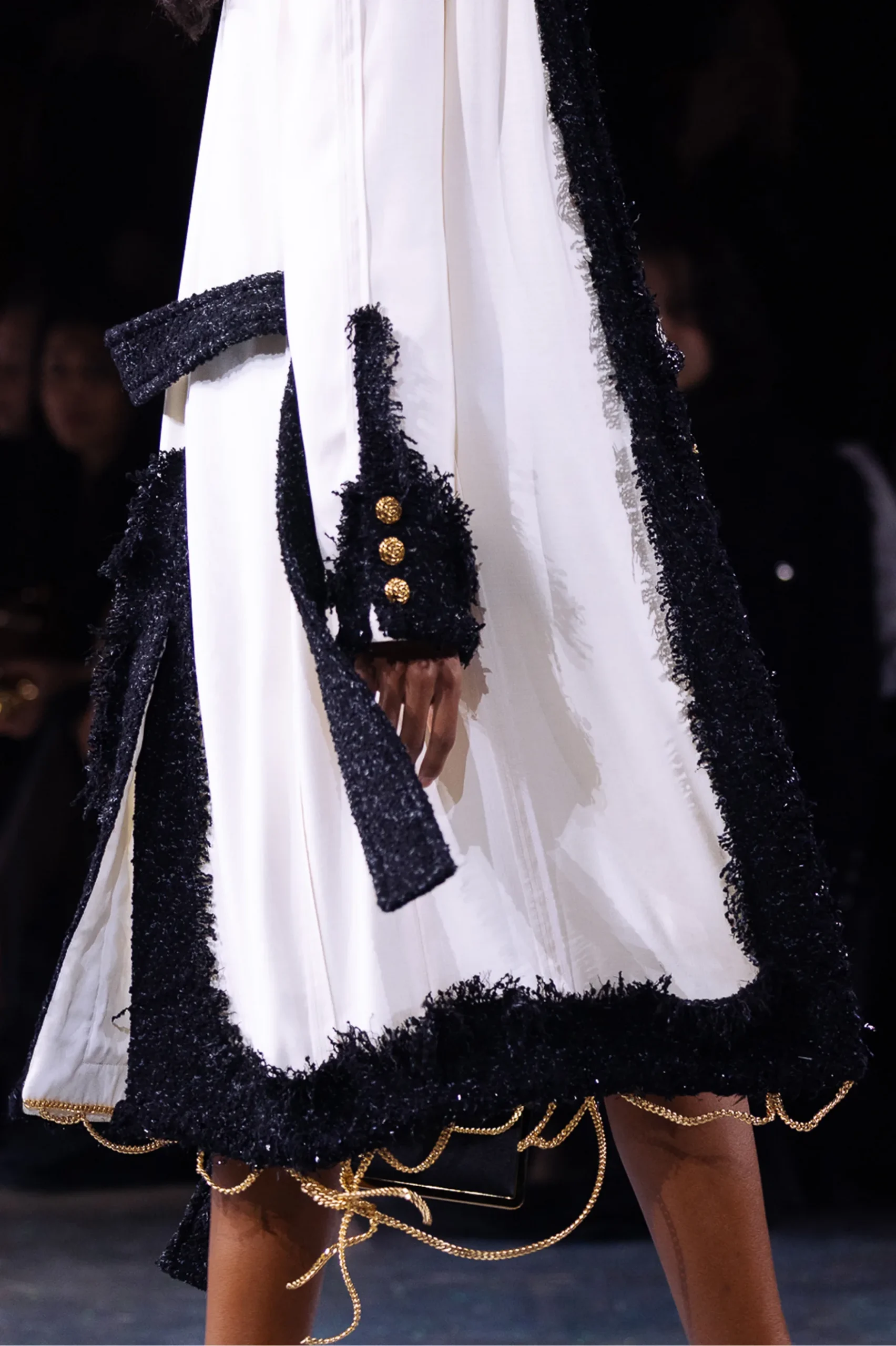
Image Credit: CHANEL
For CHANEL, the archive is the mechanism that allows the house to change while retaining its identity. Gabrielle Chanel established the principles, Karl Lagerfeld demonstrated how far they could be pushed, and Matthieu Blazy is exploring how they can inform a new generation of design.
Blazy’s early experience at the Patrimoine revealed the scale of that responsibility. Faced with an overwhelming collection of historical material, he stepped back to understand Gabrielle Chanel through her life and the stories surrounding her work. His subsequent collections show how that understanding can translate into contemporary design, whether through an original handbag, a forgotten literary reference or a new interpretation of the founder’s many identities.
The value of the archive lies not in preserving every detail of the past, but in understanding it well enough to create something that could not have existed before. When history becomes a source of insight rather than a set of rules, it gives a fashion house something more enduring than recognition: the freedom to keep moving forward.


Image Credit: Jonathan Vincent Baron
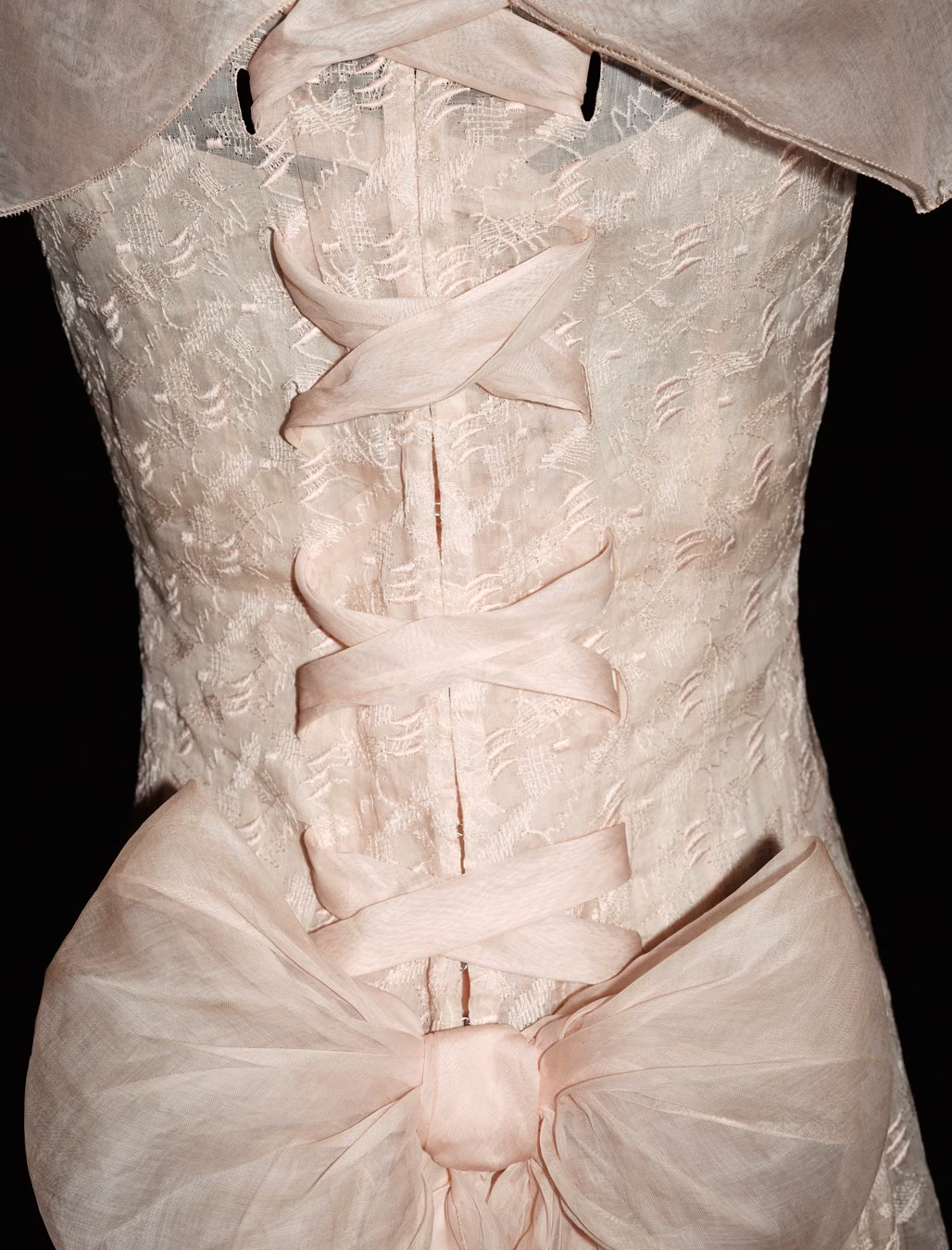
Image Credit: Jonathan Vincent Baron

Image Credit: Achille Laplante Le Brun
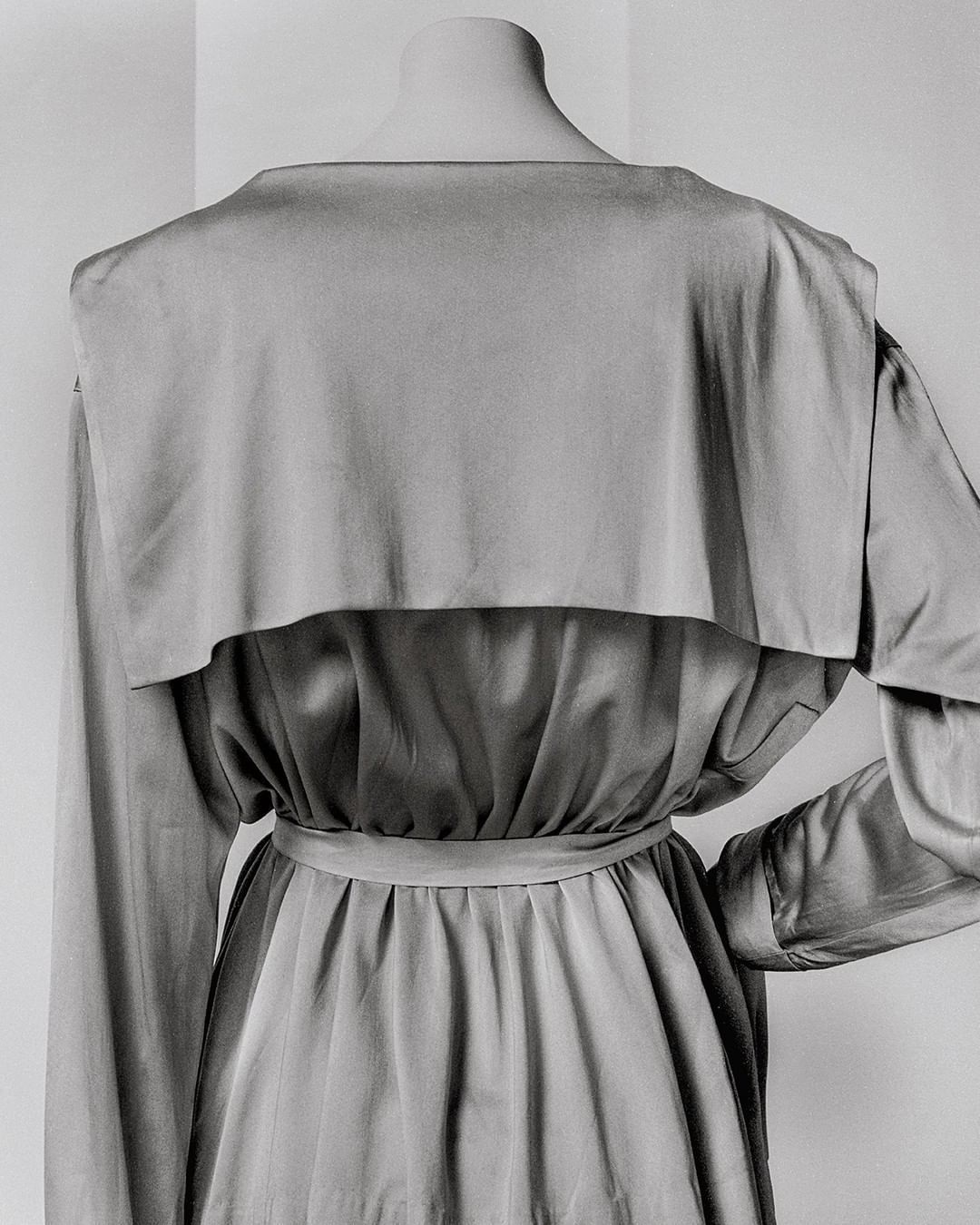
Image Credit: Julien Hamon
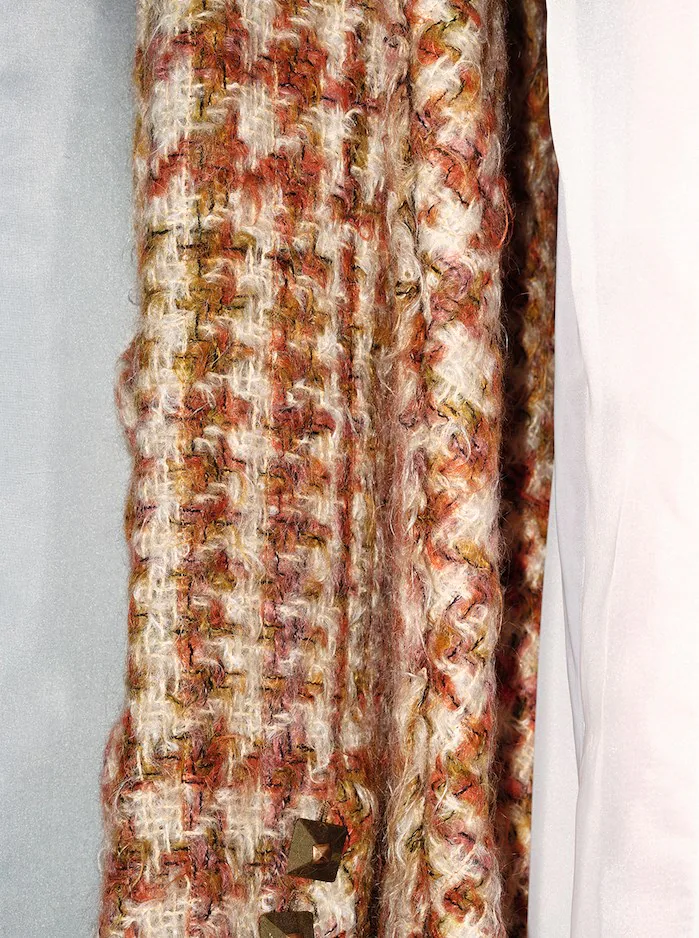
Image Credit: Jonathan Vincent Baron

Image Credit: Benjamin Bouchet
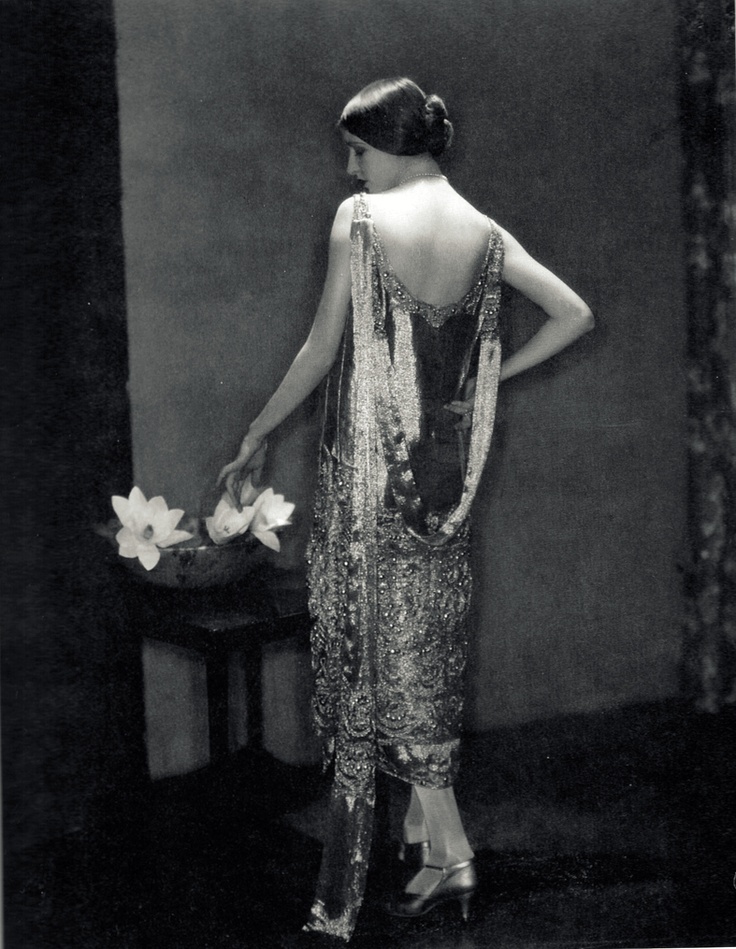
Image Credit: Steichen
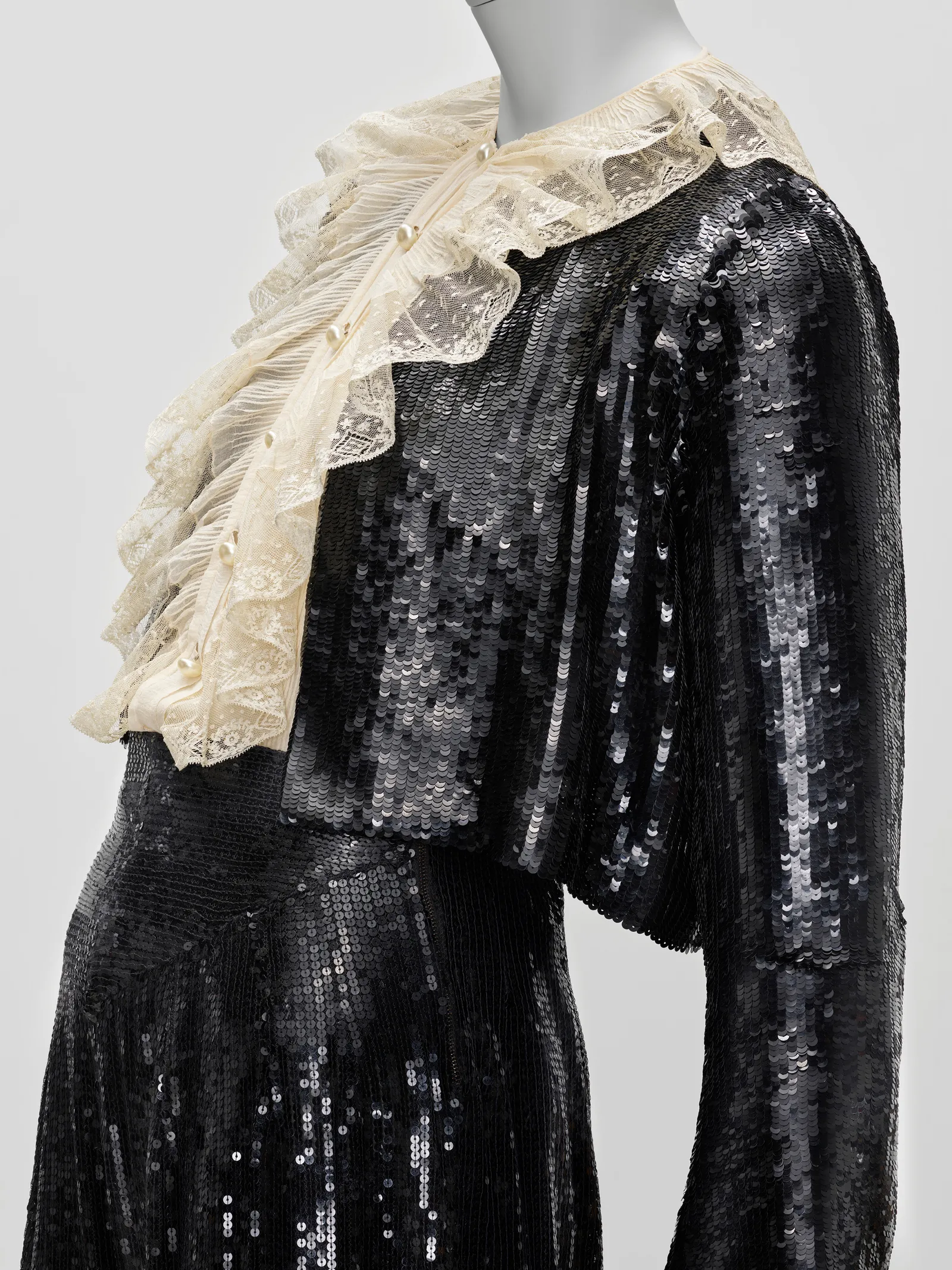
Image Credit: Nicholas Alan Cope