18 April 2026
You know it when you see it. That is the most honest answer to the question, and also the least satisfying one. There is something in the cut of the jacket, something in the weight of the chain, something in the precise angle of a lapel or the proportion of a pocket that announces itself as unmistakably CHANEL – even when you cannot immediately explain why.
But “you know it when you see it” is not a philosophy. It is the beginning of one. And the question of what actually produces that recognition – what the codes of the house truly are, where they came from, and whether they can be held and renewed simultaneously – is one of the more interesting questions in fashion. Not least because it has become urgently relevant again. Matthieu Blazy arrived at CHANEL in 2025 and began, immediately, to answer it. Whether his answer is the right one depends first on understanding what the question is actually asking.
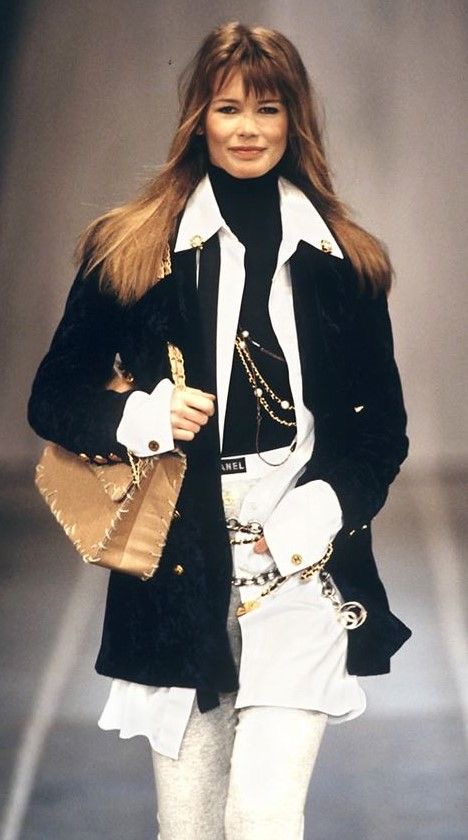
CHANEL Fall/Winter 1993 RTW
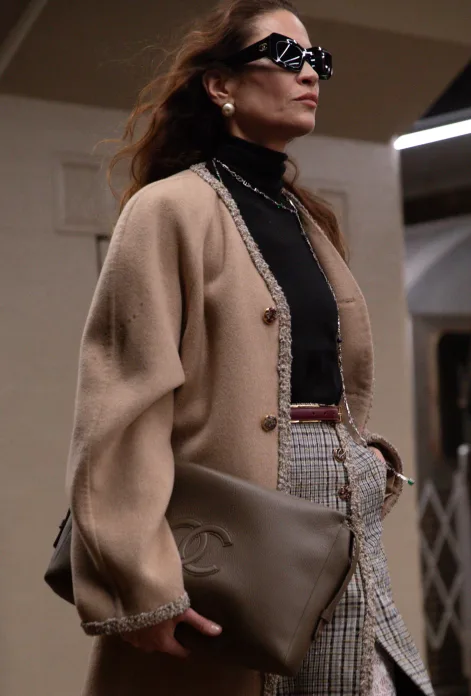
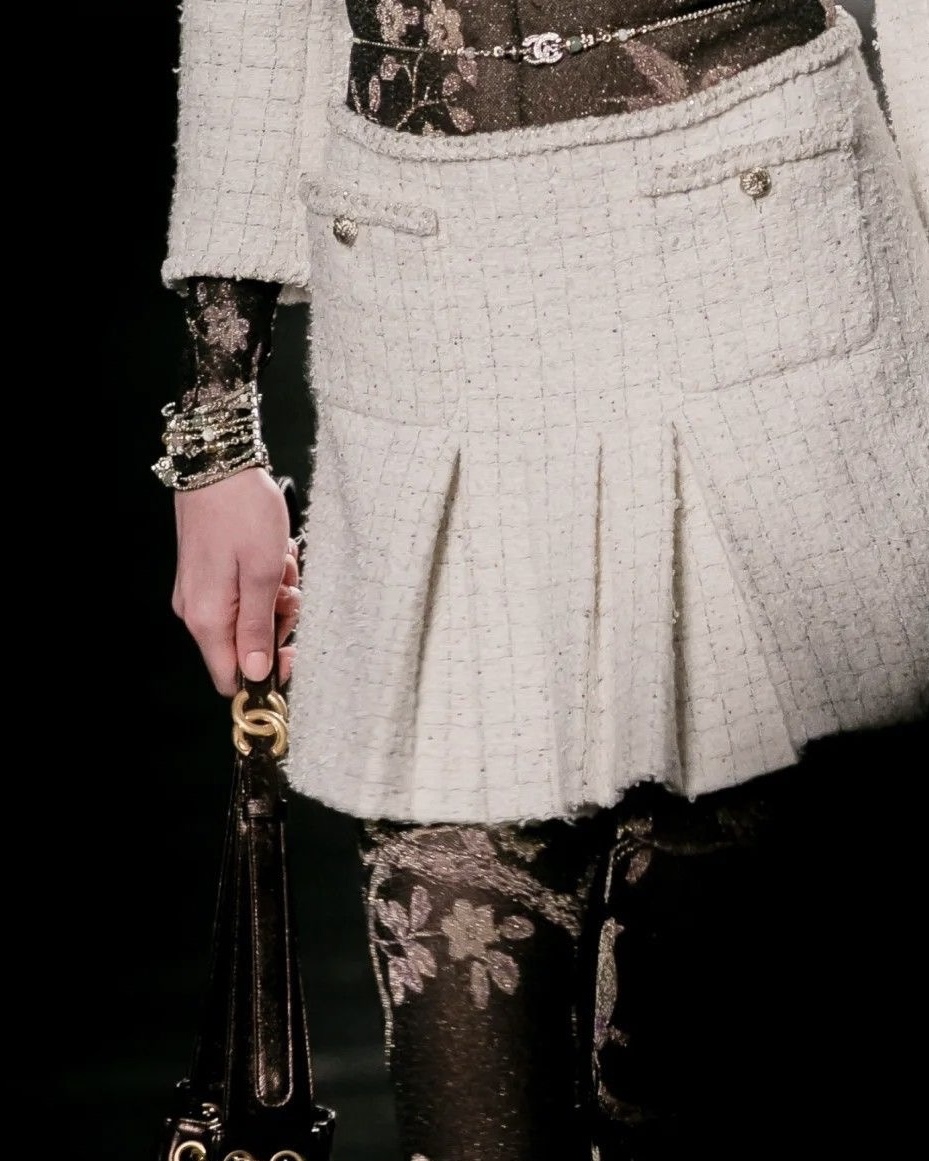
CHANEL Métiers d’Art 2026
The fashion industry speaks constantly about a house’s codes and the visual vocabulary that makes one brand legible and distinct from another. CHANEL’s are among the most documented in the world: the interlocking CC, the camellia, the quilted leather, the chain-strap bag, the tweed suit, the two-tone shoe, the camellia, black and white as structural colours. The list goes on, and industry commentators treat it as something close to scripture.
But codes, taken literally, are a trap. If you treat the tweed suit as the thing rather than as an expression of the thing, you end up in a particular kind of creative paralysis – making the same garment across different decades with minor variation, calling it fidelity when it is actually fear. The fashion graveyard is full of houses that confused their codes with their values, and spent their inheritance on reproduction rather than continuation.
The more useful question is not what CHANEL looks like, but what CHANEL means. The codes are expressions of a set of underlying ideas. Those ideas are the real inheritance. And those ideas, properly understood, are both more durable and more expansive than any single garment or motif could be.
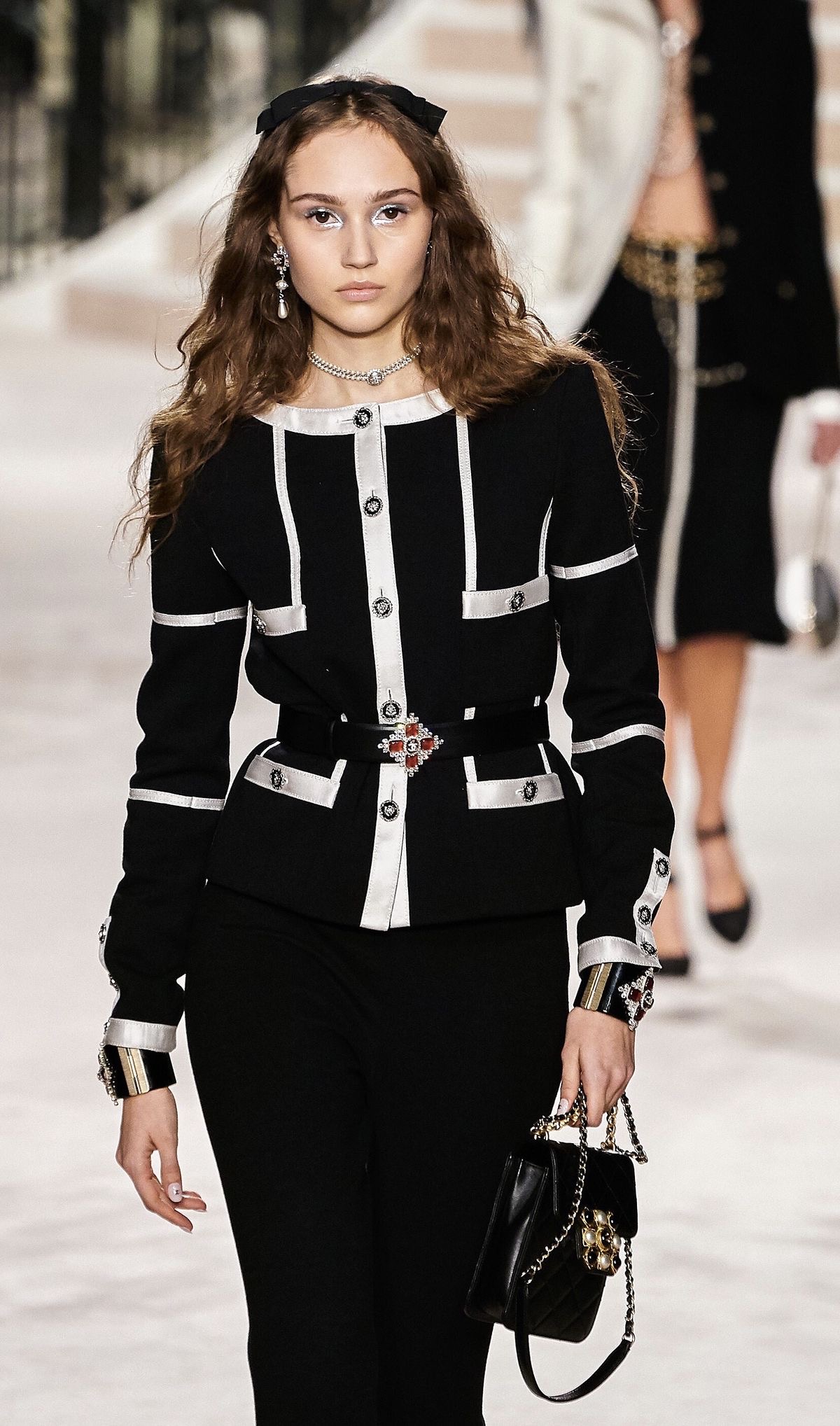
CHANEL Métiers d’Art 2020
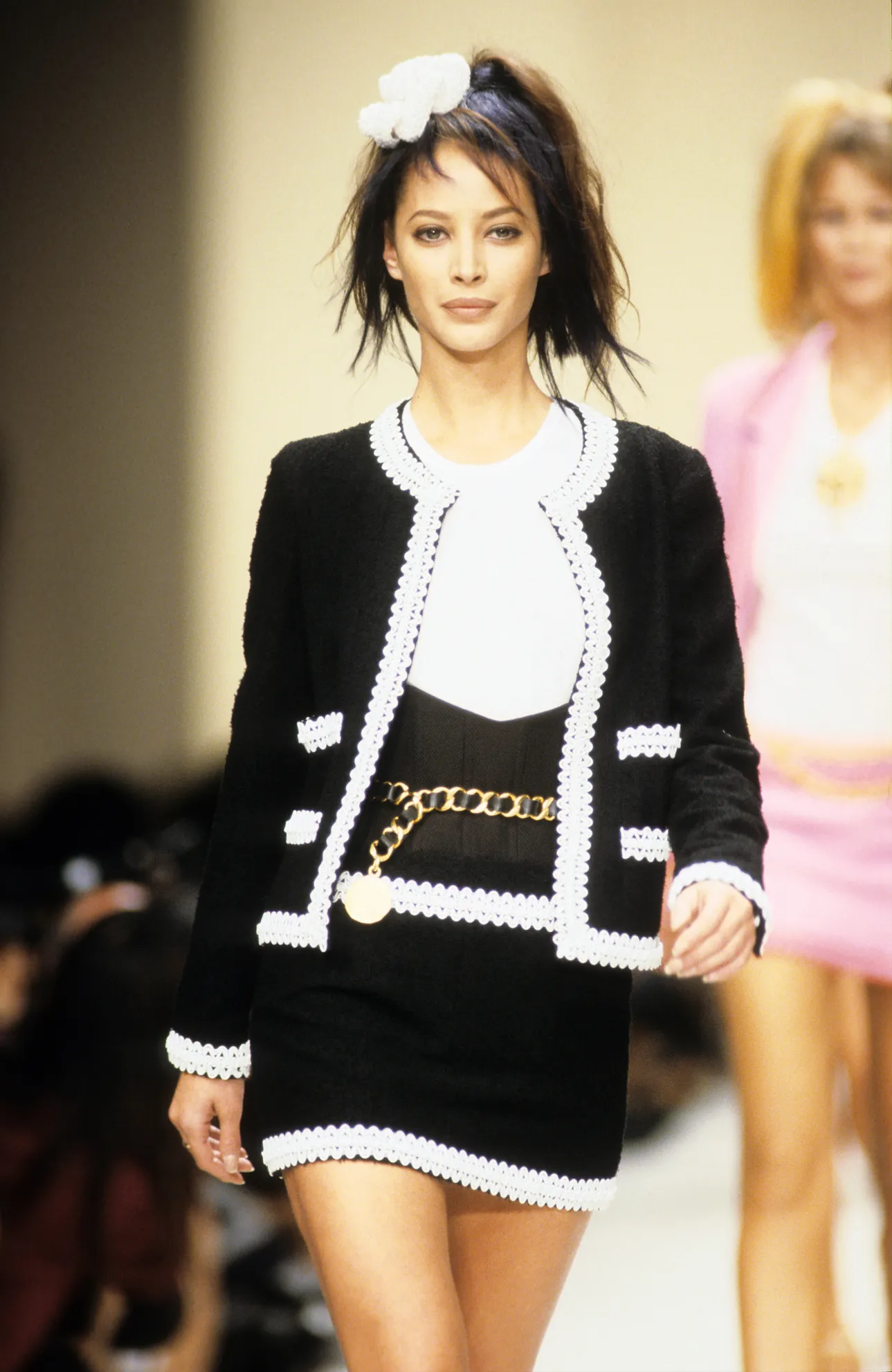
CHANEL Spring/Summer 1994 RTW
Gabrielle Chanel did not set out to create a visual system. She set out to solve problems. This is why the tweed suit is not simply a silhouette. It is the physical form taken by a belief: that a woman should be able to move freely through her life without her clothing demanding performance or sacrifice. The chain-strap bag is not simply a design. It is the answer to a question Coco asked about why women’s hands should be occupied by their own accessories. The two-tone shoe is not simply an aesthetic choice. It elongates the leg and makes the foot appear smaller, because Chanel was interested in proportion, in the body moving through space with ease and authority.
Every element of what became the CHANEL visual identity was, at its origin, the material consequence of a set of convictions about what clothing was for and what women deserved from it. This distinction between the form and the conviction behind the form is everything. Because convictions can find new forms. And new forms, if they emerge from the same underlying convictions, are not departures from a legacy. They are its continuation.
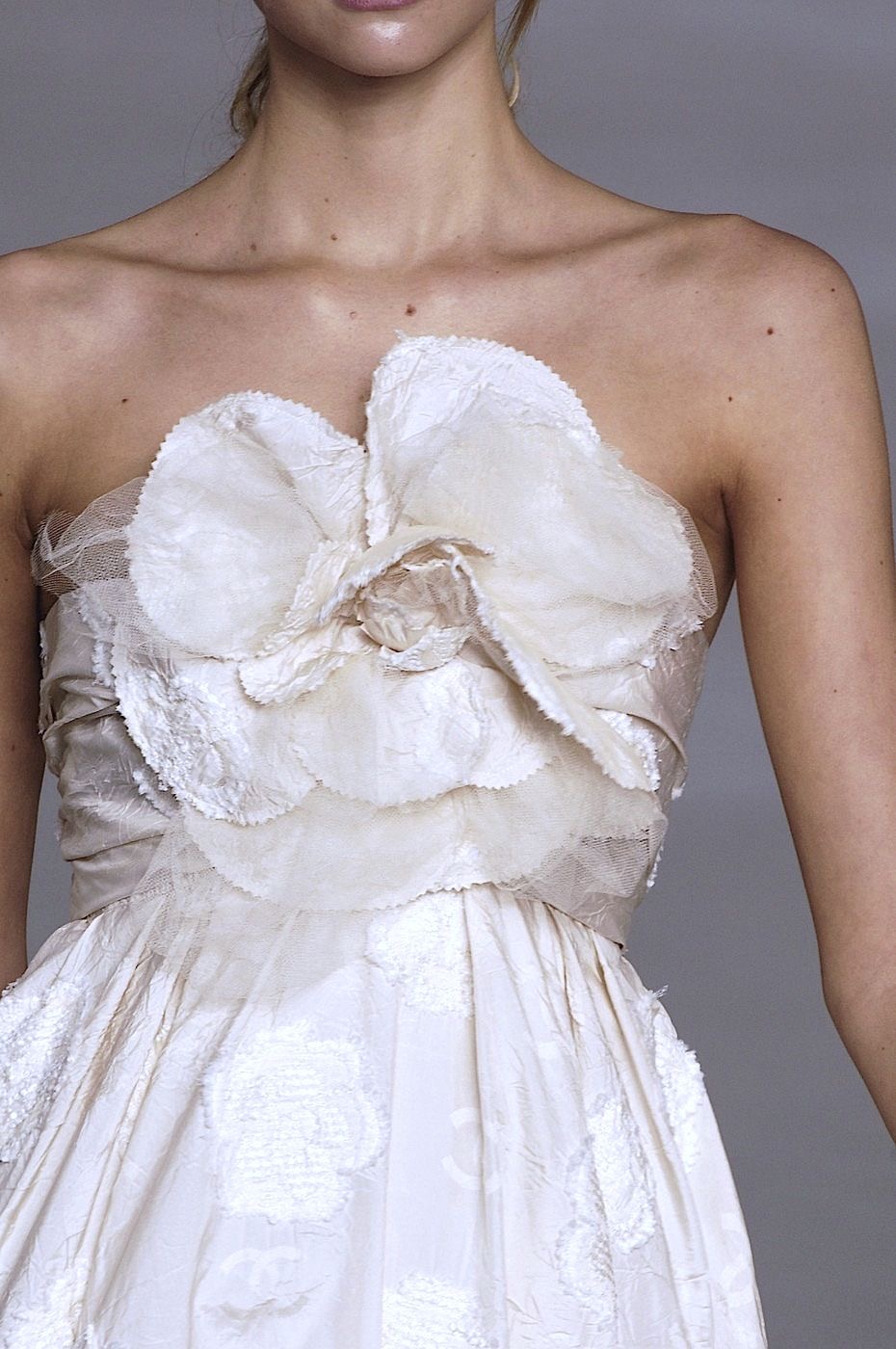
CHANEL Spring/Summer 2006 RTW
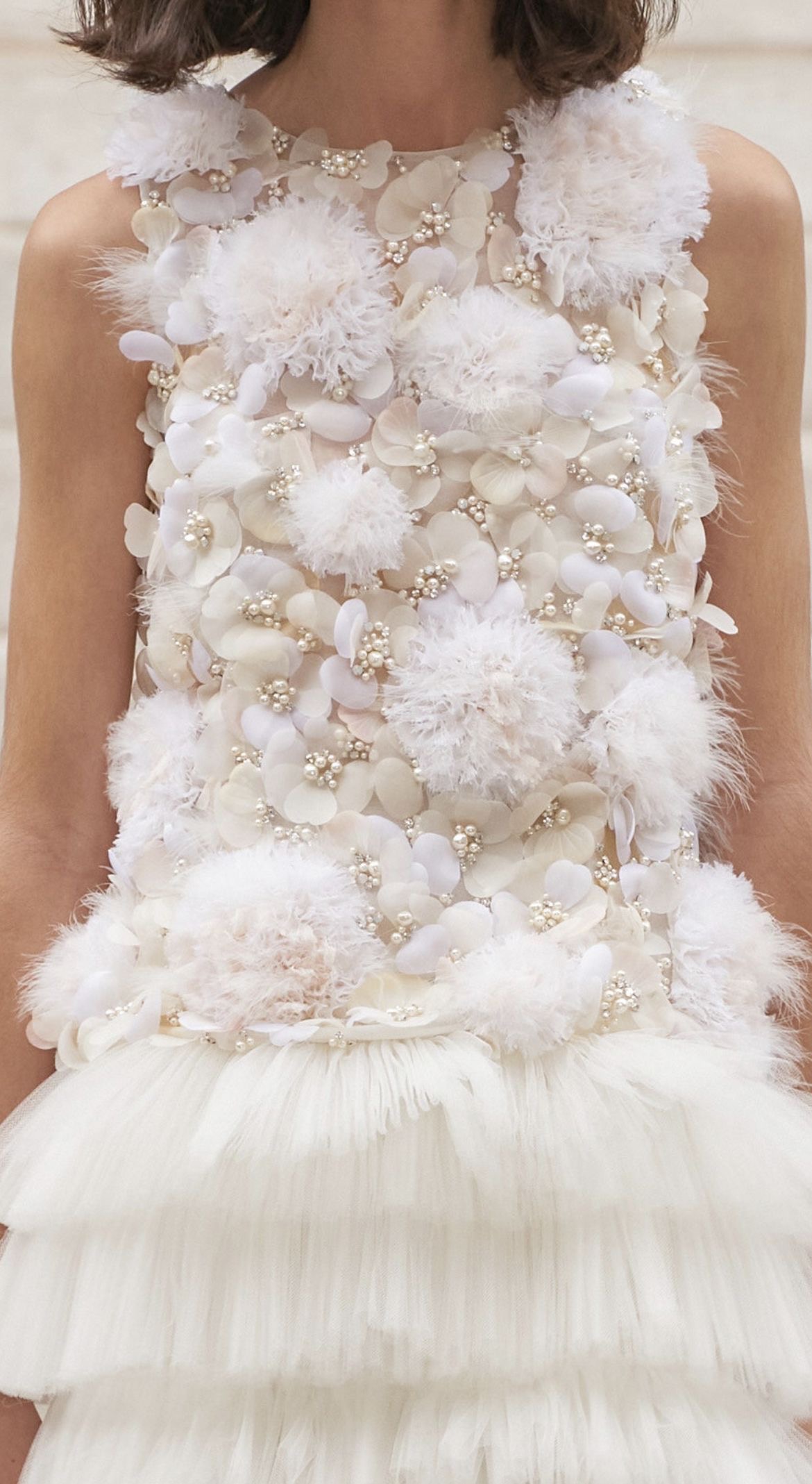
CHANEL Fall/Winter 2021 Couture
If you strip CHANEL’s visual vocabulary back to its underlying logic, several recurring principles emerge. They are not rules – Coco herself broke every rule she could find – but they are values that have organized the house’s creative decisions across more than a century.
01 Refusal of Unnecessary Effort: CHANEL clothing has always been designed to make a woman’s life easier, not harder. This sounds simple, but it runs counter to a long tradition of fashion that prizes difficulty – the garment that is challenging to put on, to wear, to maintain – as a marker of luxury. Coco’s luxury was different: it was the luxury of ease. The jersey dress you could breathe in. The bag that freed your hands. The shoe that did not punish your feet.
02 Elevation of the Overlooked: Coco made jersey, then a fabric for undergarments, into day dresses. She made menswear into womenswear. She made the artificial camellia – a fake flower, made from fabric scraps – into one of fashion’s most recognizable motifs. The CHANEL instinct has always been to find value in the unexpected source, to make something considered and beautiful from something that convention dismissed.
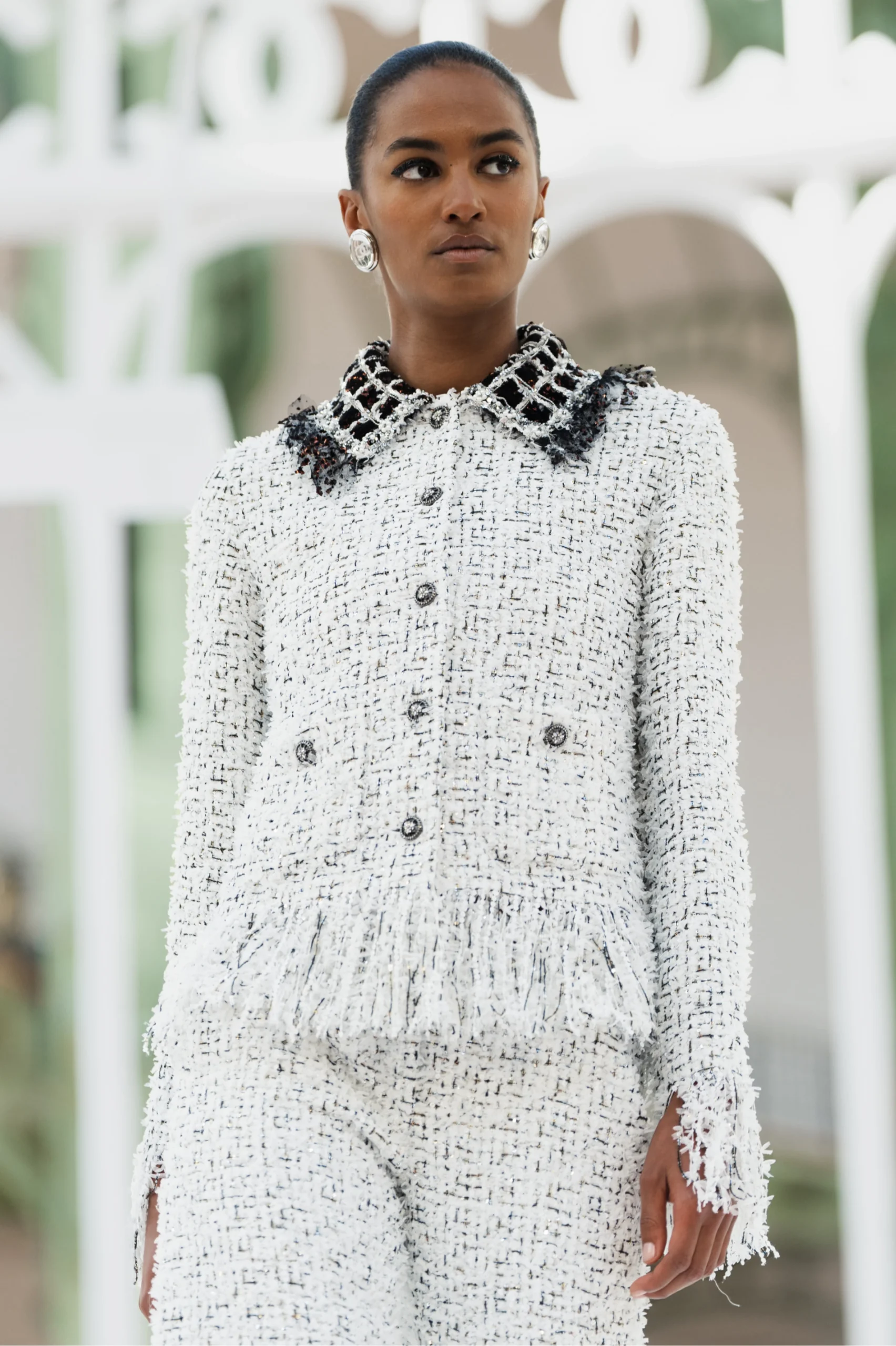
CHANEL Spring/Summer 2025 RTW
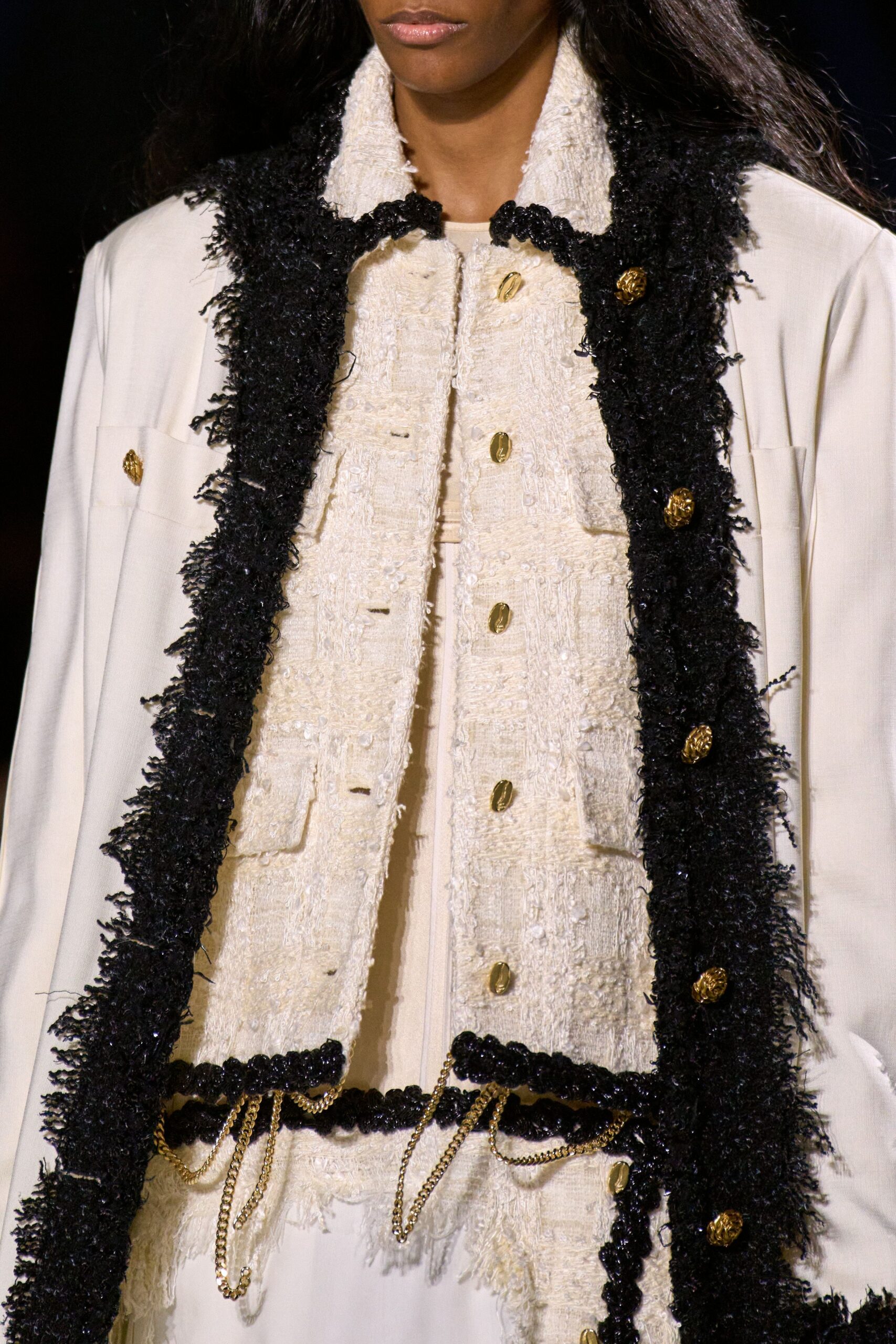
CHANEL Fall/Winter 2026 RTW
03 The Discipline of Restraint: “Elegance is refusal” is the most famous thing Coco Chanel ever said, and it rewards close reading. Refusal of what? Of excess, certainly. But also of the unnecessary gesture, the decorative element that does not earn its place, the detail that is there to impress rather than to serve. Every CHANEL garment that works is the result of editing: of knowing what to take away.
04 Insistence on Contradiction: CHANEL has always operated at the productive tension between opposites: masculine and feminine, simple and luxurious, casual and formal, real and artificial. The house did not resolve these tensions. It inhabited them. The fake jewels worn with the couture gown. The jersey suit. The quilted bag on the chain. The codes of the house are not monolithic; they are dialectical. They hold two things at once.
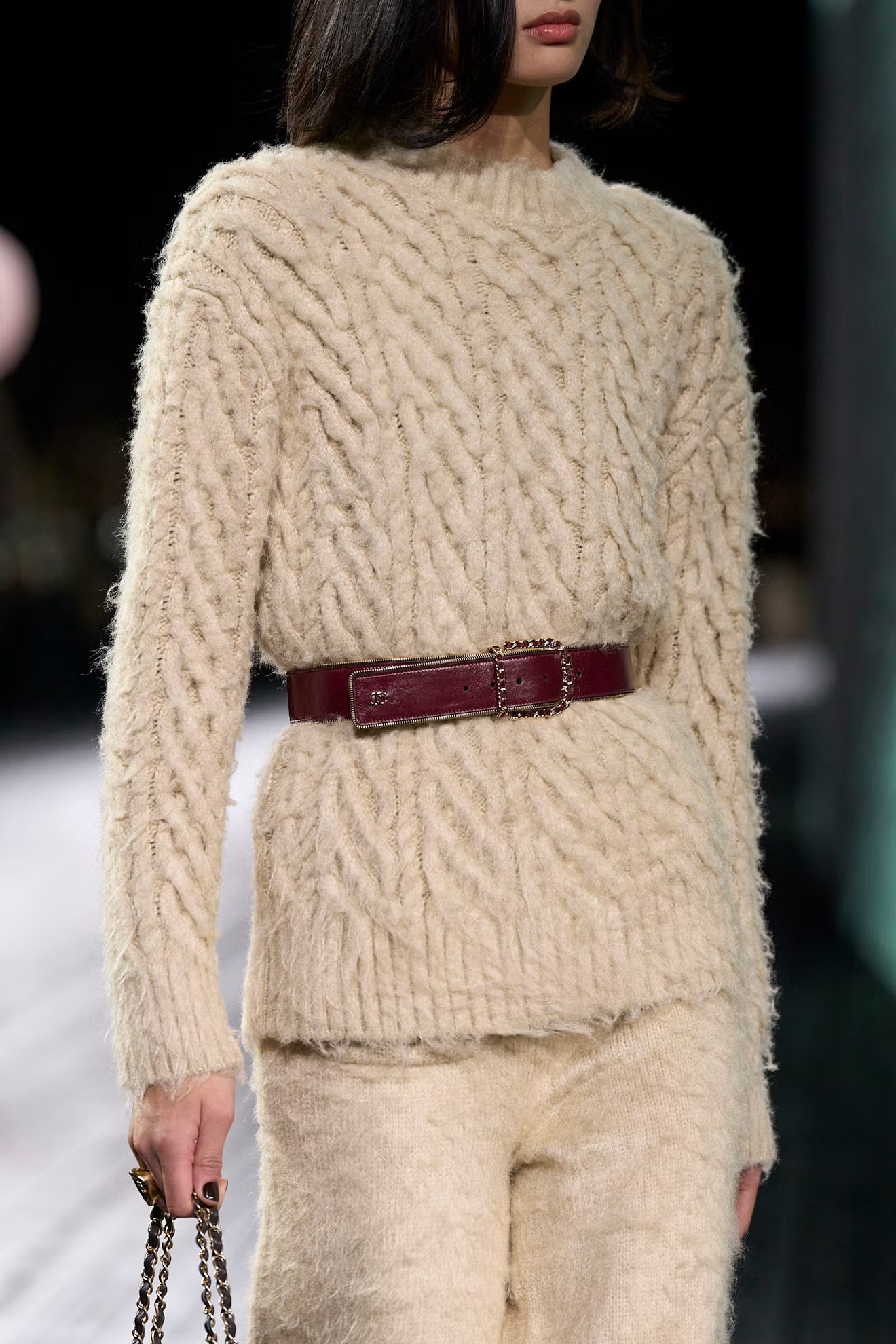
CHANEL Fall/Winter 2024 RTW
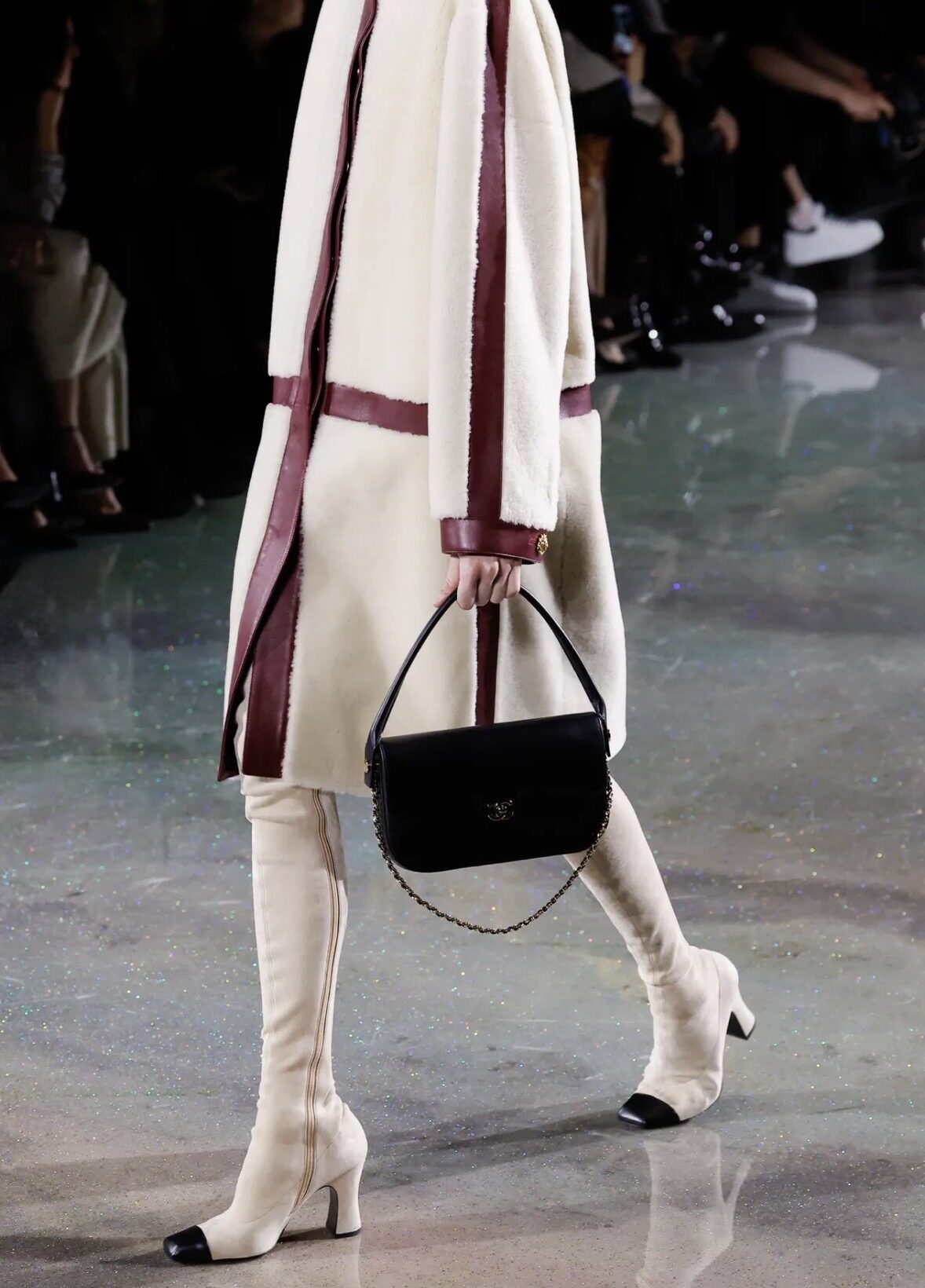
CHANEL Fall/Winter 2026 RTW
Every creative director who has stood at the head of CHANEL has had to answer the same question: which of these values do I carry forward, in what form, and what is the balance between fidelity and reinvention? There is no single correct answer.
Karl Lagerfeld’s answer, across his four decades at the house, was broadly to operate at maximum amplification. He understood the codes as theatrical possibilities – the tweed suit rendered in neoprene, the interlocking CC enlarged to architectural scale, the Parisian apartment set built inside the Grand Palais. His genius was in treating the CHANEL codes as a language that could be spoken at any volume, in any register, without losing its underlying grammar. He never confused the surface with the substance.
Virginie Viard, who succeeded Lagerfeld in 2019, operated closer to the intimate and the personal – a quieter, more introspective CHANEL that prioritized wearability and the woman over the spectacle and the concept. Her tenure revealed something important about the house’s range: that CHANEL does not require grandeur to be itself. The same underlying values – ease, restraint, the productive tension between opposites – can be expressed in a whisper as readily as in a shout.
Matthieu Blazy’s answer, across his first collections, has been to begin from materiality and craft. His CHANEL is deeply interested in the physical properties of fabric, in the relationship between a garment and a body in motion, in the intelligence of construction as a form of meaning-making. In this he is, perhaps surprisingly, deeply Chanelian. Coco’s tweed suit was not just a silhouette. It was an argument in fabric.
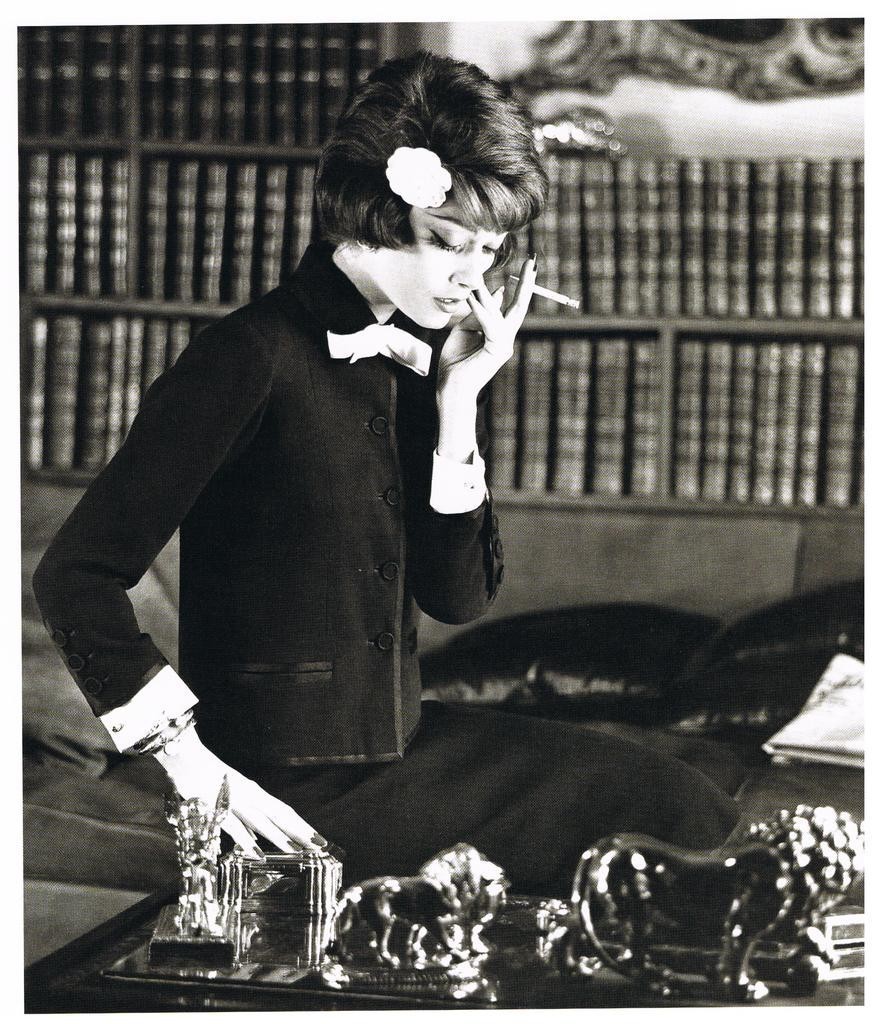
CHANEL 1959, by Gabrielle Chanel
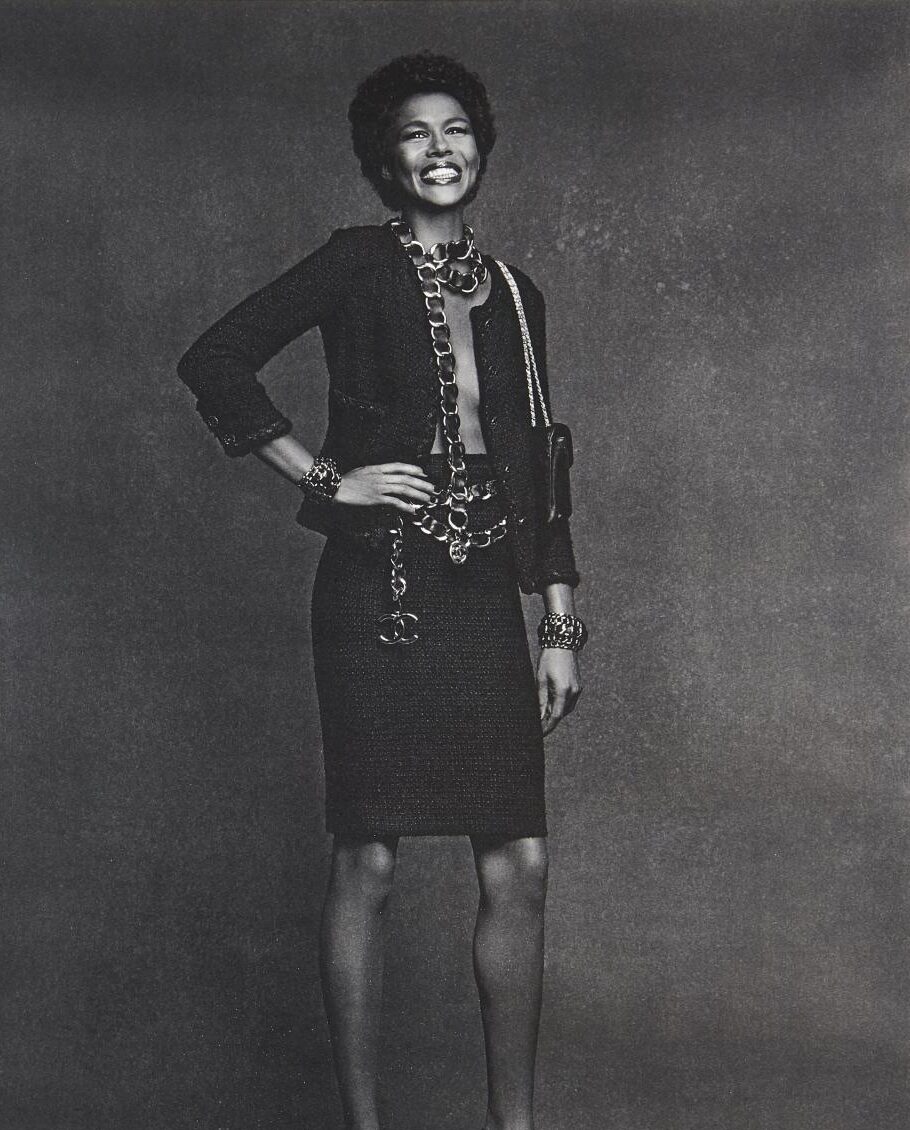
CHANEL 1993, By Karl Lagerfeld
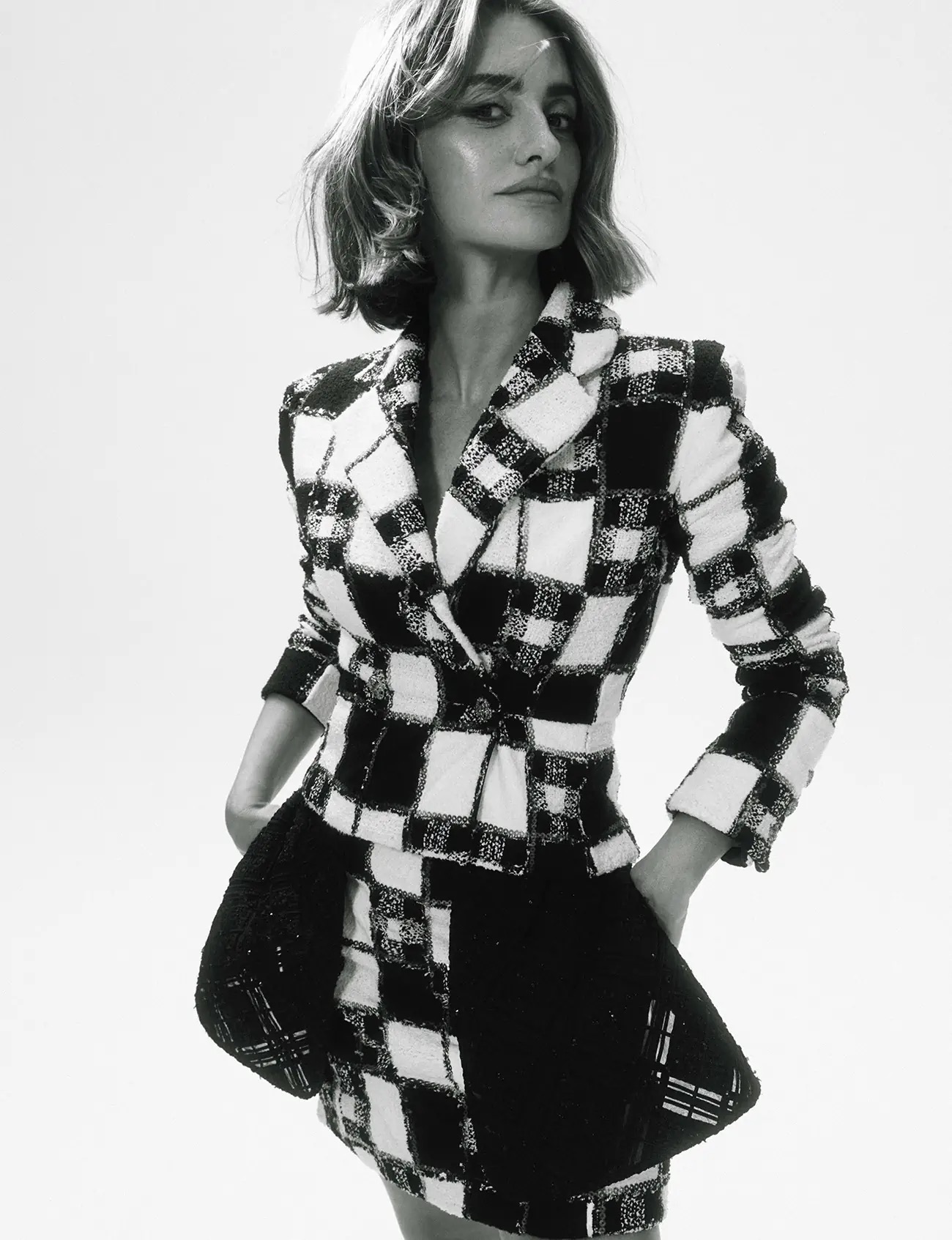
CHANEL 2024, by Virginie Viard. Image Credit: Xavi Gordo
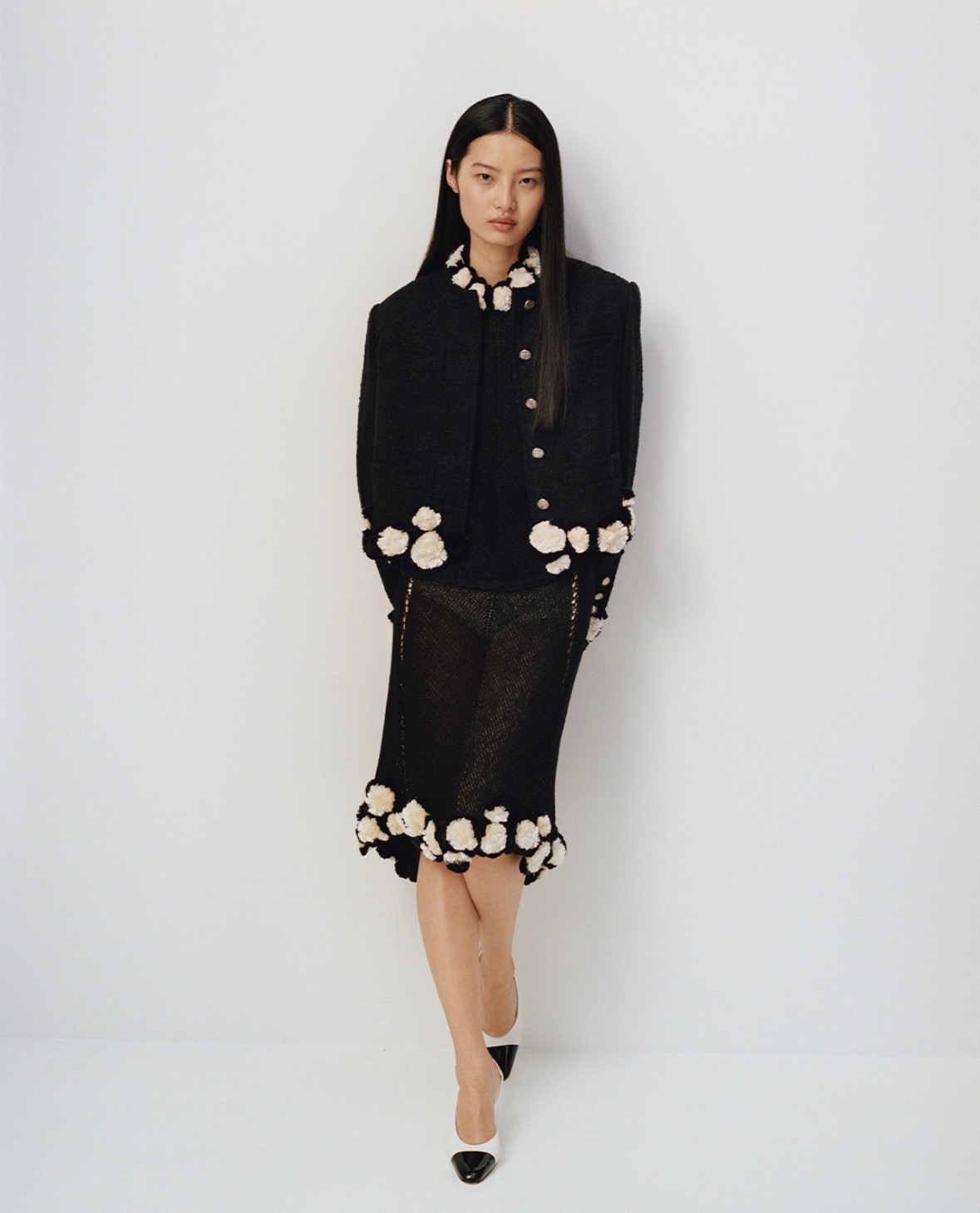
CHANEL 2026, by Matthieu Blazy. Image Credit: Sasha Marro
This is the real question, and the answer: yes, if (and only if) the evolution is happening at the level of values rather than at the level of surface. A new form of the CHANEL jacket that emerges from the same conviction about ease and movement is a continuation of the tradition, regardless of what it looks like. A reproduction of the classic jacket’s silhouette that lacks that conviction is a betrayal of it, regardless of how faithful it appears.
This is a harder standard to apply than it sounds. Surface fidelity is visible and measurable. Conceptual fidelity requires a more sustained act of critical attention – the willingness to ask not “is this CHANEL?” in the sense of “does this look like what CHANEL has looked like?” but “is this CHANEL?” in the sense of “does this emerge from the convictions that CHANEL has always held?”
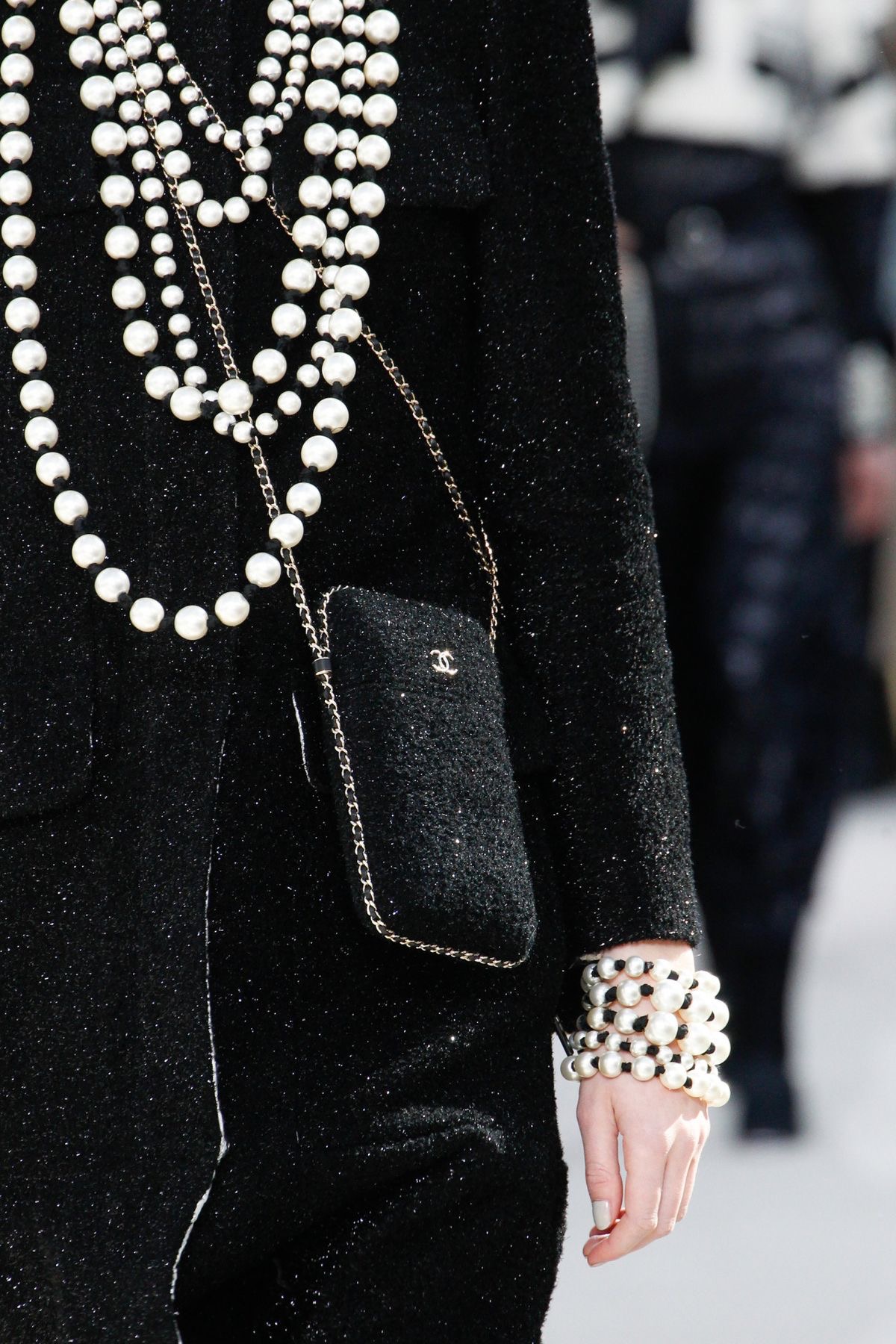
CHANEL Fall/Winter 2016 RTW

CHANEL Métiers d’Art 2026
Applied to the present moment: the Blazy collections have introduced new silhouettes, new proportions, new relationships between the body and fabric that do not resemble the classic CHANEL codes in any immediately obvious way. They have also, on close inspection, been organised by the same underlying logic. The refusal of unnecessary effort, the elevation of the overlooked (workwear fabrics and denim references treated with couture precision), the discipline of restraint (a collection that could have been maximalist and chose instead to be exquisite), and the insistence on contradiction (casual references in formal construction, fine materials in everyday silhouettes). Whether you find the new CHANEL immediately recognizable depends on which level of recognition you are operating at.
Those looking at the surface will find it changed. Those looking at the values will find it continuous. Both readings are available, and the tension between them is itself very CHANEL.

CHANEL Spring/Summer 2026 RTW. Image Credit: Lian Benoit
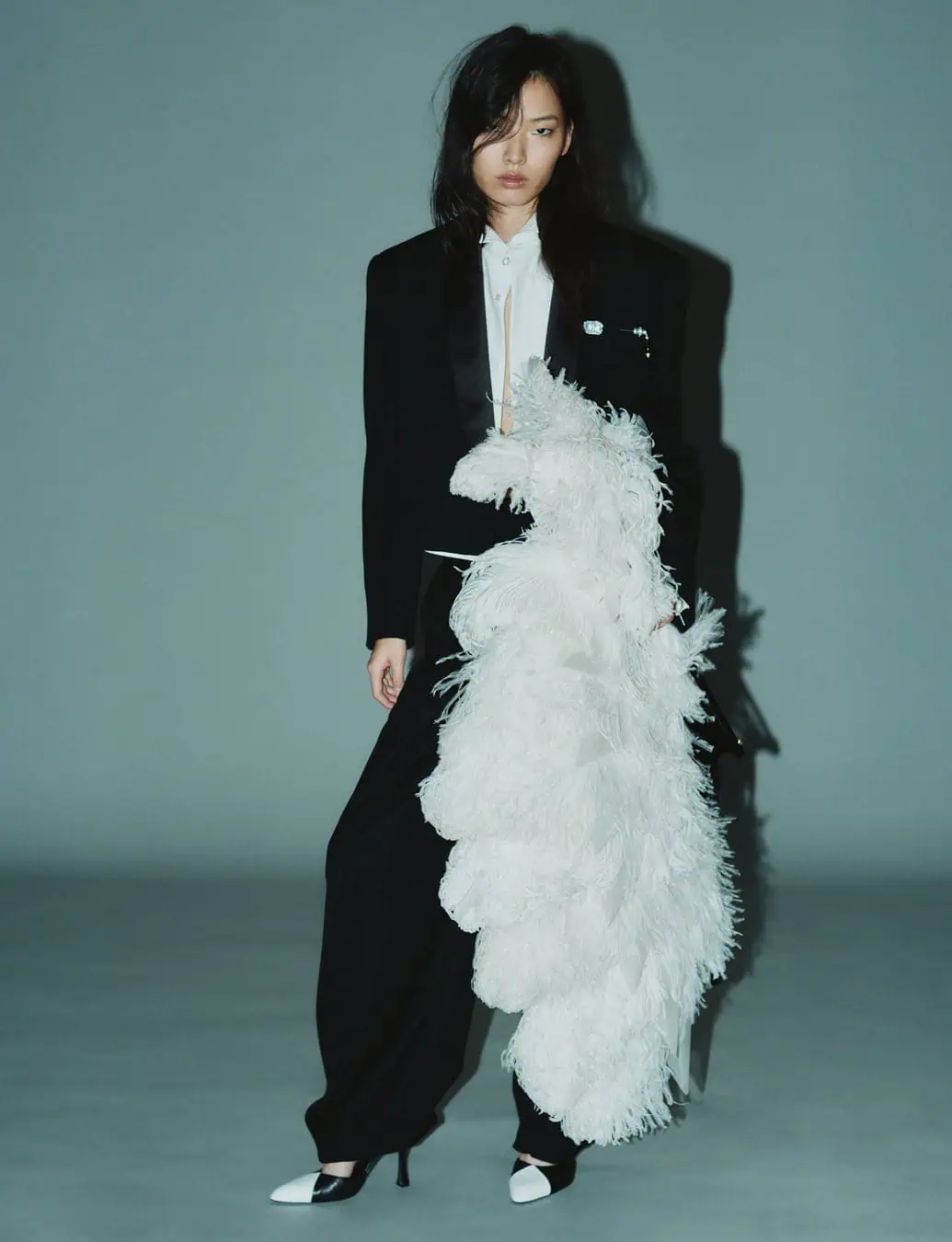
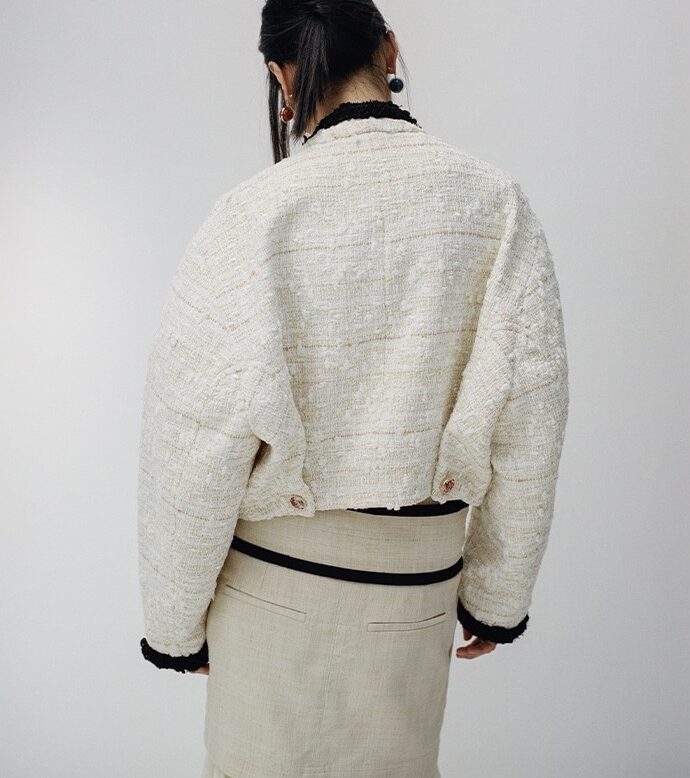
CHANEL Métiers d’Art 2026. Image Credit: Colin Leaman
The real CHANEL inheritance is not the tweed, not the chain, not the interlocking CC. But the quality of attention that produced them: a regard for the woman wearing the clothes, a belief in the intelligence of craft, a willingness to find the new form that carries the old conviction forward.
That is what makes something CHANEL. Not the look of it, but the thinking behind it. Not the codes themselves, but the questions the codes were always trying to answer. CHANEL, through each generation of creative direction has found its own way back to this question.
And, It has continued.
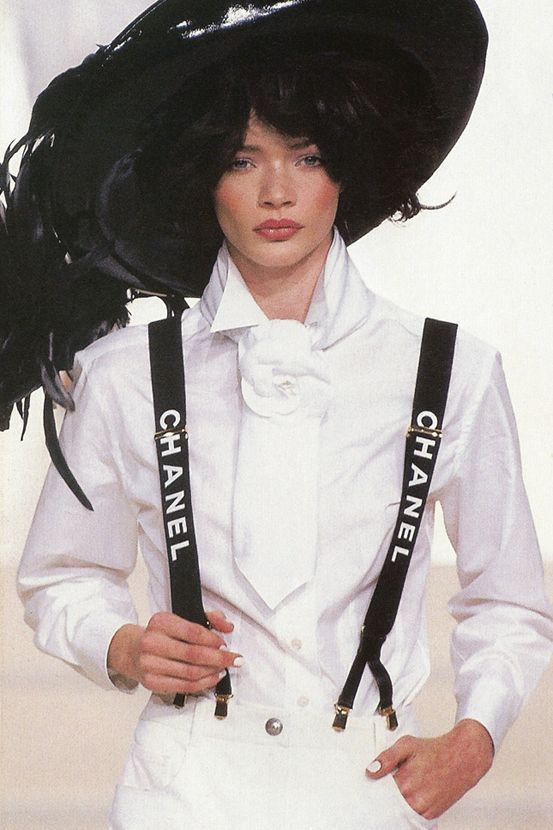
CHANEL Spring/Summer 1997

CHANEL Métiers d’Art 2026