30 August 2025
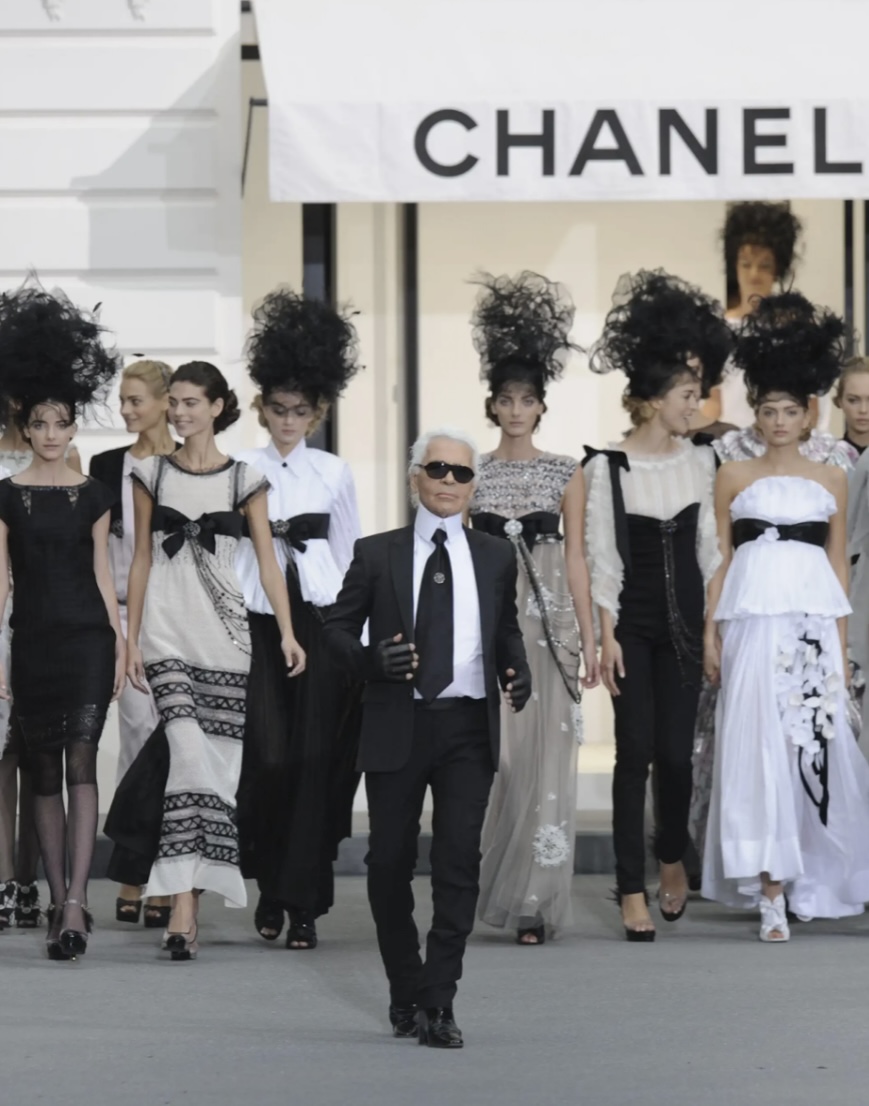
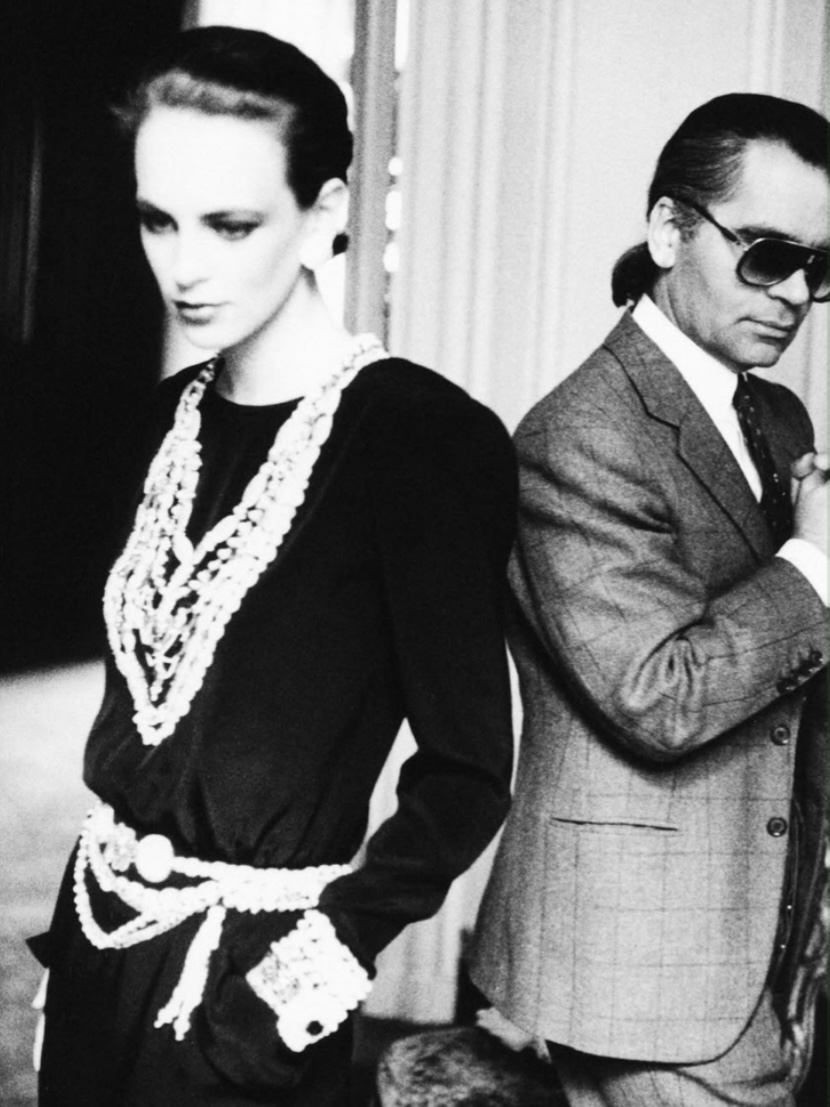
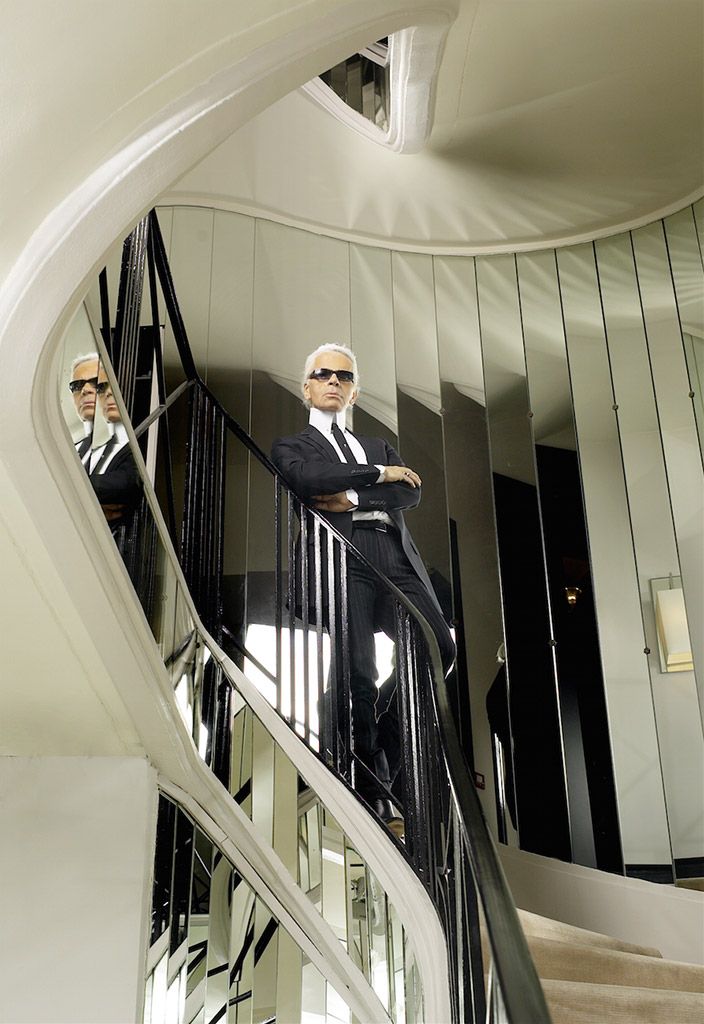
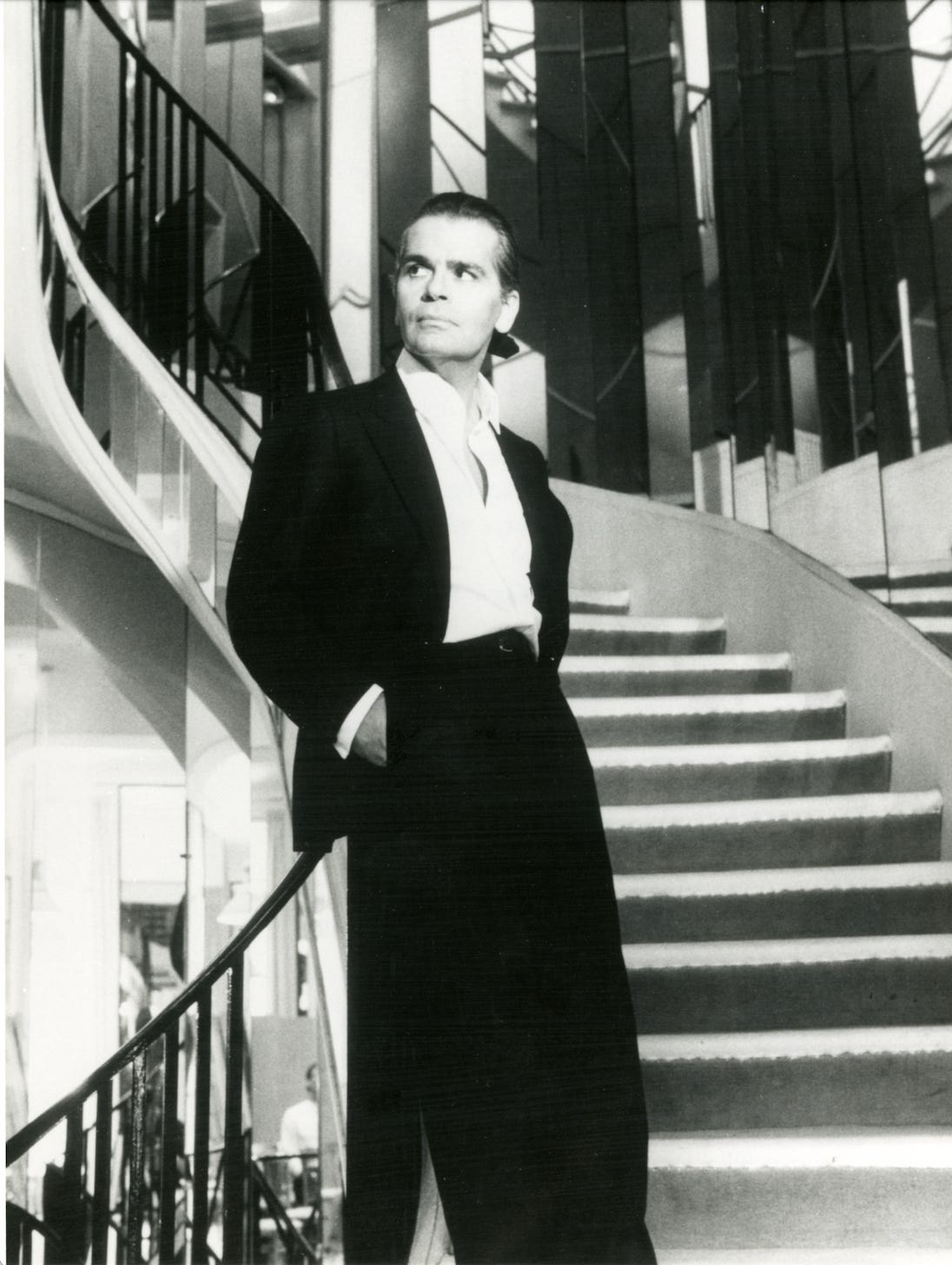
Karl Lagerfeld’s tenure at CHANEL redefined the brand, transforming it into a global powerhouse. When Lagerfeld took creative control in 1983, the house had lost momentum. Many viewed it as a relic of the past, even telling him, “Don’t touch it. It’s dead.” But Lagerfeld saw potential where others saw decline, and he welcomed the challenge. His vision revived the label, making CHANEL one of the most influential names in fashion – again.
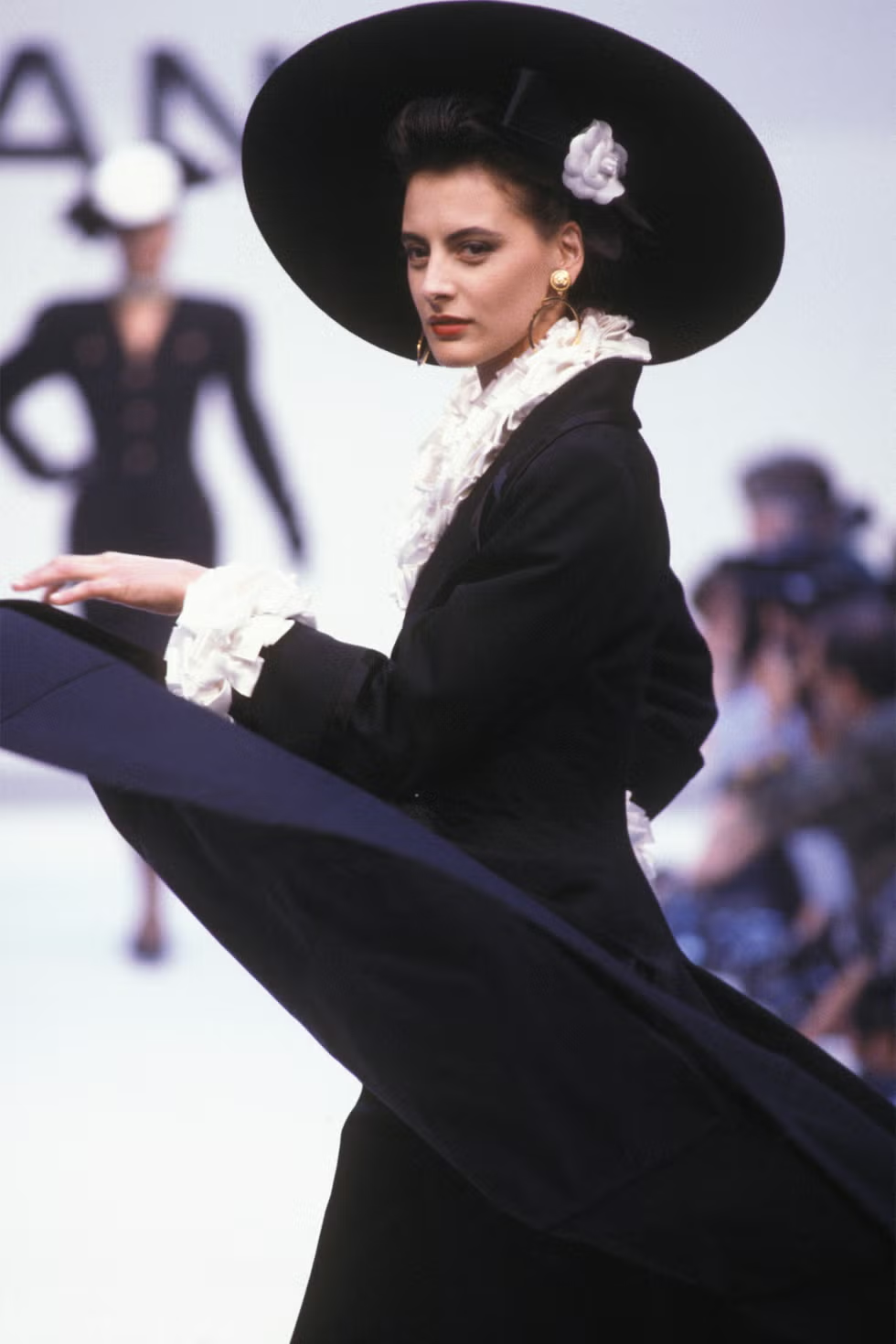
Lagerfeld approached CHANEL with a deep understanding of its founder’s legacy. He respected Coco Chanel’s signature elements but updated them for a modern audience. The classic tweed suit, the quilted handbag, and the black-and-white palette remained, yet each season, they appeared with unexpected twists. Shorter hemlines, bold accessories, and unconventional fabrics breathed new life into familiar silhouettes.
His work extended beyond just the clothing. CHANEL’s advertising campaigns, runway shows, and store designs reflected a fresh, cutting-edge perspective. Lagerfeld used photography and film to communicate his ideas by shooting the fashion campaigns himself and developing short films centered on critical milestones in Coco Chanel’s history. With each collection, CHANEL’s status as a leader in fashion, rather than a follower of trends, was solidified.

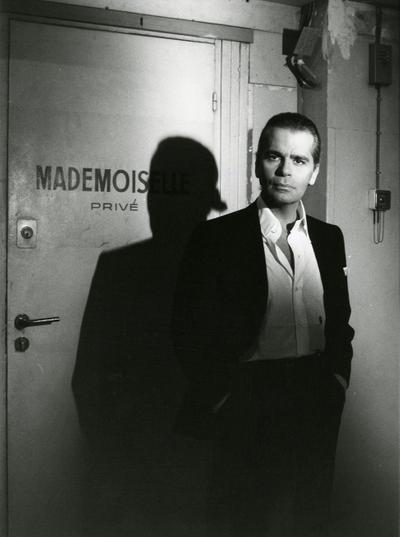
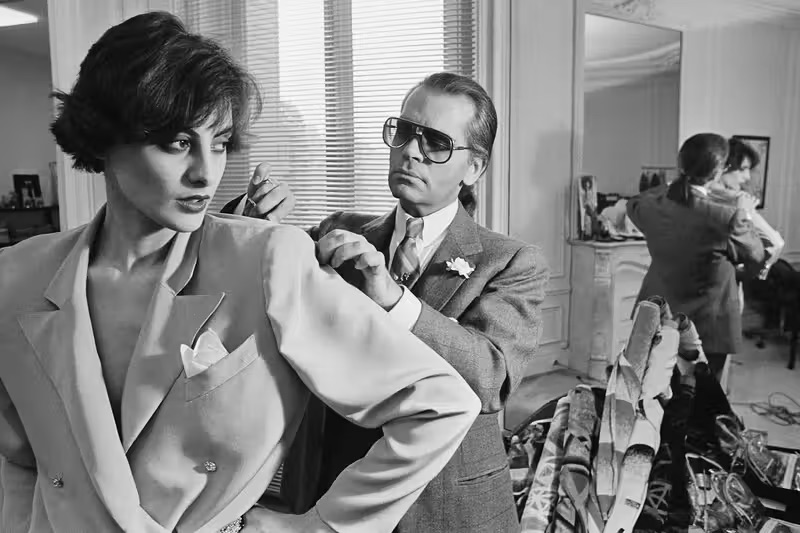
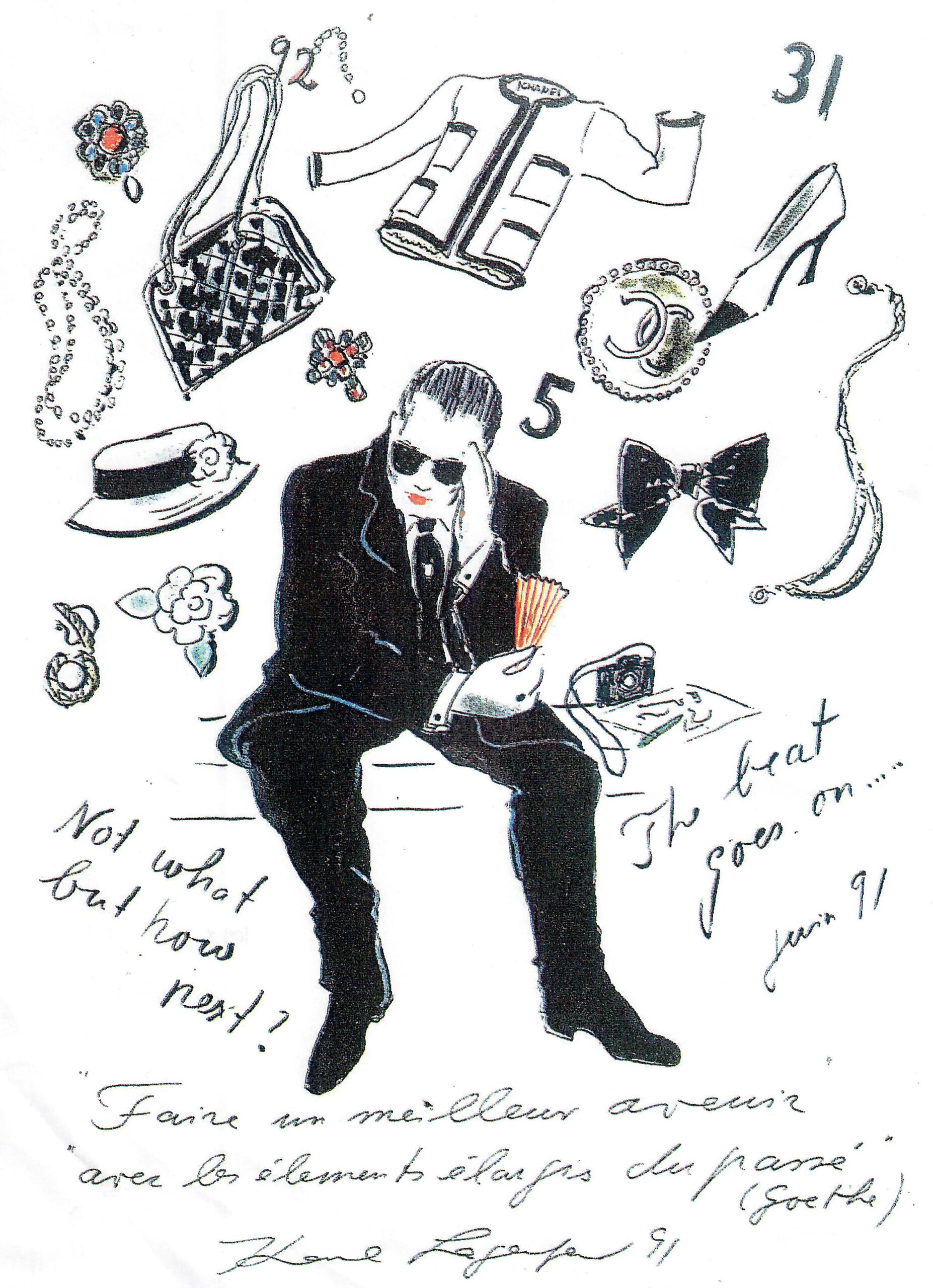
“Not what, but how next?” That was Lagerfeld’s guiding question, as evidenced by a drawing he created featuring him in deep thought, surrounded by the house codes.
The CHANEL jacket became a canvas for change. Proportions, textures, and detailing were ever evolving keeping the garment relevant year after year. He transformed the little black dress by adding embellishments, experimenting with structure, and blending classic elegance with contemporary style. The two-tone slingback design was extended to espadrilles, boots and ballet flats.
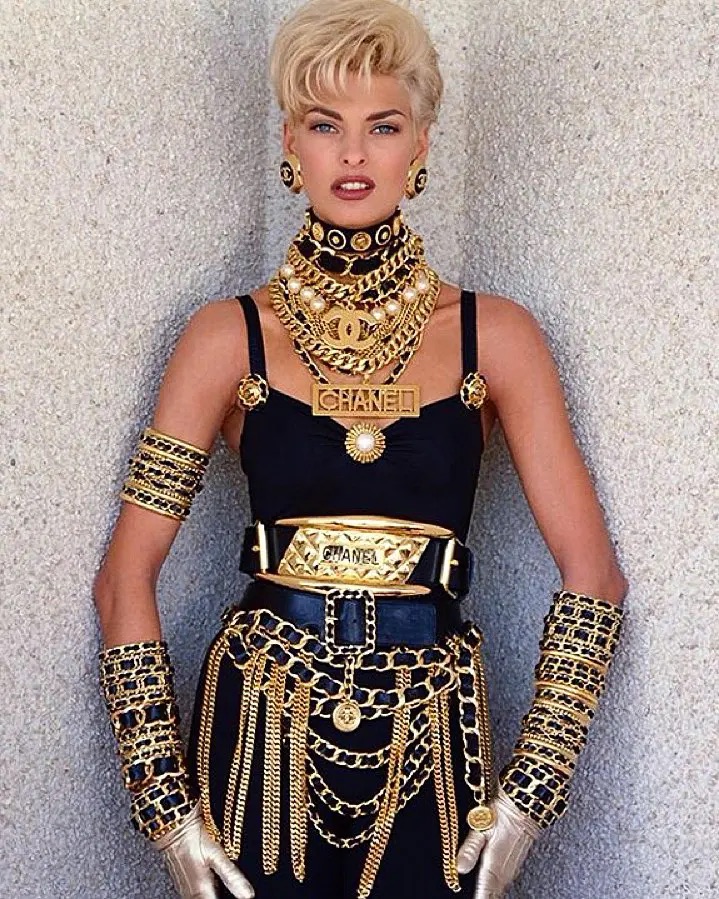
Accessories also took center stage. CHANEL’s handbags evolved under his leadership. Coco Chanel’s iconic 2.55 was refreshed as the Classic Flap 11.12. Other classics like the Boy Bag and the 19 Bag were designed under his direction. Each season, these bags were designed using unique colours and unexpected materials. Costume jewelry, another house staple, grew bolder with oversized pearls and layered chains.
Even the brand’s signature fragrance, CHANEL N°5, benefited from his influence. Lagerfeld ensured its presence remained strong through modernized advertising and high-profile endorsements. He understood how to merge heritage with innovation, keeping every aspect of the brand in cohesive motion.
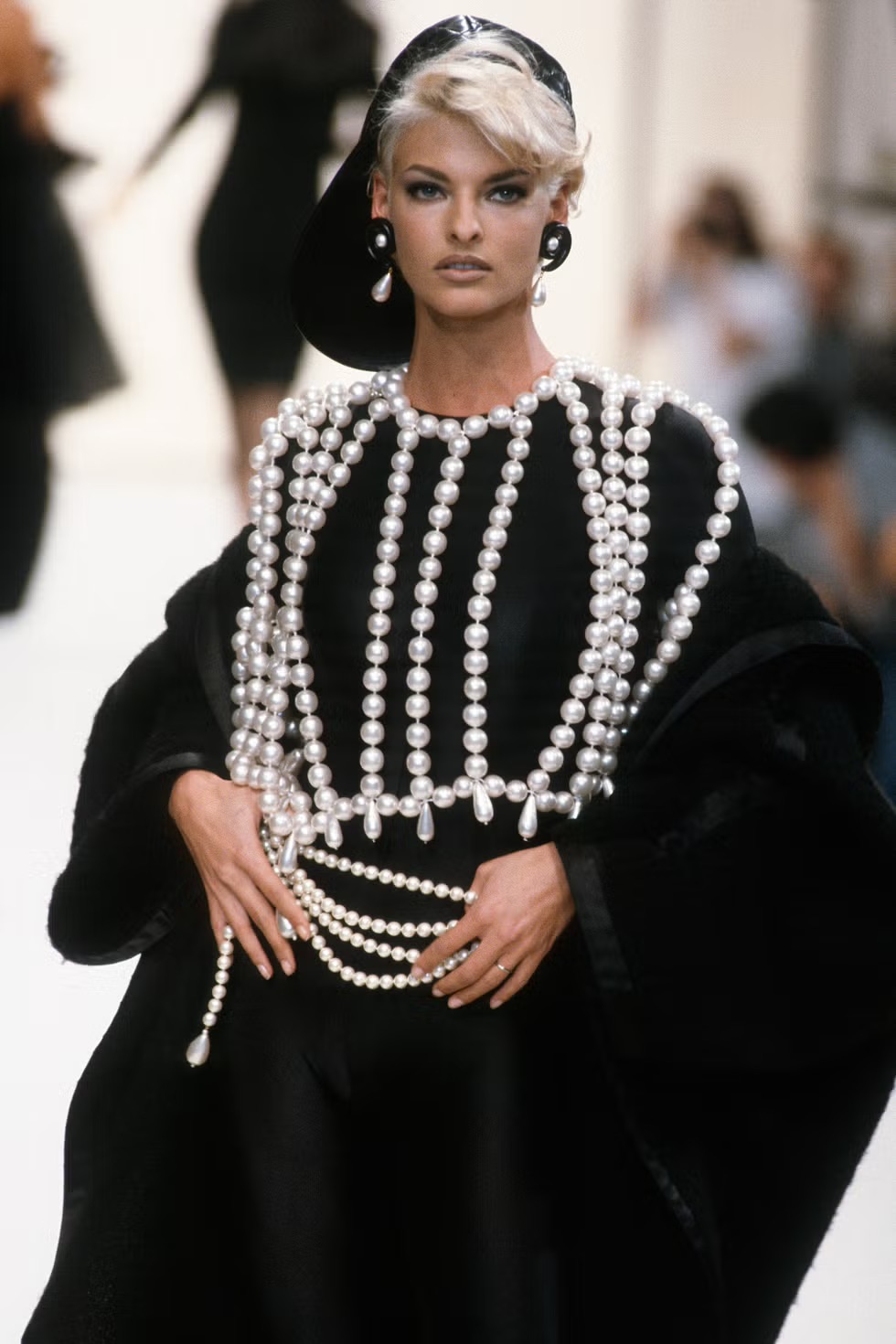
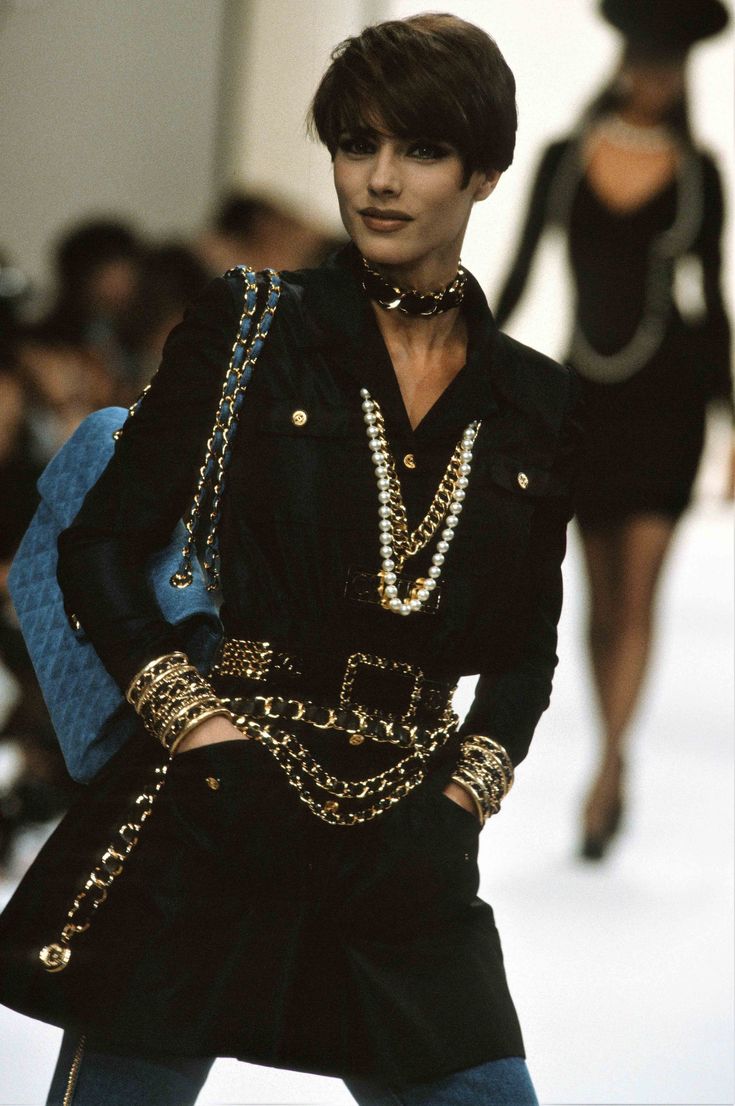
CHANEL in the 90s wasn’t just fashion; it was a movement, and Karl Lagerfeld was the mastermind behind it all. His ability to tap into cultural shifts while merging heritage with modernity, elegance with irreverence, and luxury with street style kept CHANEL at the forefront of fashion during the 90s and now, it is often referenced as “the golden age” of the brand.
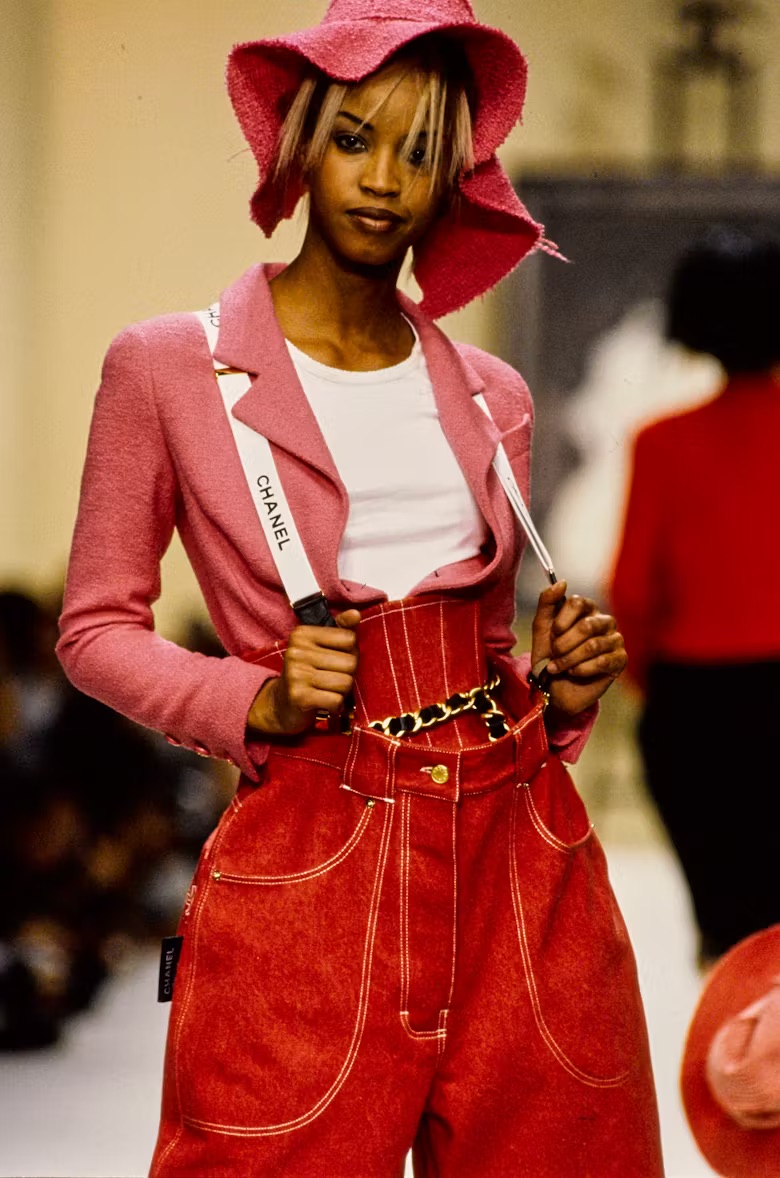
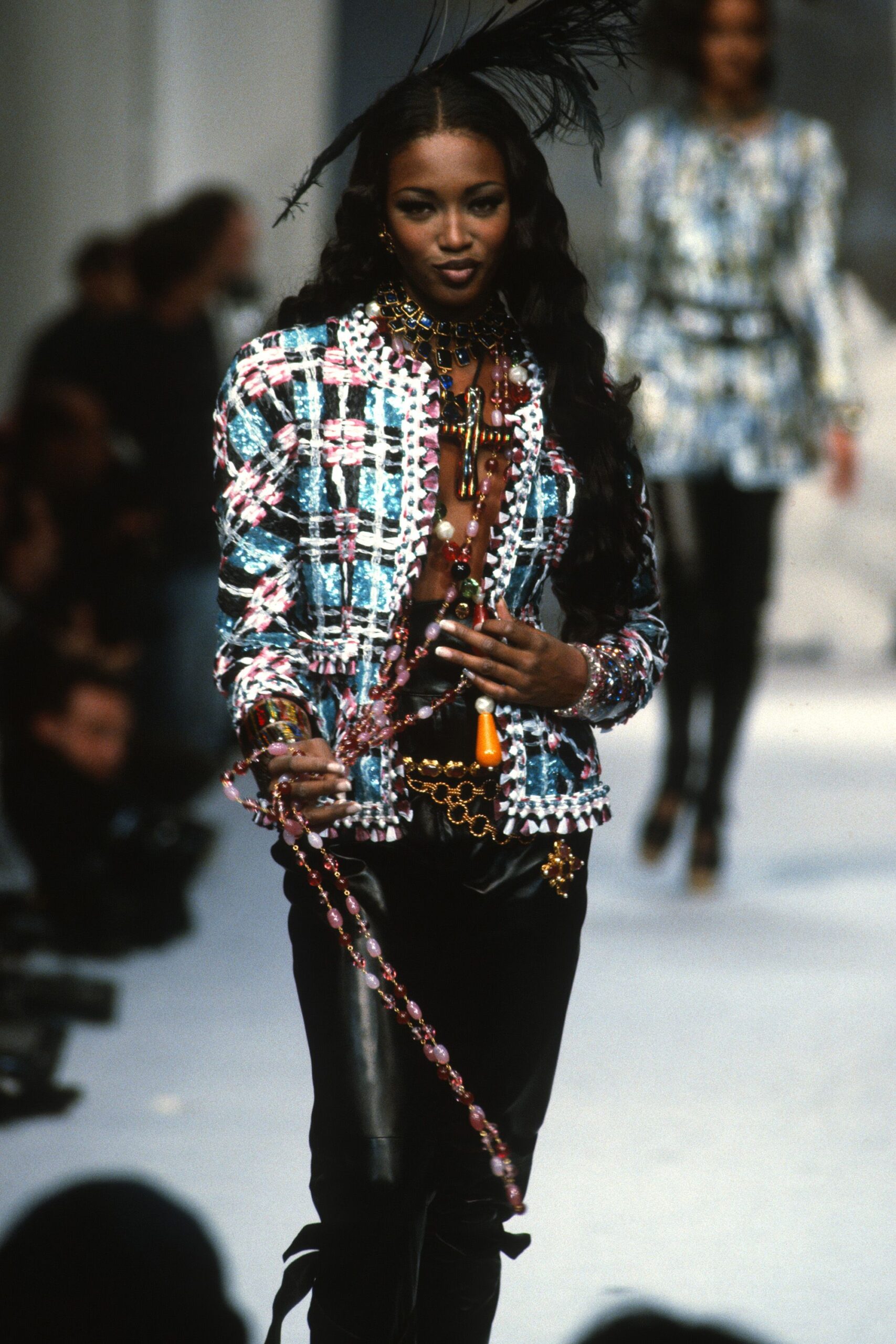
Lagerfeld understood that CHANEL’s DNA needed a fresh perspective to resonate with the 90s woman. He played with proportions, introducing shorter hemlines and body-hugging silhouettes, and layering techniques, pairing sporty crop tops with classic tweed skirts or stacking chains over minimalist slip dresses. This mix of high and low was revolutionary at the time and proved CHANEL was not just for the sophisticated Parisian woman but also for the cool, modern girl who wanted to make a statement.
One of Lagerfeld’s genius moves was incorporating logomania into CHANEL’s identity. While the brand had always exuded an air of understated luxury, the 90s saw the interlocking CC logo emblazoned across belts, jewelry, swimwear, and even thigh-high boots. It was a bold departure from CHANEL’s earlier, more discreet branding—one that cemented the house as a power player in the high-fashion-meets-pop-culture movement.
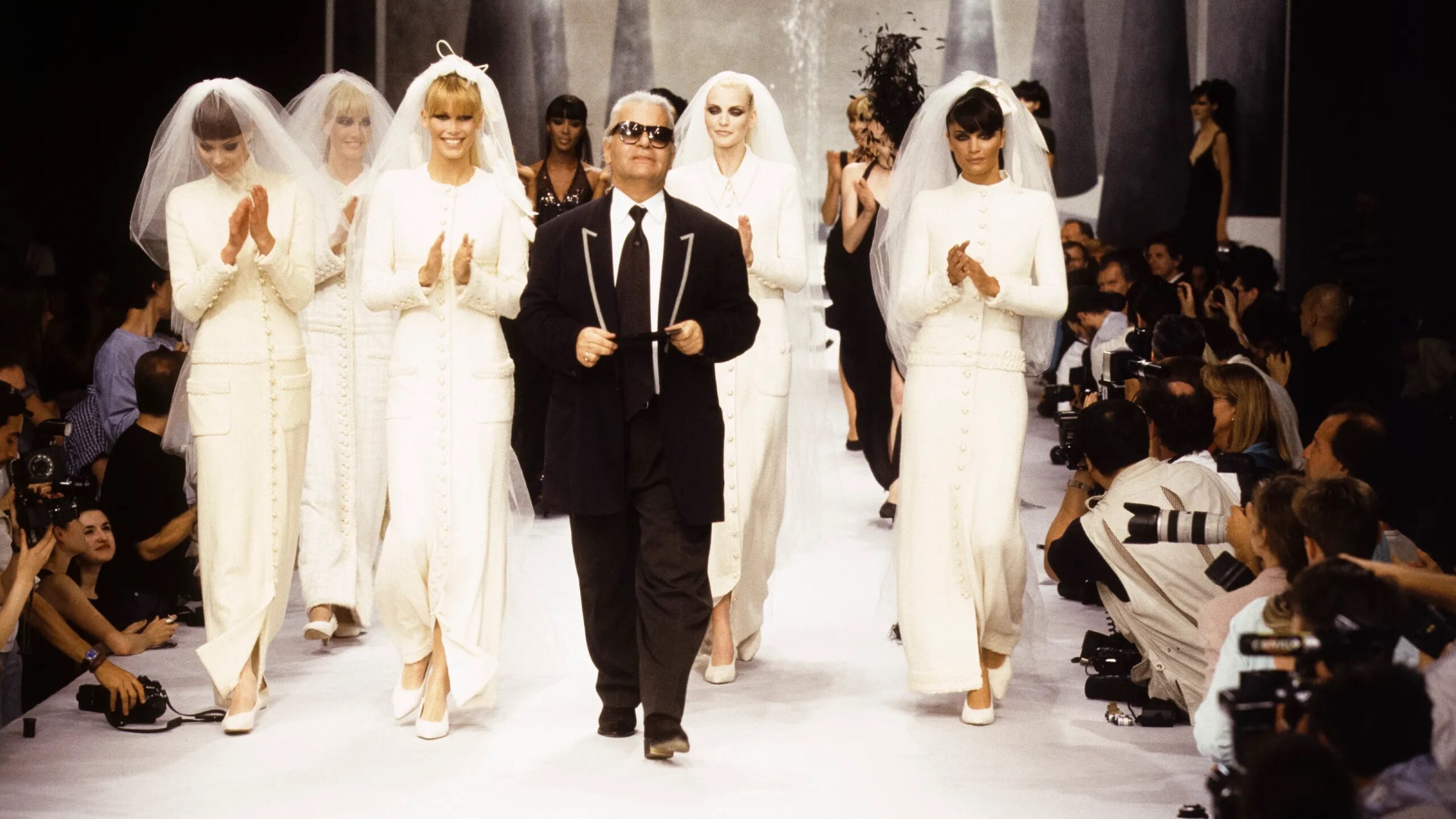
Lagerfeld’s CHANEL runway shows became major fashion events, not just because of the clothes but also because of the women wearing them. CHANEL in the 90s was synonymous with the era’s supermodels—Naomi Campbell, Claudia Schiffer, Linda Evangelista, Christy Turlington, and Kate Moss—all of whom embodied the Lagerfeld CHANEL muse: glamorous yet effortlessly chic.
Lagerfeld’s 90s vision for CHANEL laid the groundwork for the brand’s continued relevance in the 21st century. Today, we still see the influence of CHANEL’s 90s aesthetic—whether in the resurgence of chain belts, micro-minis, or the continued love for logomania. Lagerfeld didn’t just design clothes; he crafted an attitude—one that defined a decade and remains timeless.
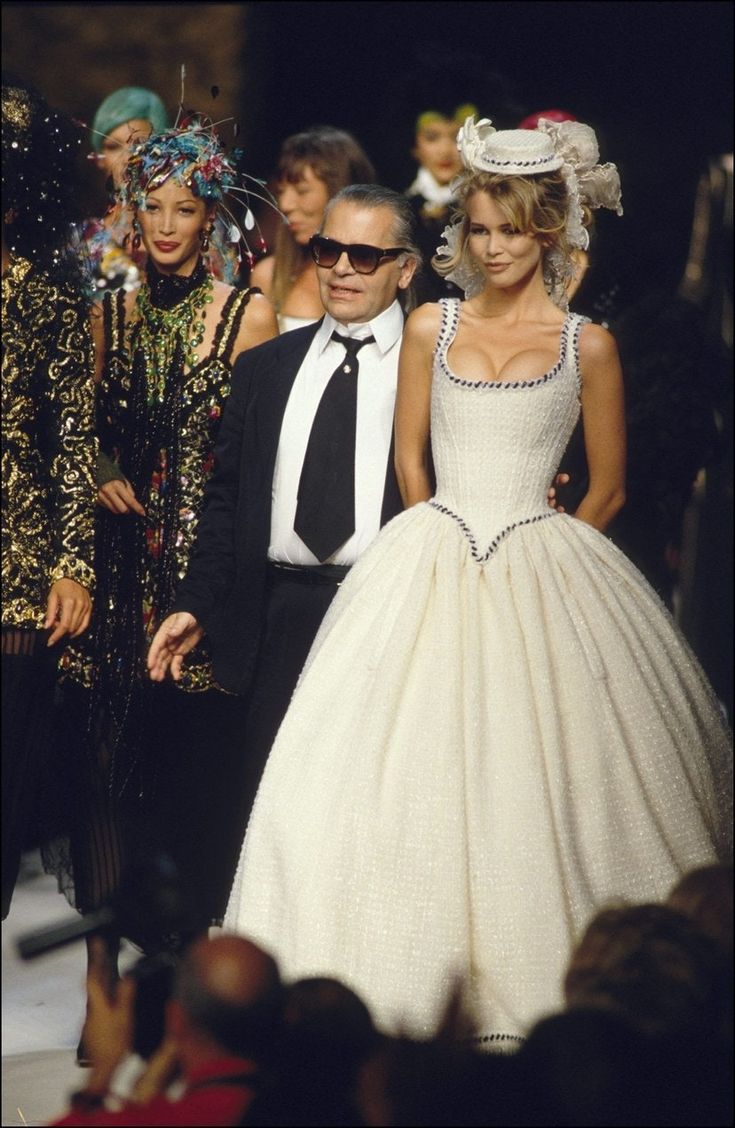
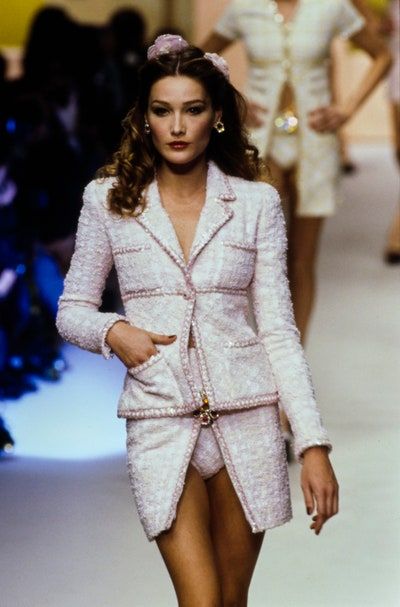
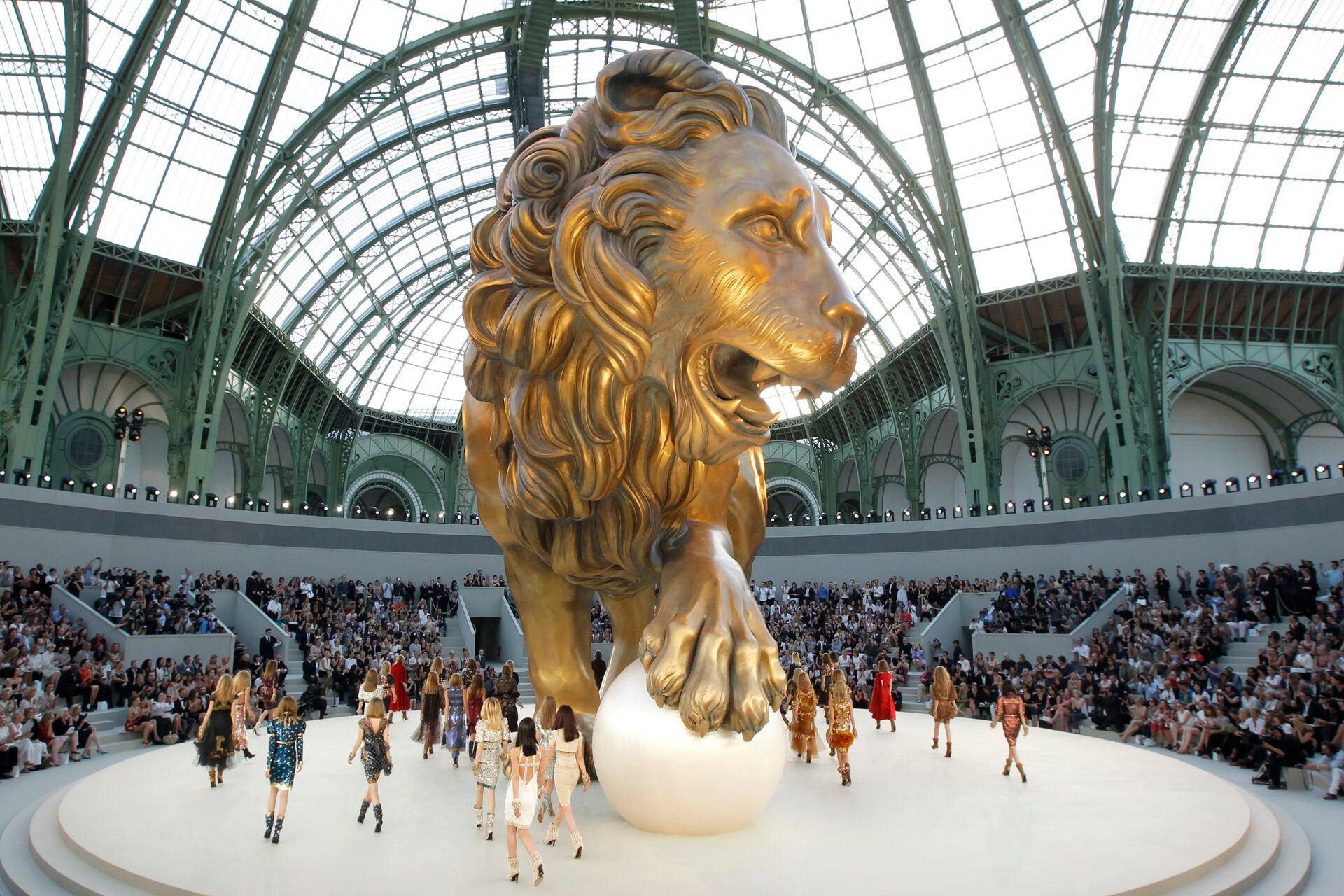
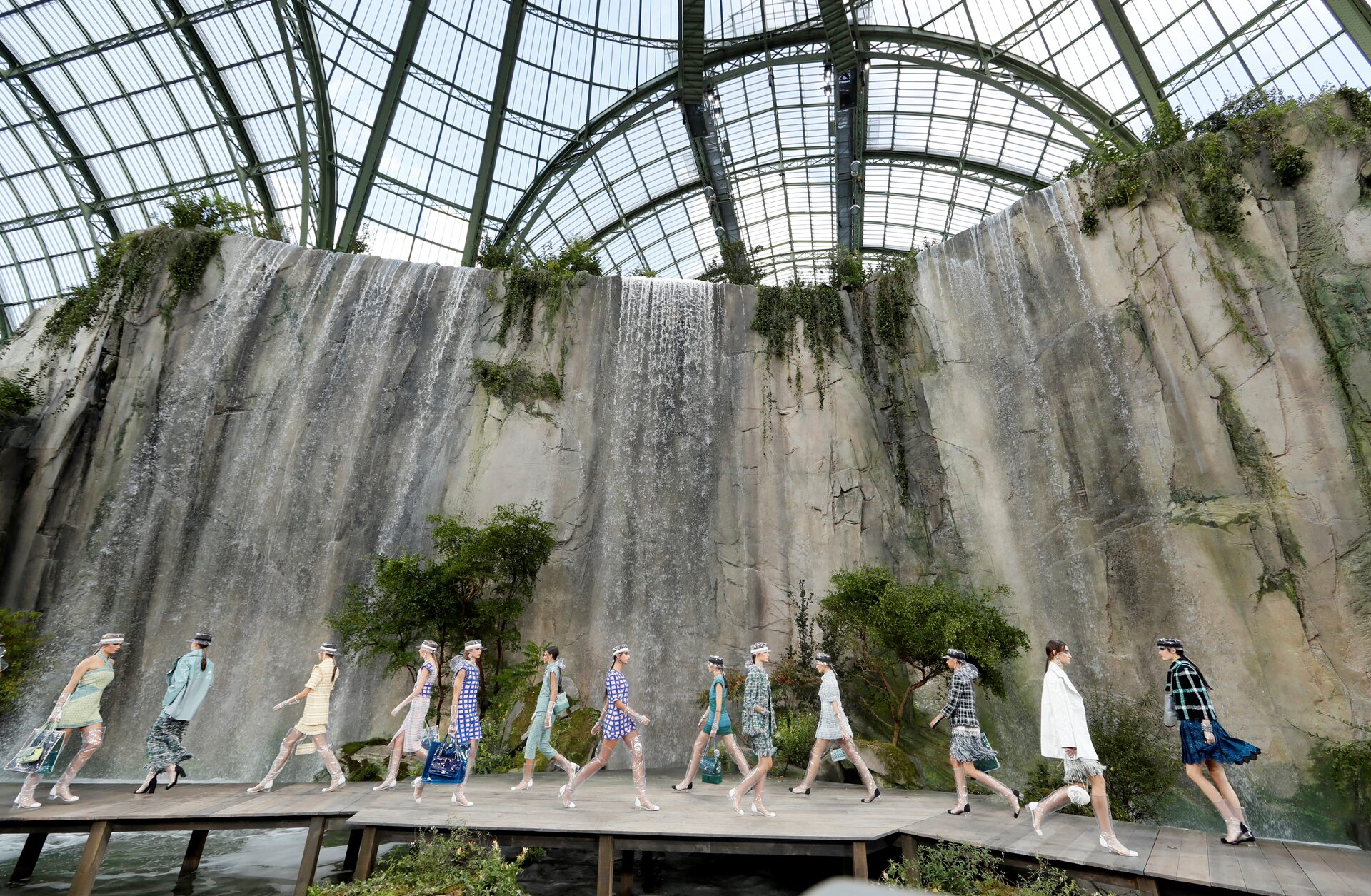
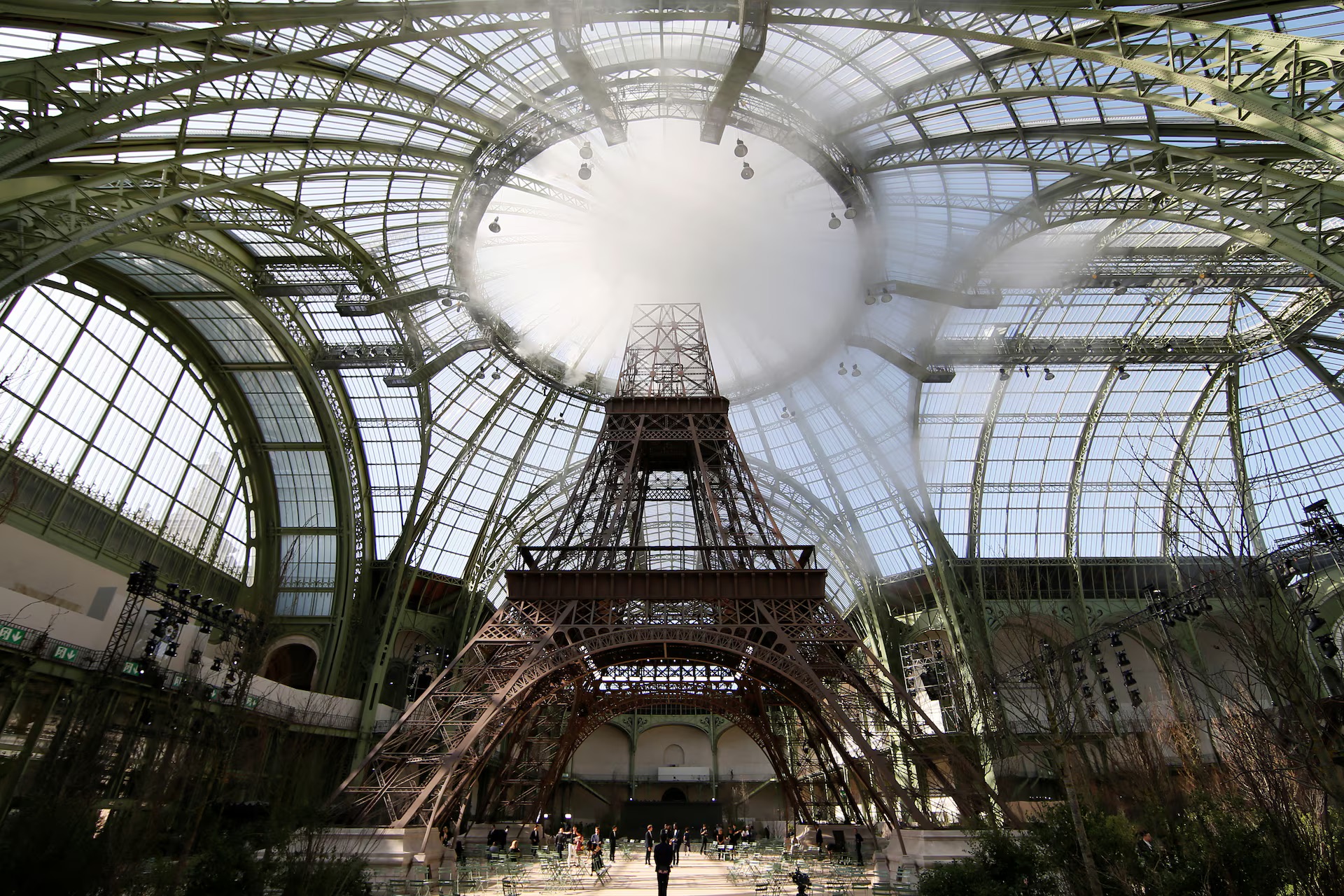
Lagerfeld turned CHANEL’s runway presentations into theatrical events. Each show featured elaborate sets that transported audiences to different worlds – literally and figuratively. A Parisian street, a supermarket, an airport terminal—every setting added depth to the collection it showcased. His approach made fashion shows more than displays of clothing; they became immersive experiences. Simulated water waves along a constructed boardwalk? Yes. A life-size rocket ship emitting smoke and blasting off? Yes. A double-decker carousel with actual motorized poles? Yes. Lagerfeld’s imagination knew no bounds.
Models often walked with a sense of purpose, embodying the strength and confidence Lagerfeld envisioned for CHANEL. Music, lighting, and choreography worked together to create moments that resonated far beyond the runway. Social media amplified these presentations, helping CHANEL reach a new generation of fans around the world.
And around the world CHANEL went. In 2000, Karl Lagerfeld staged the first CHANEL Cruise Collection runway show in Paris. Since then, it has become a regular part of the CHANEL calendar and has taken place in various cities around the world: Seoul, Dubai, Miami, Cuba, New York, St.Tropez and the list goes on.
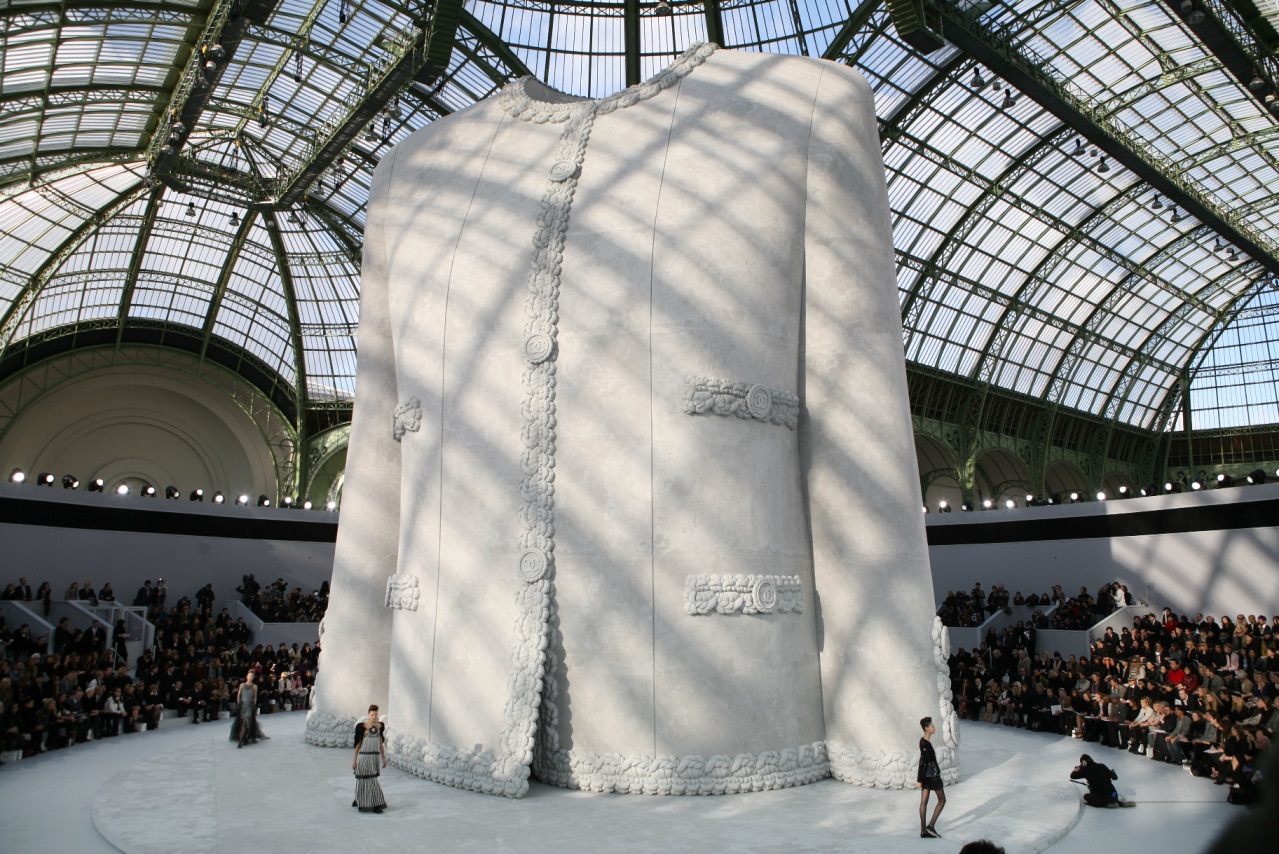
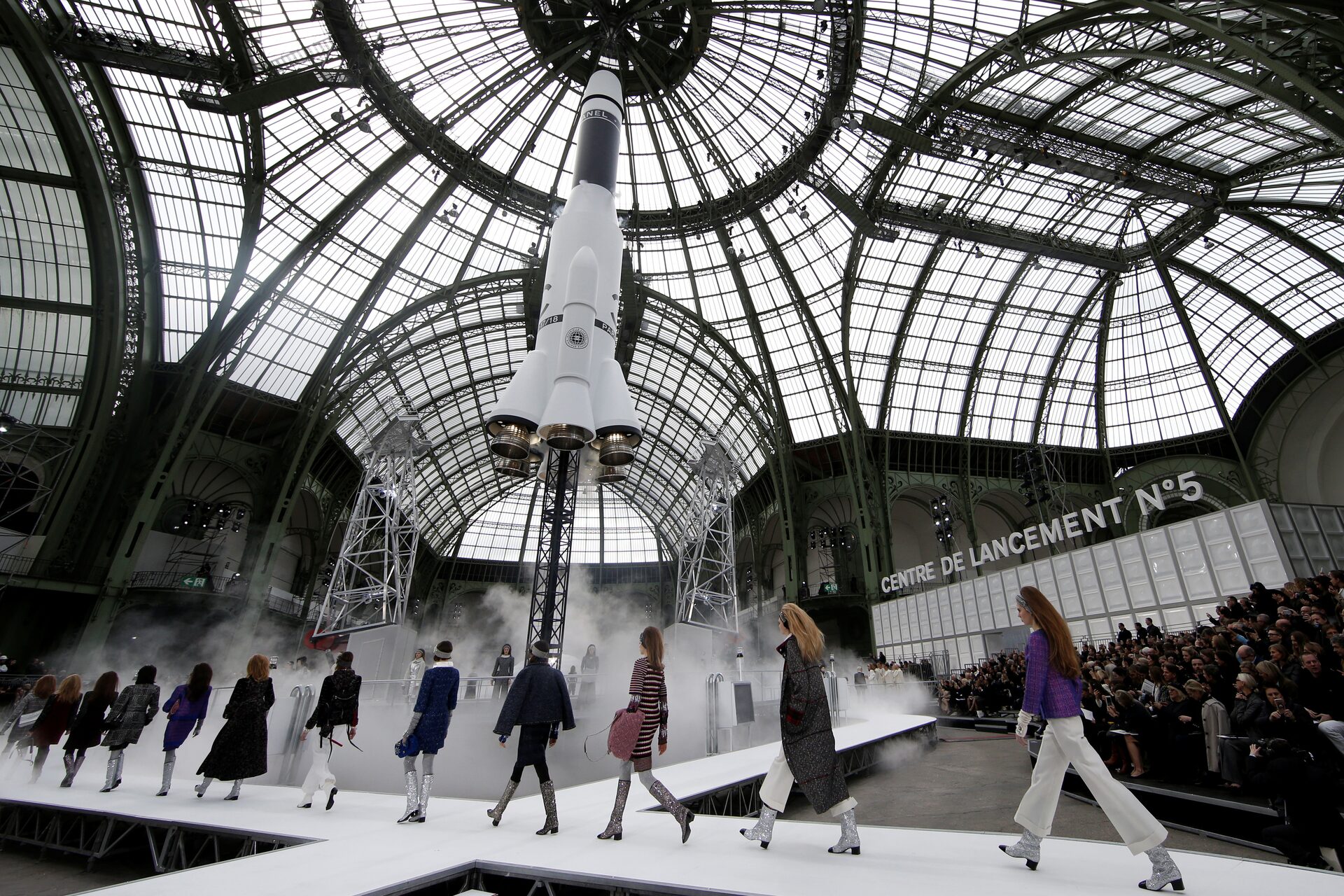
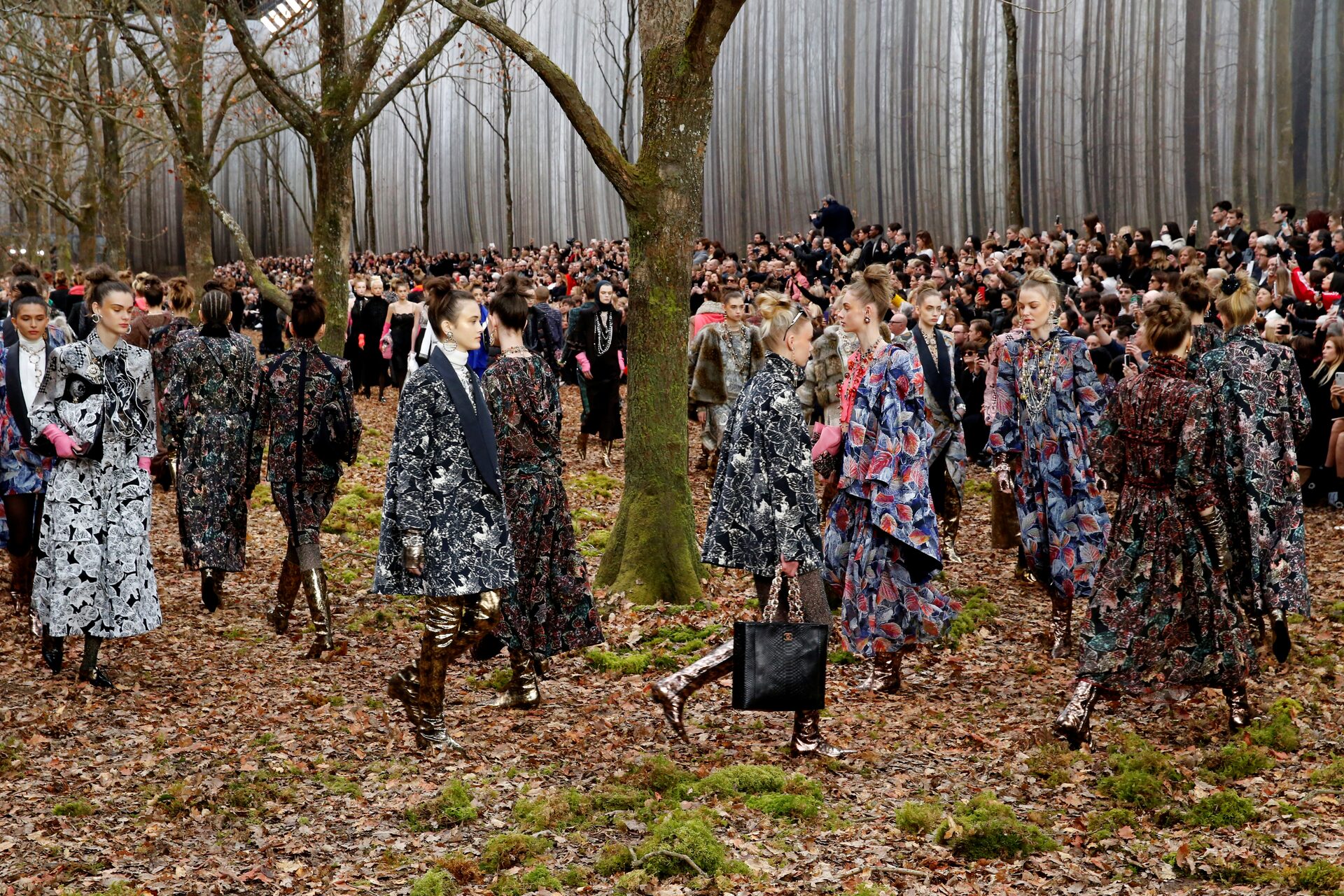
Lagerfeld’s influence on CHANEL remained strong until his passing in 2019. He reshaped CHANEL without erasing its past, using new materials, unexpected collaborations, and evolving silhouettes, keeping the house at the forefront of fashion. His work honored Coco Chanel’s vision while making bold strides into the future – few designers achieve that balance. His ability to reinvent, surprise, and redefine left an undeniable mark.
After his passing, Virginie Viard, his longtime collaborator, took over as Creative Director. His impact, however, remains visible in every collection. The codes he refreshed still define the brand’s identity, ensuring CHANEL remains both classic and current, proving that innovation and tradition can exist in harmony.