
5 August 2026
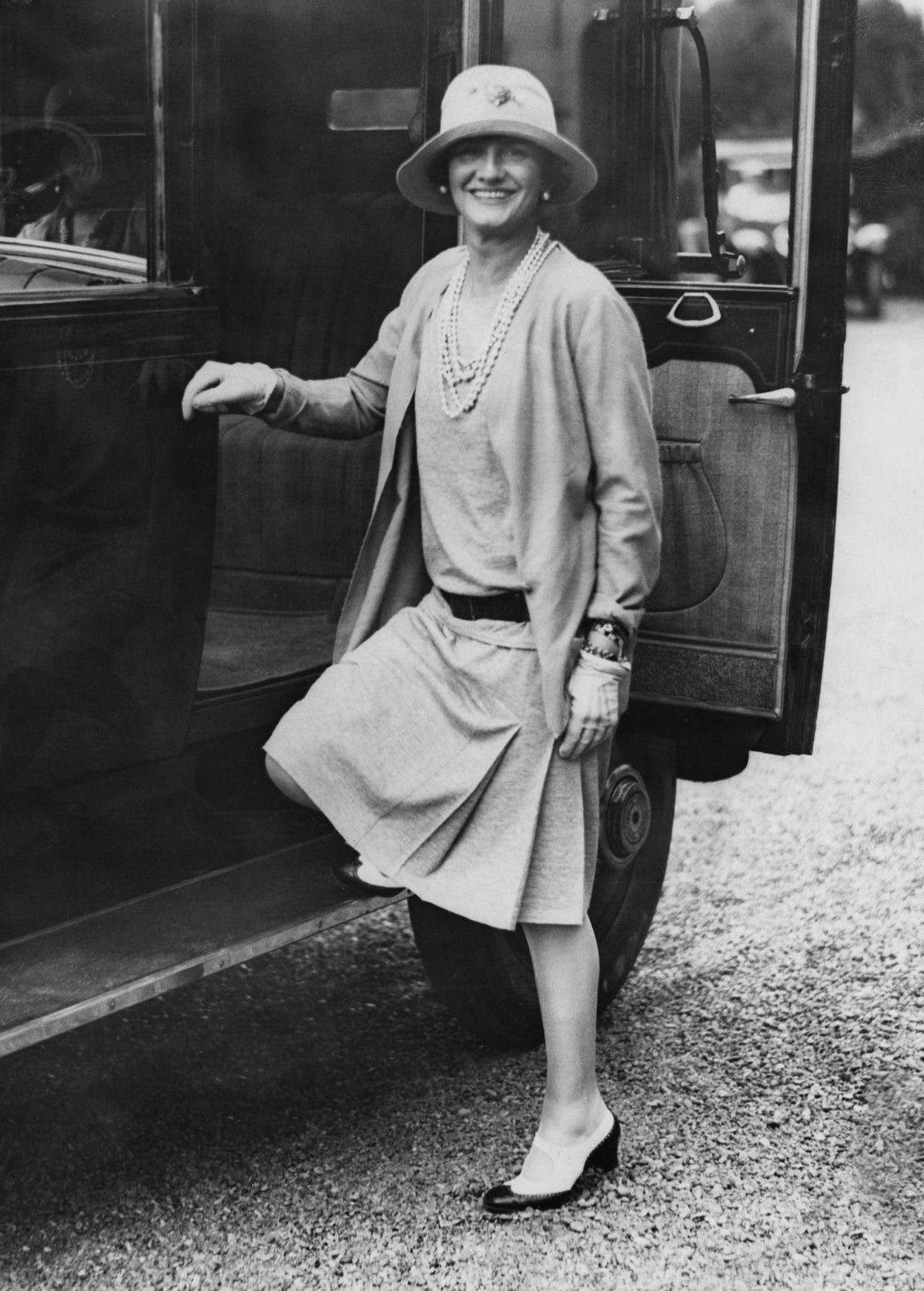
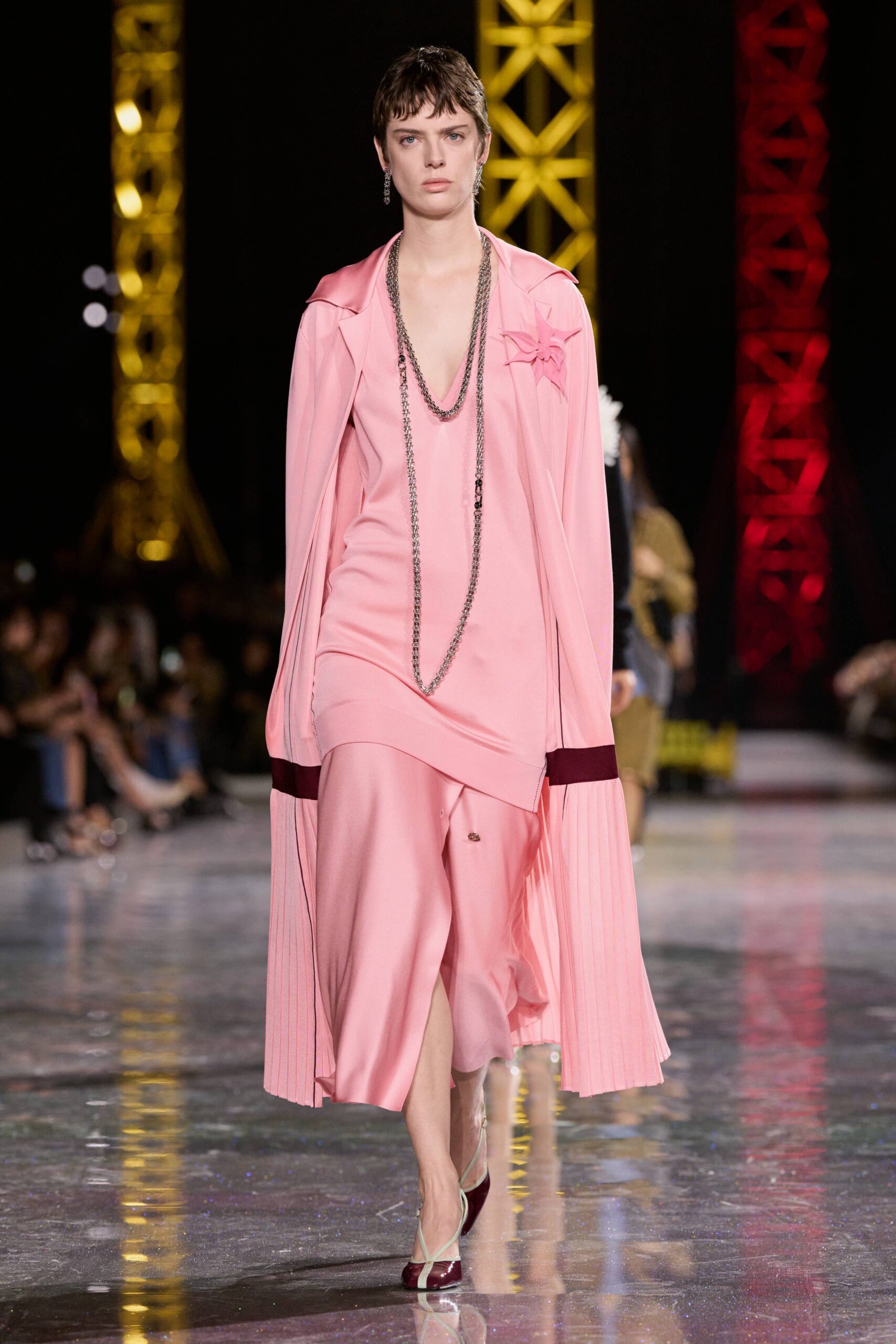
Few silhouettes are as closely associated with Gabrielle Chanel’s early vision of modern dressing as the dropped waist. During the 1920s, it became one of the defining expressions of her belief that clothing should privilege movement, comfort, and independence over rigid ideals of femininity. The dropped waist and rising hemlines became hallmarks of la garçonne, a style that rejected the corseted hourglass silhouette of the Belle Époque in favour of a straighter, more liberated form.
The shift was more than aesthetic. By lowering the visual waistline and softening the body’s natural curves, Chanel challenged long-held ideas about femininity. Rather than emphasizing the waist, her designs encouraged ease of movement and practical elegance. Many dresses from the period achieved this effect through elongated proportions, decorative beading, or belts positioned low on the hips instead of relying solely on a lowered waist seam. The result was a long, fluid silhouette that became synonymous with modern dressing.
Museum examples illustrate how deliberately Chanel explored these proportions. One beaded evening gown from the decade uses intricate strands of beads to define the bust before guiding the eye toward a dropped waist and elongated hipline, demonstrating how decoration could reshape the body’s perceived proportions without sacrificing simplicity.
Fashion evolved quickly. By the early 1930s, bias-cut gowns and more body-conscious silhouettes returned emphasis to the natural waist. Chanel adapted accordingly, treating the dropped waist not as an immutable signature but as a response to the cultural mood of its time.
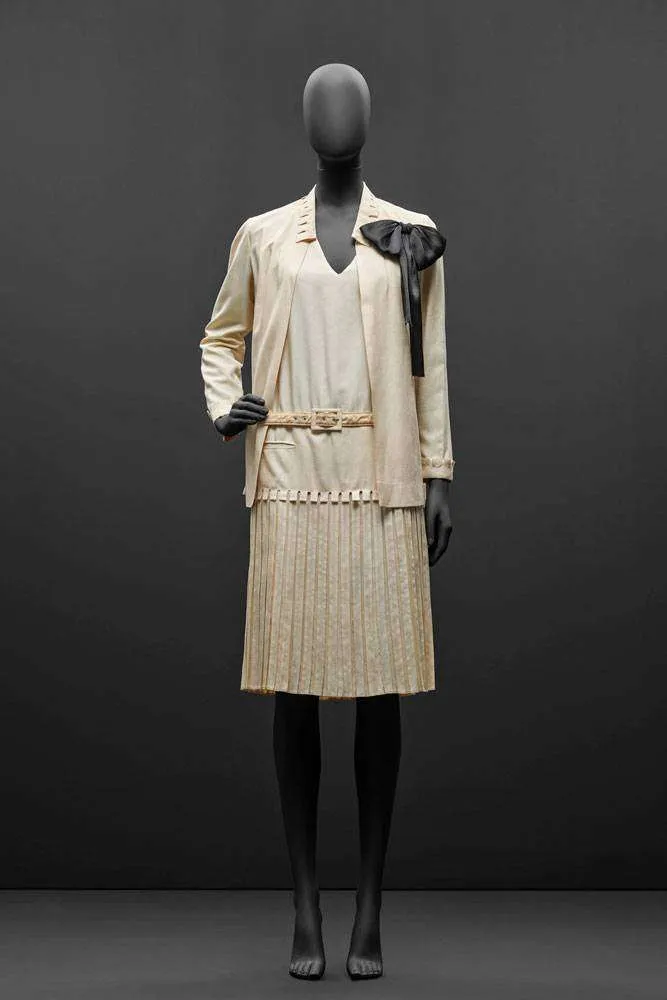
Image Credit: Gabrielle Chanel Fashion Manifesto
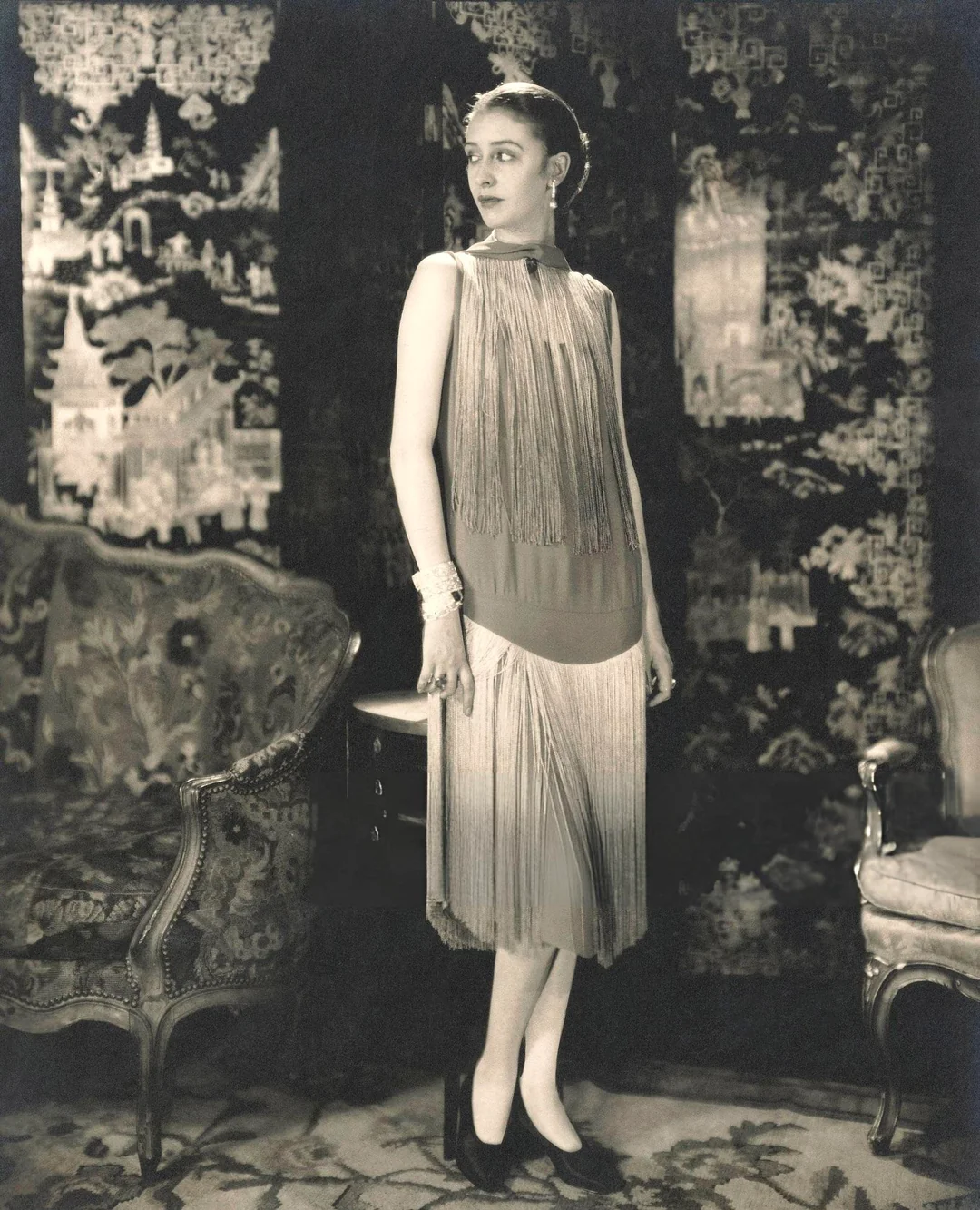
Image Credit: Edward Steichen

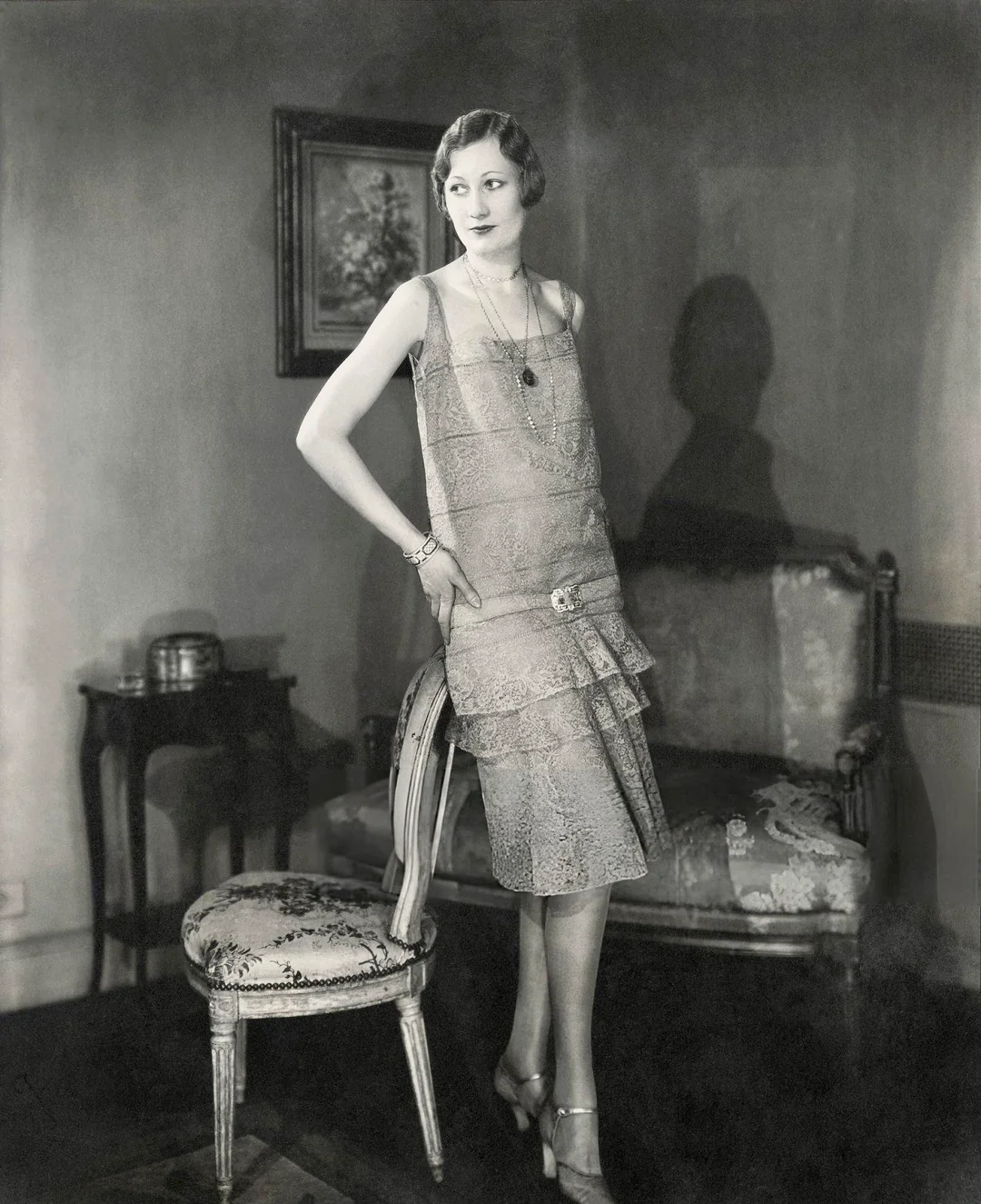
Image Credit: Edward Steichen
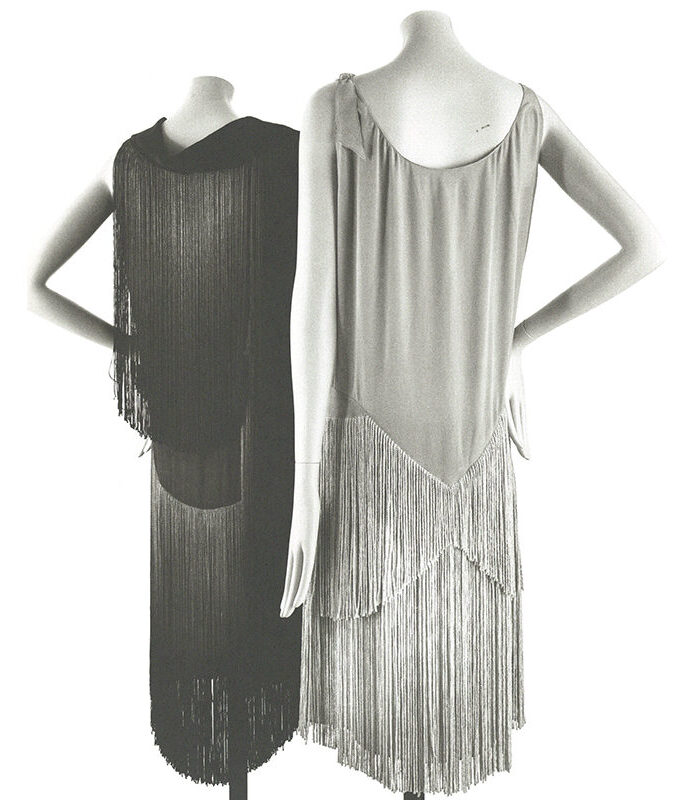
Image Credit: Gabrielle Chanel Fashion Manifesto
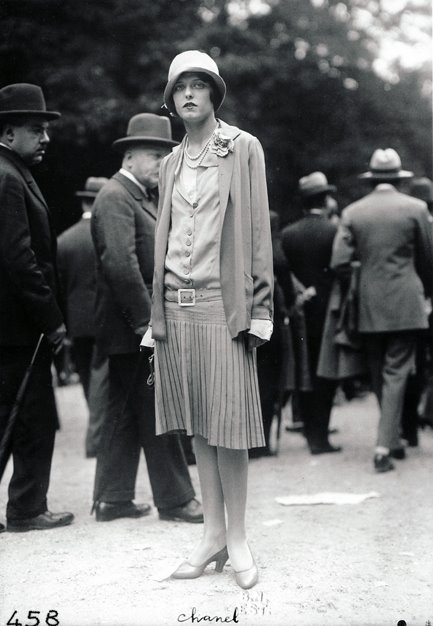
Image Credit: Unknown
When Karl Lagerfeld became Creative Director in 1983, the dropped waist transformed from a contemporary silhouette into a historical reference that could be continually reimagined.
One of his clearest tributes appeared in the Fall-Winter 1987/88 collection, where he revisited Chanel’s iconic 1920s little black dress. The familiar dropped waist, modest neckline, and softly flounced skirt remained, but glossy vinyl and stretch jersey replaced traditional fabrics, giving the silhouette an unmistakably modern attitude.
This approach defined much of Lagerfeld’s tenure. Rather than preserving Gabrielle Chanel’s designs unchanged, he treated the archive as living material. Historical proportions became starting points for experimentation, allowing familiar silhouettes to evolve through new fabrics, techniques, and cultural references while remaining unmistakably CHANEL.
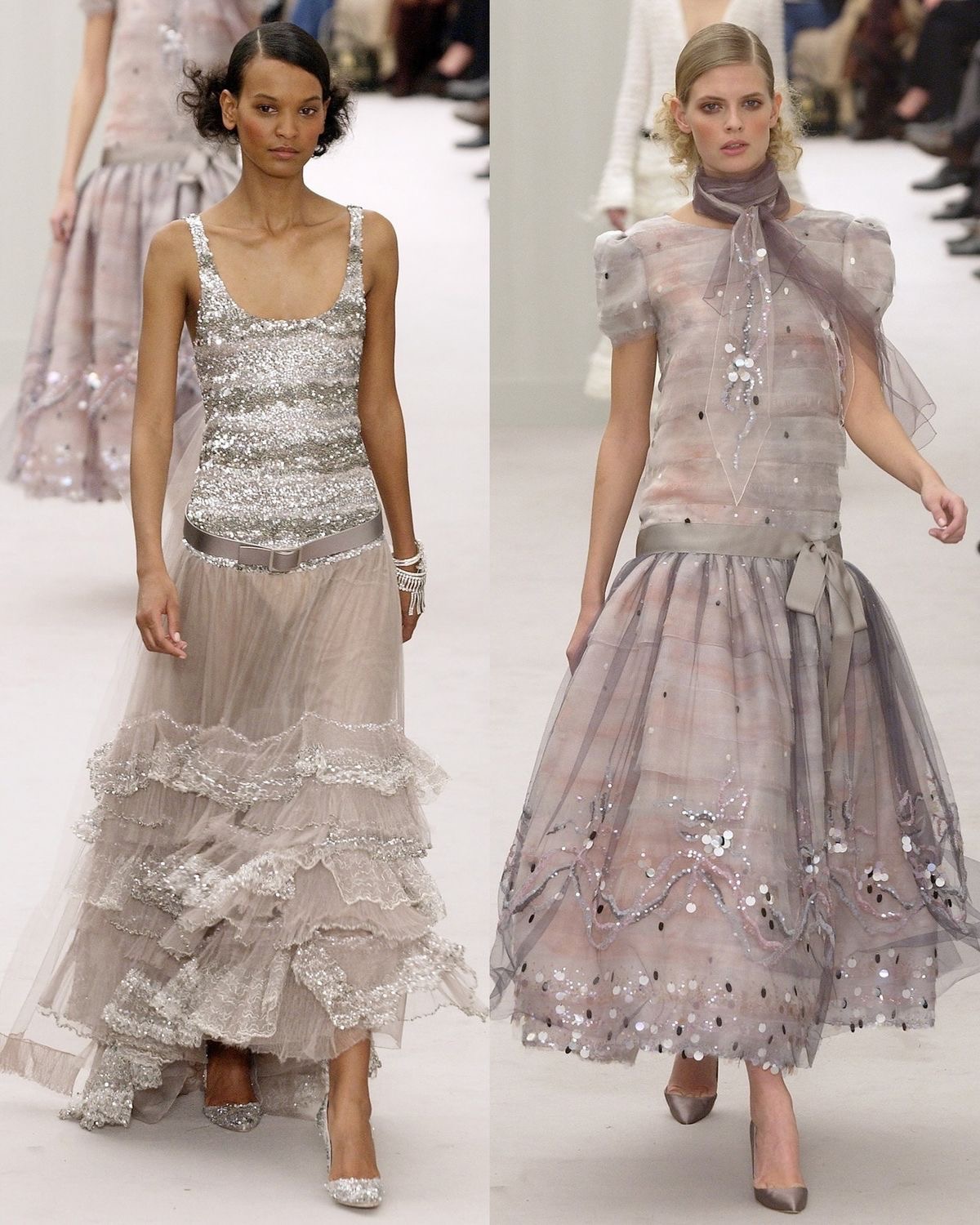
Image Credit: CHANEL
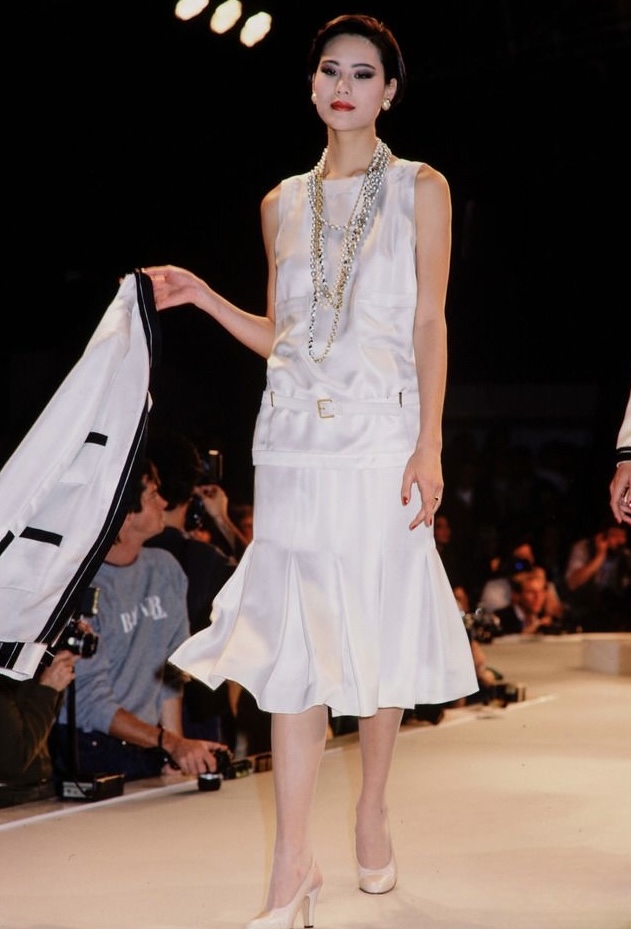
Image Credit: CHANEL
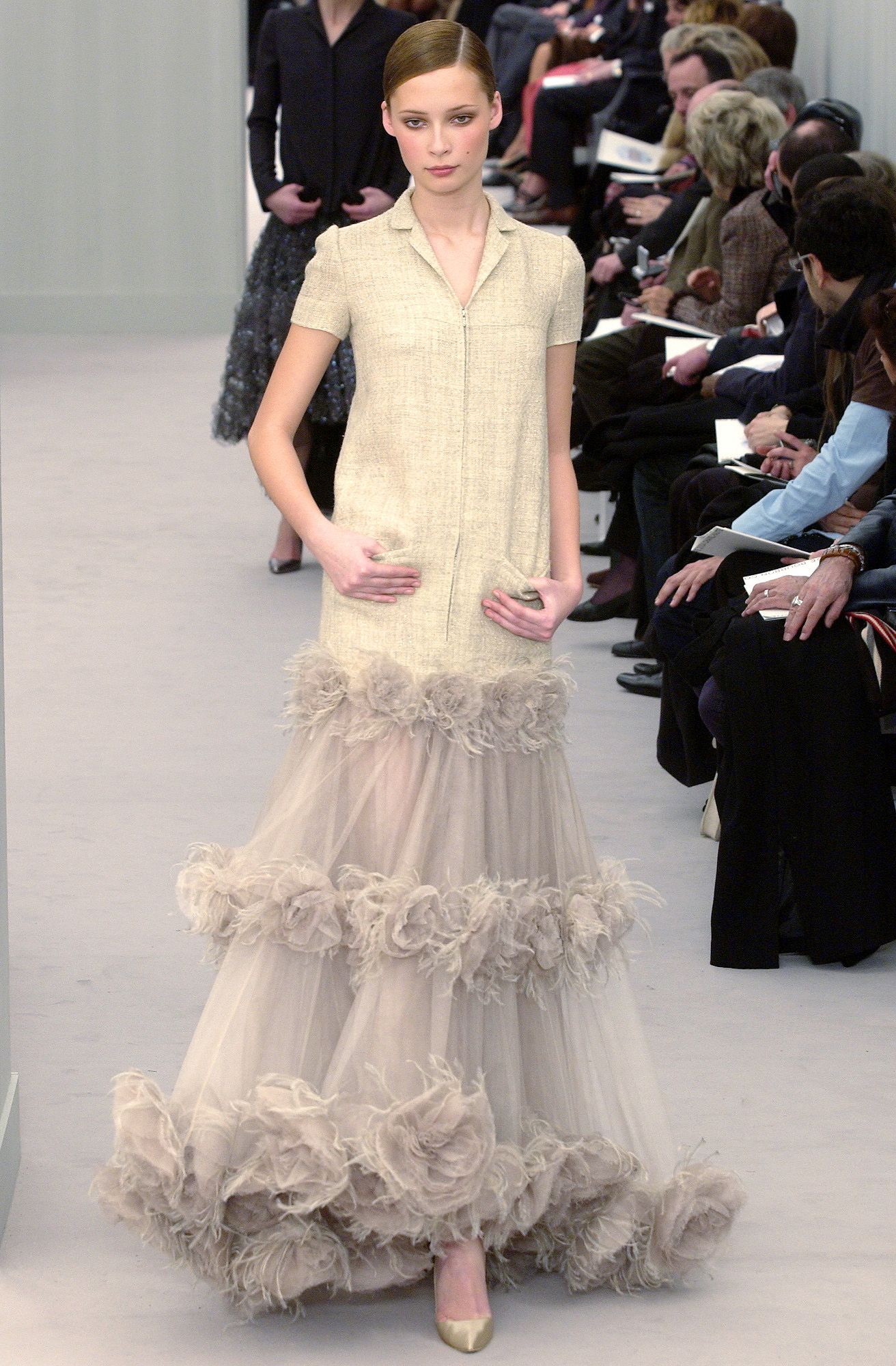
Image Credit: CHANEL
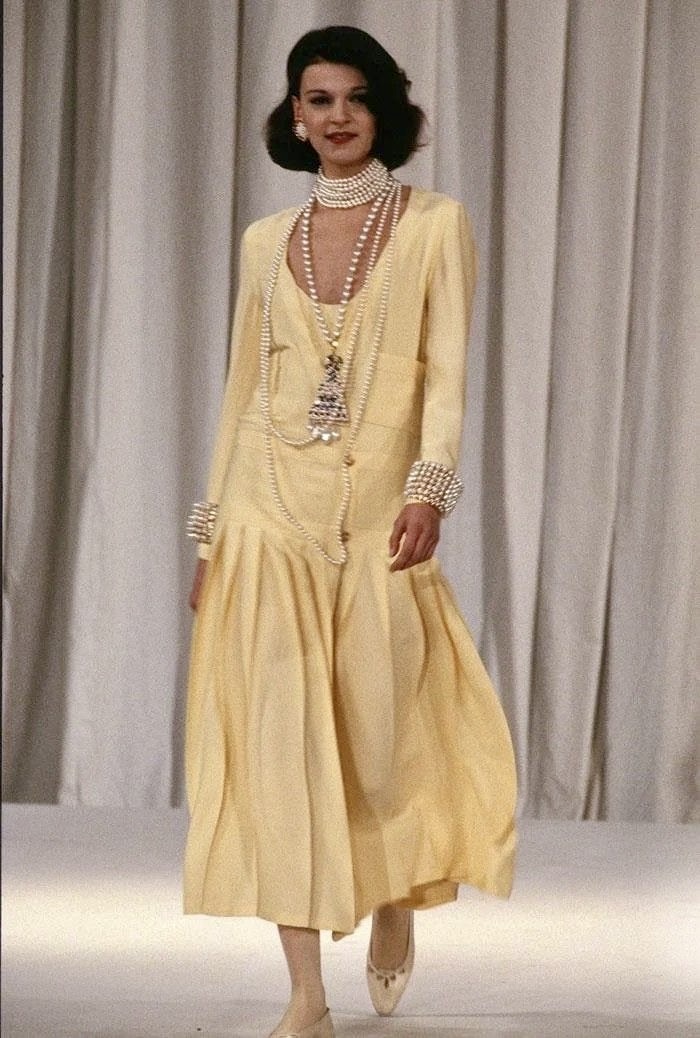
Image Credit: CHANEL
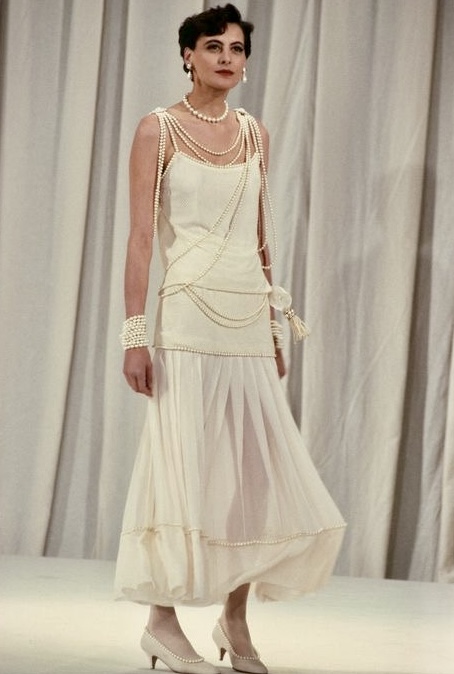
Image Credit: CHANEL
Following Lagerfeld’s death in 2019, Virginie Viard guided CHANEL through a period defined by restraint and refinement. Her collections emphasized softness, ease, and wearability while drawing selectively from the house’s extensive archive.
Although the dropped waist was not a dominant runway theme throughout her ready-to-wear collections, it remained part of her design vocabulary. Several Haute Couture collections revisited lowered waistlines through elongated jackets, relaxed evening dresses, and silhouettes that echoed the proportions of the 1920s without directly reproducing them. Viard approached the motif with subtlety, allowing it to appear as one thread within a broader exploration of feminine tailoring and craftsmanship rather than as the central focus of a collection.
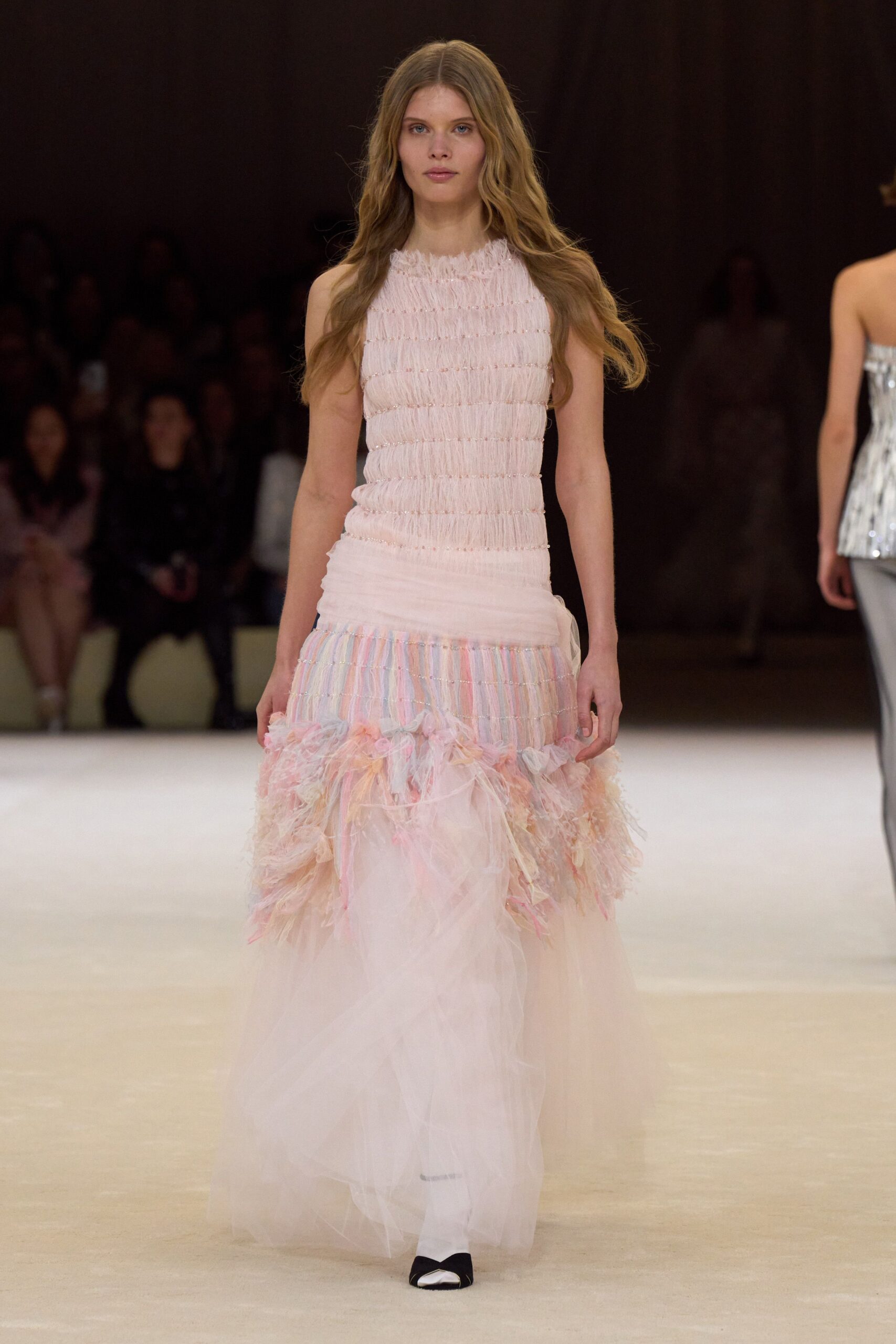
Image Credit: CHANEL
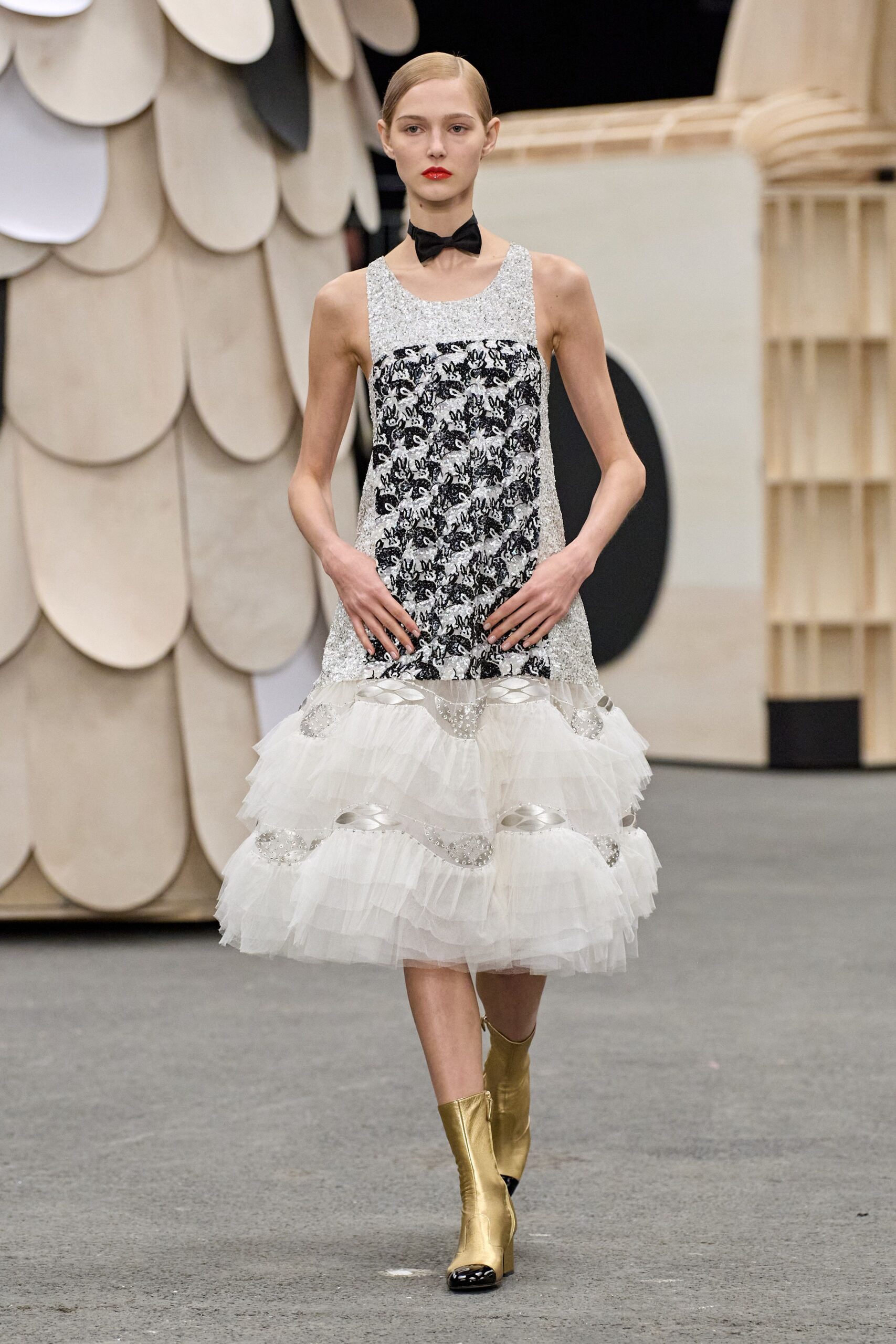
Image Credit: CHANEL
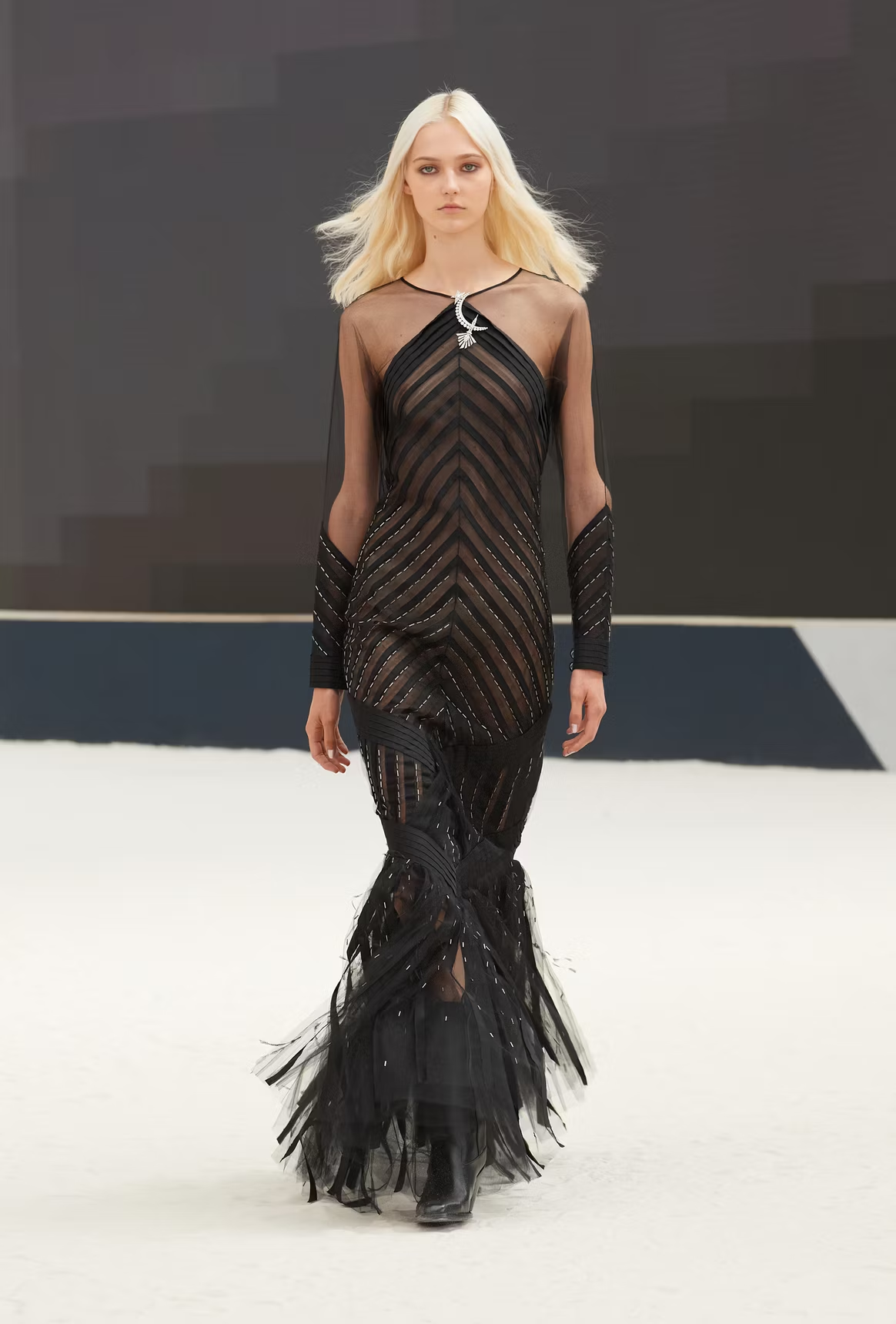
Image Credit: CHANEL
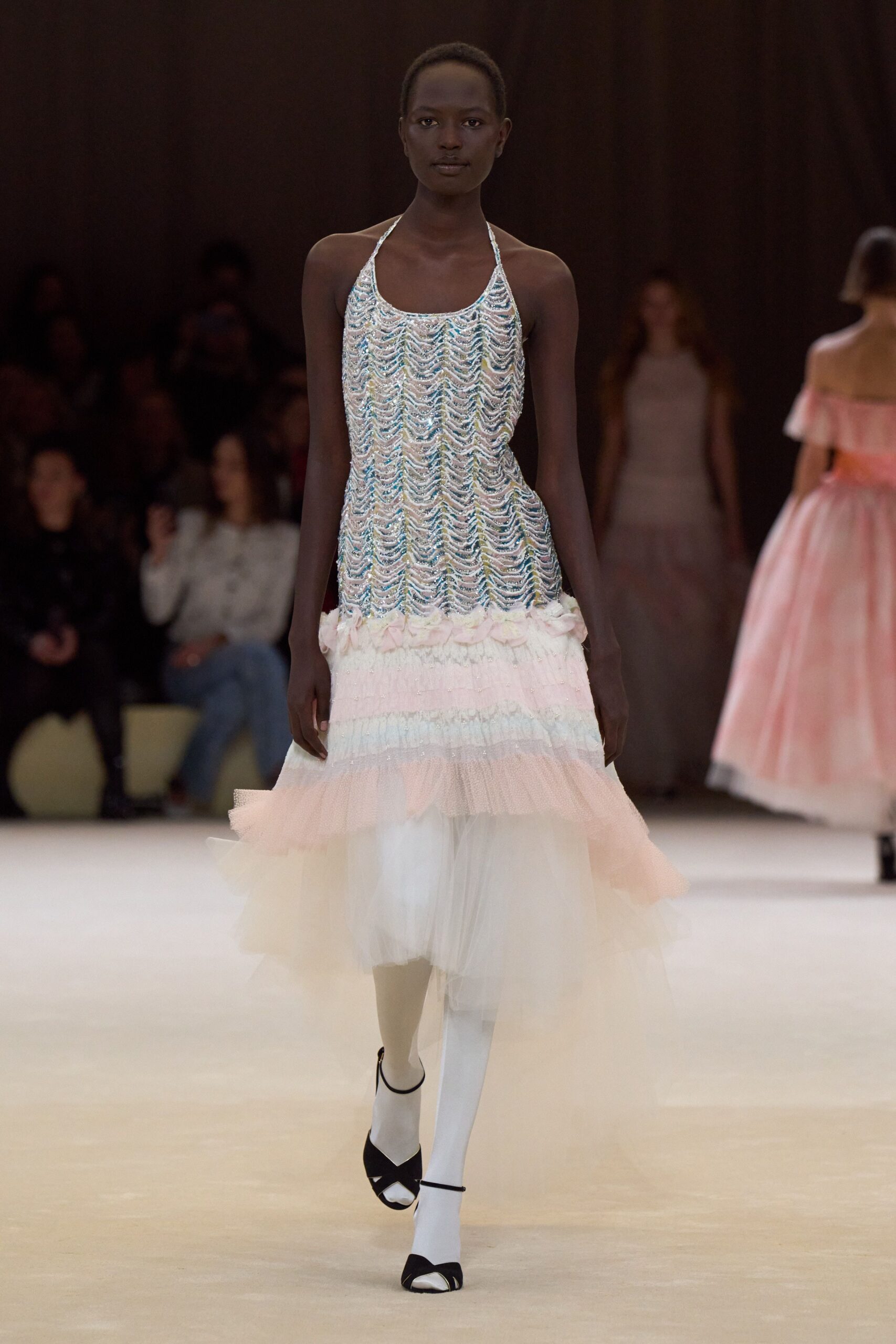
Image Credit: CHANEL
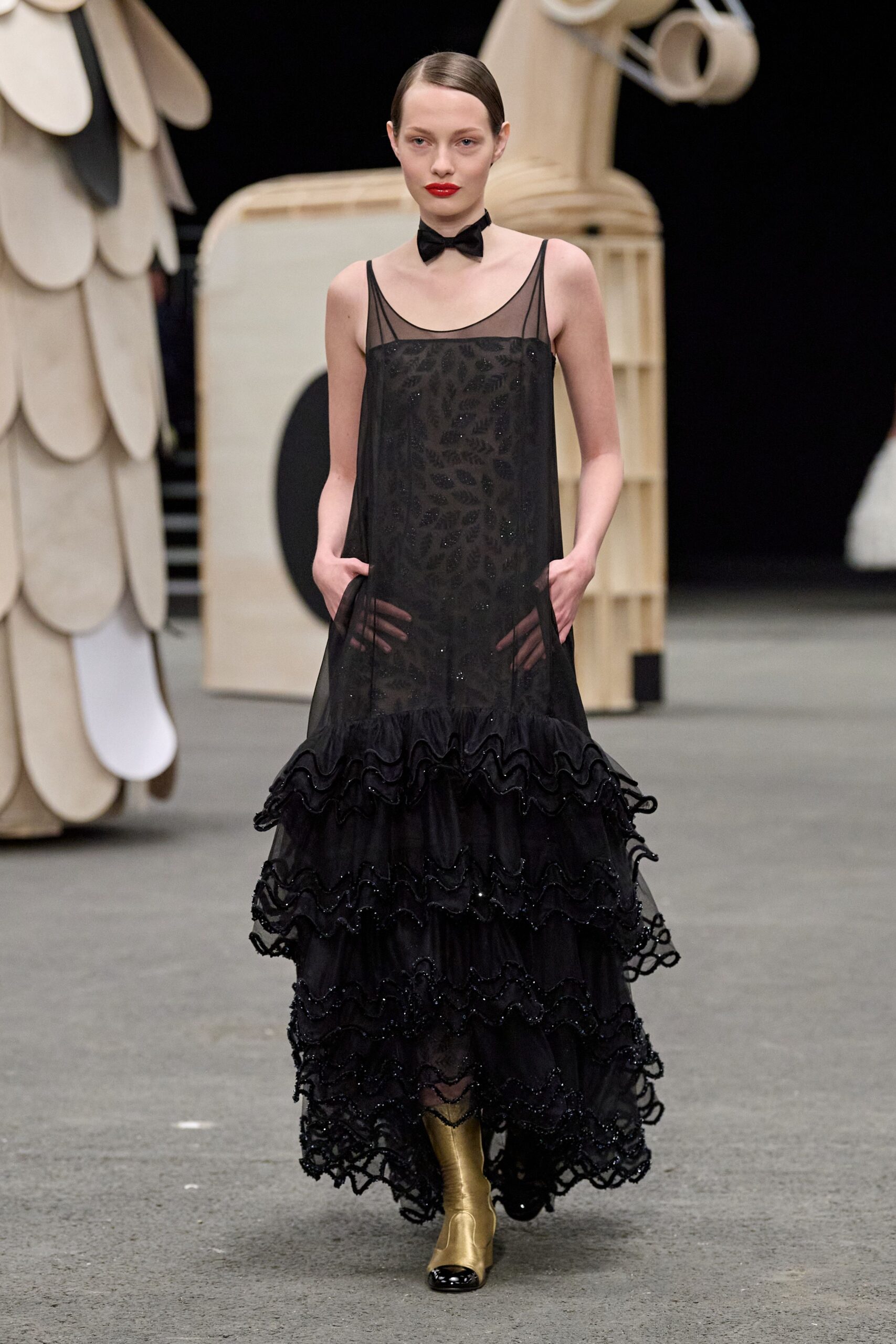
Image Credit: CHANEL
Matthieu Blazy’s debut collection for Spring/Summer 2026 immediately established a dialogue with Gabrielle Chanel’s original philosophy: pairing menswear-inspired tailoring with softened proportions, oversized shirting, relaxed jackets, and fluid silhouettes that recalled the liberated attitude of the 1920s.
While the dropped waist itself appeared only selectively throughout the Spring/Summer 2026 collection, critics noted how Blazy revisited the loose, elongated proportions that defined Chanel’s earliest designs. Rather than reproducing vintage garments, he explored the same principles of ease, movement, and understated confidence that shaped Gabrielle Chanel’s original work.
That conversation became far more explicit in his Fall/Winter 2026 collection. There, lowered waistlines emerged as a defining silhouette across dresses, skirts, and tailoring, making the drop waist one of the season’s strongest visual themes. Instead of presenting the silhouette as nostalgia, Blazy integrated it into contemporary construction, combining relaxed proportions with modern fabrication and precise tailoring. The result felt both historically informed and unmistakably current.
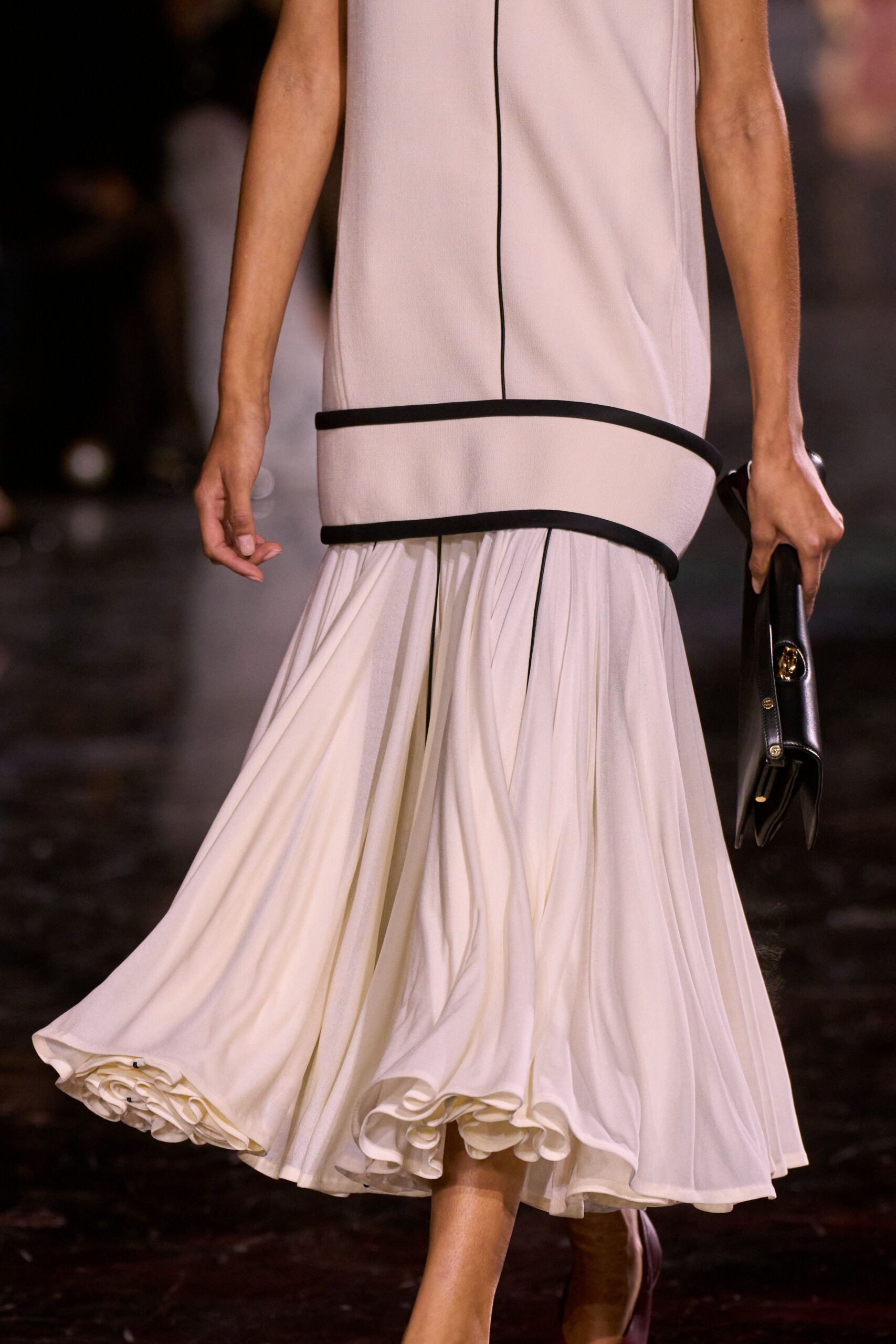
Image Credit: CHANEL
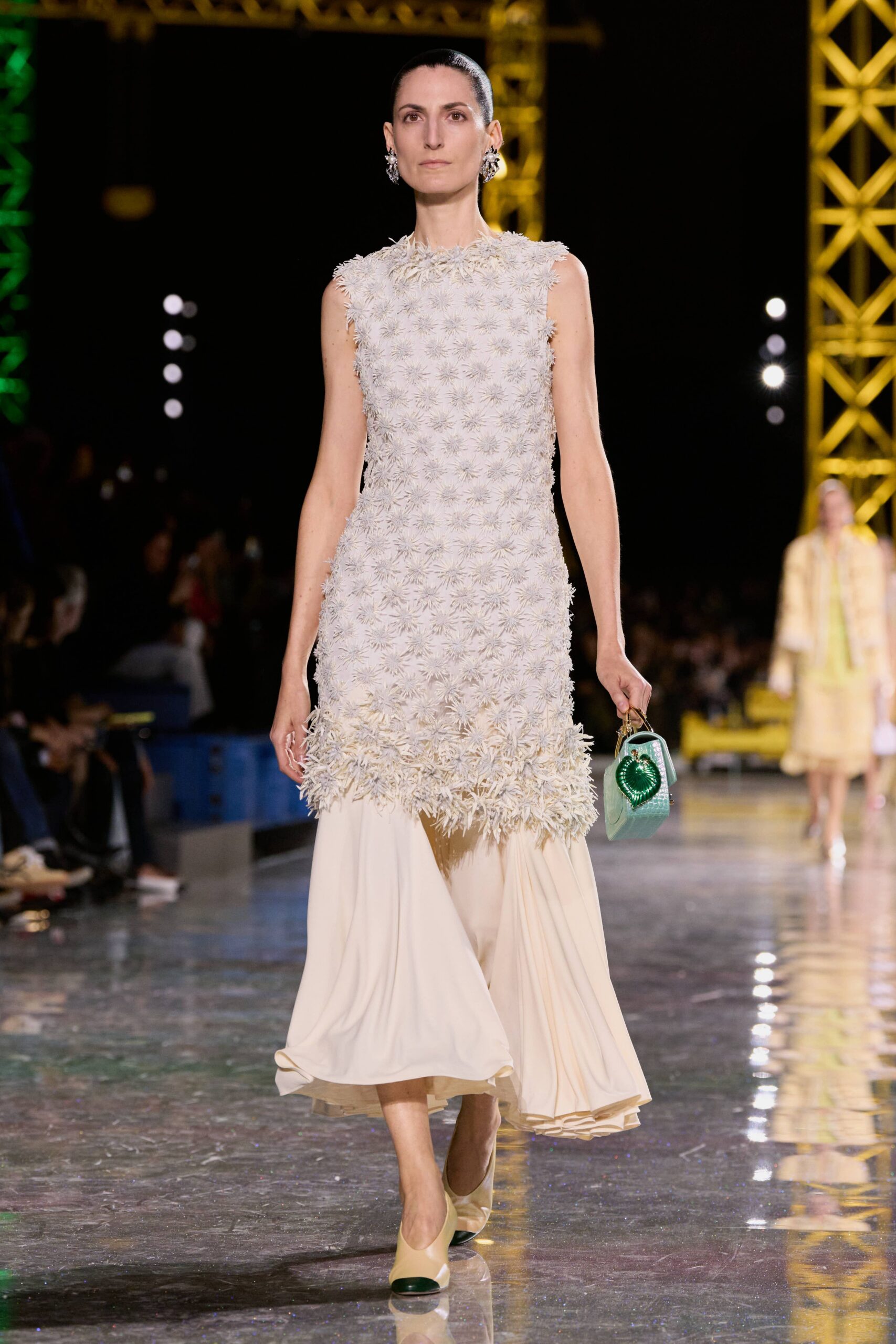
Image Credit: CHANEL
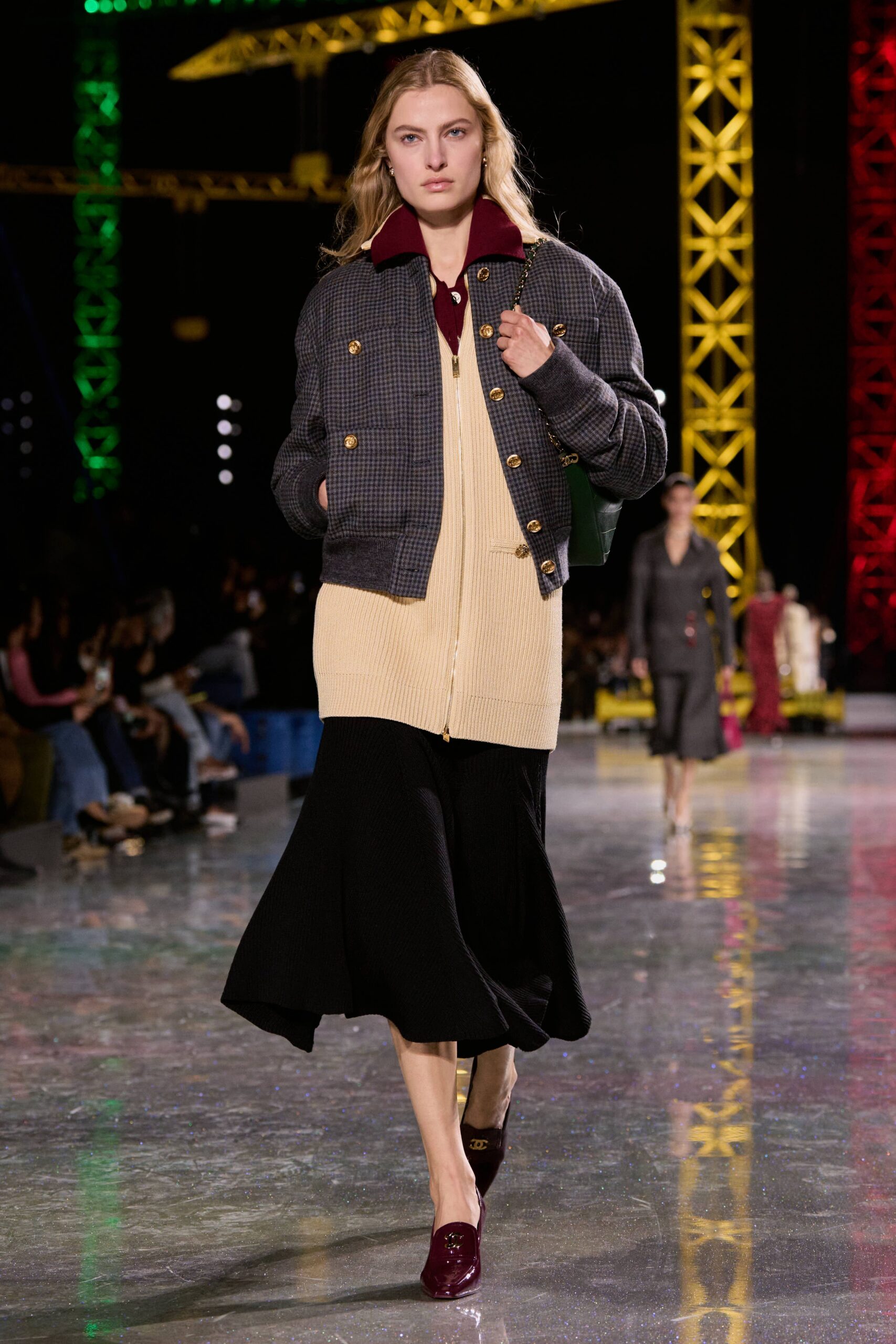
Image Credit: CHANEL
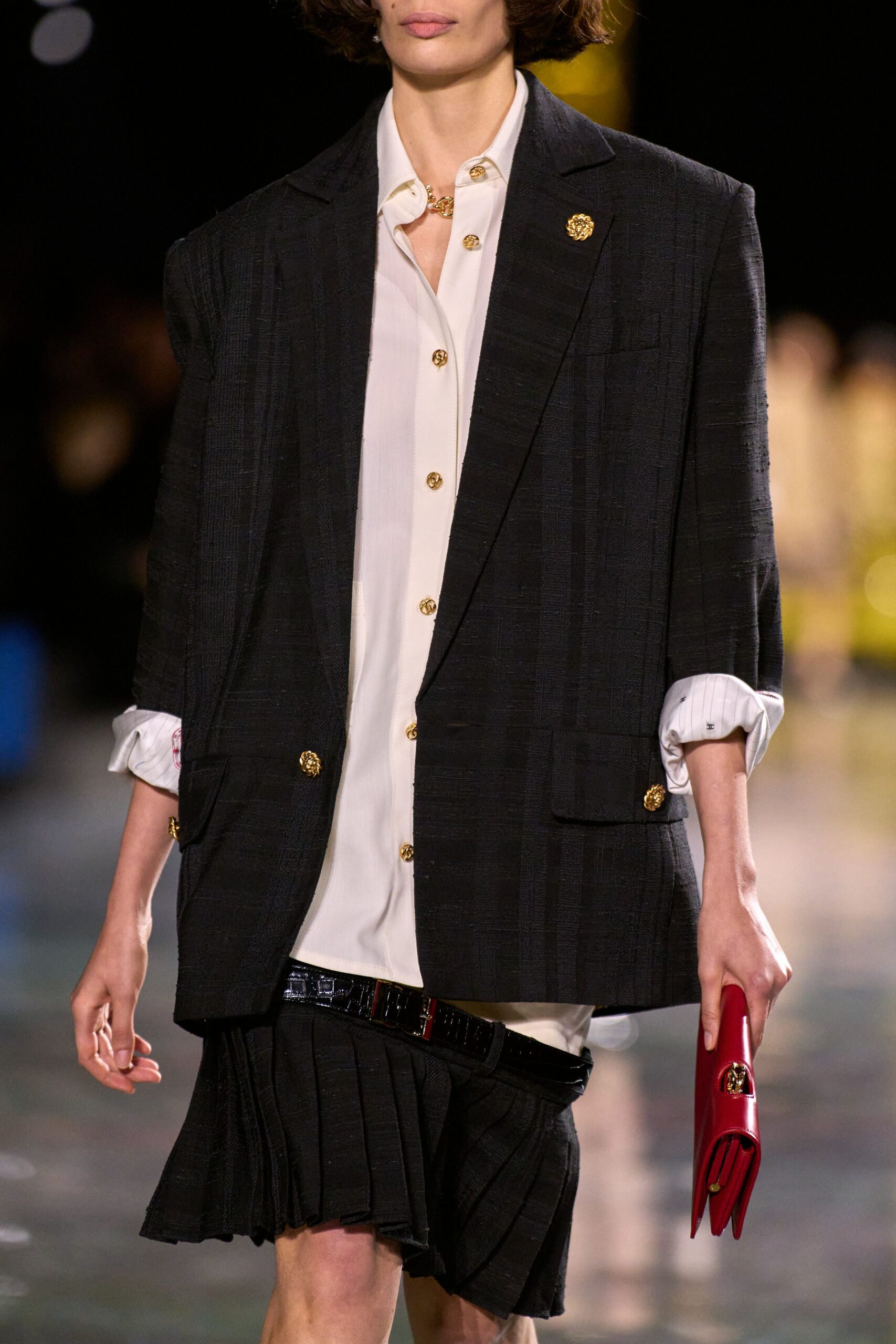
Image Credit: CHANEL
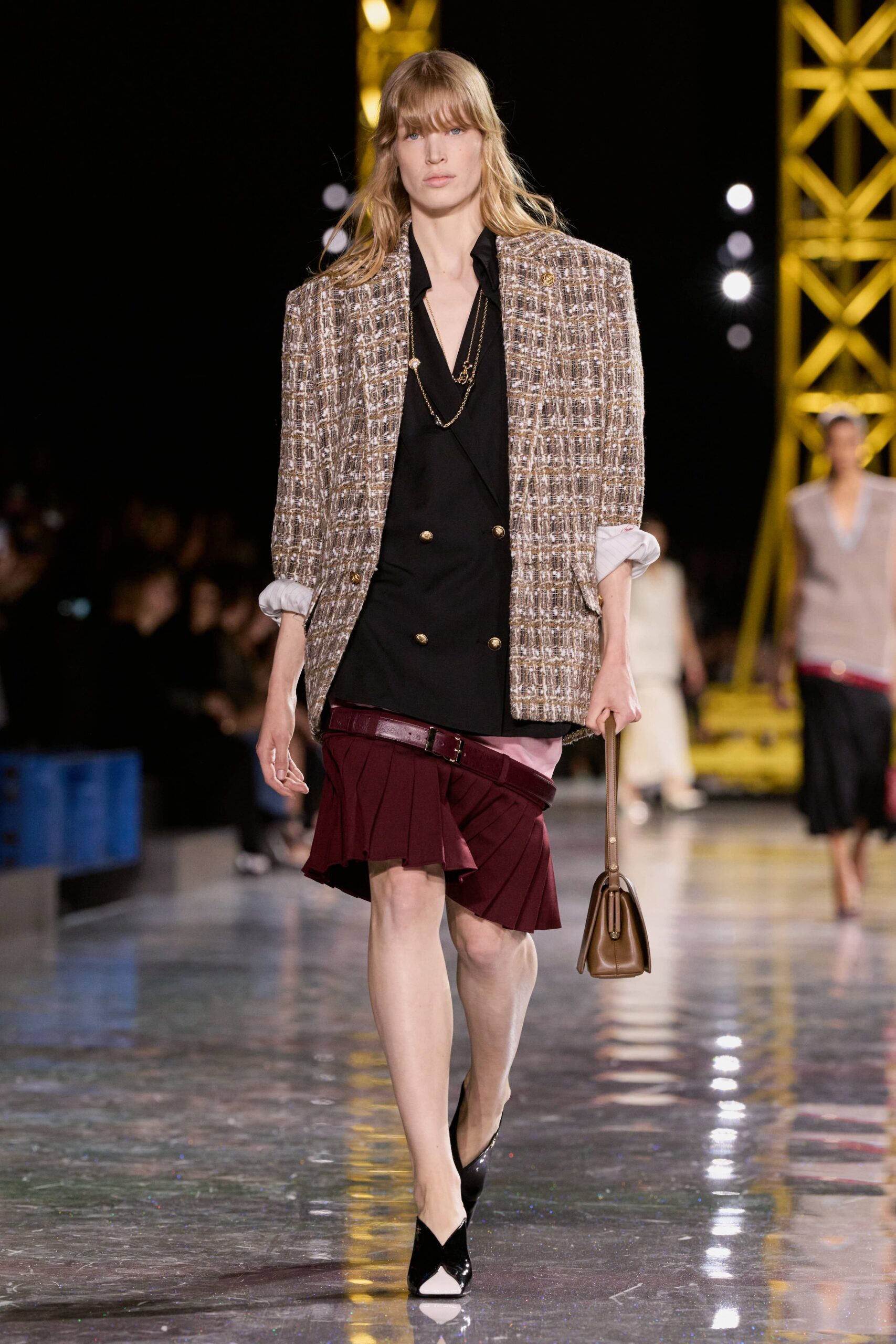
Image Credit: CHANEL
Across more than one hundred years, the dropped waist has never simply disappeared from CHANEL’s vocabulary. Instead, each creative director has returned to it with a different purpose.
Gabrielle Chanel used it to liberate women from restrictive dress. Karl Lagerfeld transformed it into an object of reinterpretation, proving that the archive could continually evolve. Virginie Viard revisited it with quiet restraint, weaving it into her couture collections as part of a broader exploration of proportion. Matthieu Blazy has returned to the silhouette with renewed conviction, first introducing echoes of its relaxed attitude in Spring/Summer 2026 before placing it at the centre of his Autumn/Winter 2026 collection.
Its enduring presence reveals something fundamental about CHANEL. The dropped waist is not simply a recurring trend but a recurring idea—one that reflects the house’s ongoing fascination with freedom, proportion, and modern femininity. Every generation has interpreted it differently, yet each interpretation remains connected to Gabrielle Chanel’s original belief that clothing should move with the woman who wears it rather than constrain her.