
23 April 2026
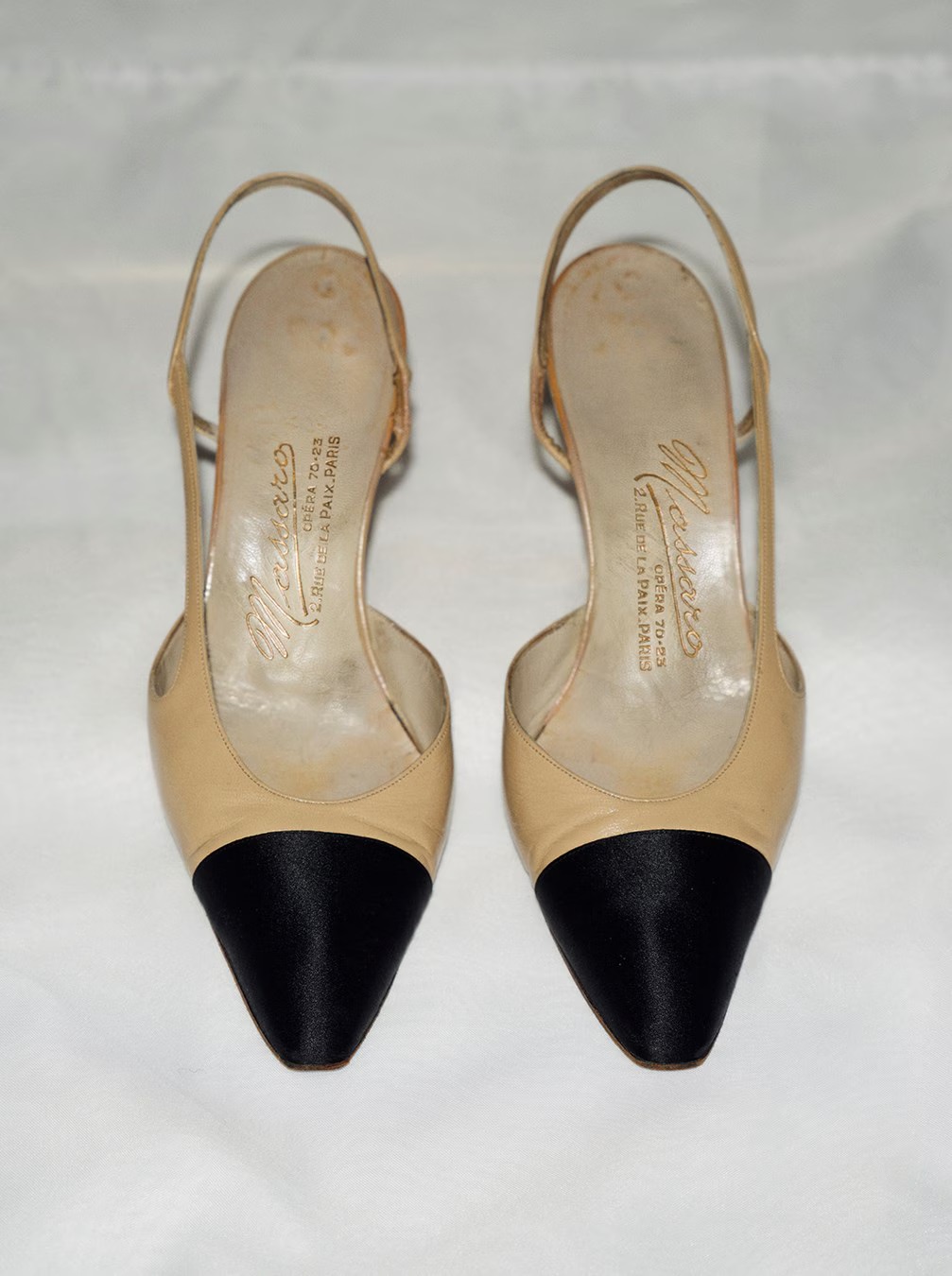
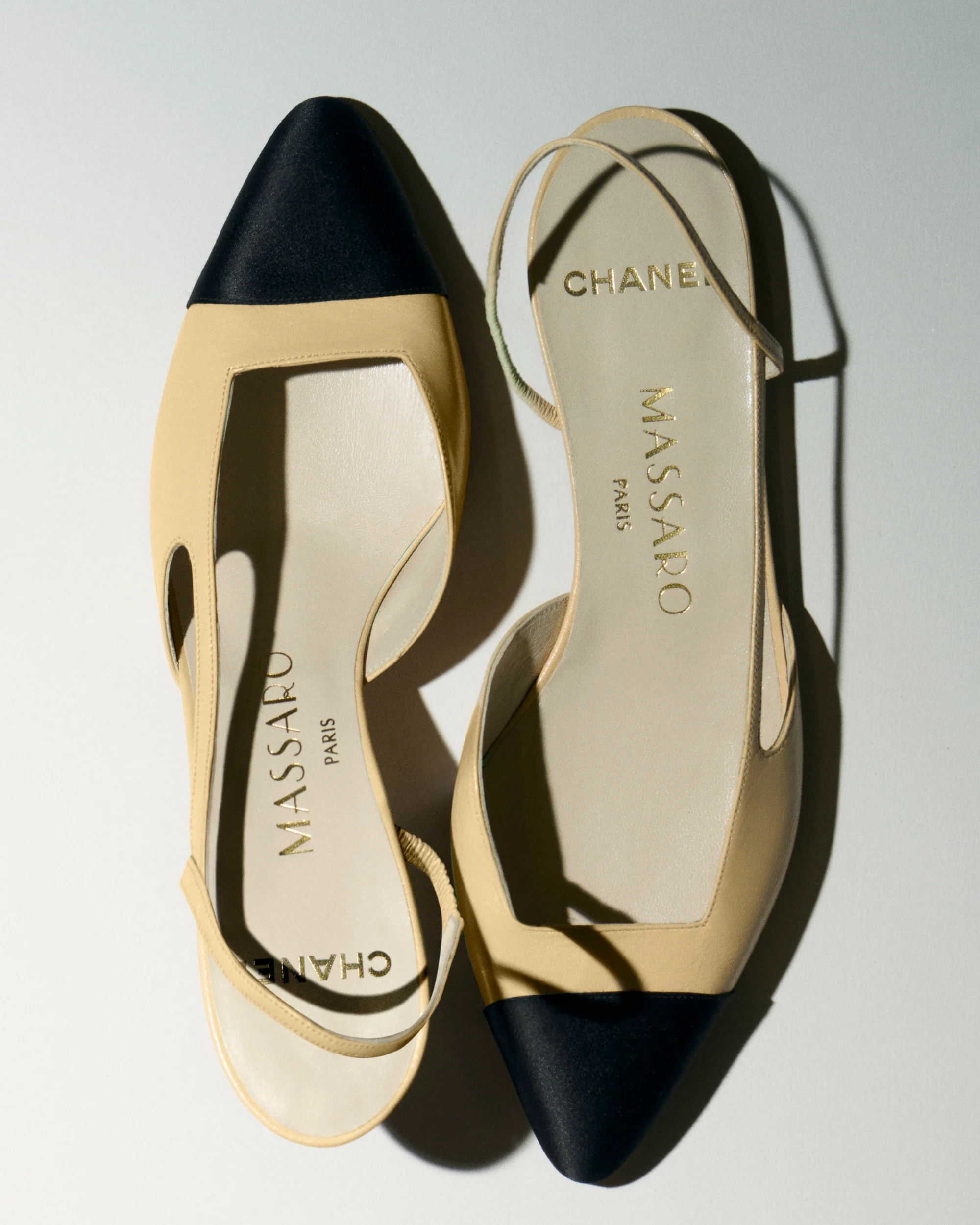
In 1957, Gabrielle Chanel – then in the midst of her triumphant return to couture after fifteen years of self-imposed Swiss exile – introduced a shoe so quietly radical that its full significance would only register decades later. The two-tone slingback, beige across the vamp and capped in black at the toe, was not born from whimsy. It was engineering.
The beige elongated the leg, merging with the skin in a seamless optical illusion. The black cap, far from decoration, anchored the foot, grounded the silhouette, and concealed the inevitable scuff of wear. Chanel had, in a single stroke, reconciled the eternal opposition of beauty and function.
The heel – kitten-low at first, later refined to a modest stiletto – offered what she called a woman’s right to move. Not to pose. Not to be looked at from across a room. But to walk, and to do so with total, uncomplicated grace.
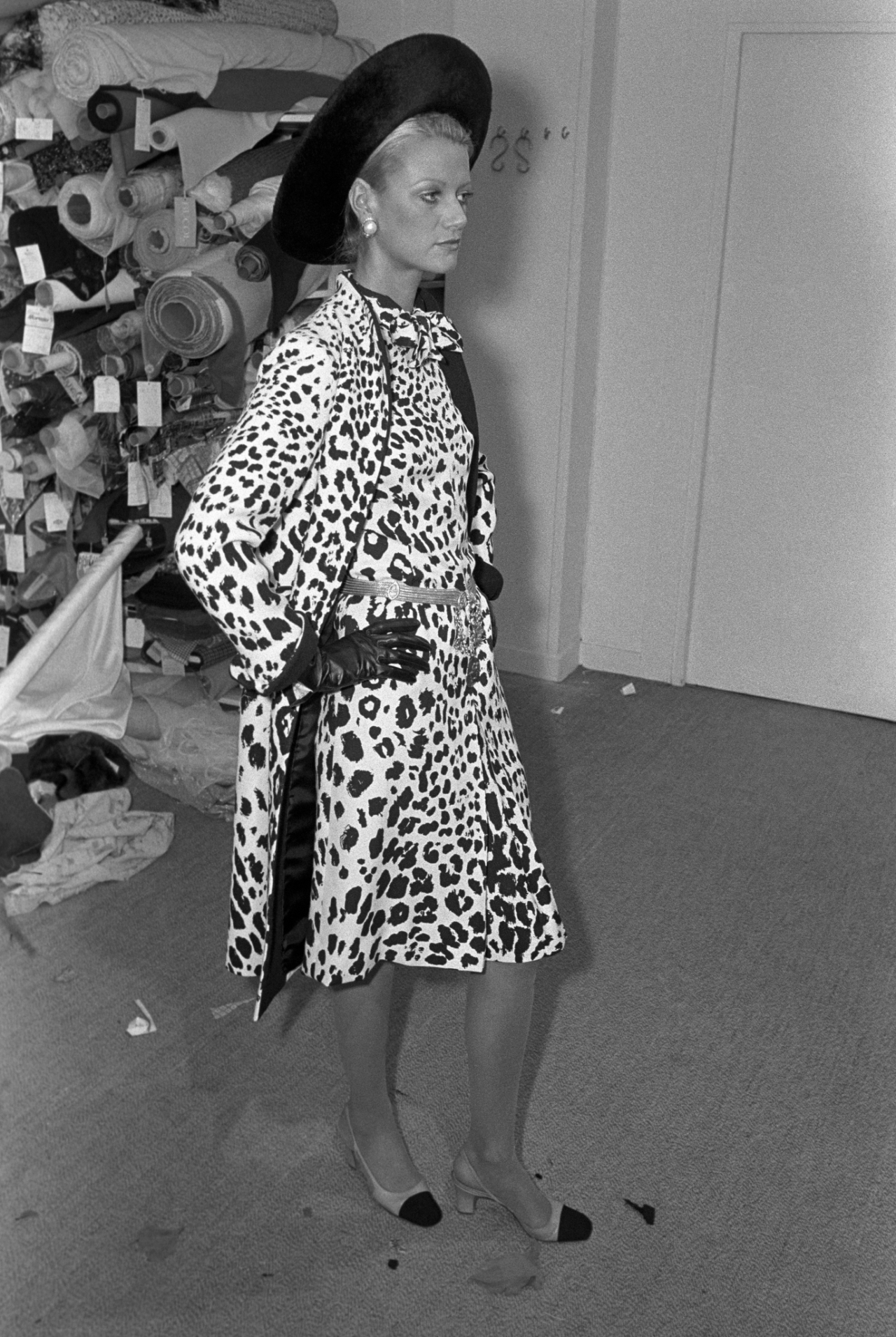
Image Credit: Reginald Gray/WWD
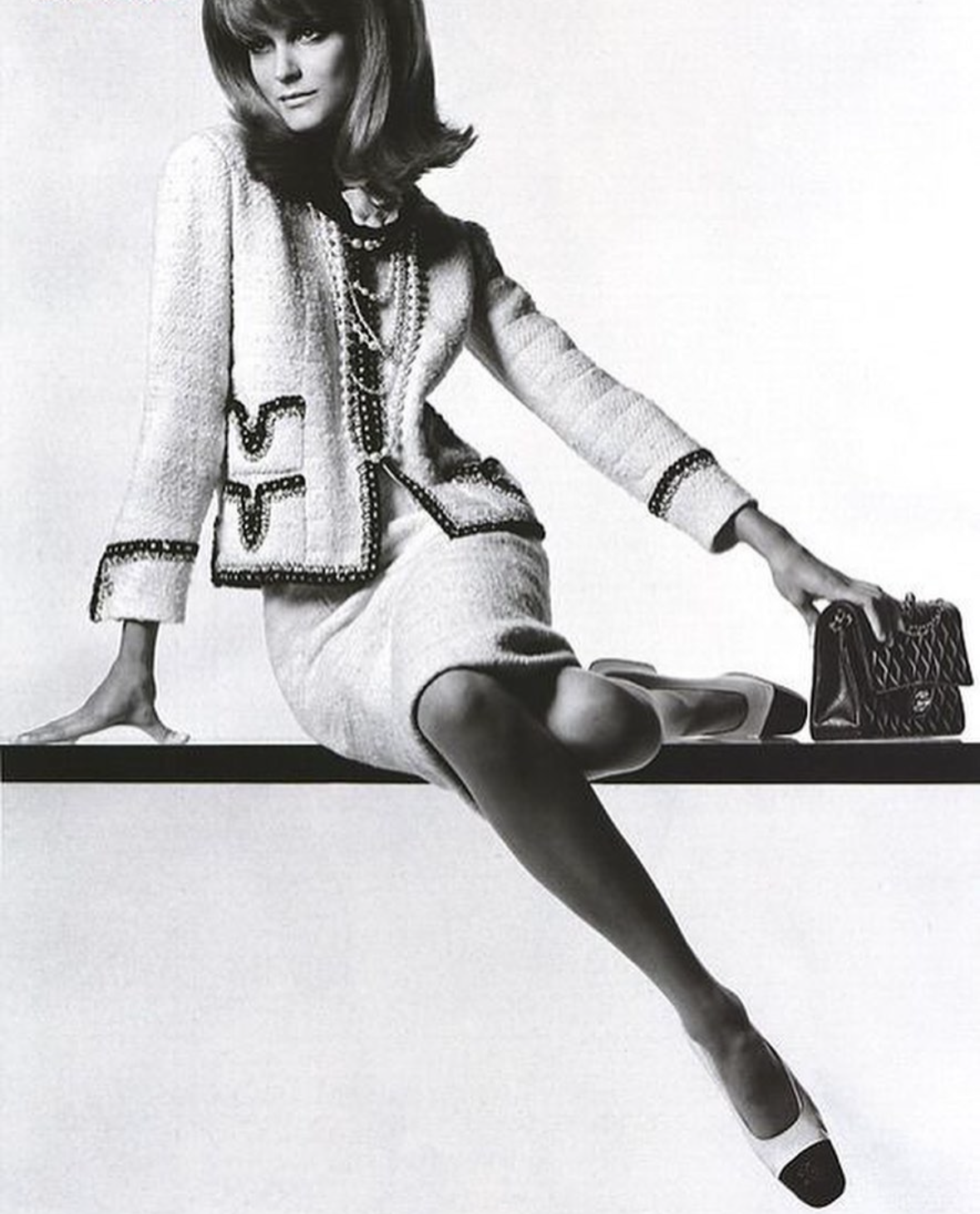
CHANEL, 1963
To understand the slingback is to understand its moment. In 1957, Dior’s New Look had reshaped womanhood into something sculptural and bound: nipped waists, full skirts, shoes that kept you still. Chanel’s return was, in part, a rebuke. The House offered ease where couture had offered constraint, and the slingback was the point at which her philosophy met the ground.
There was also the matter of propriety. An open back was transgressive in an era of the firmly laced. The slingback admitted the ankle, whispered of the heel, and did so with an elegance so assured that it defused all possible criticism. It was, in essence, freedom disguised as correctness — which is perhaps the most purely Chanel thing imaginable.
The style found immediate favour among the women Chanel dressed and the women who aspired to be them. By the early 1960s, the slingback had crossed from couture into culture. It appeared on the feet of film stars and socialites; it entered the visual language of a certain kind of aspirational femininity that exists, largely unchanged, to this day.
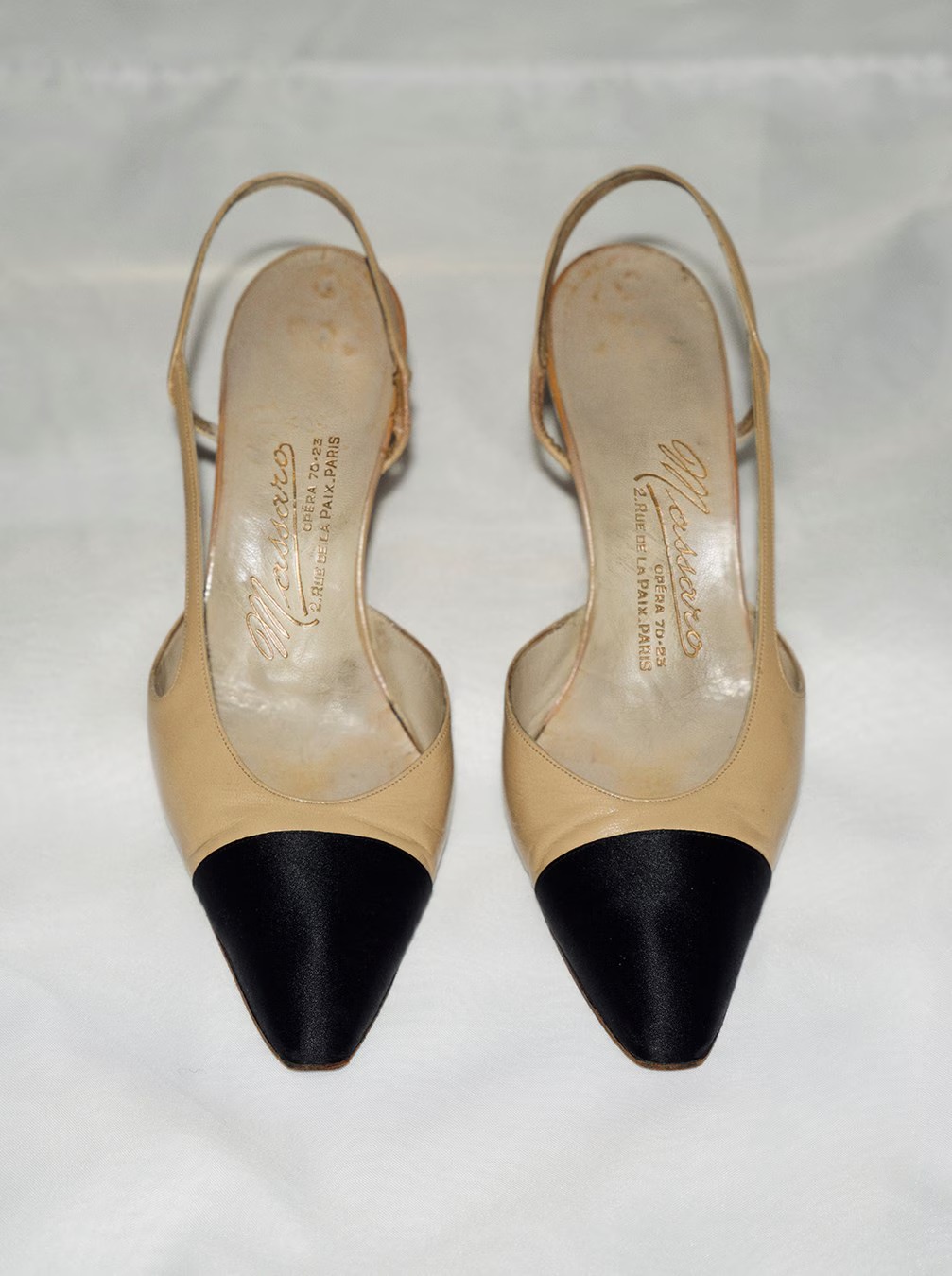
Image Credit: Jonathan Vincent Baron/AnOther. CHANEL Slingbacks, 1962
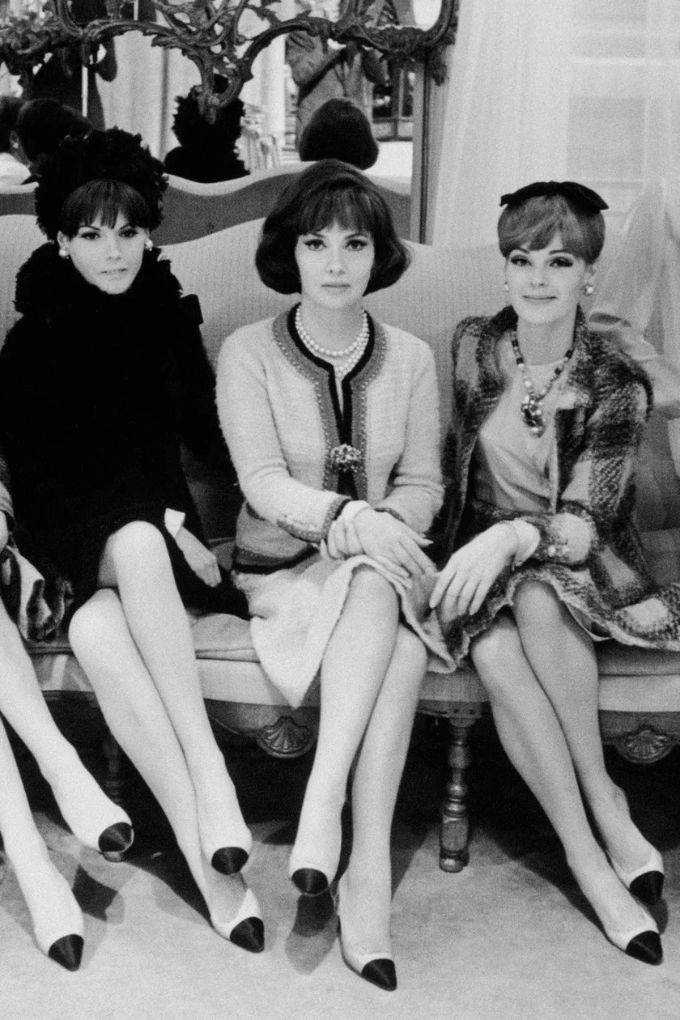
Image Credit: CHANEL
1957: The Original Two-Tone
The beige calfskin upper with black grosgrain-capped toe launches. A modest block heel, a narrow slingback strap with gilt buckle. The proportions are almost architectural in their exactness.
1970s: Refinement in Mourning
After Gabrielle Chanel’s death in 1971, the House continued the silhouette under successive artistic direction. The slingback narrows, the heel lengthens slightly. All-black and all-navy iterations appear.
1983: Karl’s Reinvention
Karl Lagerfeld’s arrival at CHANEL brings the slingback into dialogue with new materials — quilted leather, patent finishes, bold interlocked-CC embossing. The form remains; the vocabulary expands.
1990s: The Platform Era
A brief, characterful divergence: chunky soles and exaggerated proportions enter the silhouette, reflecting the maximalism of the decade. The two-tone palette persists even as the architecture shifts.
2000s: Return to Classicism
A collective cultural hunger for the quiet and the knowing brings the original proportions back. The slingback is repositioned as the anti-trend: the thing you reach for when everything else feels noisy.
2020: Virginie’s Take
Iterations in lambskin, tweed-effect leather, sequin and rhinestone finishes dominate in an ultra-feminine way. The two-tone is now one variation among dozens — and yet it remains the benchmark against which all are measured.
2026: Matthieu’s Reinvention
Taking on alternate proportions like a square toe and chunky flared block heels, Matthieu has introduced quite a modern take on the traditional silhouette. Unique colourways and unexpected material combinations prove how versatile the slingback can really be.

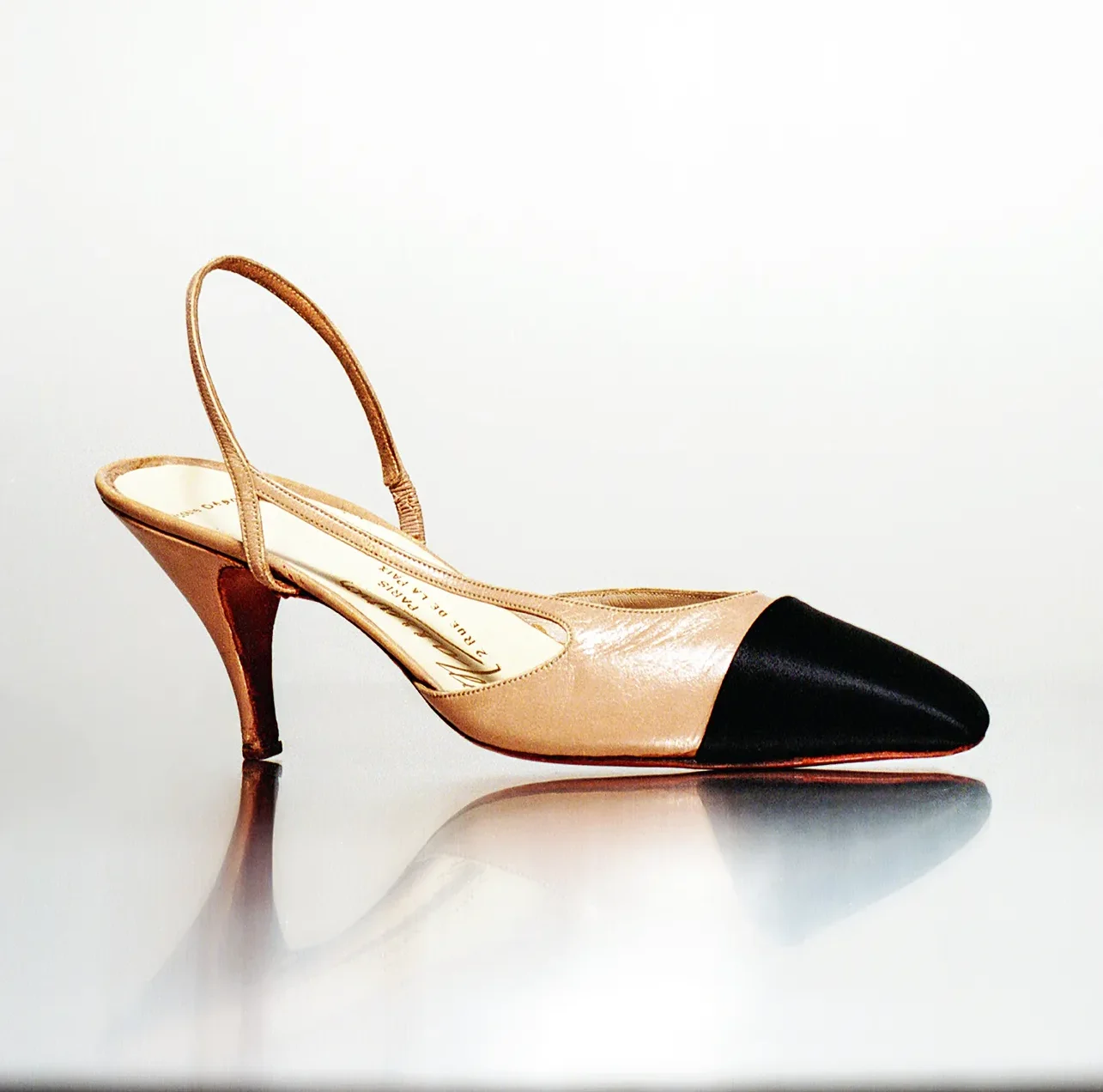
Image Credit: Julien T. Hamon
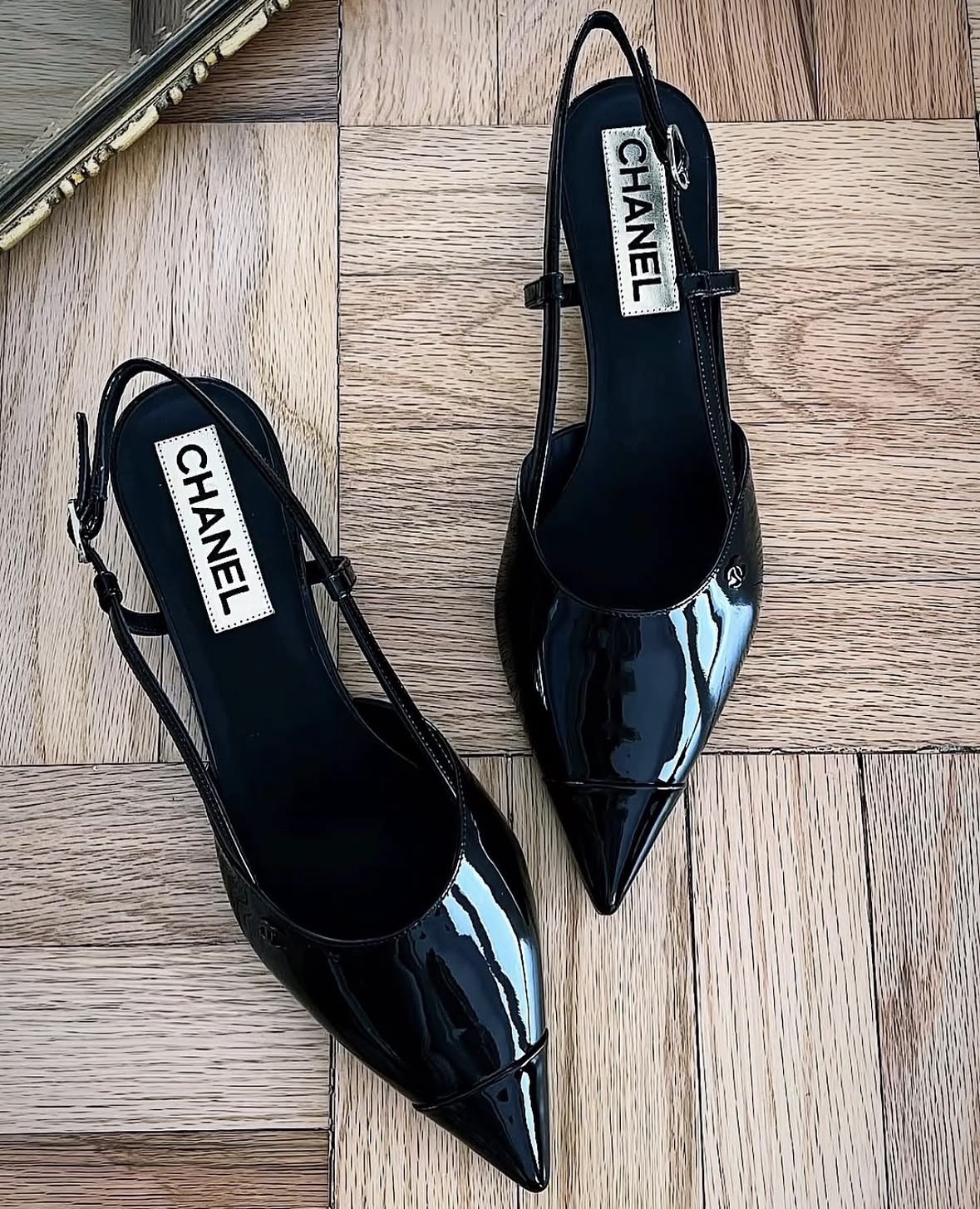
Image Credit: @camilacoelho
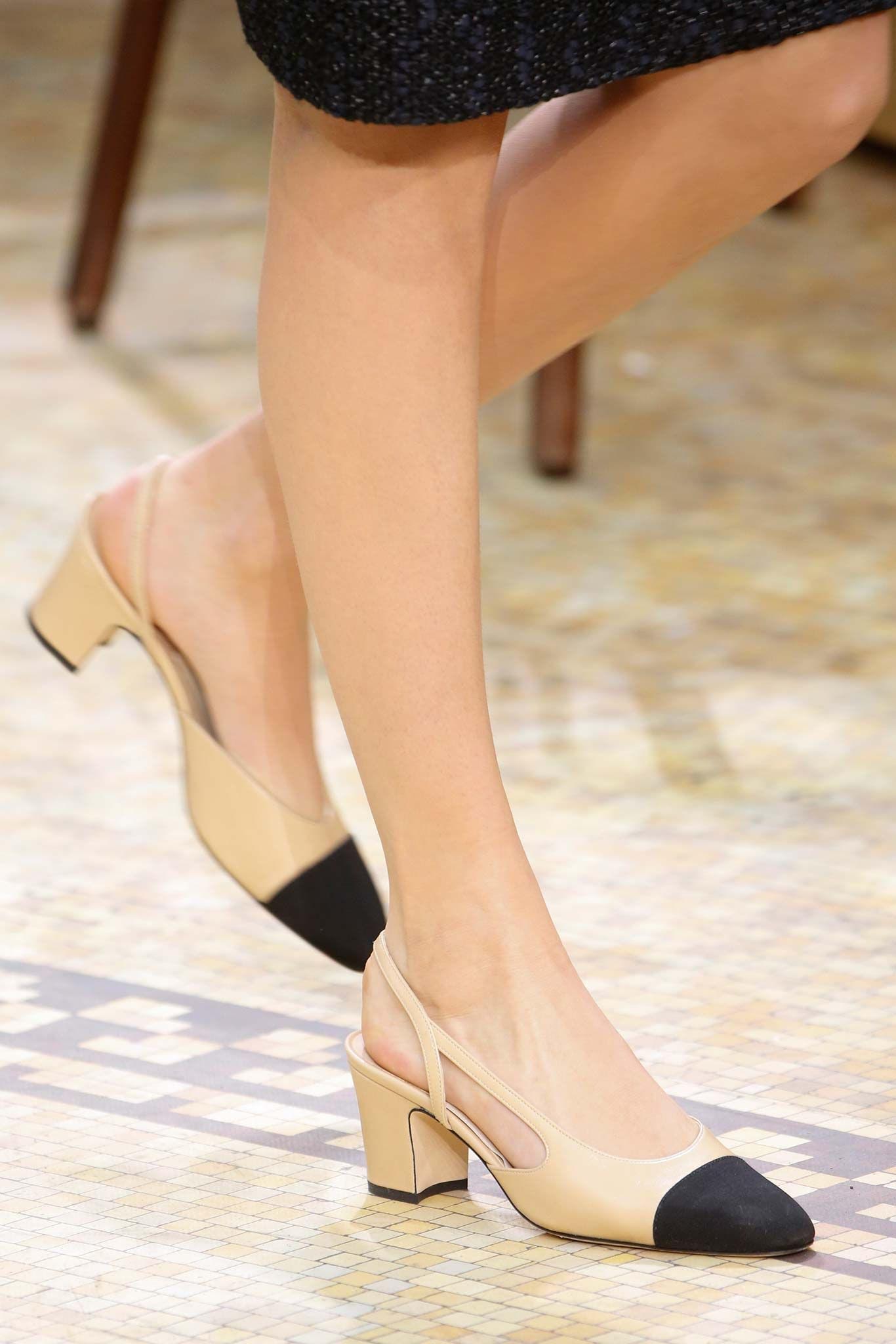
Image Credit: CHANEL
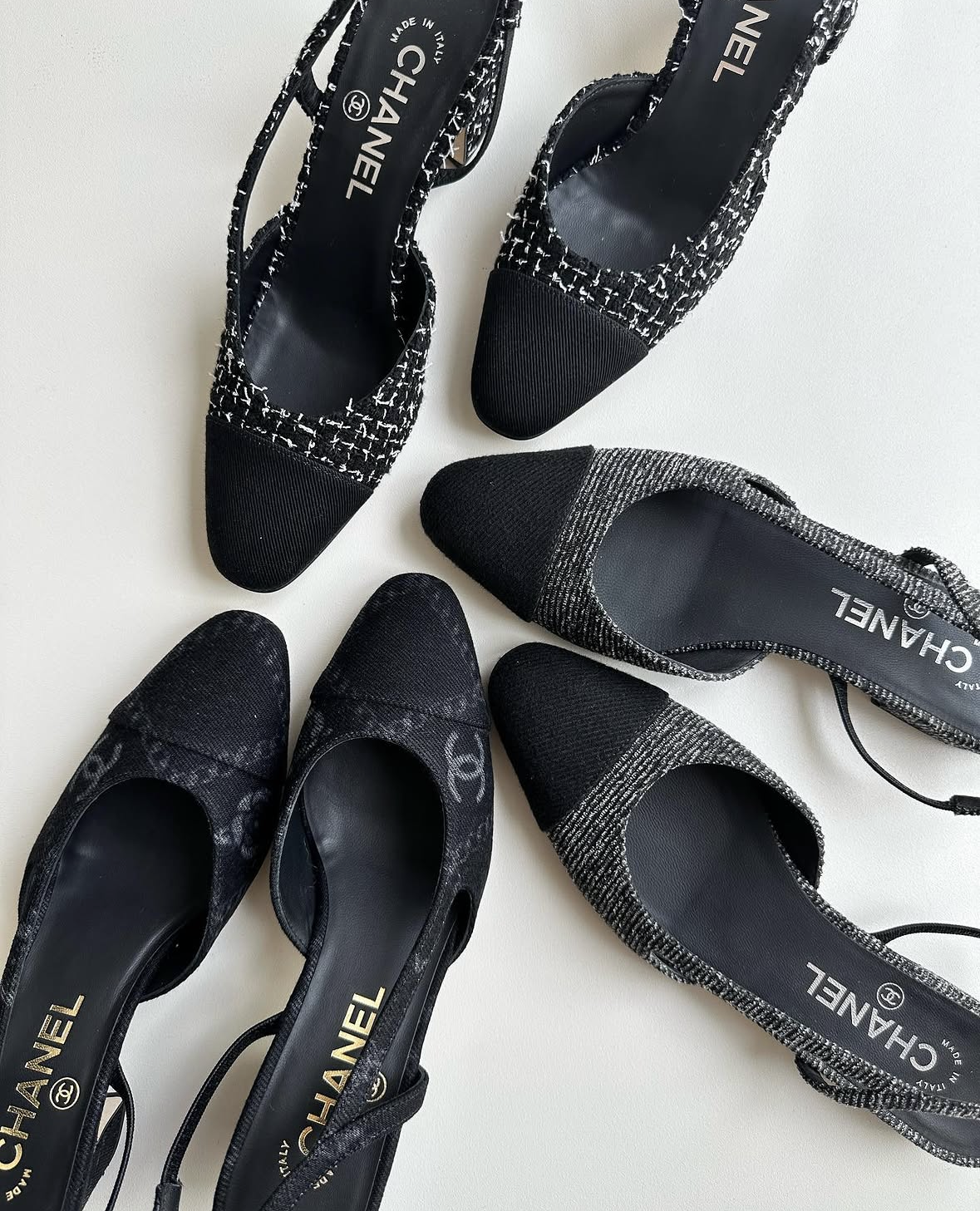
Image Credit: @aline.inparis
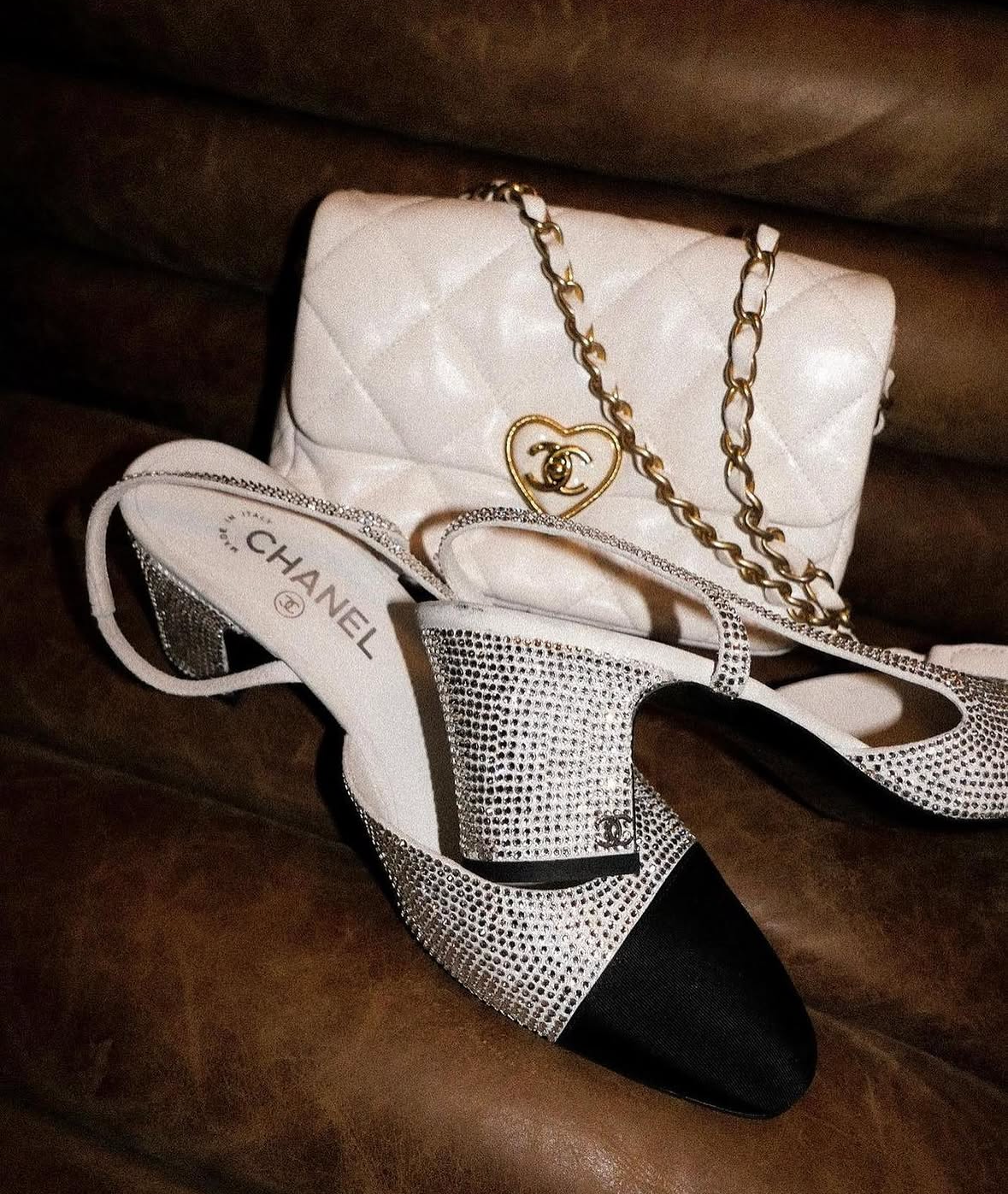
Image Credit: @nina
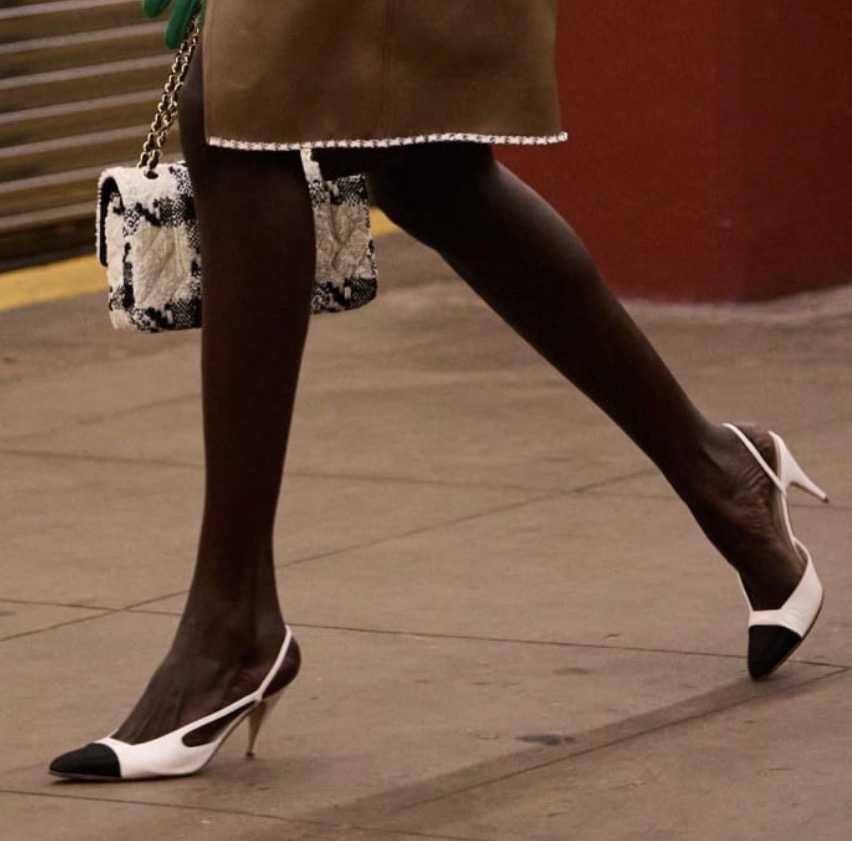
Image Credit: CHANEL
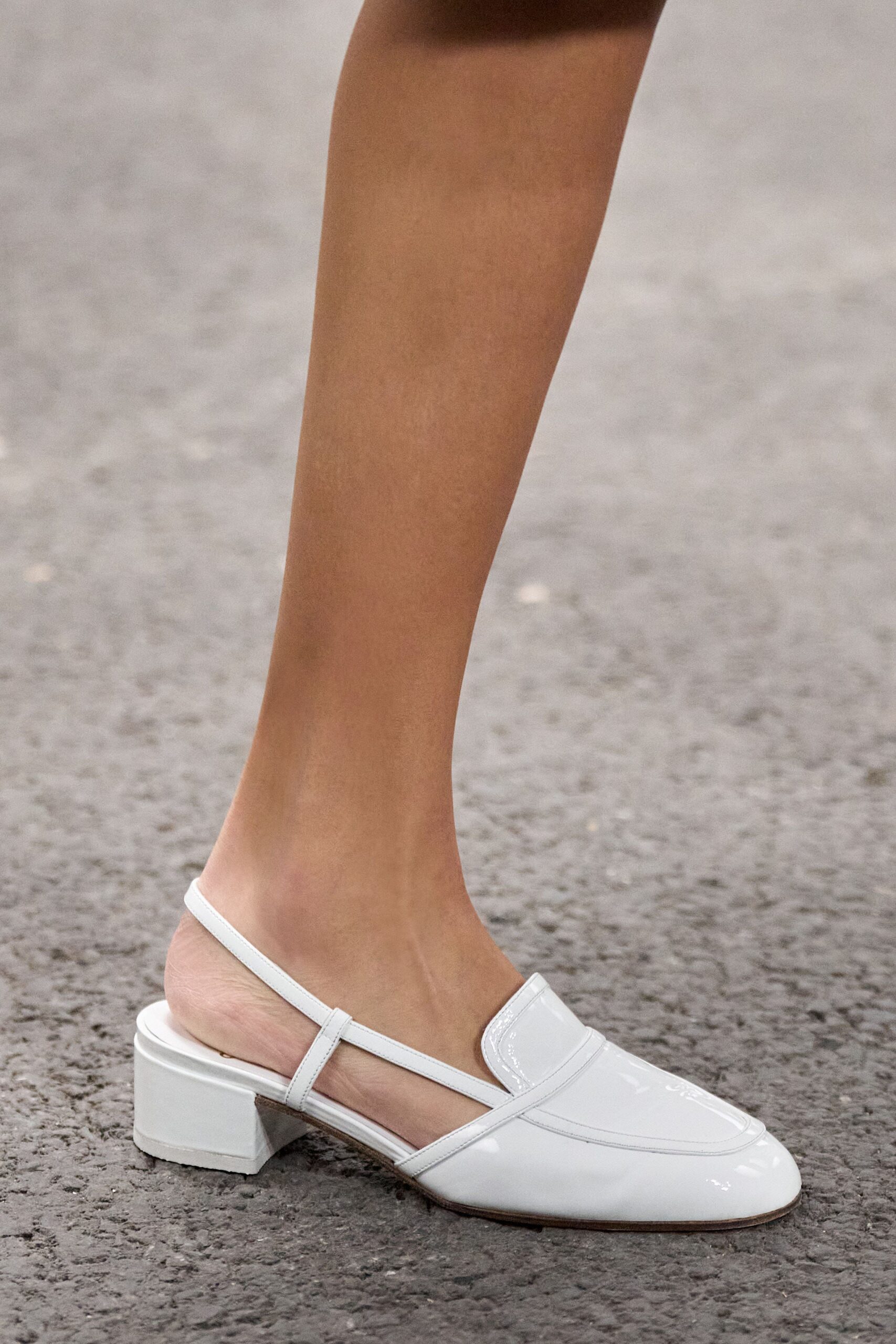
Image Credit: CHANEL
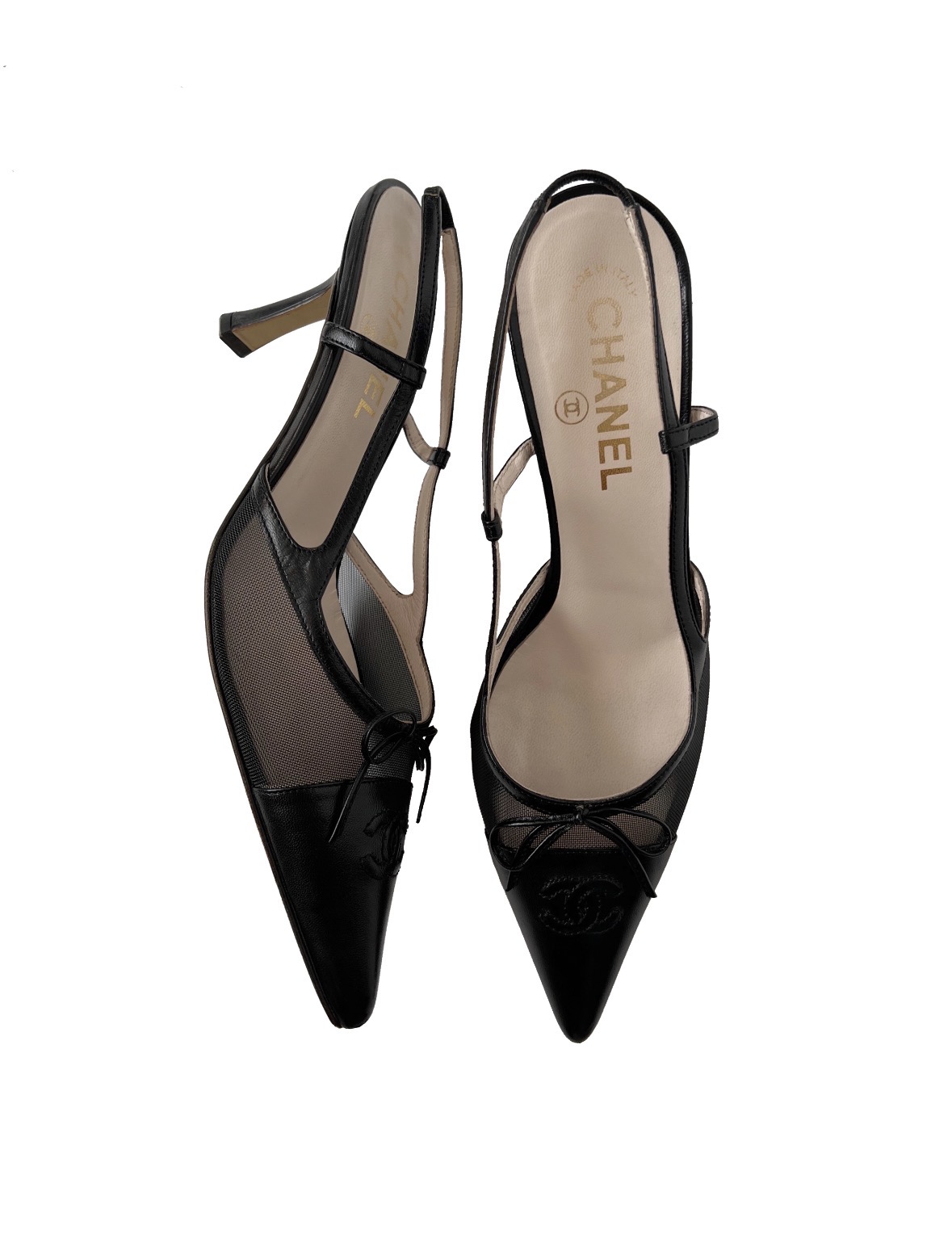
Image Credit: byrenn.com
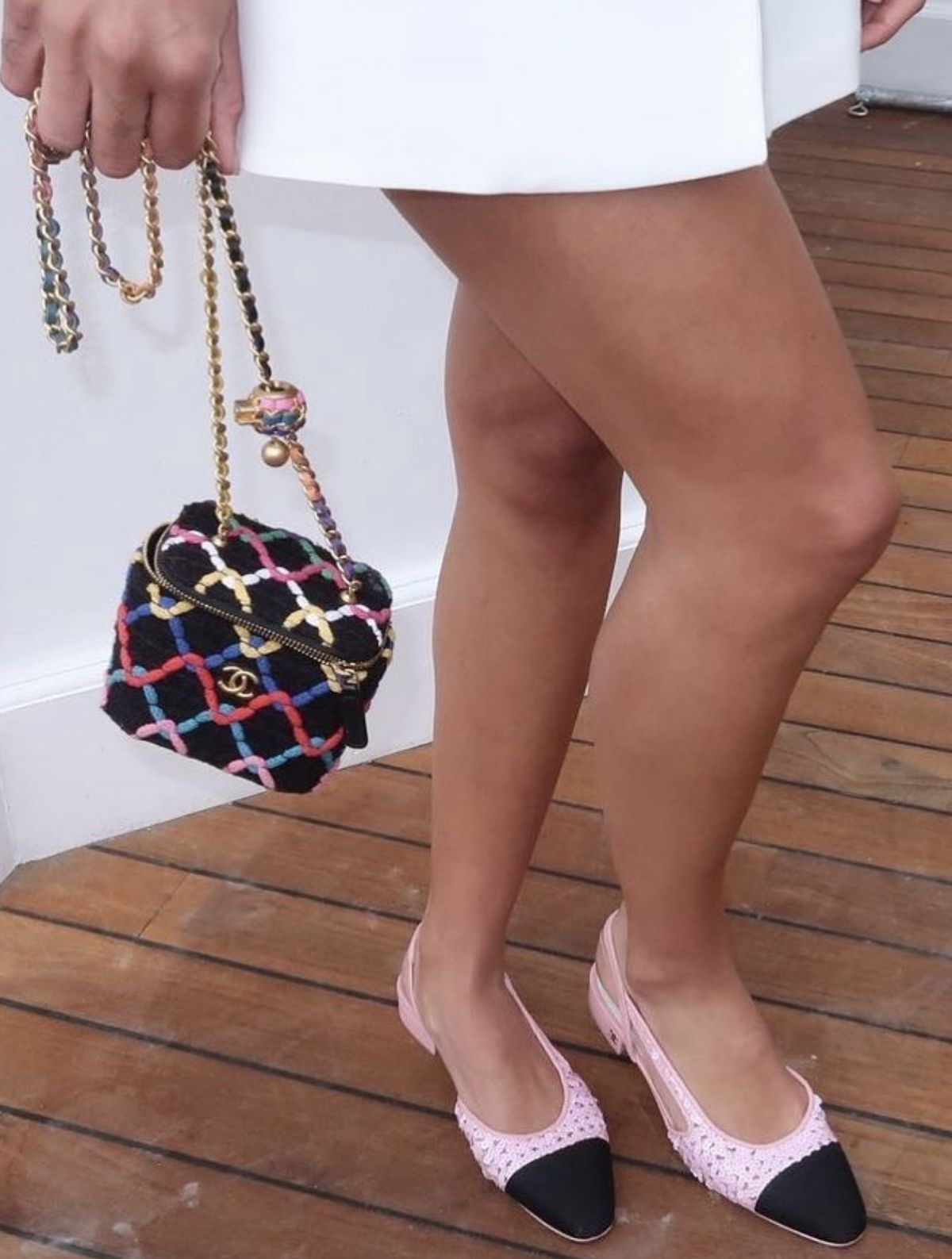
Image Credit: @sofiagrainge

Image Credit: Stephane Cardinale
The CHANEL slingback is not, by industrial standards, a complicated shoe. It has no elaborate ornamentation, no challenging silhouette to engineer. Its difficulty is of a different, more exacting kind: it must be simple, and it must be perfect. There is nowhere for imprecision to hide.
Each pair passes through the hands of trained artisans at workshops primarily based in Italy — notably those of the Paraffoni atelier, with whom Chanel has maintained a close relationship for decades. The upper is cut from a single piece of calfskin or lambskin, the grain direction carefully considered so that the shoe holds its shape and ages with grace rather than simply wearing out.
The two-tone execution is among the most technically demanding aspects. The black grosgrain or leather of the toe cap must meet the beige of the vamp in a clean, architectural line — a seam that tolerates no deviation. This joint is hand-finished and reviewed at each stage. Any blurring of the line, however slight, means beginning again.
The insole is padded and lined in lambskin, and the heel — whether a kitten, a comma, or a modest stiletto — is attached with a precision that is tested for durability over thousands of impacts. The slingback strap, for all its delicacy, is engineered to sustain the full weight of motion; the buckle is cast in gilt brass, hand-polished before it meets the leather.
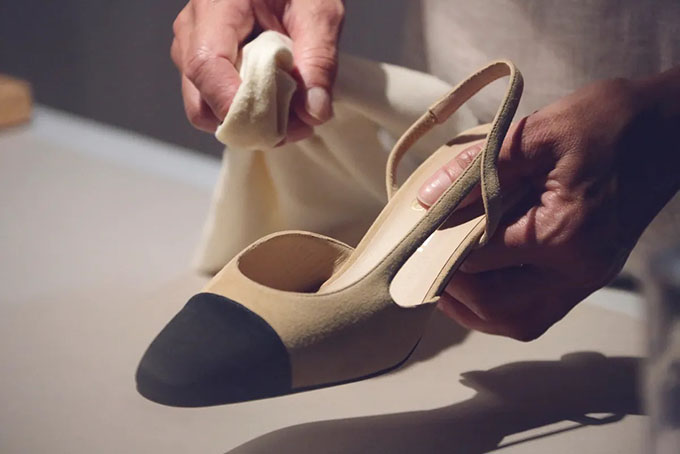
Image Credit: CHANEL
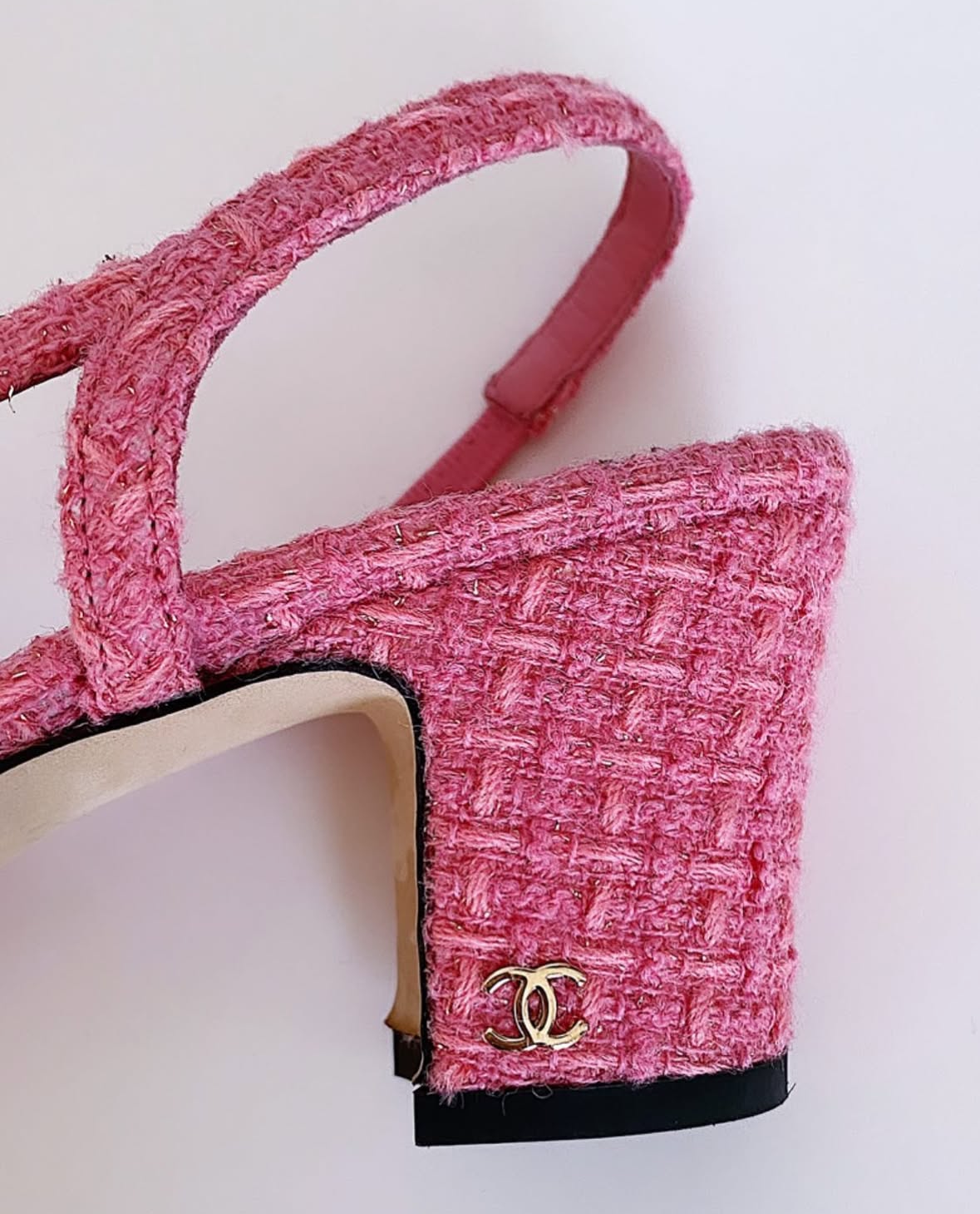
Image Credit: @vivvyinvogue
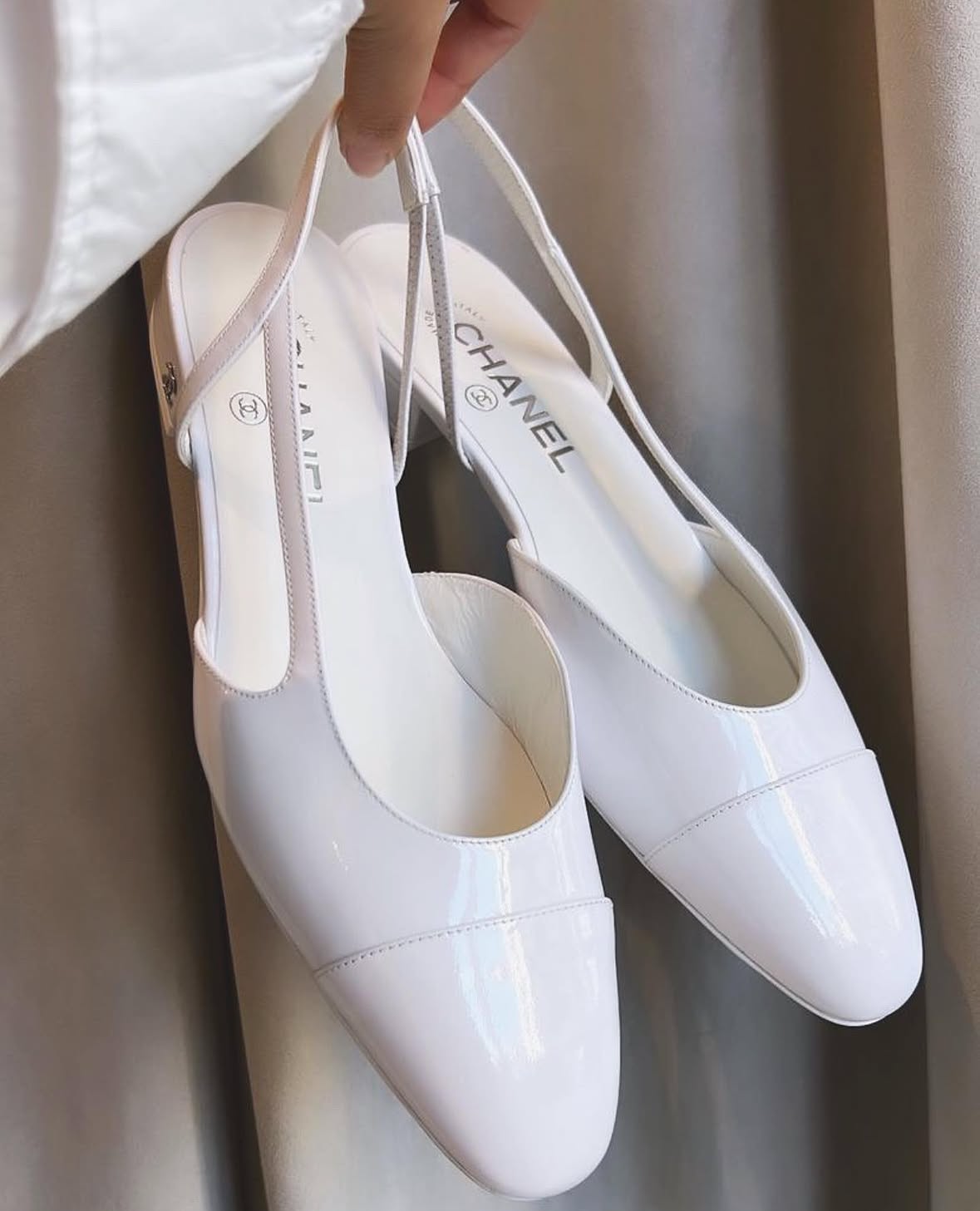
Image Credit: @christina.samano
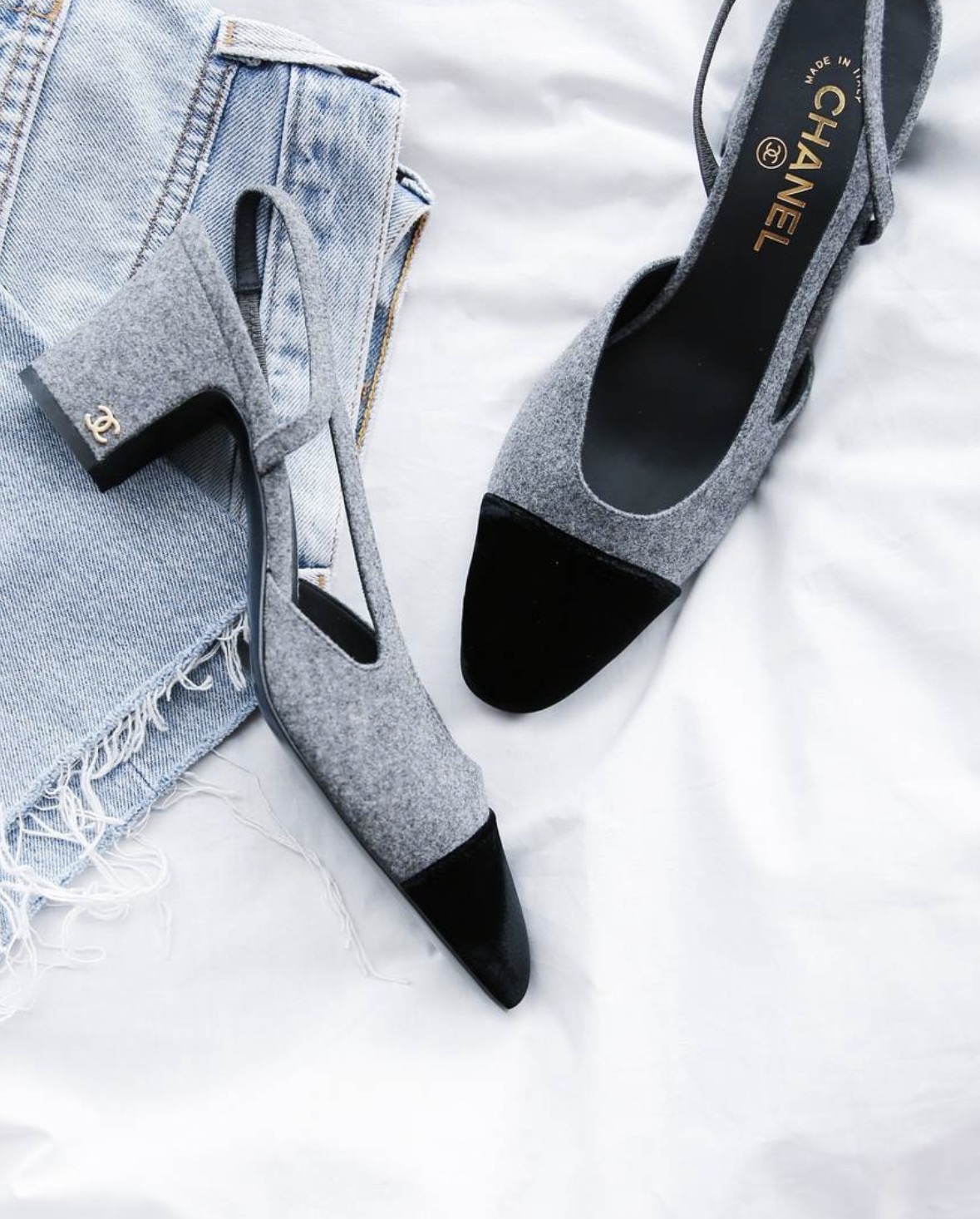
Image Credit: @threadsstyling
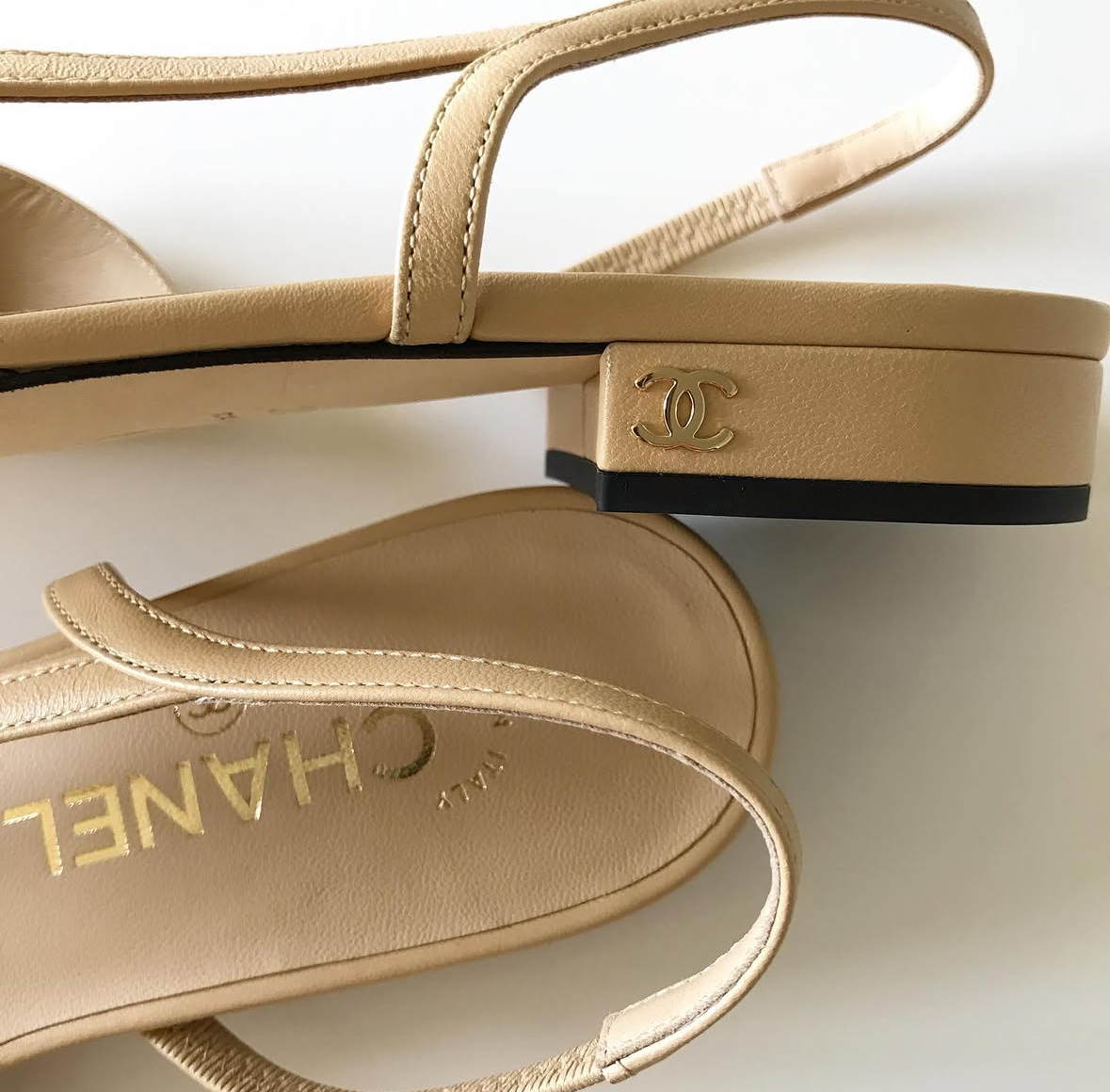
Image Credit: @frauteeee
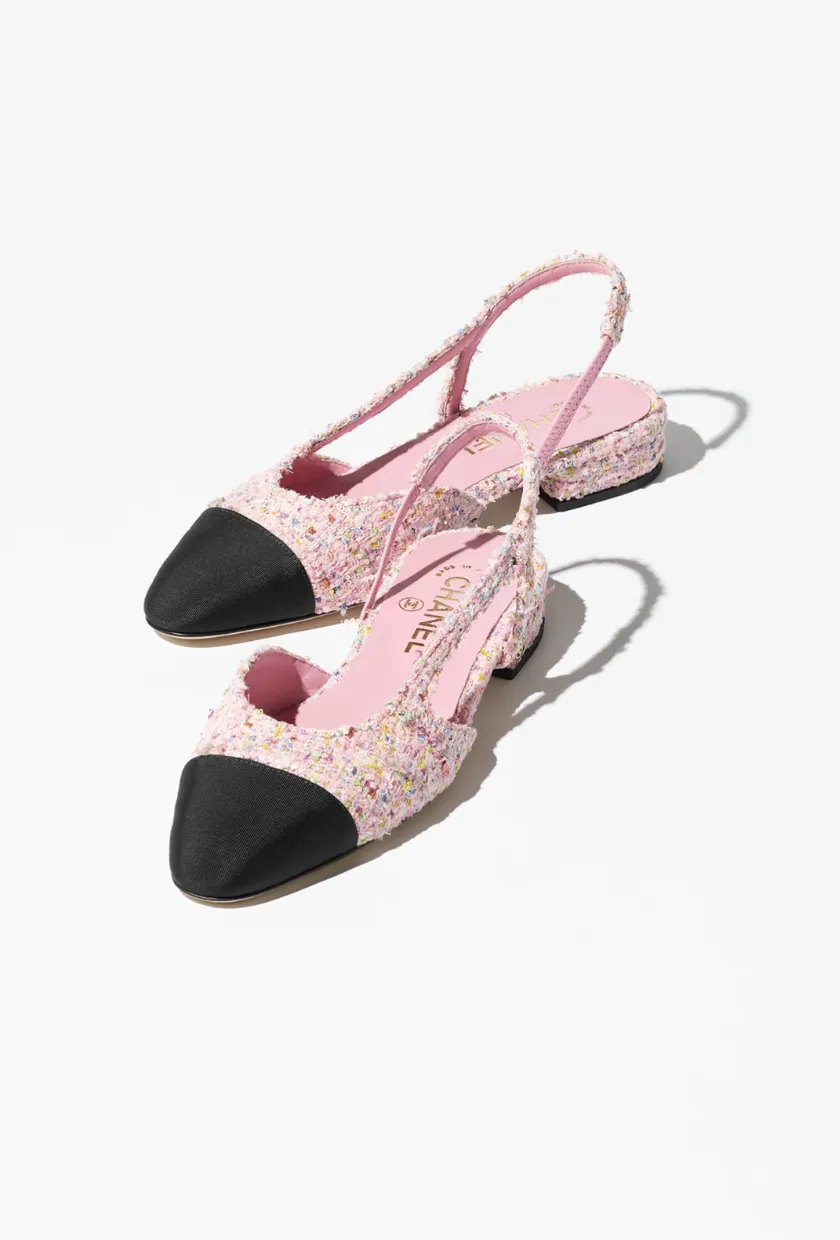
Image Credit: CHANEL
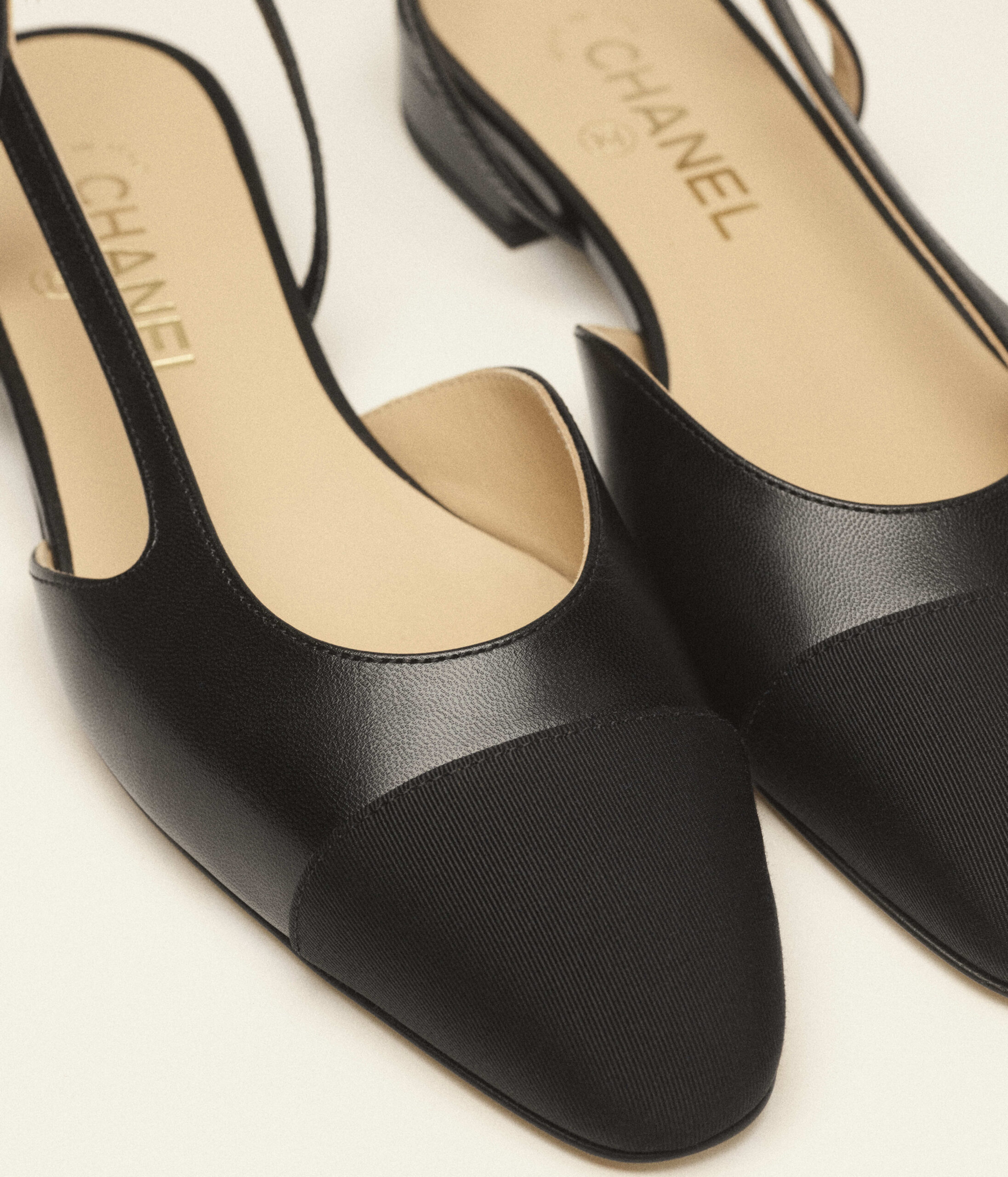
Image Credit: CHANEL
The CHANEL slingback endures because it solved a problem completely, and complete solutions do not need improving. Every decade brings new interpretations – new materials, new heel geometries, new colour-ways – yet the essential proposition remains unchanged. A shoe that makes the leg look longer. A shoe you can walk in. A shoe that, when everything else dates, it simply does not.
In the end, the slingback is the physical embodiment of everything CHANEL believed about style: that it is not performance, not spectacle, not the seizure of the room. It is the quiet certainty of a woman who has already decided who she is – and the sound of her walking, without hesitation, toward wherever she intends to go.

Image Credit: Media-Mode / SplashNews.com
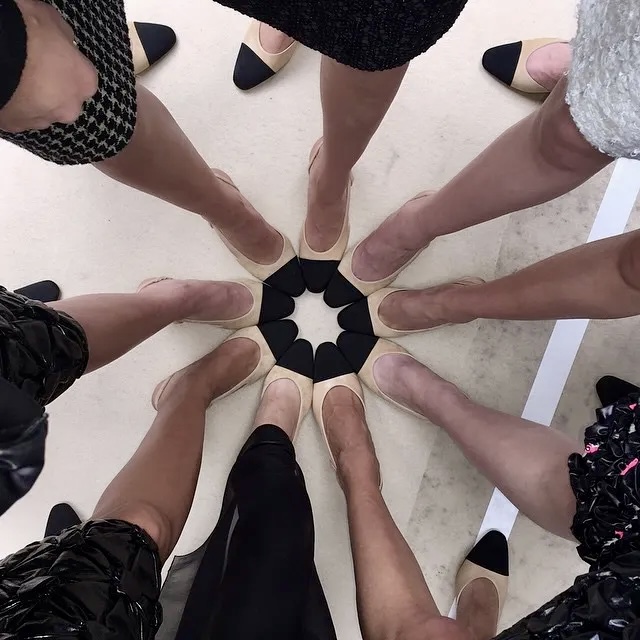
Image Credit: @caradelevingne