15 August 2026
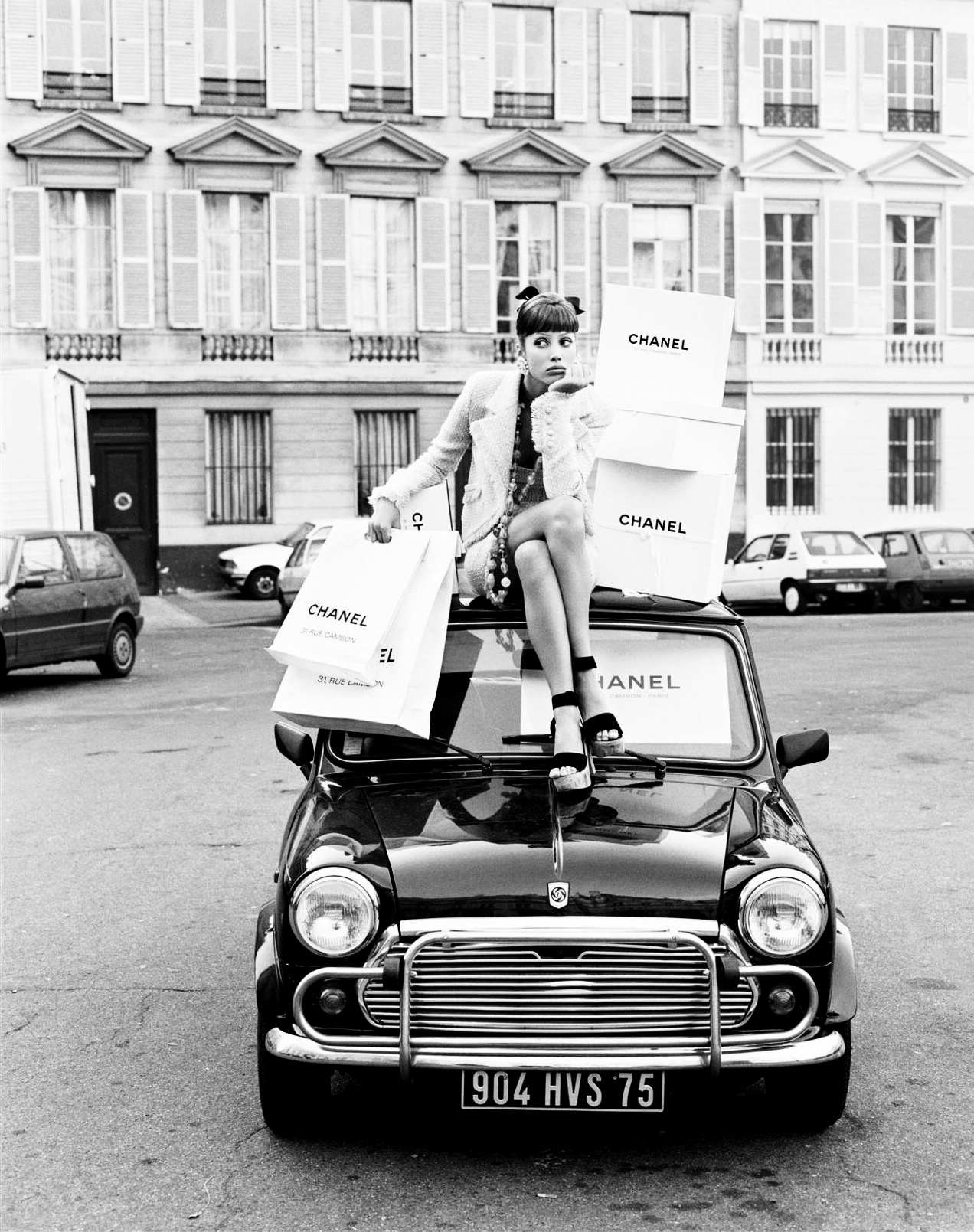

More than a century after Gabrielle “Coco” Chanel opened her first shop on Rue Cambon, CHANEL remains the brand every other luxury house is measured against. It doesn’t chase trends, it doesn’t discount, and it doesn’t dilute. Its dominance isn’t an accident. It’s the product of a deliberate philosophy that touches every category the house operates in, from couture to fragrance to fine jewelry. Here’s how it’s done.
Coco Chanel’s founding idea was to make luxury feel like freedom, not restriction. She stripped away the corsets and excess ornamentation of early 20th-century fashion and replaced them with comfort, simplicity, and quiet confidence. That founding tension – luxury as liberation rather than display – still defines the brand today. CHANEL sells restraint at the highest possible price point, and that paradox is precisely what makes it aspirational rather than merely expensive.
Image Credit: CHANEL
CHANEL operates on a short list of non-negotiables:
No permanent discounting: CHANEL almost never puts merchandise on sale, which protects both resale value and the psychological weight of the price tag.
Controlled distribution: Products are sold through CHANEL boutiques and a small number of authorized retailers – never through mass e-commerce marketplaces.
Deliberate scarcity: Certain bags, like the Classic Flap, are intentionally kept hard to get, with purchase limits per client per year in some markets.
Independence: CHANEL remains privately held, which frees it from quarterly earnings pressure and lets it make long, patient decisions most public luxury conglomerates can’t.
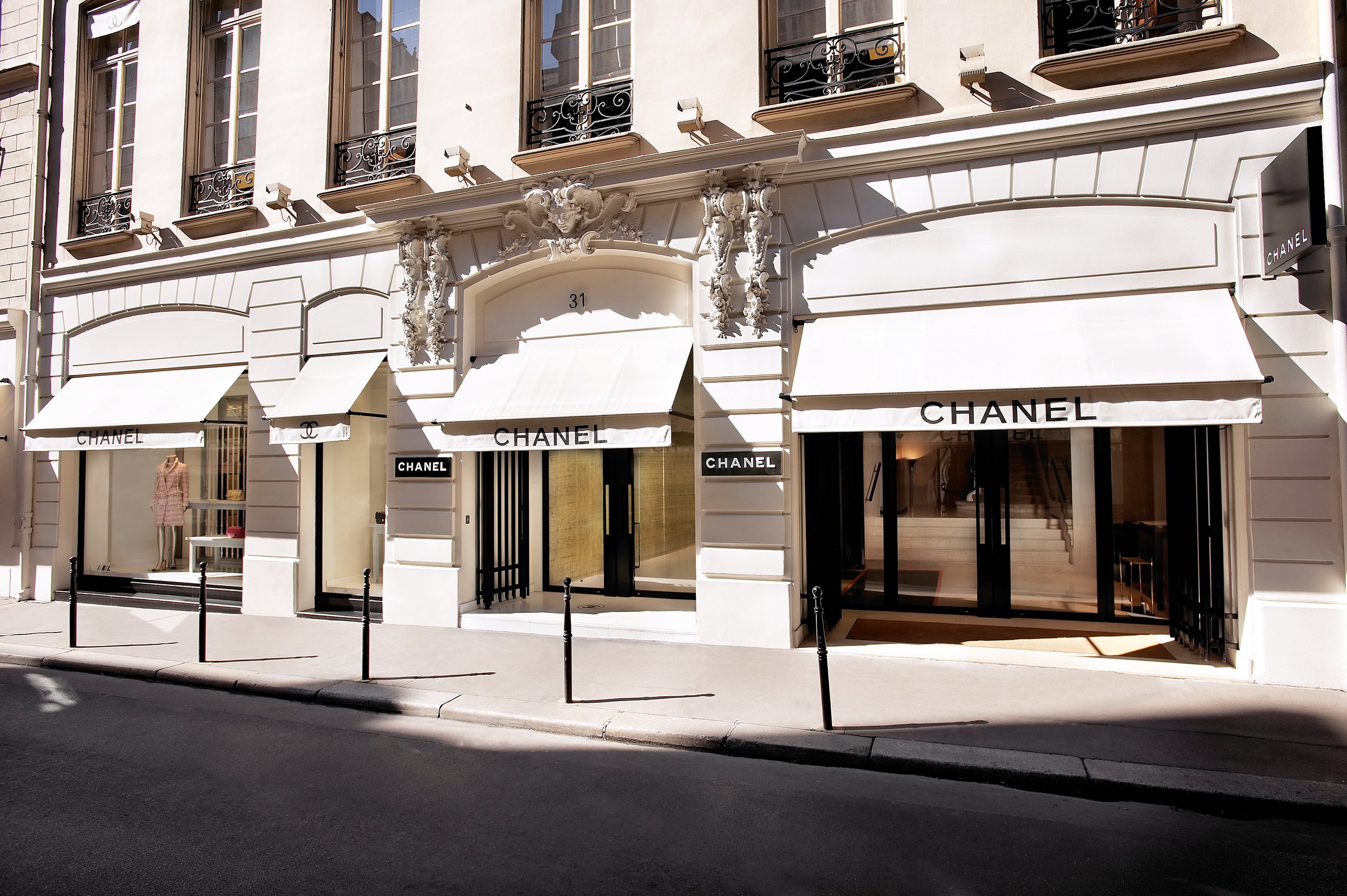
Image Credit: CHANEL
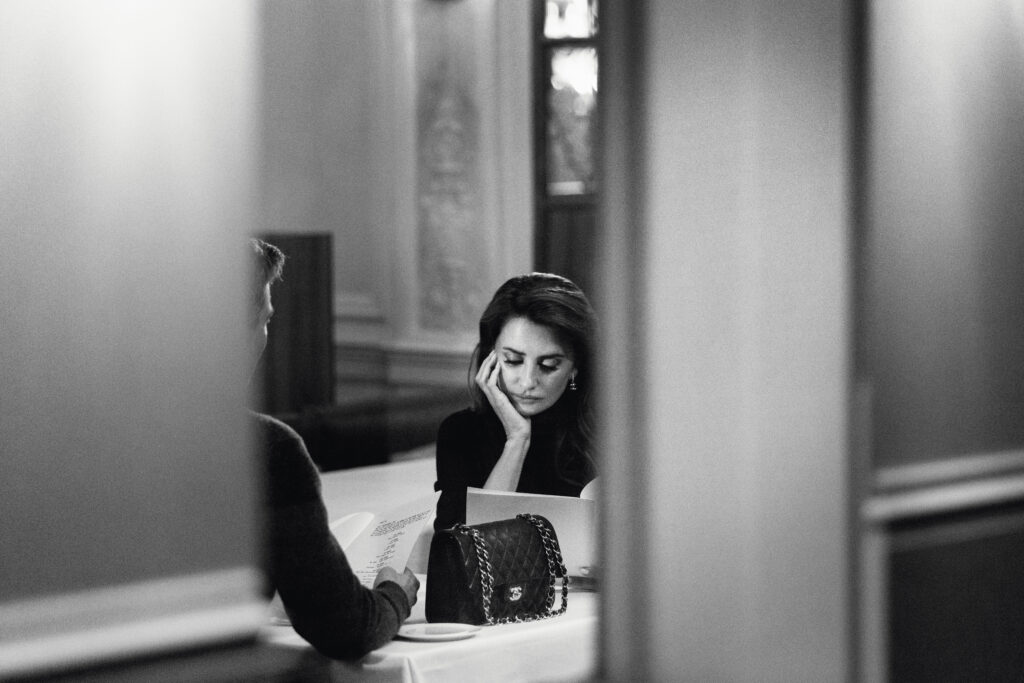
Image Credit: Inez & Vinoodh
Consistency: The interlocking C’s, the quilted diamond stitching, the black-and-white palette, the camellia flower, the tweed jacket. These motifs have barely changed in decades, and that’s the point. Every new collection reinterprets the same visual vocabulary rather than replacing it. That visual continuity builds trust: the brand promises that what you’re buying today will still look unmistakably “CHANEL” tomorrow.
Quality: CHANEL backs its image with genuine craft investment. The house owns a network of specialized ateliers under its Métiers d’Art division – embroiderers, featherworkers, glovemakers, milliners – many of which it acquired outright to keep rare handcraft skills alive. That underlying quality gives the brand’s premium pricing a material justification, not just a symbolic one.
Storytelling: CHANEL sells narrative as much as product. Karl Lagerfeld staged runway shows that turned each season into a cultural spectacle rather than a simple clothing preview. Campaigns lean on the mythology of Coco Chanel herself: her apartment above the Rue Cambon boutique, her friendships with artists, her rise from an orphanage to global icon. The brand is rarely just selling an item; it’s selling entry into that story.

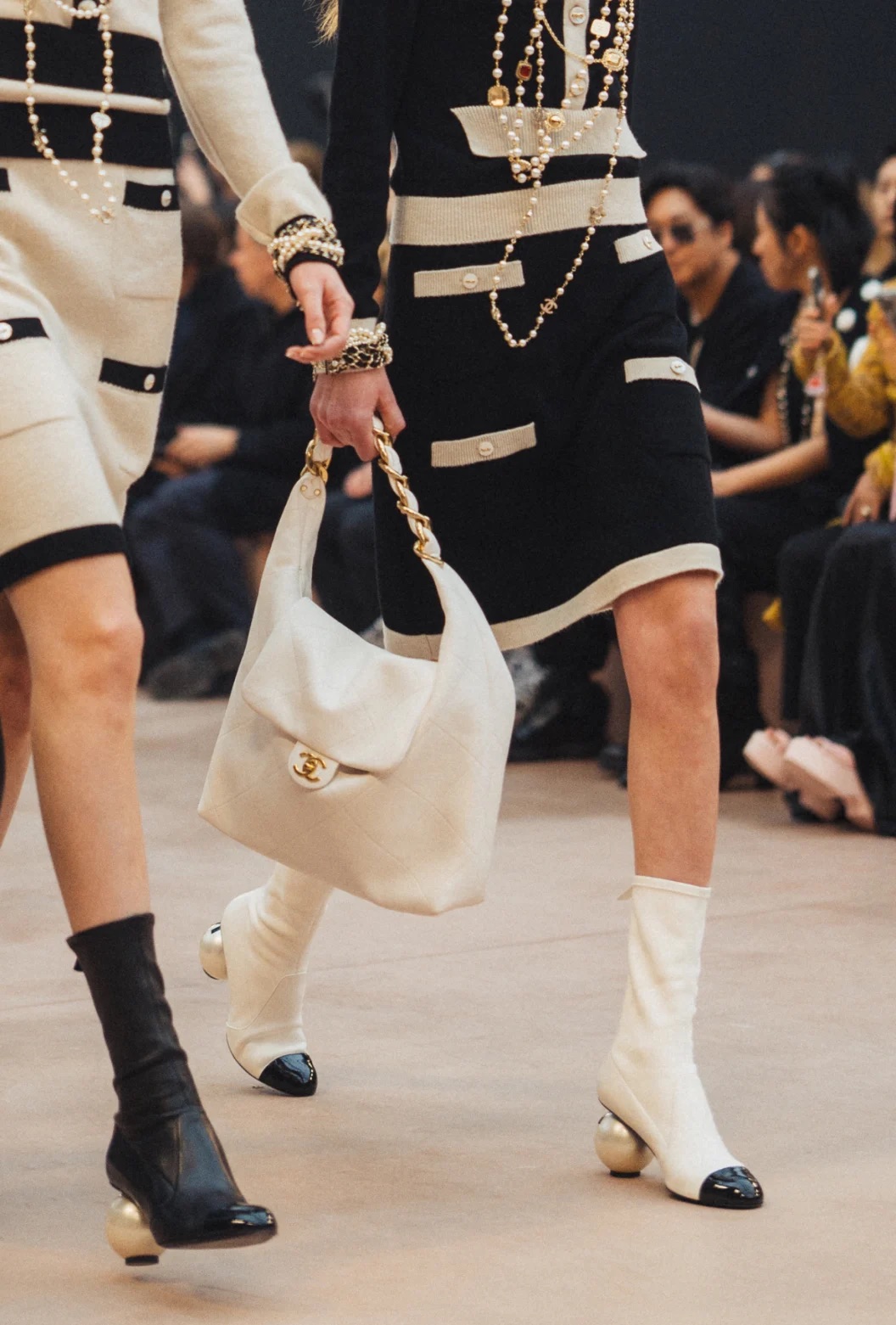
Image Credit: CHANEL
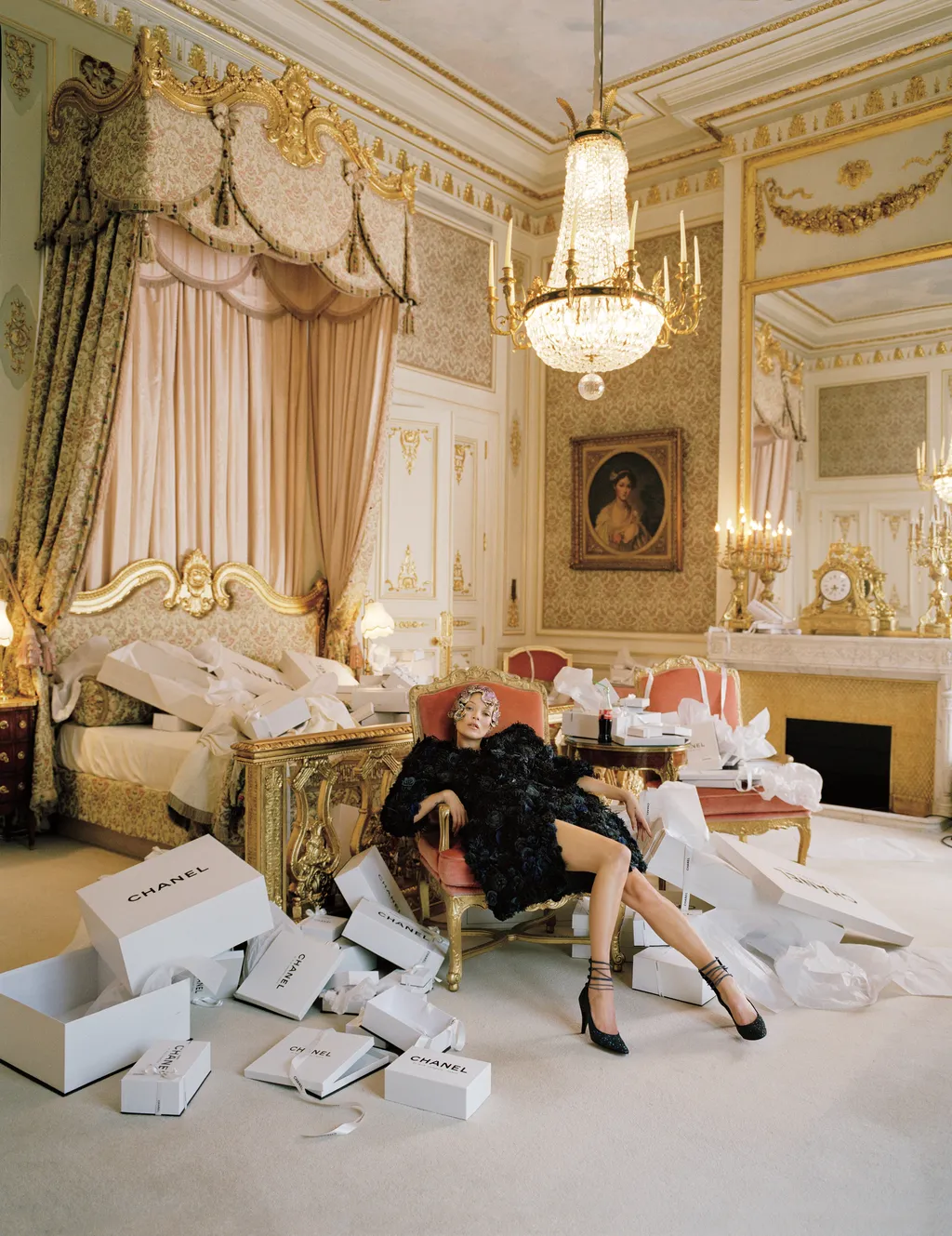
Image Credit: Tim Walker
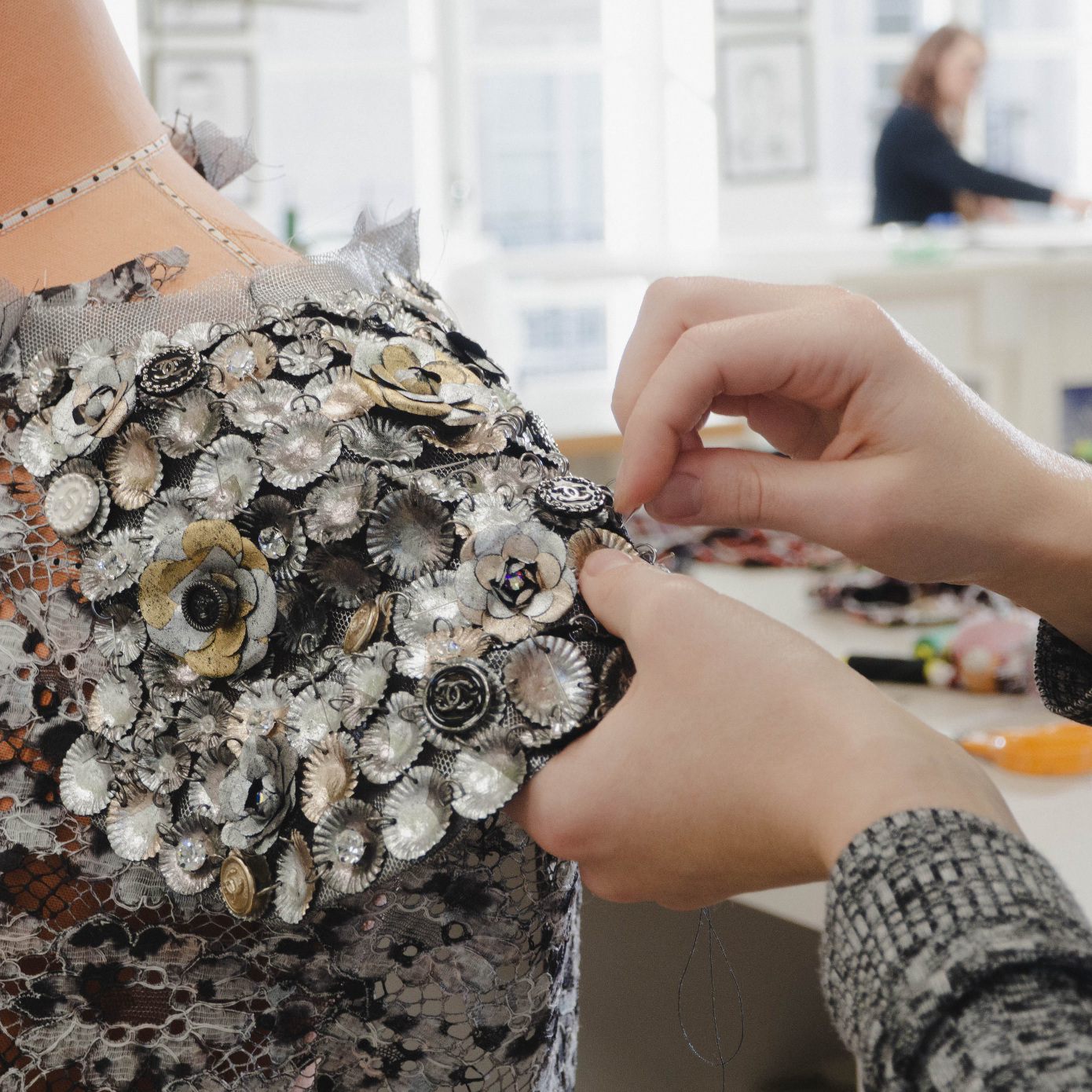
Image Credit: CHANEL
Fashion stays anchored by the tweed suit and the little black dress, updated seasonally by the runway but never abandoned. Jewelry, especially the fine jewelry line launched from Coco Chanel’s original 1932 diamond collection, leans on heritage design reissued with modern craftsmanship. Accessories – the 2.55 bag, the quilted flap, the two-tone slingback – function almost like currency, holding or increasing in resale value because supply is deliberately constrained. Beauty and Fragrance, led by N°5, are the brand’s most accessible entry point; a $150 bottle of perfume lets a much broader audience buy into the CHANEL name without touching couture pricing, which widens the customer base while the top end stays exclusive.
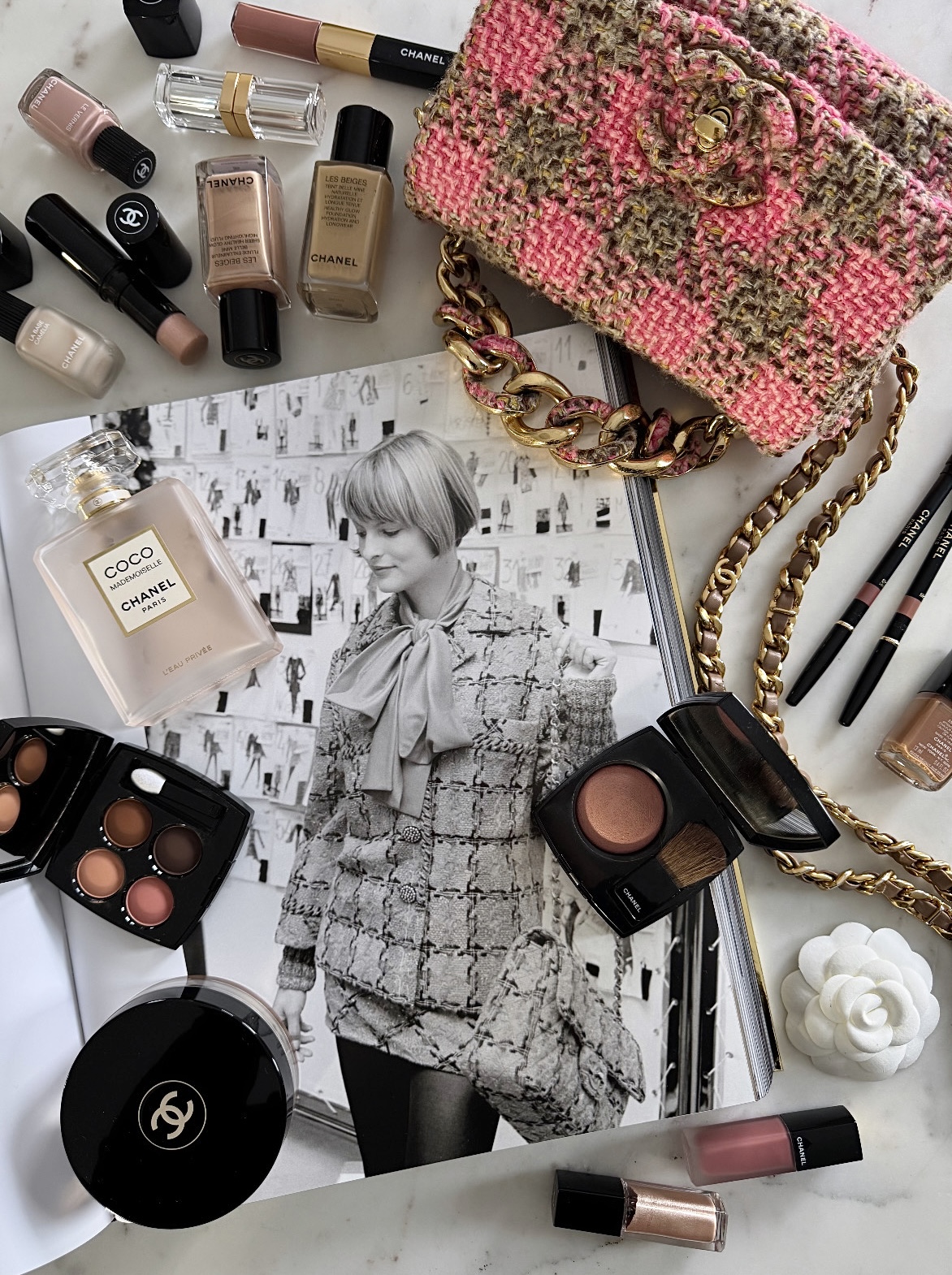
Image Credit: @maison.de.chanel
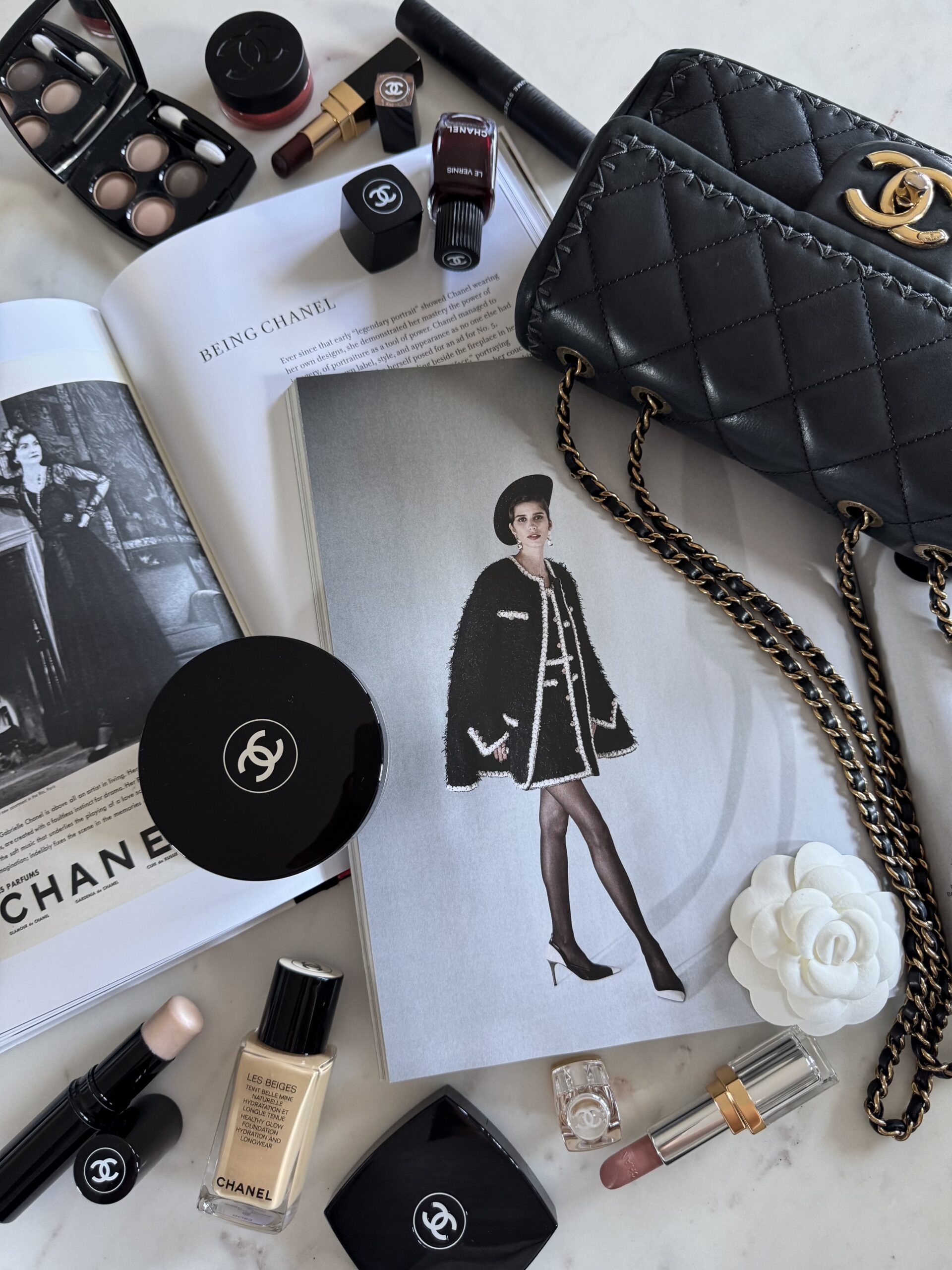
Image Credit: @maison.de.chanel
CHANEL’s dominance comes from refusing to act like every other brand chasing growth. It grows slowly, protects scarcity, invests in real craftsmanship, and lets its history do the persuading. In an industry where competitors often expand fast and discount often, CHANEL’s patience is itself the luxury.
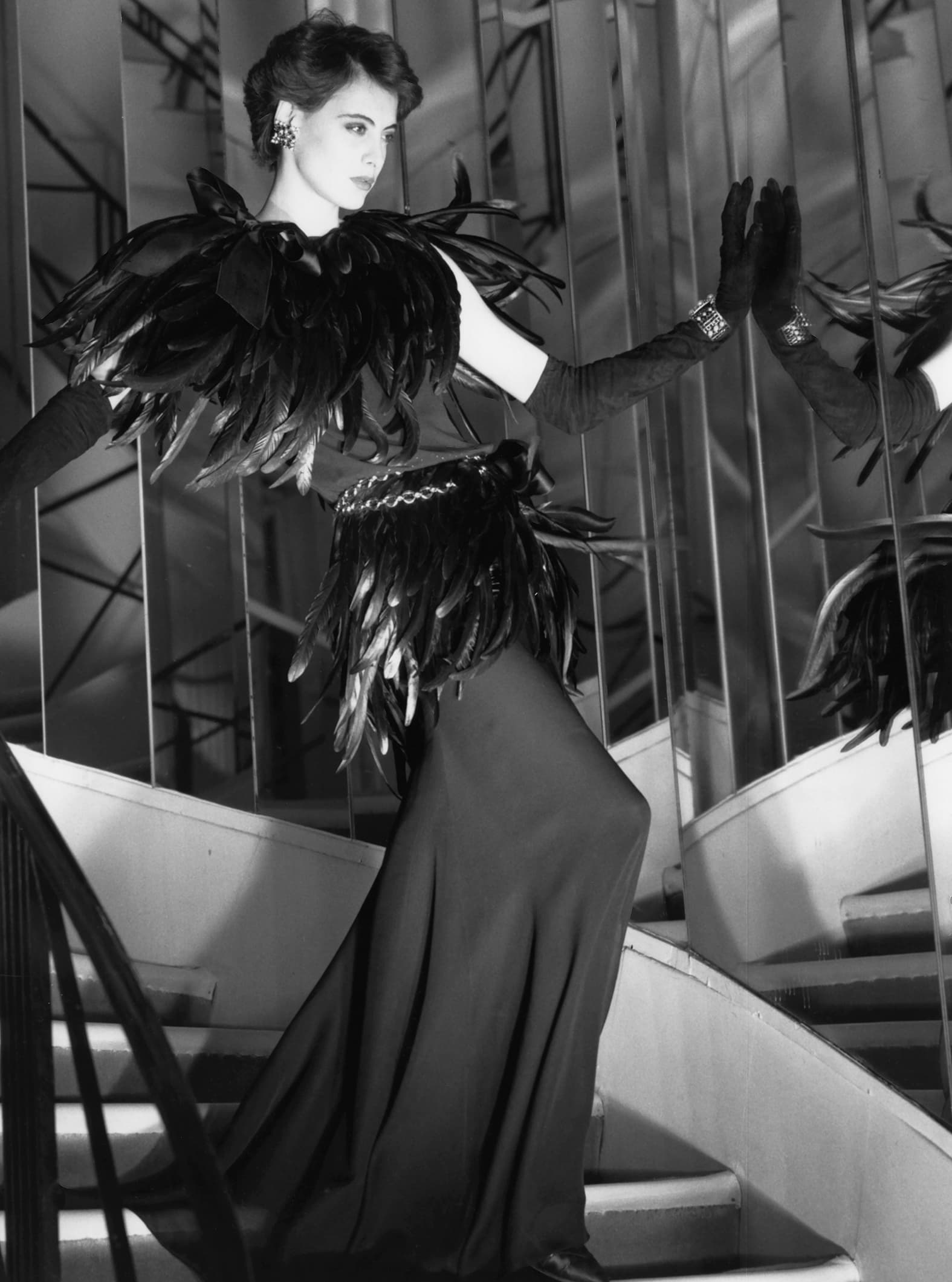
Image Credit: CHANEL
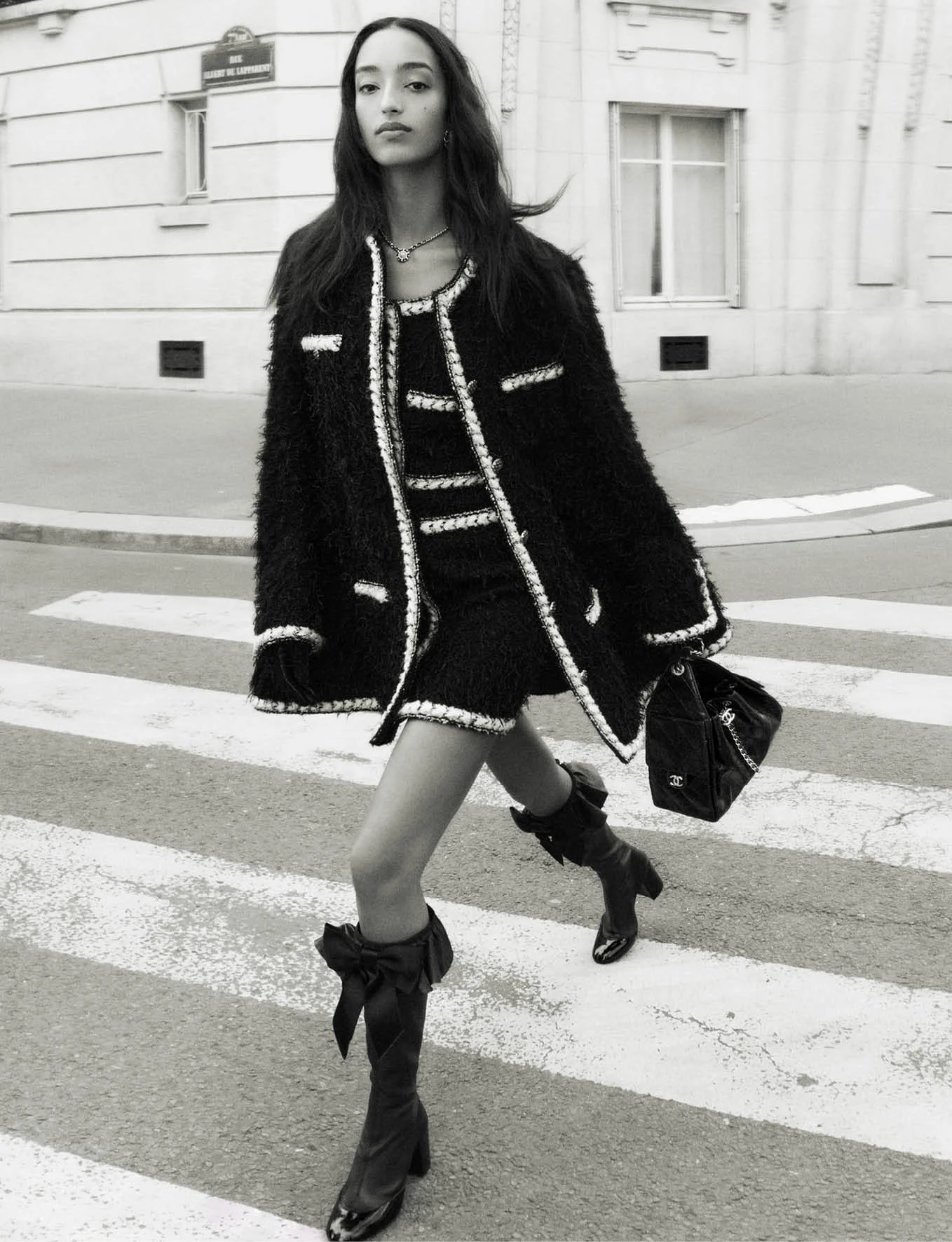
Image Credit: Mikael Jansson