
3 October 2026
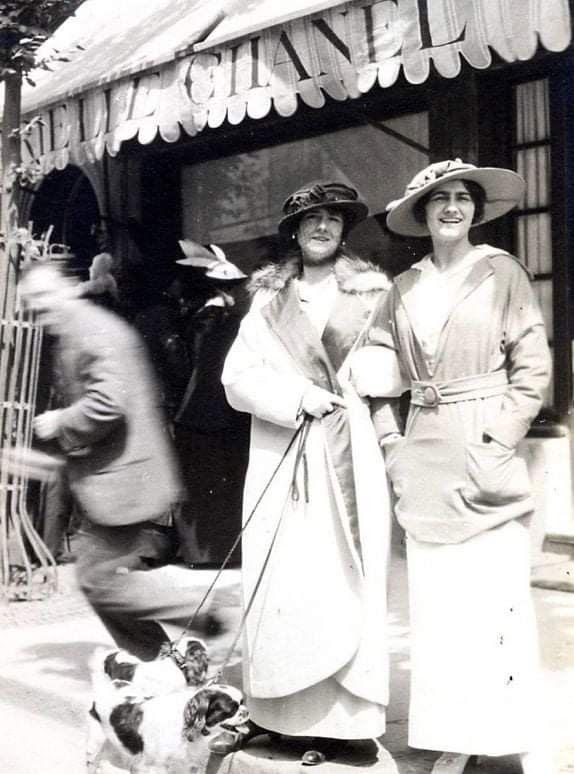
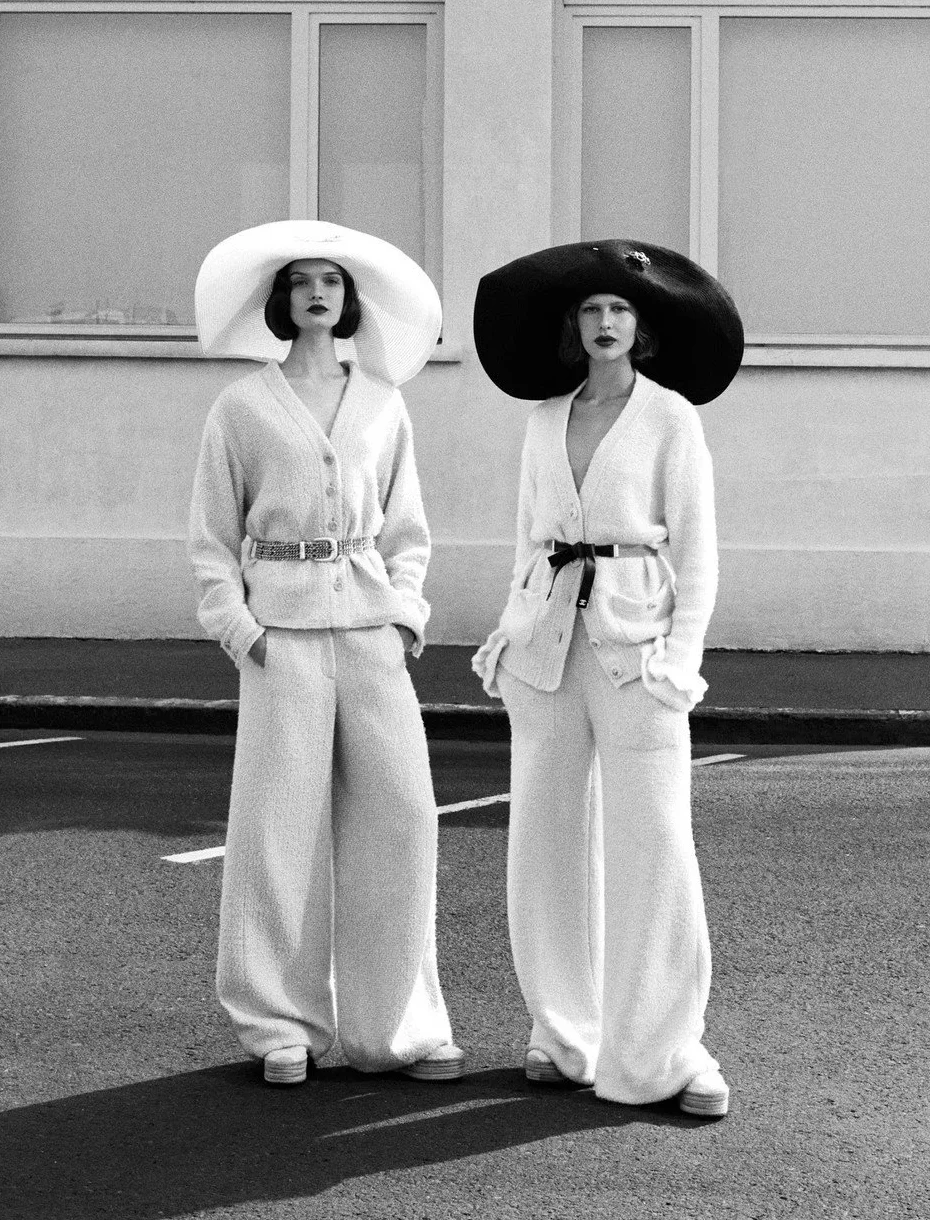
There are places that become part of a fashion house’s history, and then there are places that become part of its vocabulary. For CHANEL, Deauville is both.
The House has announced that its Cruise 2027/28 collection will be presented in Deauville on April 27, 2027. The choice brings CHANEL back to a town that has been closely connected to the House since Gabrielle Chanel opened her first boutique there in 1912.
The significance of the location is clear. What makes the announcement more interesting, however, is how Deauville has already been reinterpreted by CHANEL’s designers.
Karl Lagerfeld looked back at the town through his Fall/Winter 1998 Ready-to-Wear collection, Coco’s Deauville. More than two decades later, Virginie Viard returned to the same setting for Fall/Winter 2024/25 Ready-to-Wear, transforming the Deauville boardwalk, beach and winter atmosphere into a cinematic collection.
Both collections demonstrate how much material CHANEL can find in one place. However, neither was a Cruise collection. Now Blazy will have the opportunity to interpret Deauville specifically through the language of resort wear.
Gabrielle Chanel opened her first Deauville boutique in 1912. The following year, she introduced a sportswear collection in jersey, a fabric then associated largely with men’s underwear. The clothes were relaxed, practical and radically different from the restrictive fashions of the period.
Deauville gave Chanel an environment in which those clothes made sense. The resort brought together the beach, sailing, horse racing, hotels, restaurants and social life. Women needed clothes that could move between those settings. Chanel responded with pieces that borrowed freely from men’s wardrobes: jersey shirts, loose trousers, sweaters, jackets and sailor-inspired clothing. This is where some of the ideas that would become central to CHANEL began to take shape.
The importance of Deauville, then, is not simply that Gabrielle Chanel had a boutique there. It was a place where she could see a different kind of woman and dress her accordingly. When looking at the designers who returned to Deauville decades later, it’s clear to see they weren’t simply revisiting a location, but reinterpreting what the town represented.
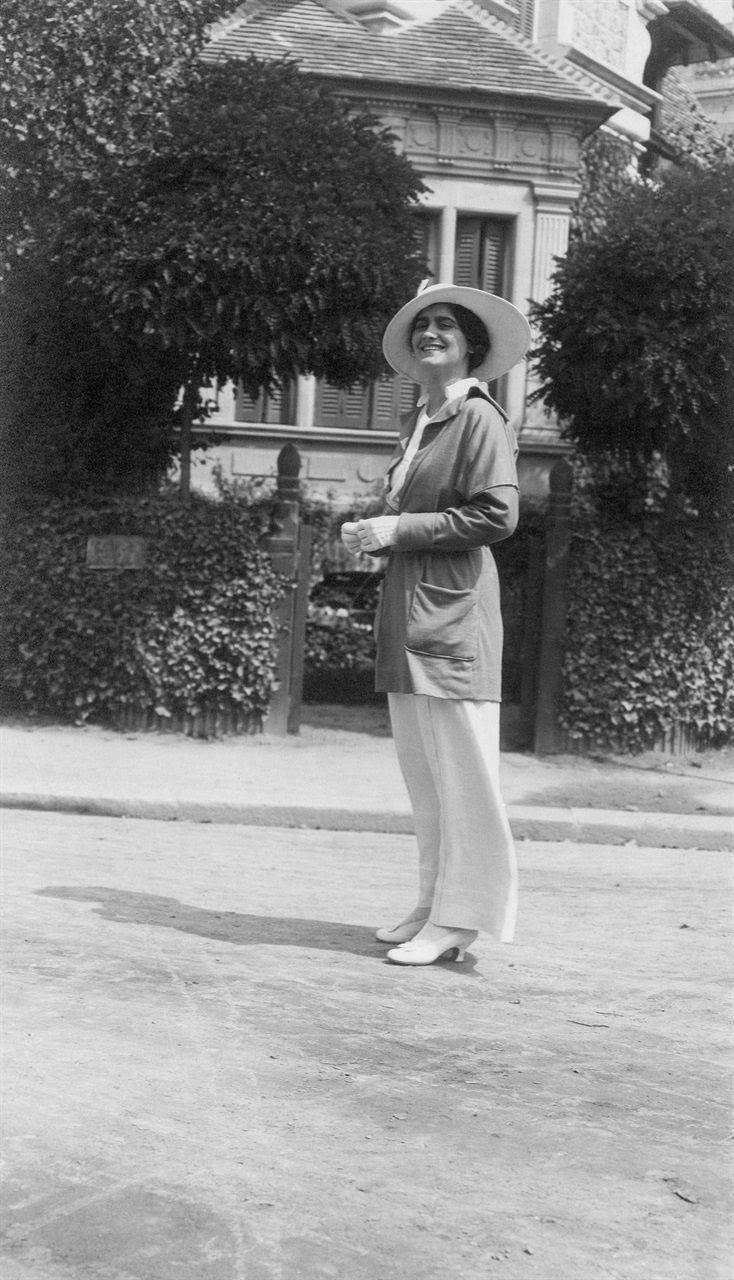
Image Credit: CHANEL
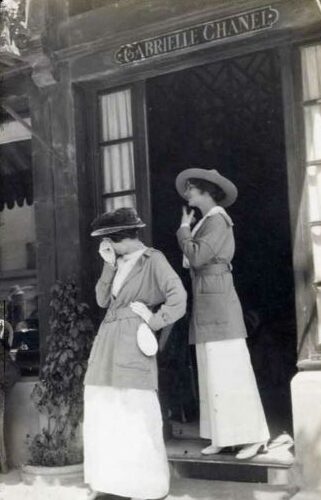
Image Credit: CHANEL
In Fall/Winter 1998, Karl Lagerfeld went directly back to that origin story with a ready-to-wear collection titled Coco’s Deauville. The collection looked to Gabrielle Chanel’s Deauville in the early 1920s, when sport, seaside and masculine clothing were becoming increasingly important to her wardrobe.
Lagerfeld’s interpretation was remarkably appropriate for the period in which he was working. Rather than producing a literal historical costume, he translated the relaxed attitude of early Chanel into his own late-1990s vocabulary. The clothes had an easy, practical quality. Tweed suits appeared in autumnal tones, including houndstooth and black-and-white variations. One documented suit from the collection features a long, straight silhouette, while another Deauville look paired a tweed jacket and skirt with a cloche hat and deep merlot lipstick.

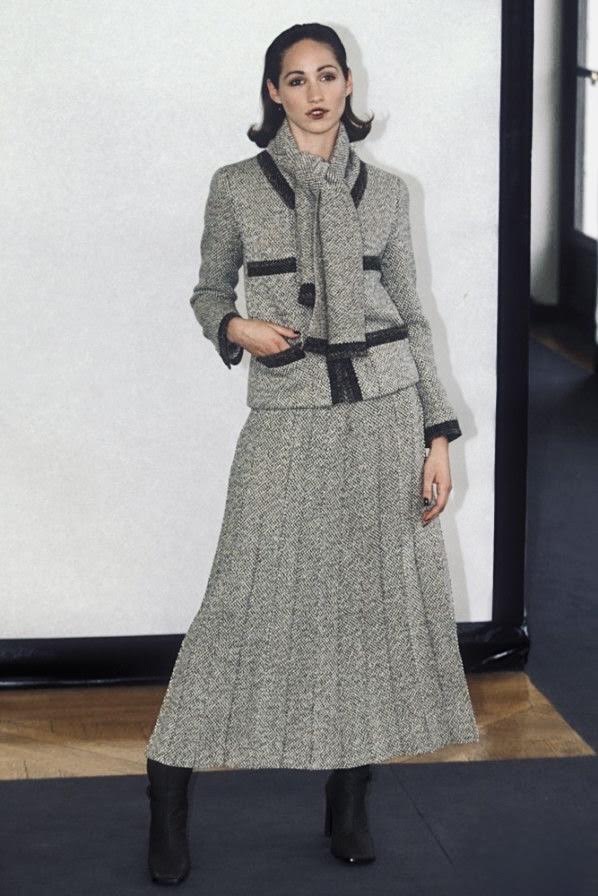
Image Credit: CHANEL
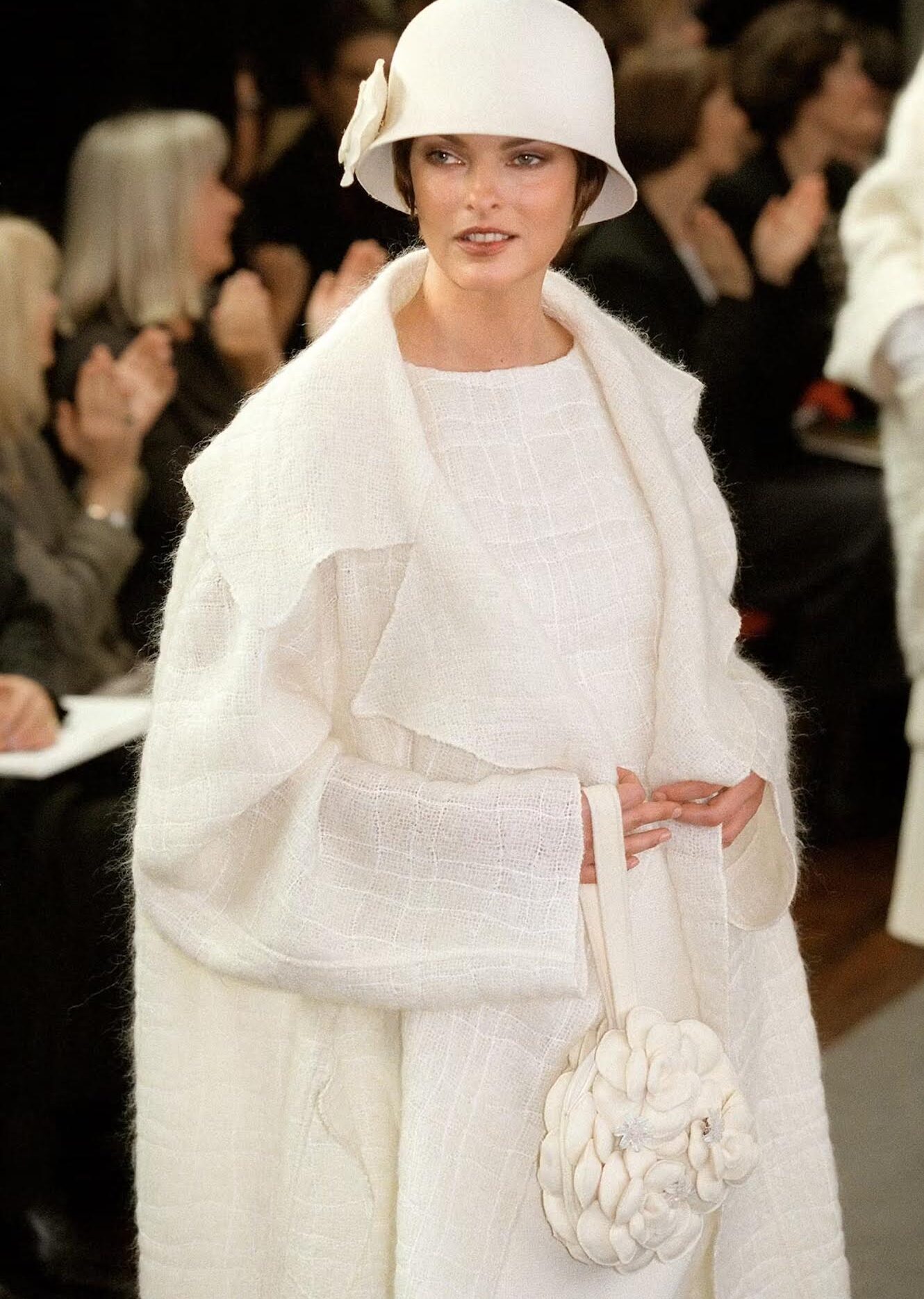
Image Credit: CHANEL
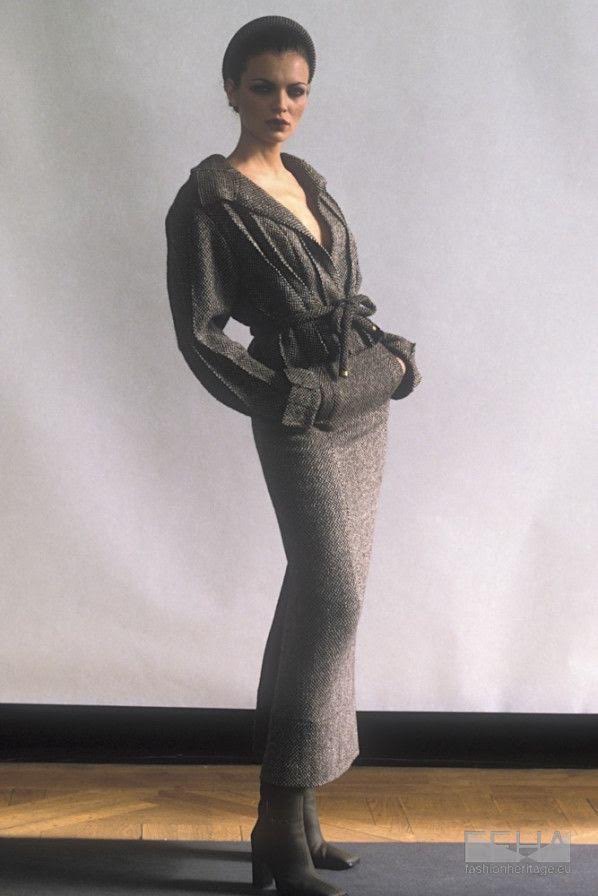
Image Credit: CHANEL
The accessories helped establish the mood. Cloche hats recalled the early twentieth-century seaside wardrobe. Tweed jackets carried CHANEL’s familiar chain-weighted hems and CC buttons, but their styling felt more relaxed than formal. There were coats, knits and separates that suggested a woman moving through a resort rather than dressing specifically for a salon.
The collection also made room for a subtle masculine influence. That was essential to the Deauville story. Gabrielle Chanel had famously looked to men’s sportswear and workwear when developing her own designs. Lagerfeld revisited that same tension between masculine practicality and feminine elegance. The result was not a nostalgic recreation of Gabrielle’s wardrobe but a late-1990s interpretation of why those clothes mattered in the first place.
That is what makes Coco’s Deauville particularly relevant now. The collection was about attitude more than costume. Lagerfeld understood that the most interesting thing about Chanel’s early Deauville wardrobe was not the sailor stripe, the straw hat or the jersey shirt individually. It was the freedom those pieces represented.
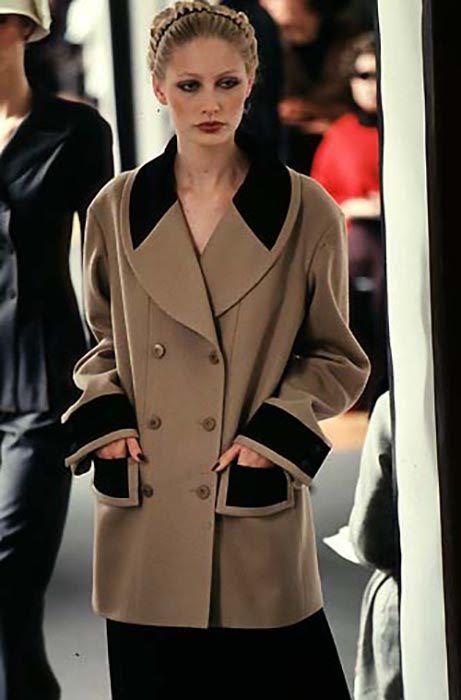
Image Credit: CHANEL
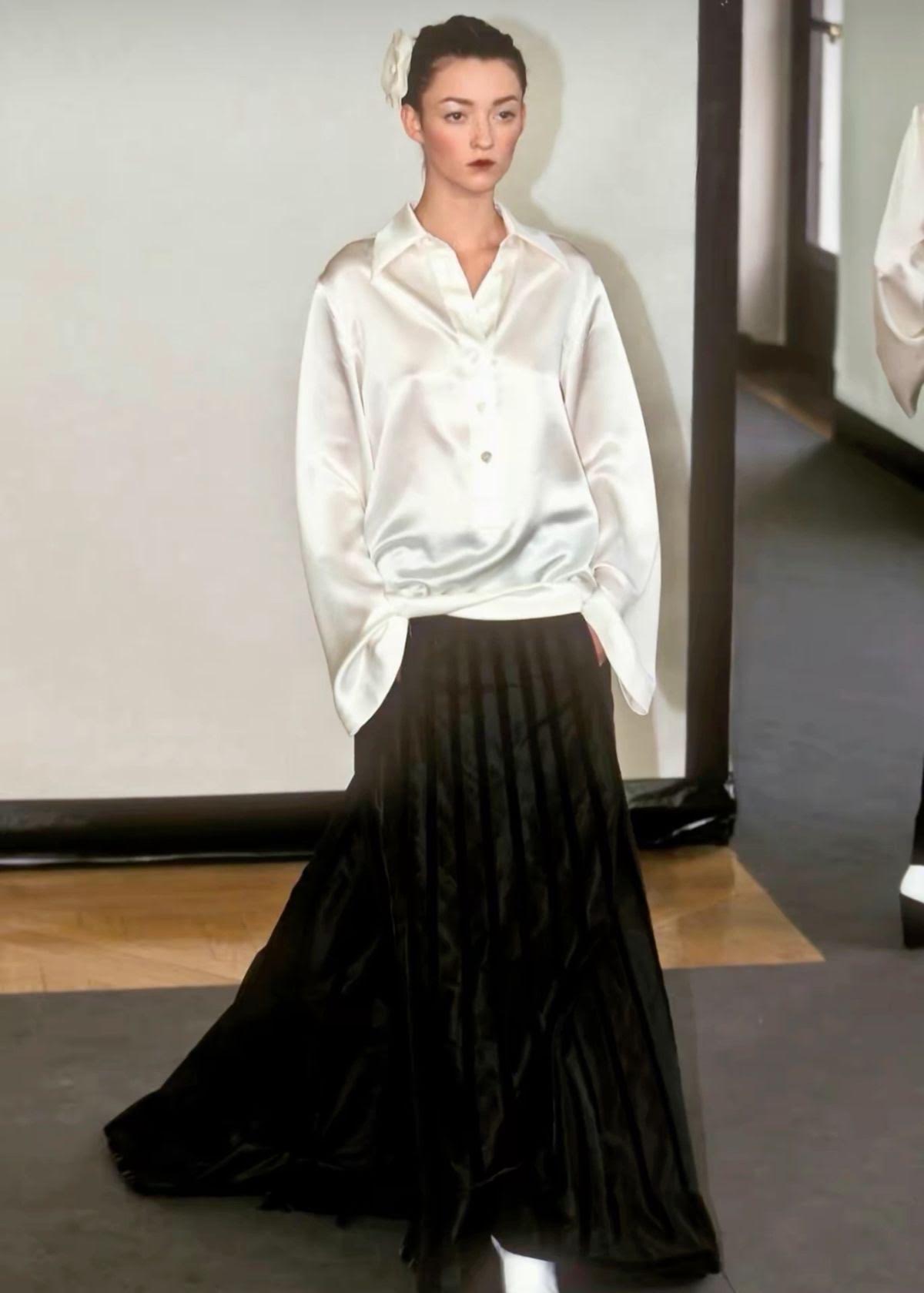
Image Credit: CHANEL
Virginie Viard approached the town from an entirely different direction. For Fall/Winter 2024/25, she brought Deauville to Paris, recreating its famous Planches boardwalk inside the Grand Palais Éphémère. Giant screens projected the seaside from dawn through dusk, while the collection moved between the 1920s and the 1970s. Viard described the town as the place where everything started for the House and said the story was particularly close to her heart.
Her clothes were less about the sporty origins of Deauville and more about its atmosphere. Broad-shouldered pea coats and long, belted coats were worn over tweed suits. Box-pleated skirts, culottes and cropped trousers gave the tailoring a relaxed quality. Chunky sailor sweaters appeared alongside silk blouses with middy collars, while knits depicting Deauville landscapes made the location part of the clothes themselves.
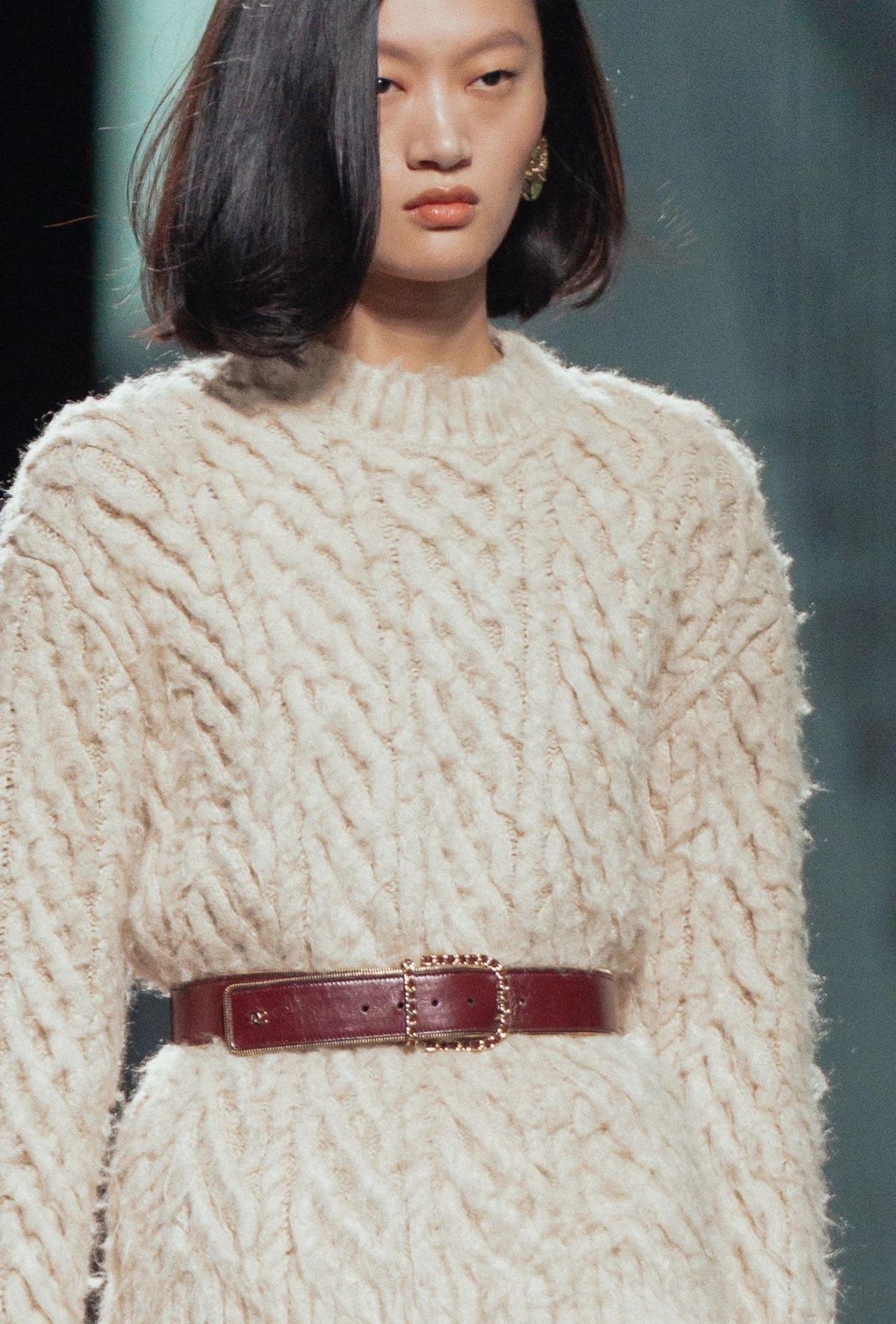
Image Credit: CHANEL
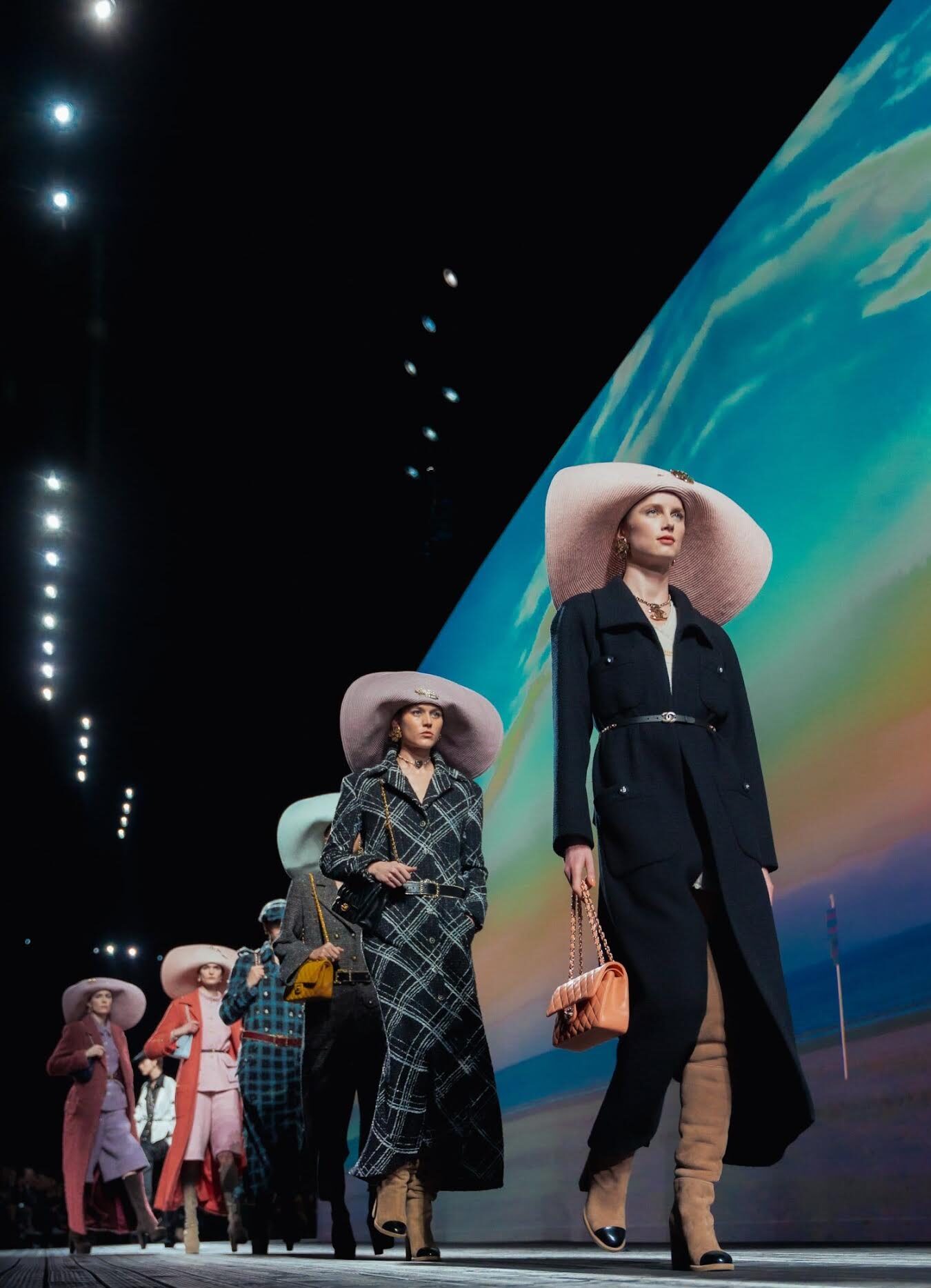
Image Credit: CHANEL
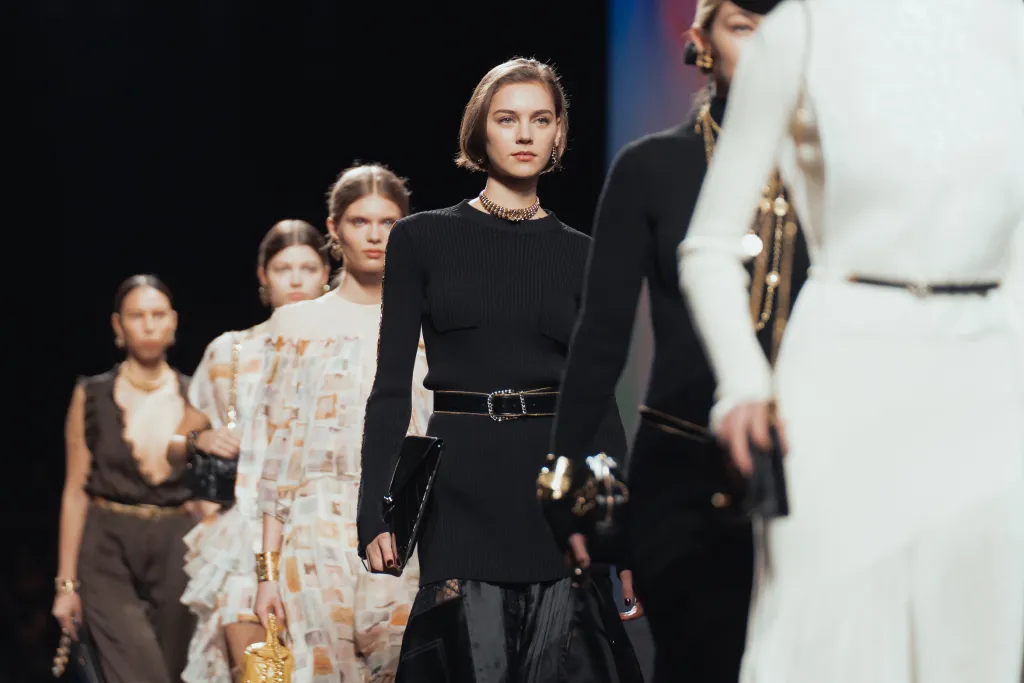
Image Credit: CHANEL
There was a distinctly cinematic quality to the collection. Long silhouettes moved through the recreated boardwalk setting. Negligées, flounced tops and fluid dresses suggested the movement of waves and wind. The contrast between masculine tailoring and softer, more romantic pieces gave the collection the same duality that has always been present at CHANEL: the woman can be elegant without being restricted by conventional femininity.
Even the accessories connected the collection to Gabrielle. Wide-brimmed hats recalled the hat shop that Chanel opened when she first arrived in Deauville, while nautical references brought the seaside back into the wardrobe without making the collection feel like a literal resort collection. Viard’s Deauville was therefore less about recreating Gabrielle Chanel’s clothes than recreating the feeling of being there.
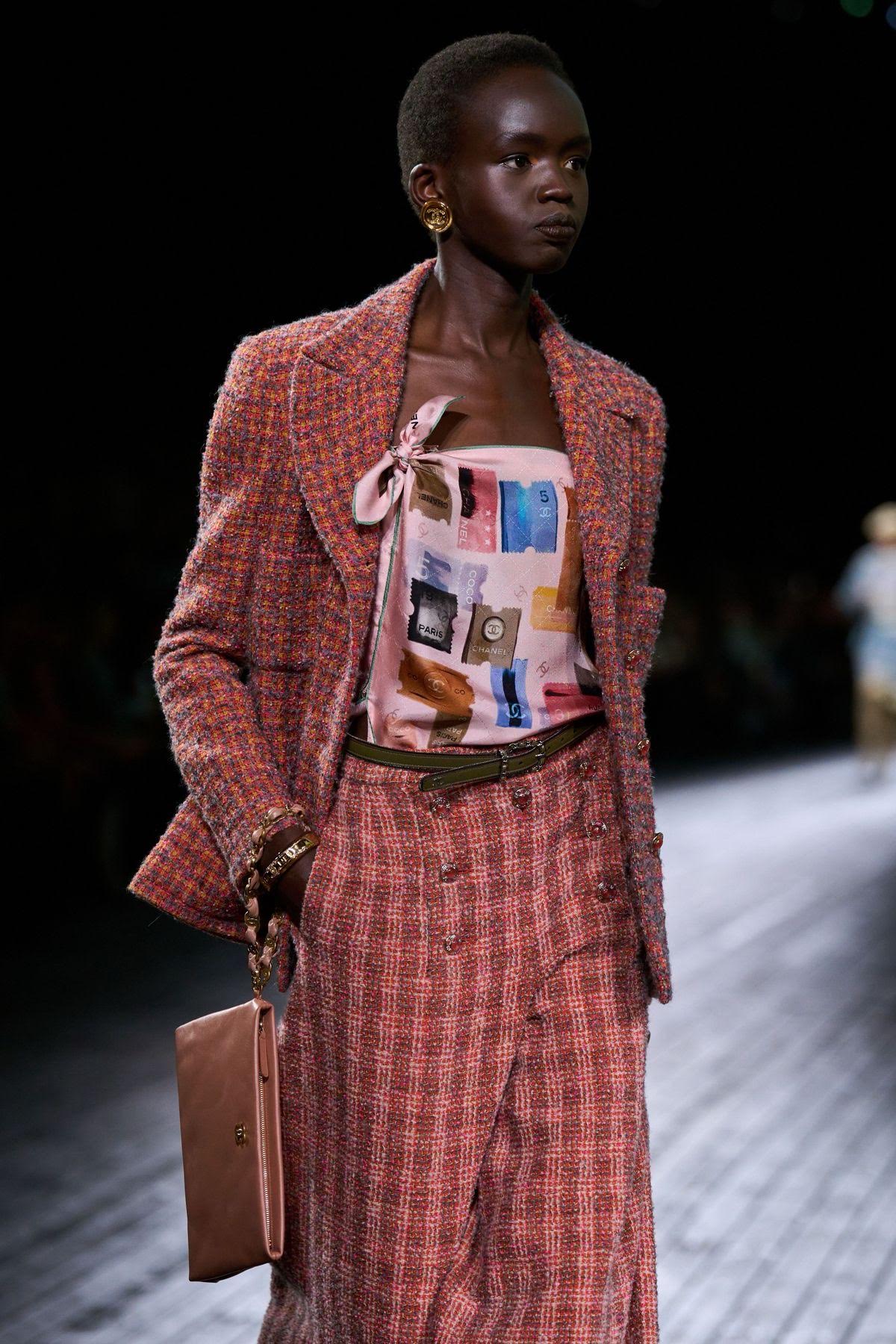
Image Credit: CHANEL
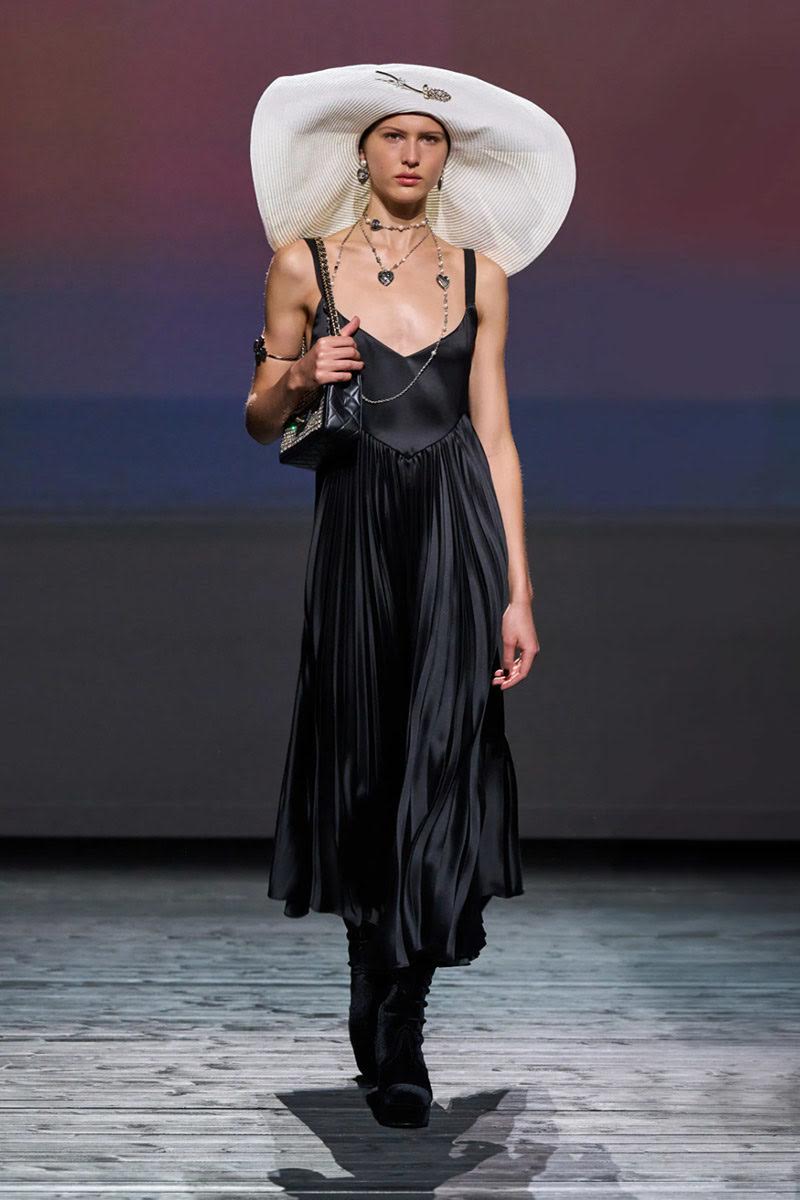
Image Credit: CHANEL
Lagerfeld had looked at Deauville through Coco’s wardrobe.
Viard looked at it through memory and cinema.
Blazy now gets to look at it through resort wear.
Blazy’s first Cruise collection, presented in Biarritz in April 2026, demonstrated that he is interested in the relationship between a destination and the way people actually dress there. His Biarritz collection moved between tailoring, swimwear, jersey, raffia, fluid fabrics, oversized bags and highly worked evening pieces.
The approach was not to make every garment announce its location. Instead, the place became a starting point for thinking about an entire wardrobe – which is particularly appropriate for Cruise.
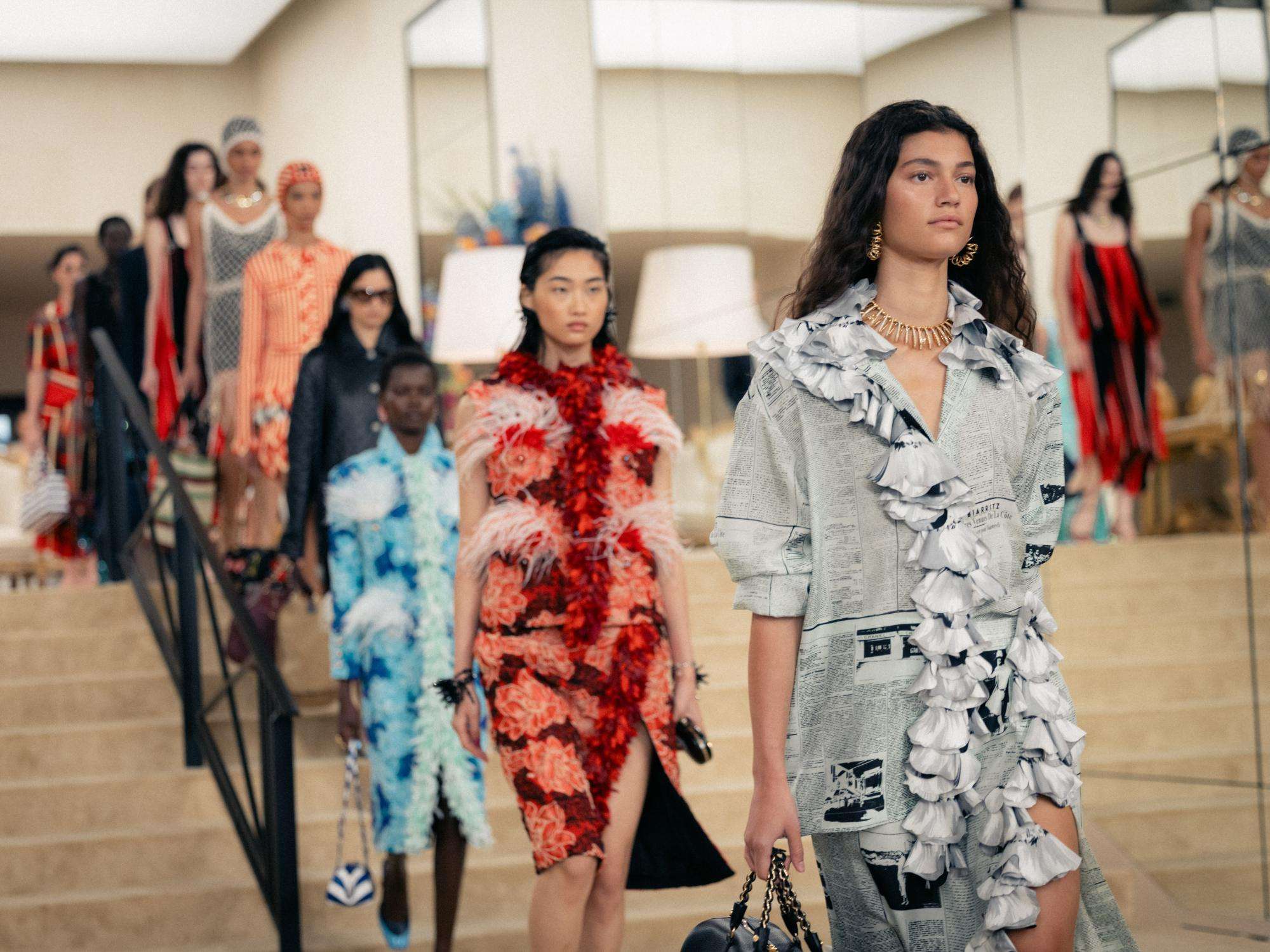
Image Credit: CHANEL
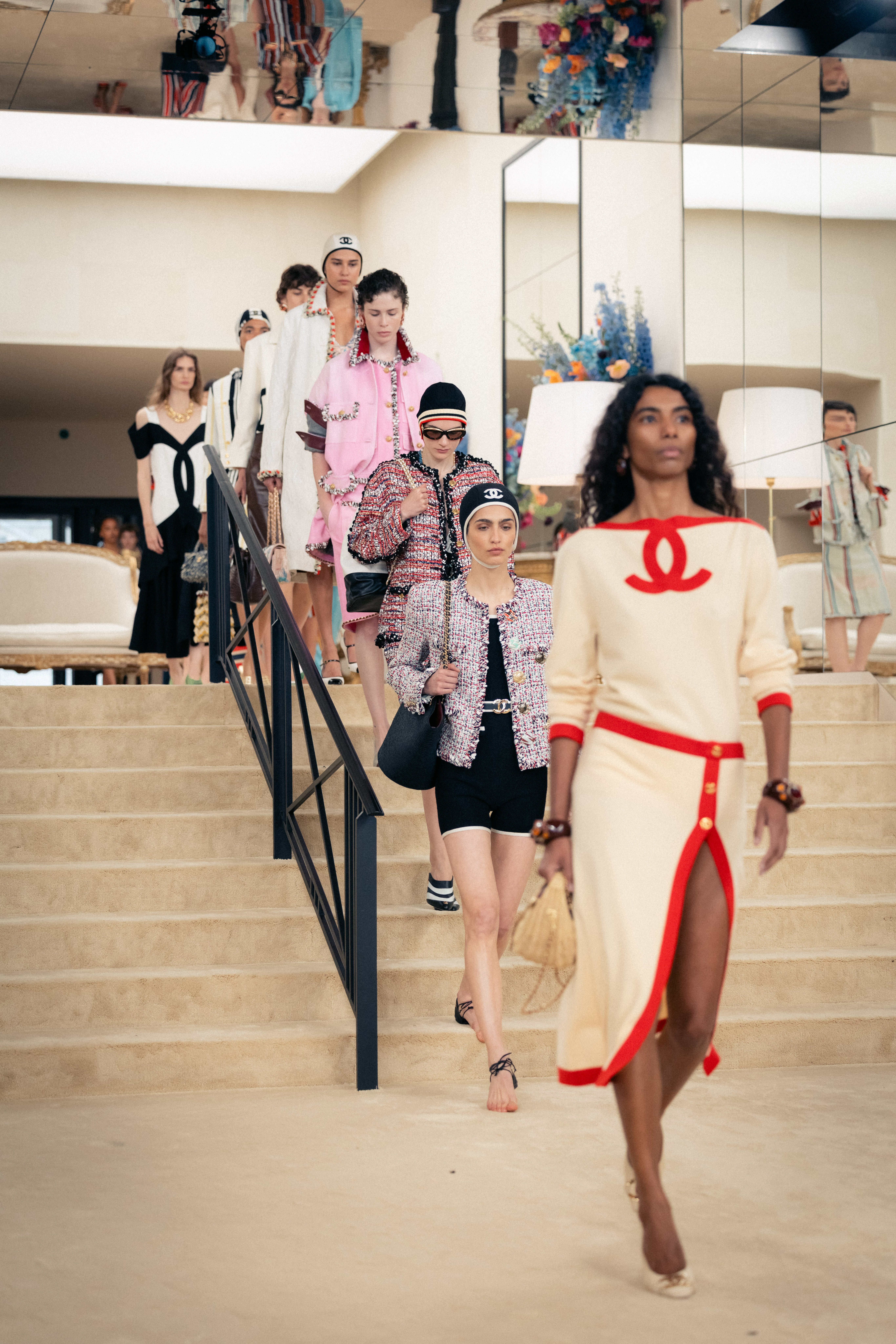
Image Credit: CHANEL
Resort collections traditionally exist for the space between seasons and destinations. They need to work on a beach, at lunch, while travelling, in the evening and beyond the resort itself. That practical versatility has a direct connection to Gabrielle Chanel’s original approach to Deauville.
CHANEL’s announcement therefore gives Blazy a rich set of references. He has the sportswear of Gabrielle Chanel. He has the late-1990s ease of Lagerfeld’s Coco’s Deauville. He has the cinematic romance of Viard’s Deauville. And he has his own emerging vocabulary at CHANEL. The possibilities are broad.
The racecourse could bring equestrian references into the collection without becoming literal riding clothes. The beach could lead to swimwear, jersey, terry and lightweight knits. The boardwalk could translate into elongated silhouettes and nautical stripes. Deauville’s grand hotels and evening culture could introduce a more polished side of resort dressing.
The most interesting possibility may be the tension between these worlds. A CHANEL Cruise collection for Deauville does not need to choose between the beach and the evening, or between masculine tailoring and feminine softness. Those contrasts are already part of the town’s history, and of CHANEL itself.
Blazy could take the familiar sailor sweater and make it oversized. A tweed jacket could be paired with swimwear rather than a traditional skirt. A loose trouser could become a resort staple. A straw or raffia accessory could sit beside a highly polished evening bag. A simple jersey dress could be elevated through CHANEL’s ateliers.
That would also align with what Blazy has said about the purpose of Cruise: clothes that can actually be packed into a suitcase and worn. His Biarritz collection showed an interest in building that kind of wardrobe rather than creating a collection of isolated destination references.
Image Credit: @tanguylv
Image Credit: @tanguylv
There is something satisfying about CHANEL returning to Deauville for Cruise. Matthieu Blazy will approach the town at a moment when CHANEL is once again defining what its codes mean for a new generation.
The location gives him history, but it does not dictate the clothes. That may be the most CHANEL way to approach Deauville. After all, Gabrielle Chanel did not go there to preserve fashion as she found it. She went there and changed it.
More than a century later, the beach, the boardwalk and the racecourse remain. So does the opportunity to see what a new creative director can find in them. On April 27, 2027, Deauville will become a CHANEL runway once again. The question is not whether we will see the past. It is which parts of it Blazy decides are still useful for the future.