
28 November 2026
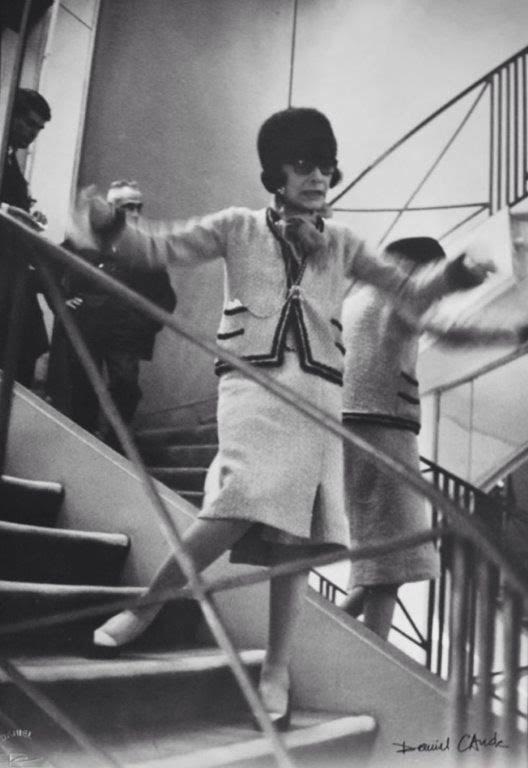
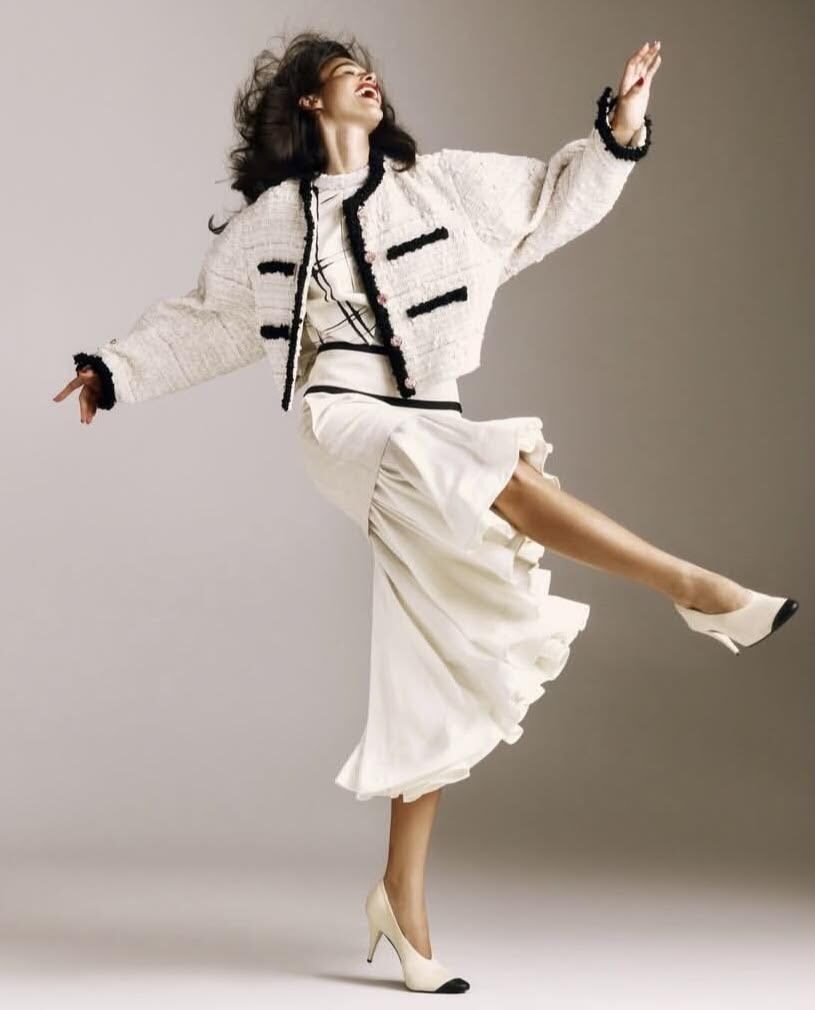
Clothes are not sculptures. They are worn objects. They respond to the body, and the body gives them shape.
A jacket that looks boxy on a hanger can become elegant when it follows the line of the back. A long skirt can seem overwhelming in a photograph but graceful as it moves. A structured dress can reveal its softness when the wearer turns.
This relationship between structure and ease has always been central to CHANEL. Gabrielle Chanel’s use of jersey, knitwear, trousers, loose silhouettes, and sportswear-inspired pieces helped establish a new idea of elegance – one that allowed women to move rather than remain confined by their clothes.
That principle has continued through the house’s changing eras. Whether expressed through Karl Lagerfeld’s theatrical volumes, Virginie Viard’s relaxed proportions, or Matthieu Blazy’s evolving balance between structure and fluidity, the underlying idea remains consistent: a garment should move with the woman wearing it.
A runway show presents more than clothes. It presents how those clothes are meant to live on the body. A photograph freezes a moment; a runway allows the garment to unfold. The model’s walk, the styling, the shoes, and the pace of the show all reveal how proportion and fabric behave in motion.
This is especially important when CHANEL plays with volume. A wide-leg trouser, an oversized jacket, or a long skirt may appear excessive when viewed alone. Once the body moves, the silhouette finds its balance.
The runway is therefore not simply a place to see what a garment looks like. It is a place to see what the garment can do.
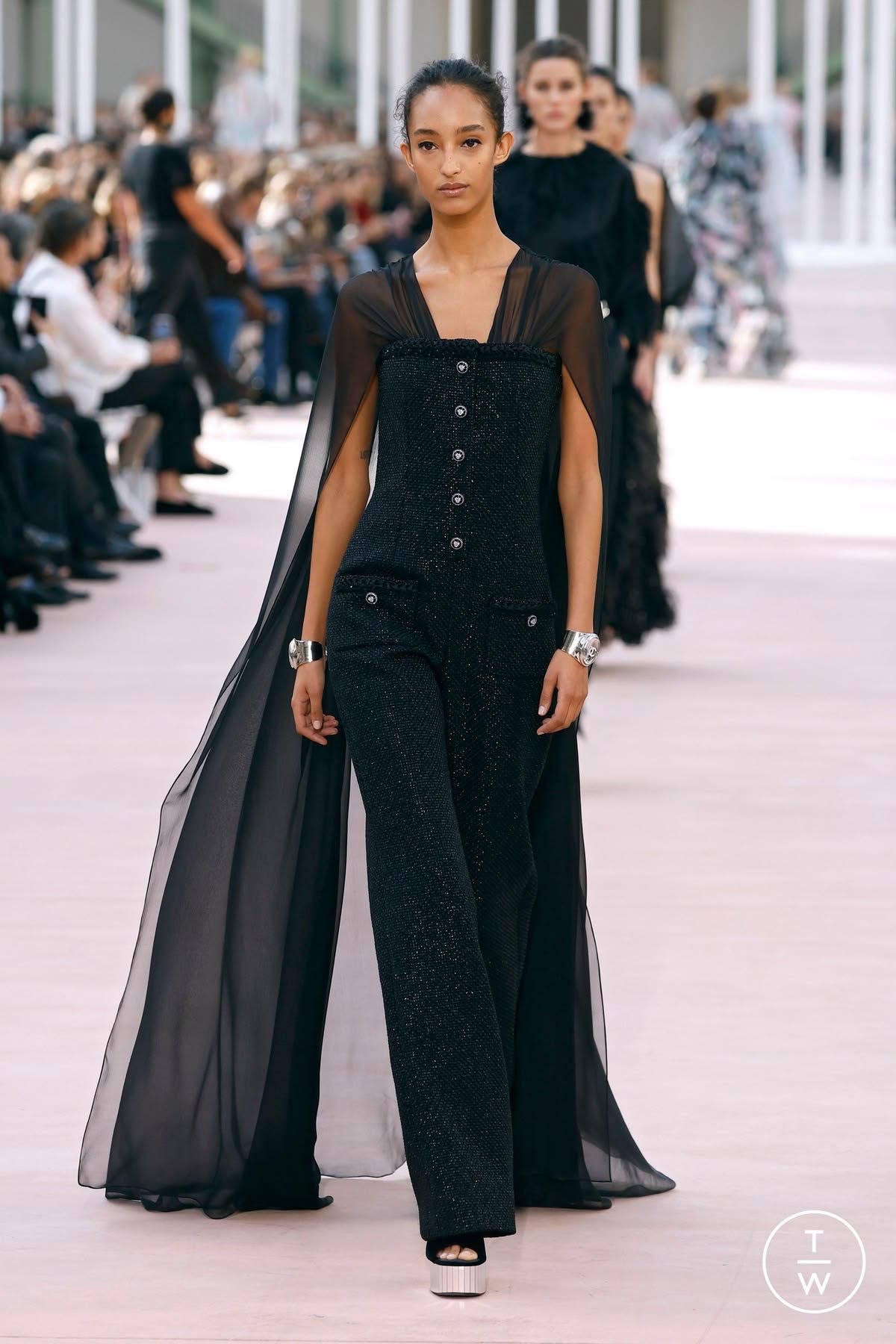
Image Credit: Tagwalk
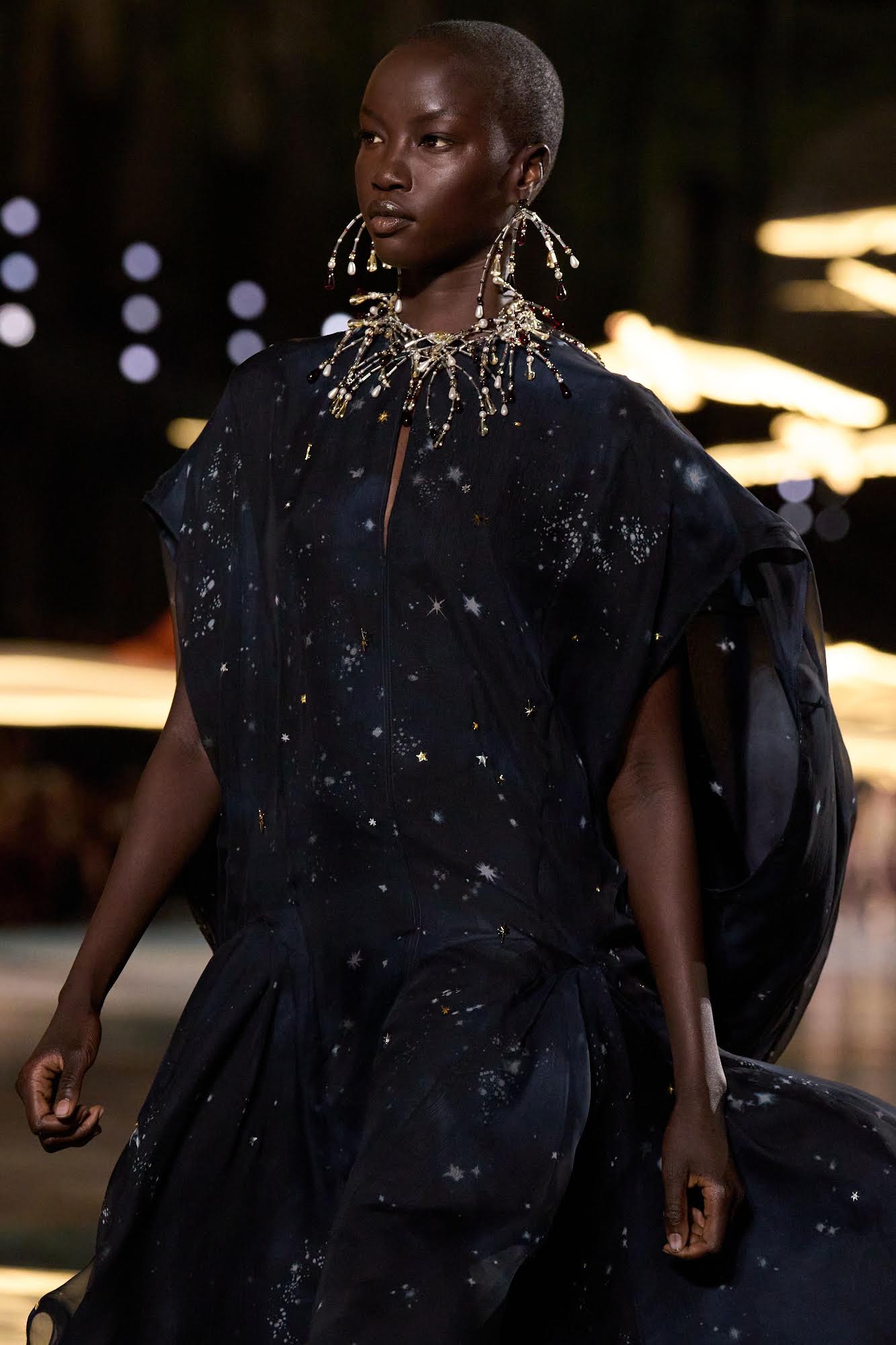
Image Credit: CHANEL
There is a difference between a garment that photographs well and one that succeeds in three dimensions. A beautiful image can make almost anything look compelling. A beautiful garment must also move, sit, and respond to the body. Its intelligence may not be immediately visible in a still photograph; it may emerge only as the wearer walks, turns, reaches, or settles into a chair.
That is why CHANEL’s most successful clothes are not always the ones with the most obvious details. Their appeal often lies in behaviour: the way a skirt swings, a jacket shifts, or a silhouette changes as the wearer moves. The beauty is not always in the decoration. Sometimes, it is in the way the garment lives.
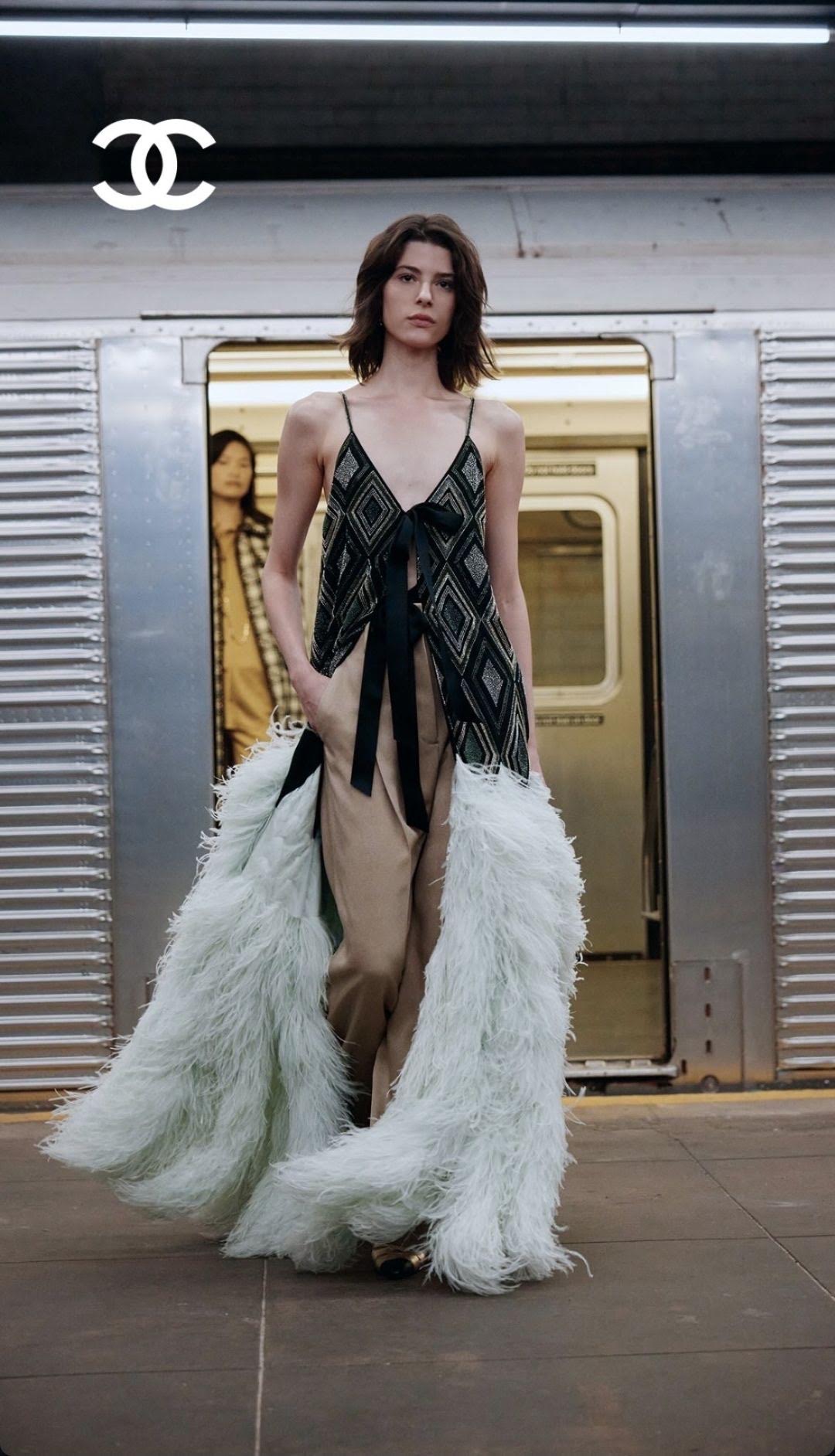
Image Credit: CHANEL
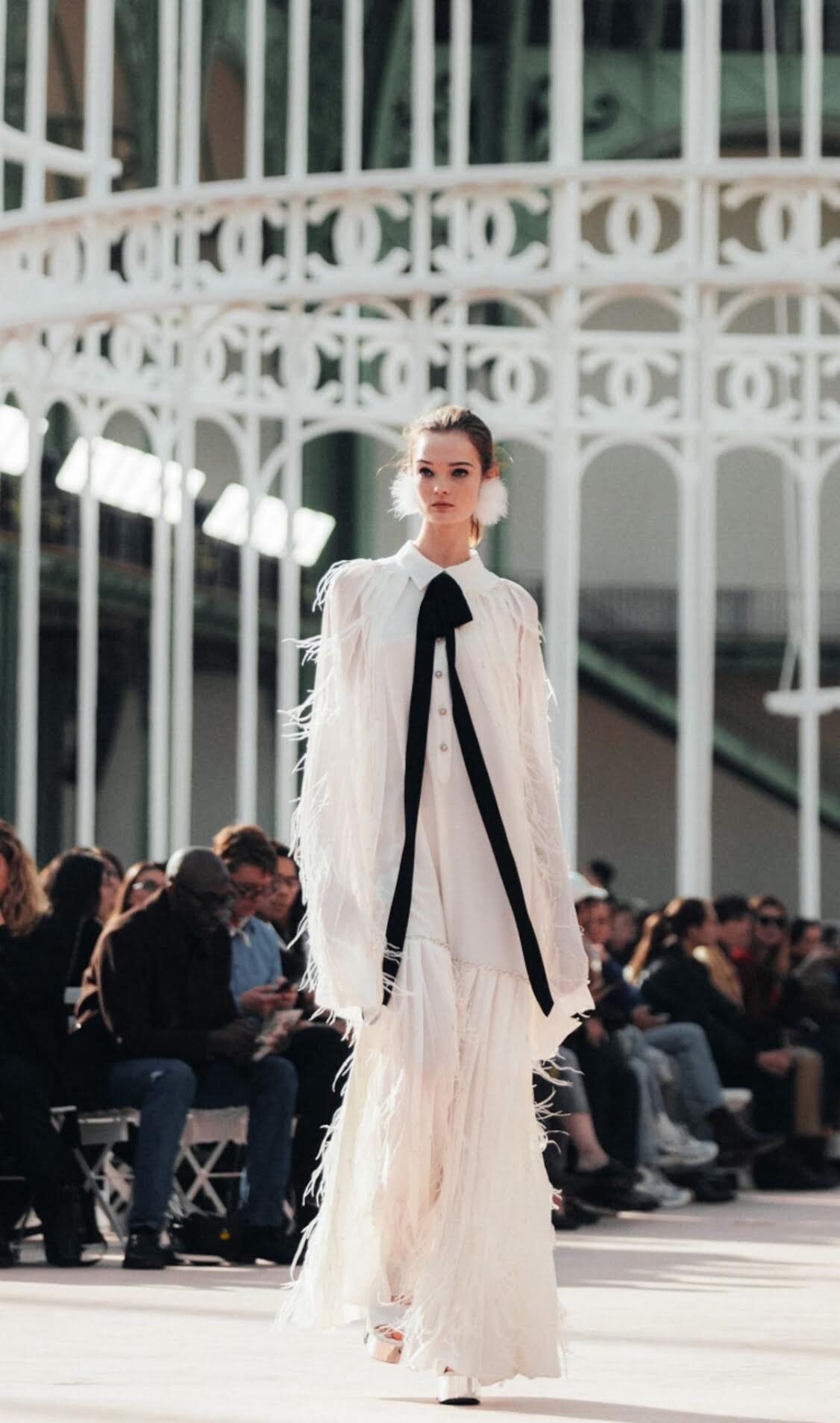
Image Credit: CHANEL
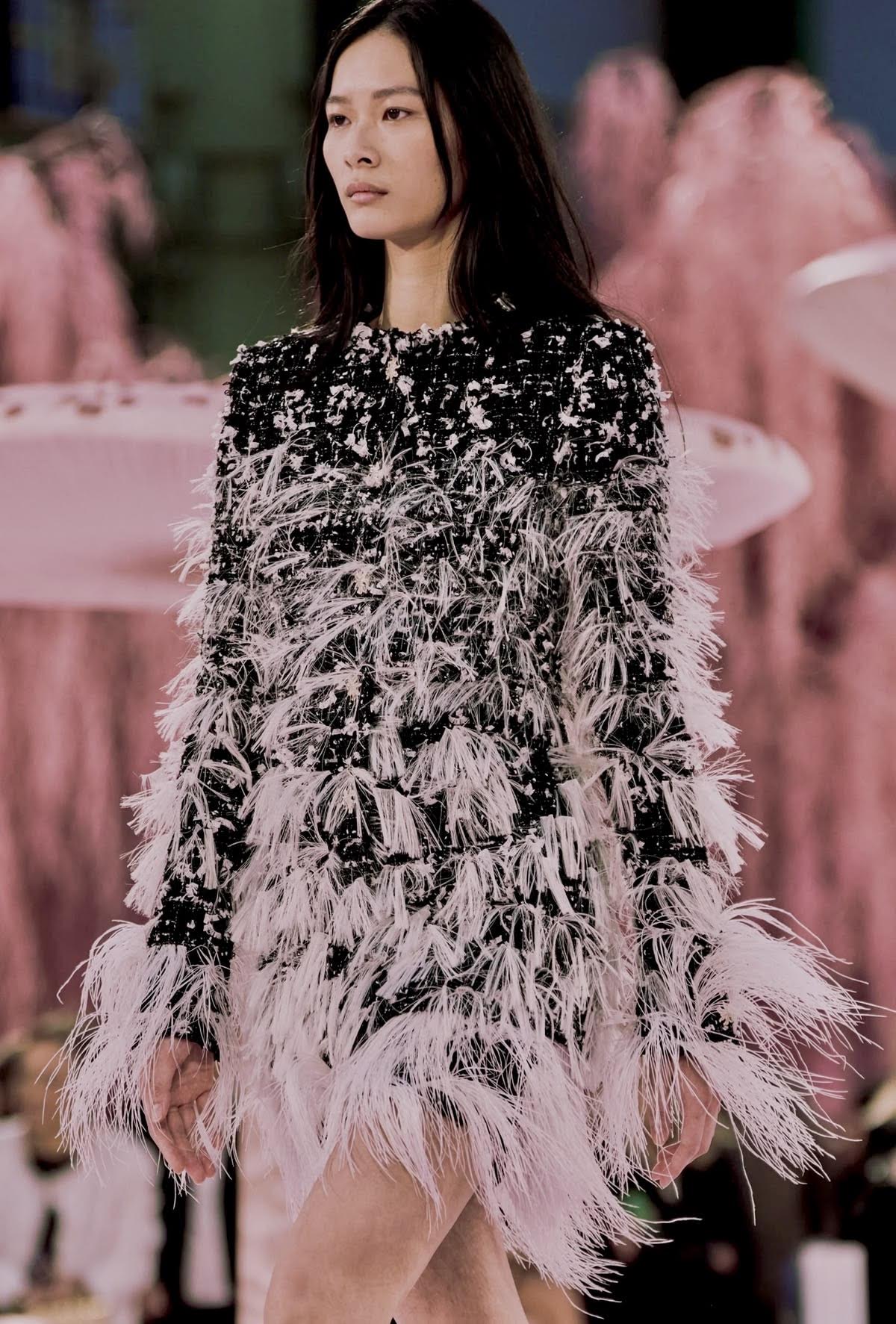
Image Credit: CHANEL
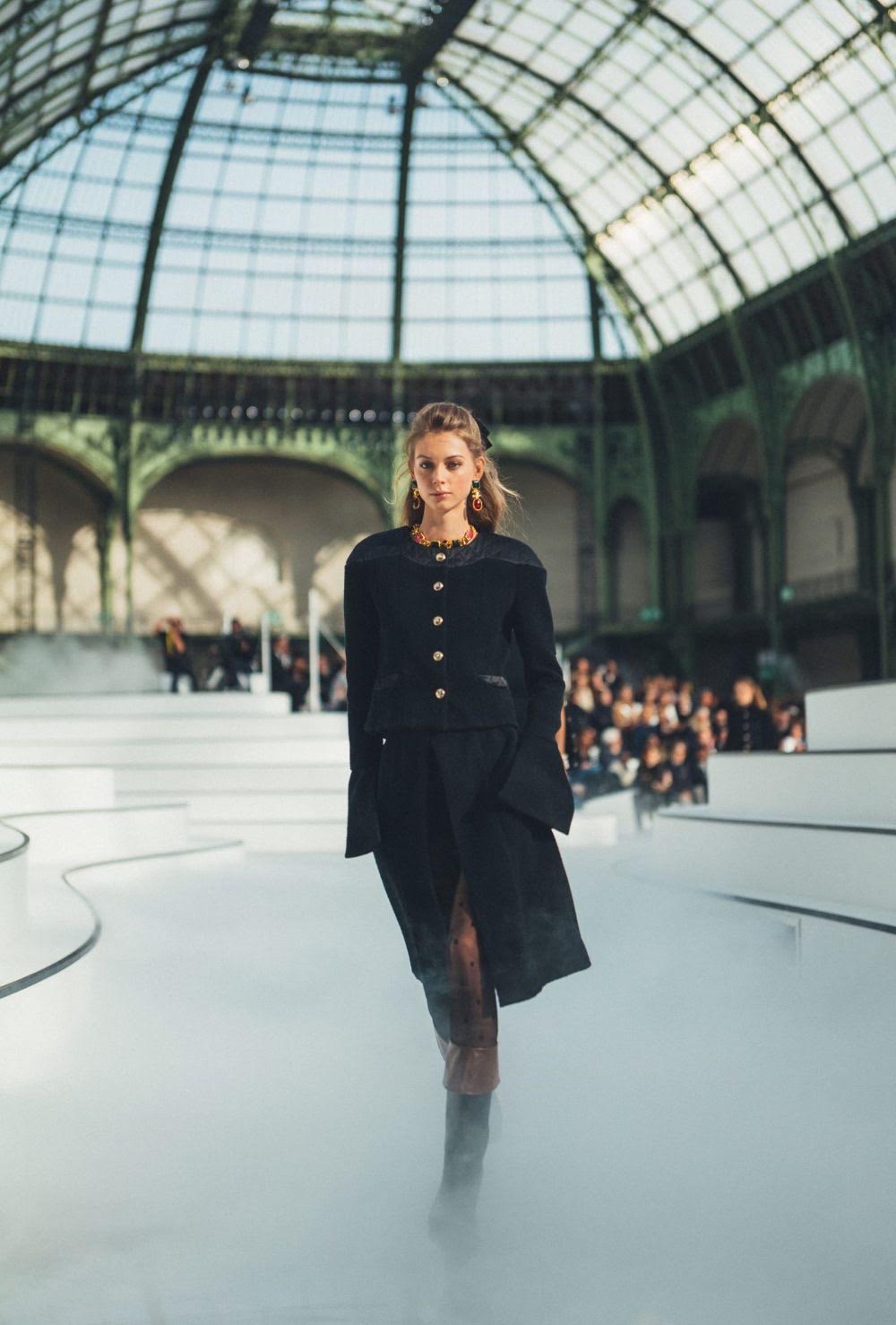
Image Credit: CHANEL
In a fashion landscape increasingly dominated by images, movement offers a more complete way to understand clothing.
CHANEL has maintained this focus across generations because it is rooted in the house’s original modernity. From Gabrielle Chanel’s practical ease to later interpretations of volume, tailoring, and fluidity, the clothes have continued to treat the body as part of the design.
It is not simply about comfort. It is about life.
A garment that moves does more than look beautiful. It participates in the world. It becomes something to wear, inhabit, and make one’s own. Perhaps that is why the most compelling CHANEL clothes often look better in motion. Because they were never meant to be still.
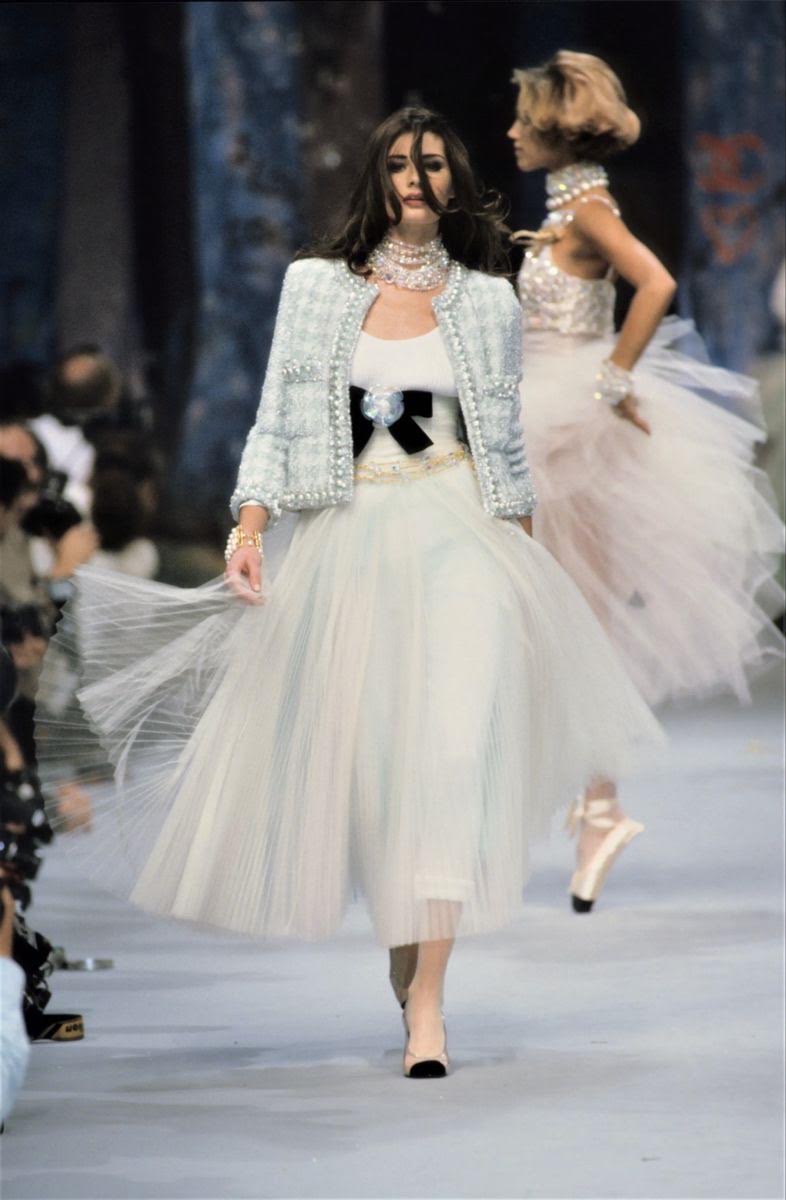
Image Credit: CHANEL
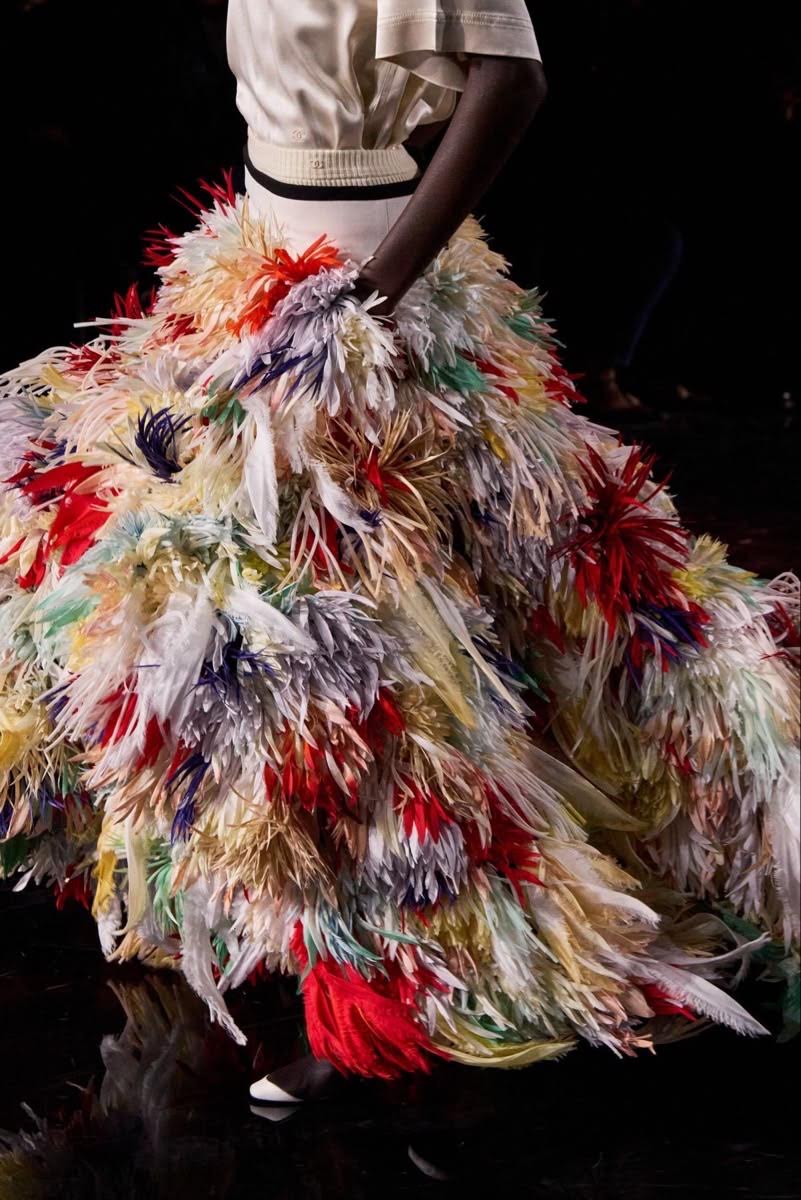
Image Credit: CHANEL
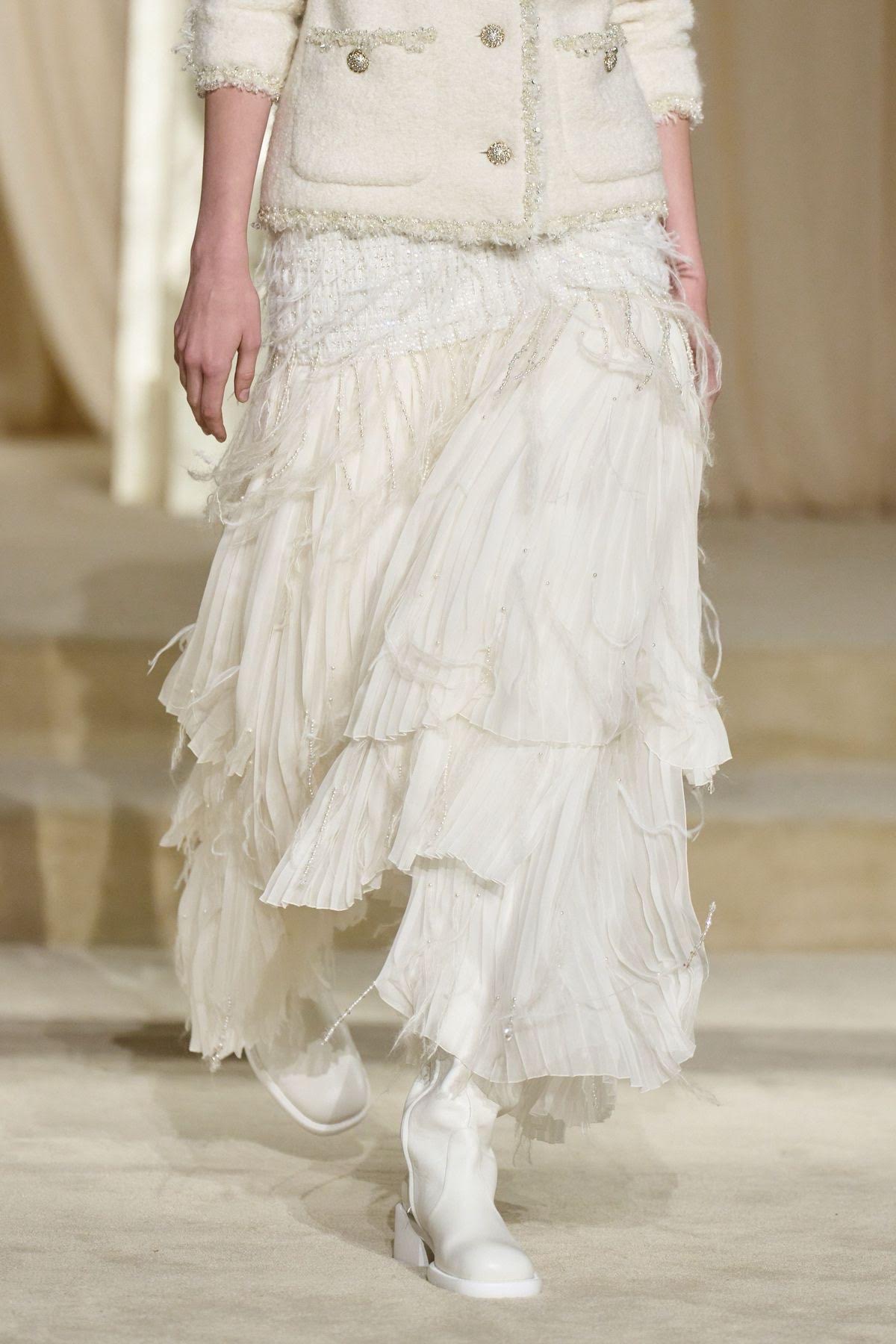
Image Credit: CHANEL
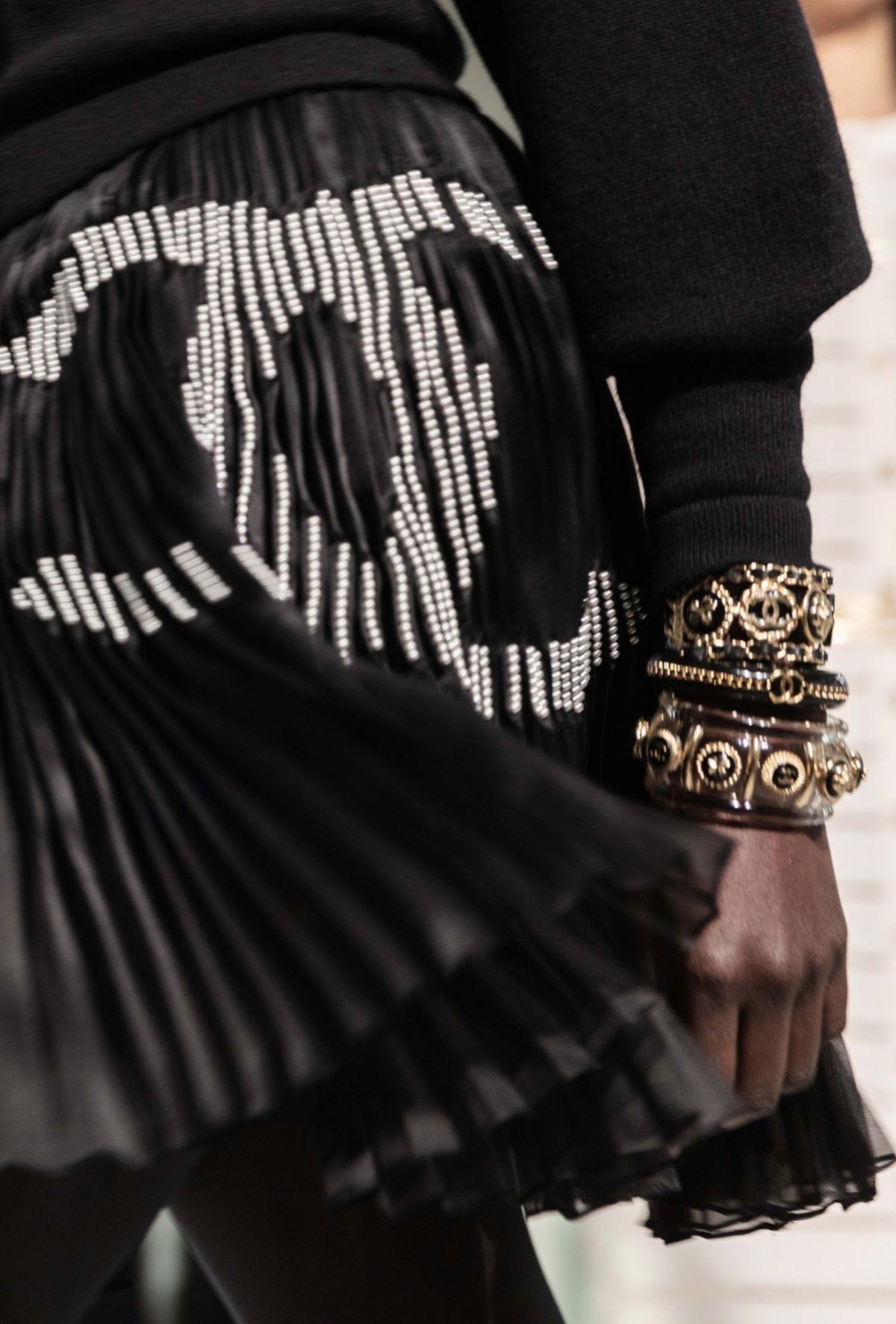
Image Credit: CHANEL