
21 November 2026
The Metropolitan Museum of Art has announced extraORDINARY: Fashion and the Poetics of the Everyday as the theme of its 2027 Costume Institute exhibition. Opening on May 9, 2027, following the Met Gala on May 3, the exhibition will explore how designers transform familiar garments, commonplace materials and everyday objects into something unexpected.
Rather than focusing exclusively on fashion’s most extravagant creations, the exhibition considers the creative possibilities found in things we encounter every day. Its two principal sections, Familiar Forms and Common Matter, will examine how designers reinterpret established wardrobe staples and experiment with materials that are often overlooked or discarded.
It is an interesting proposition for CHANEL, a house whose history is closely connected to the idea that ordinary clothing can become extraordinary through design, construction and craftsmanship.
Long before casual dressing became an established part of modern fashion, Gabrielle Chanel recognized the importance of clothing that accommodated the realities of everyday life. Her approach challenged the restrictive conventions of women’s fashion, introducing jersey, trousers, sportswear and relaxed tailoring into a wardrobe traditionally associated with formality.
Her early collections drew inspiration from the practical clothing worn by sailors, athletes and men. Jersey, previously associated with underwear and sportswear, became an important part of her vocabulary. Simple sweaters, loose trousers and uncomplicated jackets offered women a different relationship with their clothes, one based on movement, comfort and independence.
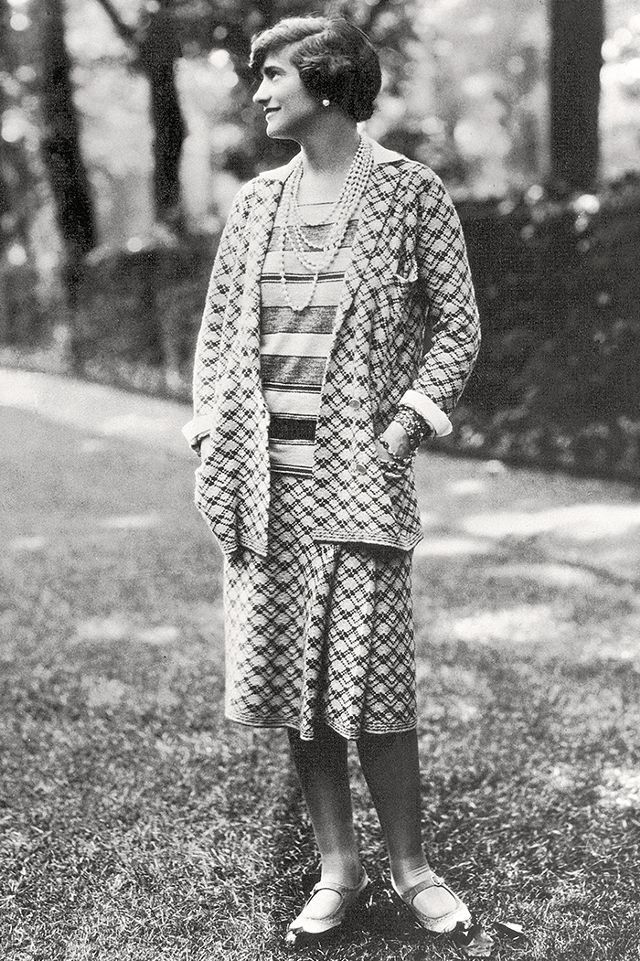
Image Credit: CHANEL
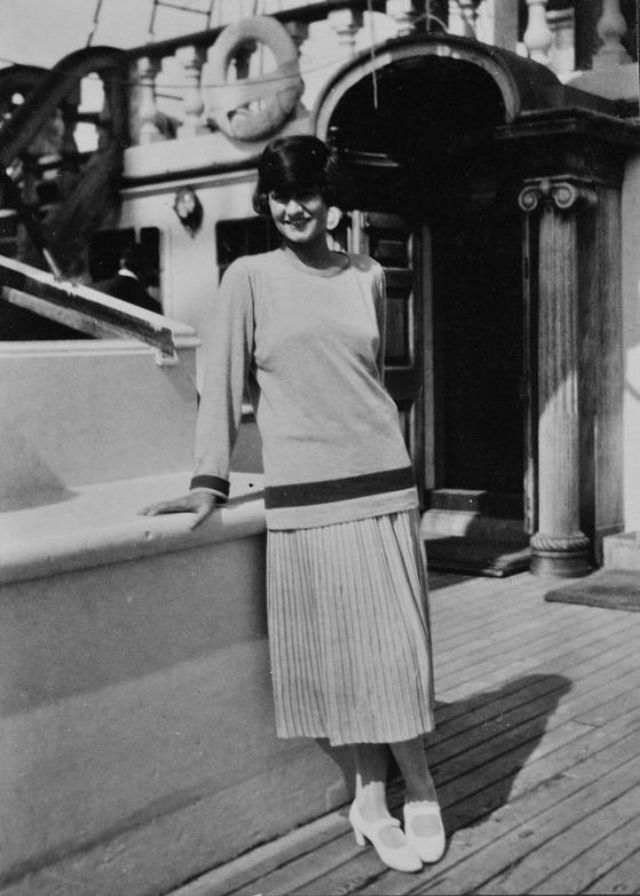
Image Credit: CHANEL
The significance of these designs extended beyond their appearance. Gabrielle changed the way women understood luxury, demonstrating that elegance did not need to depend on elaborate construction or restrictive silhouettes. A simple garment could be just as desirable as an elaborate one.
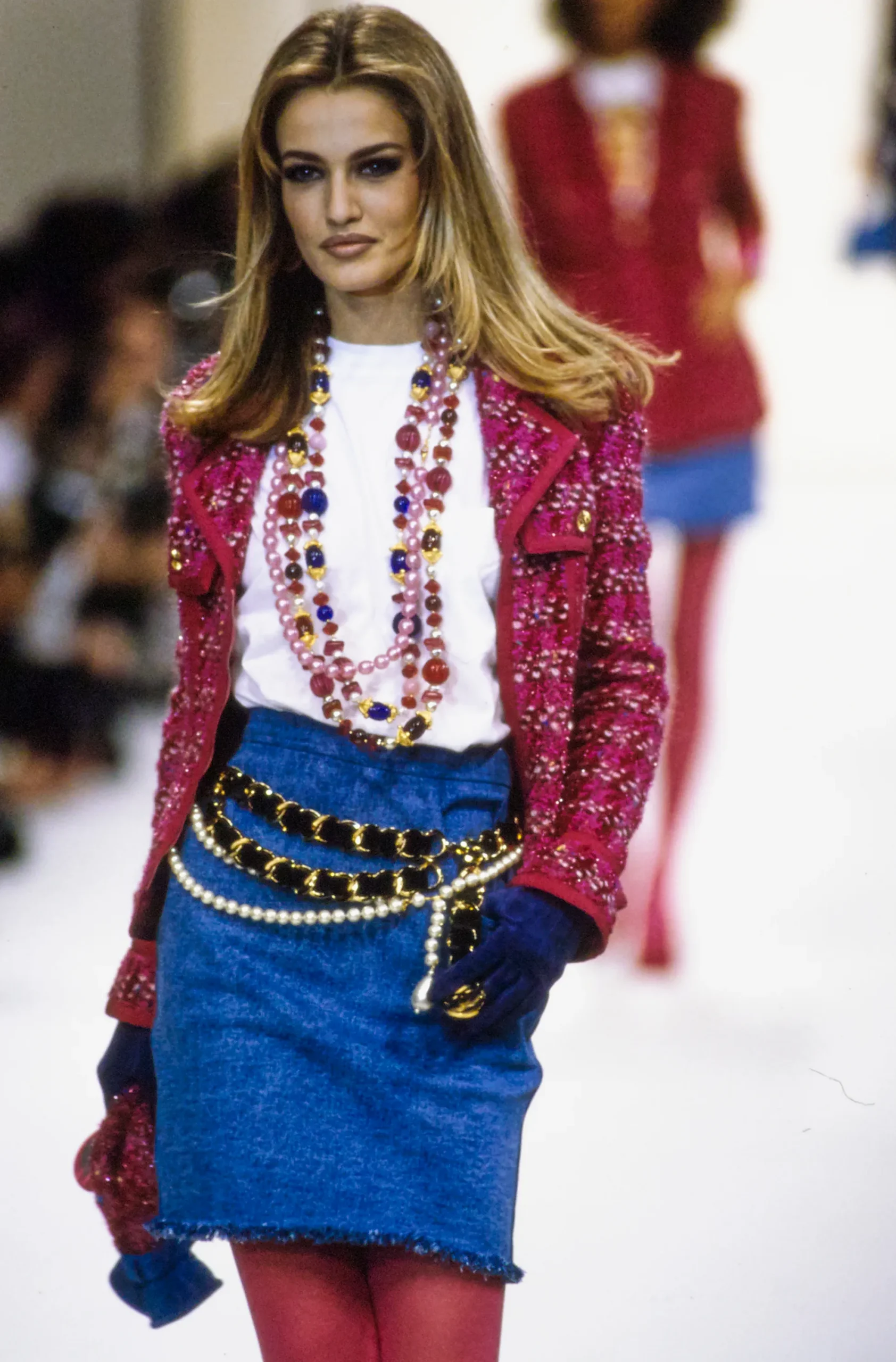
This philosophy continued under Karl Lagerfeld, who repeatedly challenged the boundaries between everyday dressing and luxury fashion. Throughout his tenure, denim, sportswear, T-shirts, motorcycle jackets and casual separates appeared alongside the house’s more recognizable codes.
His Fall/Winter 1991 Ready-to-Wear collection is a particularly relevant example. Denim jackets, jeans and familiar American wardrobe staples were reinterpreted through CHANEL’s visual language, creating an unexpected relationship between casual dressing and traditional luxury.
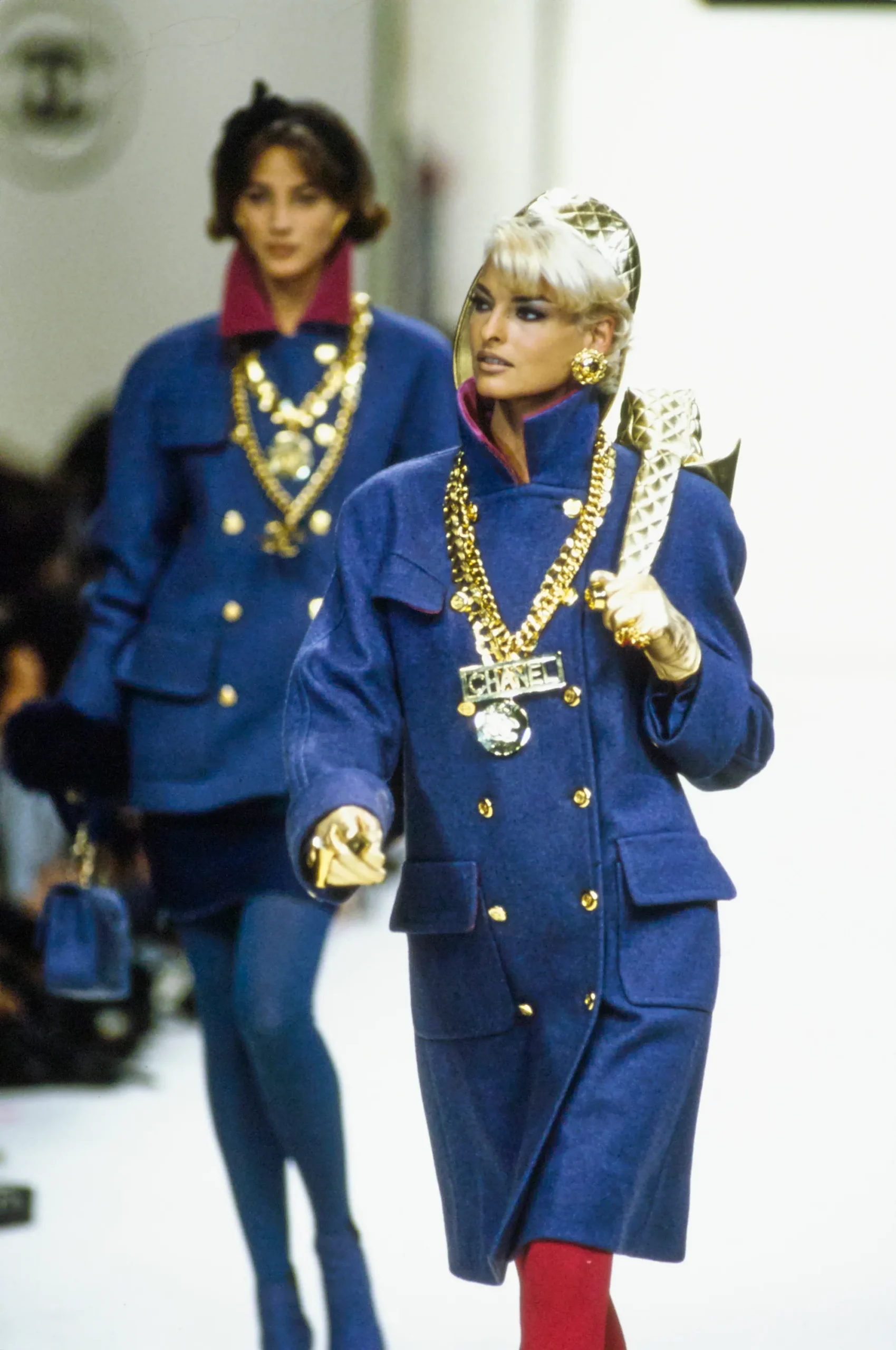
Image Credit: CHANEL
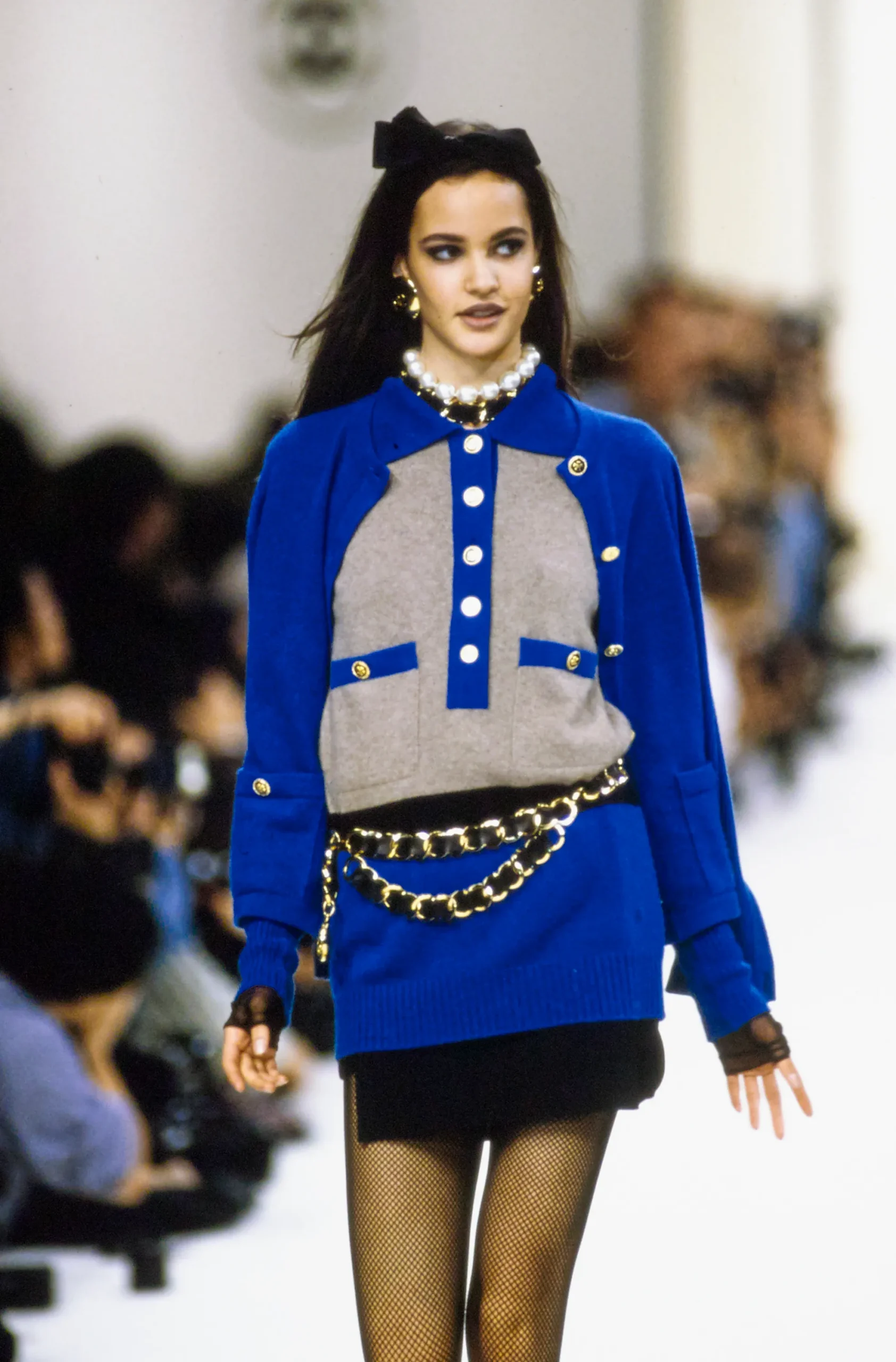
Image Credit: CHANEL
Lagerfeld continued this exploration in his Spring 2008 Ready-to-Wear collection, Nuits d’Été, which drew on the ease of summer dressing and the nostalgia of 1950s Americana. Denim was a central feature, appearing in everything from jackets and wide-leg jeans to trench coats and dungarees. Bathing suits, striped jackets and simple separates further explored the relationship between casual clothing and the CHANEL wardrobe. Familiar pieces were given new proportions, unexpected details and the house’s distinctive styling, demonstrating how everyday garments could be reinterpreted without losing their original character.

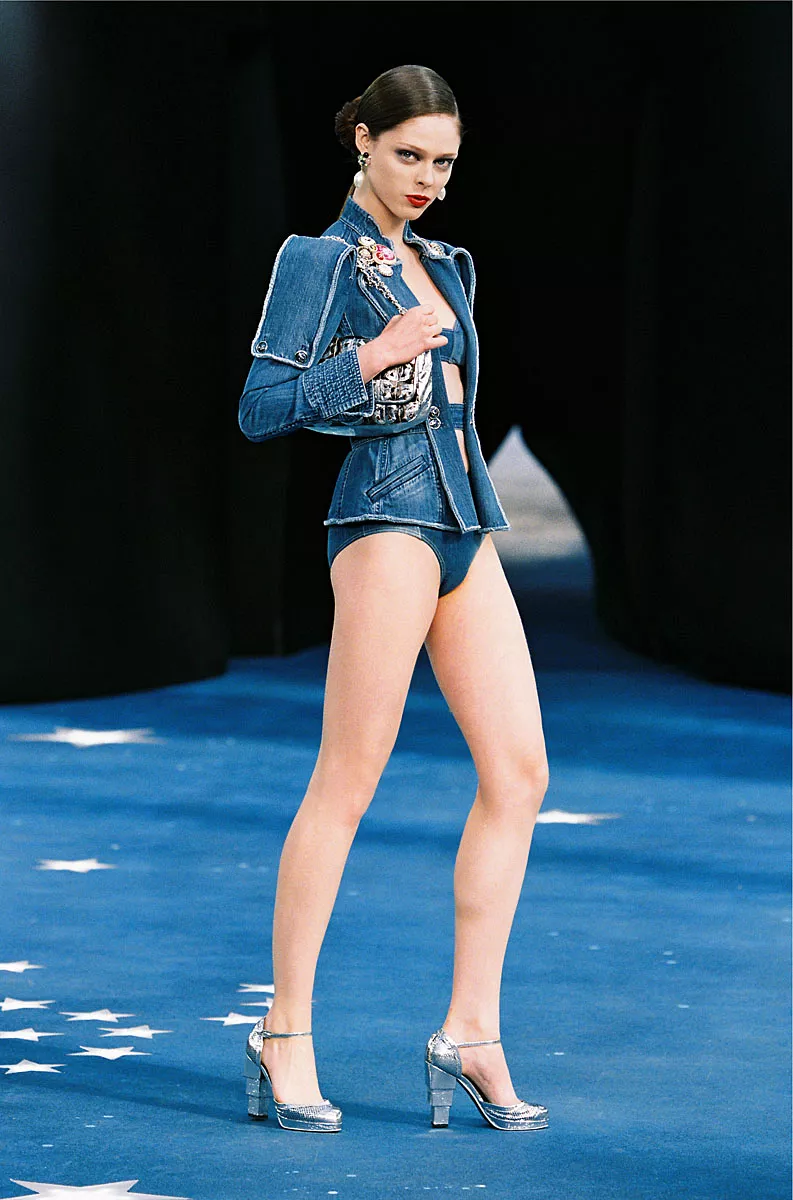
Image Credit: CHANEL
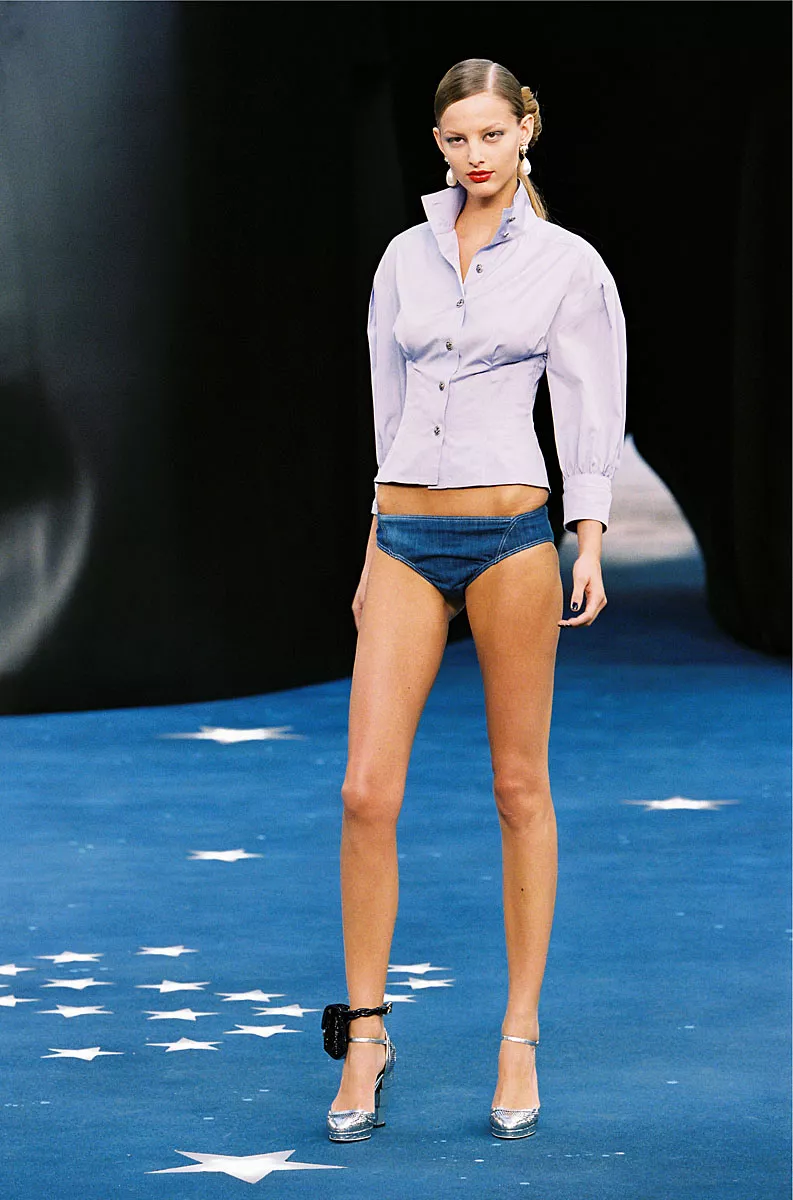
Image Credit: CHANEL
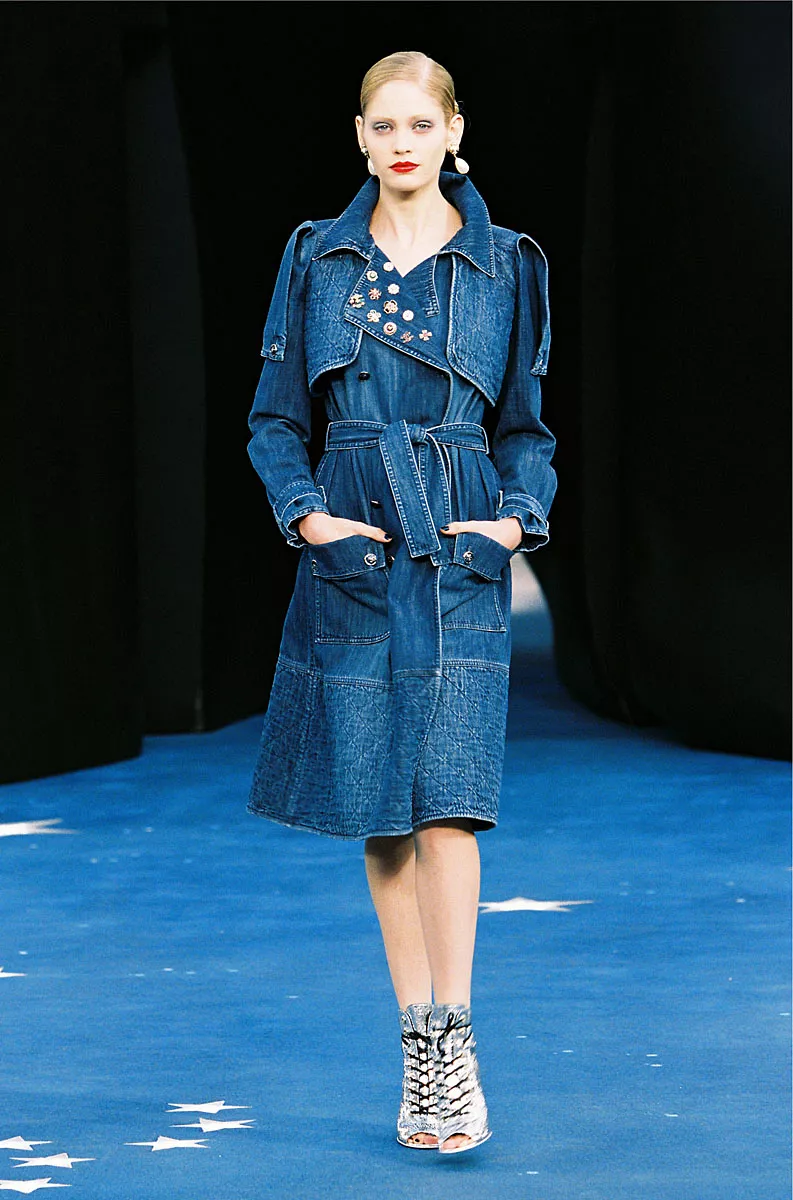
Image Credit: CHANEL
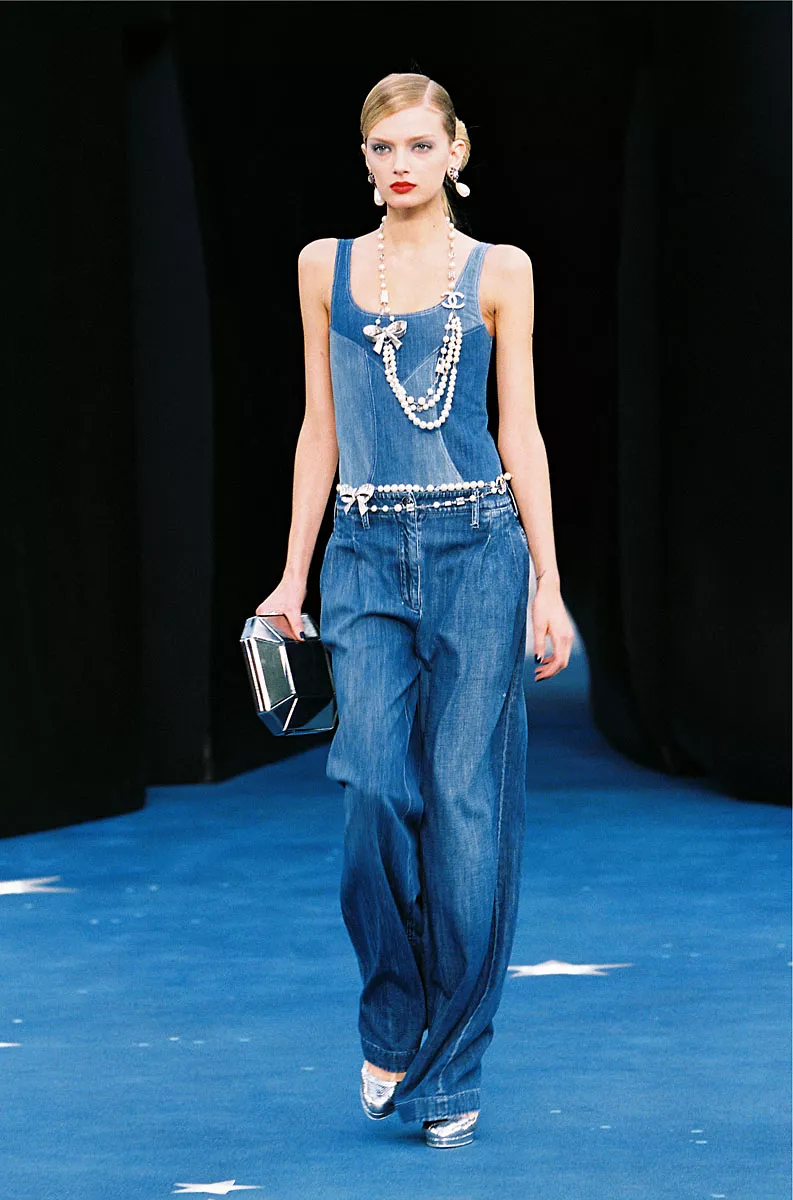
Image Credit: CHANEL
These collections demonstrate that CHANEL’s identity has never depended on a single silhouette. Its strength lies in the ability to reconsider familiar garments while preserving the thinking behind them.
The exhibition’s second section, Common Matter, offers another interesting connection to CHANEL’s history. Its focus on paper, plastic, metal and everyday objects raises questions about material value, craftsmanship and the possibilities of transforming something ordinary into a work of fashion.
One of the strongest examples within the CHANEL archive is Karl Lagerfeld’s Spring 2016 Haute Couture collection.
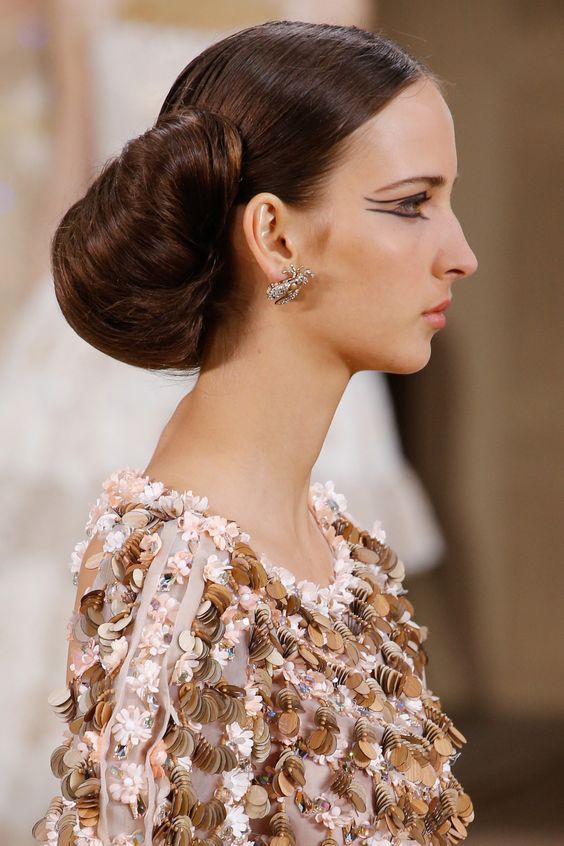
Image Credit: CHANEL
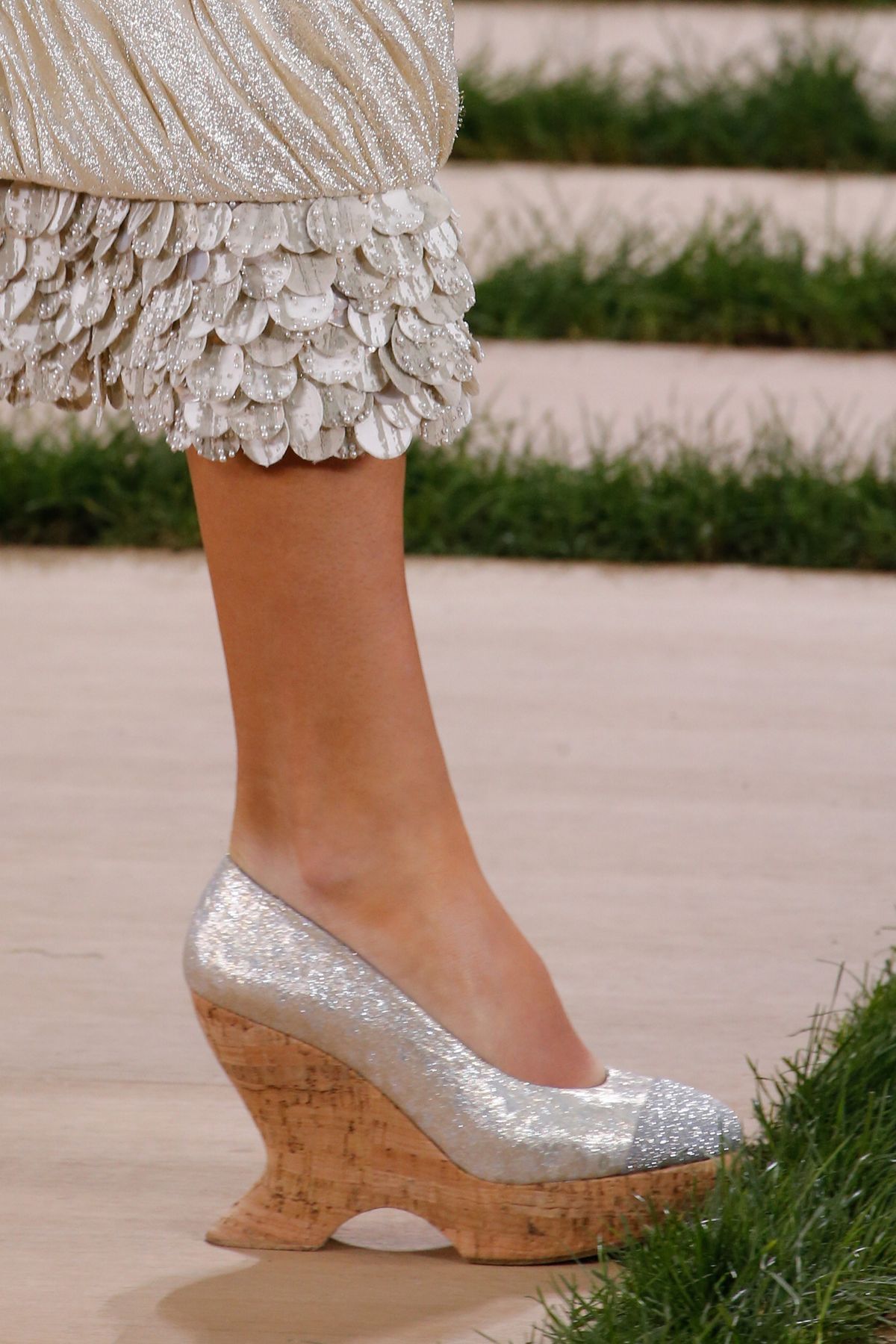
Image Credit: CHANEL
Presented at the Grand Palais, the collection unfolded in a minimalist garden setting. Nature informed both the presentation and the clothes, with Lagerfeld exploring materials that were unconventional for haute couture. Wood shavings were incorporated into embroidery and embellishments, creating intricate decorative surfaces. Recycled paper, organic fibres and natural textures also featured throughout the collection.
The results were far removed from what might traditionally be expected of couture. Delicate gowns, sculptural jackets and softly constructed silhouettes demonstrated how natural and commonplace materials could be transformed through specialist techniques and hours of handwork.
The collection is particularly relevant to Common Matter because it challenges the assumption that luxury is determined by the material itself. Wood, paper and natural fibres may be commonplace, but their potential changes when approached through the expertise of couture ateliers.
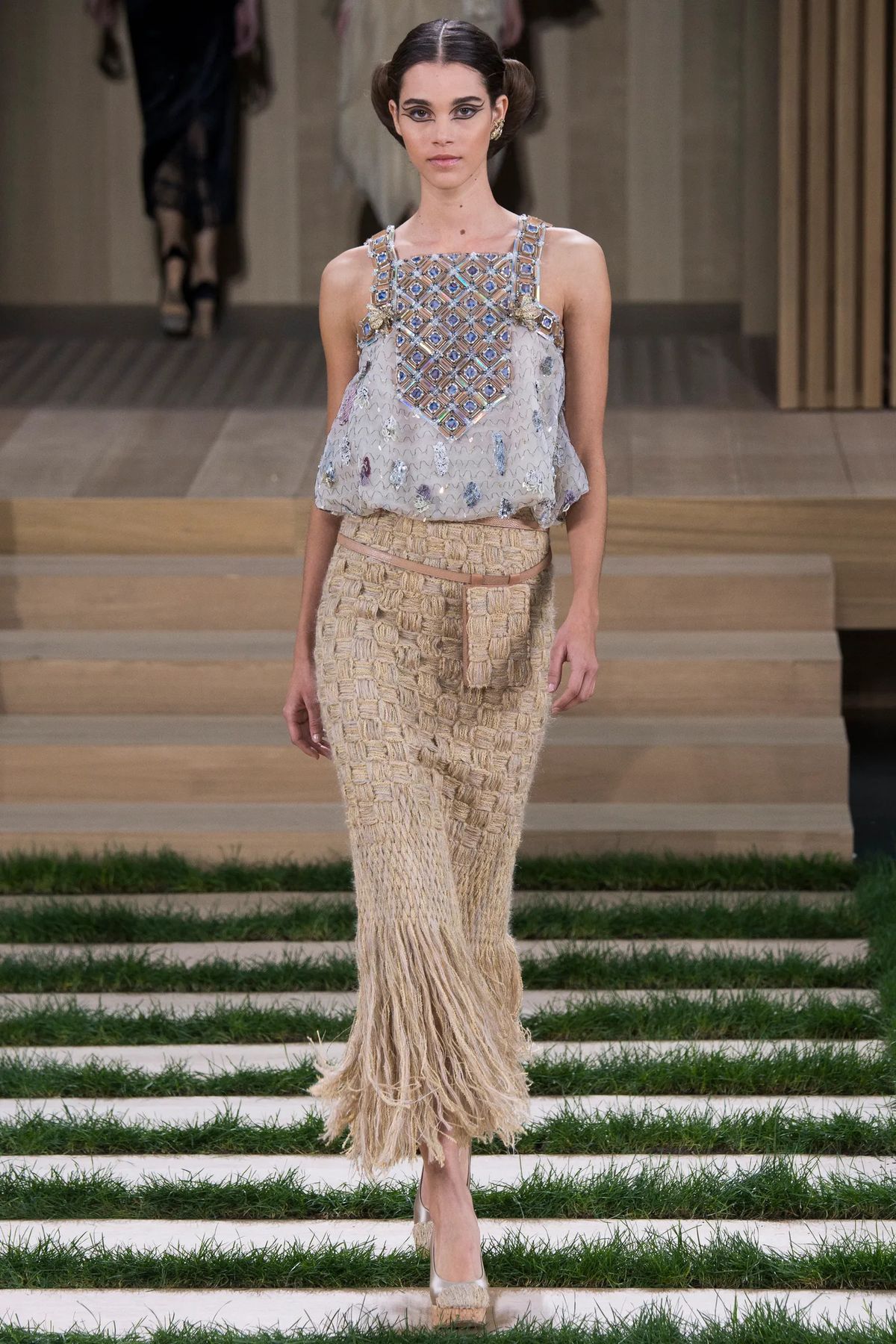
Image Credit: CHANEL
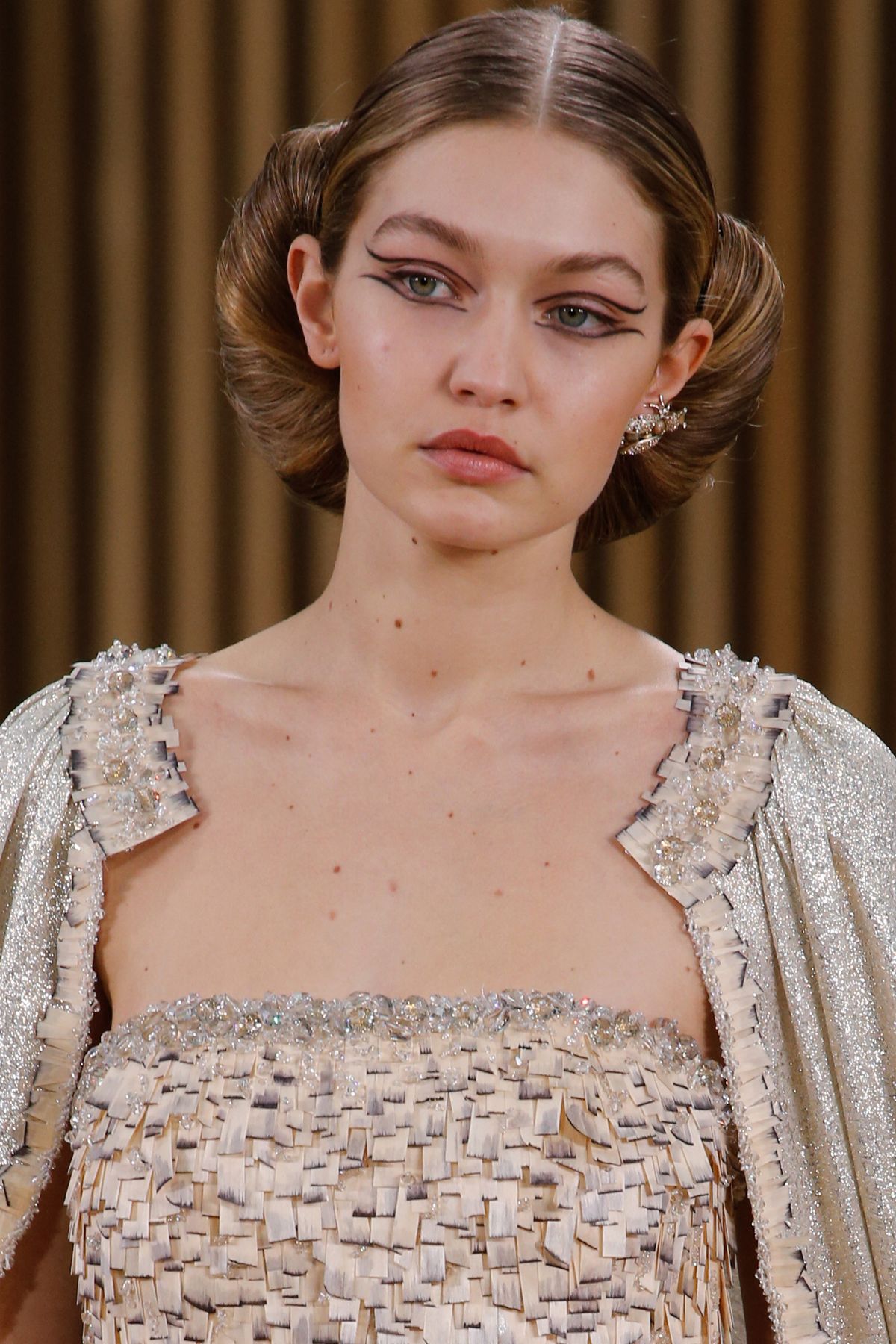
Image Credit: CHANEL
The relationship between material and perception has also become an interesting part of Matthieu Blazy’s approach to CHANEL. His collections explore how familiar materials and decorative techniques can be used to create something that looks entirely different from what it actually is.
In his Ready-to-Wear debut, Blazy played with trompe-l’œil effects, including beaded surfaces that appeared to unravel, while reworking familiar house details through unexpected textures and proportions.
His Haute Couture interpretation took the idea further. A seemingly ordinary combination of a white tank top and faded blue jeans was recreated in delicate silk mousseline. Through carefully executed printing, embroidery and construction, the fabric convincingly imitated the appearance and texture of denim. The result was an extraordinary example of material illusion. What appeared to be everyday clothing was, in fact, an intricate couture creation.
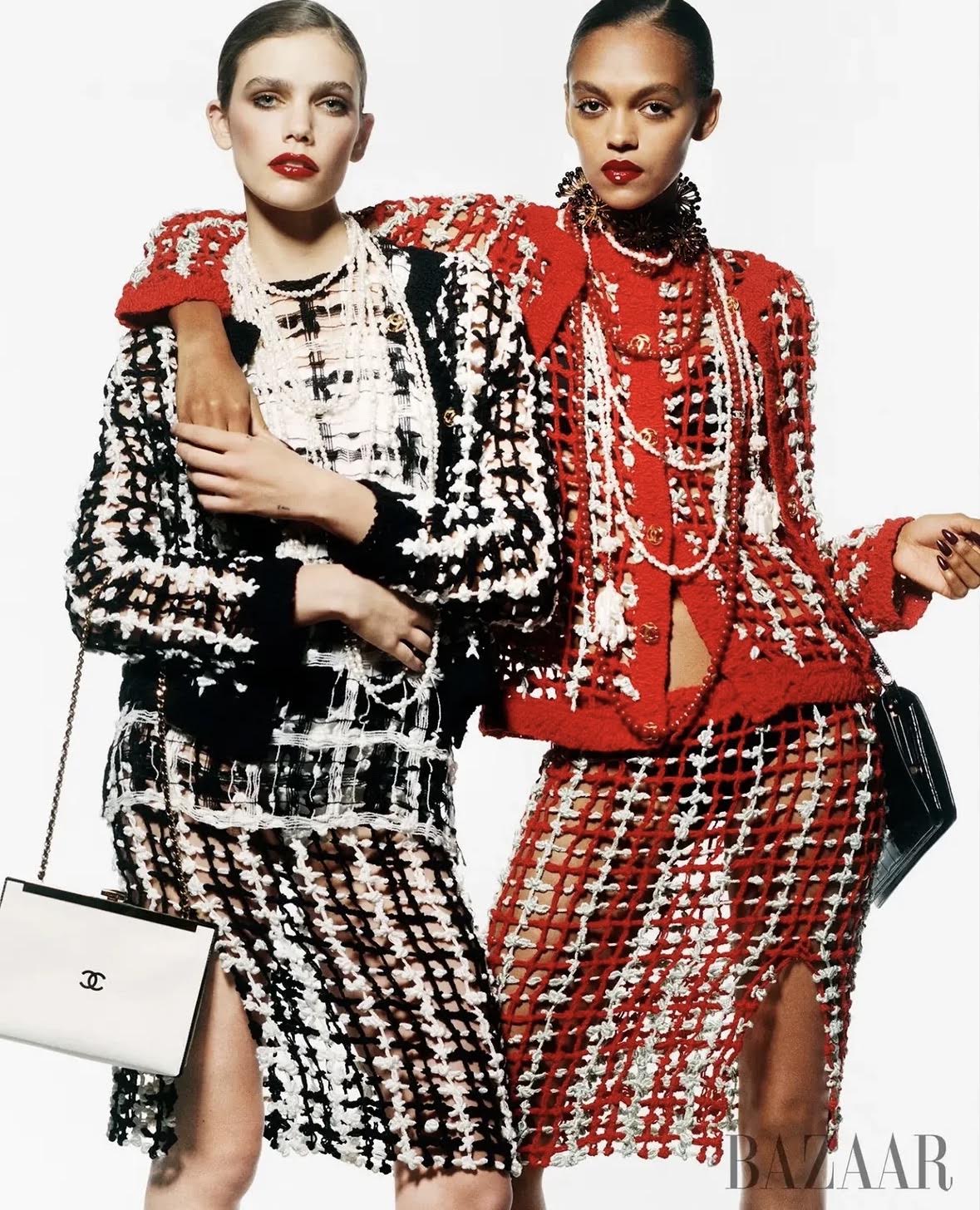
Image Credit: Luis Alberto Rodriguez
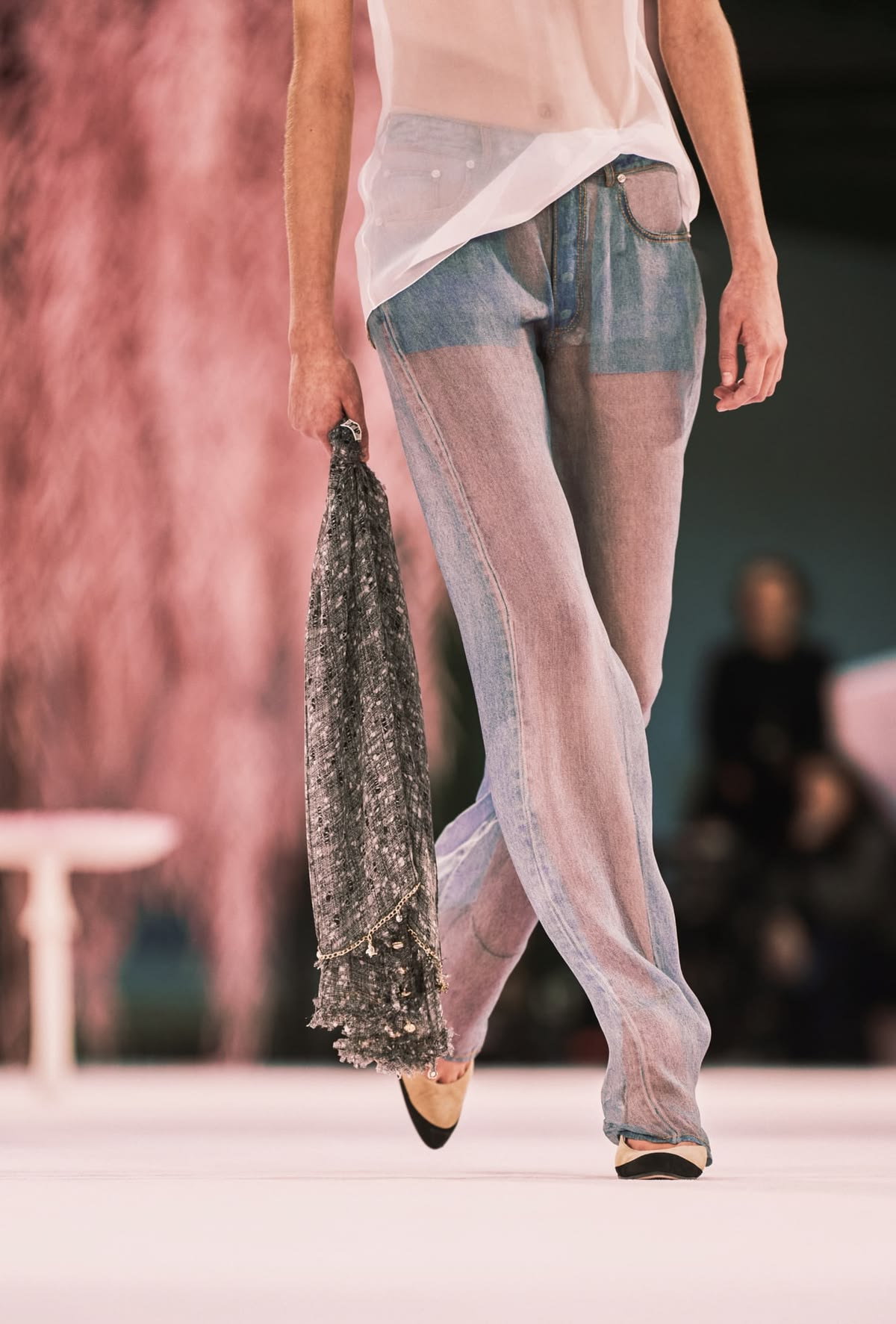
Image Credit: CHANEL
Blazy’s approach is particularly relevant to the exhibition because it brings together both of its central ideas. The denim references the familiar wardrobe, while the transformation of silk through trompe-l’œil demonstrates how craftsmanship can challenge our understanding of materials.
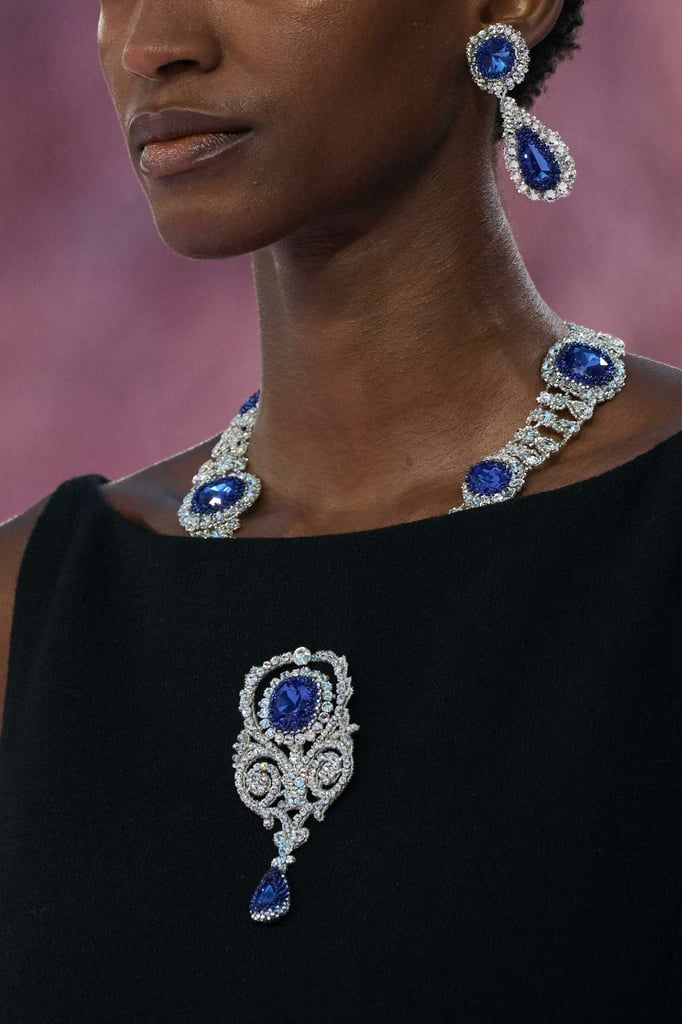
Jewellery offers another connection. Gabrielle Chanel famously challenged traditional ideas about value through her use of imitation pearls, chains and costume jewellery. She understood that the appeal of an accessory was not necessarily determined by its material worth, but by its design, presence and relationship with the person wearing it.
Matthieu Blazy explored a related idea in his Spring/Summer 2026 Haute Couture collection. Some of the collection’s jewellery, which appeared to be traditional decorative pieces, was actually constructed entirely from intricate beadwork.

Image Credit: CHANEL
Image Credit: CHANEL
Gabrielle Chanel approached materials with a willingness to question established expectations. Karl Lagerfeld followed in those footsteps and now Matthieu Blazy is exploring the same possibilities through a contemporary lens.
What makes extraORDINARY: Fashion and the Poetics of the Everyday particularly relevant to CHANEL is its underlying suggestion that fashion’s significance is not always found in spectacle.
Gabrielle Chanel transformed the everyday wardrobe by questioning what women needed from their clothes. Karl Lagerfeld continued that thinking through unexpected combinations, unconventional materials and a willingness to revisit familiar garments. Matthieu Blazy now brings another perspective to the same conversation.
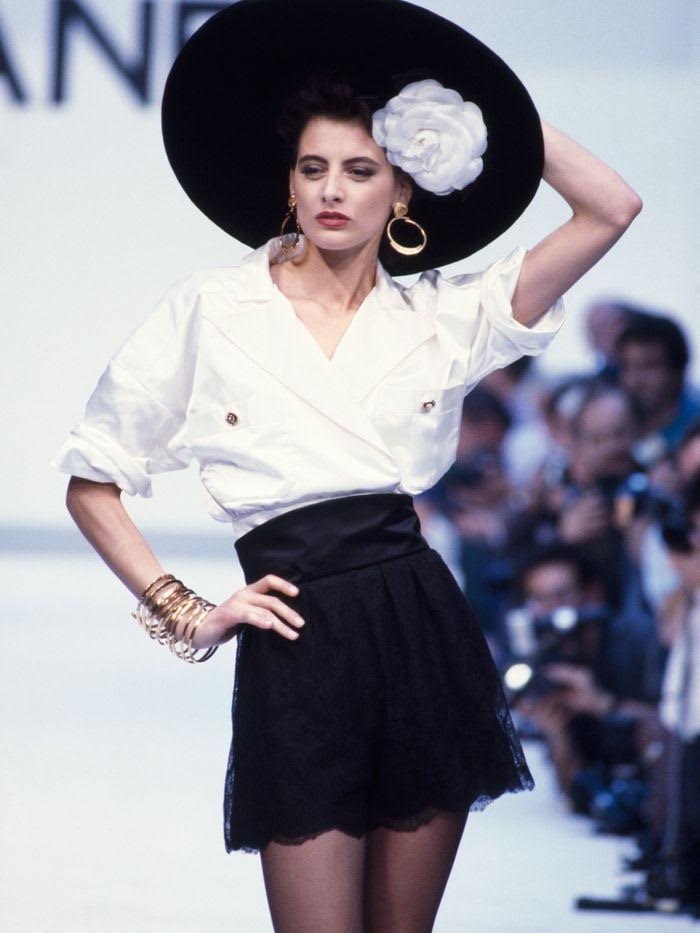
Image Credit: CHANEL
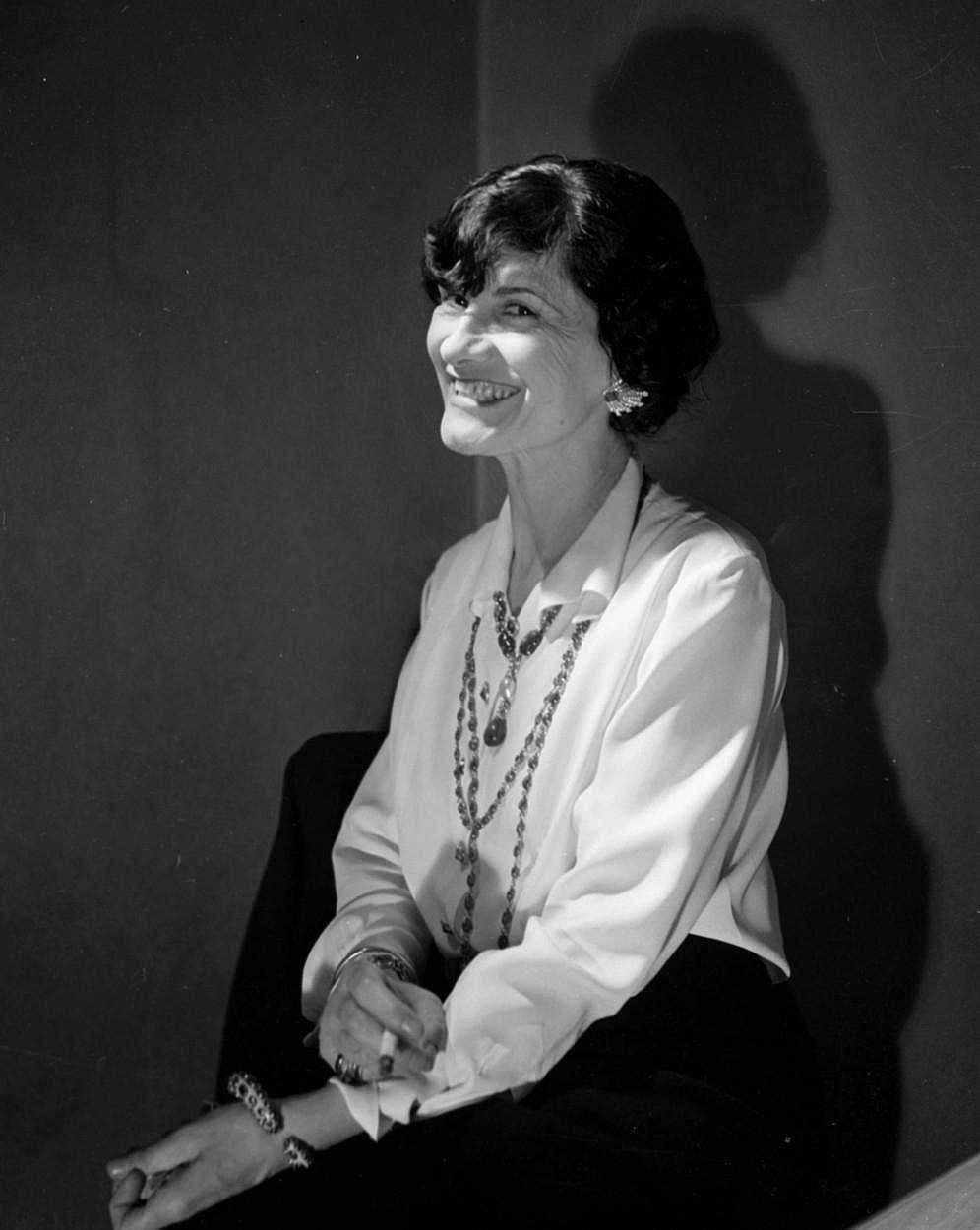
Image Credit: CHANEL

Image Credit: Zhong Lin
Across these generations, the house has demonstrated that ordinary clothing can hold extraordinary possibilities. A jersey top, a denim jacket, a tweed suit or a garment constructed from wood fragments can all become expressions of creativity when approached with imagination and skill.
For CHANEL, this has always been part of the design philosophy. Luxury is not simply a question of appearance or material value. It is found in the thought behind a garment, the craftsmanship involved in its construction and the freedom it gives the person wearing it.
Perhaps the most fitting interpretation of the 2027 exhibition is also one of Gabrielle Chanel’s most enduring ideas: that the extraordinary does not always need to consist of the extraordinary.