3 April 2026
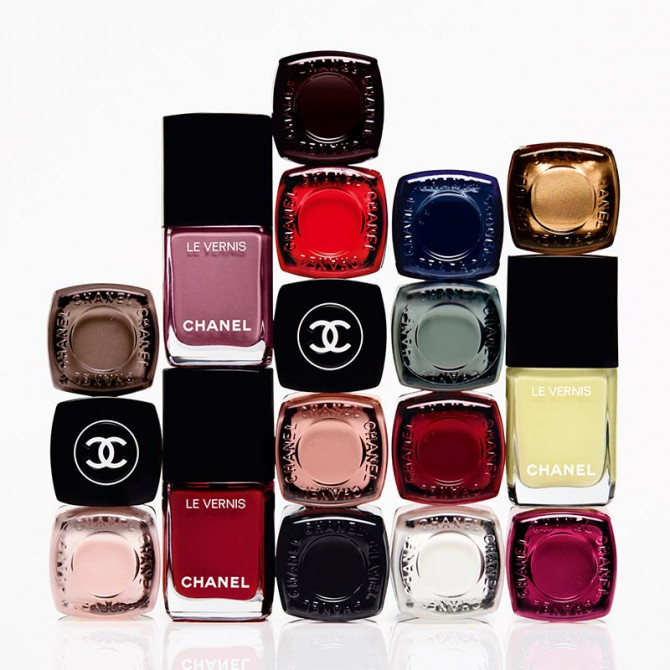
How does a bottle of nail polish transcend its category? It stops being something you wear and becomes something you know – a reference point, a shared language, a marker of a specific cultural moment that you either caught or wish you had. CHANEL does this with nail polish better than anyone else in the industry – and not by accident.
A CHANEL nail moment is a specific thing. It is not simply a popular shade or a strong seller. It is the convergence of colour, timing, and cultural mood that produces something closer to a phenomenon – a polish that sells out, spawns waitlists, generates conversation, and lodges itself in collective memory long after the season has turned. Understanding what creates these moments, and what the current season’s palette reflects about where we are right now, is its own kind of cultural literacy.
The house’s permanent collection is perhaps the clearest proof of this thesis. While limited editions get the headlines, it is the shades that have earned their place in the year-round lineup that best demonstrate CHANEL’s instinct for colour that endures. Here, three specific shades — Ballerina, Pirate, and Particulière — tell the story of how a nail polish becomes not just a product, but a position.
Image Credit: CHANEL BEAUTY
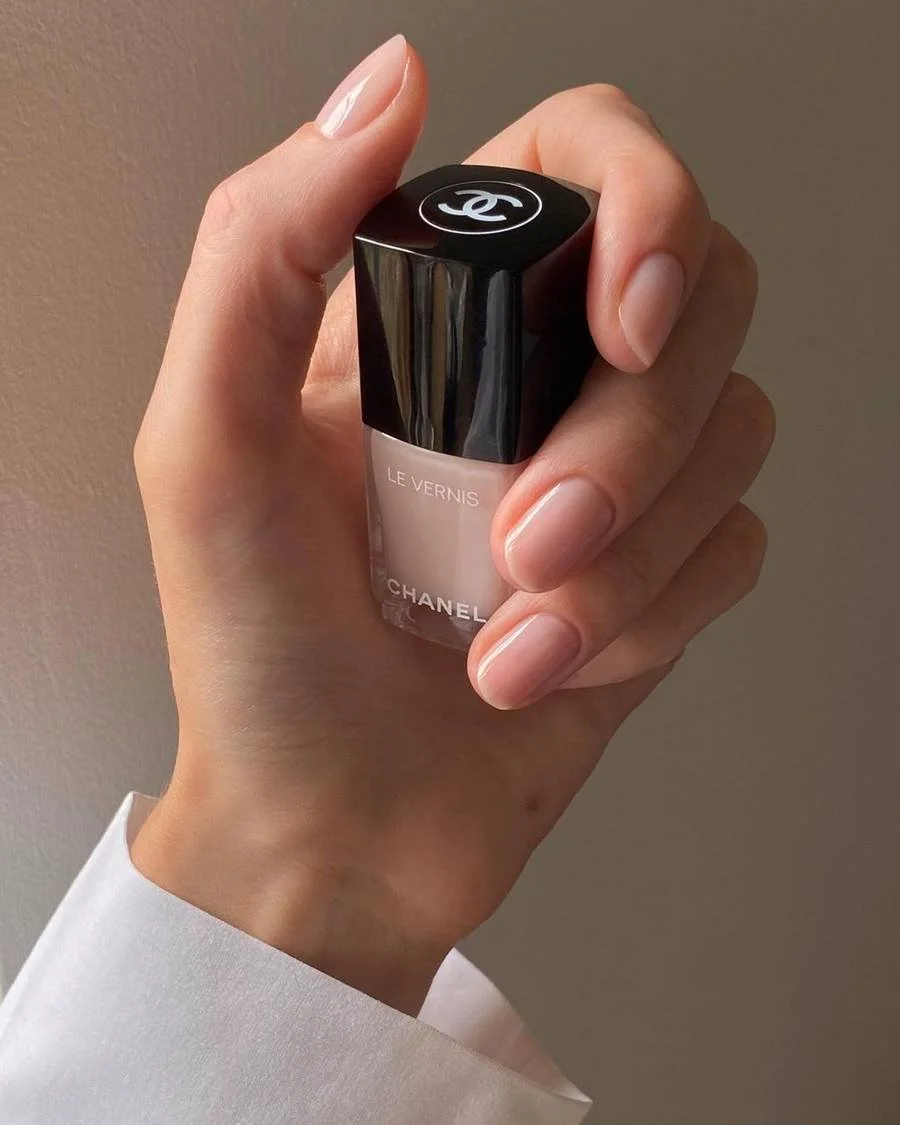
Image Credit: Harriet Westmoreland
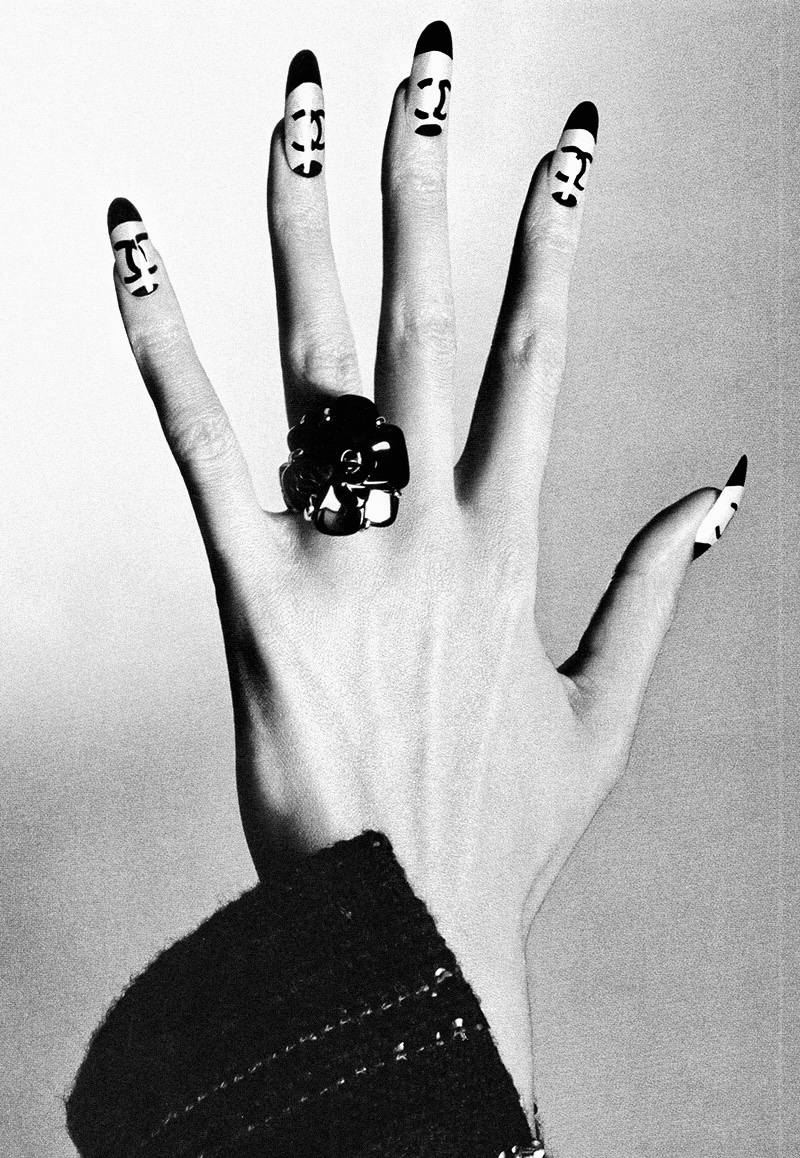
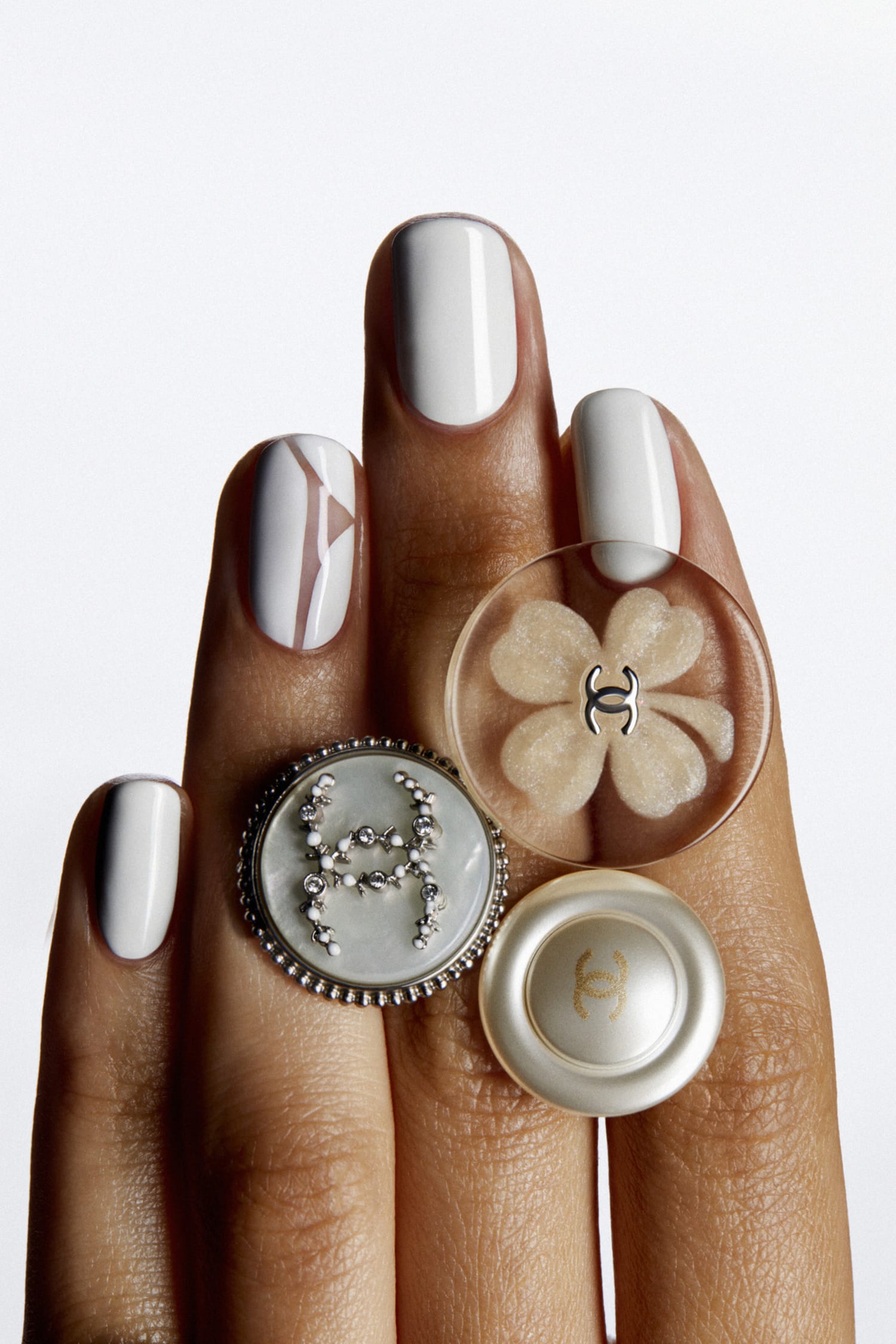
CHANEL’s nail colour has always been inseparable from the runway. Each collection’s manicure is a considered creative choice – not a background detail but a finishing touch that completes a statement. When the fashion editors and photographers turn their lenses to close-ups of the models’ hands, they are reading the nails as text. And occasionally, that text lands with the force of a headline.
The mechanism is consistent. A shade appears on the runway. The press responds. The beauty editors write it up. The retailers build anticipation. By the time the polish hits counters, a particular kind of demand has formed – not just the desire for a product, but the desire to participate in something. To be part of the moment. But the most extraordinary CHANEL nail shades achieve something beyond seasonal relevance: they become permanent. They outlast the collection that launched them, the creative director who chose them, and every subsequent trend. They become wardrobe staples in their own right.
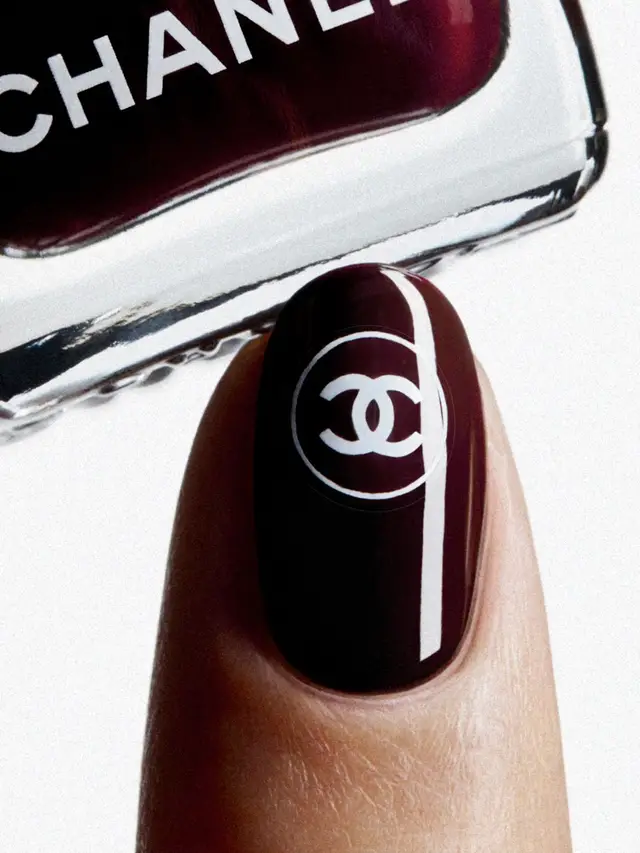
Image Credit: CHANEL BEAUTY
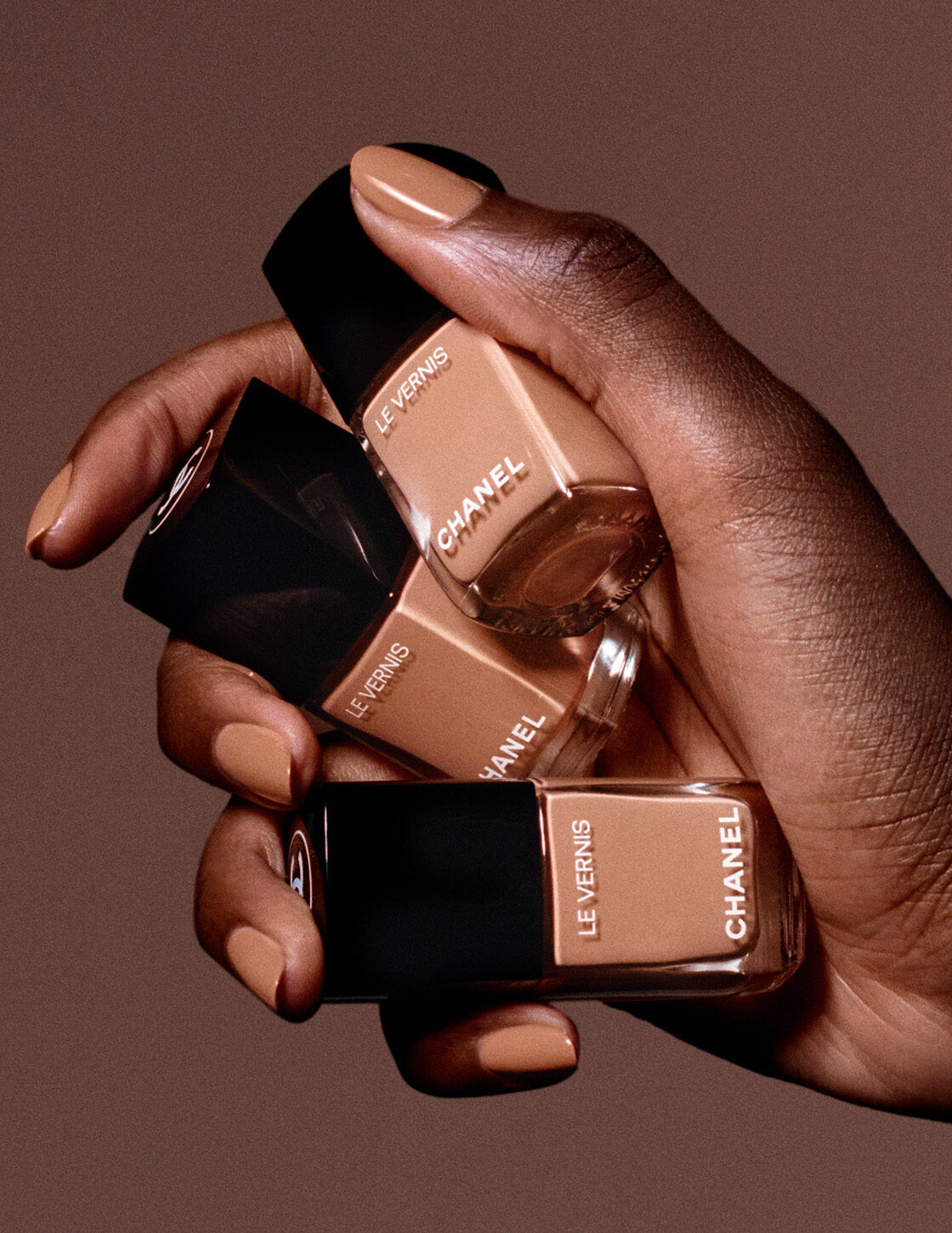
Image Credit: CHANEL BEAUTY
Any serious account of CHANEL’s nail legacy has to grapple with the question of permanence. What makes a shade a classic rather than simply a hit? The answer lies in looking at three polishes that have proven the point across decades, skin tones, and every shift in beauty culture that has come and gone in the meantime.
A sheer, milky pink that sits at the precise point between invisible and luminous. One coat leaves nails looking naturally perfected; two or three build to a soft, glowing opacity that flatters every skin tone without overpowering it. Celebrity manicurists cite it as one of the two shades they replace most often in their kits – the other being Rouge Noir. It requires no occasion. It simply always works.
Ballerina is the hardest kind of shade to get right: the kind that appears to do nothing and actually does everything. A bad sheer pink looks washed out or clinical. Ballerina hits a note that is simultaneously clean and warm. The pink of healthy nails taken slightly further, made more deliberate, given an expensive finish. The fact that it reads differently depending on the hand – cooler on some skin tones, warmer on others, almost nude on some and softly pink on others – is not an accident. That variability is the feature.
Its cultural moment is different in nature from the splash-and-sell-out stories attached to darker, more dramatic shades. Ballerina did not arrive with a waitlist or a headline. It arrived as an answer to a question that was not yet being asked out loud: what is the best possible version of the nail that looks like you simply have very good nails? In the years since, that question has become one of beauty’s dominant preoccupations – the bare manicure trend, the no-makeup makeup nail, the obsession with skin-matching neutrals all trace a direct line back to the kind of non-colour that Ballerina perfected long before any of them had a name.
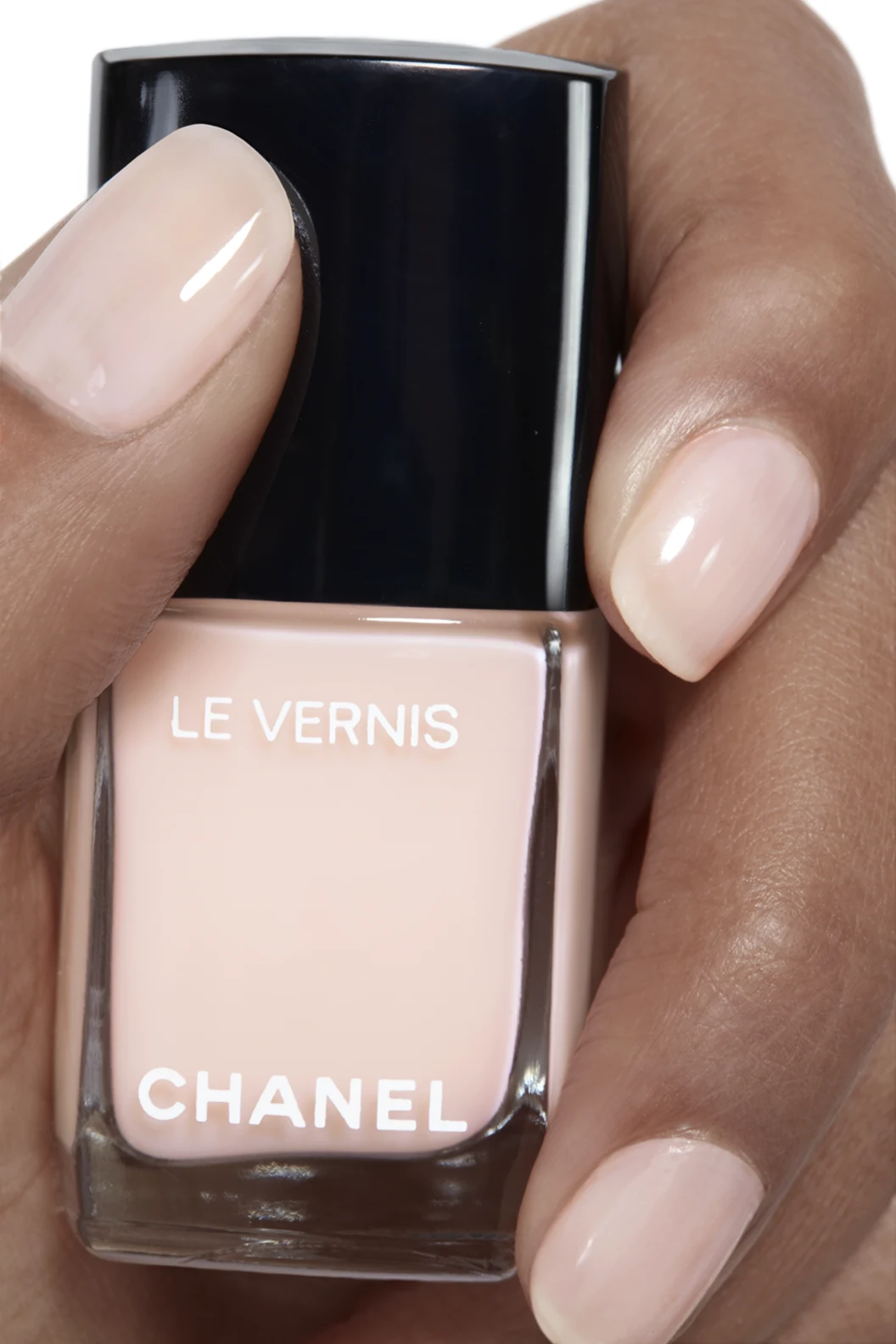
Image Credit: CHANEL BEAUTY
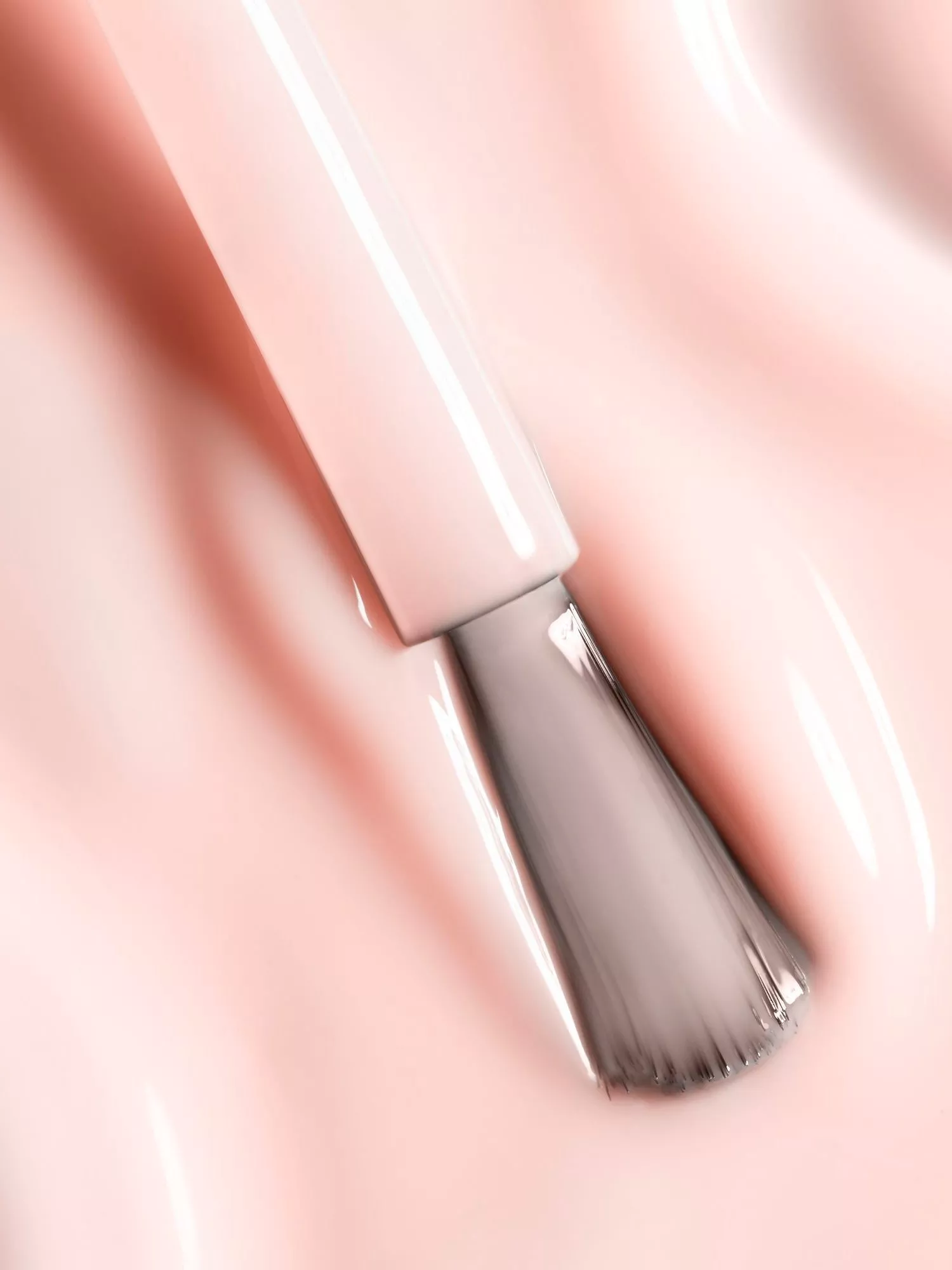
Image Credit: CHANEL BEAUTY
A cool-toned, blue-based red with a rare jelly finish – translucent and deep at once, with an inner luminosity that a creme polish cannot replicate. First introduced as part of the Rouge Allure Velvet collection in 2011, it returned in the reformulated Le Vernis Longwear line because nothing that came after it quite replaced it. It does not shout. It commands.
Red nail polish is arguably the most crowded category in beauty. Every brand makes one; most make several. The question a CHANEL red has to answer is not whether it is a good red but whether it is THE red – the one that contains all the authority and none of the effort of a statement manicure.
Pirate answers this in a specific and interesting way. It is not the brightest red in the range, nor the deepest, nor the most classic. What it is, is exact. The blue-toned base gives it a coolness that reads as sophisticated rather than simply dark, while the jelly formula provides a depth that catches light differently from a standard creme – you see into it, slightly, the way you see into a garnet or a glass of Burgundy. That quality is what separates it from its many imitators. Duplicate the colour and you have a red. Duplicate the formula and the undertone and the particular way it builds across coats, and you might approach what Pirate actually is.
Its position as a permanent shade is both deserved and instructive. Red nails have meant different things in different eras – Hollywood glamour, feminist provocation, boardroom authority, seasonal tradition. Pirate has remained the right red across all of them, which tells you something about the precision of its formulation. It is not a red that belongs to any specific mood. It is the red that a certain kind of woman reaches for when she wants to feel entirely herself.
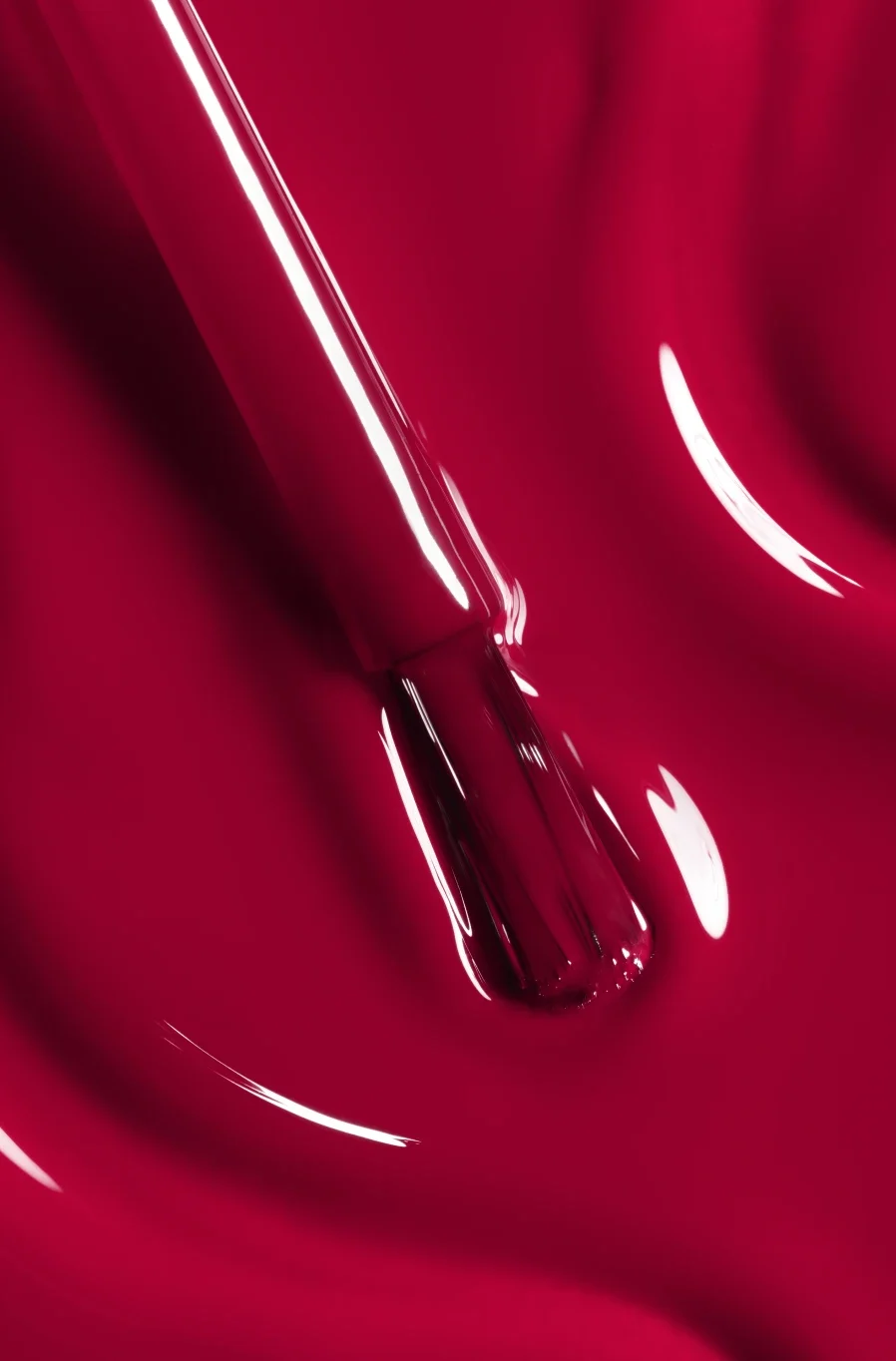
Image Credit: CHANEL BEAUTY
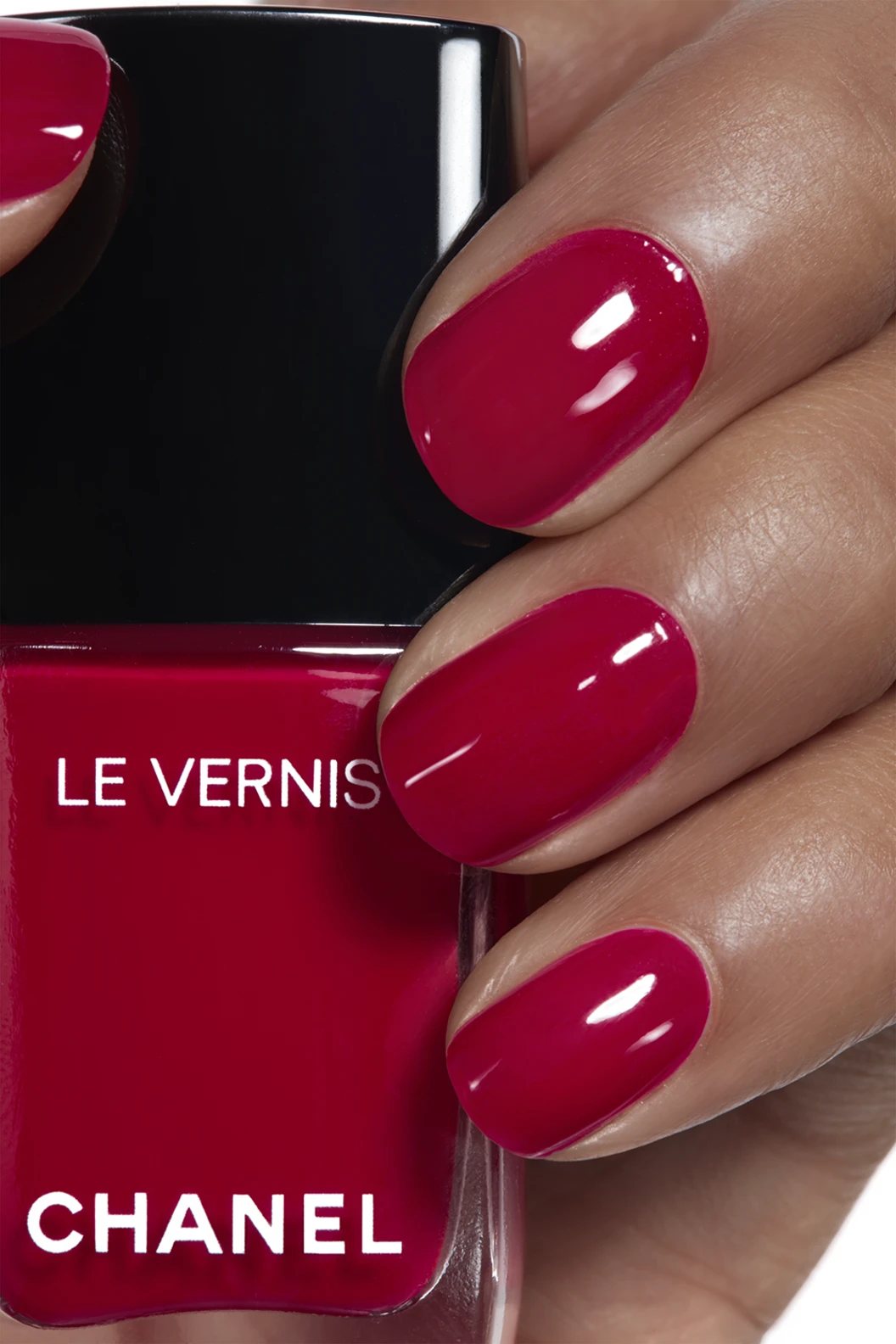
Image Credit: CHANEL BEAUTY
A muted, complex taupe – the precise intersection of grey, brown, and beige, sitting closer to mushroom than to any one of its component shades. Introduced for Spring/Summer 2010 and sold out before most people had even heard the name. The taupe nail trend it sparked lasted years. The shade itself never left the permanent collection – because what followed it, however well-intentioned, was never quite it.
Particulière arrived at a specific cultural moment: the years immediately following the 2008 financial crash, when the maximalism of the mid-2000s was receding and something quieter, more considered, was forming in its place. Minimalism had not yet become the dominant aesthetic conversation, but the conditions were assembling. A nail shade that was emphatically not red, not pink, not black – that was instead the colour of a very good cashmere – landed perfectly in that emerging mood. It was luxury that did not announce itself. It was elegance that required a certain knowledge to recognise.
The shade also demonstrated something important about CHANEL’s colour intelligence: Particulière is not a neutral in the sense of being safe or unremarkable. On the nail it reads differently on every skin tone – warmer, cooler, more mushroom or more mauve depending on the hand. It is a shade that rewards attention, which is precisely why it could not simply be duped. The dozens of taupe polishes that followed in its wake – and there were dozens – all shared its general territory without ever capturing its specific character. That gap is the measure of how precisely it was made.
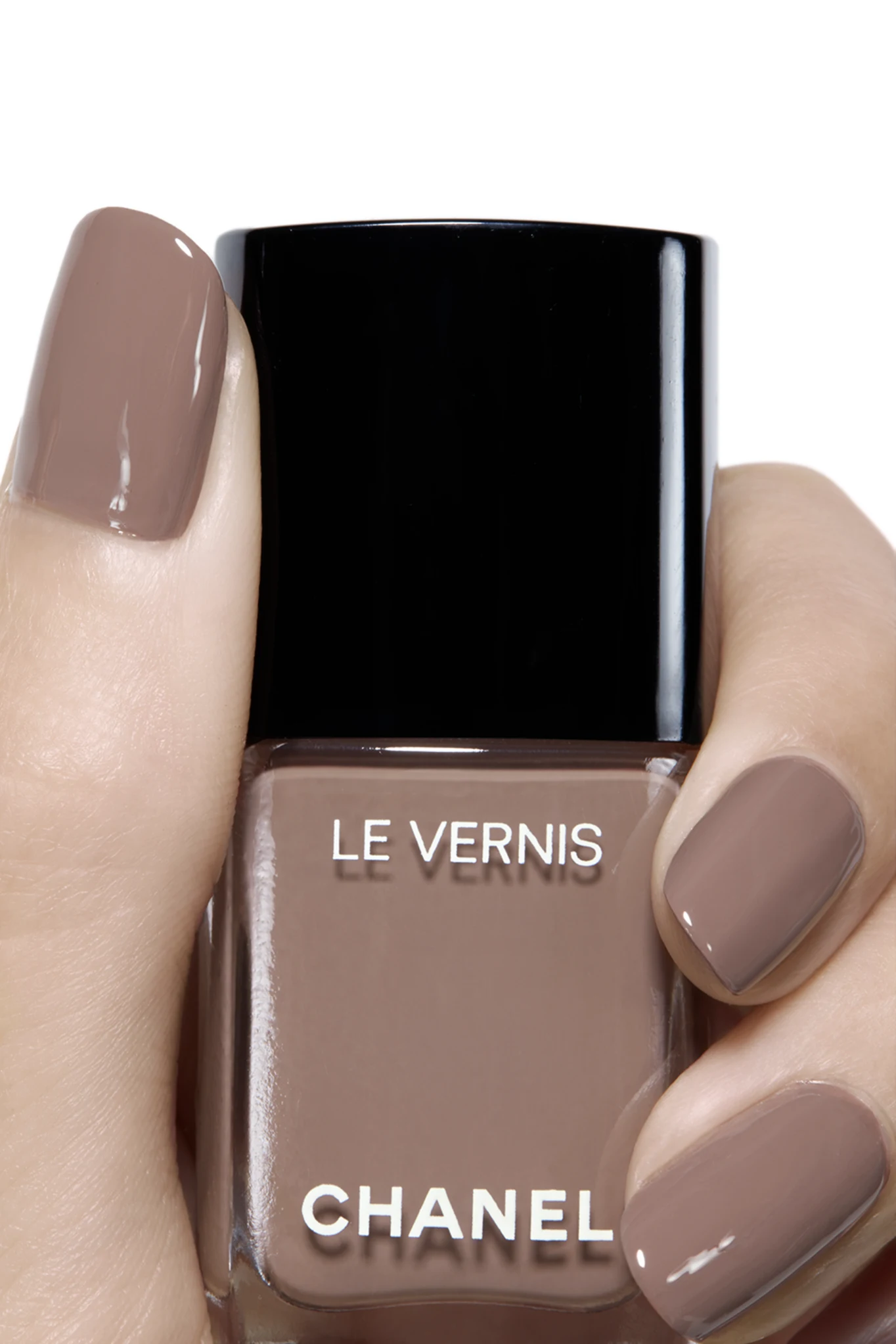
Image Credit: CHANEL BEAUTY
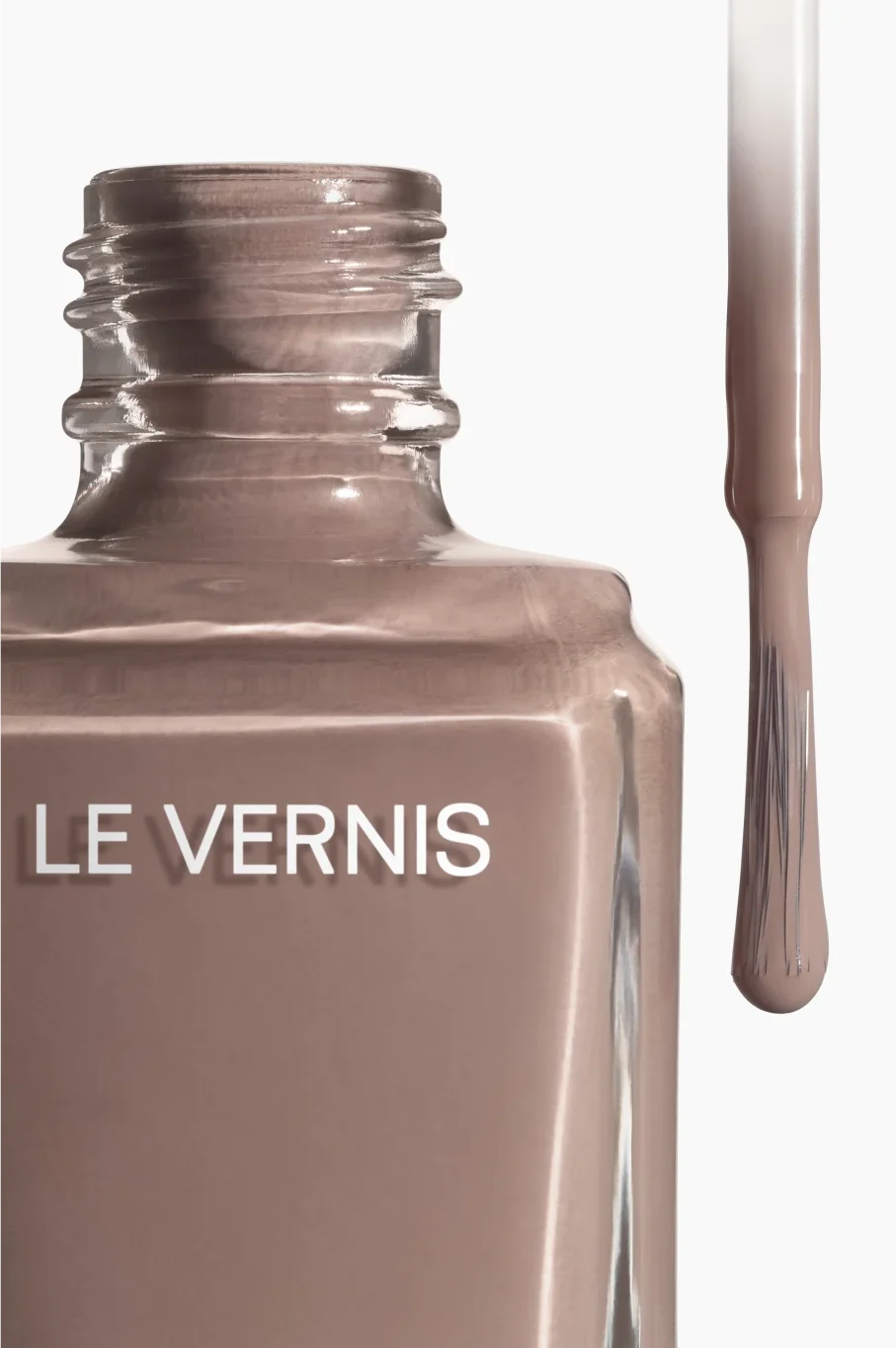
Image Credit: CHANEL BEAUTY
Looking across Ballerina, Pirate, and Particulière, and the handful of others that have achieved comparable cultural status in CHANEL’s history, certain patterns emerge. The most iconic CHANEL nails have always been shades that the market did not know it wanted. They are not responses to existing demand; they are provocations that create new demand, or that name a desire that was already present but unarticulated.
There is also always an element of precision that resists duplication. Ballerina’s variability across skin tones. Pirate’s jelly depth. Particulière’s exact address on the colour spectrum. Each of these details is what separates an icon from a hit. A hit can be copied. An icon can be approached but never quite reached.
Image Credit: CHANEL BEAUTY
Image Credit: @maison.de.chanel
Finally, and perhaps most significantly, the shades that stay are the ones that prove useful across the full range of a life – not just the special occasion, not just the season, not just the decade. Ballerina works at a wedding and on a Wednesday. Pirate is right in January and in July, dressed up and dressed down. Particulière travels from the boardroom to the weekend without adjustment. That universality, that refusal to be confined to a single context, is the last and most important thing that separates the permanent collection from everything else.
Ballerina, Pirate, and Particulière have each earned their permanence differently.. Together they form a kind of argument about what CHANEL nail polish actually is: not a trend delivery mechanism, but a long-term conversation with the women who wear it, conducted in colour, one careful shade at a time.
Find these shades and so many more at CHANEL.COM