
13 March 2026
– Oriole Cullen, the V&A’s curator of modern textiles and fashion and curator of the museum’s Gabrielle Chanel. Fashion Manifesto exhibit.
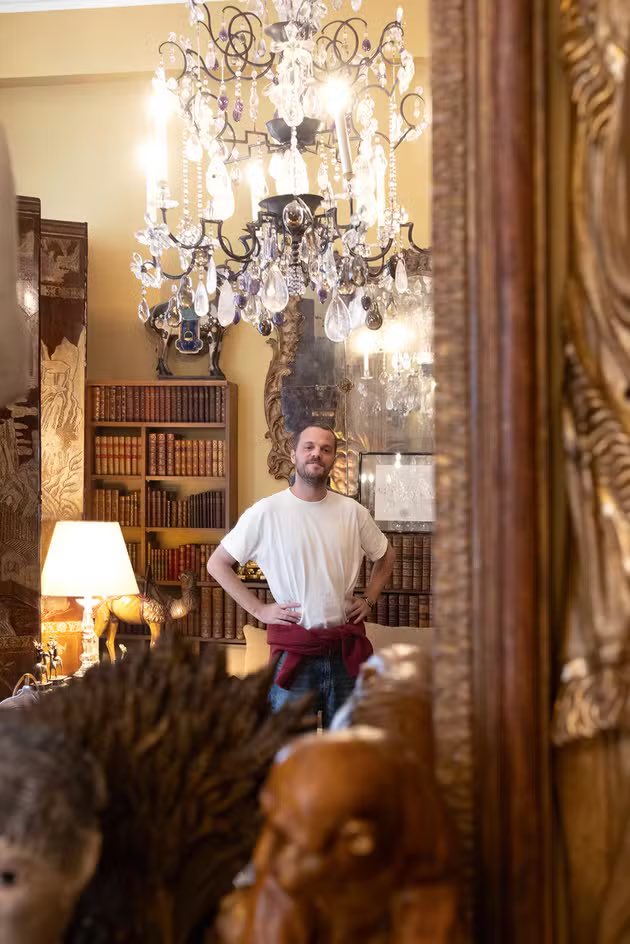
There is a particular kind of courage in telling the world it is wrong. Gabrielle Chanel had this courage in abundance. She rejected excess, obedience, and display through the cut of a jacket, the absence of a corset, the decision to wear a dress made of jersey to a dinner party. And nearly a century after her death, this refusal remains the invisible architecture of the house that carries her name. It is also, increasingly, the lens through which Matthieu Blazy – appointed Artistic Director in December 2024 and only the fourth person to hold the role – is choosing to see his extraordinary inheritance.
To understand what Blazy is building, you first have to understand what Gabrielle Chanel was tearing down.
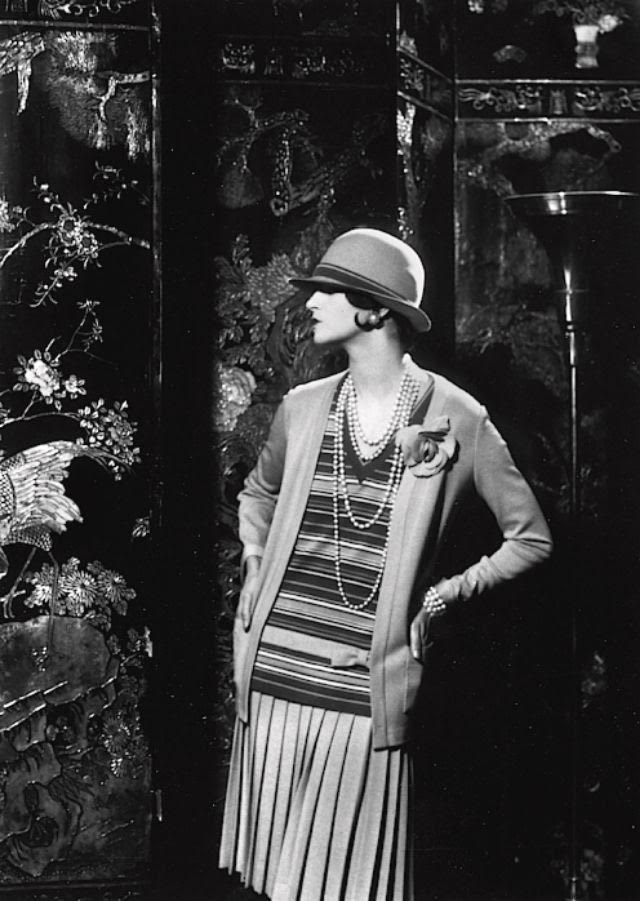
1926, GRANGER Historical Picture Archive
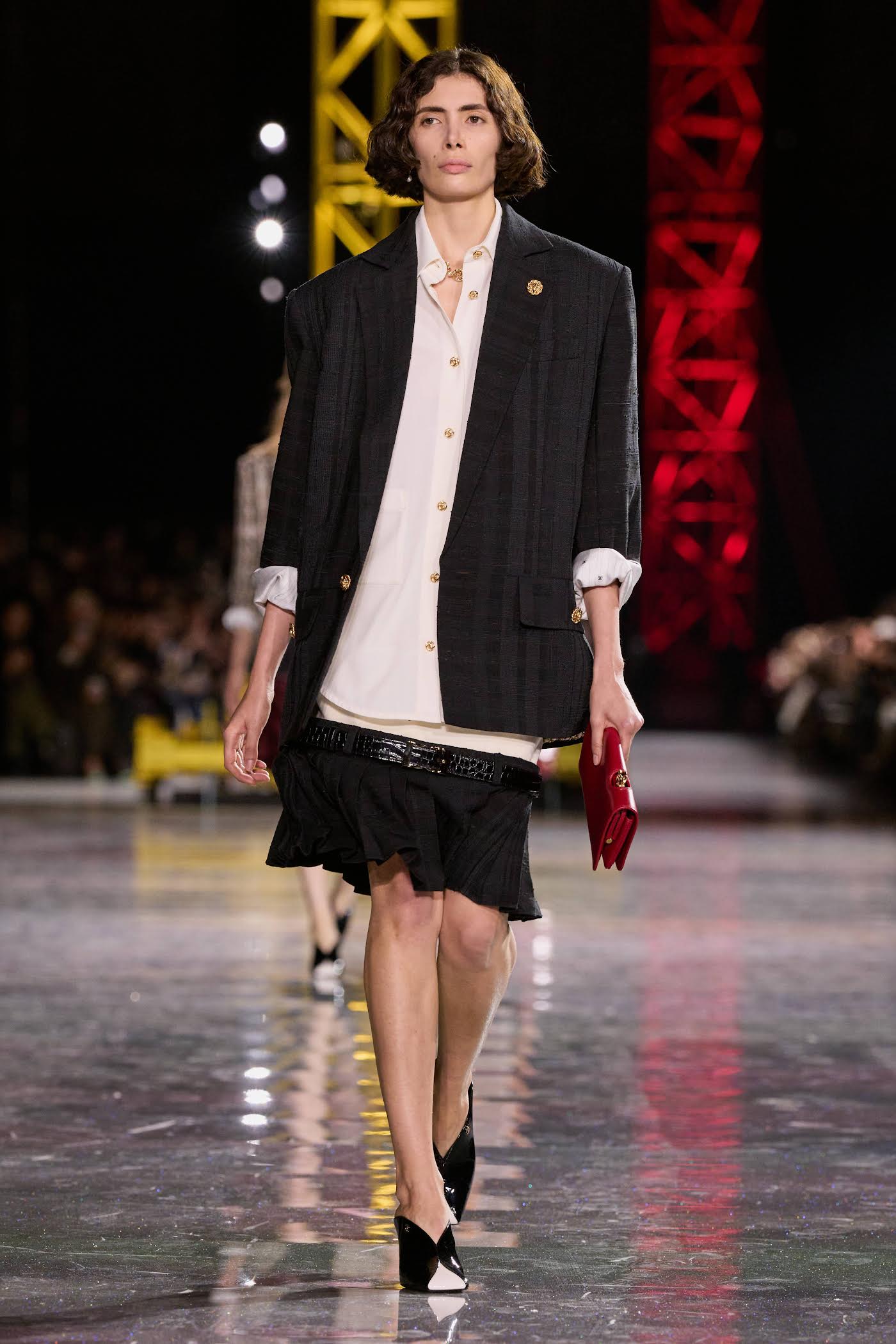
CHANEL, F/W 2026 RTW
Chanel arrived at fashion not through its establishment but through its negation. Early 20th-century fashion was a theatre of suffering: whalebone corsets that rearranged internal organs, skirts so weighted and layered they made walking laborious, hats so extravagant they required scaffolding. Women dressed in the image of men’s desire and men’s authority – draped, padded, and restricted into a specific and demanding silhouette.
Chanel said no.
She borrowed from the wardrobes of the men around her – the cardigan of Arthur Capel, the striped jerseys of sailors she observed in Deauville – and made them radical by putting them on a woman’s body, stripped of decoration and returned to function. Where fashion demanded excess, she delivered restraint. Where society demanded ornament, she offered elegance. Her now-famous maxim, “elegance is refusal,” was not a stylistic preference – it was a philosophy of power. To refuse the unnecessary was to claim authority over yourself.
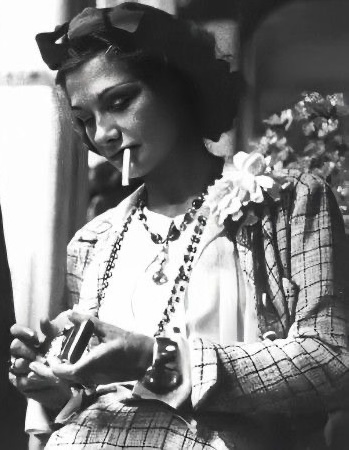
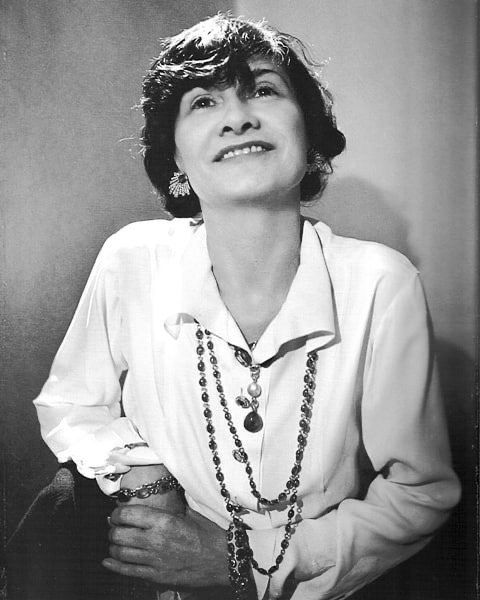
Coco Chanel, 1930's

CHANEL, S/S 2026 RTW
This refusal extended beyond clothing into the very grammar of how a woman could move through the world. The little black dress, which she introduced in 1926, was a direct subversion – black had been the colour of mourning, of servants, of invisibility. Chanel made it the uniform of modern sophistication. She democratised luxury by using humble materials, jersey and cotton among them, and made costume jewellery – faux pearls worn unapologetically alongside couture – not a compromise but a declaration. She didn’t dress women down. She dressed them into themselves.
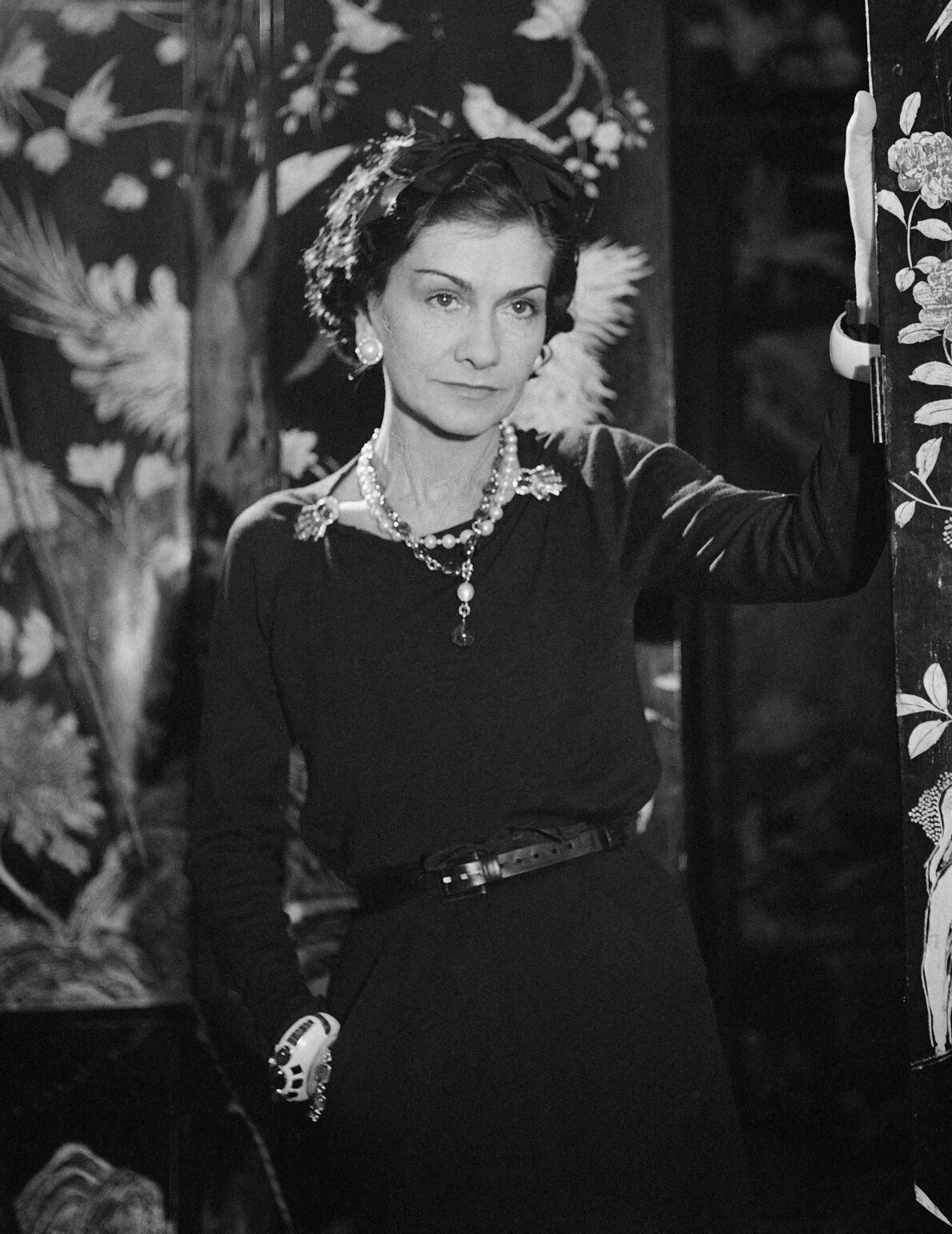
Coco Chanel, Photo by Lipnitzki
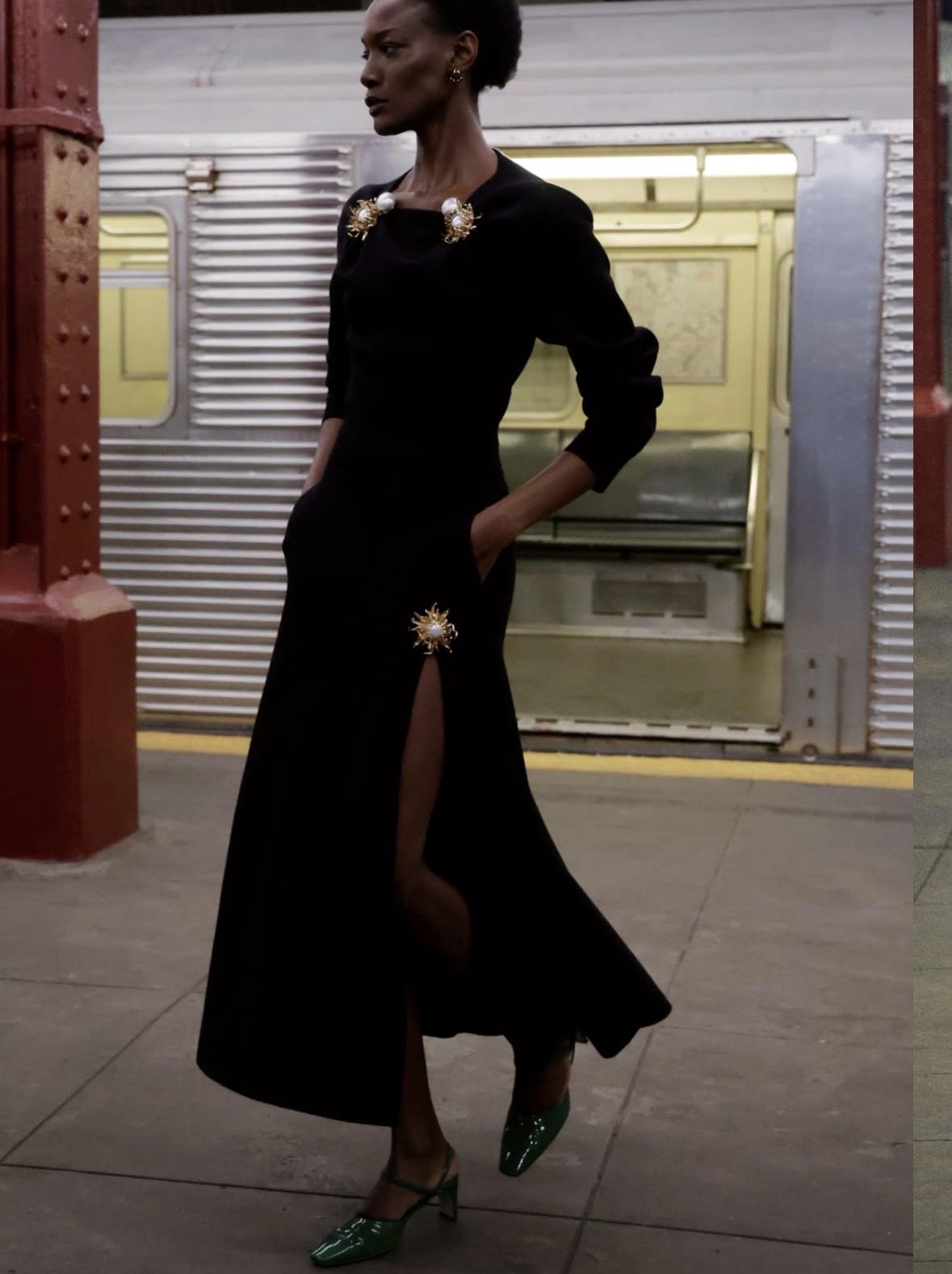
CHANEL, Métiers d'Art 2026
What made Chanel genuinely radical was not just what she rejected but the absolute confidence with which she trusted her own eye. In an industry governed by male couturiers, by the theatrical spectacles of Worth and Poiret, she operated entirely on instinct – and her instinct was almost always correct, even when the world hadn’t caught up yet.
She understood before most that fashion’s greatest enemy was its own self-importance. “Fashion should die and die quickly, in order that commerce may survive,” she said, with a sharpness that still cuts. She was dismissive of nostalgia, contemptuous of excess, and deeply, fiercely attuned to the lives women were actually living – working, moving, having opinions. Her clothing was not designed for a woman to be looked at. It was designed for a woman who had somewhere to be.
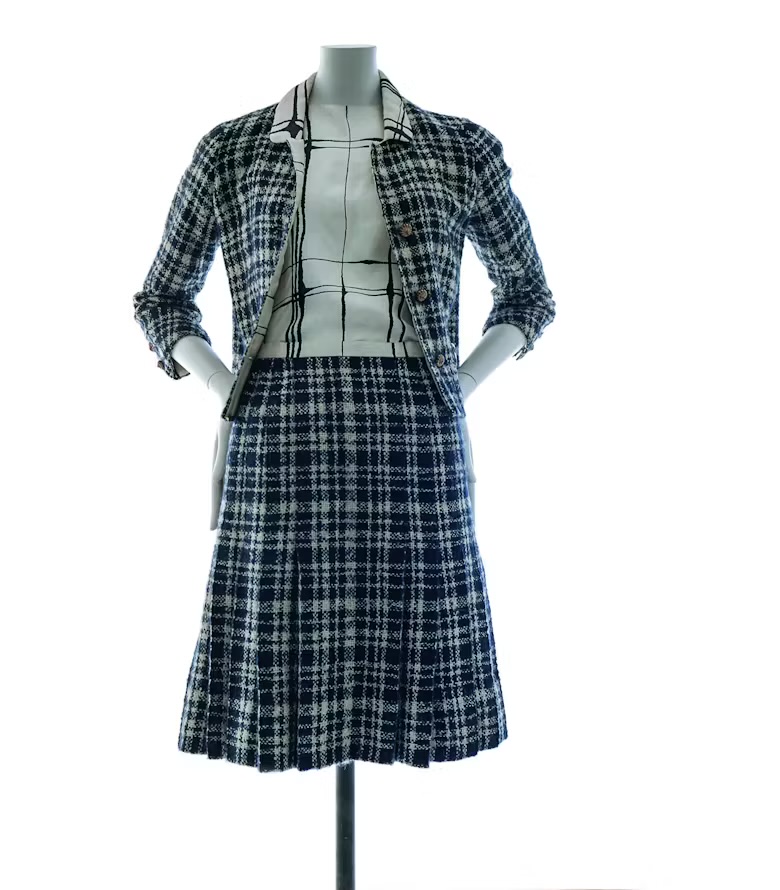
S/S 1964, Photo by Julien T. Hamon
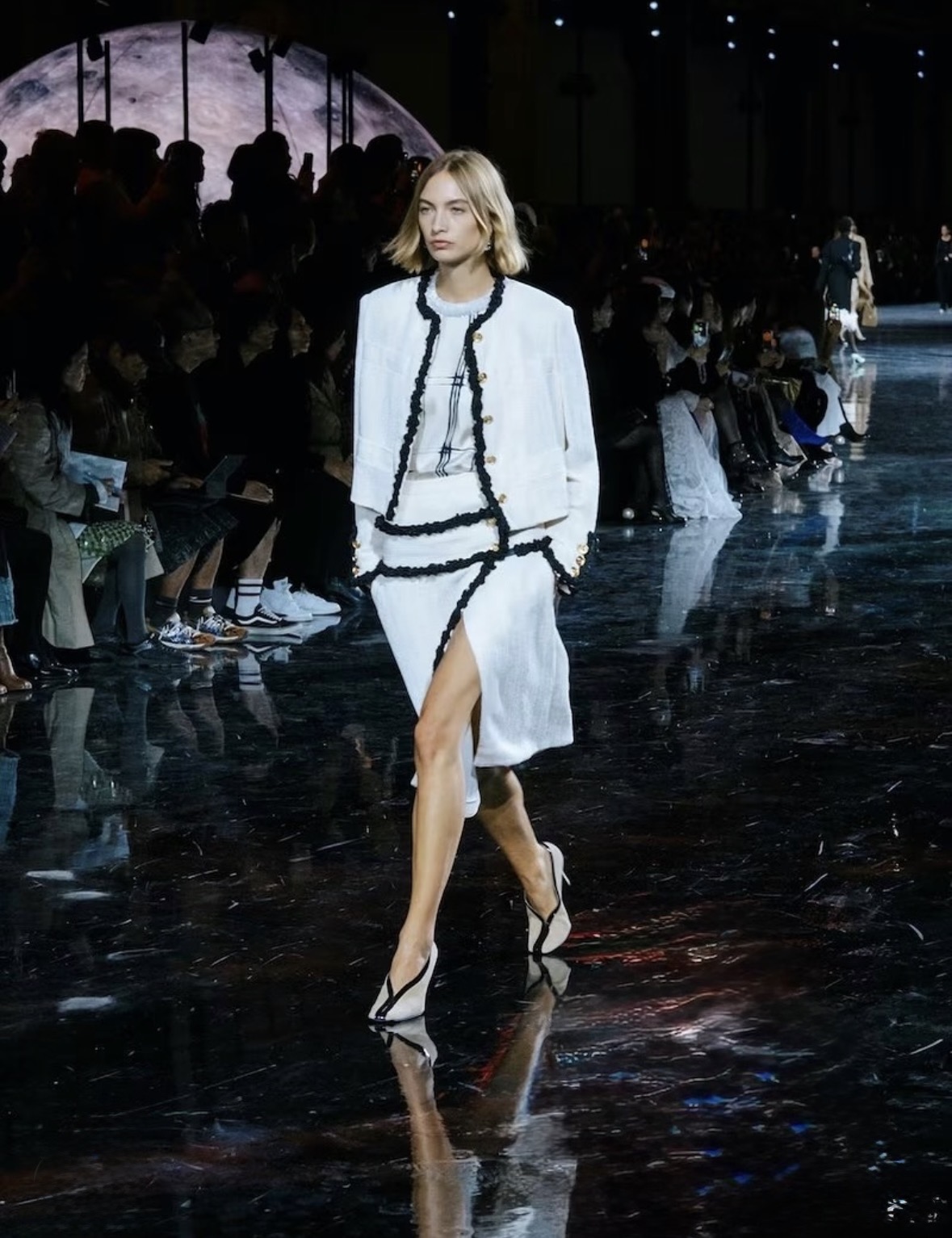
CHANEL, S/S 2026 RTW
That clarity of instinct was hard-won, not inherited. Chanel built her brand from almost nothing – from a modest millinery shop on Rue Cambon to the defining house of an era – and every decision she made was her own, unmediated by committee, by tradition, or by the approval of peers. She had no precedent to follow, so she followed herself. That self-trust, worn as naturally as the pearls she popularised, is the most radical thing she ever did.
When Matthieu Blazy presented his debut collection for the house — the Spring/Summer 2026 Ready-to-Wear, shown at the Grand Palais in October 2025 beneath an extraordinary set of glowing planets – he framed it explicitly as a dialogue with Gabrielle Chanel herself. Not a tribute, not an homage, but a conversation. That distinction matters enormously.
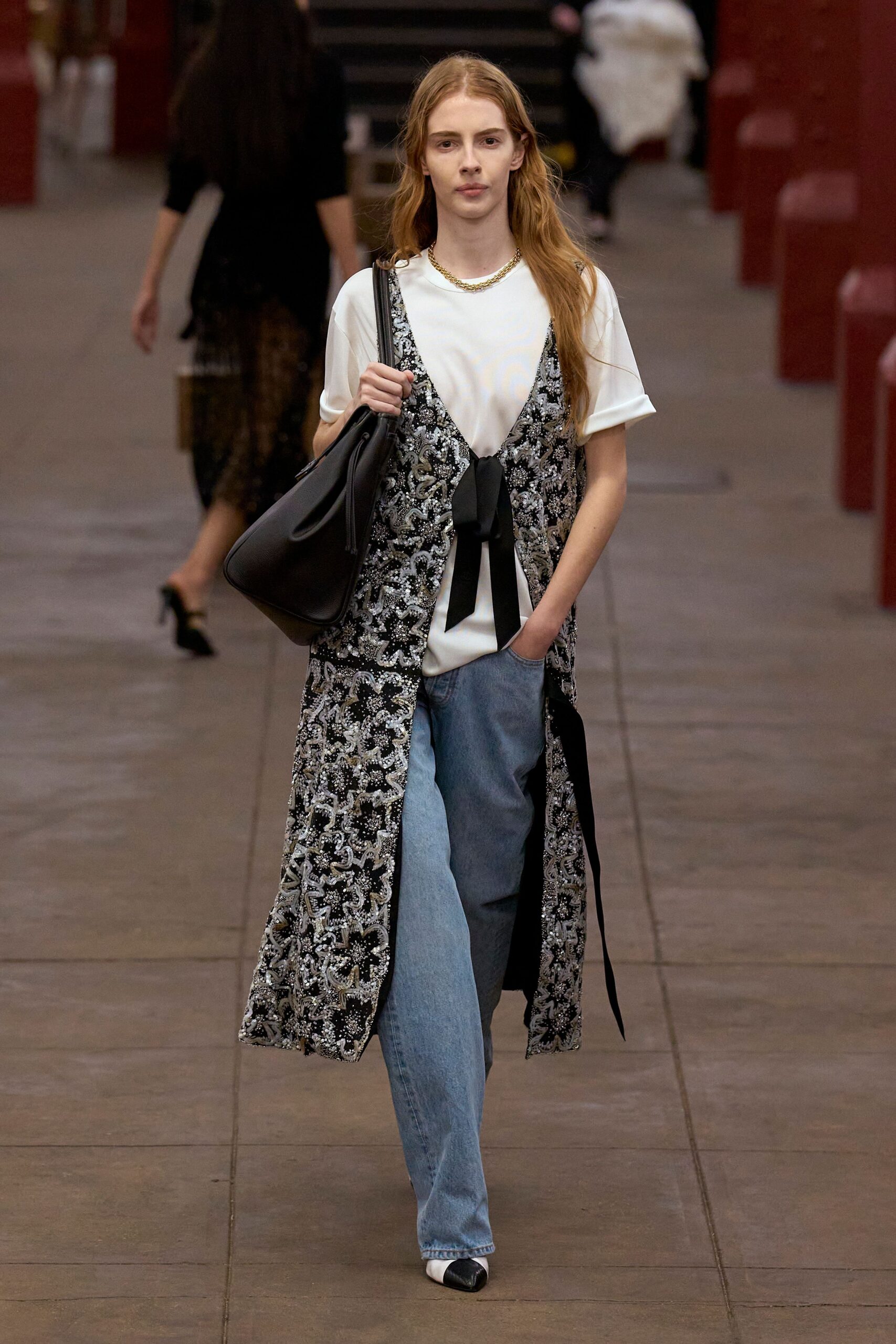
CHANEL, Métiers d'Art 2026
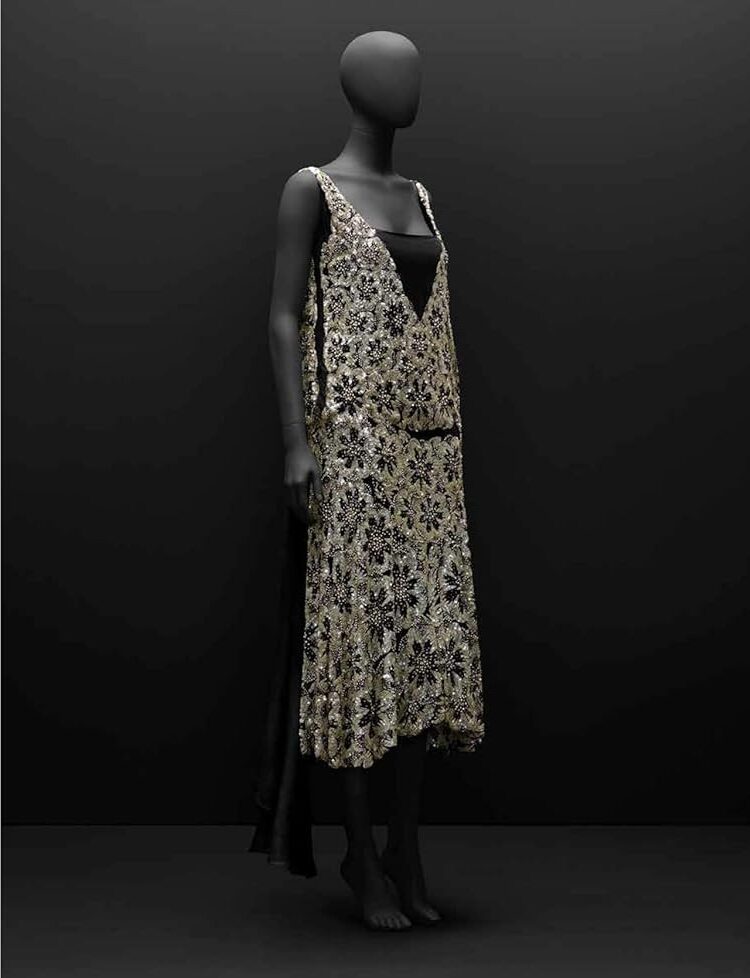
1928, Photo Courtesy of V&A Museum
The collection was presented as a three-part conversation between the new Artistic Director and the house’s founder, centred on what Blazy called the ultimate inheritance: the freedom worn and won by women through a wardrobe where functionality is never separate from seduction. Raw-edged suit jackets borrowed from menswear. Trousers cut with precision. The iconic 2.55 bag presented with its burgundy lining exposed – as said by Blazy, “crushed, but also loved. It’s something that resists the test of time”.
This is where Blazy’s instincts and Chanel’s philosophy converge most compellingly. He is not quoting the house. He is questioning it in the same spirit with which its founder built it – by asking what is truly necessary, and removing everything that is not.
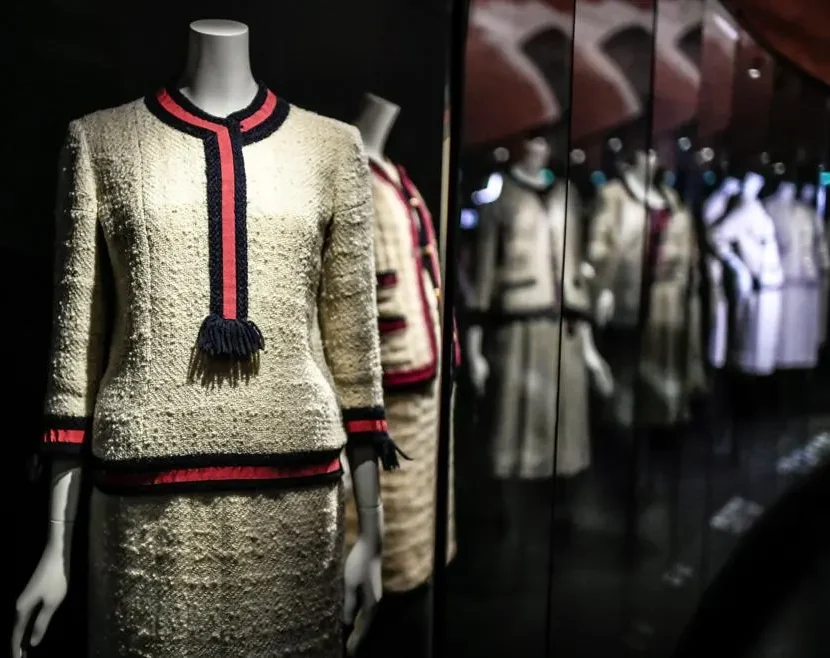
F/W 1960, Photo by Stephane de Sakutin
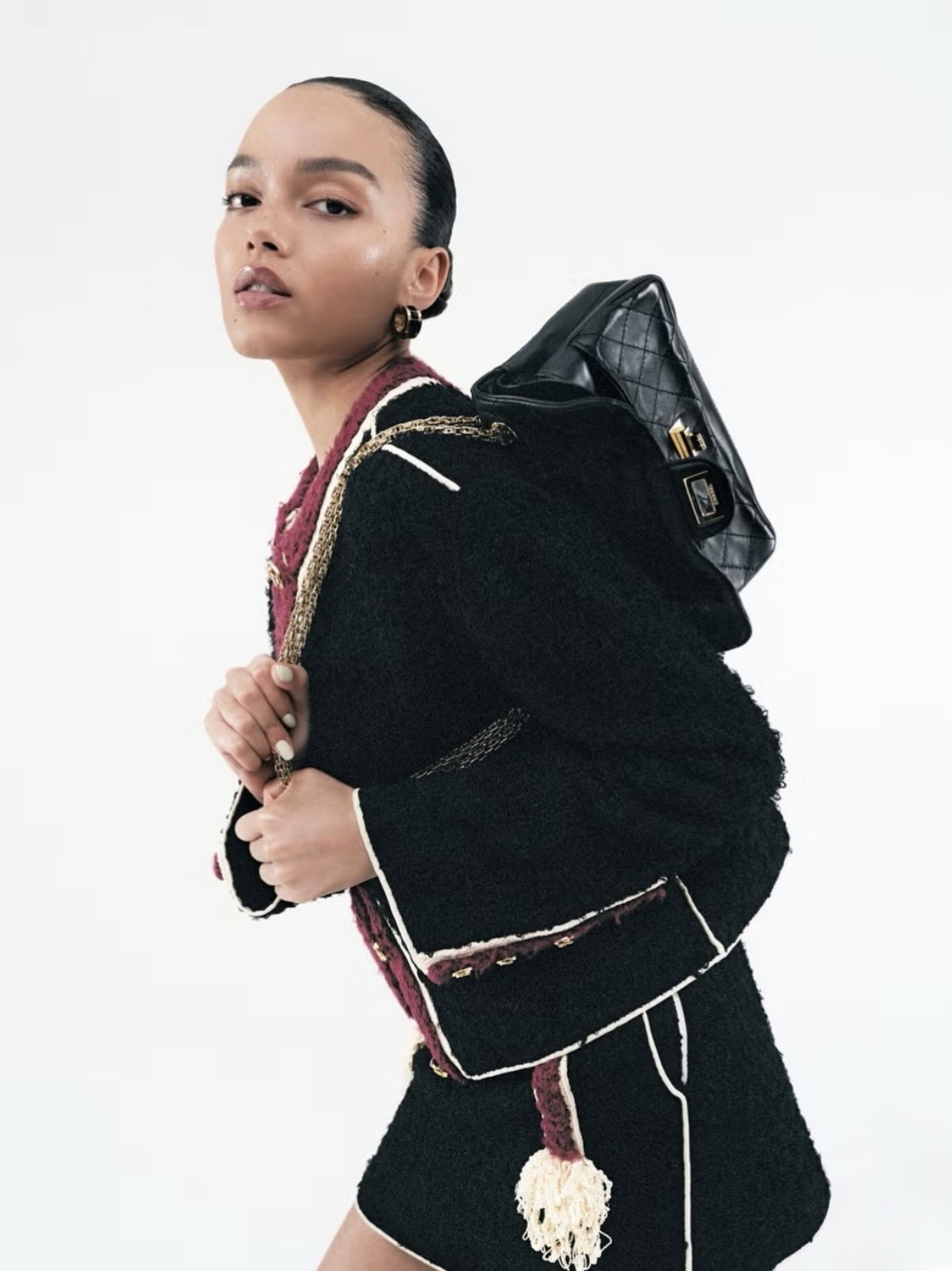
Photo by Coni Tarallo, S/S 2026 RTW
Nowhere is this more apparent than in Blazy’s approach to haute couture. For his first couture collection, he leaned into Chanel’s maxim that elegance is refusal and set himself a challenge: to telegraph the brand without relying on its habitual signifiers. His first look – a nude chiffon version of the classic CHANEL suit – felt almost like a ghost of the original. He wanted to see whether, when you strip away the tweed and the jewelled buttons, the essence remains. It does. And in proving that, he did something Gabrielle Chanel would have understood immediately: he tested whether the idea was strong enough to survive without its costume.
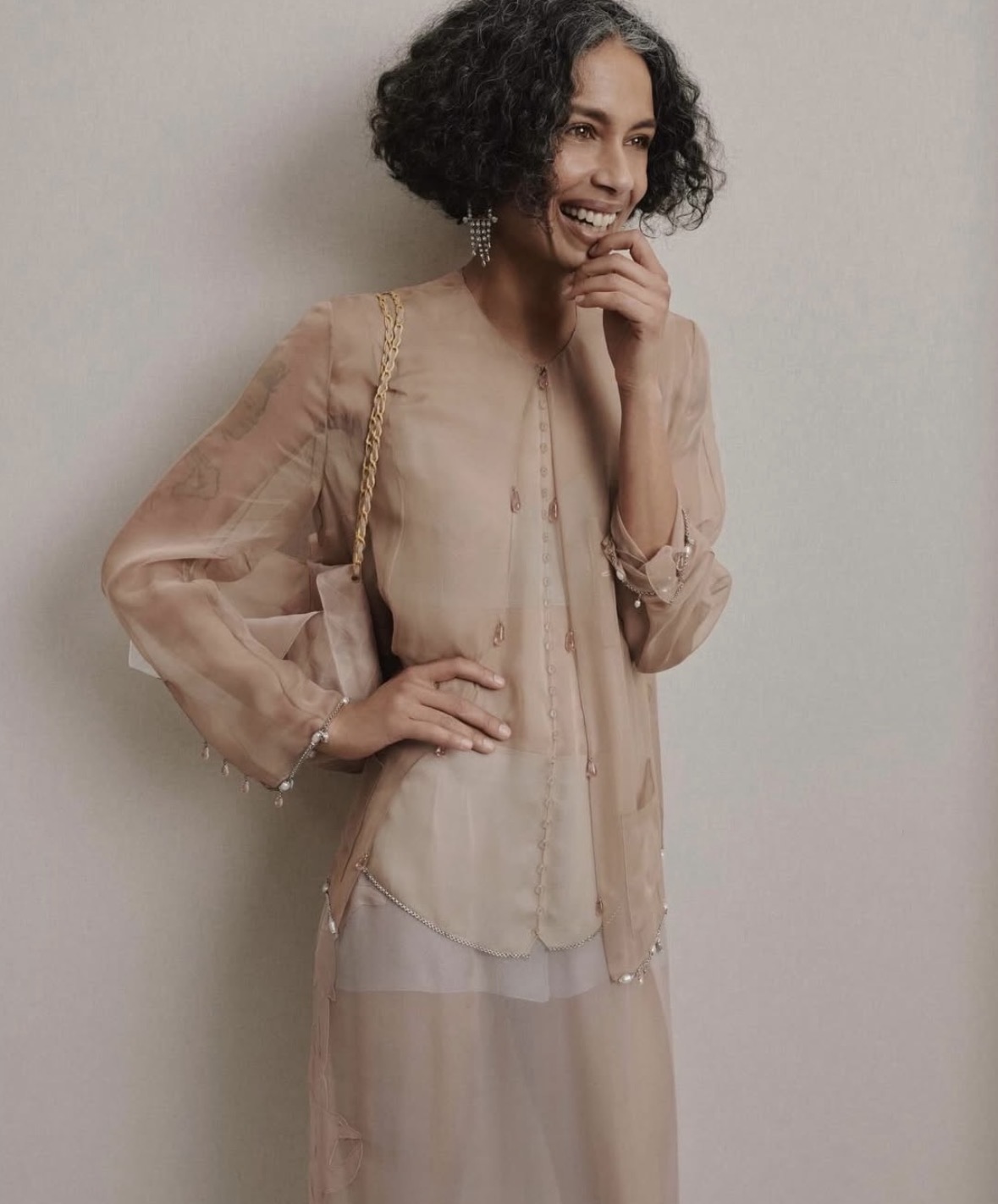
Photo by Indigo Lewin, S/S 2026 Couture
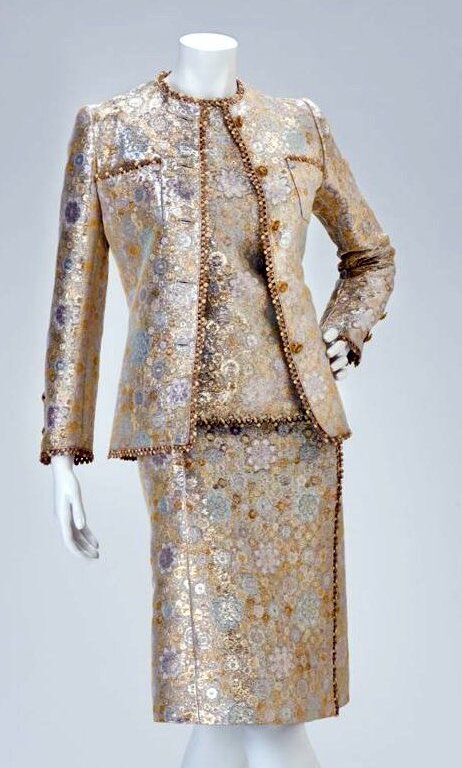
1965, Photo Courtesy of Indianapolis Museum of Art
This is the purest form of her philosophy in practice. Chanel didn’t build icons by revering them – she built them by understanding their function so completely that they transcended decoration. The little black dress wasn’t iconic because it was elaborated. It was iconic because it was pared back to something irrefutable. Blazy is performing the same surgery on the house codes with the same faith that what lies beneath is worth finding.
He was interested in Chanel’s use of humble materials – jersey and cotton – so he had jackets and coats made from crushed or woven raffia. A sheer woven fabric was embroidered with black and white feathers to evoke the texture of tweed, while artisans collaborated on textiles with surface effects woven in. The spirit of the material, not its literal repetition. The echo, not the original note.
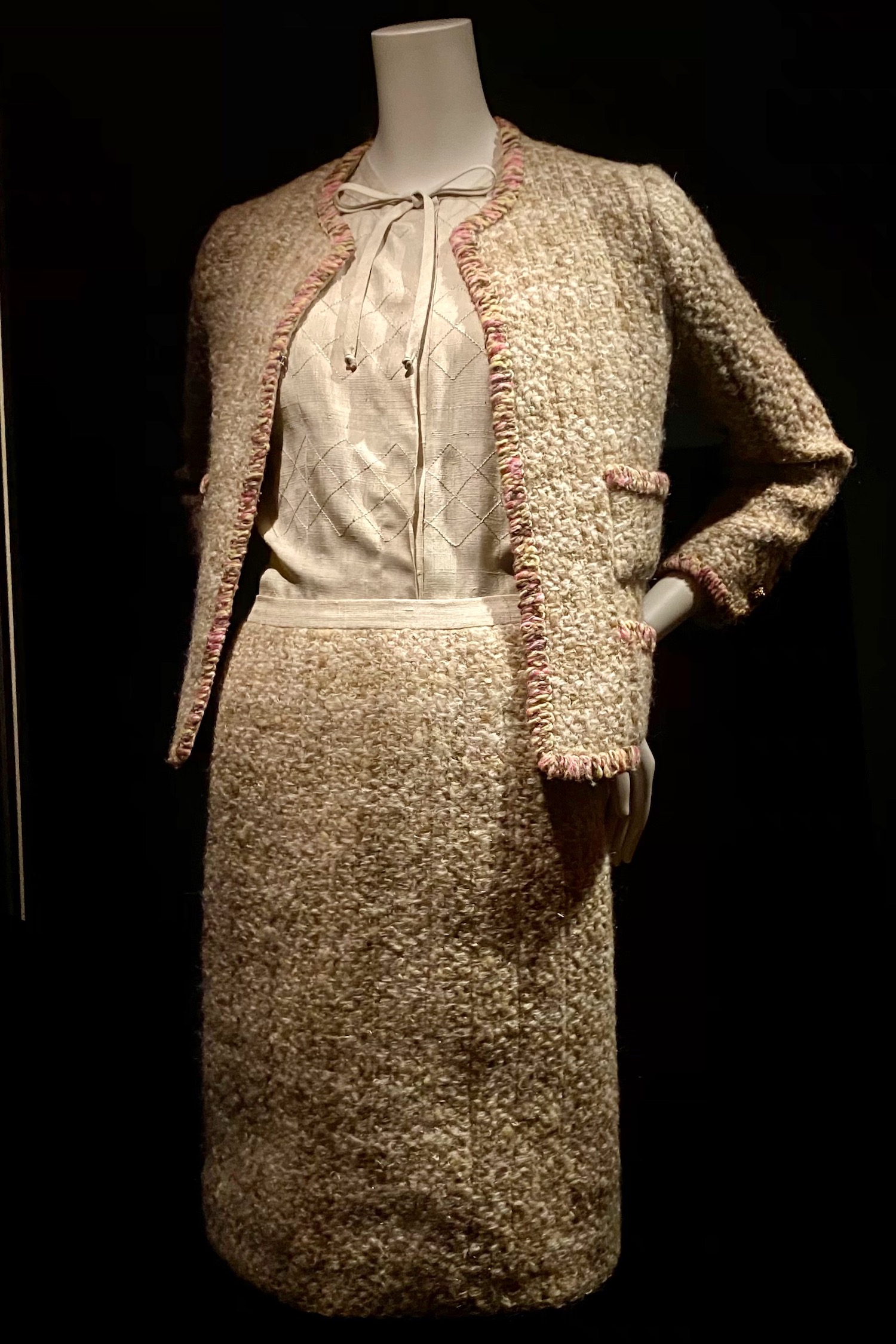
Photo by Landen Kerr
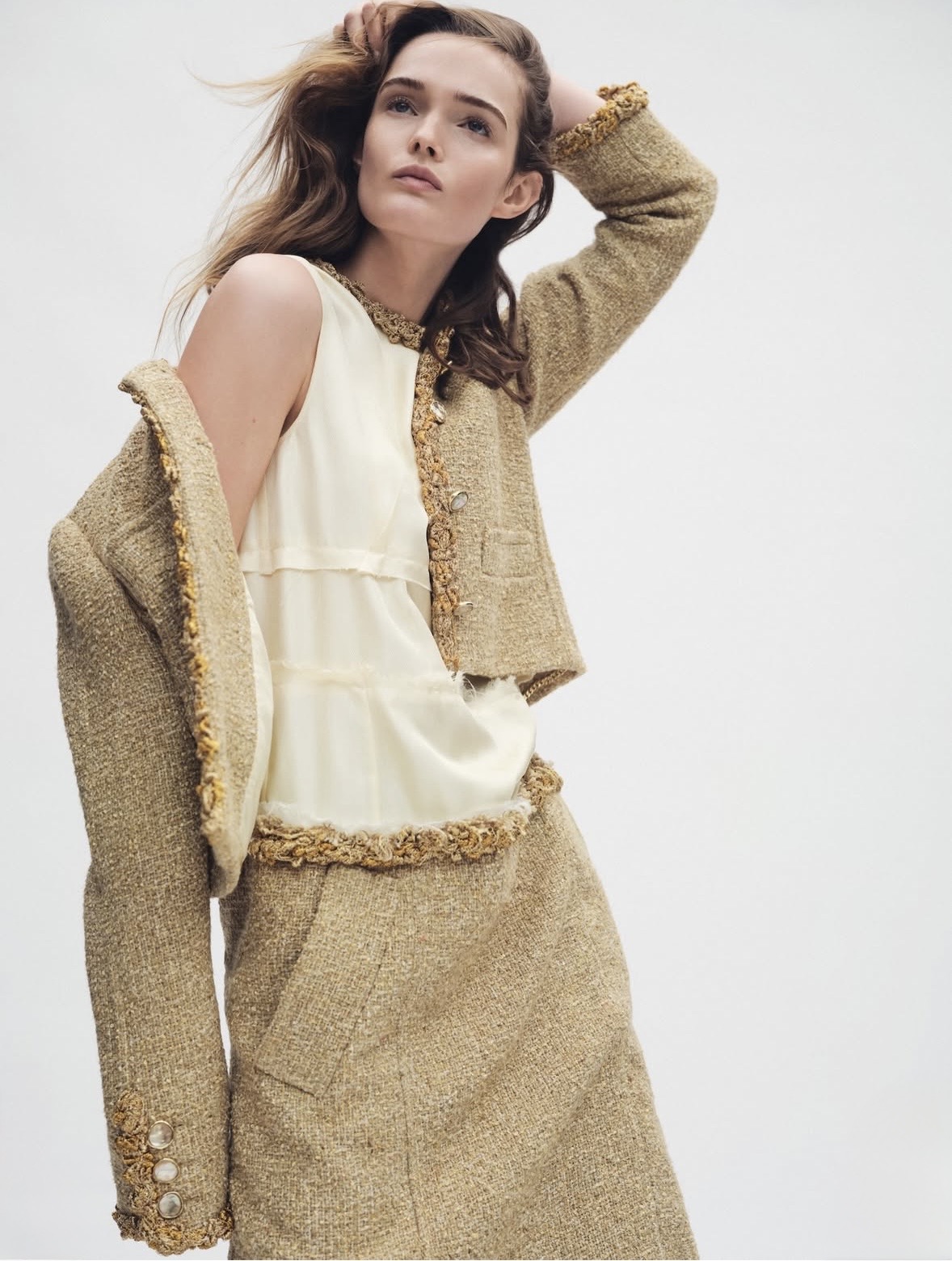
Photo by Nathaniel Goldberg, S/S 2026 RTW
Blazy also shares with Gabrielle Chanel an obsession with the integrity of making. Chanel’s genius was never purely conceptual – it was tactile, rooted in the actual construction of cloth on a body, in the weight and drape and behaviour of fabric in motion. She was a hands-on creator who understood clothes from the inside out, who would cut and pin and recut until a sleeve moved precisely as she intended.
Blazy works with the same physical conviction: “Sometimes you begin with the material, and that leads you to the dress. Sometimes you have a dress in mind, and then you have to find the right material. What I don’t like is knowing at the outset of a collection what it will look like in the end. That just makes it static. What I really enjoy is the process – the surprises, the way it builds as you go. It also leaves much more room for conversation with embroiderers, artisans and workshop heads. It has to feel alive,” he said.
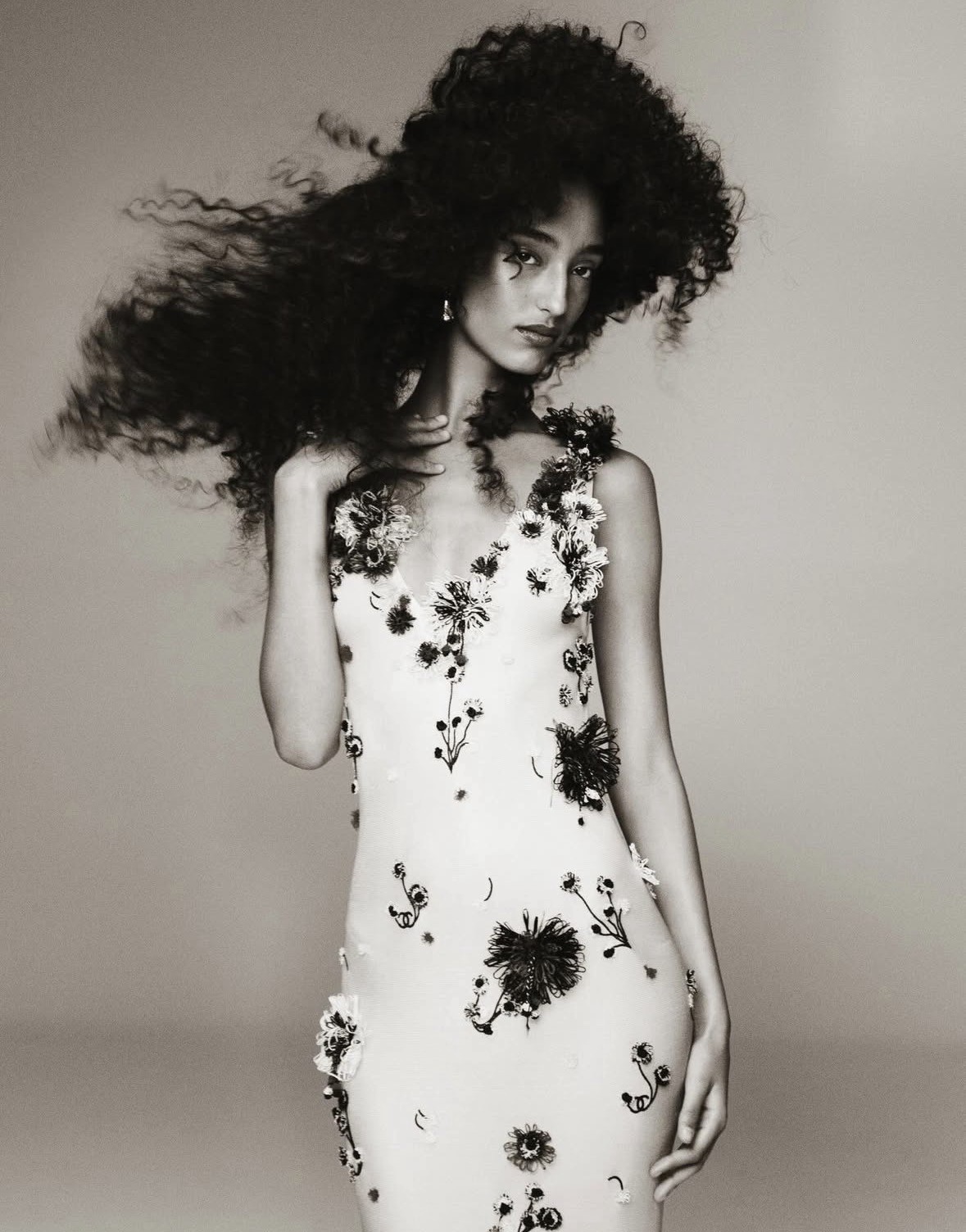
Photo by Zhong Lin, S/S 2026 RTW
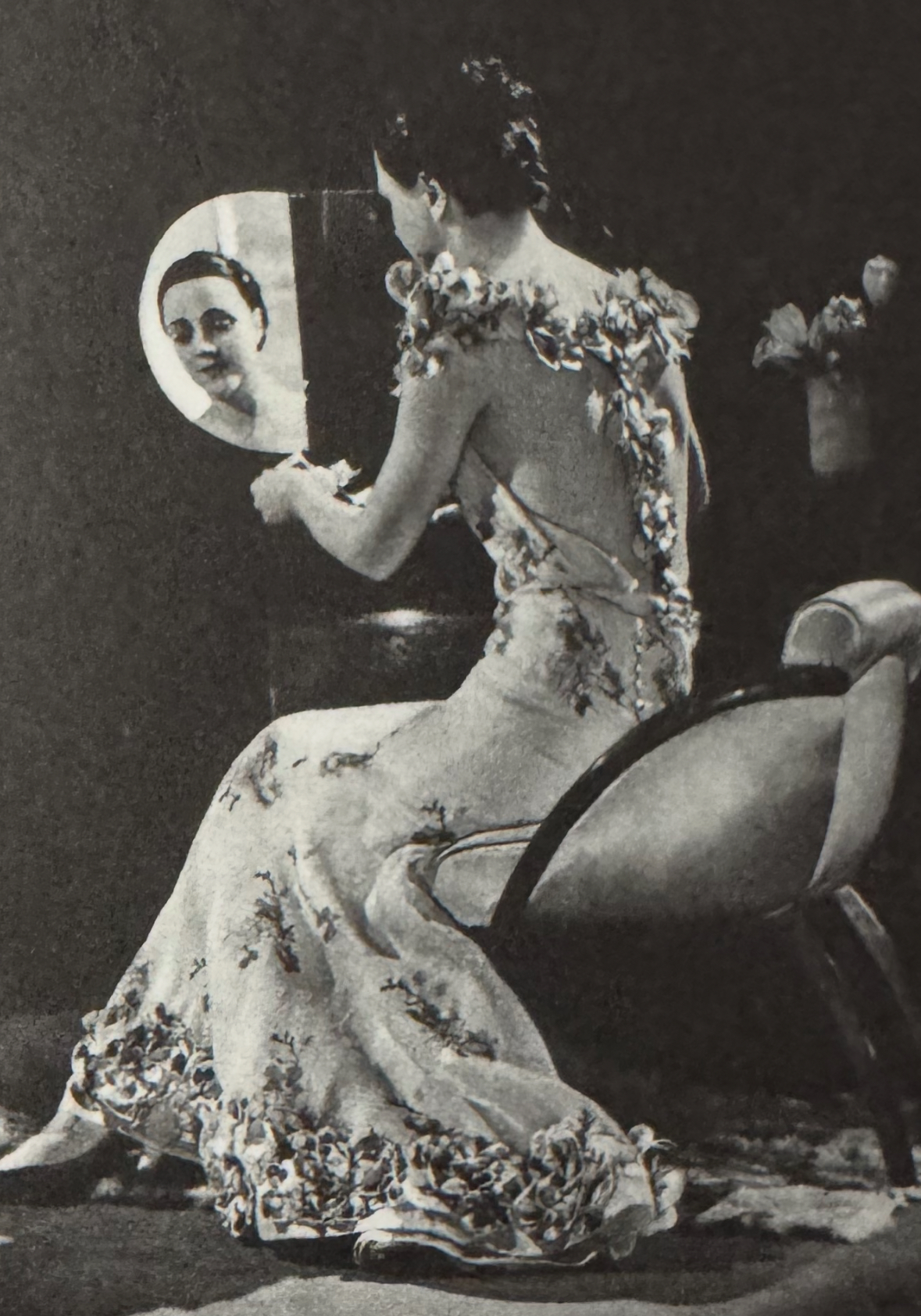
Spring 1935, Photo by Lipnitzki
This is not the language of a designer managing a brand. It is the language of someone in dialogue with craft – with the same respect for making that led Chanel to collaborate with the Métiers d’Art ateliers that Blazy now inherits as part of the CHANEL maisons. His Métiers d’Art debut, staged not in a grand salon but in the abandoned subway tunnels beneath New York’s Bowery, made that point spatially. The show spanned eras – from 20’s beehive hairdos to 80’s power suiting, with animal prints inspired by Gabrielle Chanel’s own wardrobe, including striking tweed jacket and skirt sets in hand-woven leopard motifs noted to be a new technique. Tradition, not as a relic to be polished, but as a living language to be spoken with a contemporary accent.
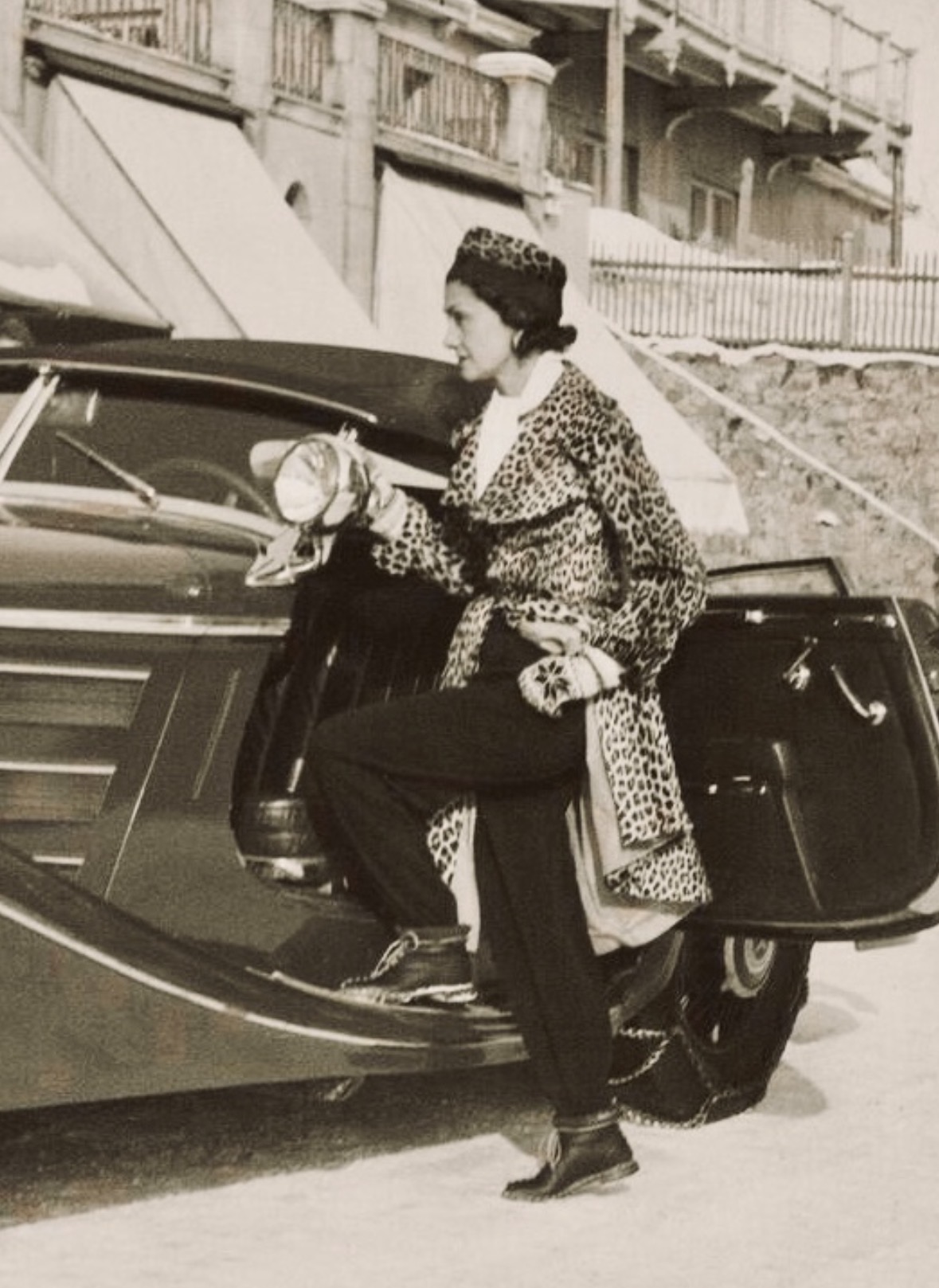
Coco Chanel
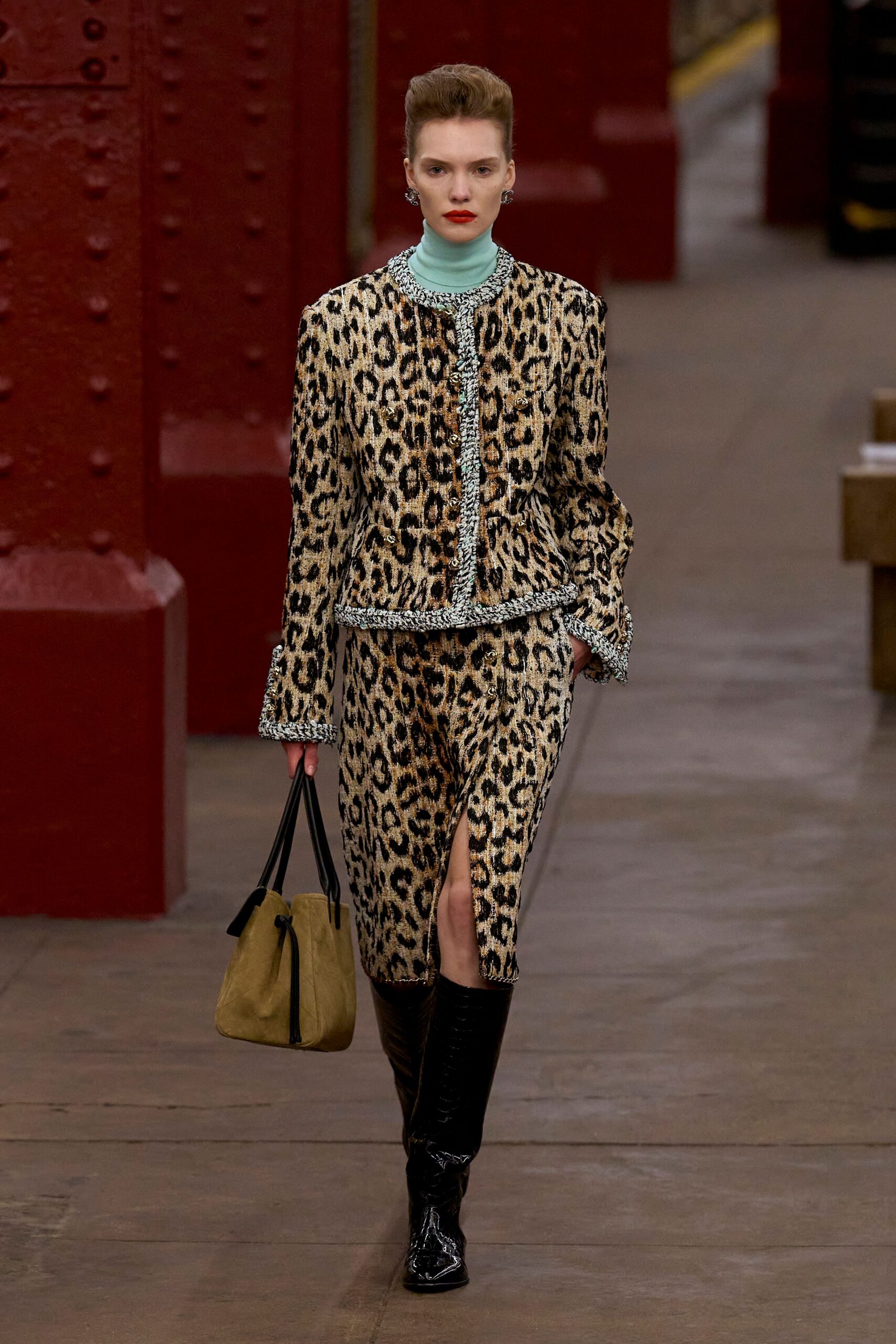
CHANEL, Métiers d'Art 2026
What Blazy seems to have understood, perhaps more clearly than any of his predecessors, is that the most faithful thing you can do with Gabrielle Chanel’s legacy is not to preserve it but to live it. She wasn’t a custodian of tradition. She was its most eloquent destroyer. She built the House of CHANEL not as a monument to the past but as an argument for the future, for a way of dressing that would evolve alongside the lives of modern women.
By framing his work as a conversation with the founder rather than a continuation of her successors, Blazy has positioned himself at the truest possible point of origin. Not the tweed. Not the camellia. Not even the interlocking C’s. But the original act – the refusal, the assurance, the clear-eyed conviction that what a woman wears should serve her, not the other way around.
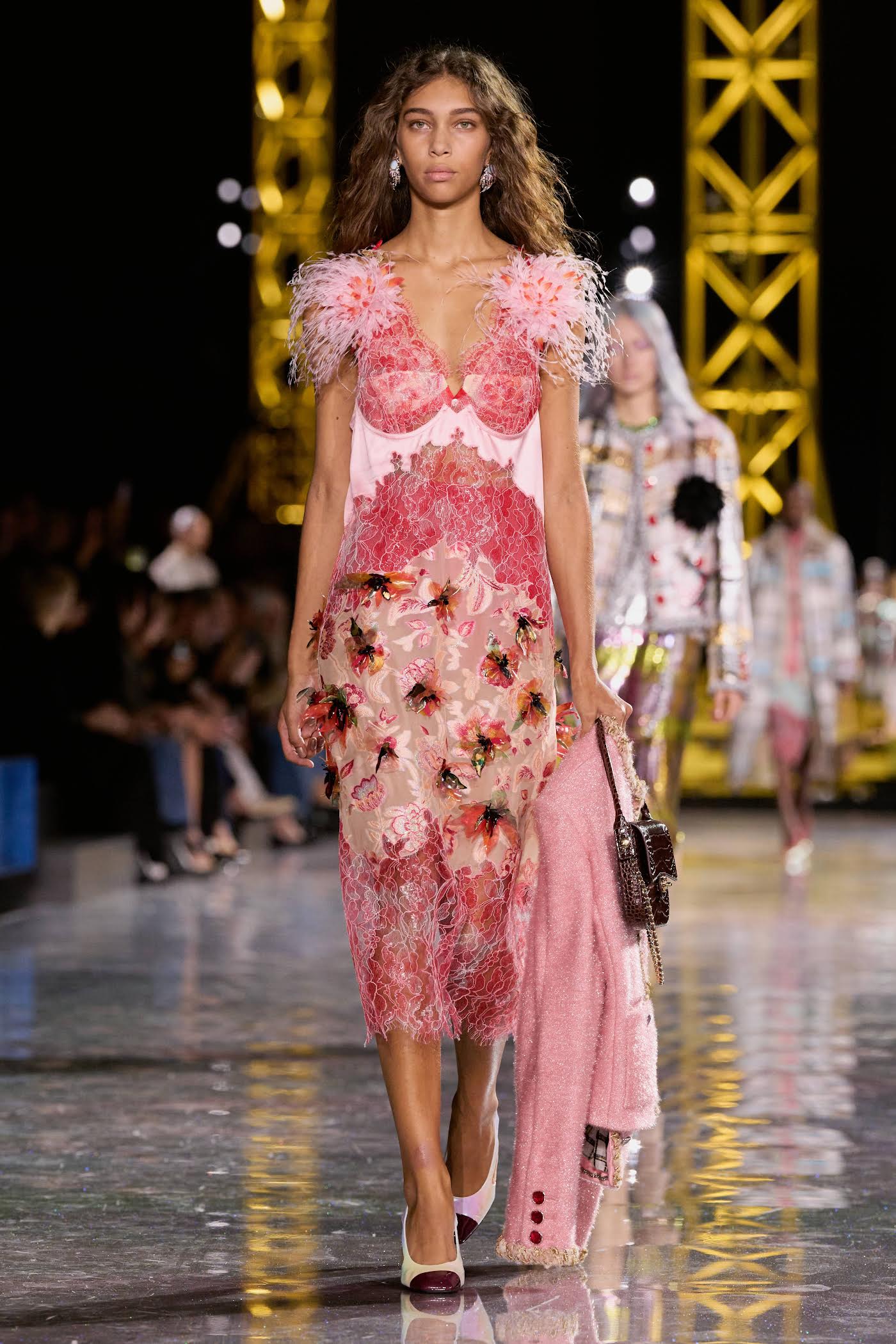
CHANEL, F/W 2026 RTW
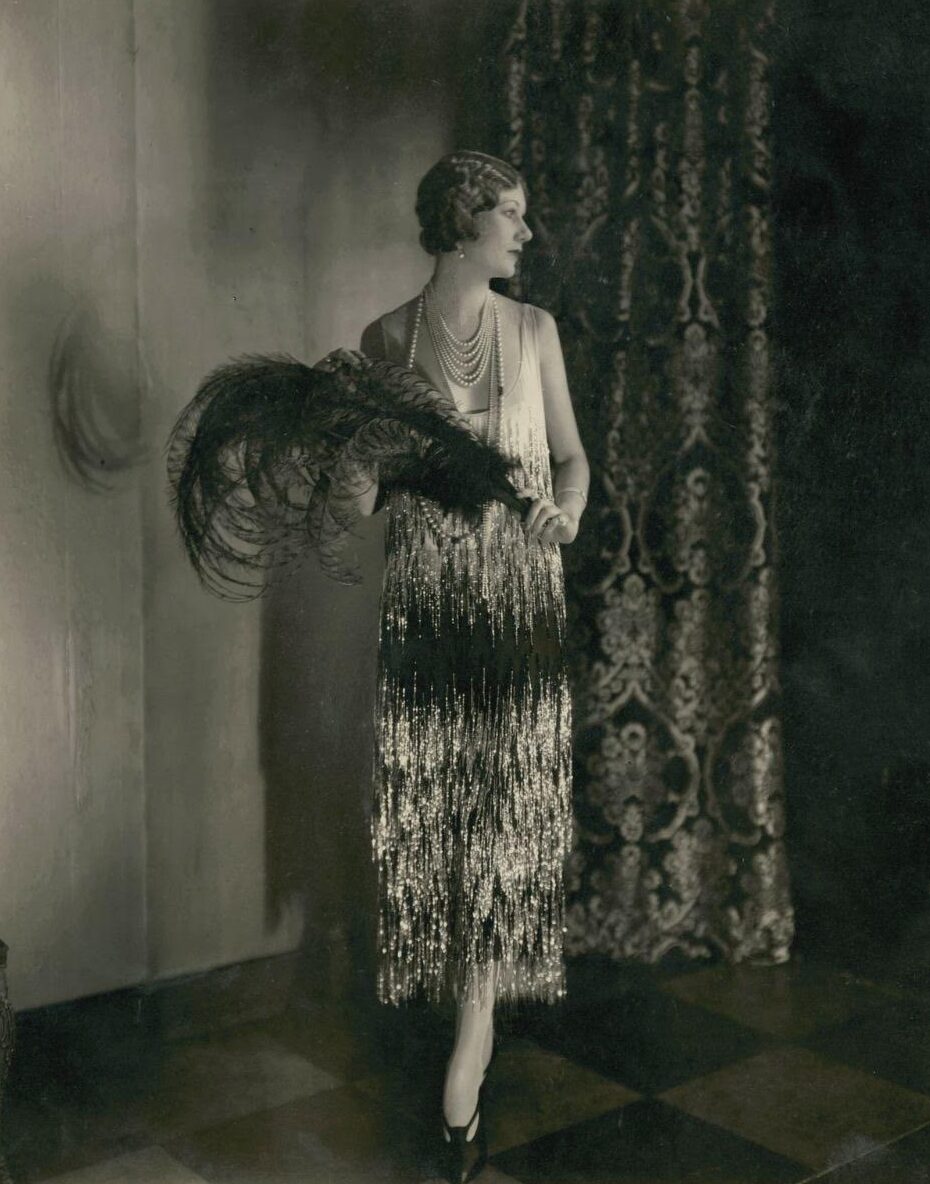
1920s, Photo by Edward Steichen
Both designers trust their instincts over the consensus of the market. Both are interested in the woman who exists beyond the photograph – who moves, works, thinks, carries her own bag. Both understand that true power in clothing comes not from addition but from the courage to remove. And both, in their own ways, are fundamentally rebels – not because they are noisy about it, but because they refuse to design from fear.
Coco Chanel once said, “I don’t do fashion. I am fashion.” Matthieu Blazy, in the quiet confidence of his first collections, seems to understand that the only way to honour that statement is to find his own version of it. And mean it just as absolutely.
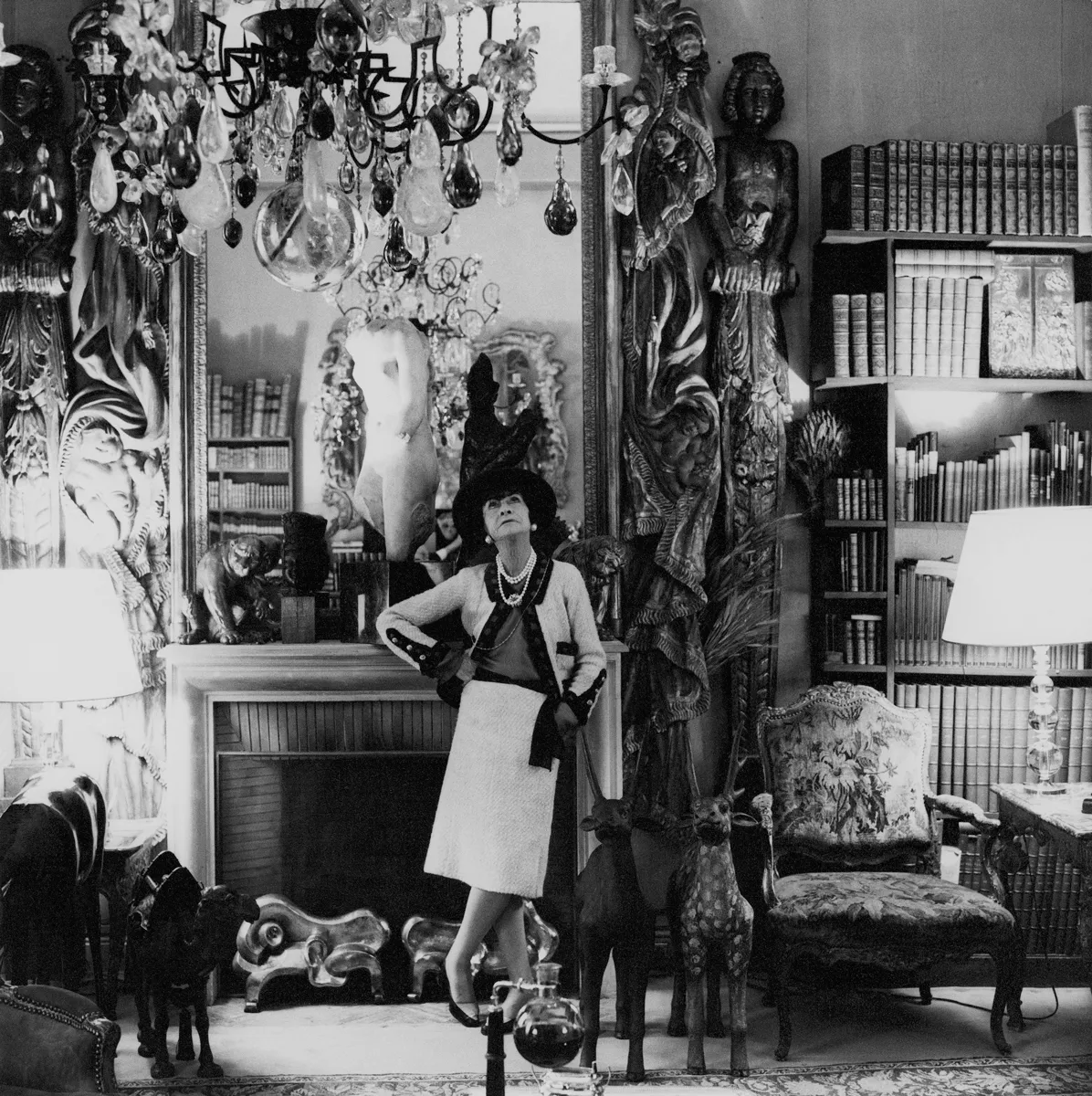
Coco Chanel, 31 Rue Cambon
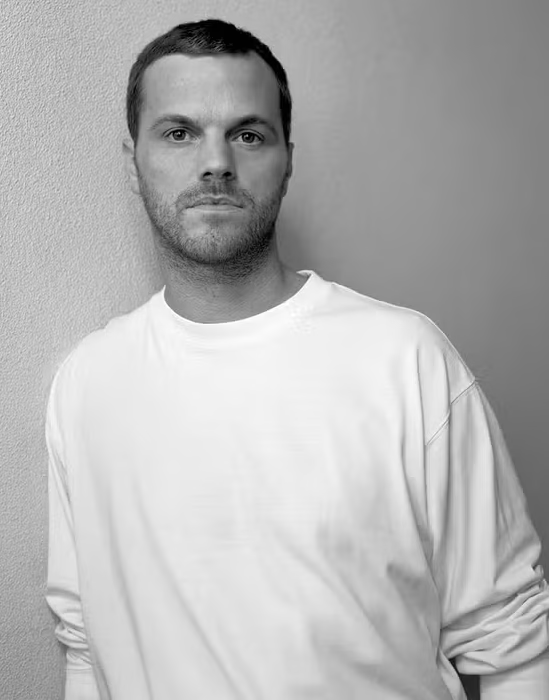
Matthieu Blazy, by Wolfgang Tillmans