24 January 2026
CHANEL is frequently described as timeless, a term intended as praise but one that ultimately obscures how the house truly functions. Timelessness implies immunity from context, a refusal to engage with cultural or social change. CHANEL has never operated this way. From its inception, the house has been acutely responsive to the conditions of its moment. It has demonstrated an unusually disciplined ability to move with time – slowly, selectively, and with intent. What appears permanent is in fact a continuous process of adjustment, translation, and recalibration. What defines the house is its ability to combine continuity with adaptation, allowing tradition and modernity to operate simultaneously rather than in conflict.
Rather than reinventing itself, CHANEL refines. Rather than chasing the present, it absorbs it. The illusion of permanence comes from discipline, not stasis.
“Fashion should express the place, the moment…” – Coco Chanel
Many of CHANEL’s most “timeless” garments were, at the moment of their creation, solutions to specific evolutions: women entering public life, rejecting physical constraint, and redefining modern identity. Gabrielle Chanel designed for the life women were beginning to live, not the one fashion expected them to perform. Her work in the interwar years reflected shifting attitudes toward labor, leisure, and autonomy.
Gabrielle Chanel’s use of jersey in the 1910s was not an aesthetic gesture but a practical response to wartime scarcity and women’s changing roles. The fabric allowed movement, ease, and durability at a time when traditional couture construction felt increasingly obsolete. It was a radical move at that moment.
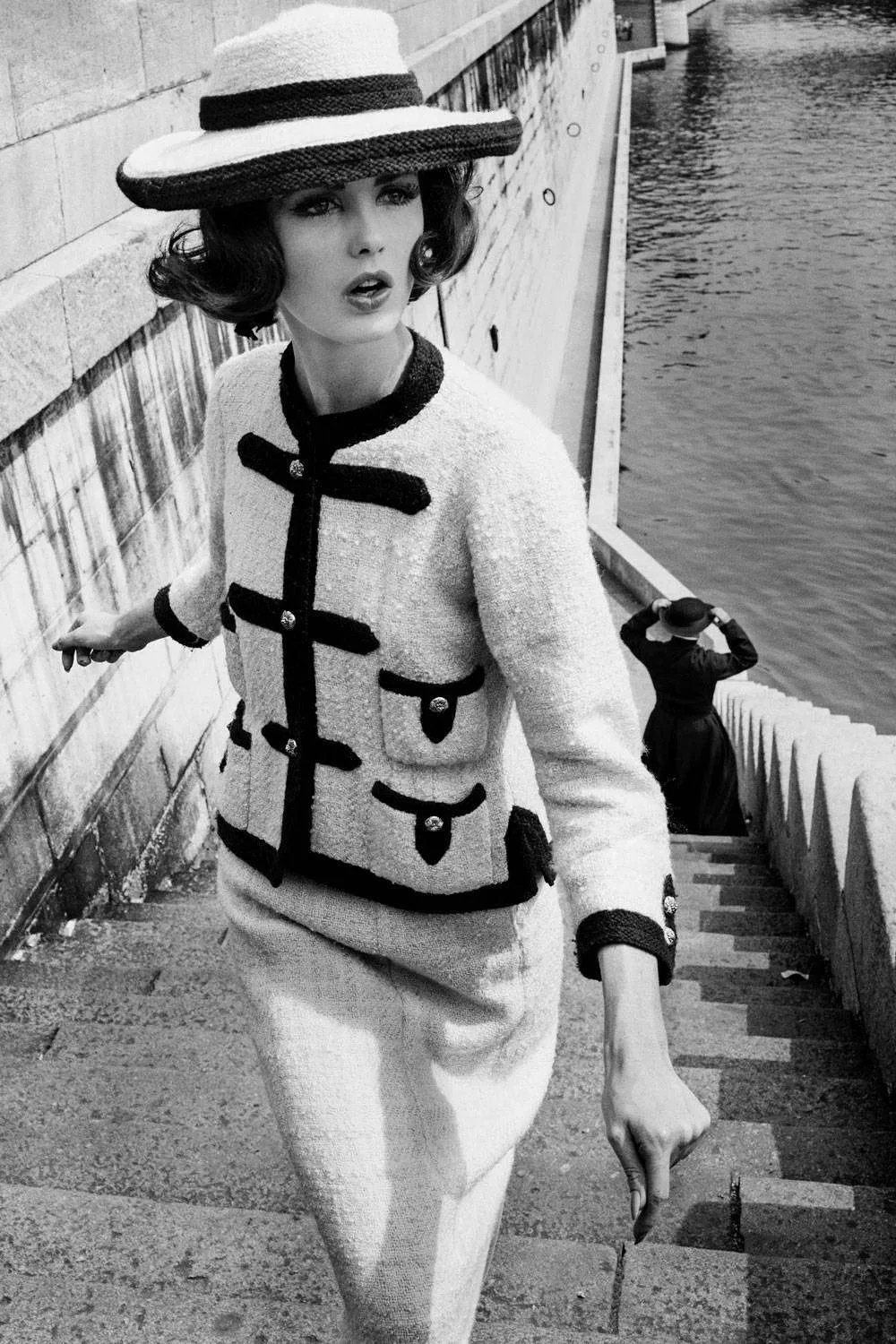
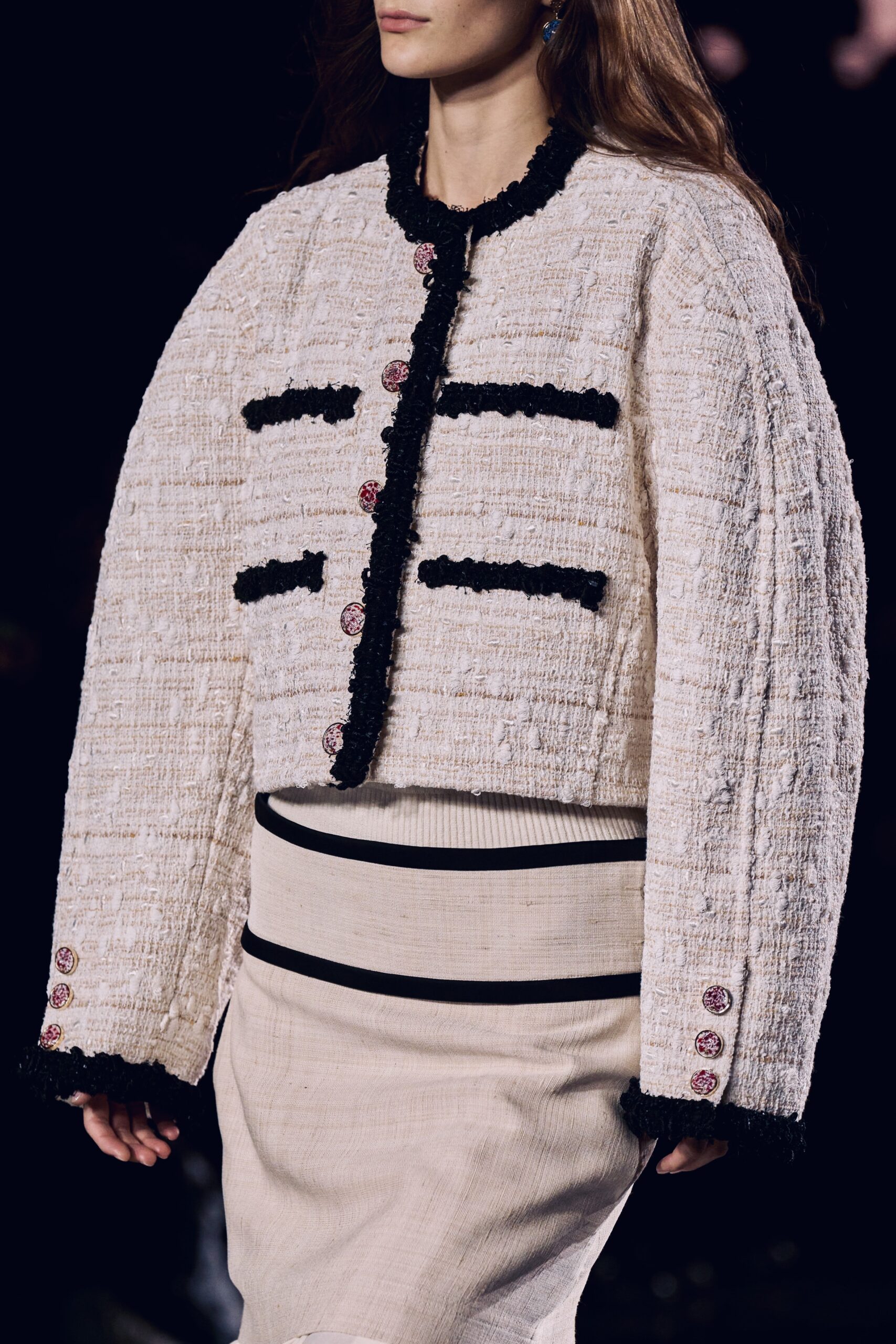
The tweed suit, introduced in the 1920s and refined over decades, similarly addressed the realities of modern life. Its structure allowed women to inhabit public space without armor or ornament. What later reads as eternal was, in fact, deeply contemporary.
The little black dress, unveiled in 1926, was not conceived as a classic. It was a deliberate rejection of decorative excess in favor of clarity and adaptability.
Her designs moved with time because they acknowledged it. Chanel did not imagine permanence; she imagined utility refined to elegance. Timelessness emerged only after relevance endured. CHANEL’s longevity comes from relevance that aged well, not from detachment.
The house’s enduring codes originate from this philosophy of pragmatic modernity. For the House to endure, Creative Directors have had to re-interpret her style to align with modern times. However, the House does not engage with trends – it operates within its established framework and is concerned only with responding to the needs of the present.

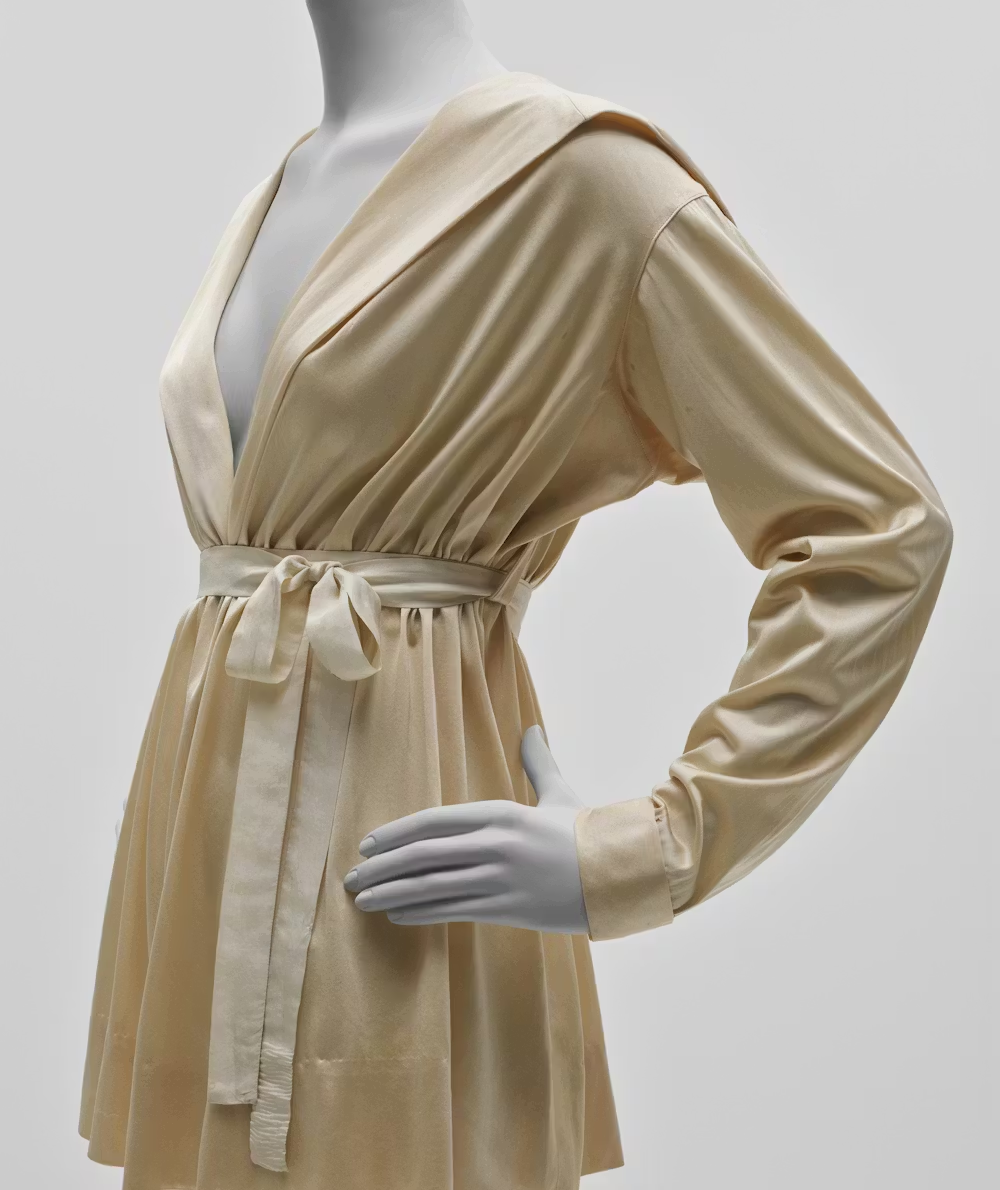
CHANEL, 1916 Silk Jersey Blouse
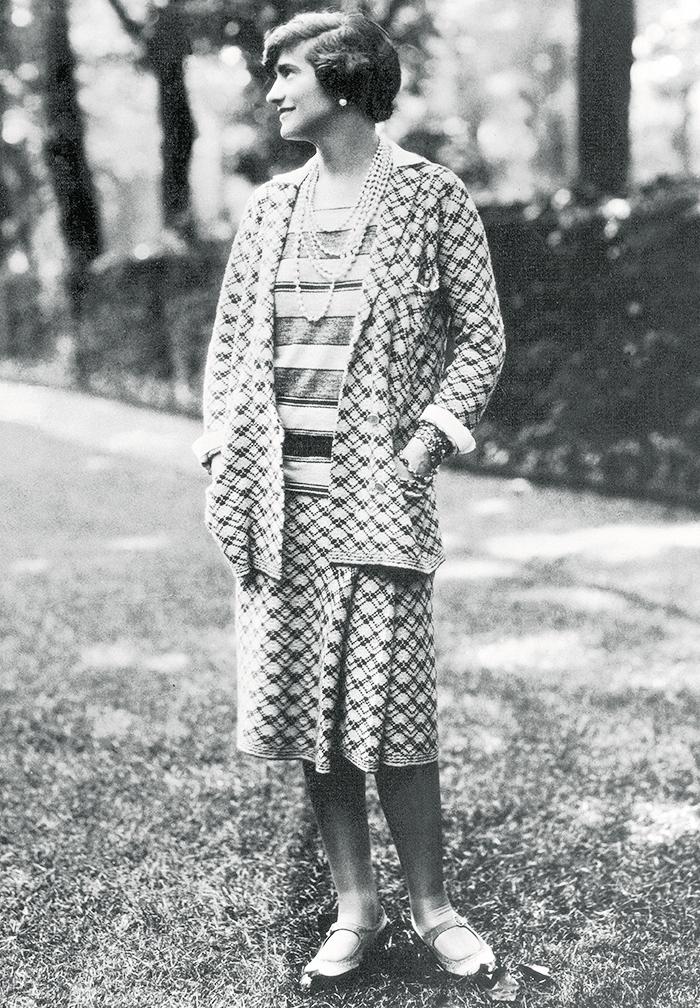
Chanel, 1920 Tweed Suit
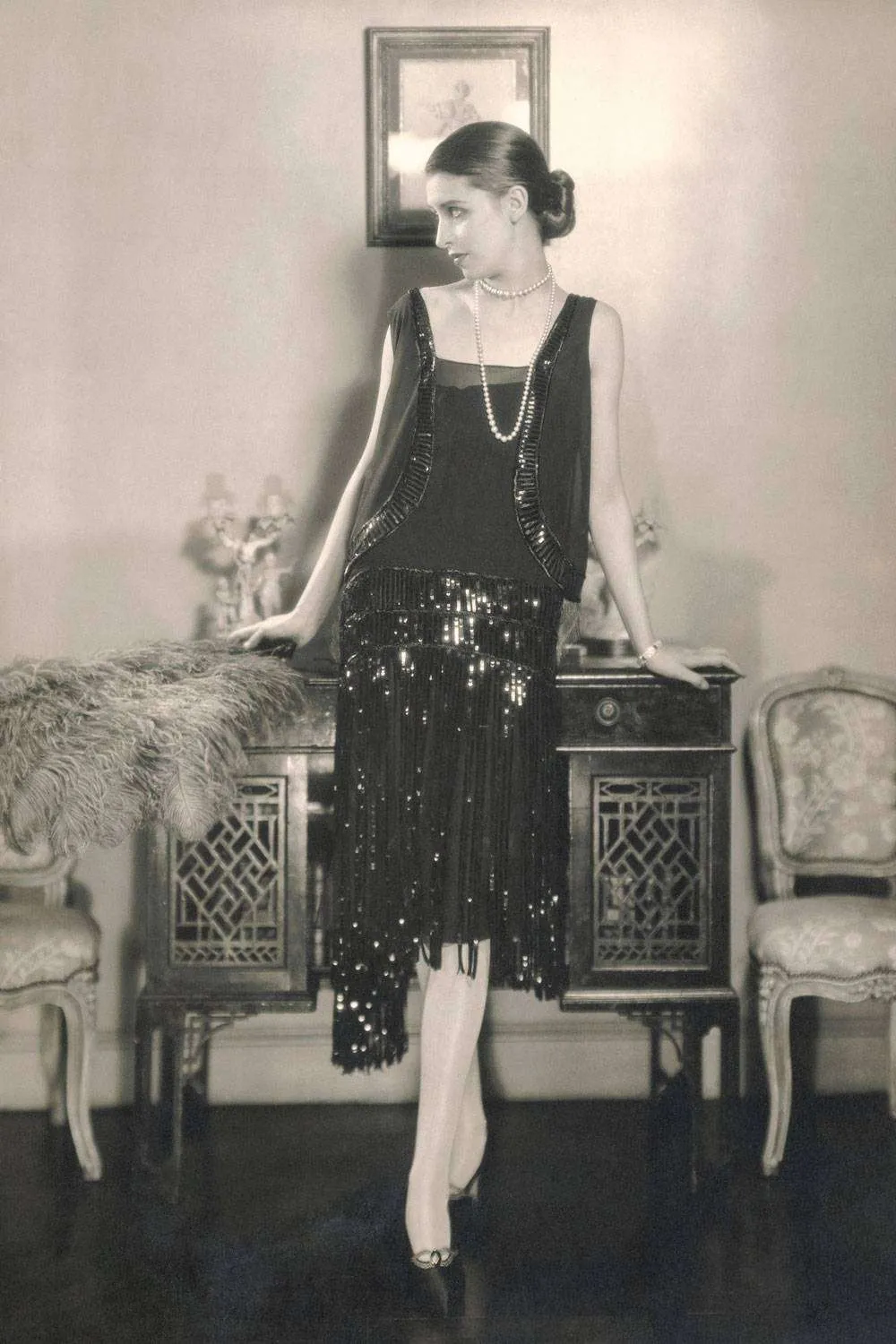
CHANEL, 1926 Black Dress
“The interesting thing about fashion is that it reflects, over a very short period, the spirit of the moment.” – Karl Lagerfeld
Karl Lagerfeld is often credited with modernizing CHANEL, but his true achievement was teaching the house how to accelerate without losing itself. When he took the helm of CHANEL in 1983, Lagerfeld understood that relevance now required visibility, yet he refused to dismantle the brand’s foundations. Instead, he expanded their capacity, introducing cultural reference, irony and speed.
Collections such as Fall-Winter 1991, which incorporated hip-hop references and chain belts worn low on the body, demonstrated how CHANEL could absorb street culture without imitation. Spring-Summer 2014, staged in a supermarket, translated consumer culture into high fashion commentary while maintaining precise tailoring and house codes.
Lagerfeld’s Métiers d’Art collections further illustrated his approach to time. The Paris-Edinburgh 2012 collection reframed tweed through historical narrative, while Paris-Hamburg 2017 explored uniform dressing and maritime influence. These were not nostalgic exercises, but studies in how history could be reactivated for contemporary audiences.
Under Lagerfeld, CHANEL moved faster, louder, and more visibly – but never without structure.
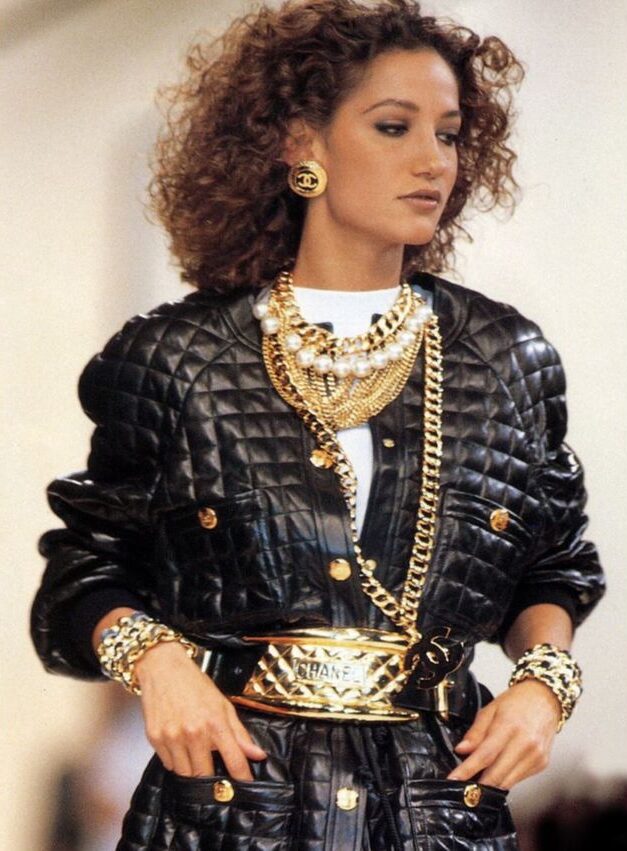
Fall-Winter 1991
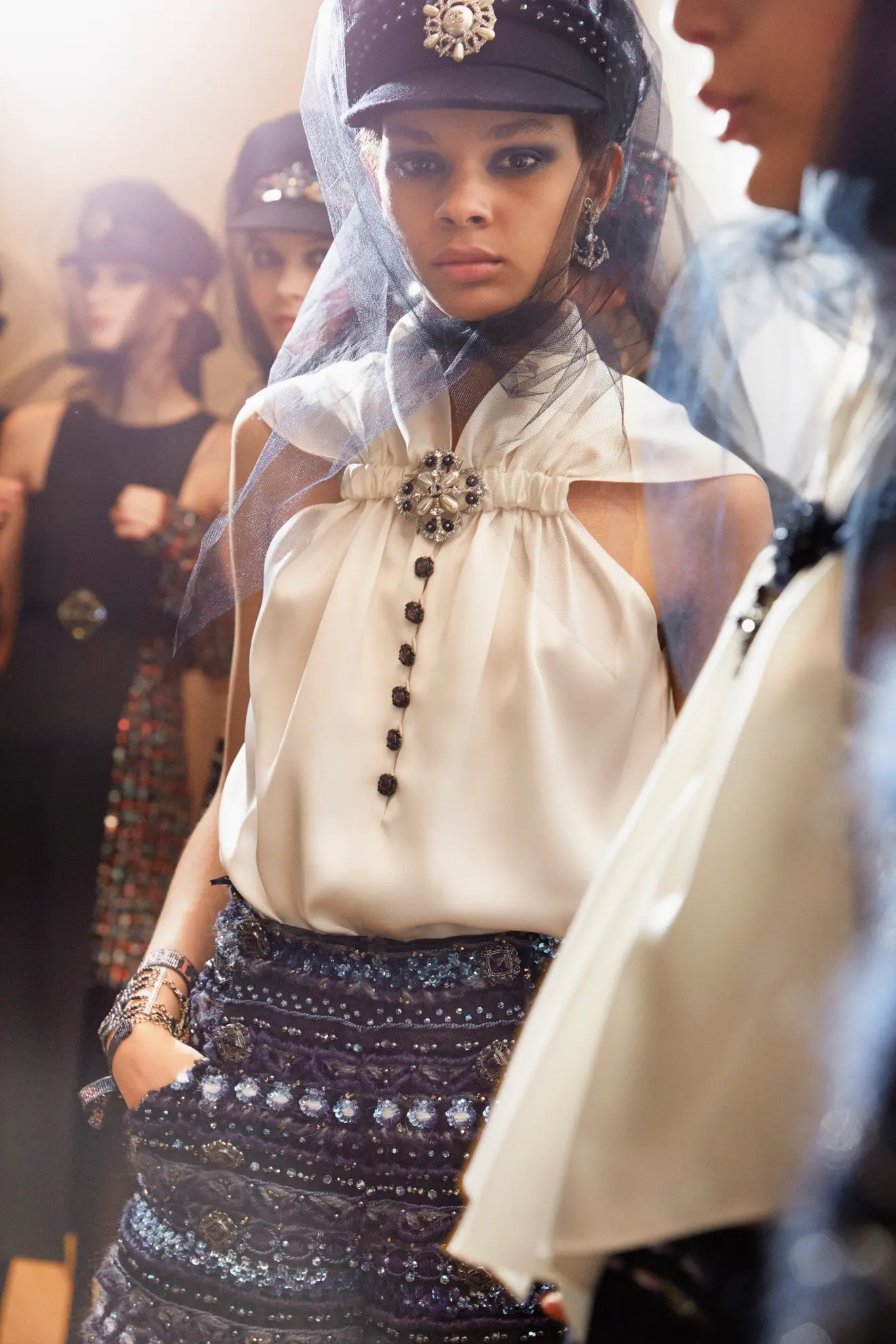
Métiers d’Art 2017
“It’s more like a wardrobe for different moments in a woman’s life or in a day. There’s a sense of freedom there – it’s just unapologetic CHANEL.” – Inez van Lamsweerde on Virgine Viard’s CHANEL
Virginie Viard’s tenure marked a shift away from spectacle toward intimacy. Her collections reflected a cultural moment increasingly concerned with authenticity, emotional resonance, and continuity. Rather than signaling change through dramatic gestures, Viard allowed evolution to emerge through proportion, texture, and mood. Time under her direction felt slower, closer, and more human. The brand adjusted its tone without altering its language.
The Spring-Summer 2021 collection emphasized ease and lightness, with softened tailoring and a restrained palette that echoed modern attitudes toward dressing. Fall-Winter 2022 revisited the tweed suit in slimmer, elongated forms, aligning with contemporary silhouettes without disrupting the garment’s logic.
Viard’s CHANEL acknowledged that time was no longer defined by grand declarations, but by daily negotiation. Her work responded to how women actually move through the world, reinforcing the house’s relevance through modern alignment rather than reinvention.
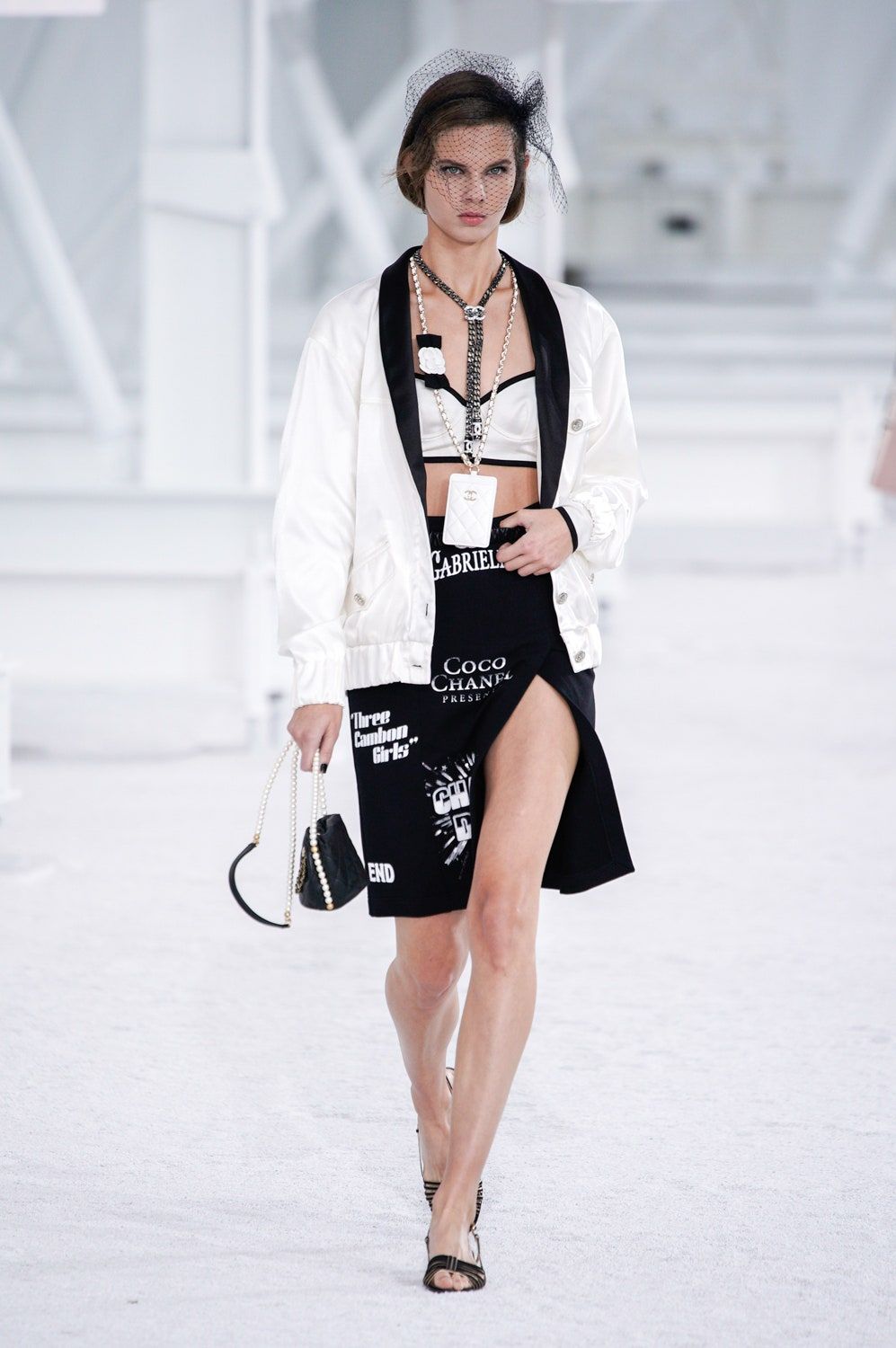
Spring-Summer 2021

Fall-Winter 2022
“What interests me most is finding new ways to approach tradition. The idea is not to erase what has been done but to make it new for today” – Matthieu Blazy
Matthieu Blazy’s emerging direction suggests another recalibration. His approach does not seek to modernize CHANEL through futurism or novelty. Instead, it engages with contemporary ideas around construction, material intelligence, and masculinity as structural influence.
His debut collections – Spring-Summer 2026 and Métiers d’Art 2026 – point to an interest in form that is both disciplined and current. Blazy’s work reflects a cultural moment shaped by complexity and discernment rather than excess. His CHANEL does not announce change; it assumes it. Modernity is embedded in execution, not declared through theme.
This approach aligns with a present that values depth over immediacy, signalling a house that continues to move with time by understanding its texture rather than its trends.
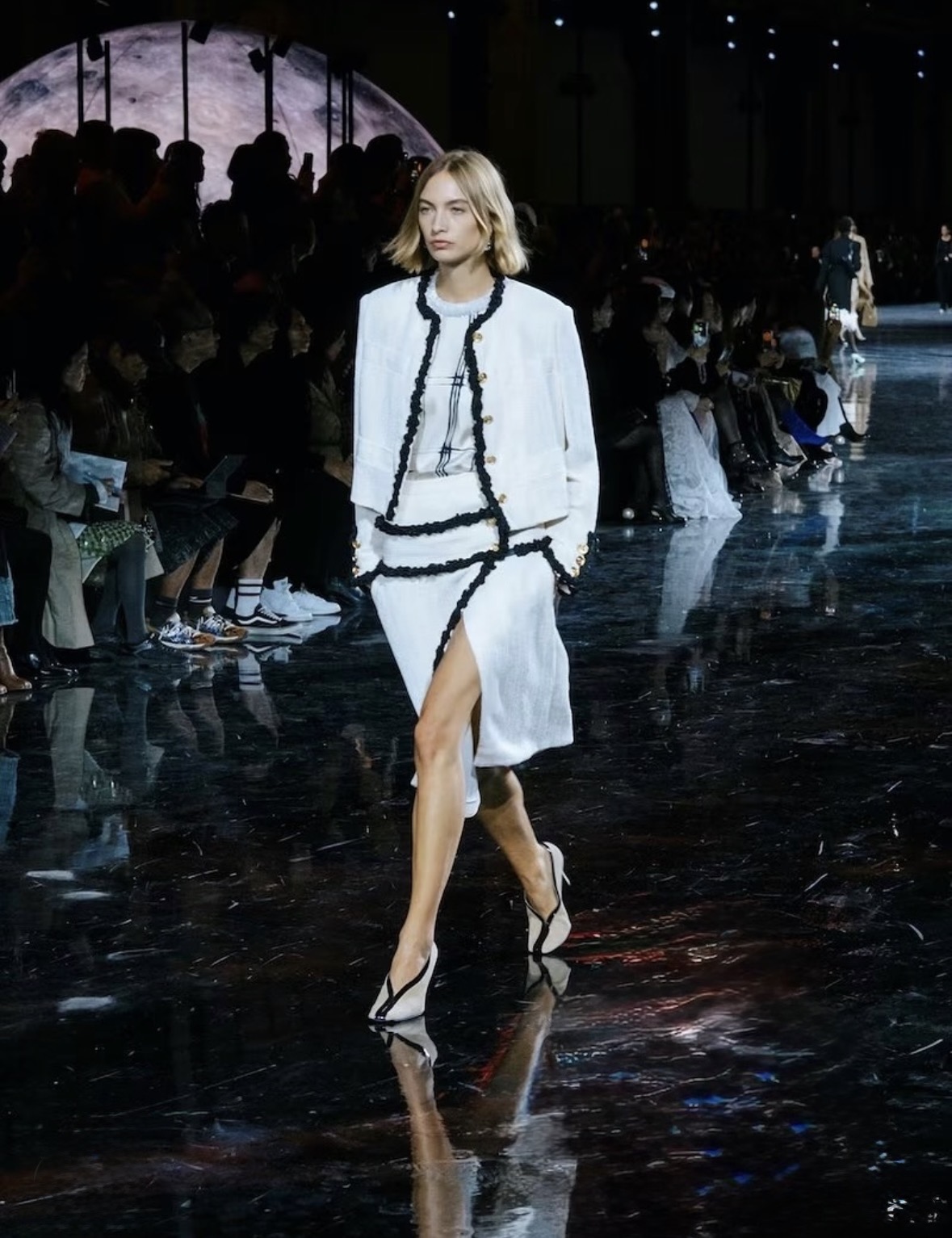
Spring-Summer 2026
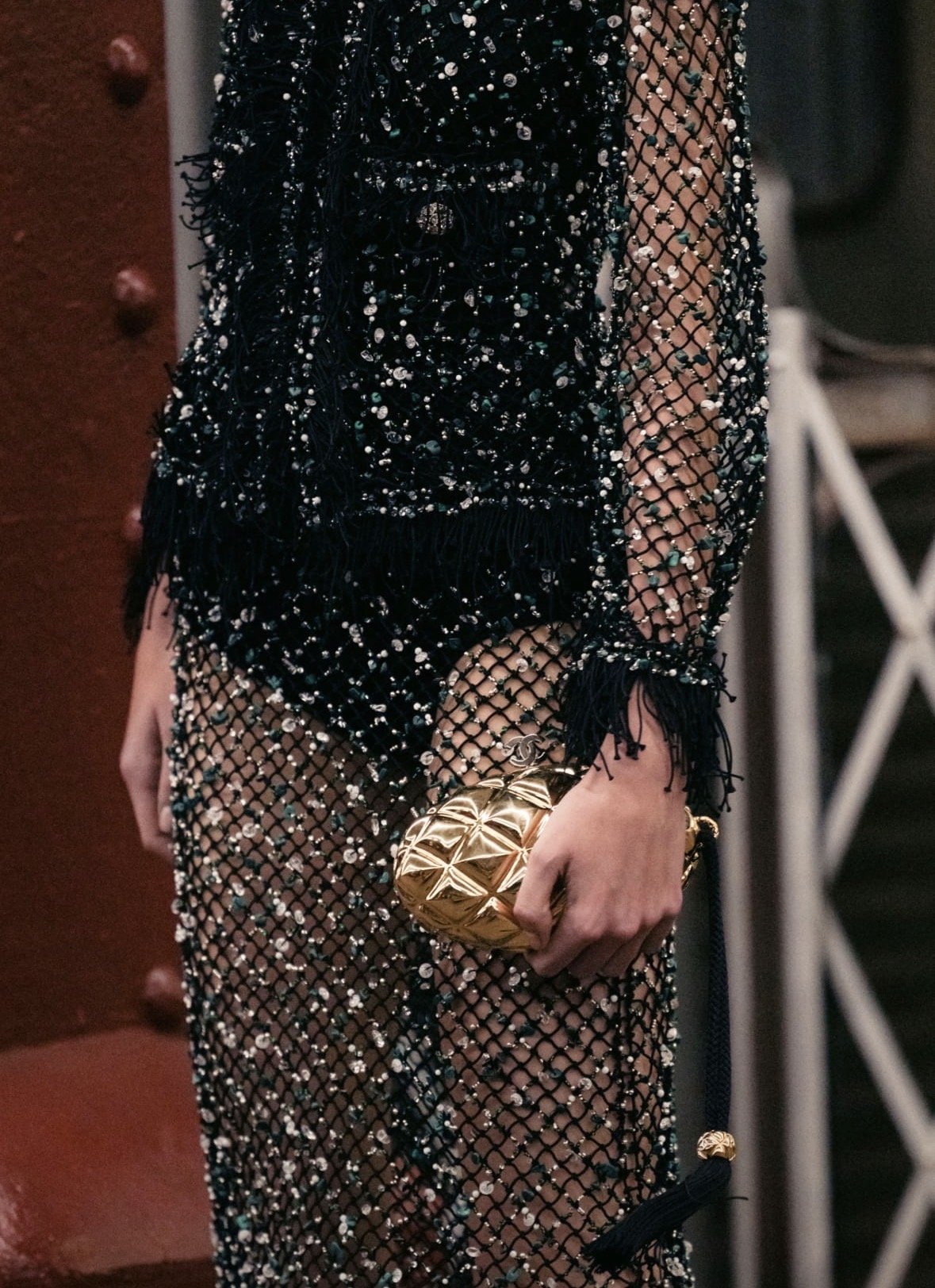
Métiers d’Art 2026
“Fashion changes, but style endures.” – Coco Chanel
CHANEL’s reliance on recurring motifs – tweed, chains, camellias, black and white – is often misread as conservatism. In reality, repetition functions as a temporal strategy. Each return reframes meaning. Time passes, but the structure holds.
The house rarely adopts trends directly. Instead, it absorbs cultural shifts and filters them through these established codes, allowing the context to do the work of evolution. Hemlines may shorten or lengthen, silhouettes may soften or sharpen, but the underlying logic remains intact. This strategy allows CHANEL to feel familiar without becoming static. The symbols remain constant; their interpretation does not. By balancing continuity with evolution, CHANEL demonstrates that timelessness and modernity are not opposites. They are complementary forces, each strengthening the other. Timelessness provides recognition; modernity provides relevance. The house endures not because it refuses to change, but because it understands exactly how much change it can absorb without losing its identity.
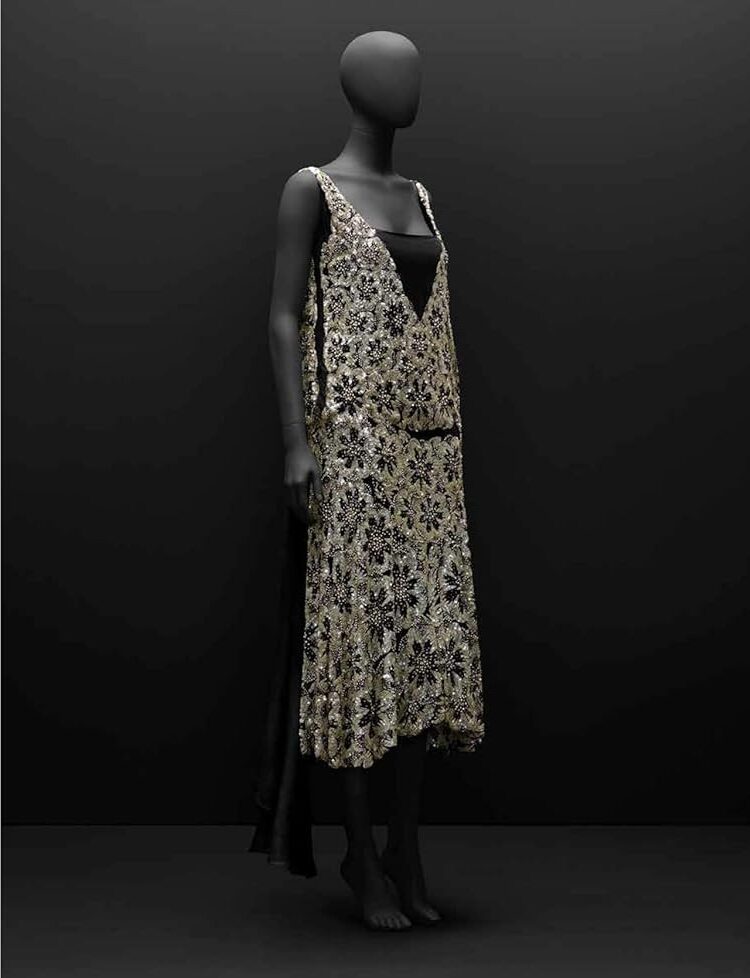
CHANEL Dress, 1926
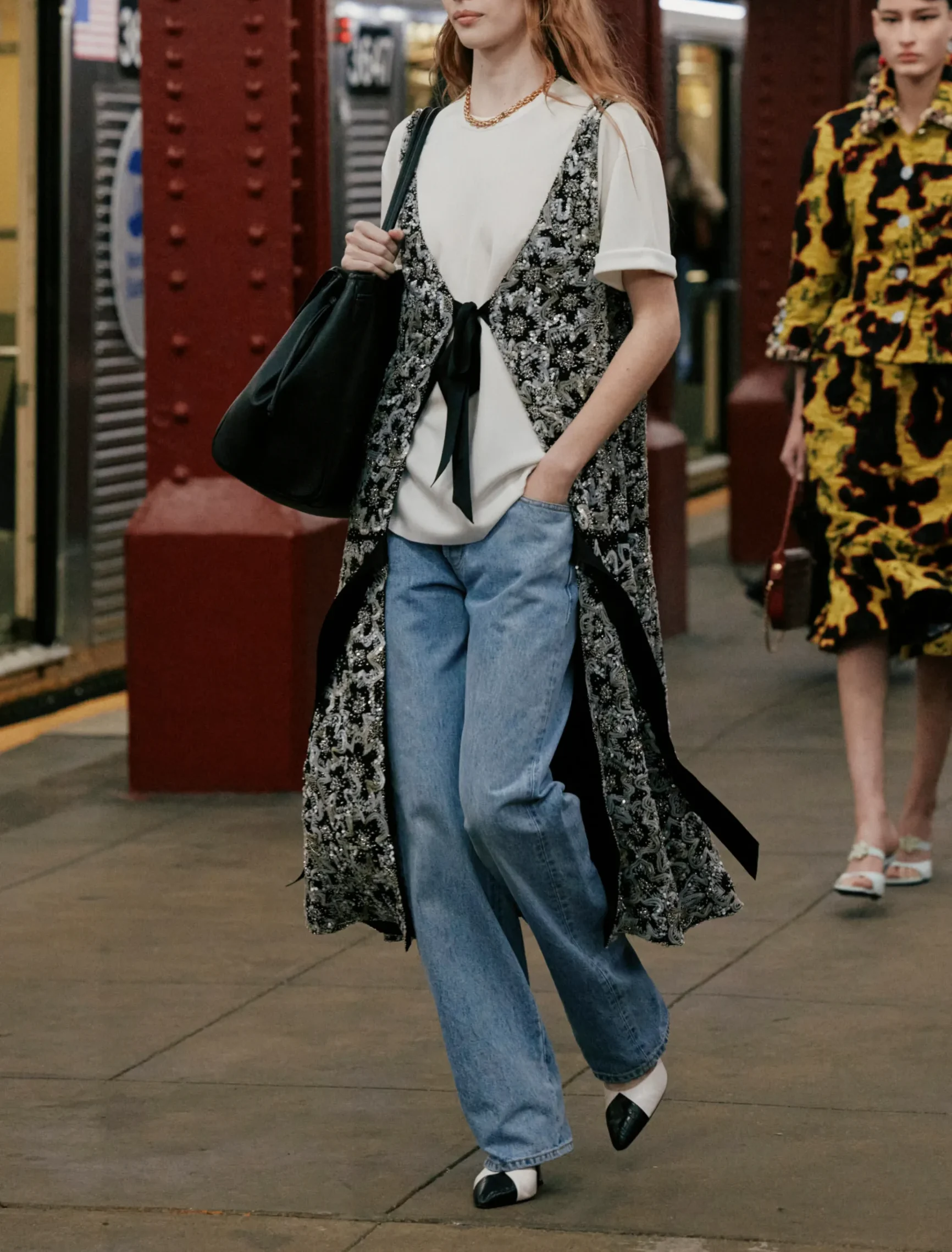
Métiers d’Art 2026