11 January 2026
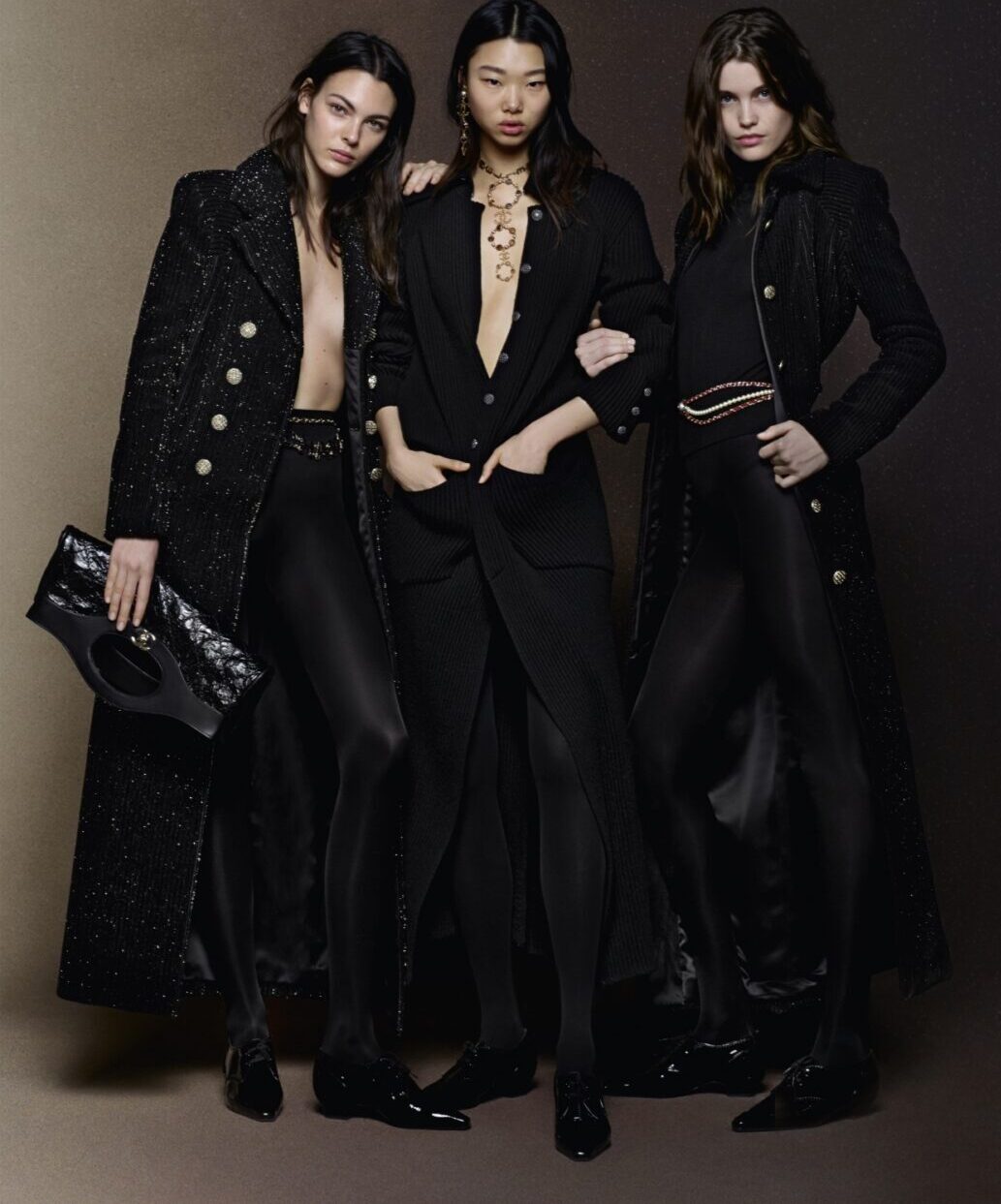
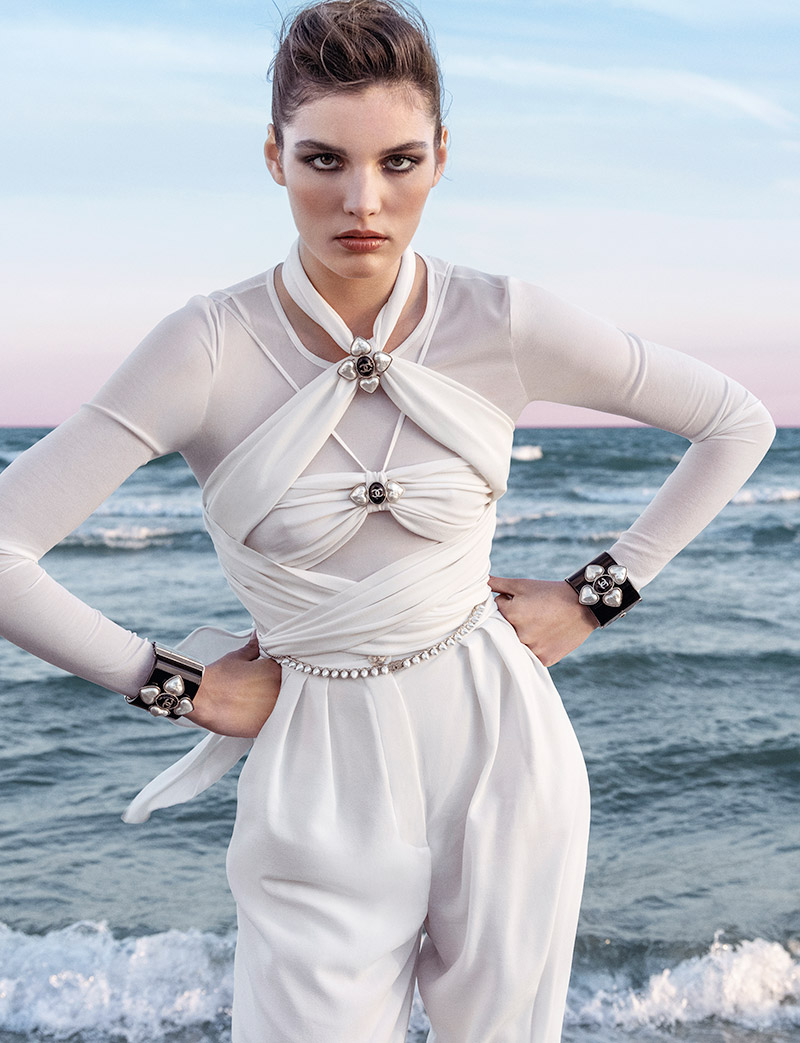
CHANEL’s advertising and campaign visuals have done more than simply showcase clothing. They’ve told stories of identity, heritage, modernity and transformation. From early black-and-white portraits to multi-million-dollar cinematic short films, the House has used styling, messaging and photographic vision to articulate its enduring codes while navigating changing cultural tides. Read below for more on the evolving journey of CHANEL’s campaigns throughout history, followed by a curated list of the most iconic and memorable campaigns (in my humble opinion).
The first known CHANEL “ad” was a 1921 sketch by an artist known as Sem for CHANEL N°5. At this time, advertising was mainly by word of mouth – iykyk. While this sketch wasn’t a traditional form of marketing, it did assist in creating attention and drawing interest. In 1937, Coco Chanel appeared in an ad for the perfume, a black and white photograph of Mademoiselle in a black dress standing in front of a fireplace at her Ritz apartment. Until the 1980’s, the majority of CHANEL ads were for fragrance and beauty products, while the couture clothing was advertised through fashion editorials featured in publications like Vogue and Harper’s Bazaar.
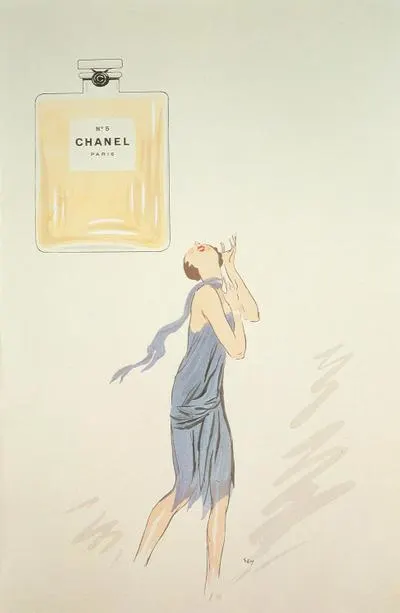
sketch by Sem, 1921
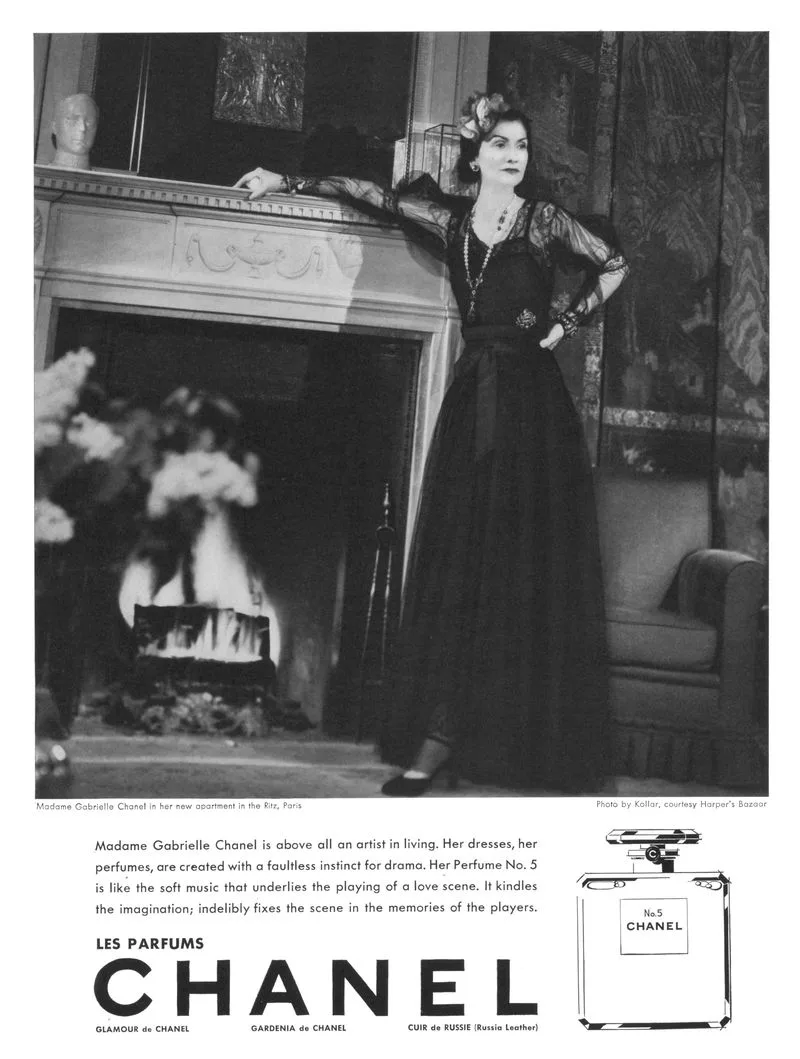
CHANEL N°5, 1937
Following the styling of the first ads, CHANEL’s early imagery in the 1980s was largely about establishing an archetype: the elegant Parisian woman, the tweed jacket, the pearls, the little black dress – all rooted in the DNA of founder Gabrielle “Coco” Chanel. That aesthetic carried into advertising: refined simplicity, fonts and compositions that emphasized timelessness rather than hype.
Styling: Tweeds, camellias, pearls, monochrome palettes, slim silhouettes – evoking the couture heritage of the brand.
Messaging: “Elegance is attitude.” The campaign visuals sold more than garment – they sold a way of being.
Photography: Early stills remained studio-bound, formal, focused on the lady wearing CHANEL rather than spectacle.
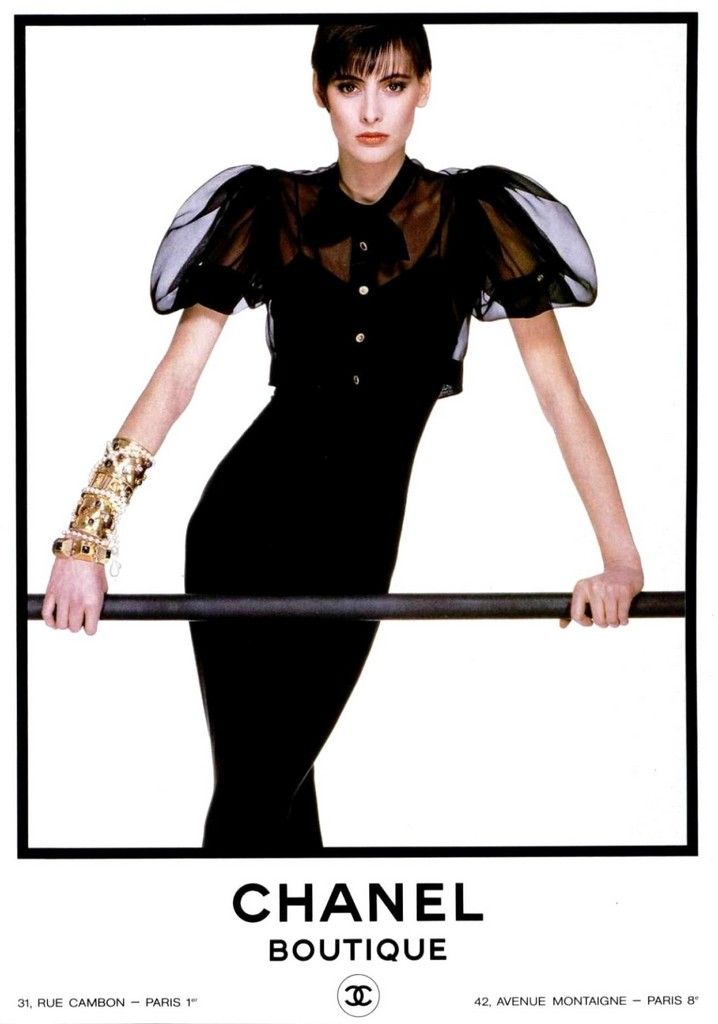
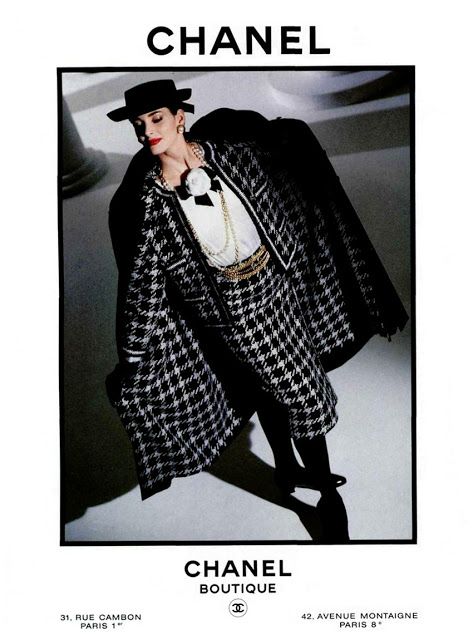
Under Karl Lagerfeld’s creative direction of CHANEL, the house’s campaigns took on bigger, bolder, more theatrical proportions. And as the 1990s dawned and the luxury advertising world grew more cinematic, CHANEL began to experiment more with setting and scale – but the foundation remained.
Lagerfeld himself often shot the campaigns; styling became more pronounced; the models became global superstars; the messaging swung between heritage and hyper-modernity.
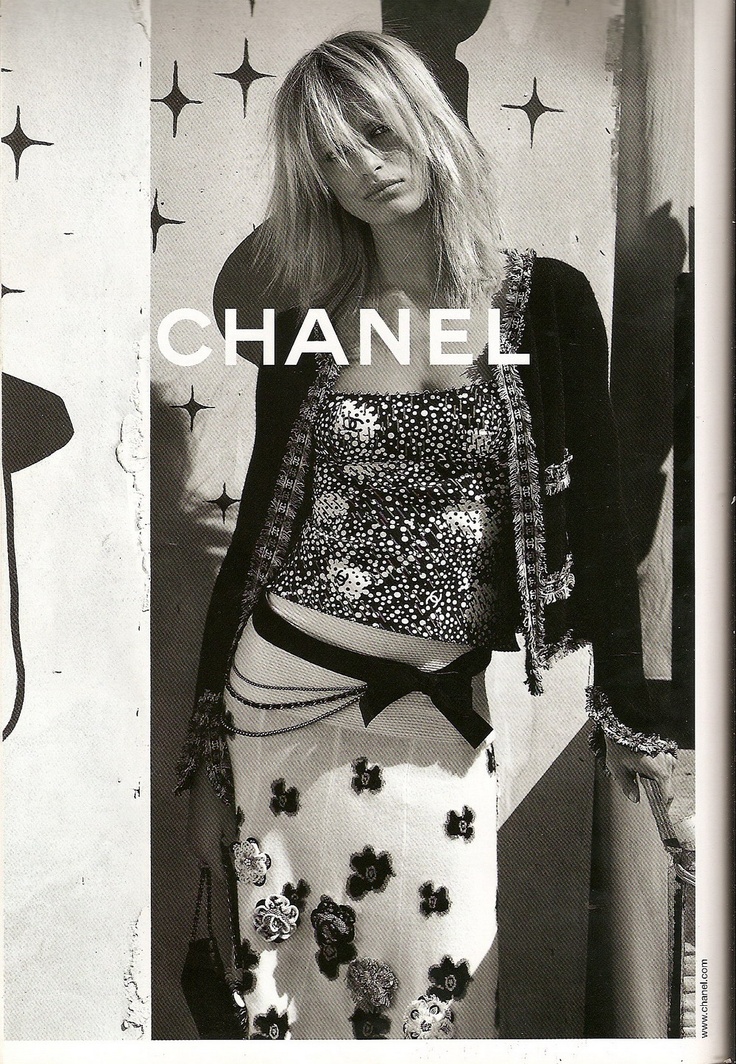
S/S 2003
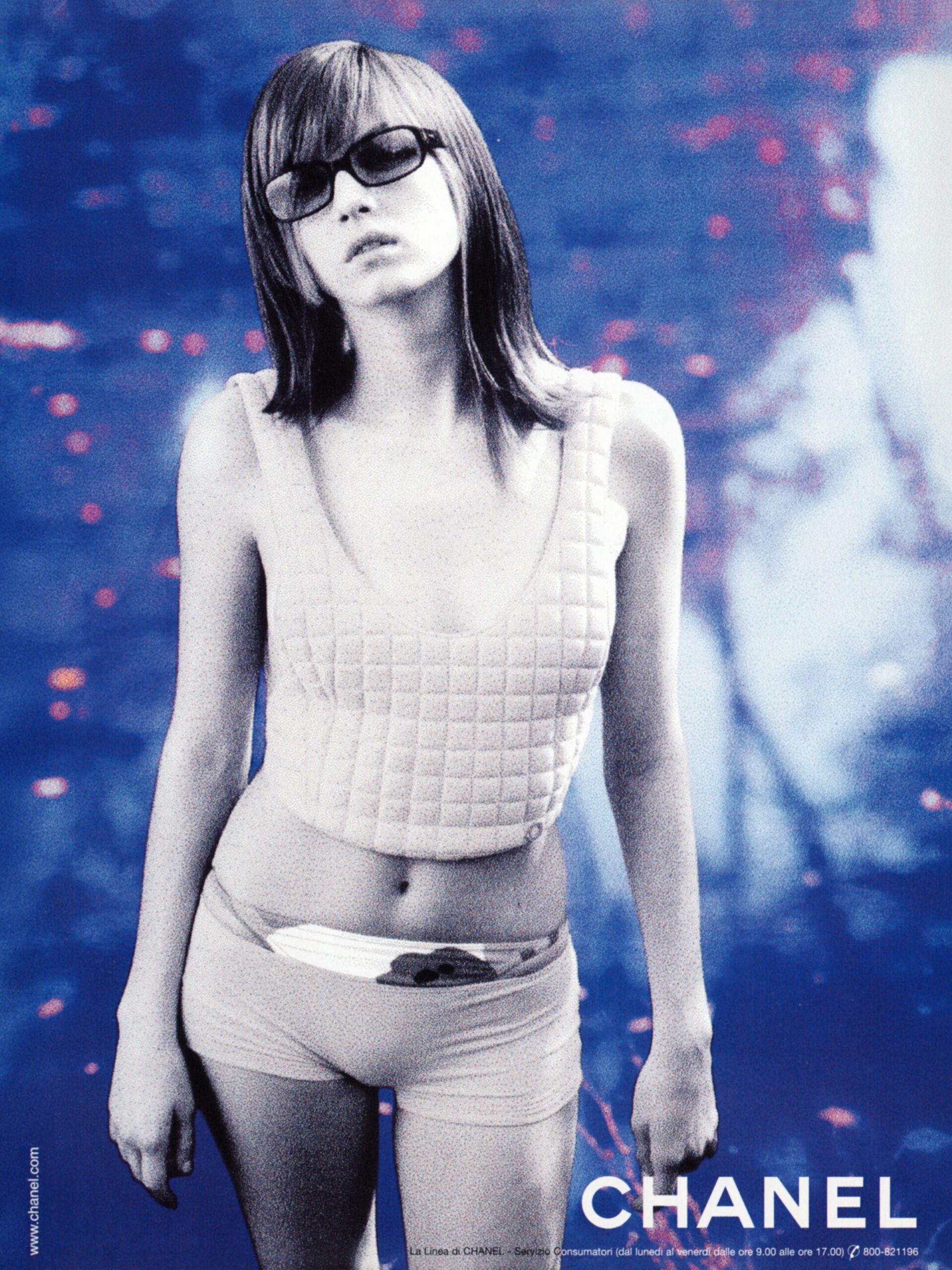
S/S 2000
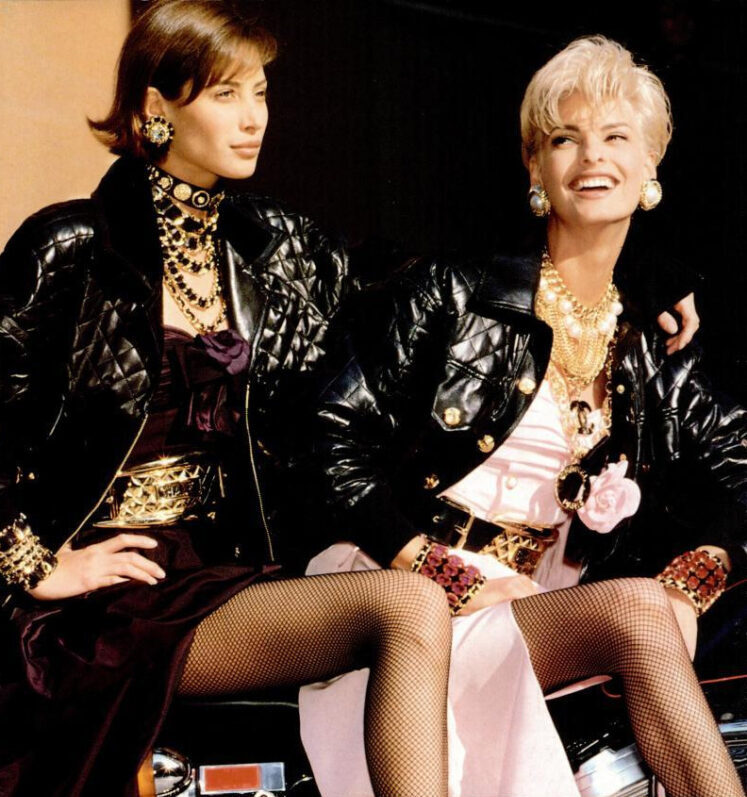
F/W 1991
“N°5 The Film”, directed by Baz Luhrmann and starring Nicole Kidman, was released in 2004 with a runtime of 180-seconds. It remains the most expensive commercial ever made and is regarded as the benchmark for high-budget advertising.
“N°5 The Film"
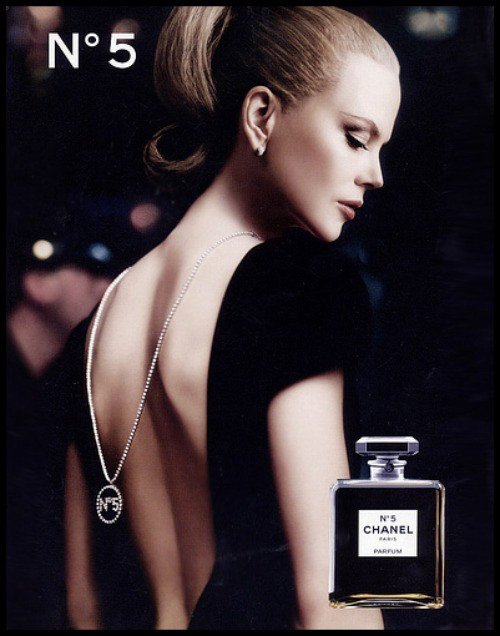
CHANEL N°5, 2004
Styling: Tweed re-imagined with metal chains, oversized belts, bold contrasts; bags elevated into lifestyle icons; accessories given prominence.
Messaging: The juxtaposition of old-world Parisian sophistication with contemporary coolness. CHANEL’s heritage codes remain – but they become rejuvenated.
Photography/Cinematic Approach: Lagerfeld often acted as photographer for most campaigns. Major directors, such as Baz Luhrmann, were enlisted to direct short films for commercial advertising.
Under Lagerfeld, CHANEL’s campaigns became part of the spectacle of luxury: location shoots, big budgets, multiple faces, and global distribution.
As the luxury market globalised and digital advertising became essential, CHANEL pivoted its campaigns to reflect that shift. Multiple ambassadors across regions, more travel-friendly imagery, handbag focused campaigns, and expansion into varying multimedia outlets, such as online videos and social content, became part of the campaign.
Styling: Less exclusively formal runway looks, more “lifestyle” – bags worn on the move, street-style adjacent, models in settings outside the studio.
Messaging: “Too much?” becomes part of the aesthetic; at the same time, a strong pull-back to codes – heritage, Paris, craft. The bag campaigns emphasise “investment pieces” and “icons”.
Photography/Video: CHANEL began working more frequently with external photographers (Inez & Vinoodh, for example) and branching into film. For instance, the Spring 2021 “The CHANEL Iconic” bag campaign was shot by Inez & Vinoodh in Paris.

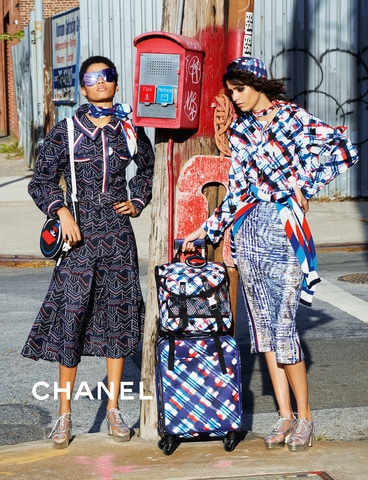
S/S 2016
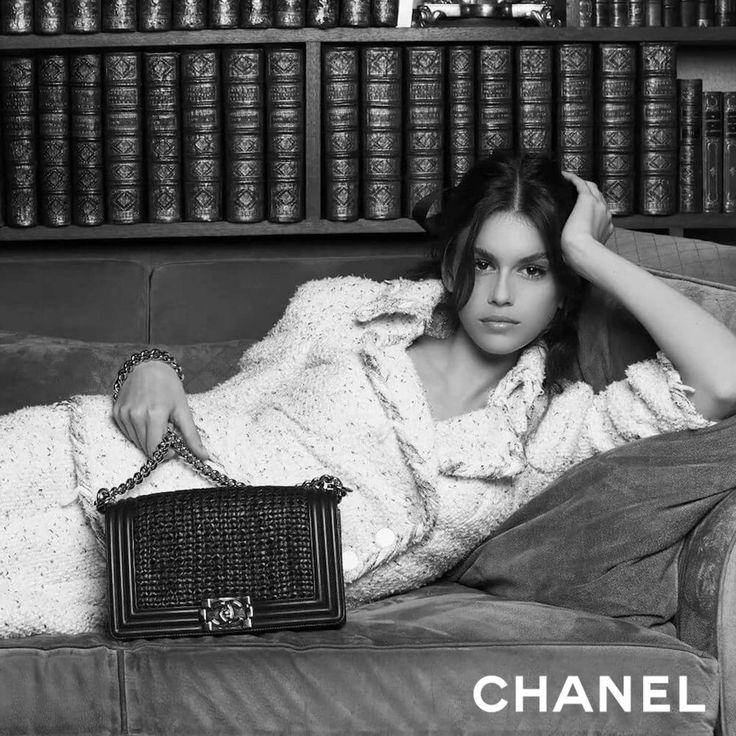
Handbag 2018
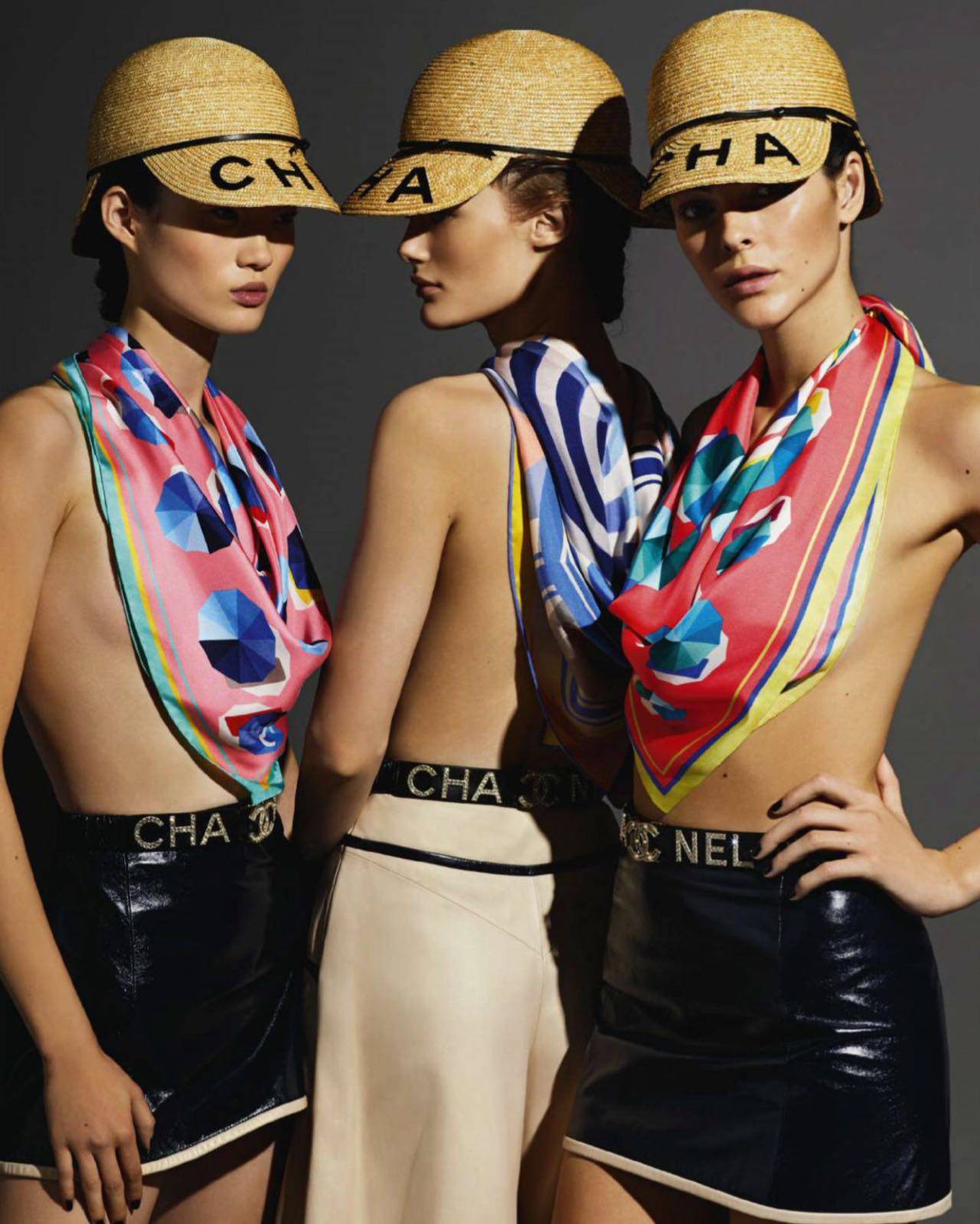
S/S 2019
F/W 2018
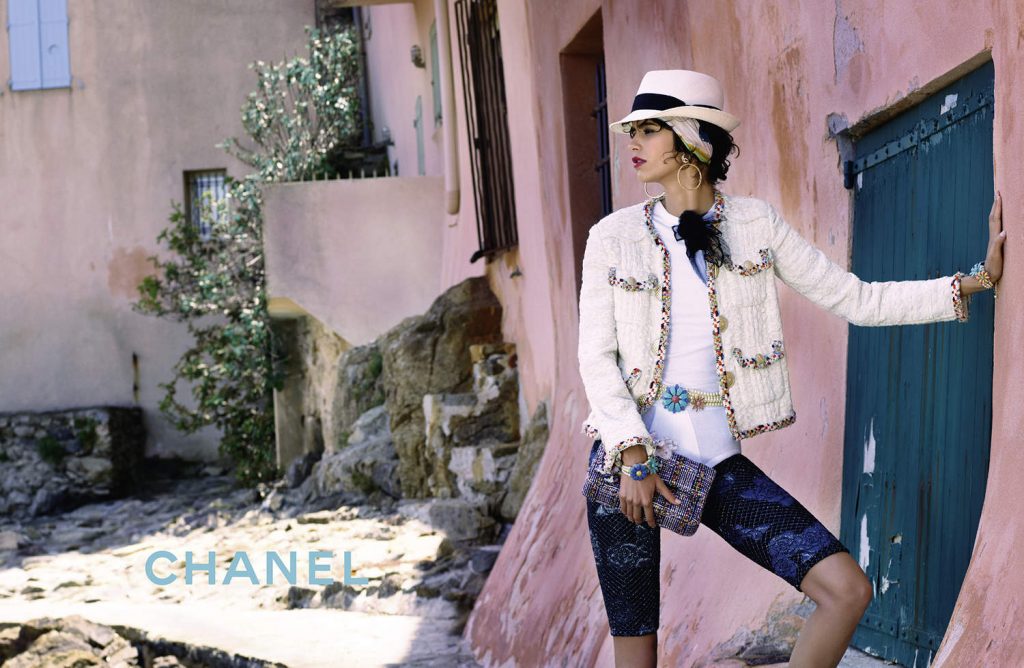
Cruise 2016
Following Lagerfeld’s passing, CHANEL’s campaigns remain luxurious and polished, but perhaps are less overtly theatrical. There is a more subtle tone of quiet luxury. This isn’t surprising considering the creative direction of Virginie Viard’s tenure at CHANEL and her collaborations with Sofia Coppola and Inez & Vinoodh.
Styling: More pared-back, emphasis on timeless pieces, like bags and tweed jackets, while settings have been kept to classic locations like the 31 Rue Cambon staircase, the Grand Palais or the streets of Paris.
Messaging: “Reflection”, “heritage”, “quiet strength” rather than bravado.
Photography: Fine tuning rather than reinvention; the photographers and directors often reuse or reference house codes while translating them into a post-digital-speed era. For example, the Spring/Summer 2025 RTW campaign, shot by Inez & Vinoodh, explicitly pays tribute to the Grand Palais, movement and freedom.
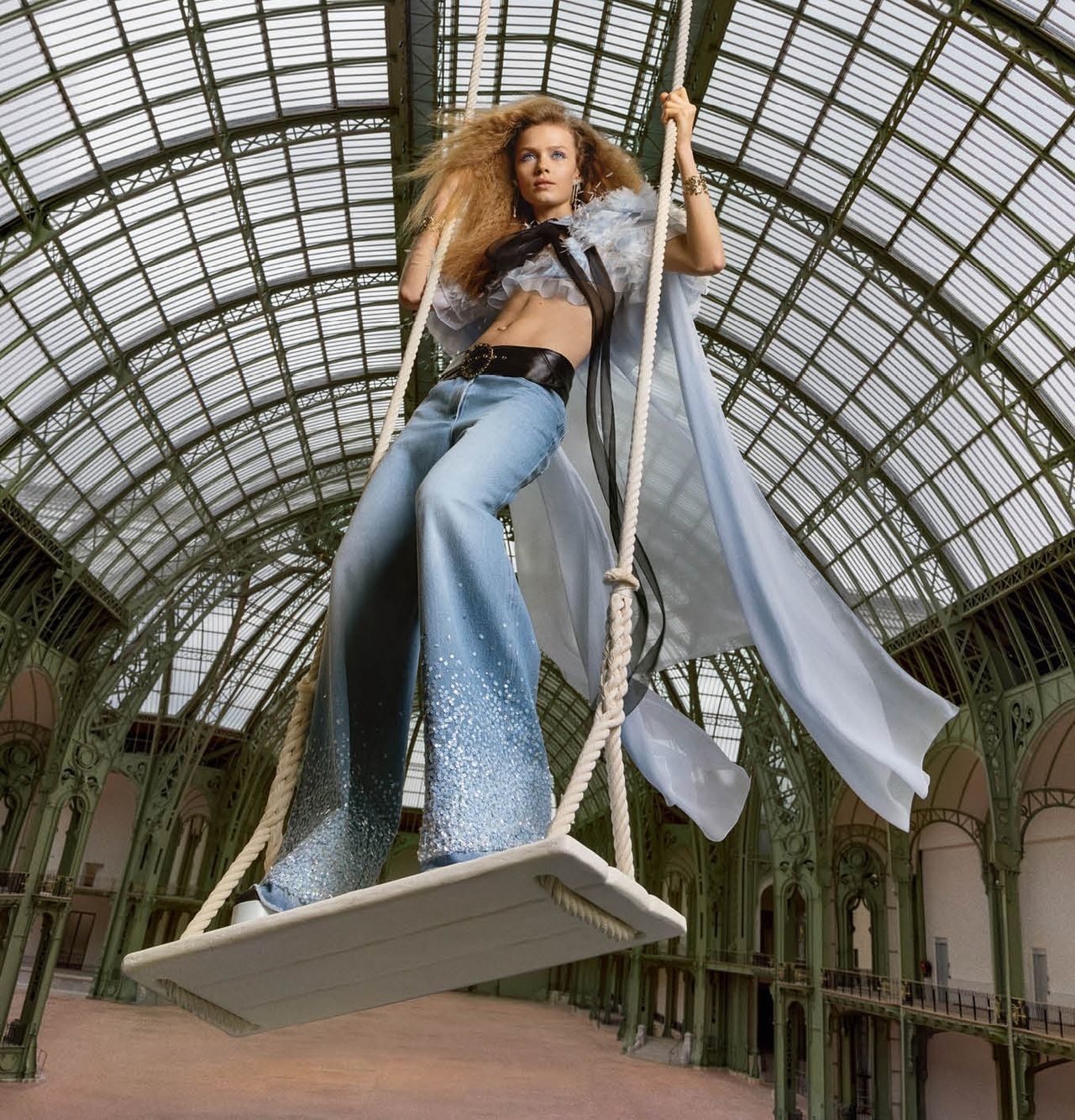
S/S 2025
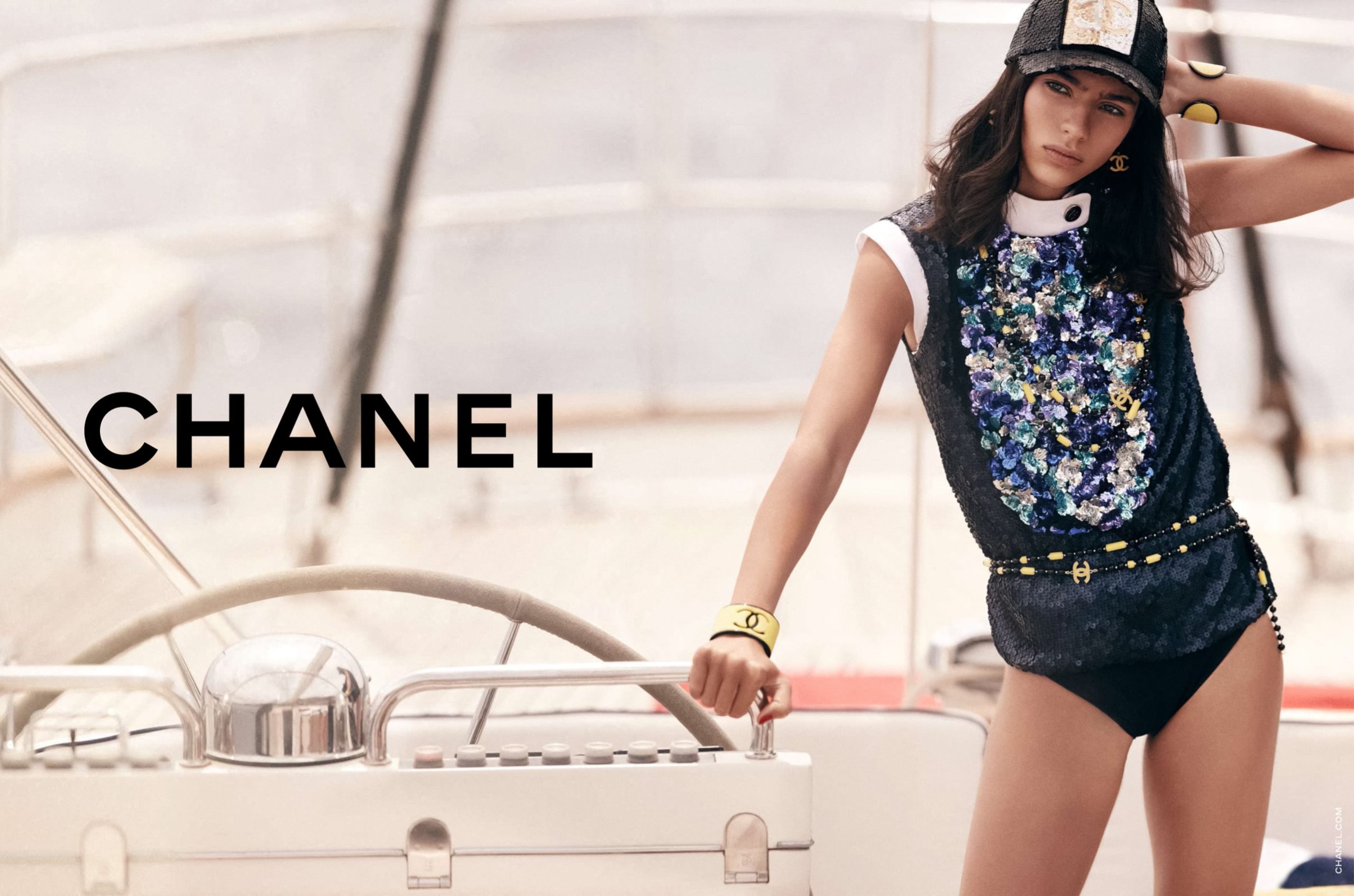
Cruise 2023
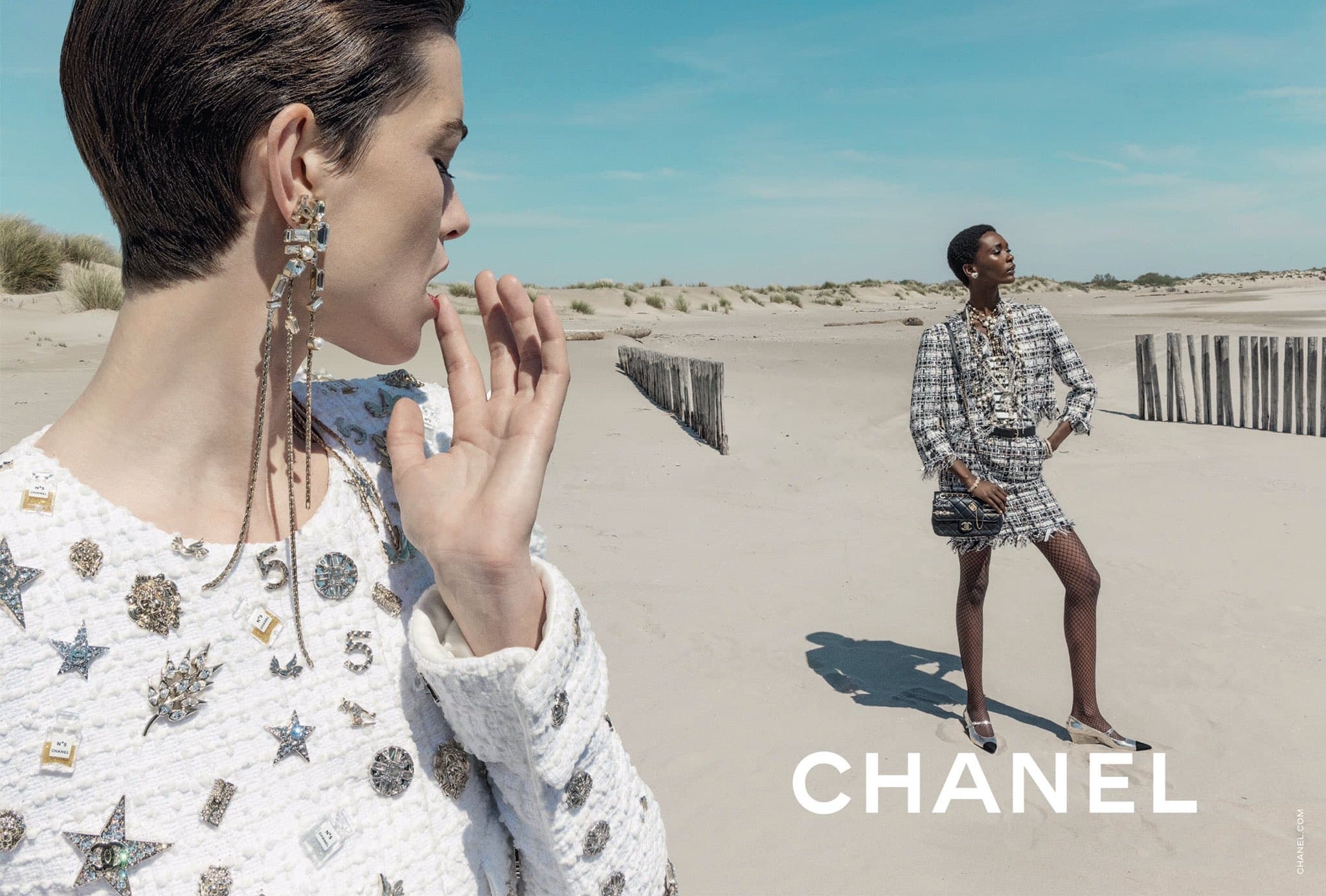
Cruise 2022
With the first campaign set to drop very soon for Matthieu Blazy’s debut collection for CHANEL, we wonder what direction will be taken creatively. Based on the style of the collections themselves, a continued quiet but still high-end edge is expected. We did receive a sneak peak with the unexpected release of the 2025 Holiday Capsule collection – a first for CHANEL. Along with this release was the accompaniment of a campaign – pared back luxury, set against a clean white background, focused on the actual pieces. Prior to this, the Cruise 2025/26 campaign was also released. While the collection was not designed by Blazy, the campaign was clearly styled under his influence, showcasing the same aesthetic as the holiday campaign.
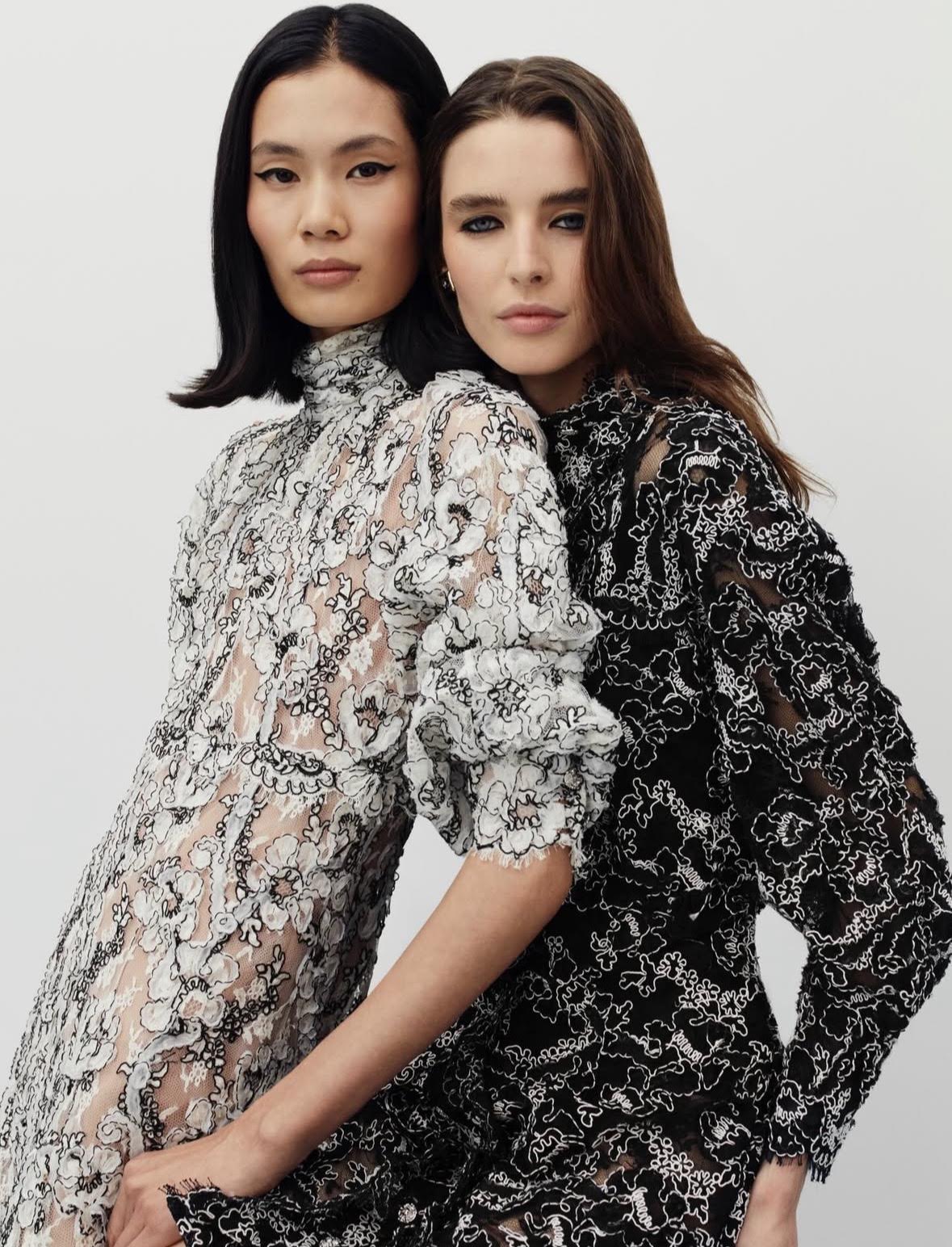
Cruise 2025
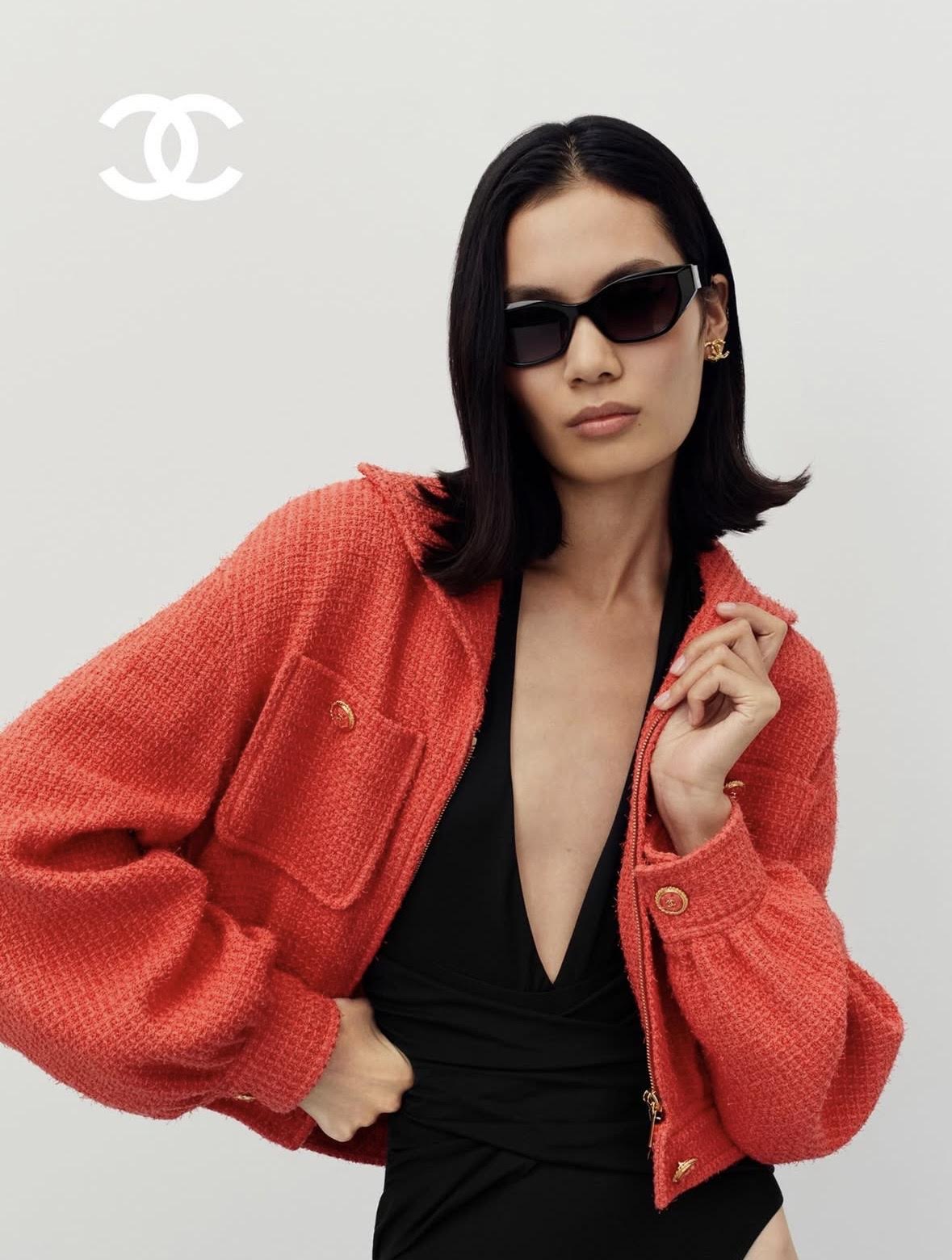
Cruise 2025
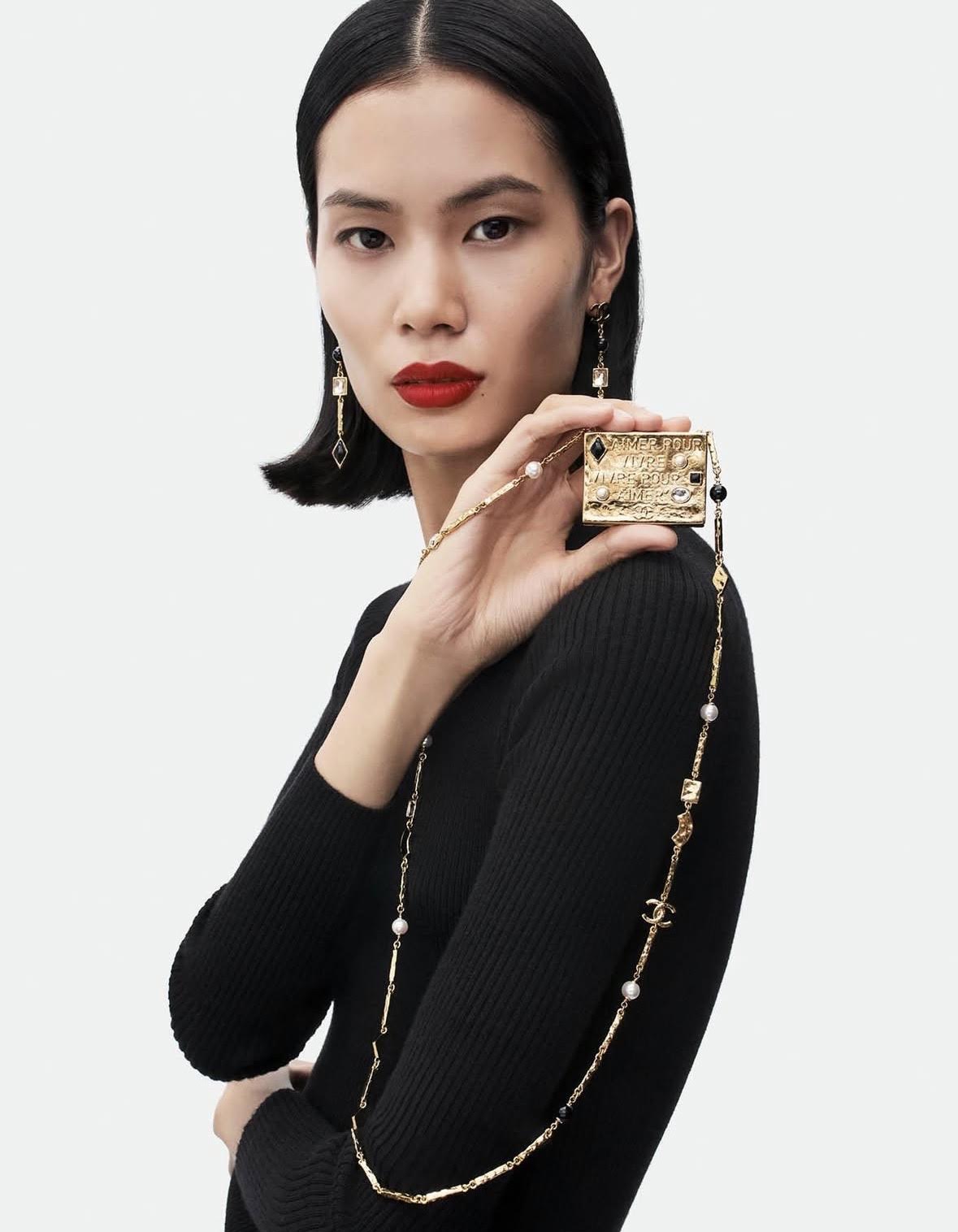
Holiday 2025
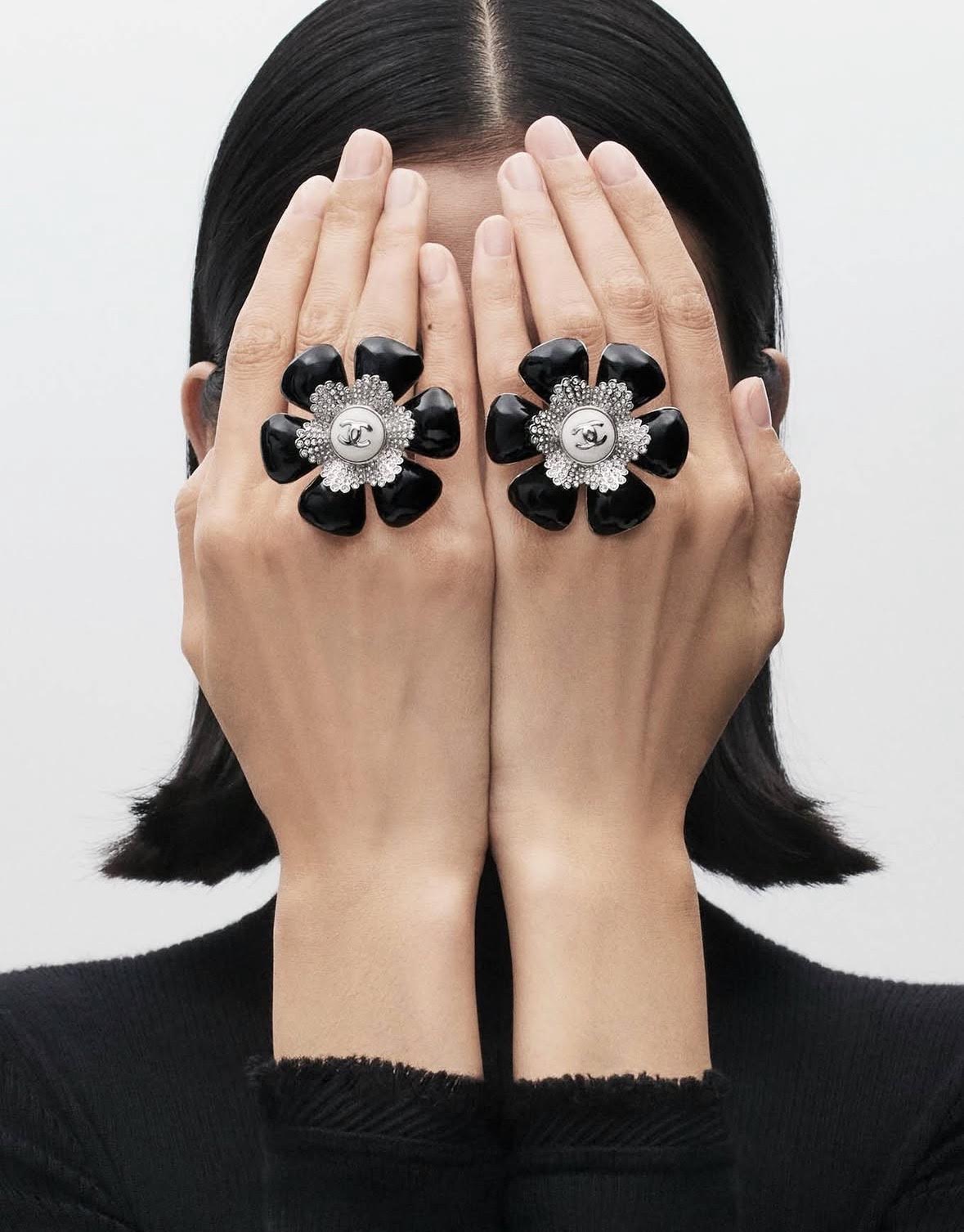
Holiday 2025
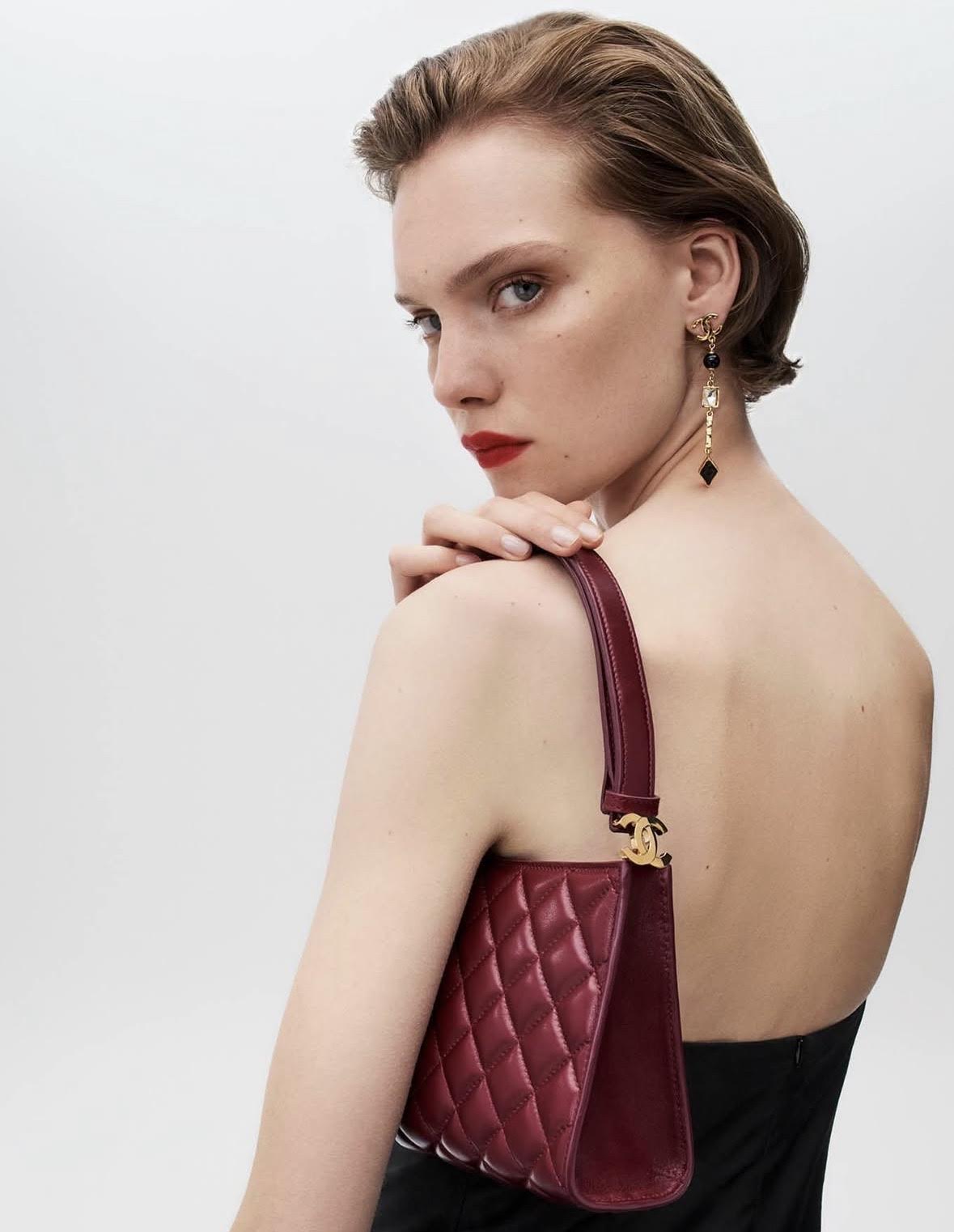
Holiday 2025
Here is a list of standout CHANEL campaigns – those that either captured a cultural moment, reinvented a house code, or remains highly referenced in fashion history.
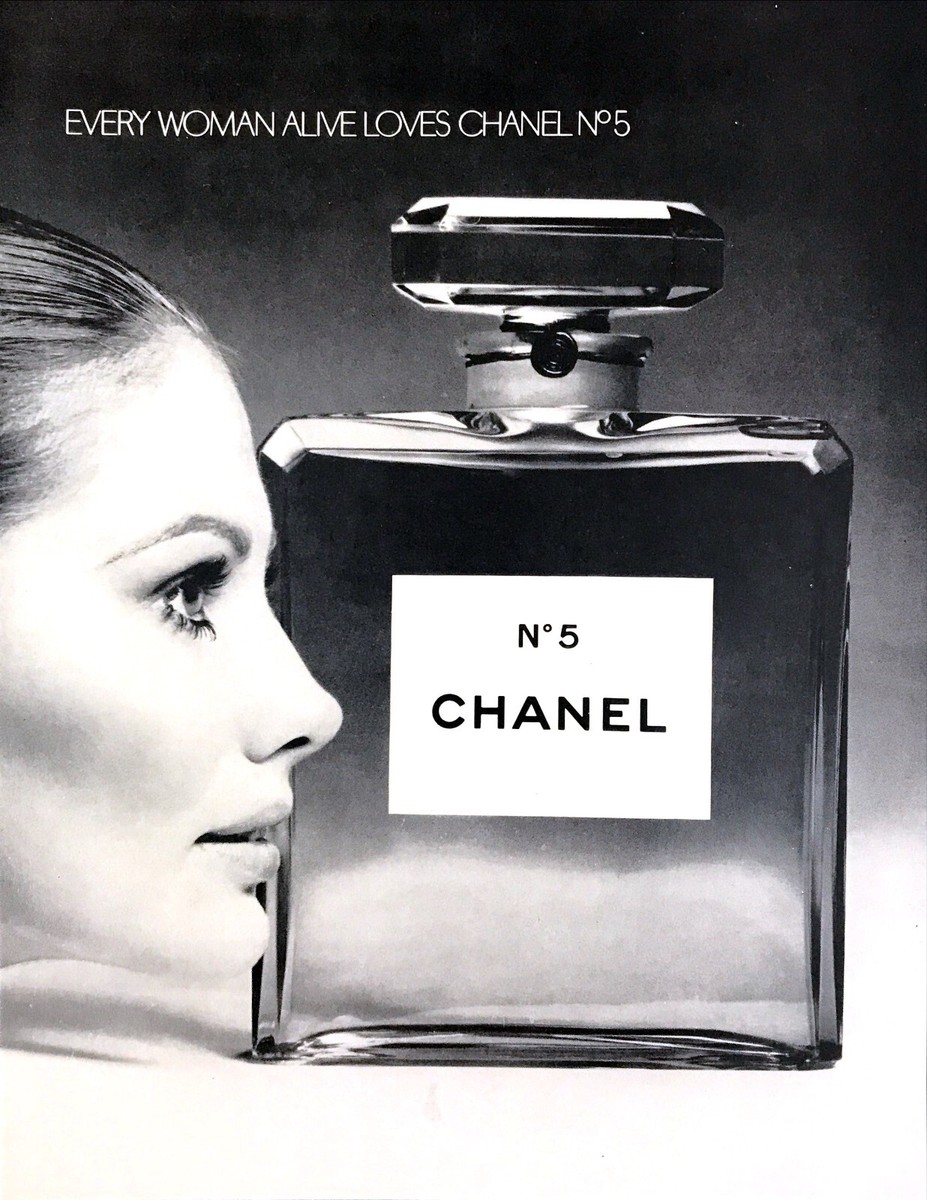
CHANEL NO 5, 1970
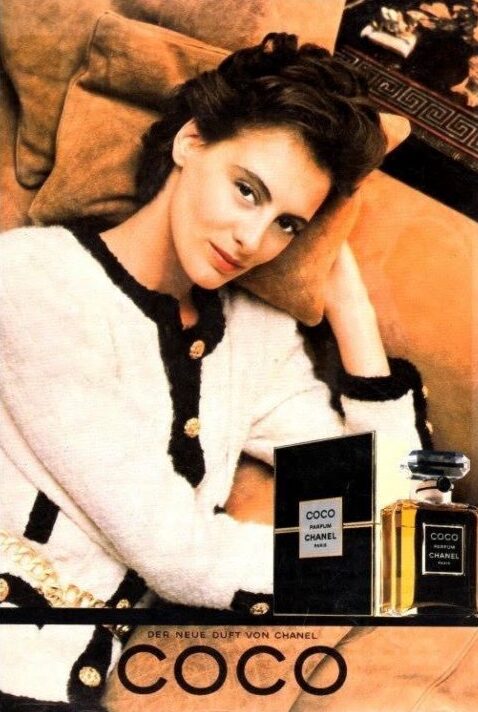
COCO Fragrance, 1984
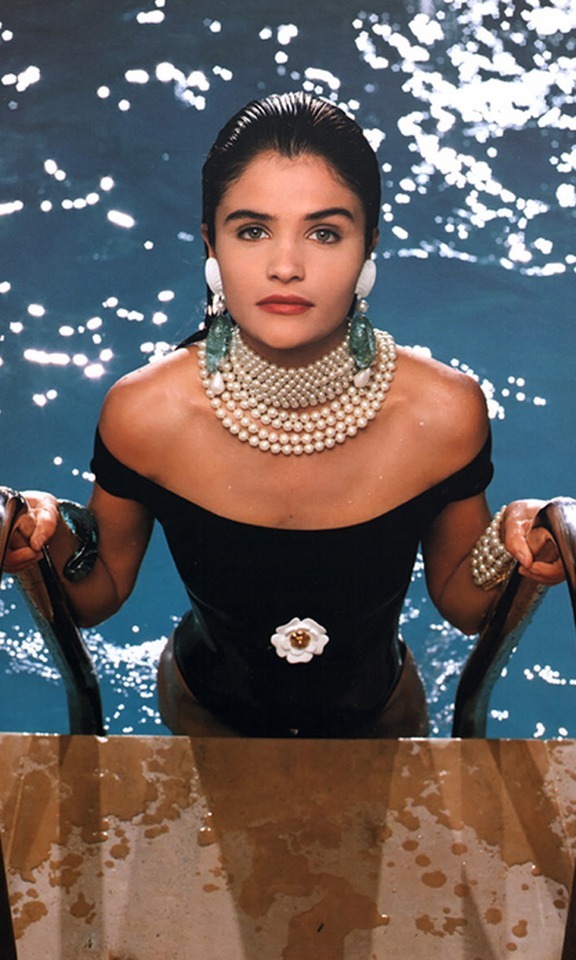
S/S 1990
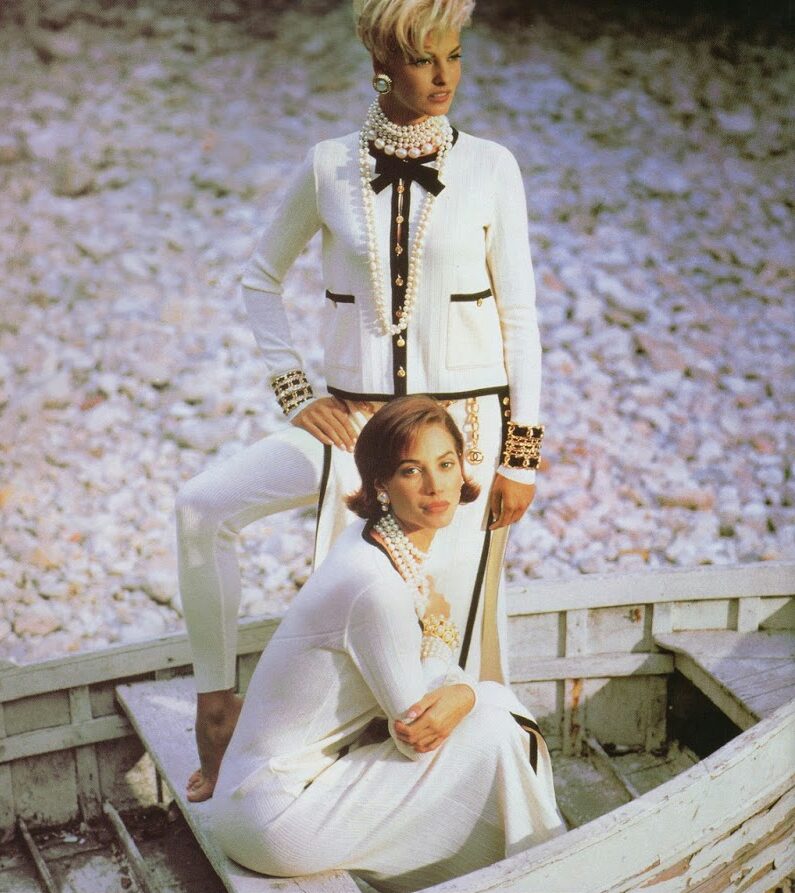
F/W 1991
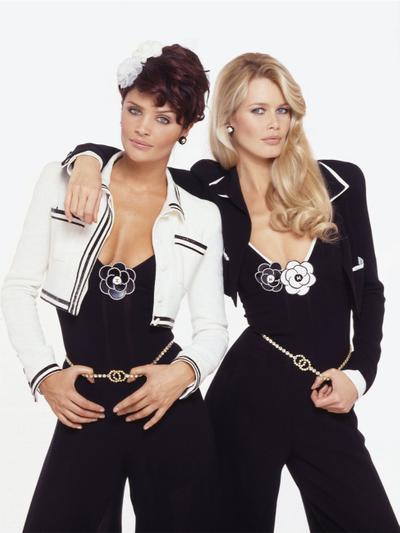
S/S 1995
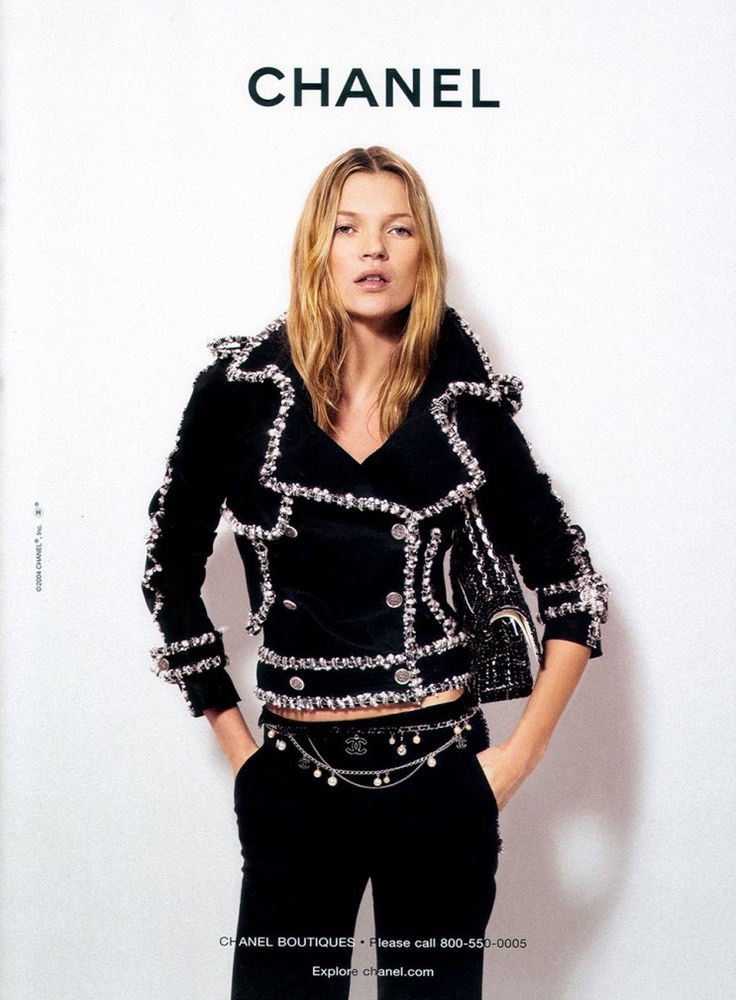
S/S 2004
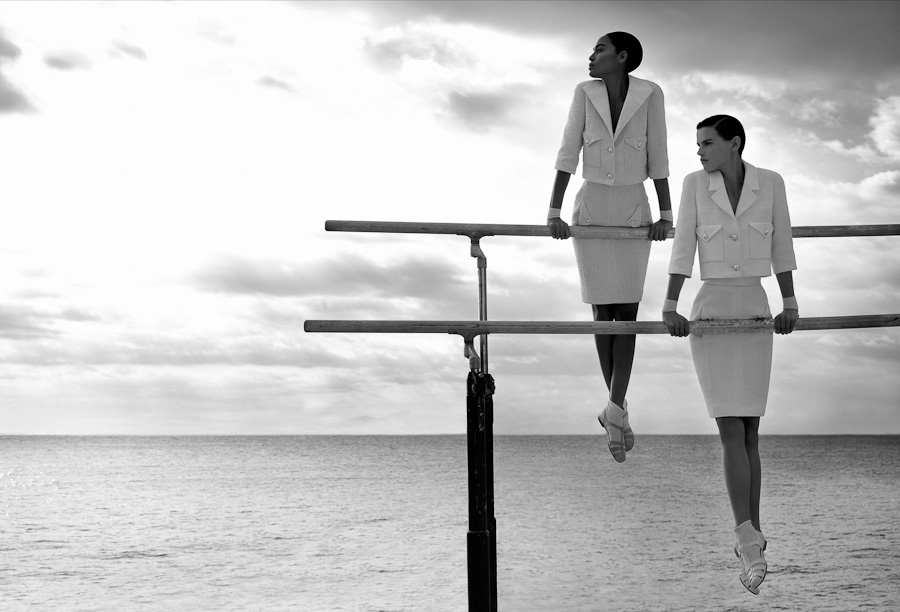
S/S 2012
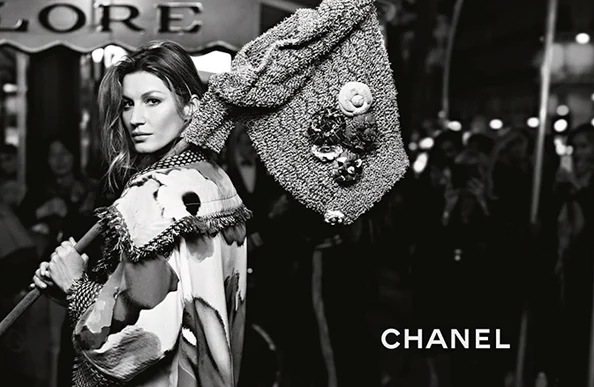
S/S 2015
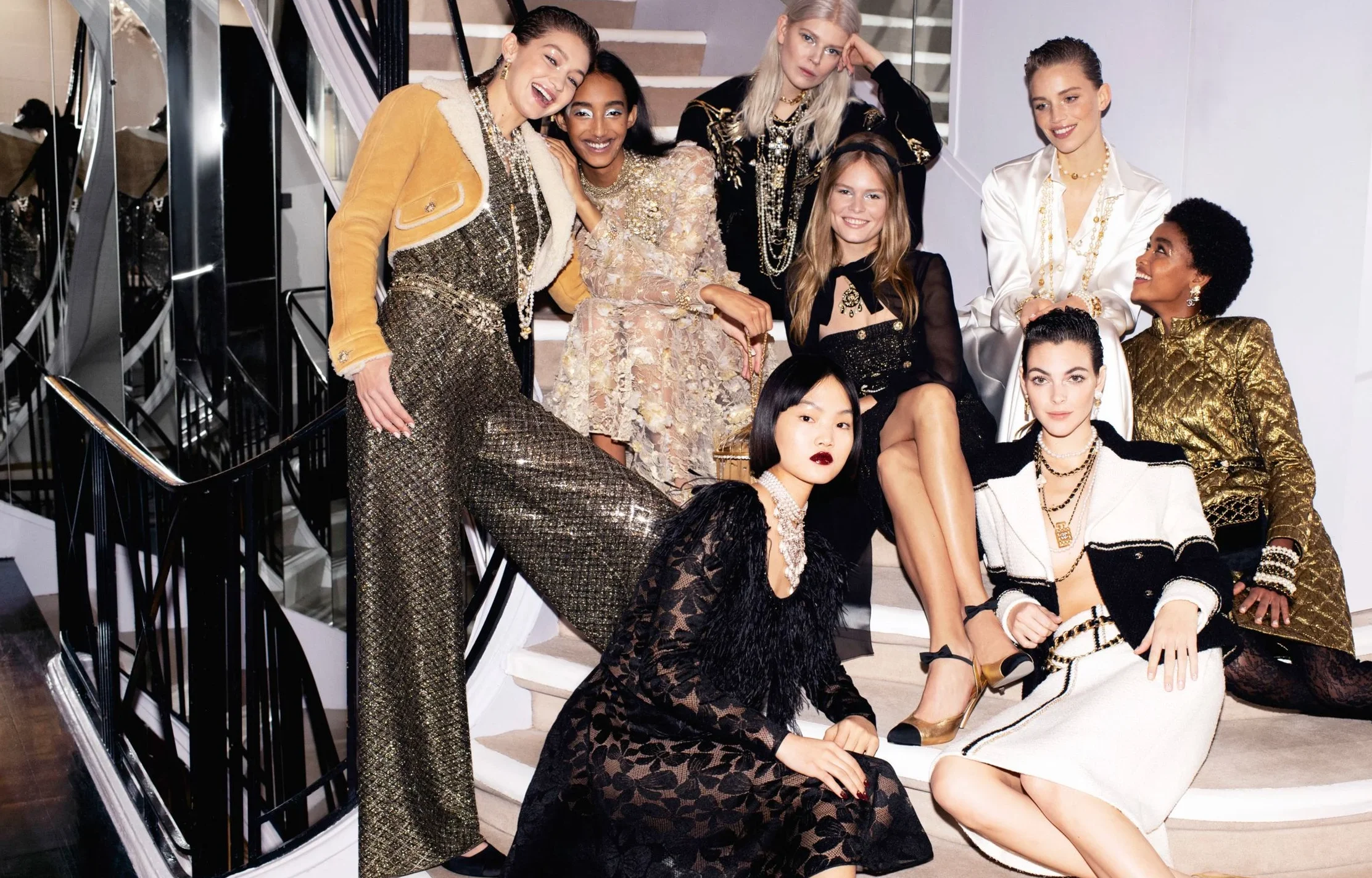
Métiers d’Art 2020

Métiers d’Art 2020
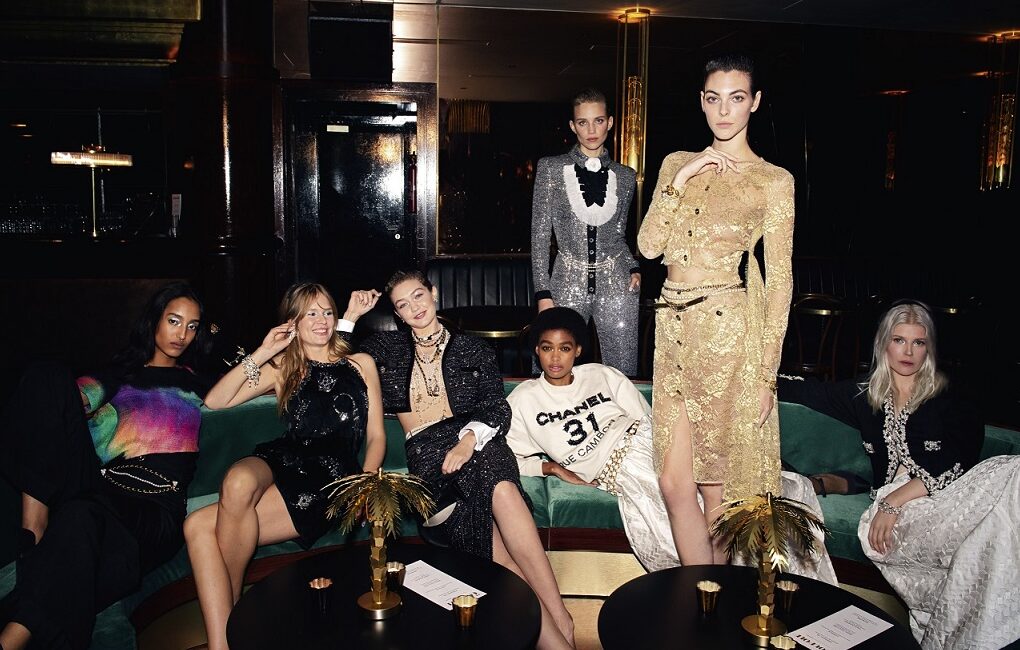
Métiers d’Art 2020
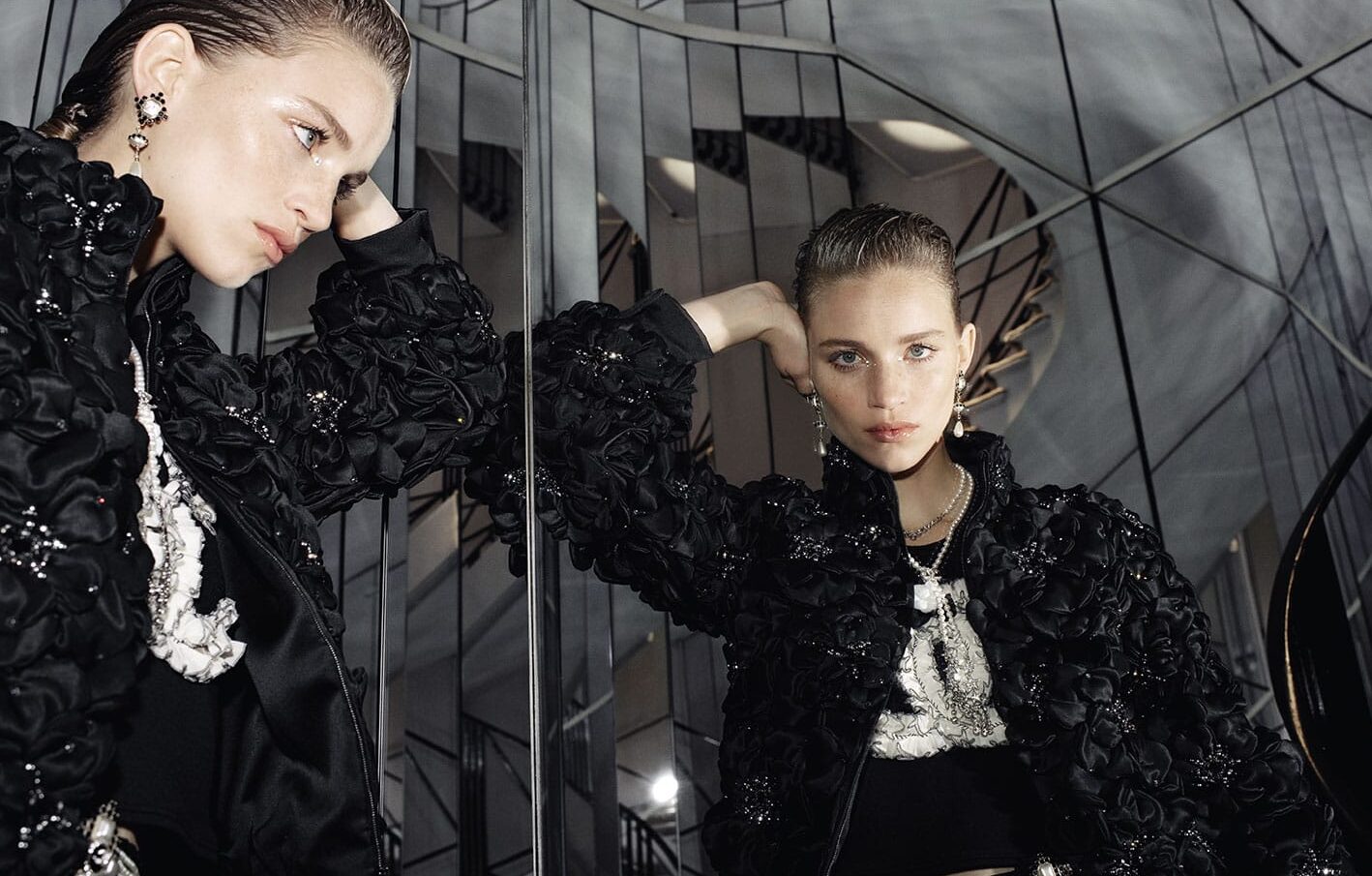
Métiers d’Art 2020
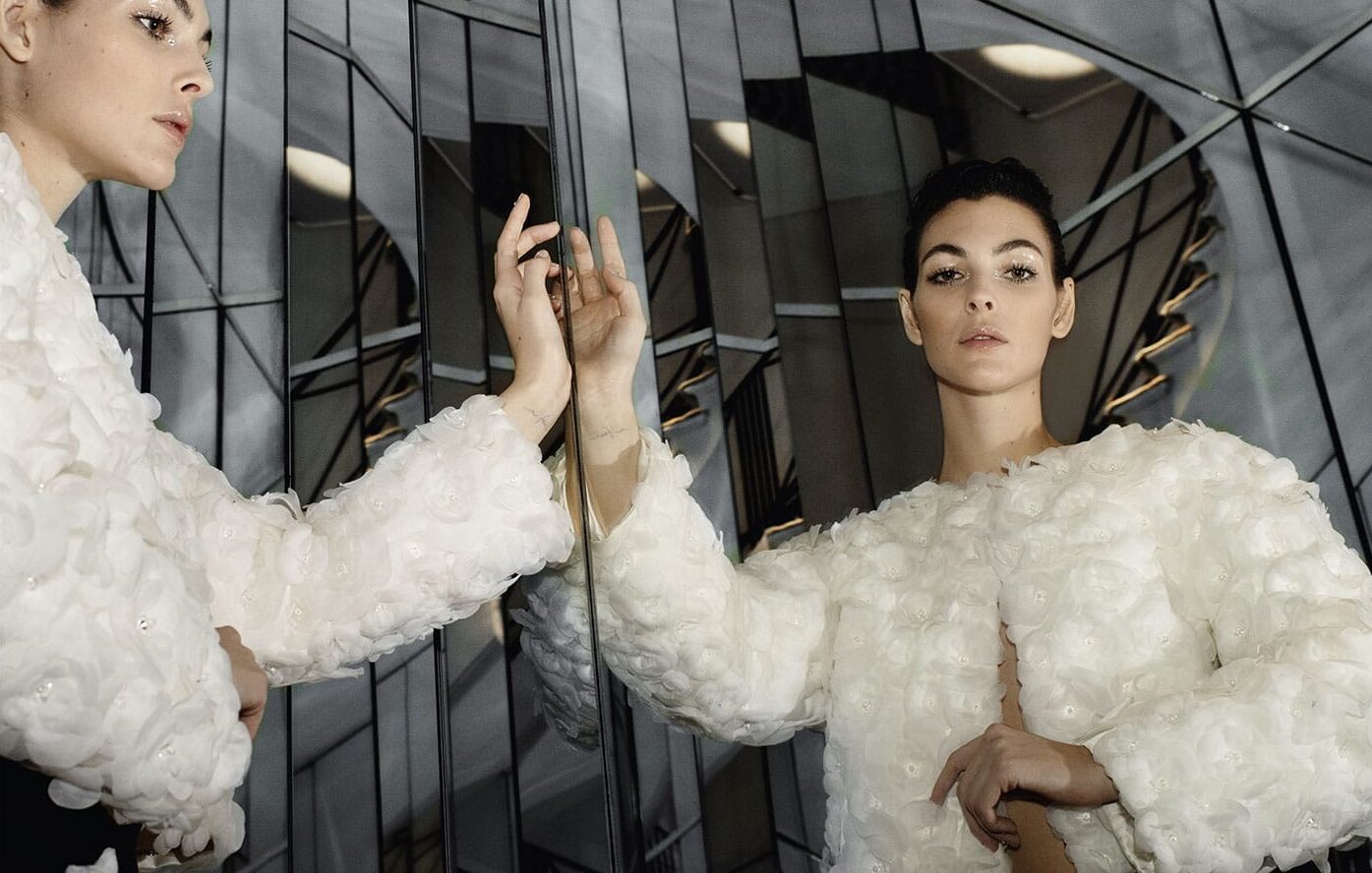
Métiers d’Art 2020

Métiers d’Art 2020
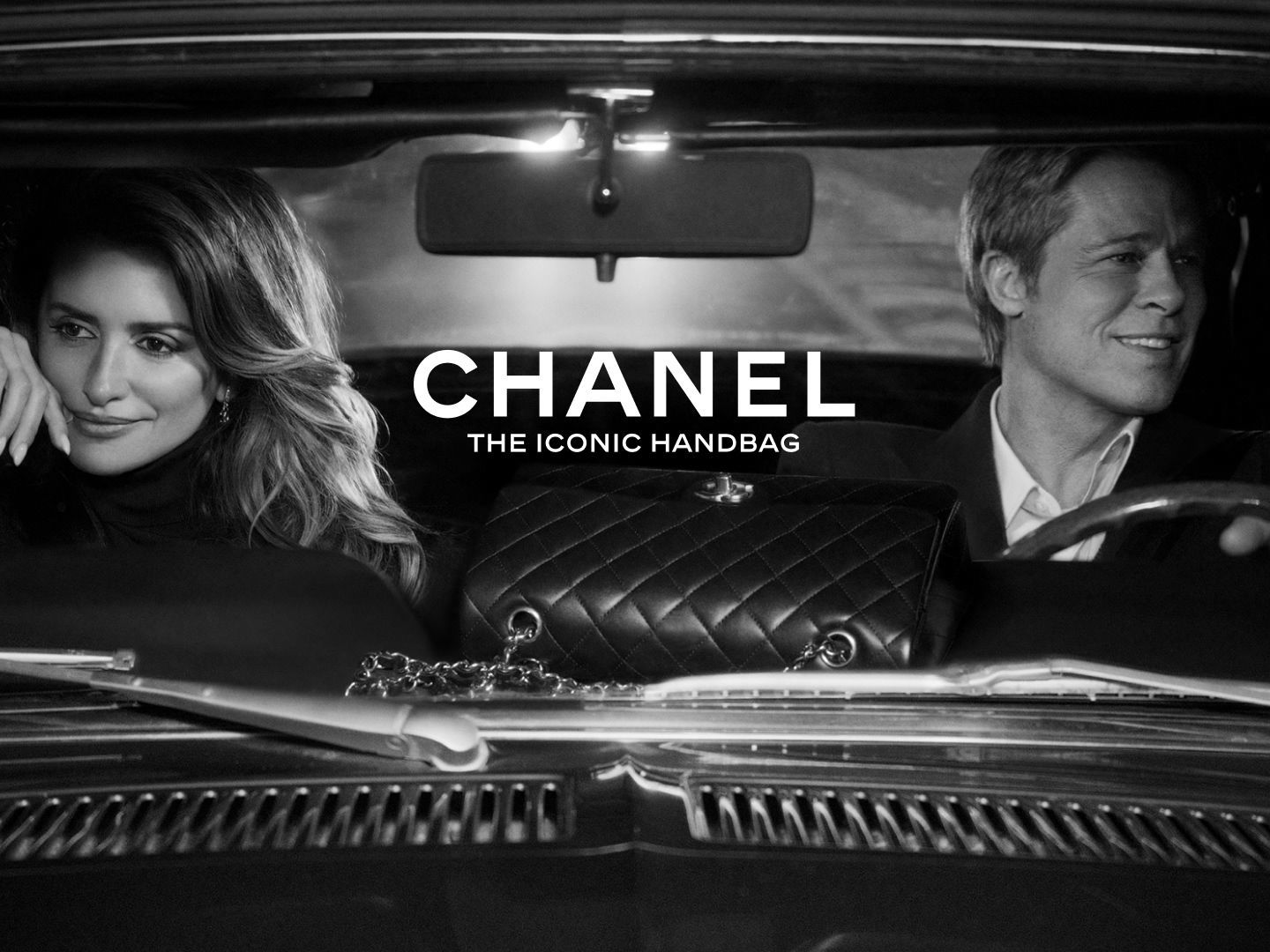
Handbag Campaign 2024
CHANEL’s campaigns form more than a marketing chronology, they chart the evolution of luxury fashion imagery – culture and commerce. What began as elegant, studio-bound portraits became multimedia extravaganzas, and are now recalibrating into something subtler, but no less powerful. The House continues to ask: What is a CHANEL woman (or man) today? And through styling choices, messaging tone and photographic voice, each campaign offers an answer for its moment in time.