
20 March 2026
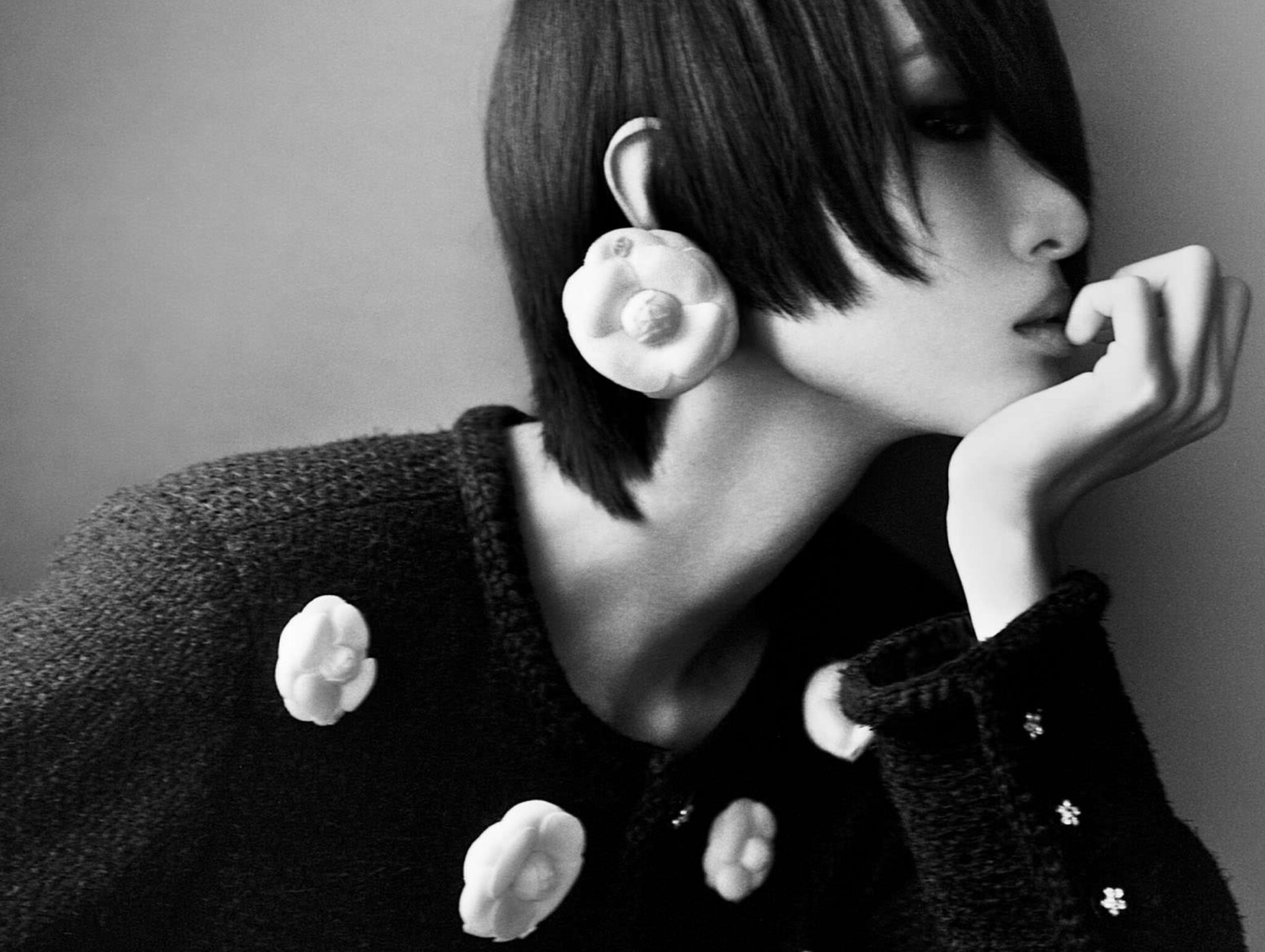
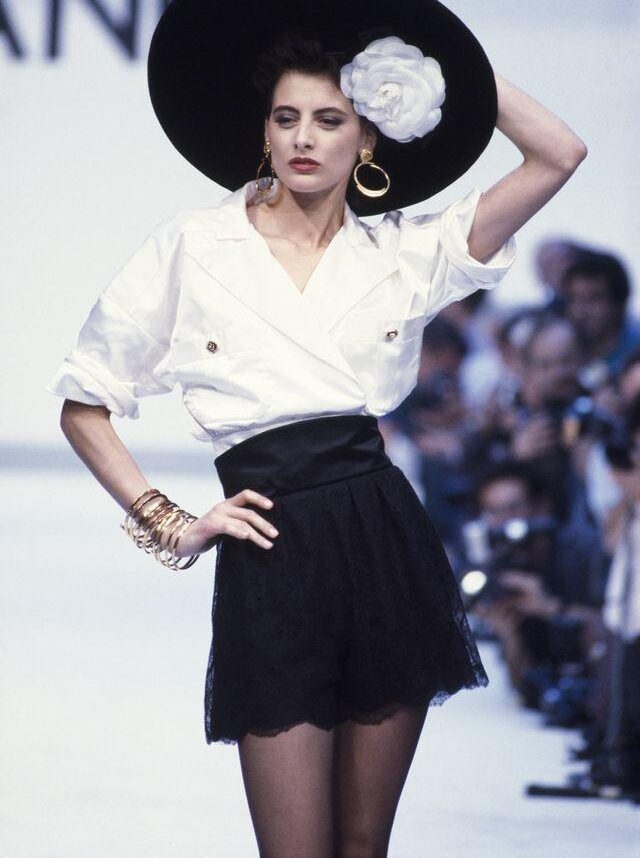
There is something quite radical about choosing a flower that has no scent. In a world where perfume was power and femininity was announced before a woman even entered the room, Gabrielle Chanel chose the camellia – odourless, immaculate, and impossible to ignore. It was a choice that told you everything about how she understood beauty: precise, purposeful, and entirely on her own terms.
More than a century later, the camellia remains one of the most recognizable symbols in fashion. It appears on the lapels of tweed jackets, at the centre of fine jewellery, embroidered into couture gowns, and rendered in every material imaginable – from silk organza to white gold. It is a motif that has outlasted trends, creative directors, and decades of reinvention. Understanding why requires going back to the beginning.
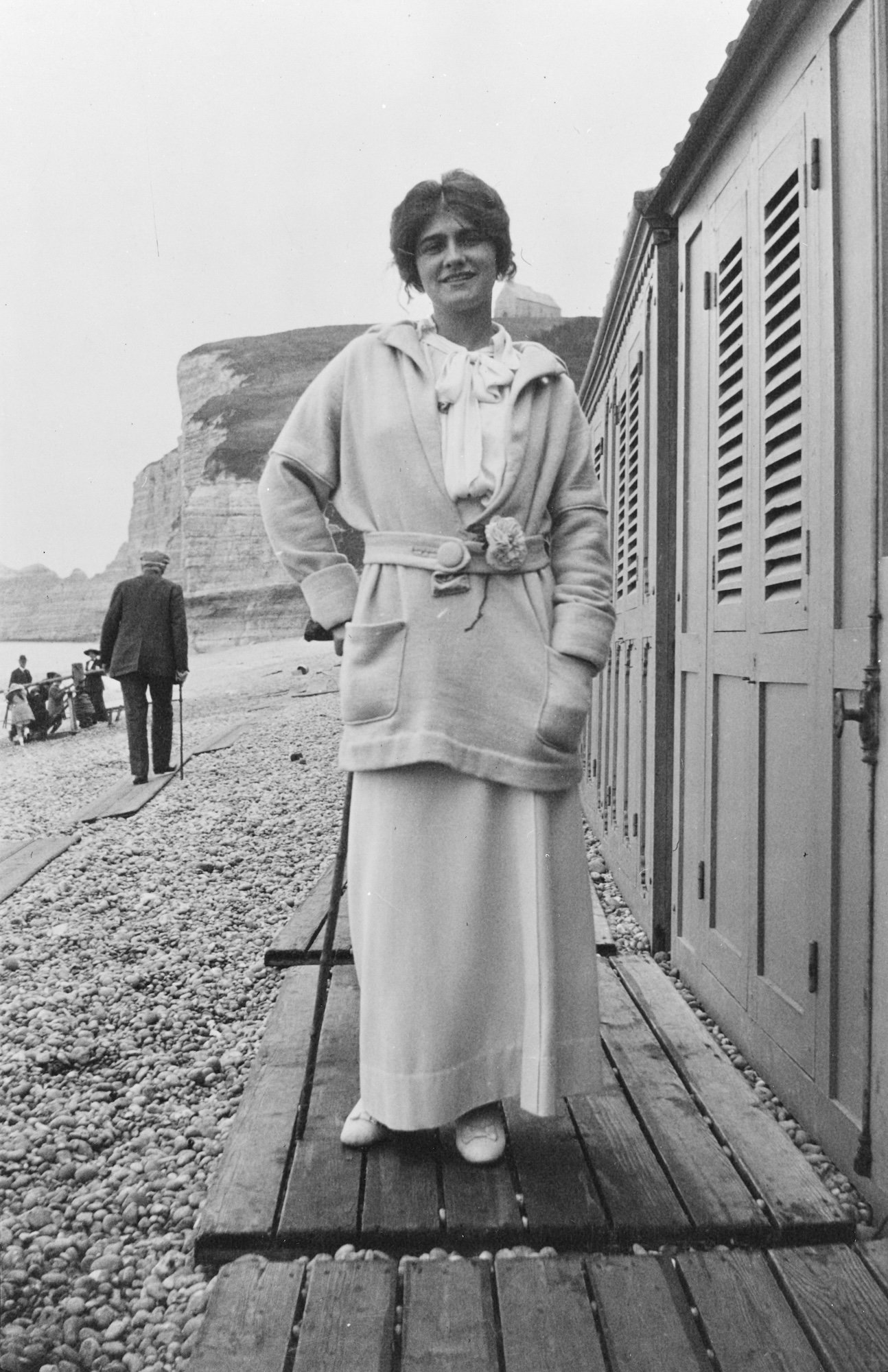
Coco Chanel, 1931. Photo courtesy of CHANEL
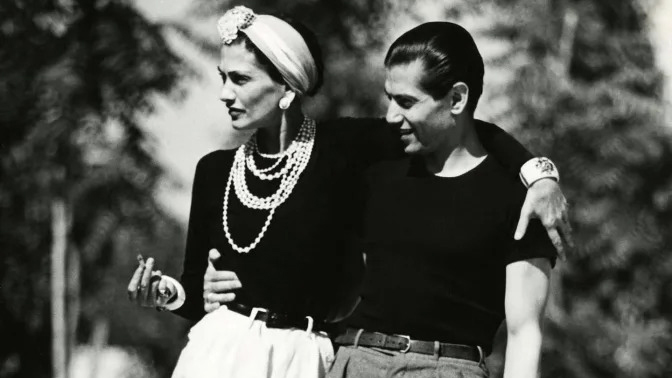
Coco Chanel & Serge Lifar. Photo by Jean Moral
Coco Chanel’s relationship with the camellia is most often traced to Alexandre Dumas, whose 1848 novel La Dame aux Camélias introduced the world to Marguerite Gautier – a Parisian courtesan whose calling card was the white camellia she wore on the days she was available and the red one she wore on the days she was not. It was a story of beauty, tragedy, and coded desire, and the camellia was its silent language.
Whether Chanel was drawn to the novel’s romanticism or its undercurrent of female independence is a matter of interpretation. What is clear is that she saw in the camellia something that aligned with her own philosophy of dress. The flower was clean-lined and architectural with no fragrance to announce it. It was simply there, confident in its form alone. For a designer who was dismantling the fussiness of Belle Époque fashion – stripping away the corsets, the frills, the elaborate plumage – the camellia was the perfect emblem.
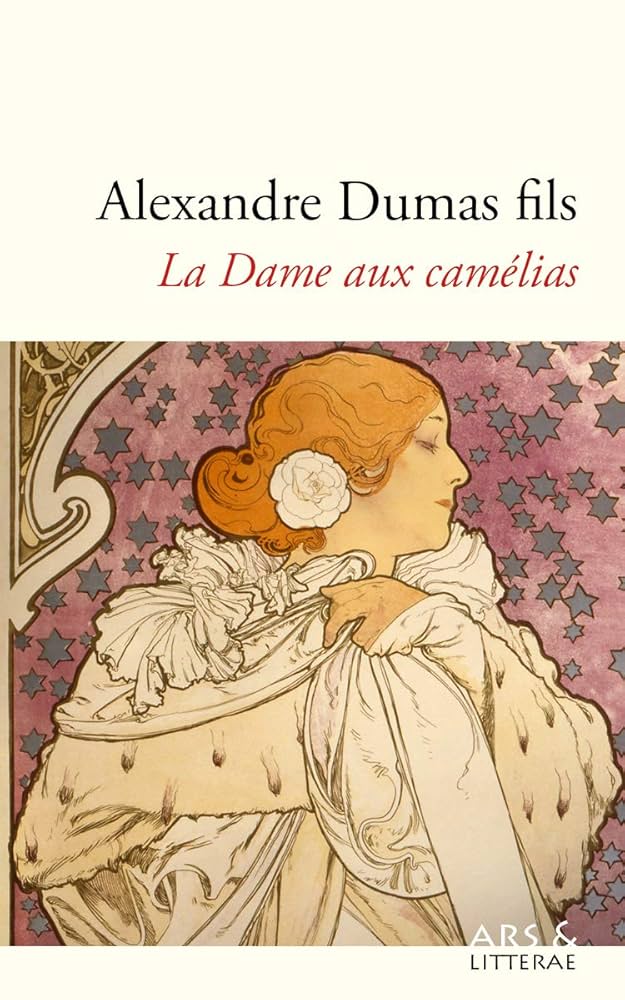
La Dame aux Camélias book cover
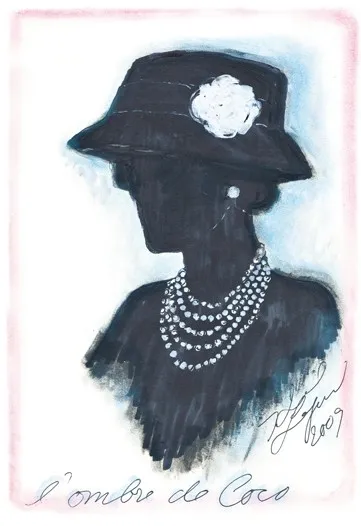
Coco Chanel sketch by Karl Lagerfeld
In the 1920’s and 1930’s, Chanel wore camellias constantly – pinned to her jacket, tucked into her belt, placed in her hair. They appeared in white almost exclusively, a deliberate counterpoint to the elaborate coloured corsages fashionable women typically wore. Where others adorned themselves with heavily fragranced blooms, Chanel reached for something more restrained.
She began making them herself. Using fabric scraps – tulle, silk, organza, jersey – she constructed camellias by hand, twisting and shaping the material until each petal held its form. The craft was meticulous and the results were striking: flowers that looked almost real but were clearly, beautifully, not. There was no pretence, only artistry.
These handmade camellias became part of her identity in the same way the little black dress or the collarless jacket did, objects so associated with her person that to encounter them was to encounter something of Chanel herself. By the time the house had grown into an institution, the camellia had grown with it: from a personal accessory into a design code.

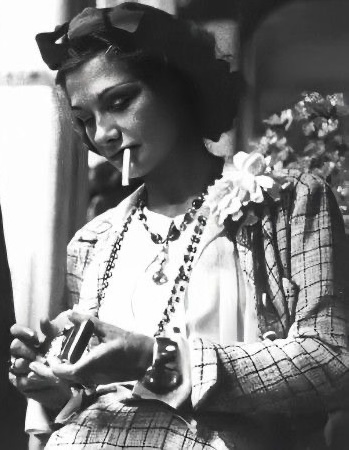
Coco Chanel, 1930's
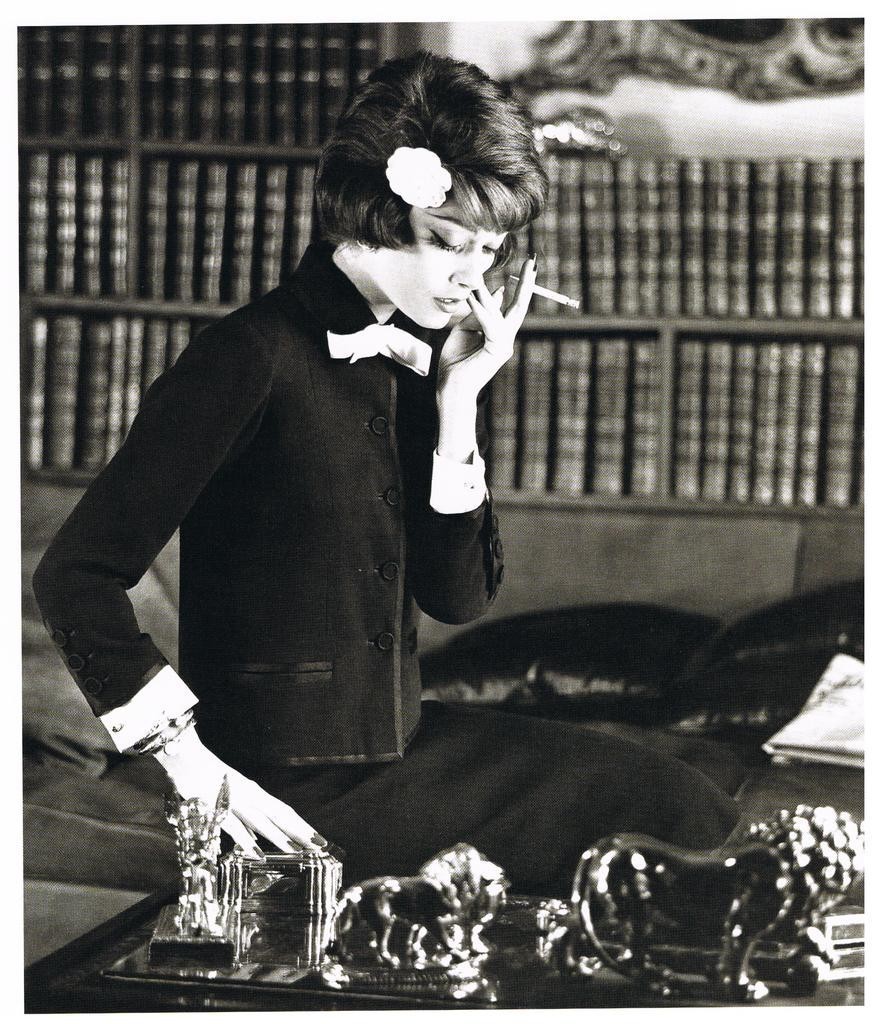
Marie Helene Arnaud, Marie Claire 1959

Coco Chanel, 1931
When Karl Lagerfeld took the creative helm at CHANEL in 1983, he inherited a house whose codes had been cemented. His considerable genius lay in his ability to take what was fixed and make it feel electric again. The camellia was no exception.
Under Lagerfeld, the camellia expanded beyond the boutonnière. It became structural – oversized and graphic on jackets and skirts. It appeared in unexpected materials: leather, feathers, beading, painted satin. It moved from the lapel to the shoe, the bag, the belt buckle, the earring. Each new iteration was a reinterpretation rather than a repetition, keeping the symbol visually alive across more than three decades of collections.
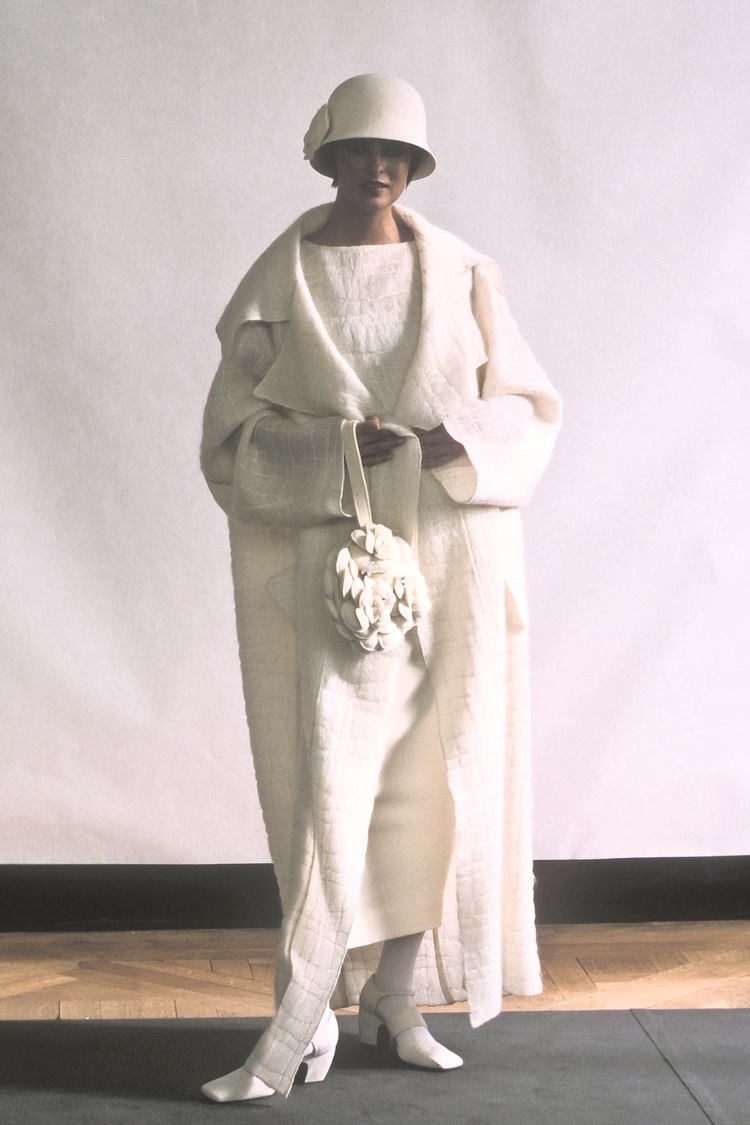
CHANEL F/W 1998 RTW
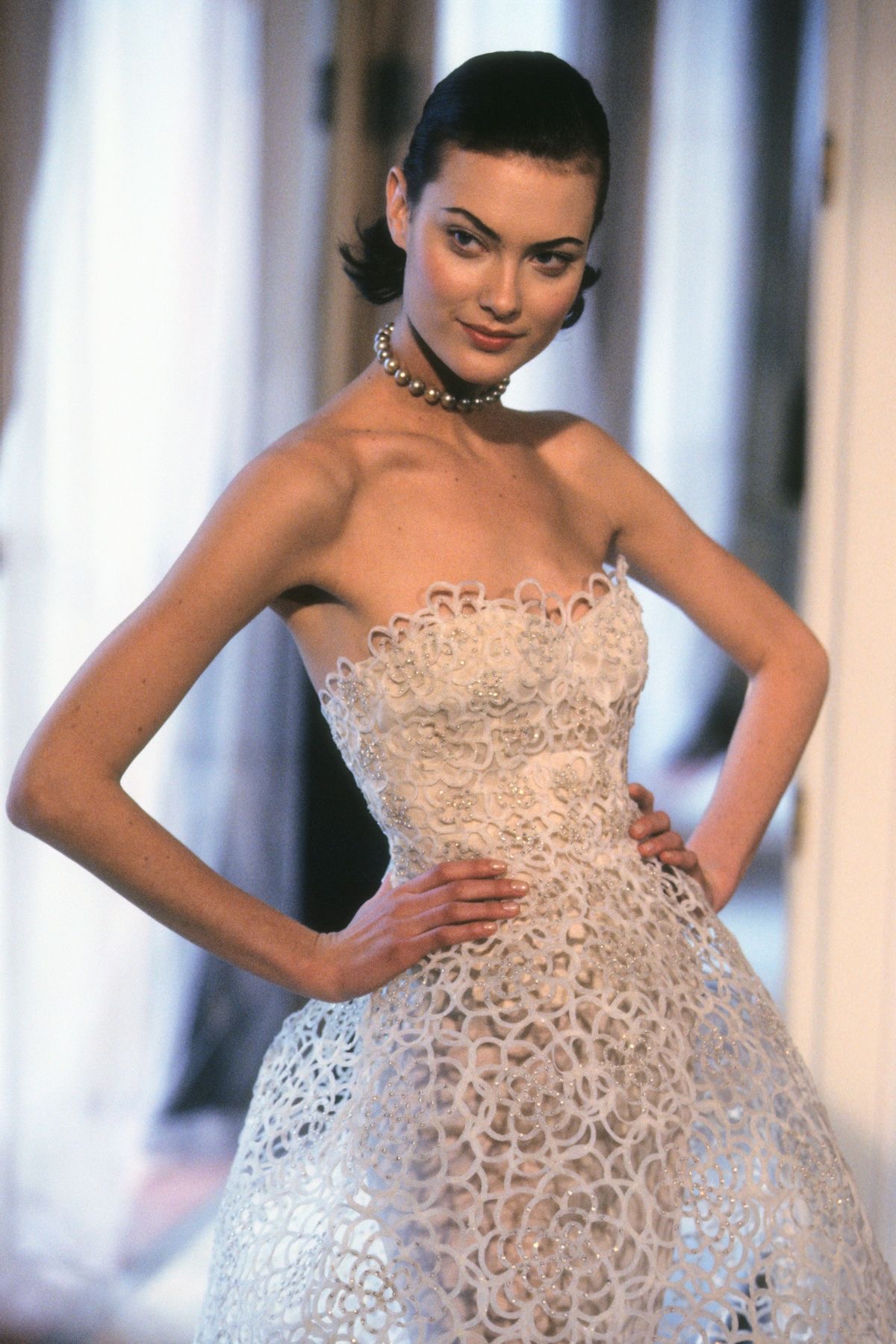
CHANEL S/S 1997 Couture
Lagerfeld also understood the camellia as a vehicle for storytelling. A couture gown with a single camellia at the hip carried a different charge than a jacket covered in them. Scale, placement, and material could each shift the meaning from understated authority to maximalist romance. He used that range fluently.
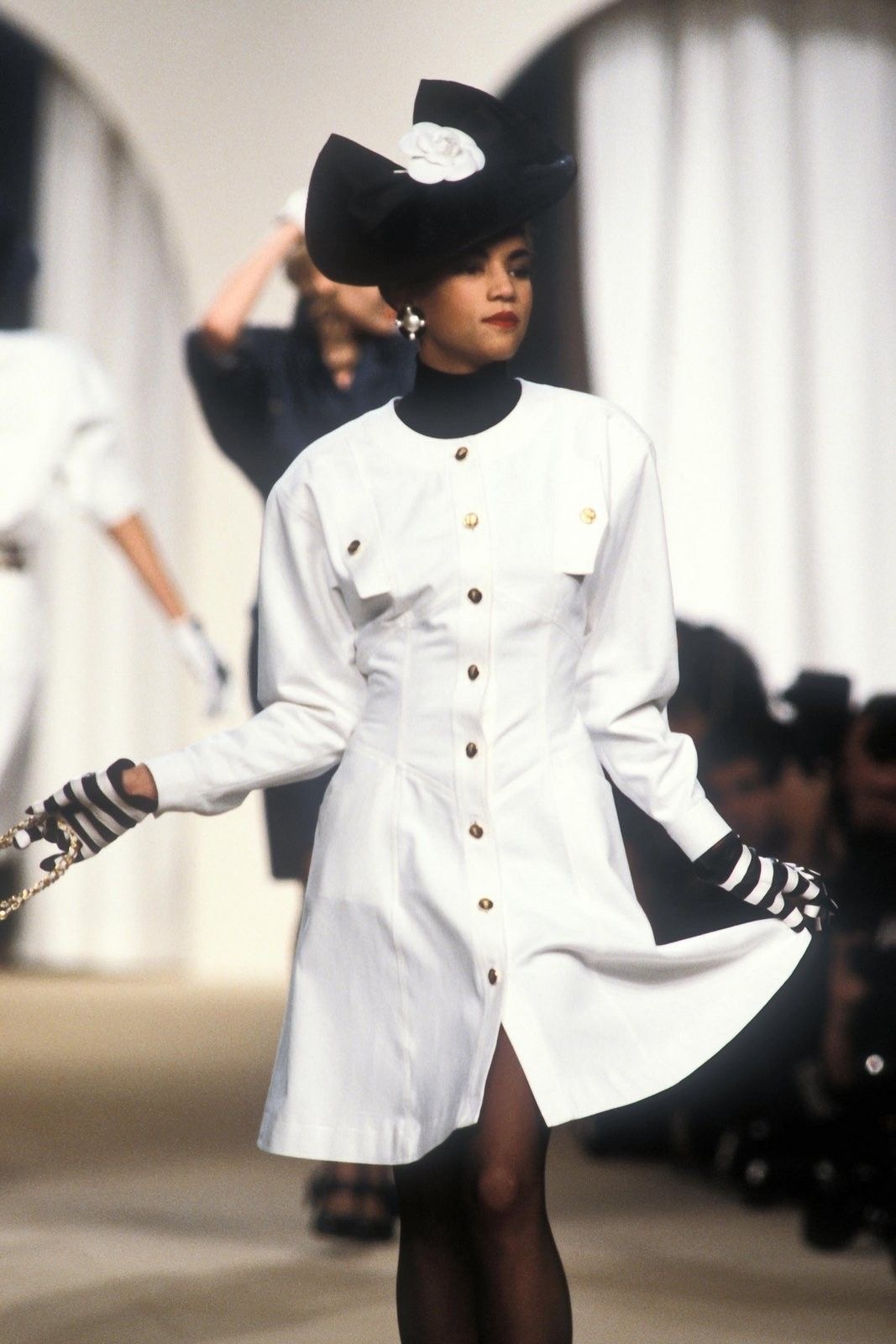
CHANEL S/S 1987 RTW
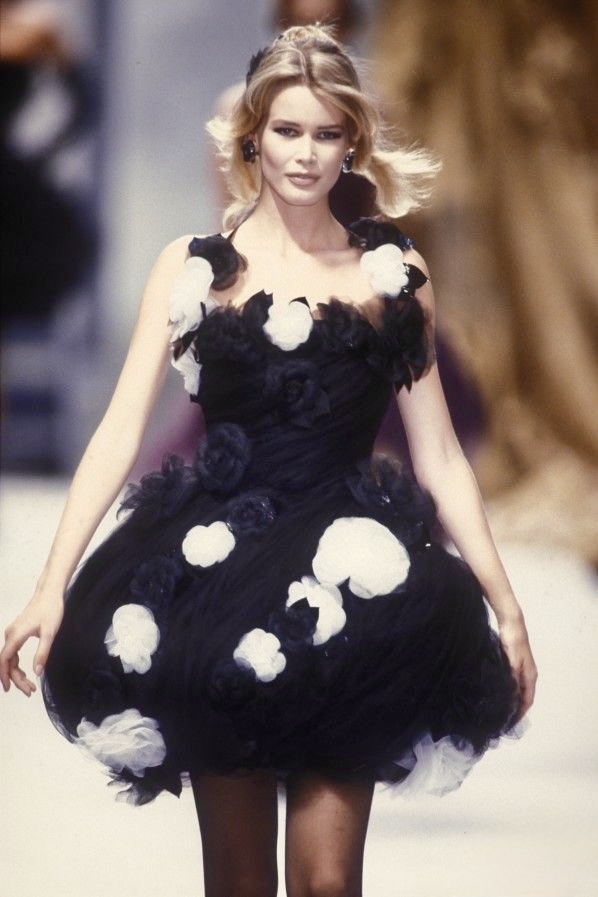
CHANEL F/W 1991 Couture
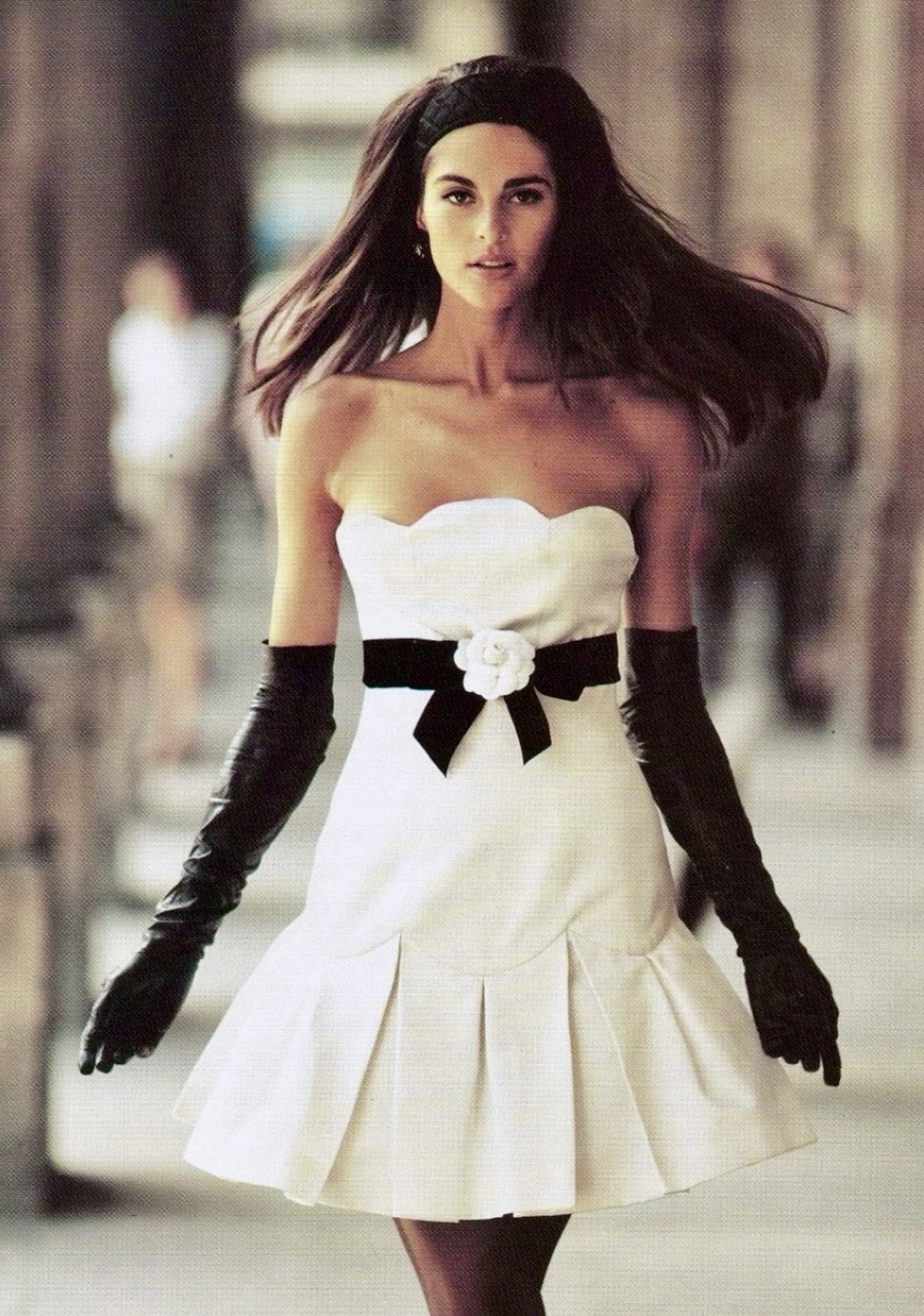
CHANEL F/W 1990 RTW
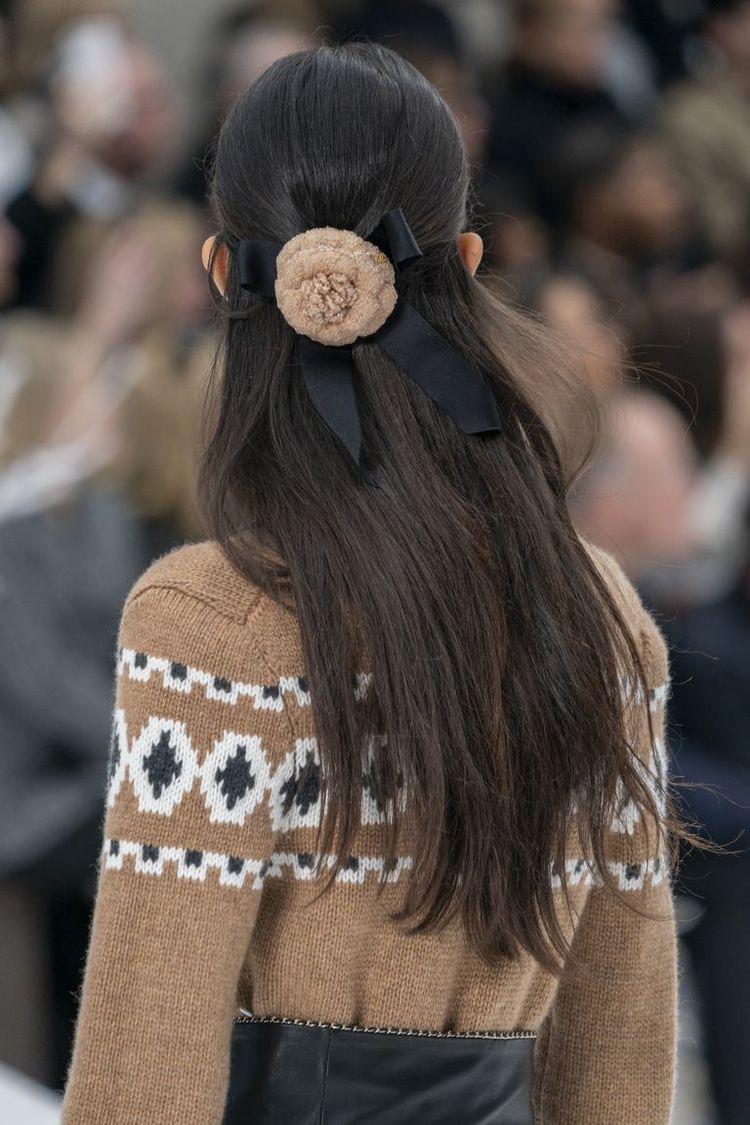
CHANEL F/W 2019 RTW
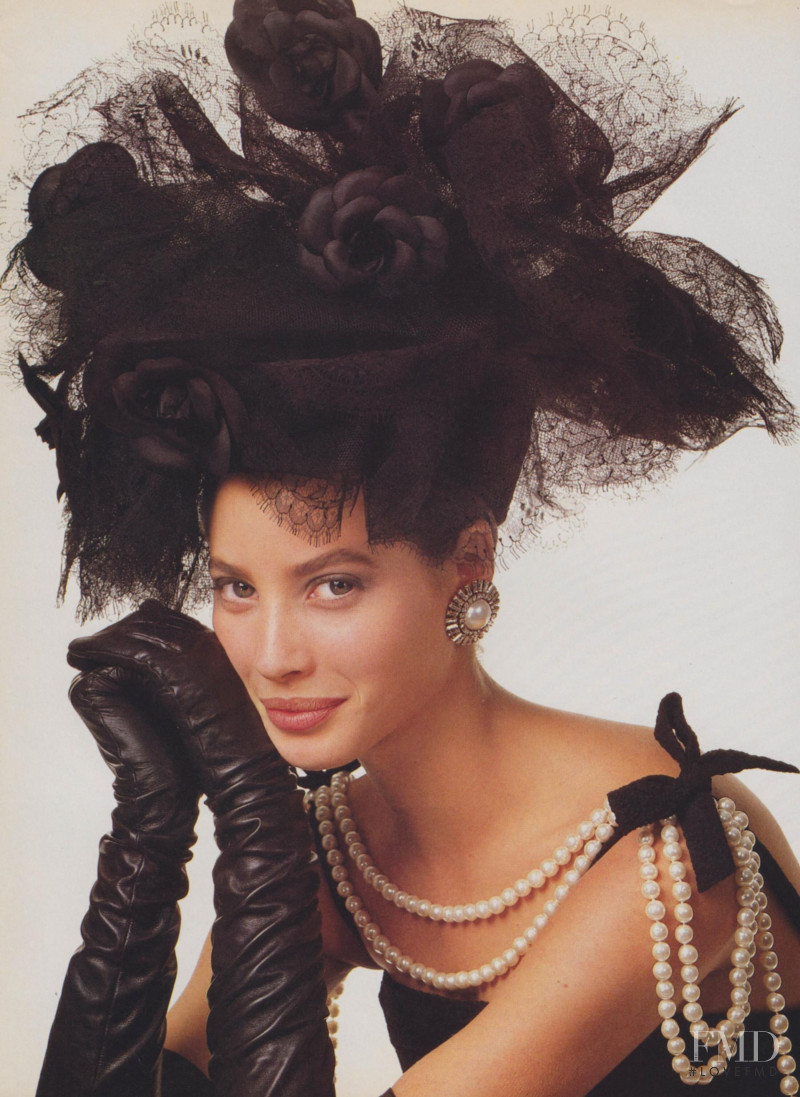
CHANEL F/W 1986 Couture
Nowhere has the camellia found a more enduring expression than in CHANEL’s fine jewellery and watches. The flower’s layered, geometric structure translates naturally into the language of precious stones and metalwork, and CHANEL’s jewellery ateliers have returned to it repeatedly across collections and decades.
The Camélia collection, introduced in the 1990’s, formalized this relationship. Rings, brooches, and pendants cast the flower in white gold and set its petals with diamonds, rendering it in a material permanence that Coco’s fabric versions could never possess. The effect is paradoxical in the best possible way: a flower that was chosen for its simplicity becomes, in jewellery form, extraordinarily precious.
More recently, the 1.5 Camélia Brodé and subsequent Haute Joaillerie pieces have pushed the camellia into sculptural territory – three-dimensional, structurally complex works that blur the line between jewellery and objet d’art. The flower’s form is both a constraint and a liberation: within its familiar silhouette, the artisans find infinite room to elaborate.
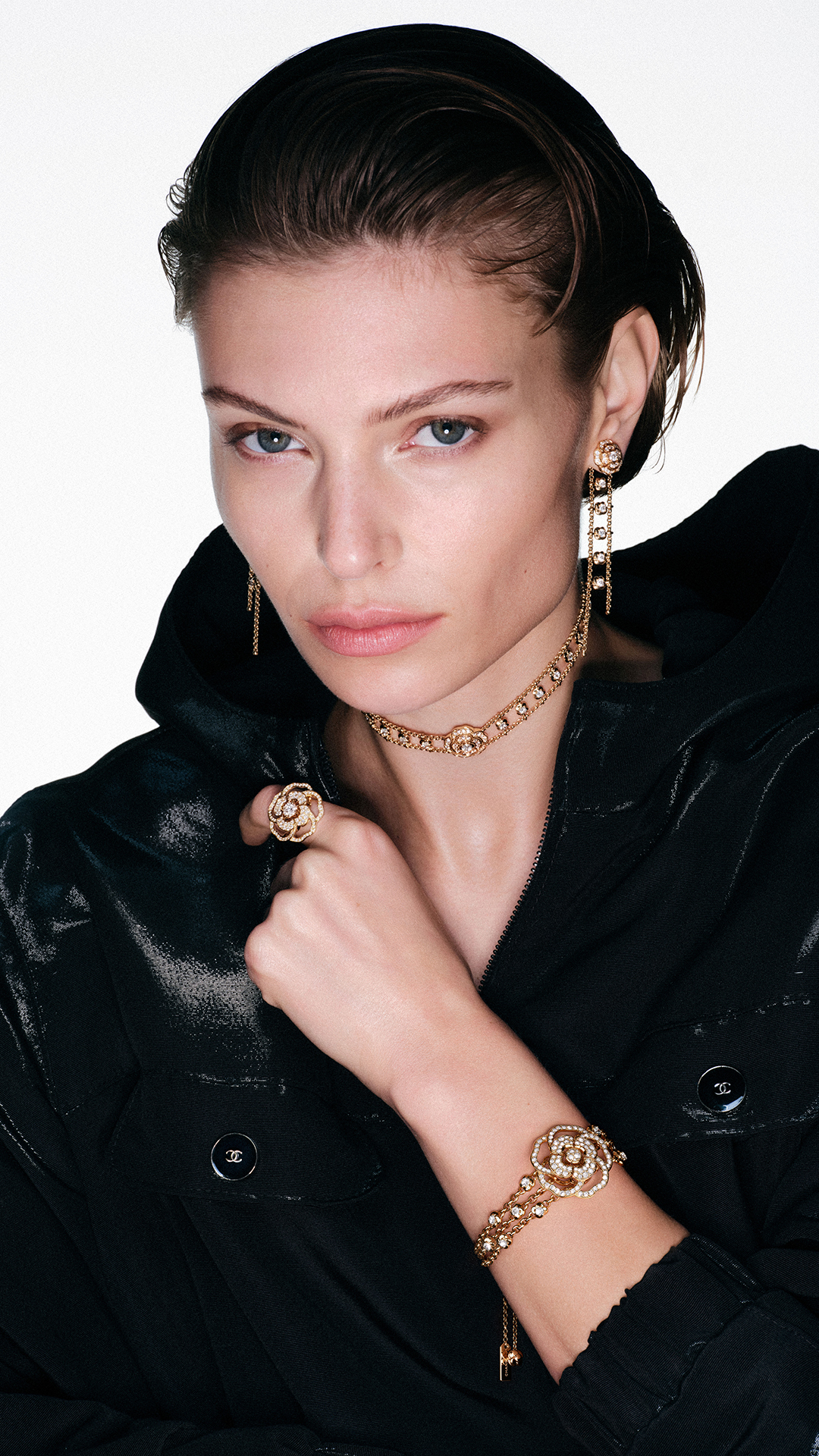
CHANEL Fine Jewellery
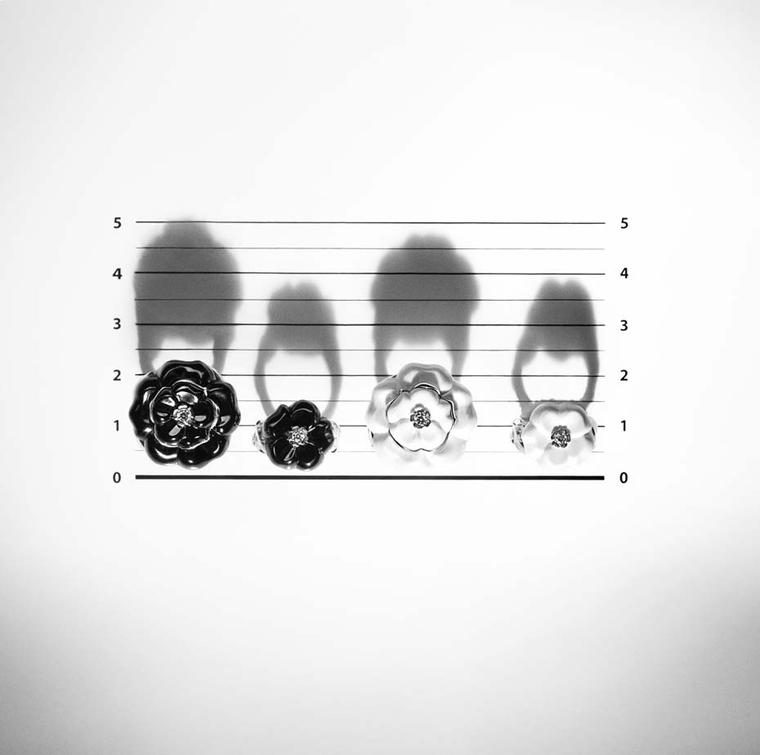
CHANEL Fine Jewellery
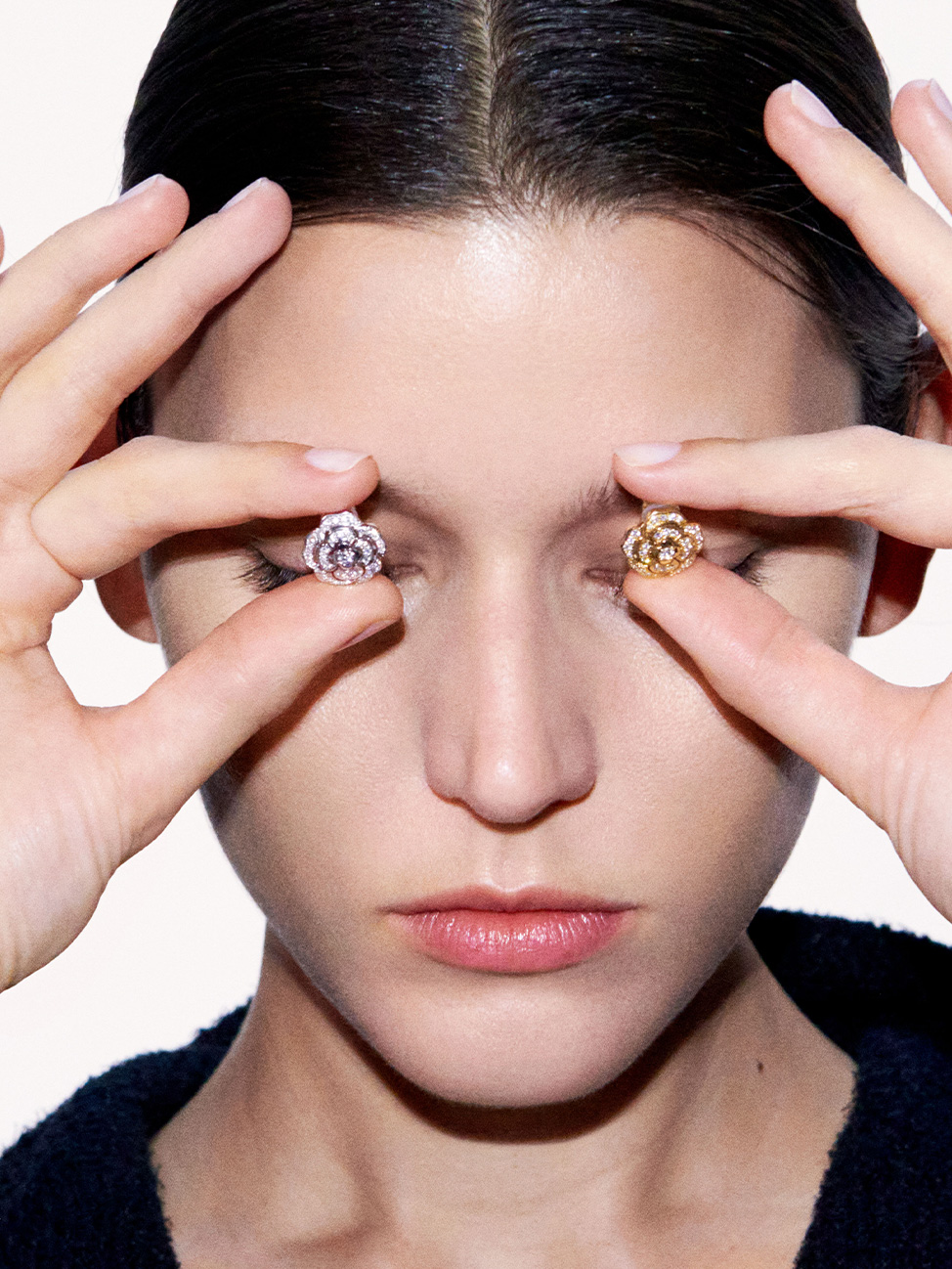
CHANEL Fine Jewellery
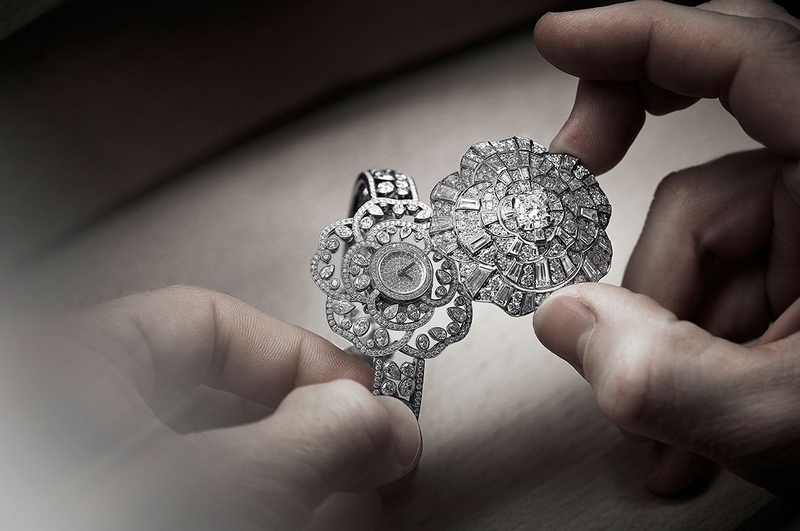
CHANEL Fine Jewellery
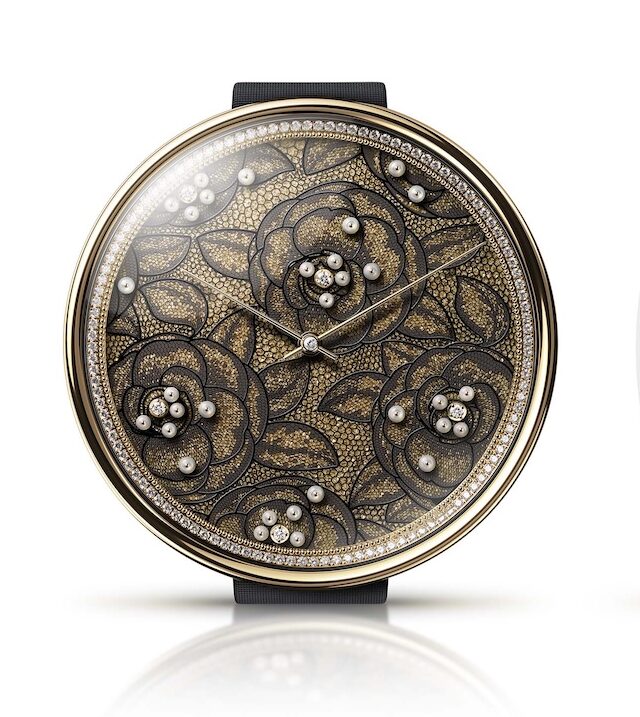
CHANEL Fine Jewellery
Matthieu Blazy’s arrival at CHANEL in 2025 brought a new creative sensibility to bear on the house’s visual vocabulary. His debut collection signalled a designer interested in materiality, in clothing that rewards close attention to detail. In that context, the camellia sits comfortably – not as a heritage obligation but as a genuine point of creative interest.
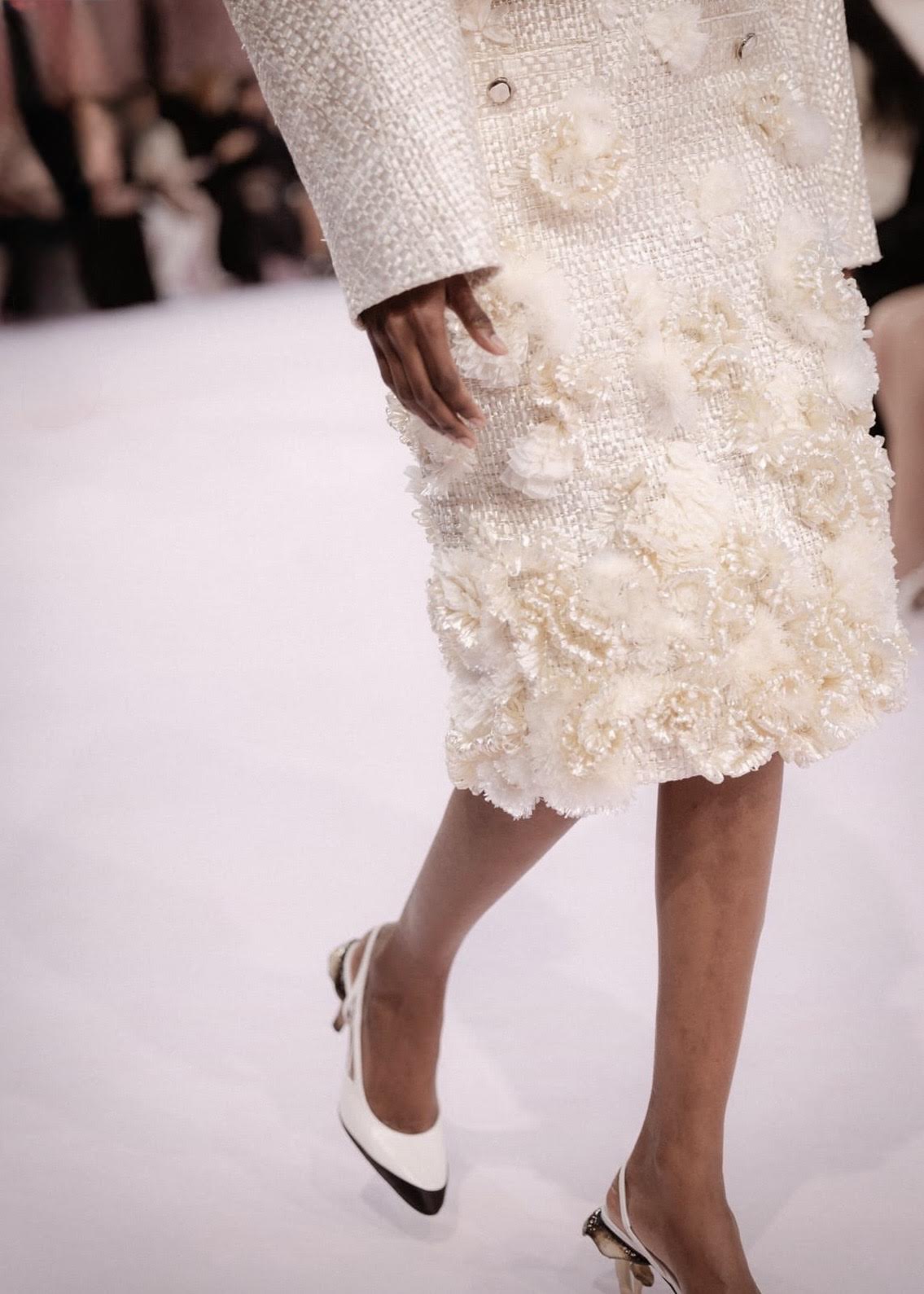
CHANEL S/S 2026 Couture
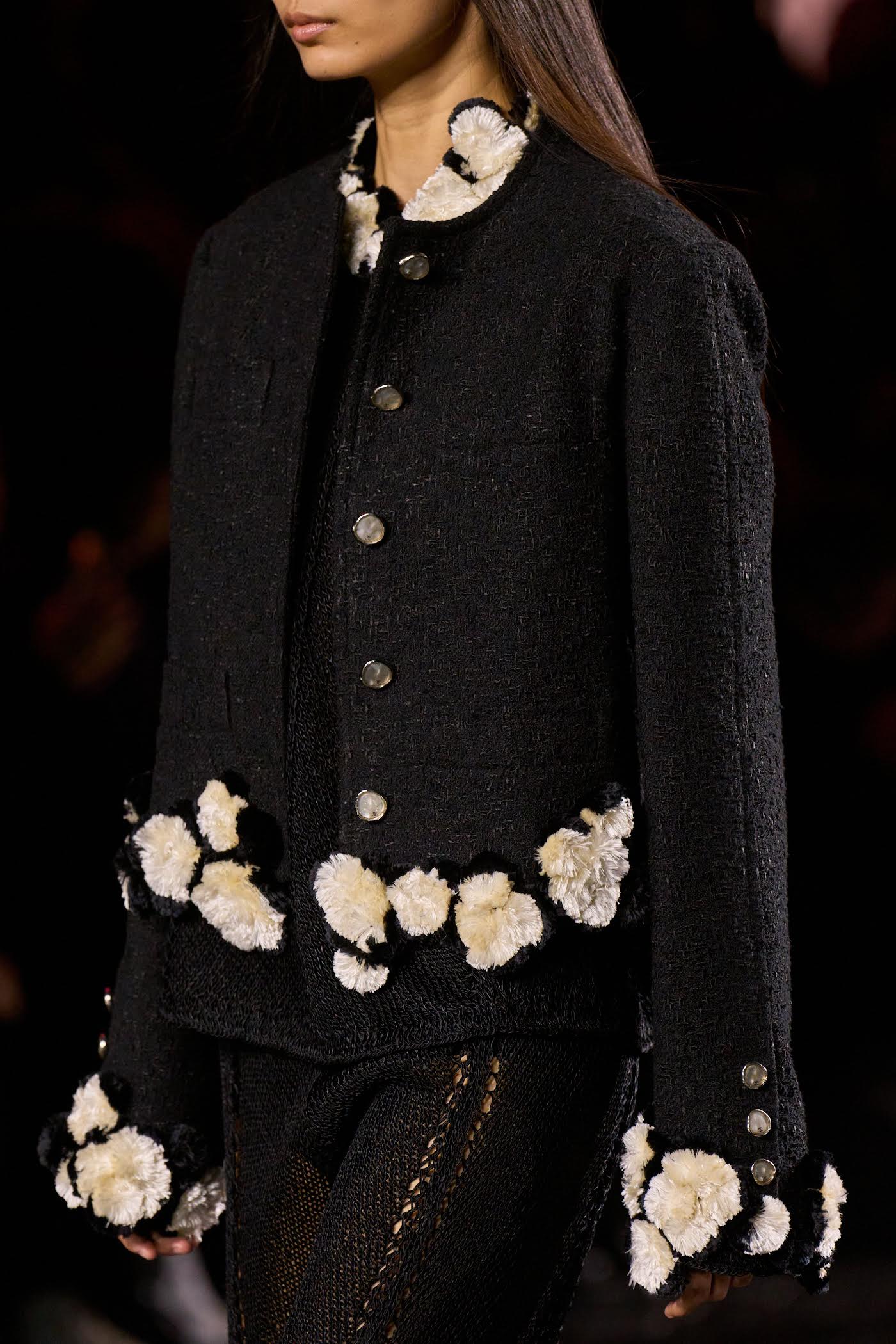
CHANEL S/S 2026 RTW
In the Spring/Summer 2026 and Fall/Winter 2026/27 collections, camellia details appeared with characteristic restraint: a feathered camellia earring completing a runway look, an embroidered bloom on a couture bodice, the motif woven into accessories rather than plastered across them. It is the camellia used as punctuation.
That is perhaps the most interesting thing about the camellia’s longevity at CHANEL: it has never required rescue or revival, because it was never locked into a single moment. A symbol that can mean simplicity in fabric and opulence in diamonds, restraint in a single boutonnière and exuberance when scattered across a gown, is a symbol that belongs to every era equally.
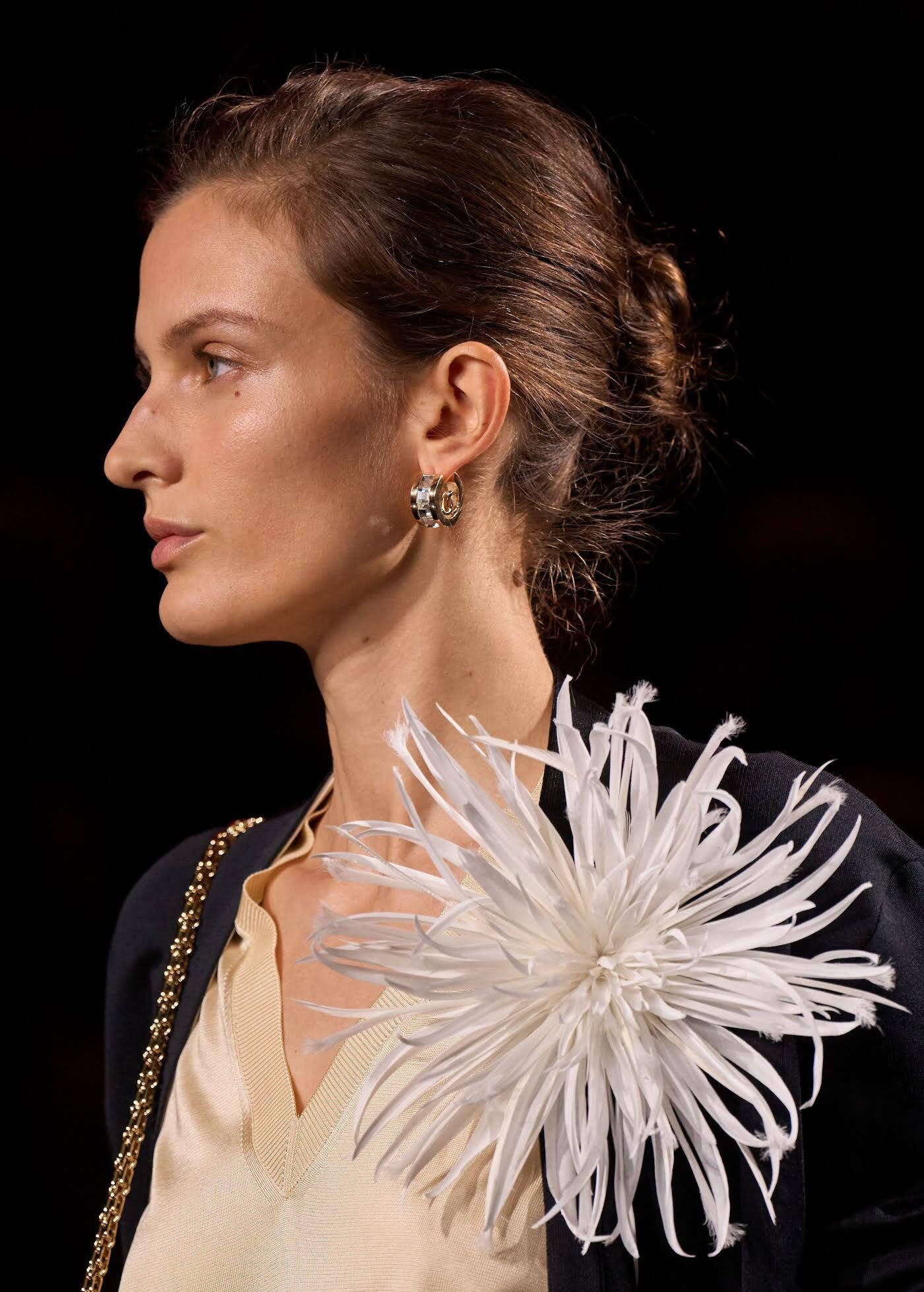
CHANEL S/S 2026 RTW
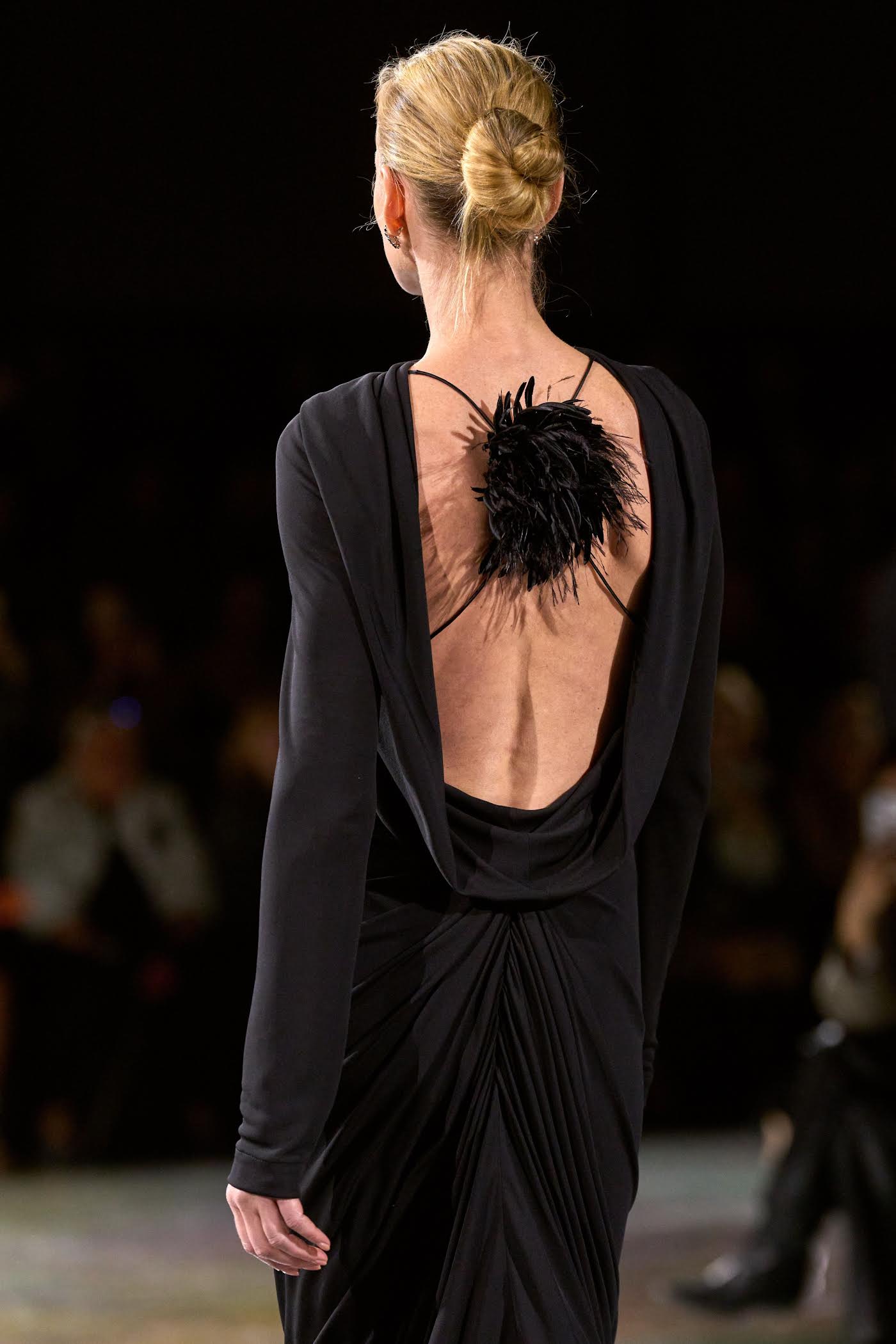
CHANEL F/W 2026 RTW
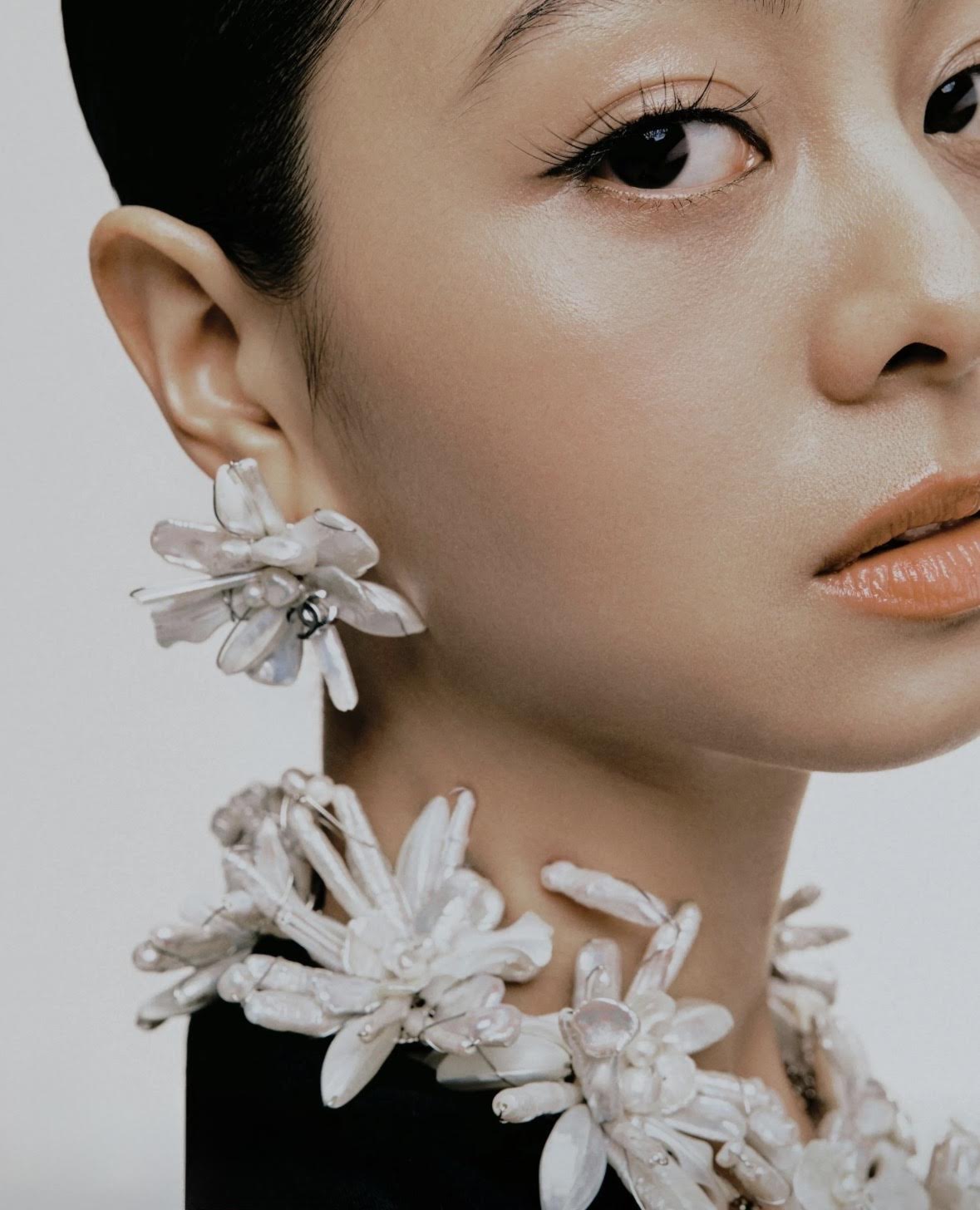
CHANEL S/S 2026 RTW
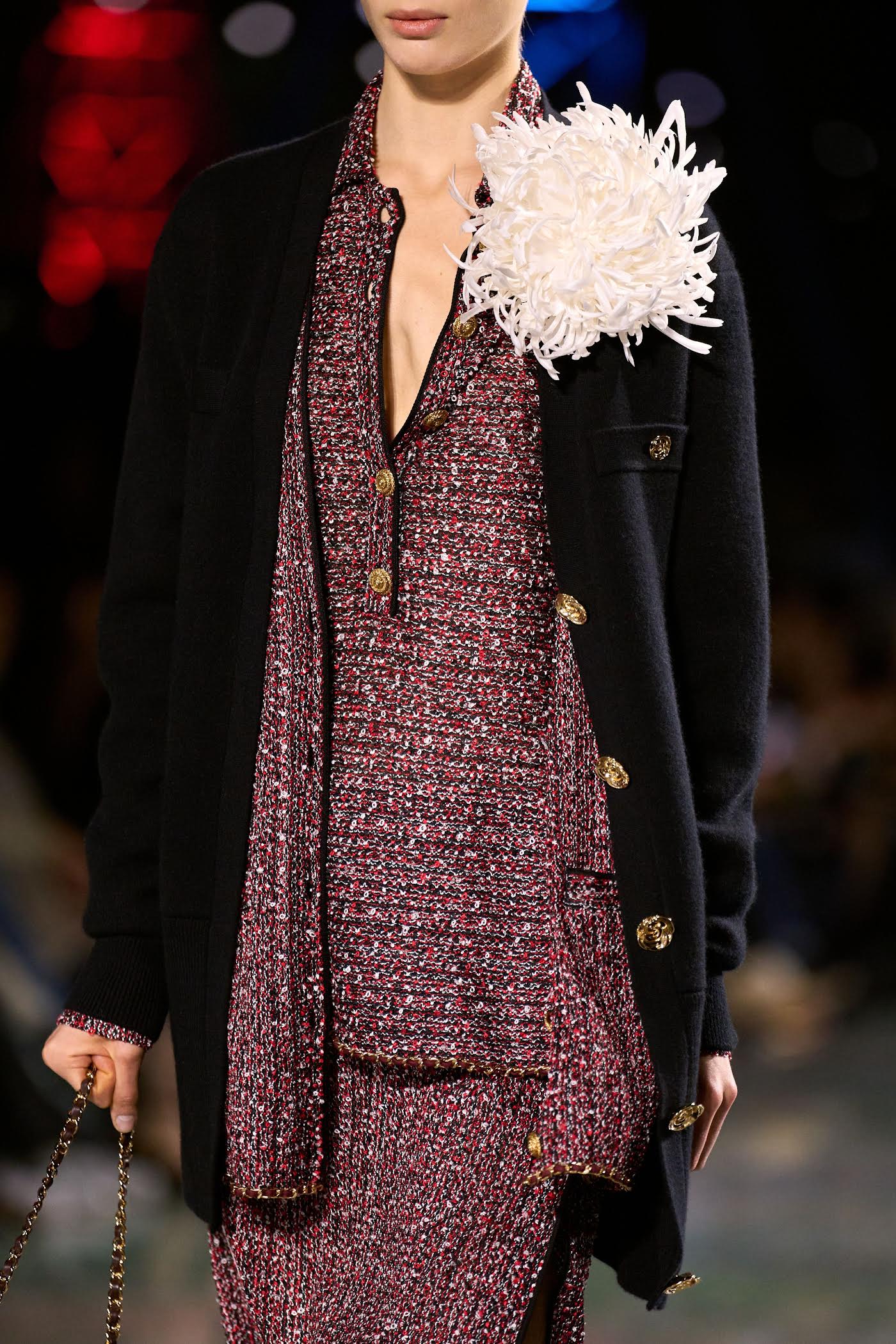
CHANEL F/W 2026 RTW
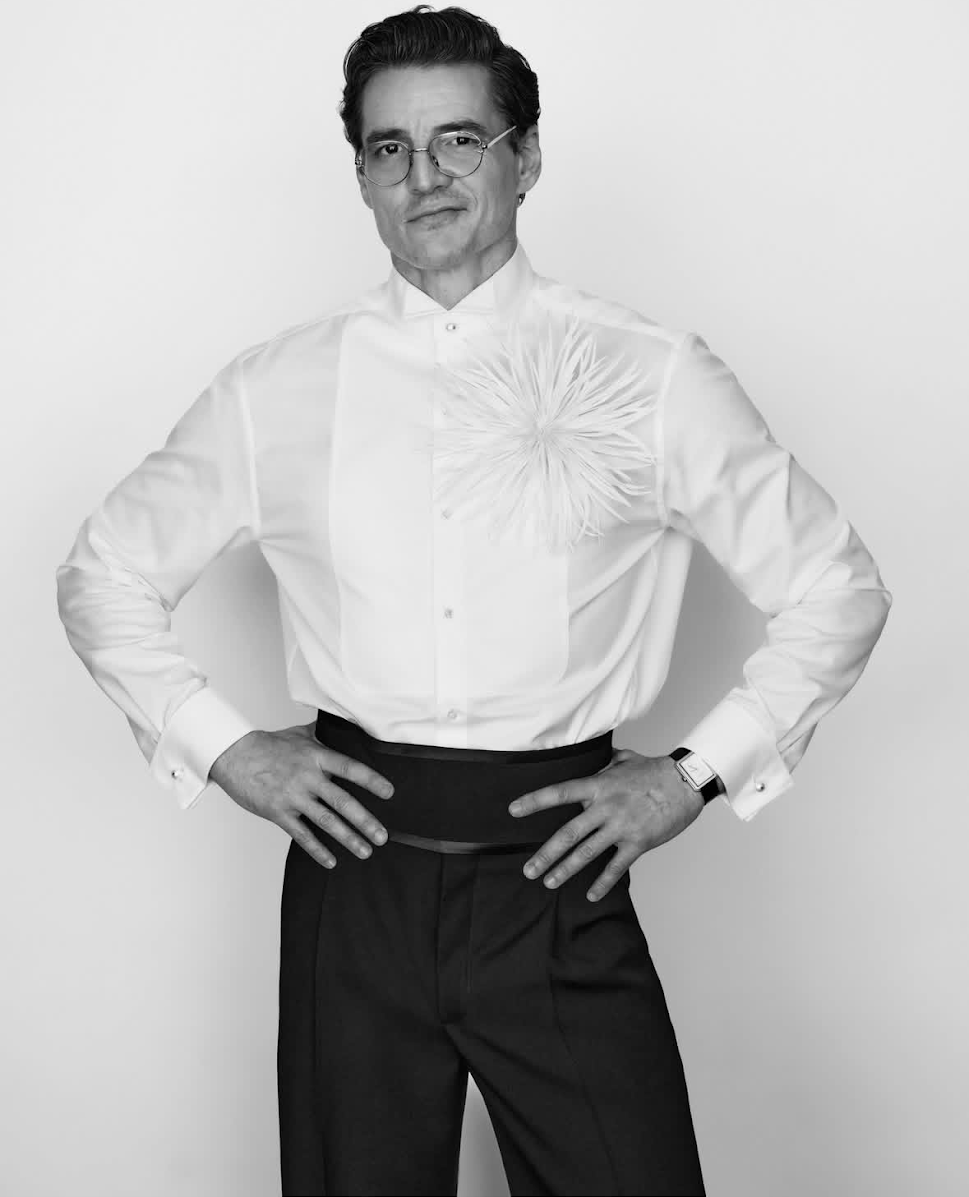
CHANEL
The most enduring fashion symbols are the ones that resist easy definition, the ones that can absorb new meaning without surrendering their original charge. The camellia is this, completely. It is Coco’s personal emblem, Karl’s theatrical flourish and Matthieu’s quiet detail, all at once.
It is a flower chosen for what it lacked – no perfume, no pretension – and it has endured precisely because of that quality. In a house defined by the discipline of the unnecessary, the camellia is essential.
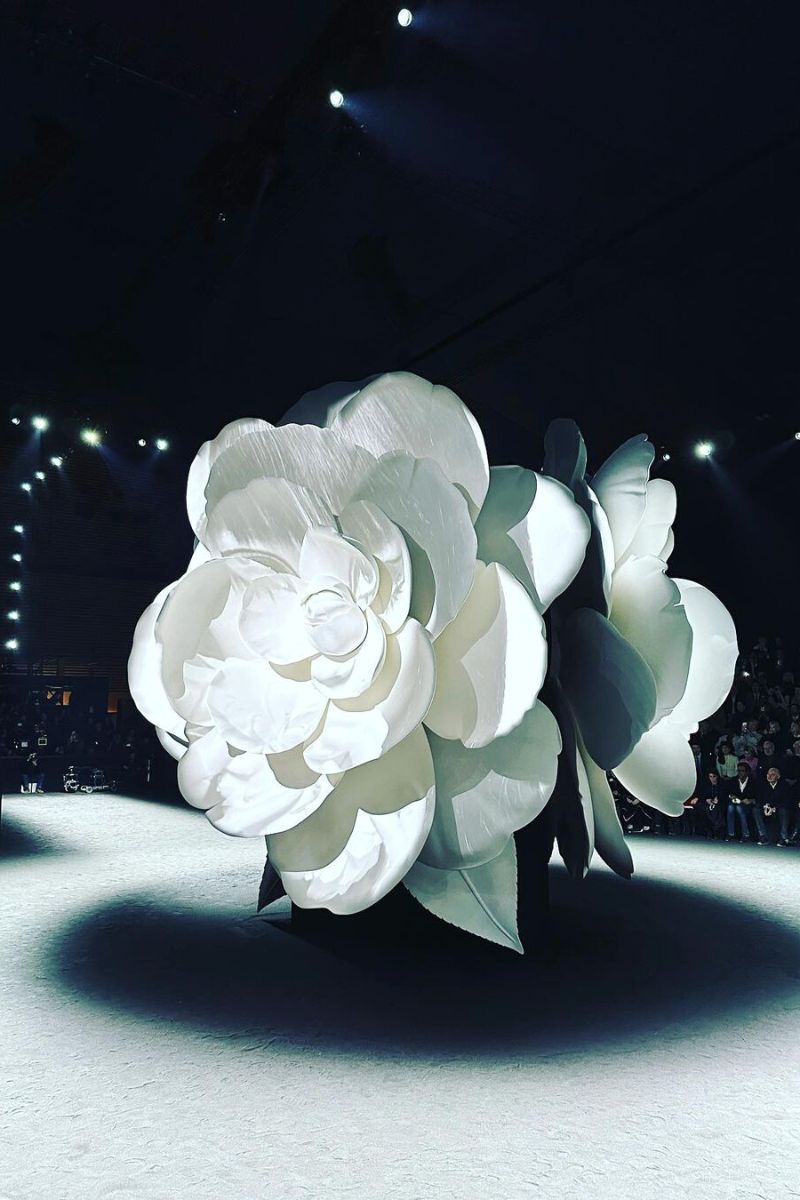
CHANEL F/W 2023 RTW Set
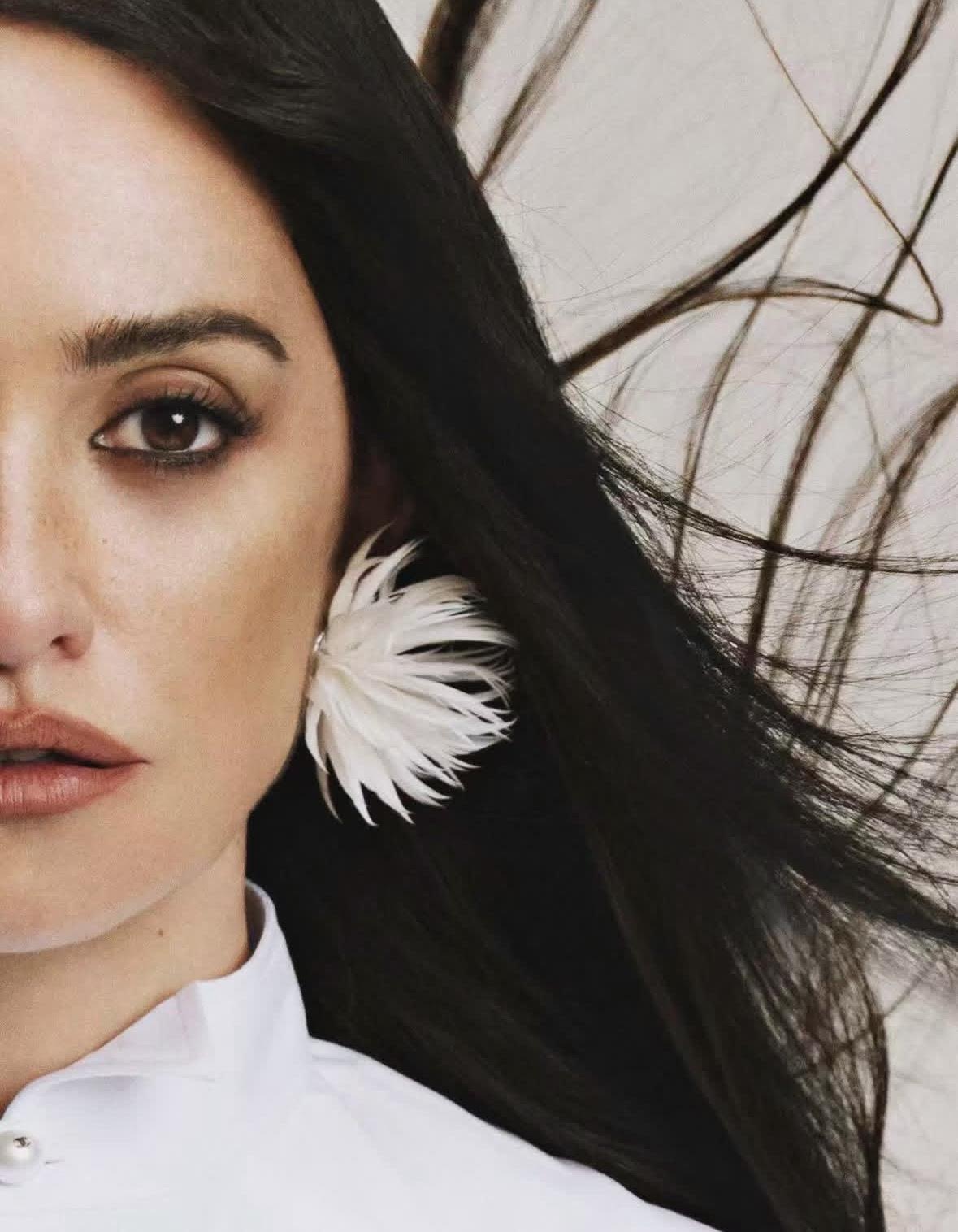
Photo by Zhong Lin. CHANEL S/S RTW 2026