
14 February 2026
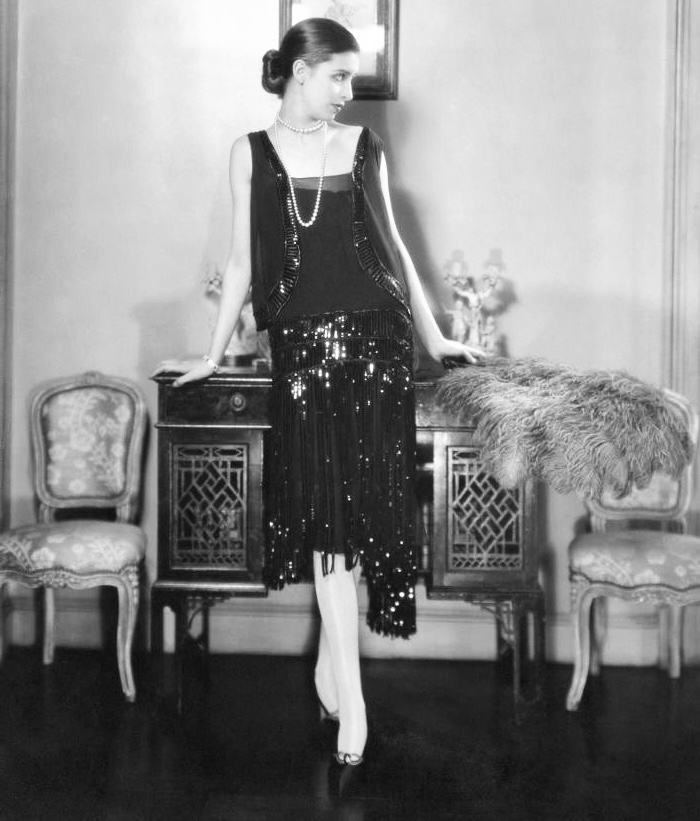
Gabrielle Chanel introduced the little black dress in 1926 through a simple crepe de chine design published in Vogue. Her black dress removed excess fabric, heavy corsetry, and rigid structure. Editors described the garment as “Chanel’s Ford,” comparing its accessibility to the Model T automobile. Journalists framed the piece as practical, adaptable, and modern.
At that time, society linked black clothing with mourning or service uniforms. Chanel shifted that meaning by presenting dark fabric as refined and versatile. Readers learned that a short, unadorned silhouette could express confidence without decoration, allowing movement and independence. Each element served a direct purpose. Sleeves allowed motion. Hemlines supported walking. Necklines avoided restriction. Editors praised this approach for reflecting social change after the First World War. Women entered public life in greater numbers and garments needed to match new routines. The little black dress answered that demand with direct form and controlled volume.
This moment marked a change in how fashion publications discussed restraint, clarity, and daily wear. Later creative directors continued to reference this early template, treating the original design as a structural guide rather than a historical artifact.
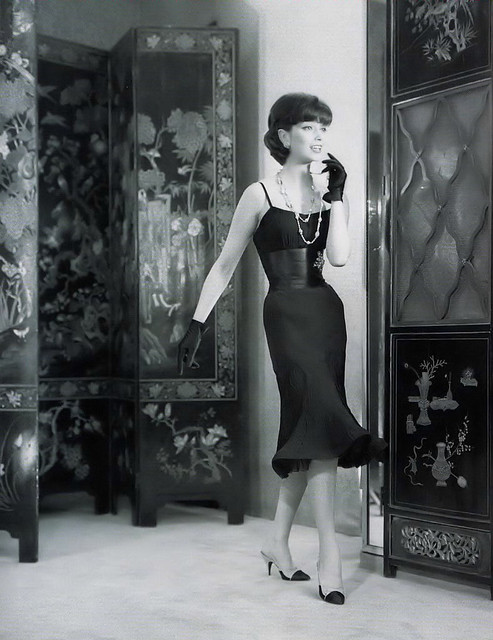
Marie Helene Arnaud, 1959
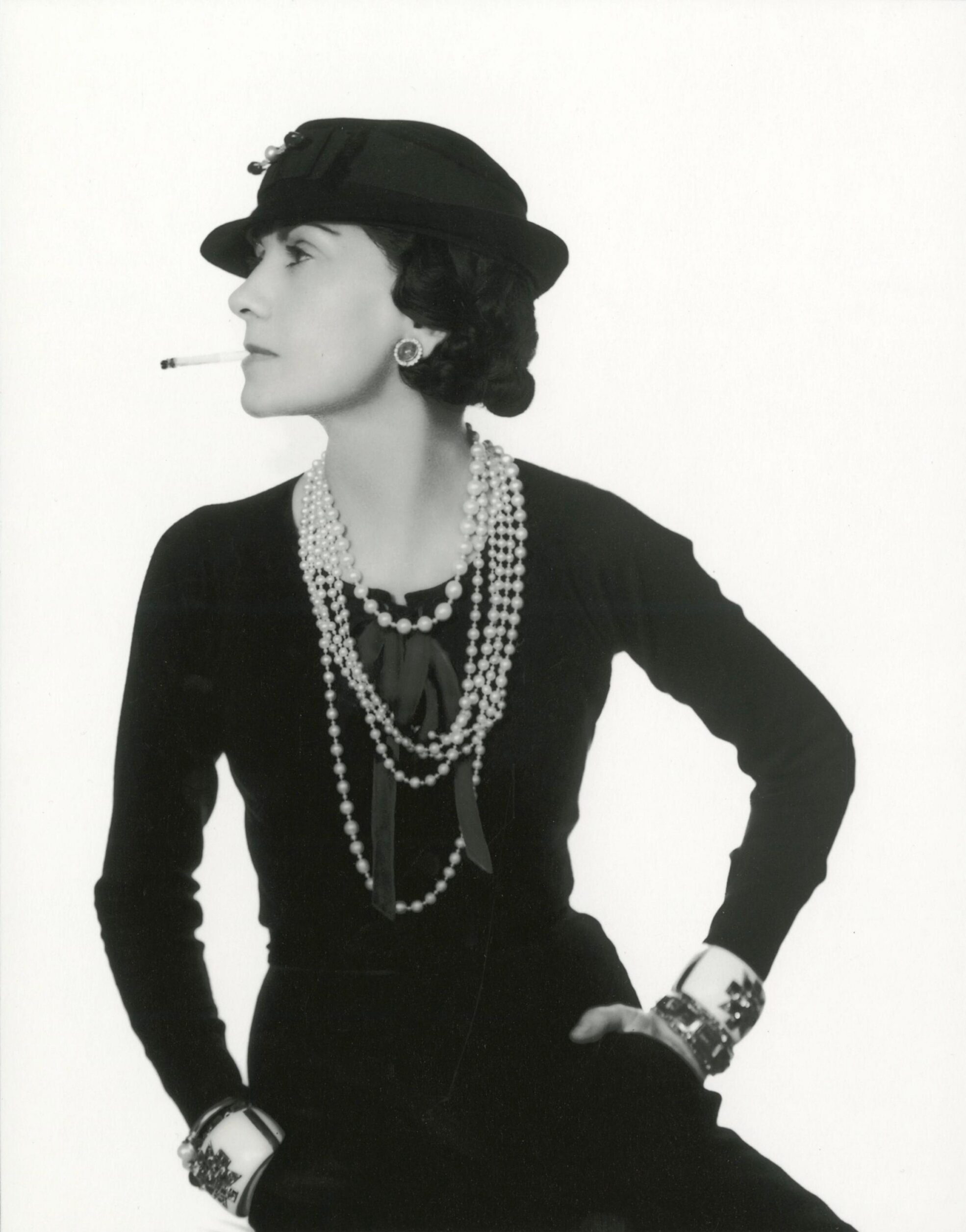
Gabrielle Chanel by Man Ray, 1935
Shape defined the early identity of the little black dress but as early as the 1930’s, fashion writers noted how black dresses could be adapted to different settings. The same base shape supported daytime work, evening gatherings, and travel. Accessories changed context without altering structure. A string of pearls signaled formality. A cardigan suggested informality. Footwear adjusted mood. Publications treated this adaptability as proof of intelligent design. Function became part of aesthetic value.
Postwar collections maintained this foundation while responding to shifting tastes. Skirts gained volume during the 1950s. Necklines changed during the 1960s. Hemlines rose during youth movements. Despite variation, black remained central, lines stayed readable and construction favored comfort.
Successive creative directors continue to present black dresses as anchors within seasonal narratives. Designers adjusted textures through lace, tweed, jersey, or satin. They introduced embroidery, buttons, metallic threads, sequins and trims. While motifs expanded surface interest, each reinvention respected the original logic of a functional silhouette.
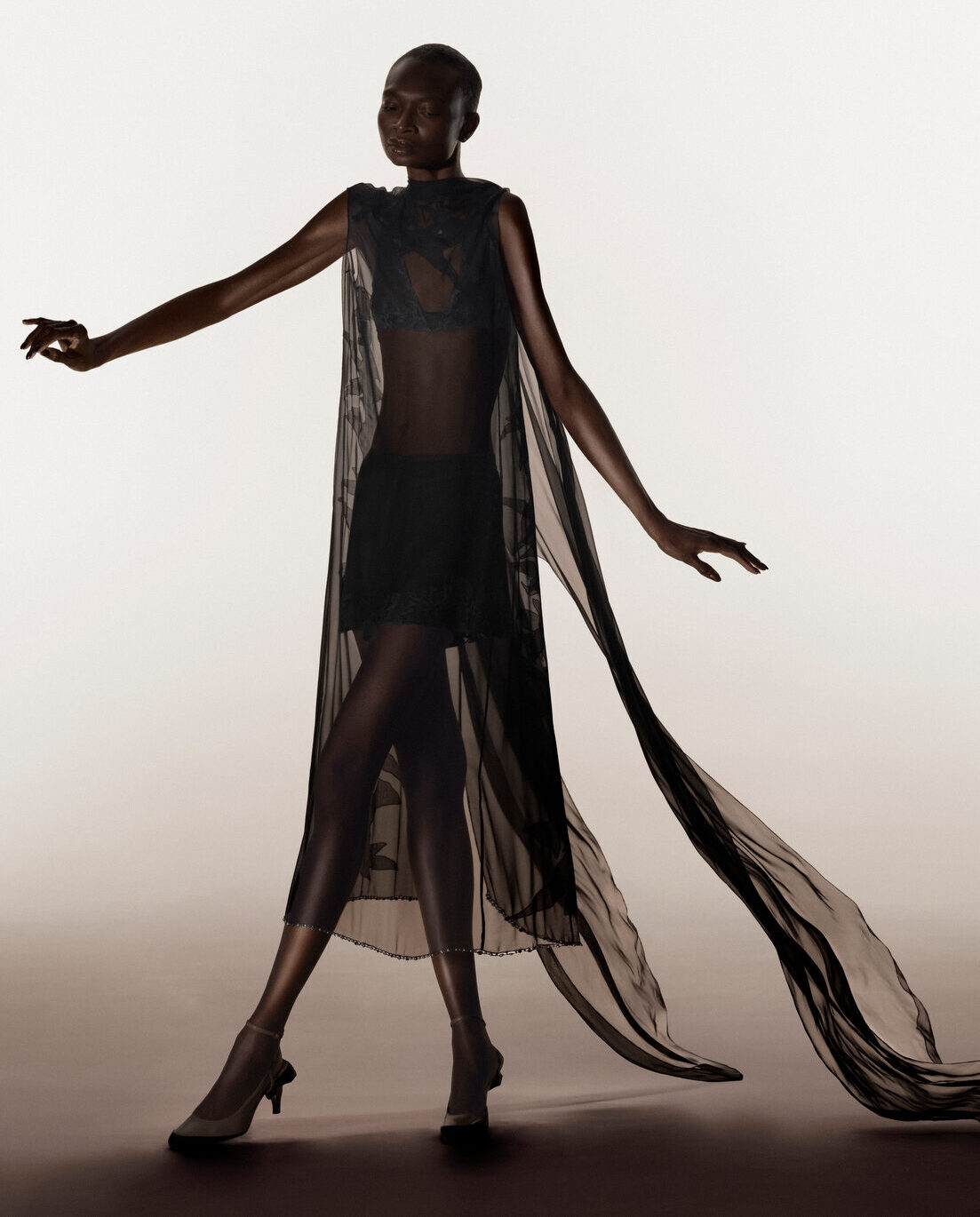
Under Karl Lagerfeld, continuity appeared through repeated reinterpretations of sheath dresses, slip styles, and tweed-inflected silhouettes, presented within contemporary styling frameworks. During Virginie Viard’s tenure, collections often highlighted coordinated jackets, belts, and knit layers that expanded usage without changing the base form. Matthieu Blazy has shown interest in lightness and movement, favouring fluid fabrics and soft tailoring to give black dresses a renewed sense of ease and freedom.
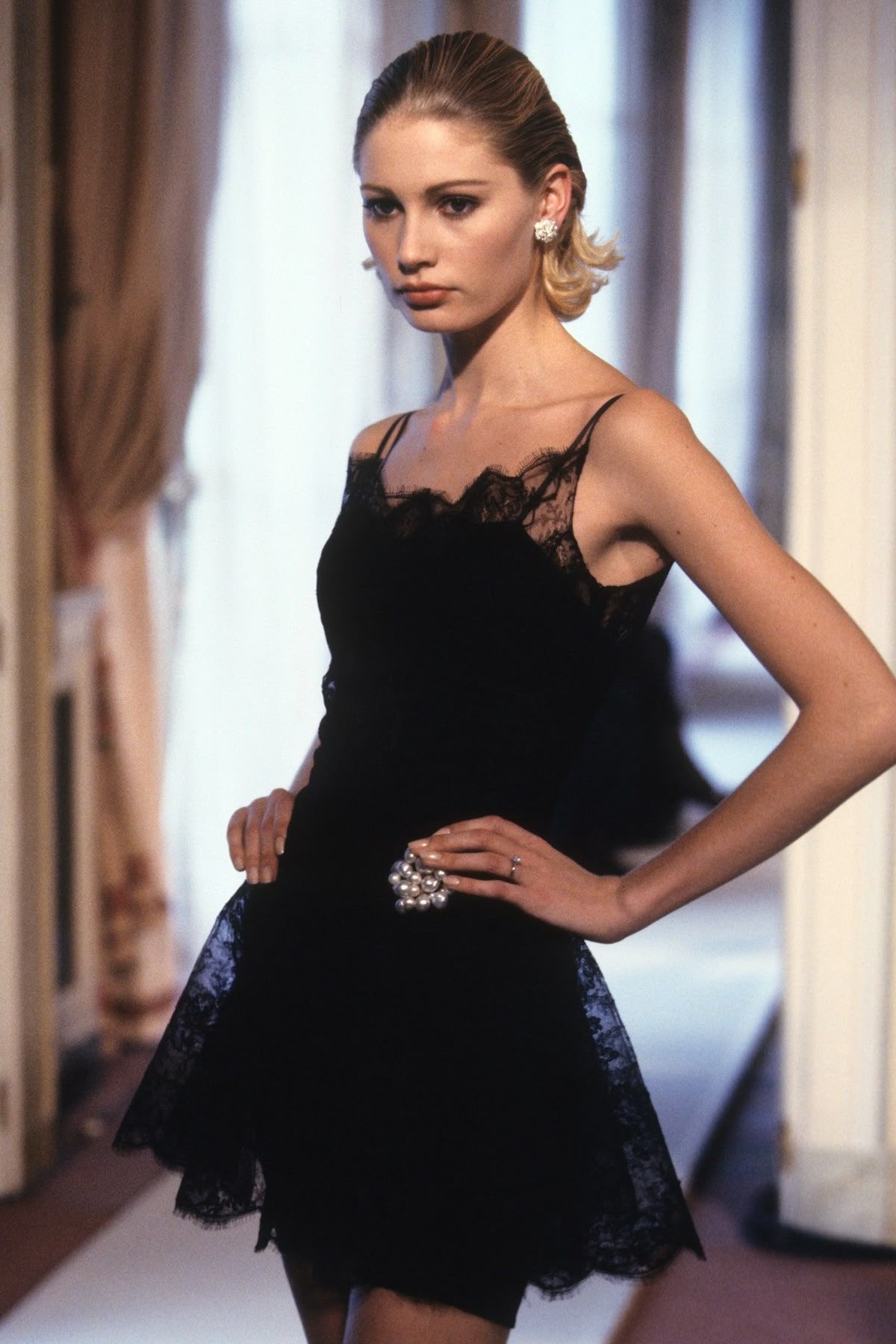
Spring/Summer 1997 Haute Couture
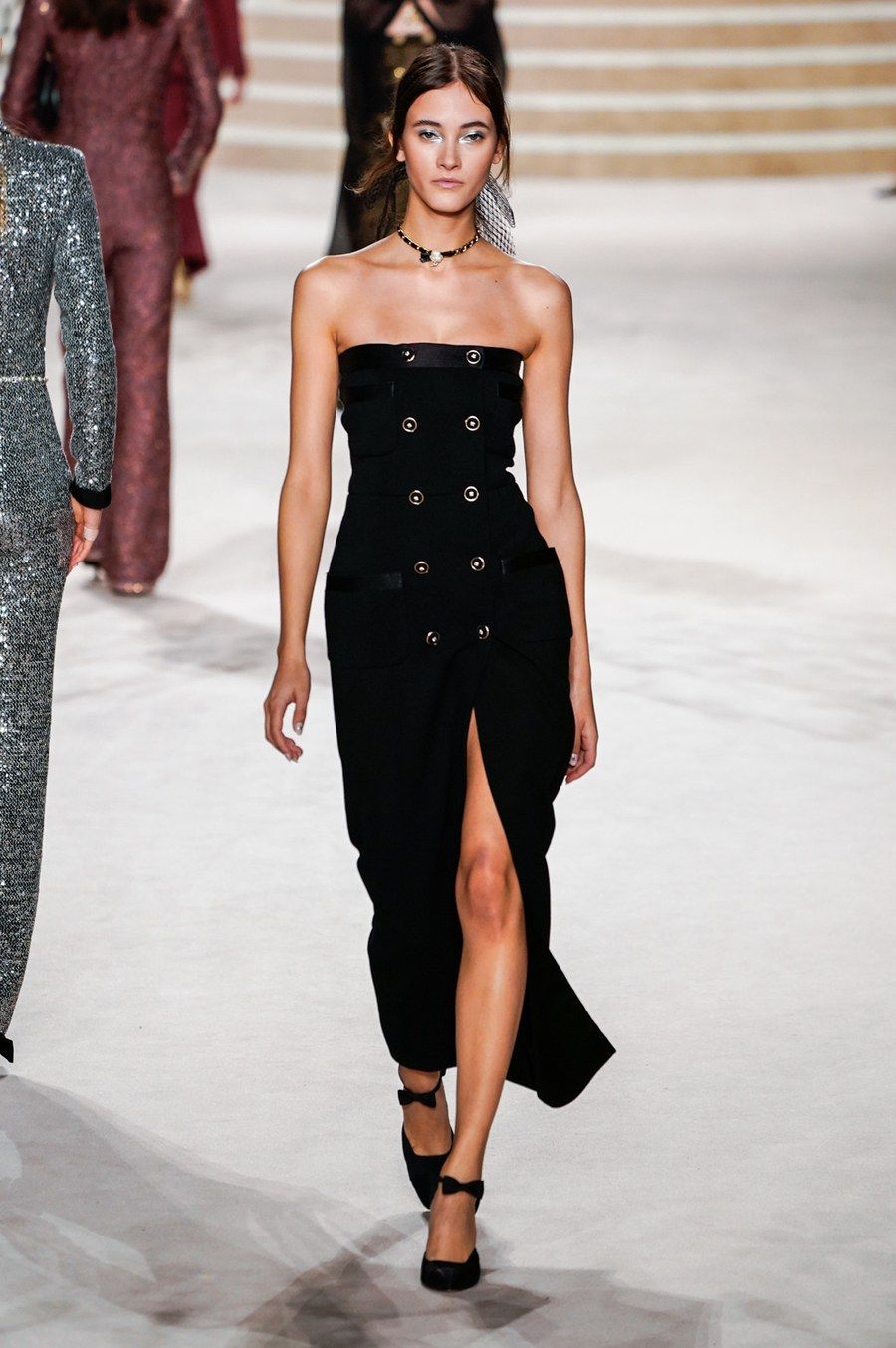
Métiers d'Art 2020
Endurance explains the cultural position of the little black dress. Few garments maintain relevance across generations. Chanel’s creation succeeded because it joined clarity, function, and adaptability. Each era added layers of meaning without erasing purpose.
The little black dress stands as a shared language between founder, successor, critic, and consumer. Form communicates moderation. Function communicates readiness. Reinvention communicates continuity. Together, these qualities sustain relevance without reliance on excess. Gabrielle Chanel established a model that remains active through disciplined design and sustained interpretation by her successors.

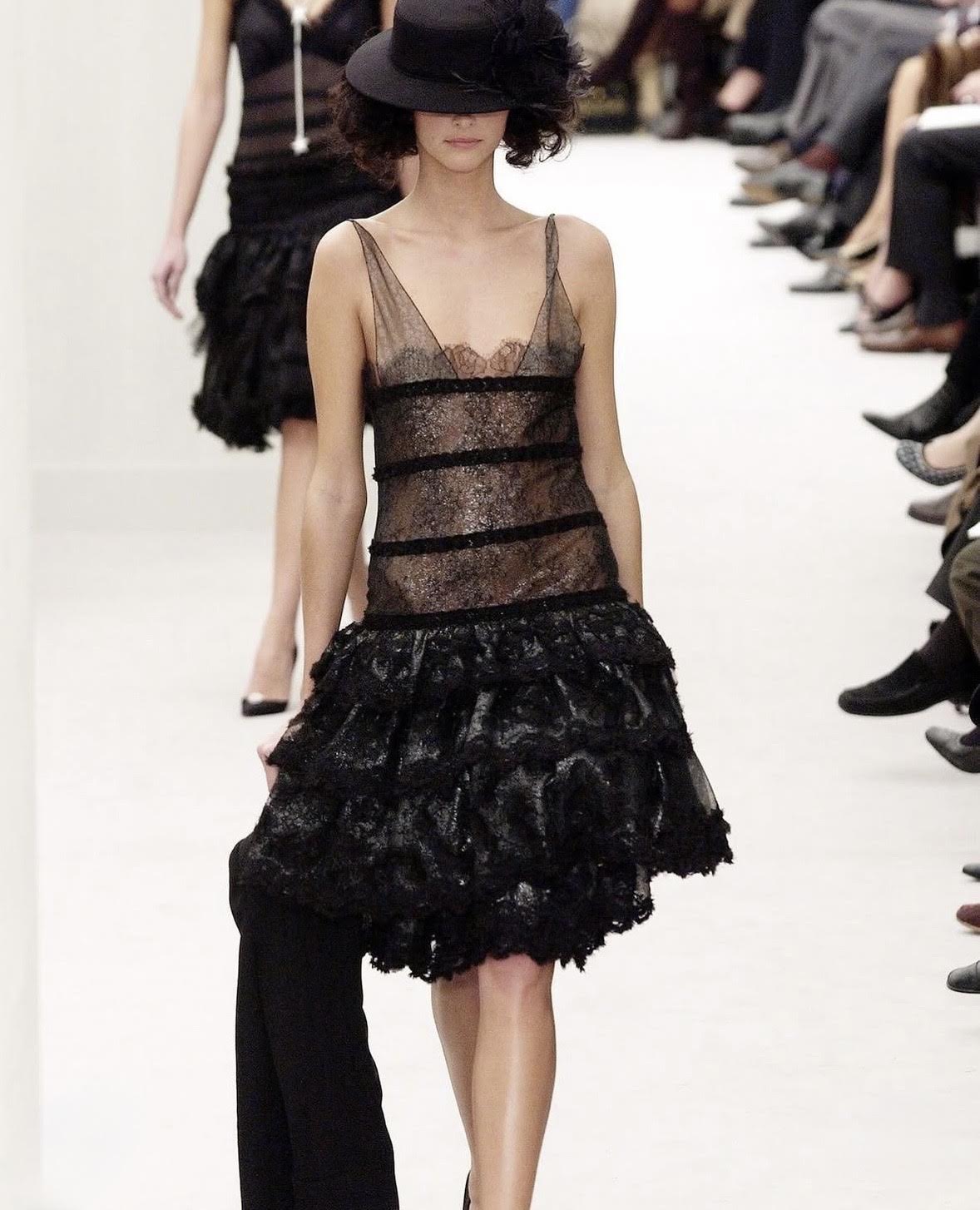
Spring/Summer 2004 Haute Couture
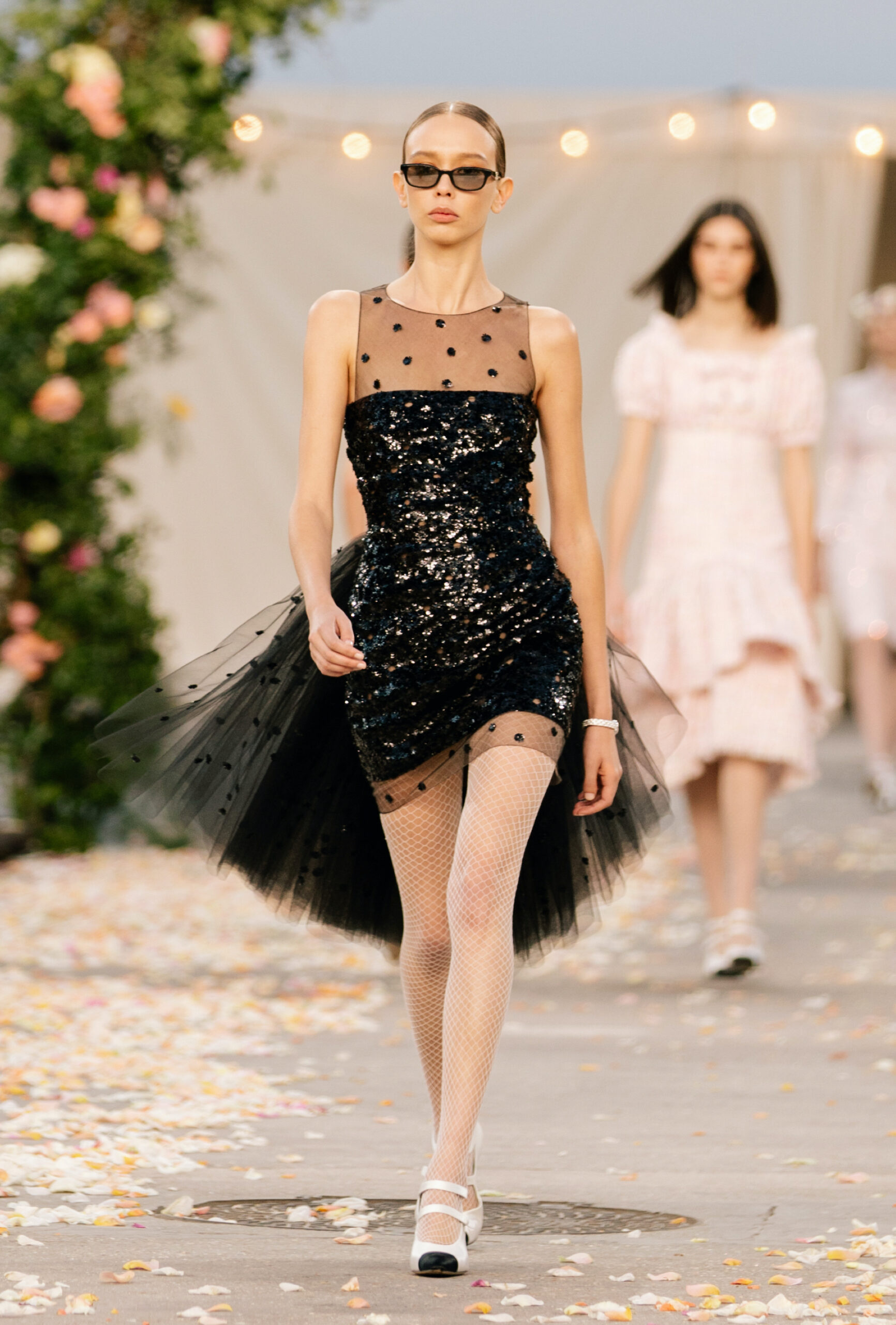
Spring/Summer 2021 Haute Couture
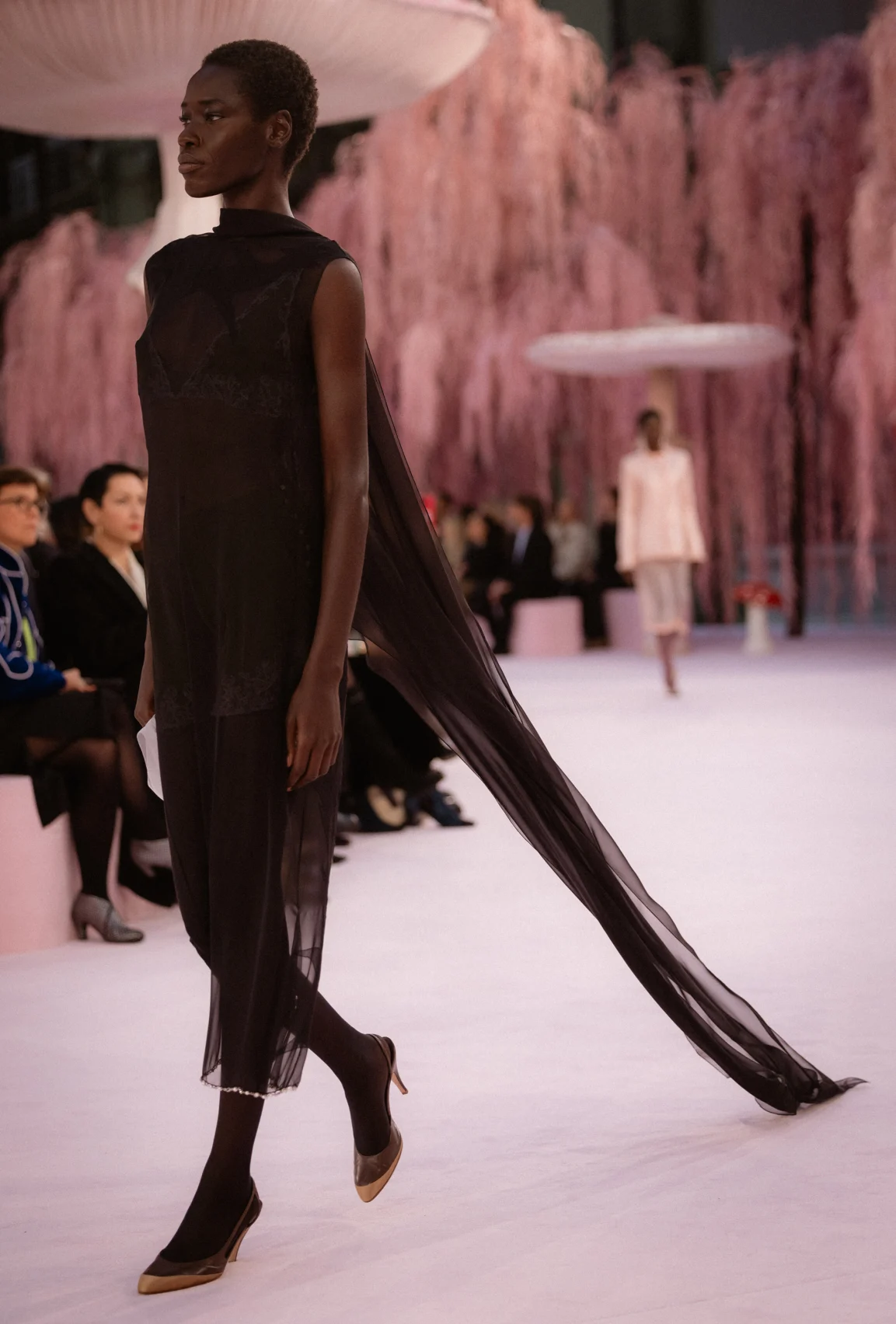
Spring/Summer 2026 Haute Couture
A selection of iconic CHANEL LBD’s spanning 1926 to 2026
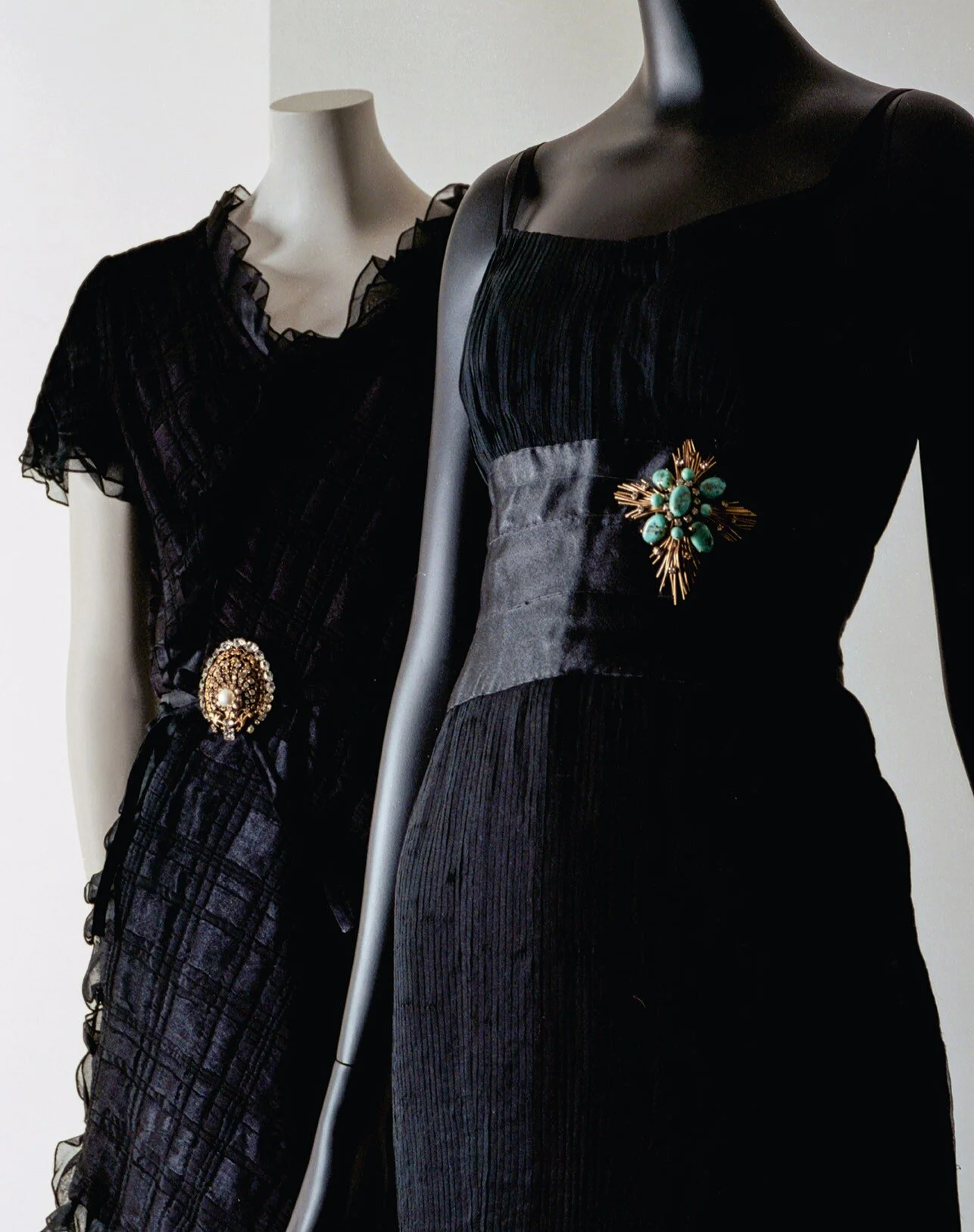
Gabrielle Chanel / Courtesy of the Palais Galliera
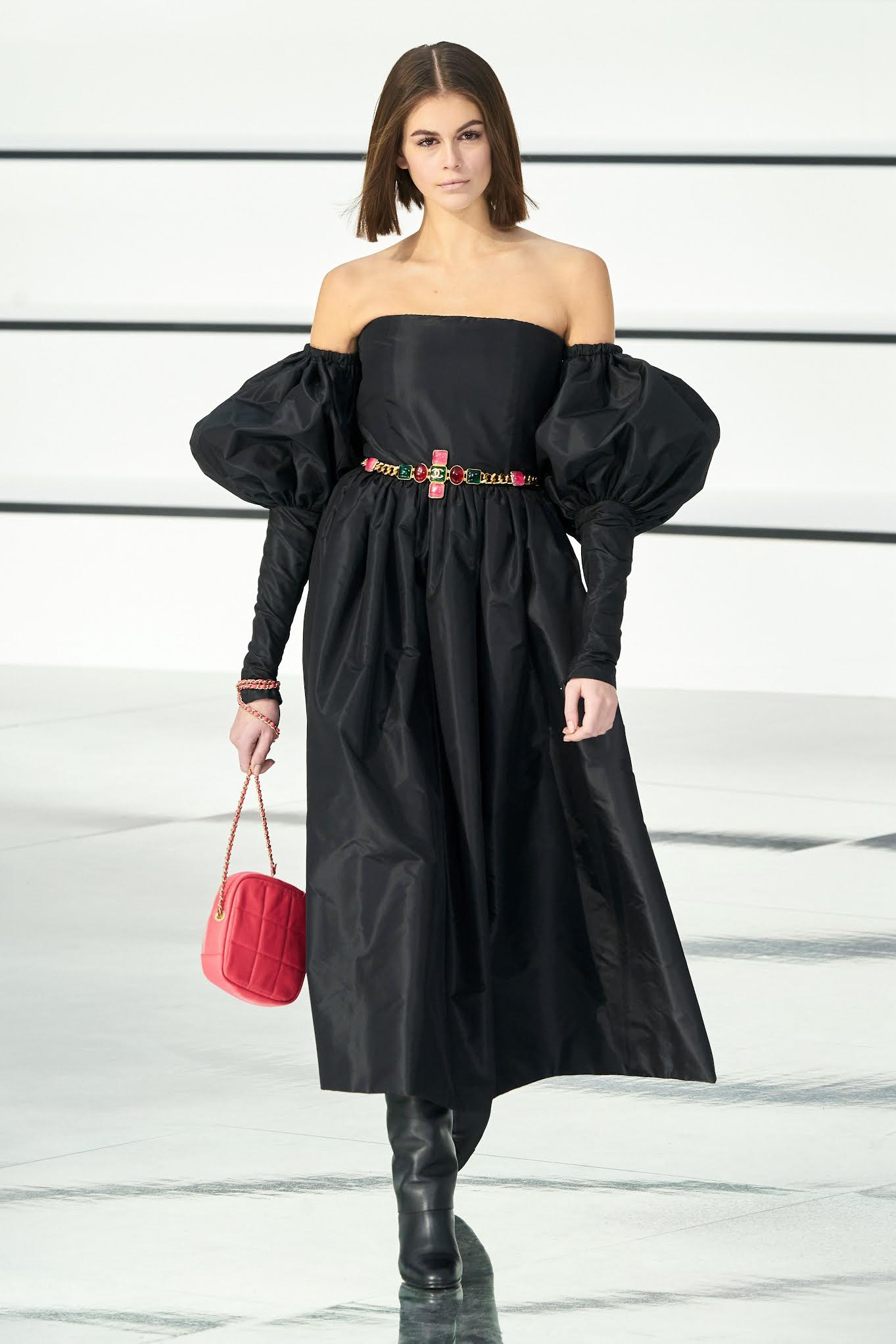
Virginie Viard, Fall/Winter 2020 RTW
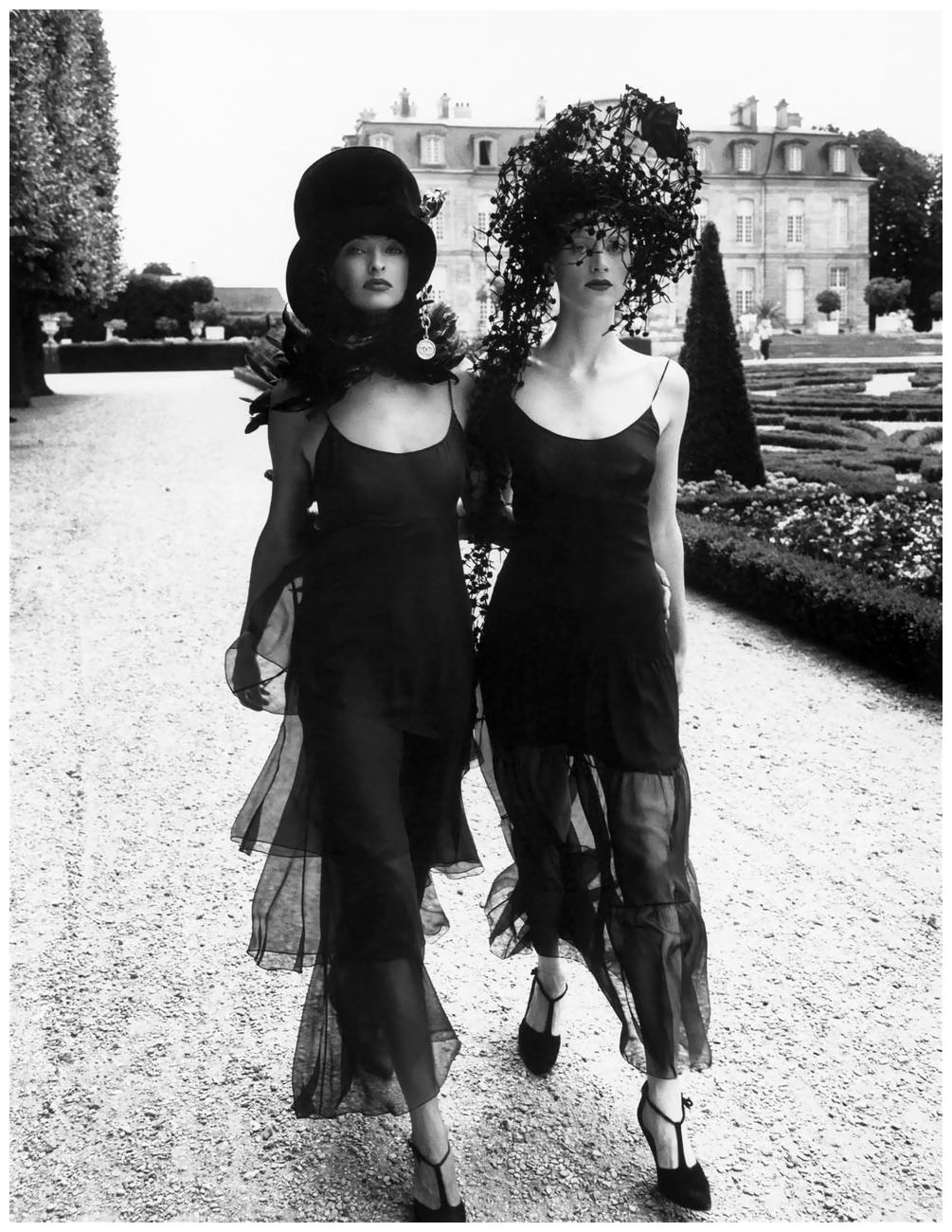
Karl Lagerfeld, Fall/Winter 1992 Haute Couture
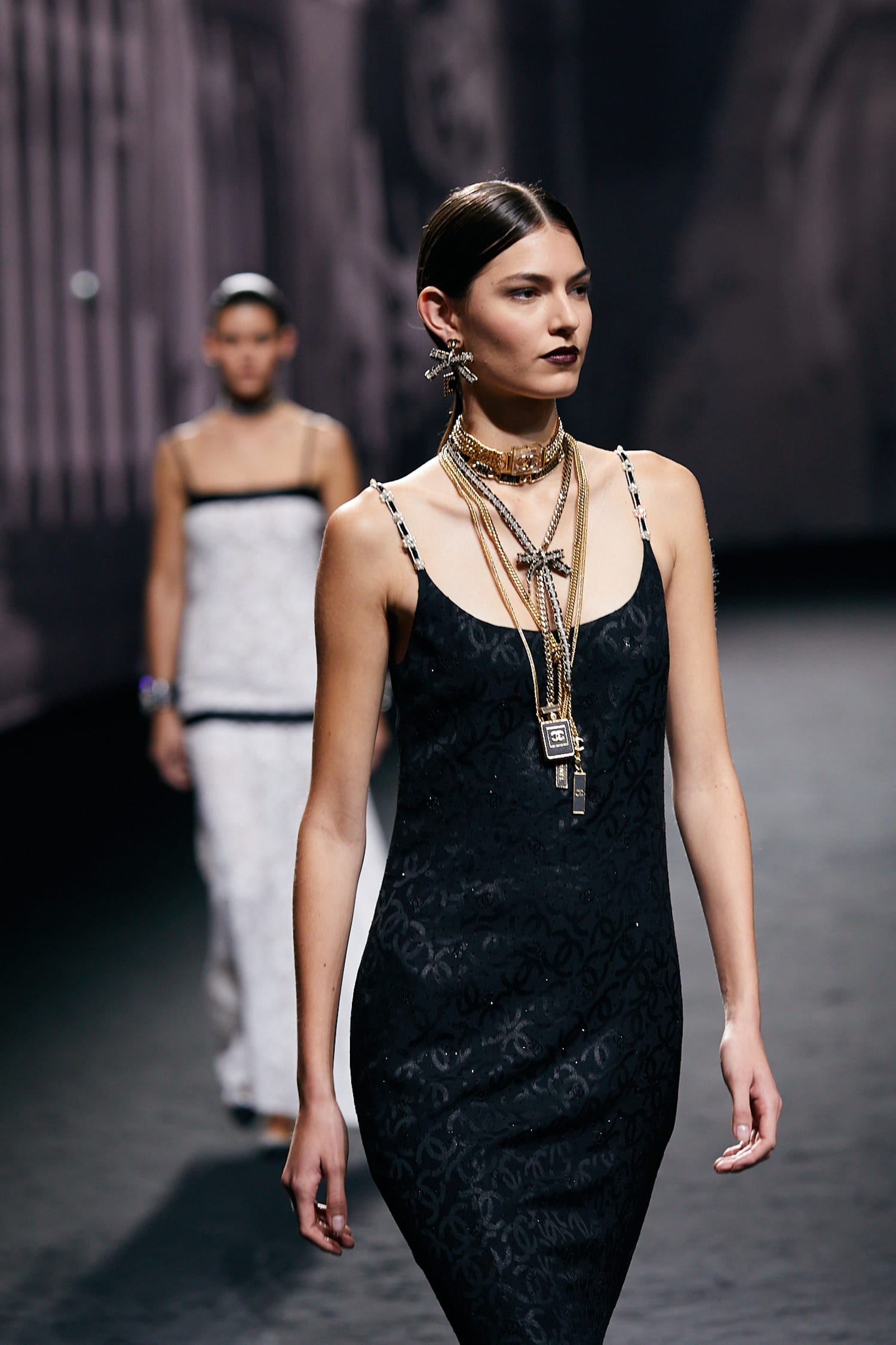
Virginie Viard, Spring/Summer 2023 RTW
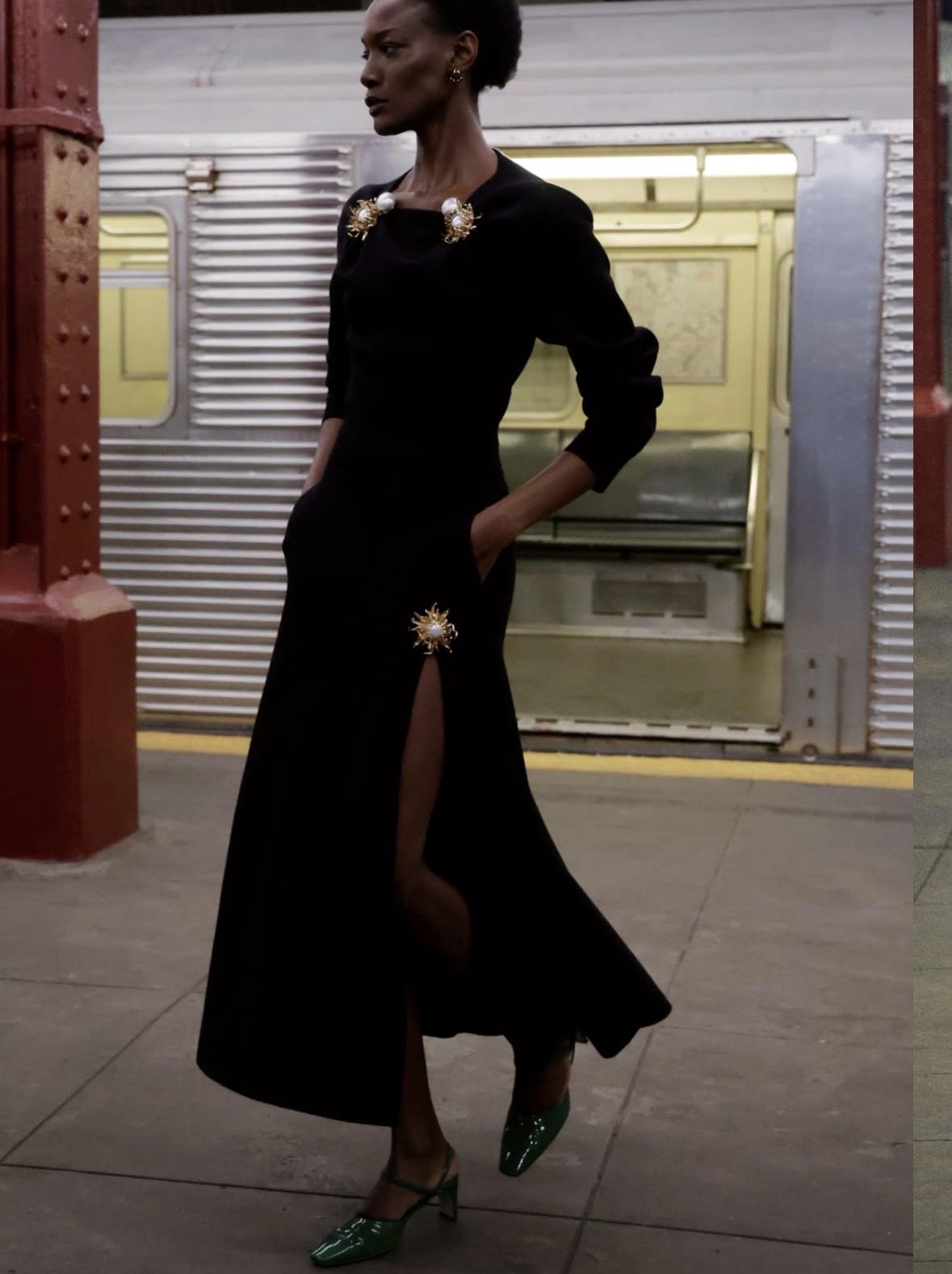
Matthieu Blazy, Métiers d'Art 2026
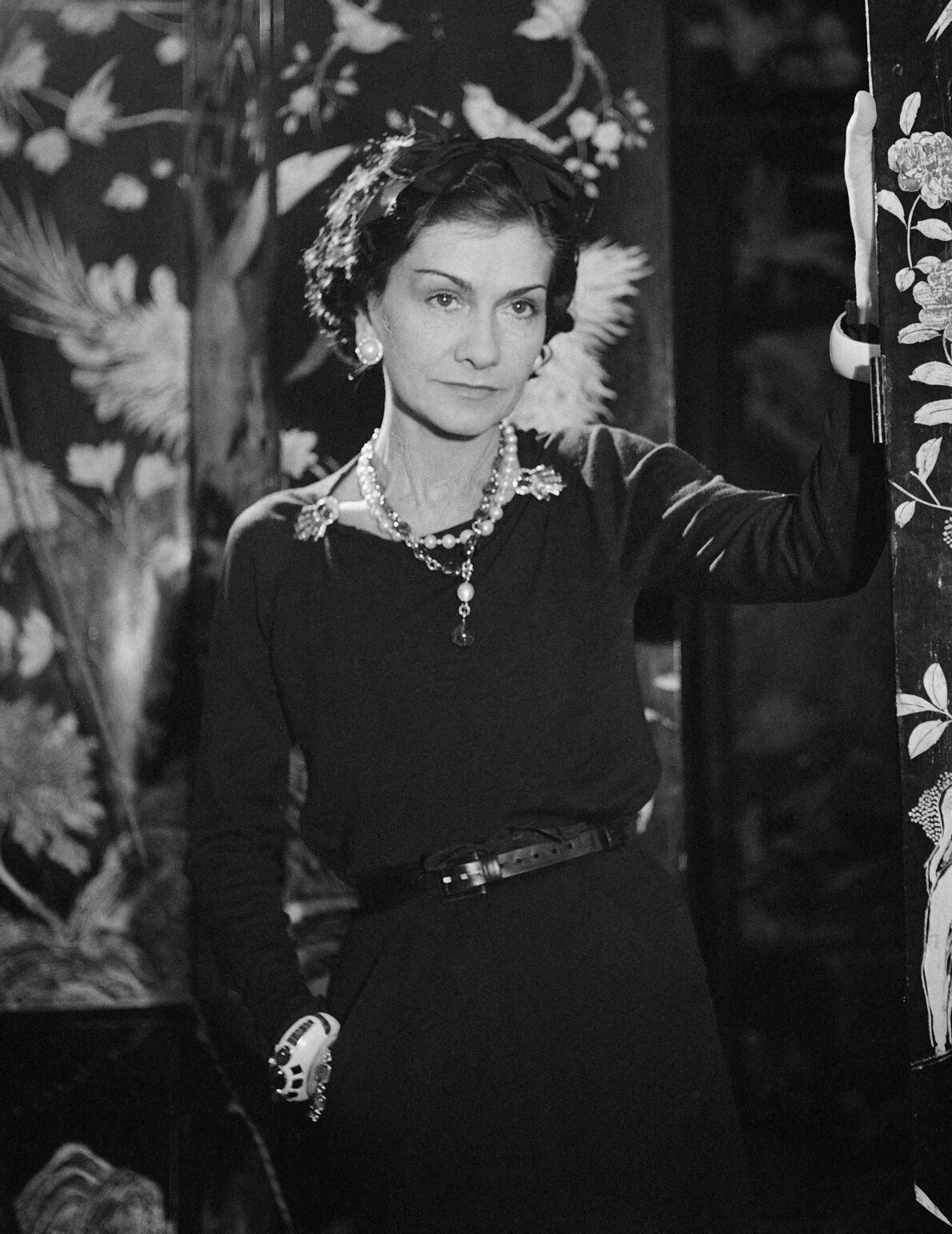
Gabrielle Chanel, 1937
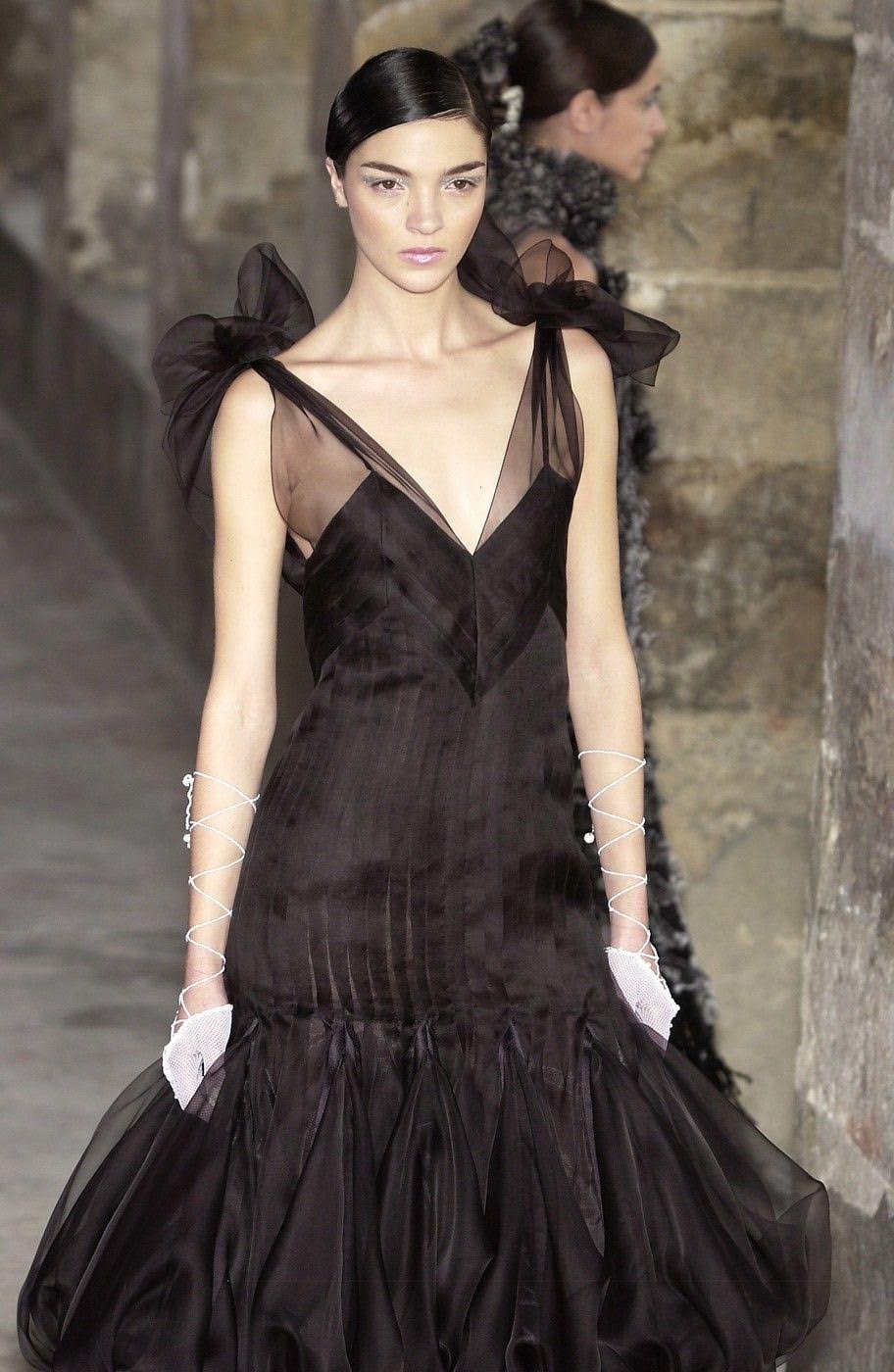
Karl Lagerfeld, Fall/Winter 2003 Haute Couture
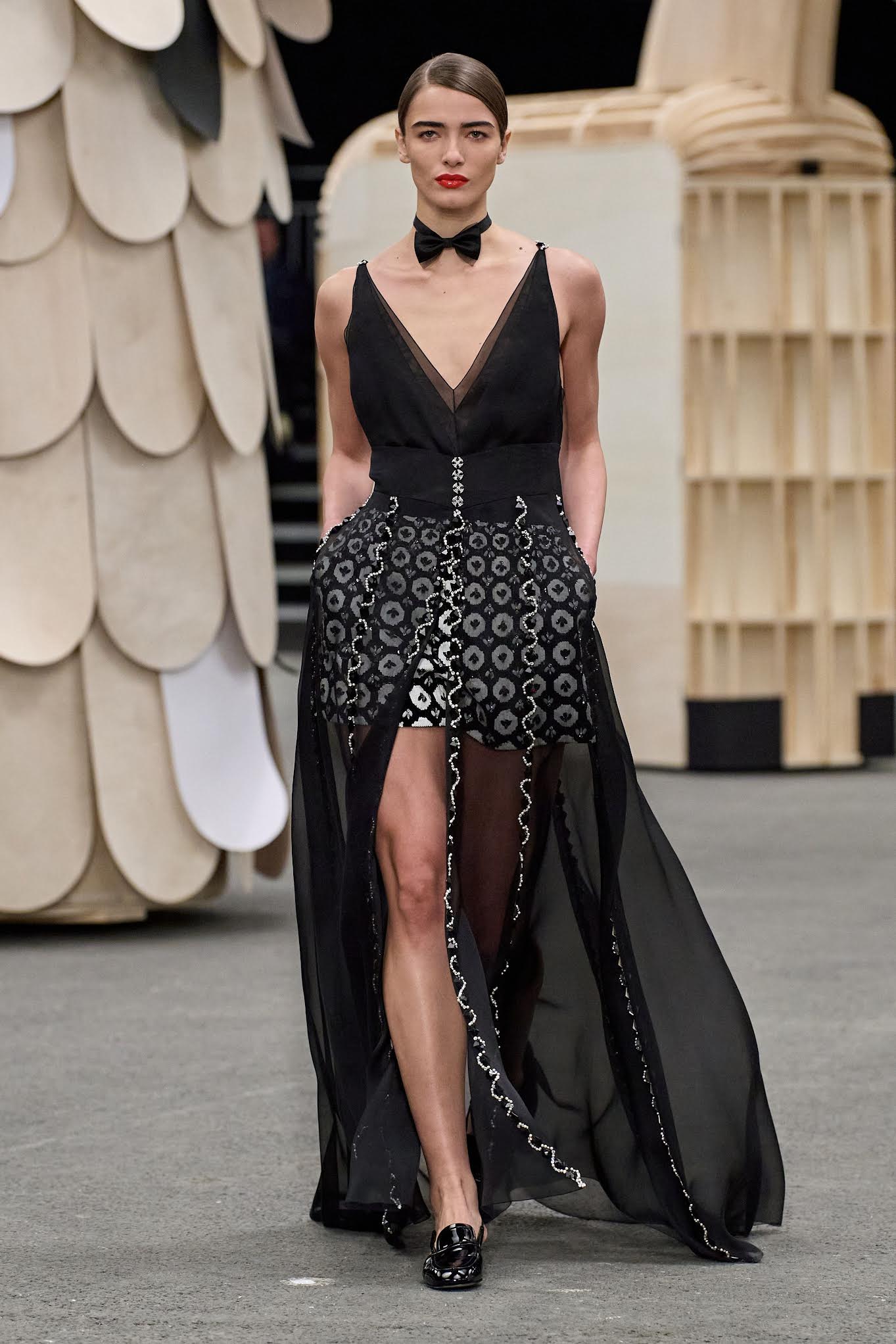
Virginie Viard, Spring/Summer 2023 Haute Couture
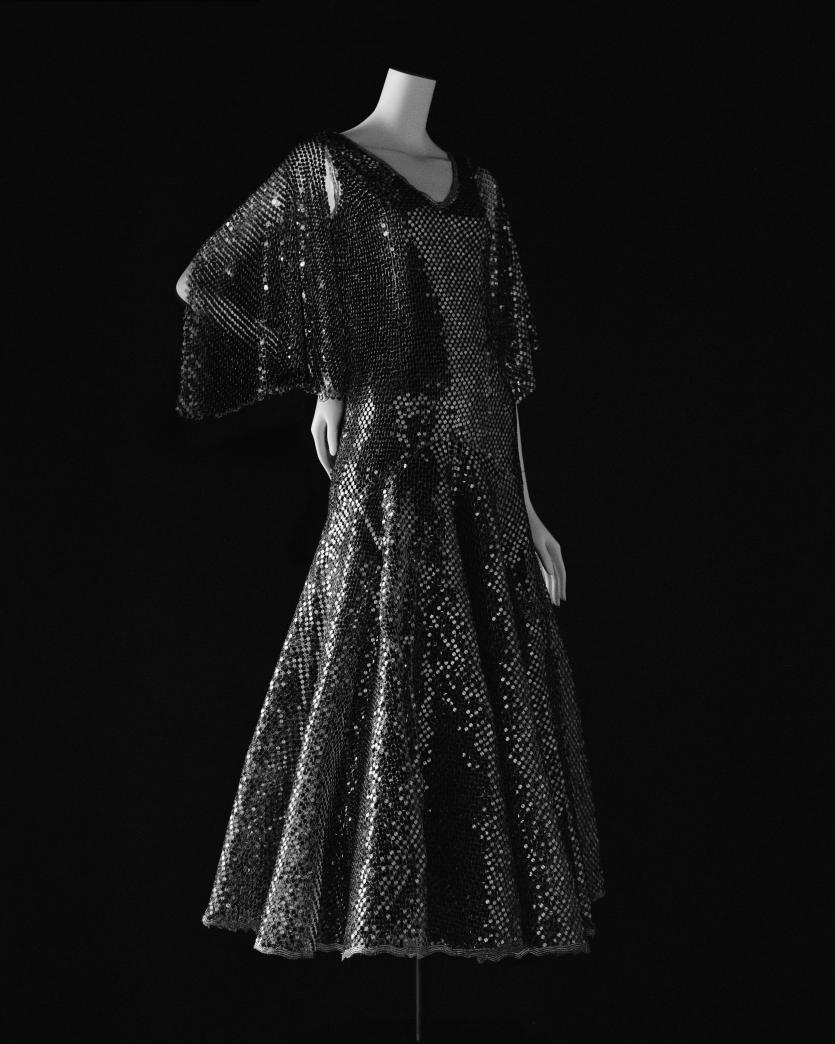
Gabrielle Chanel, Fall/Winter 1930
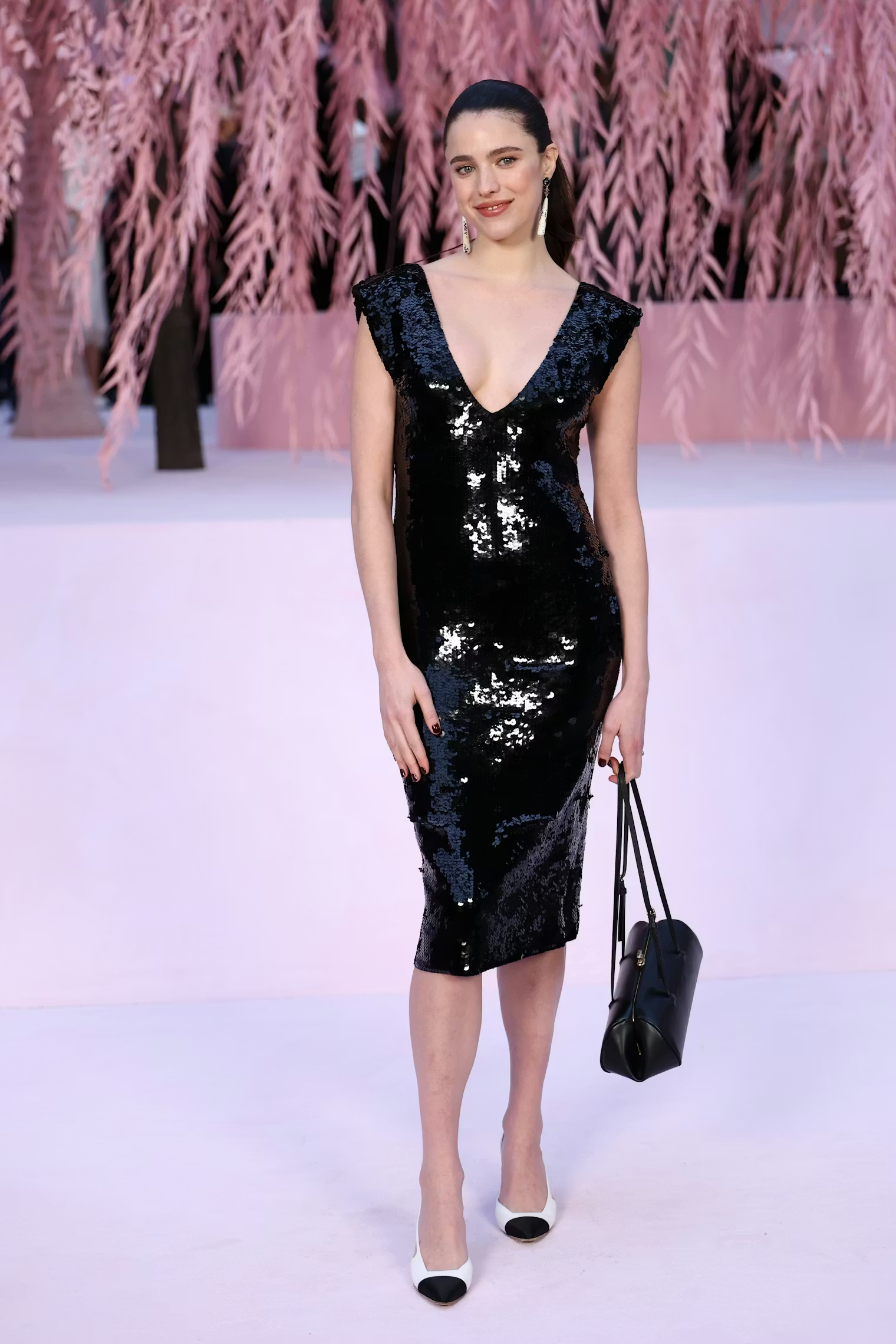
Matthieu Blazy, Métiers d'Art 2026
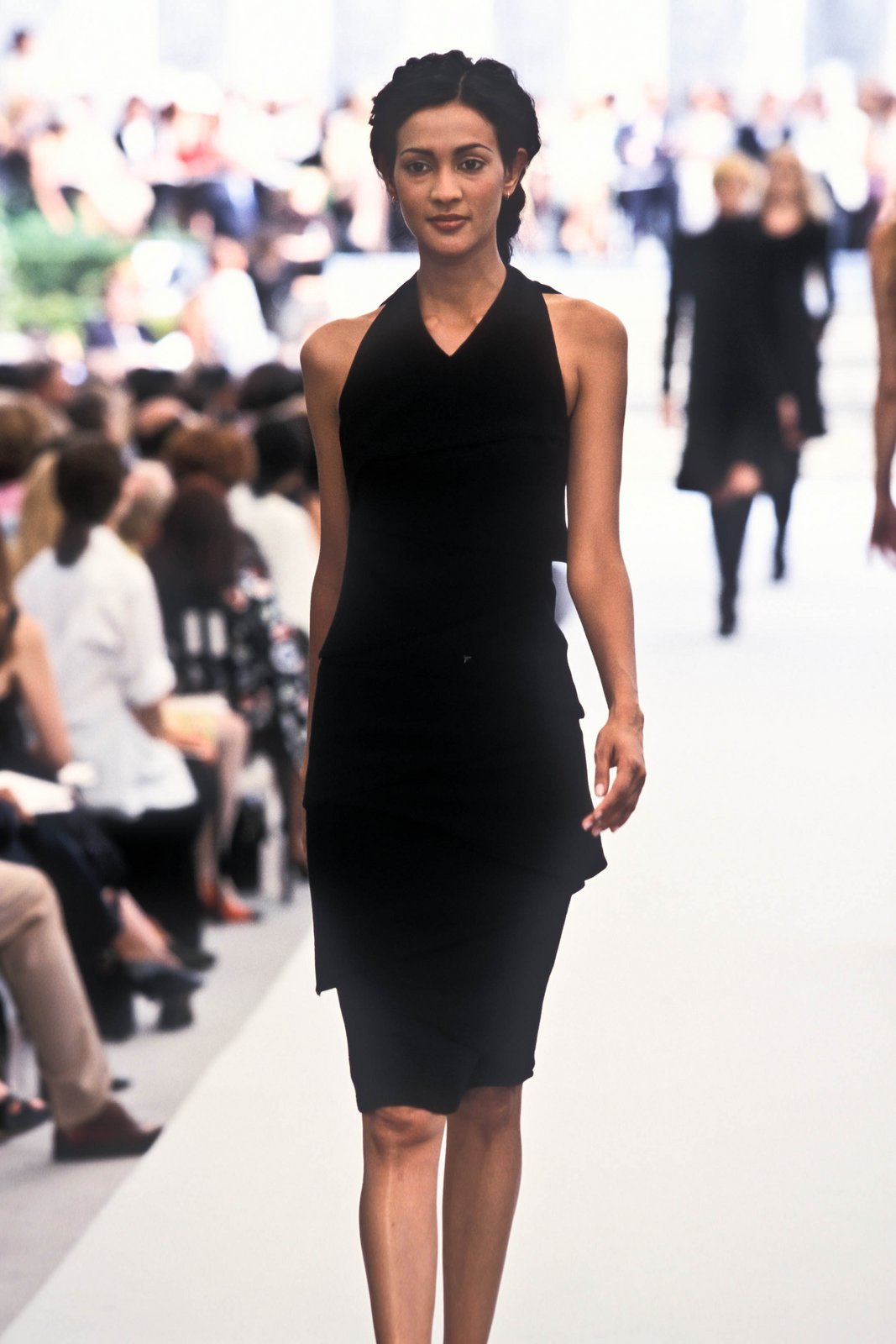
Karl Lagerfled, Fall/Winter 1997 Haute Couture
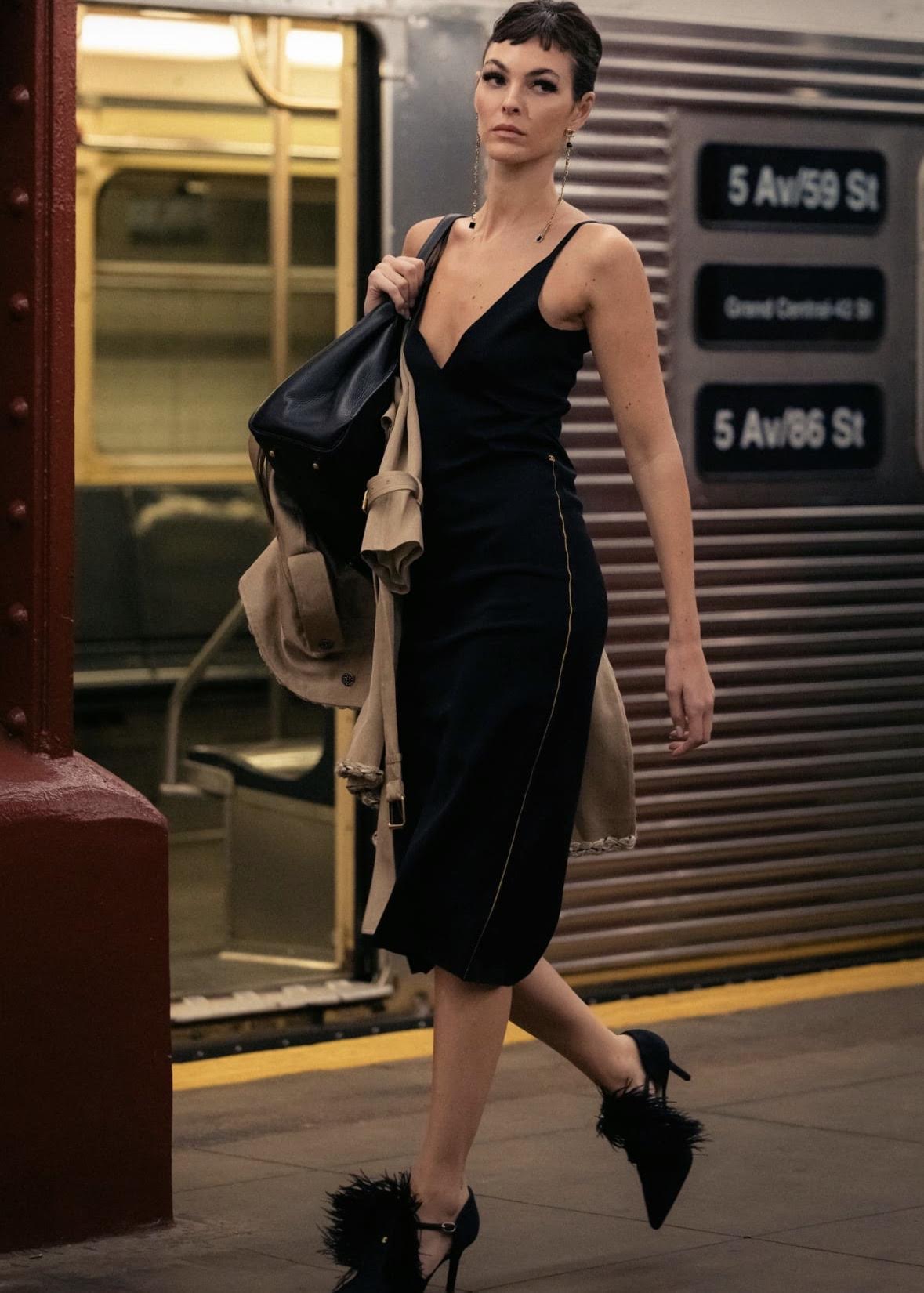
Matthieu Blazy, Métiers d'Art 2026
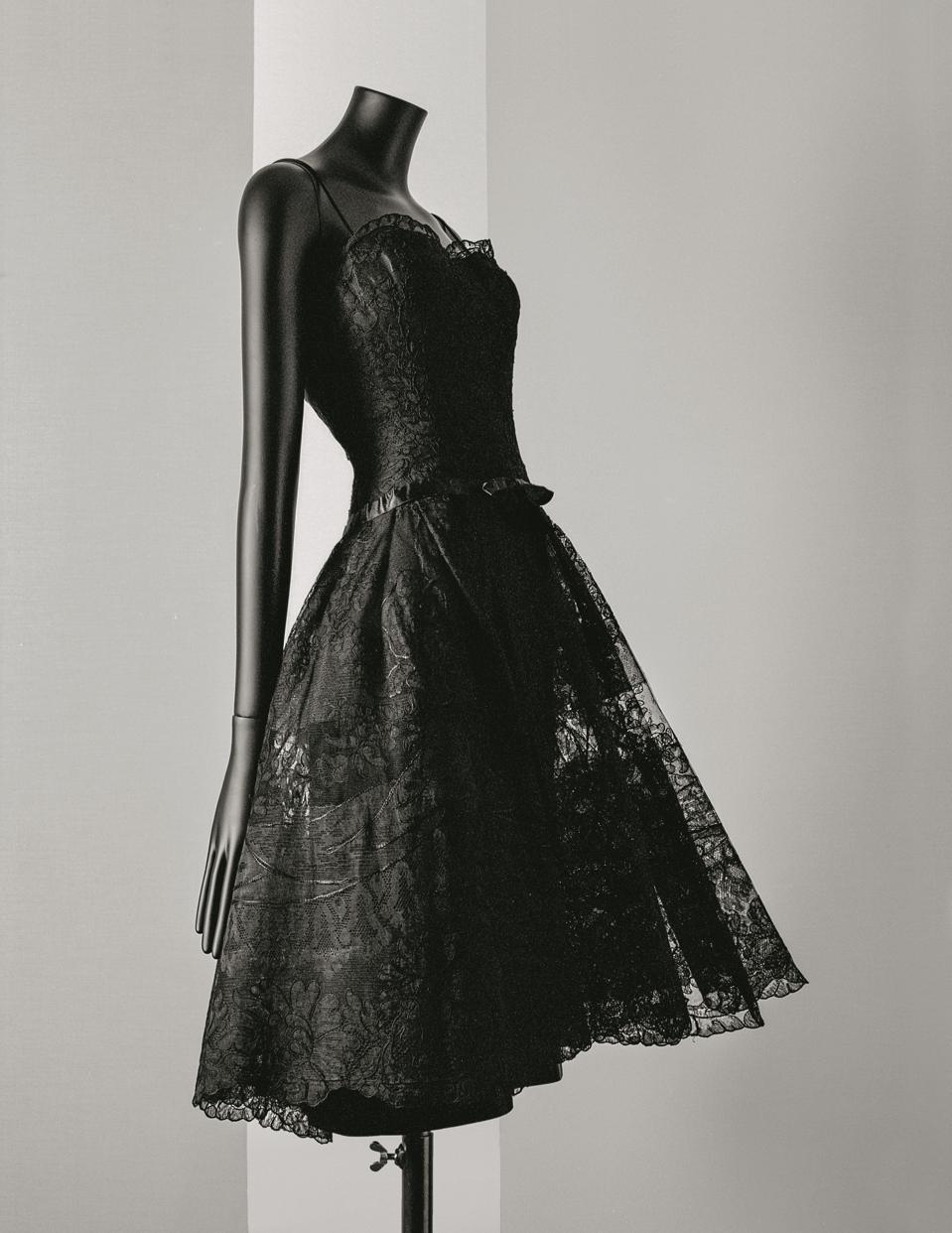
Gabrielle Chanel, Spring/Summer 1959
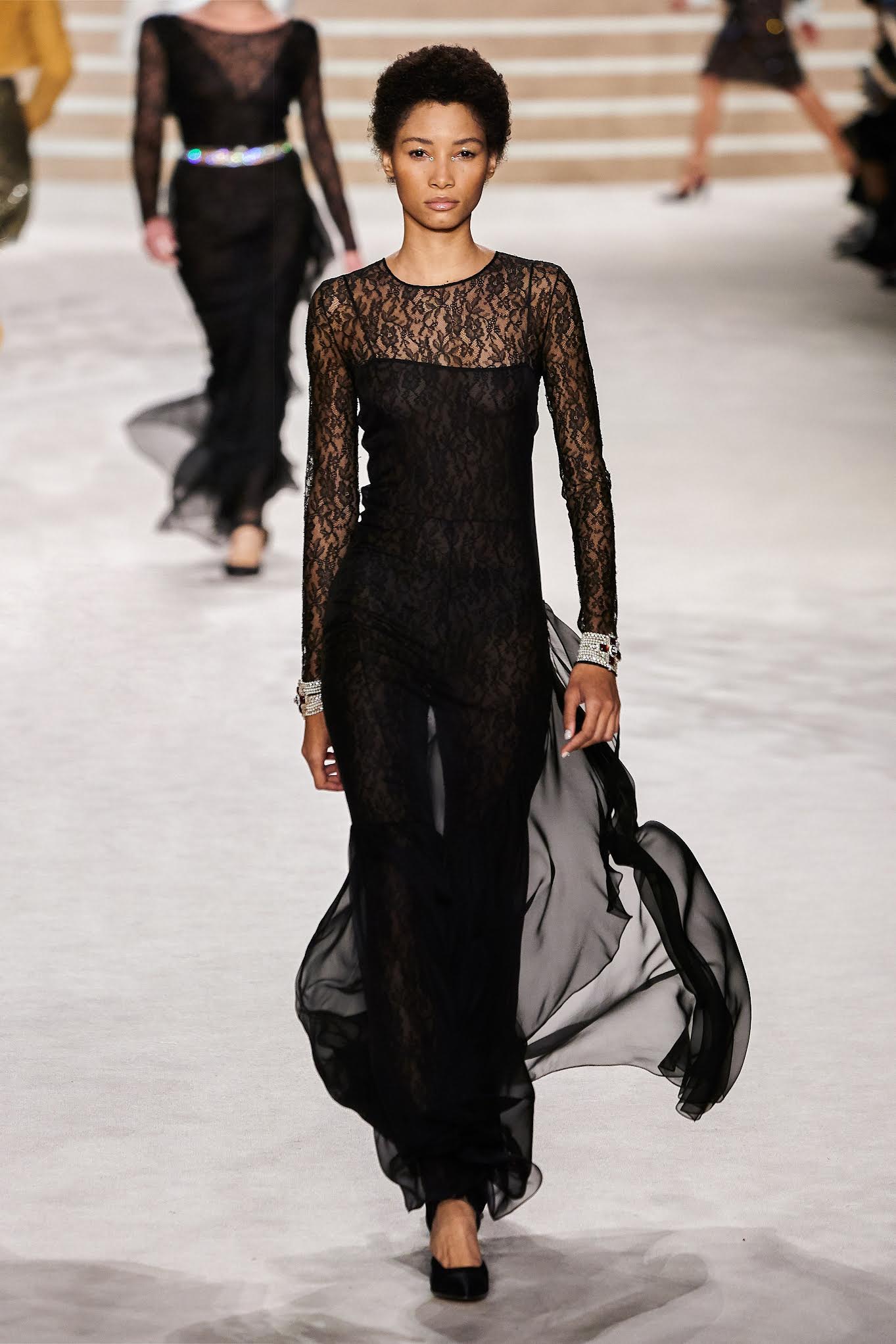
Virginie Viard, Métiers d'Art 2020
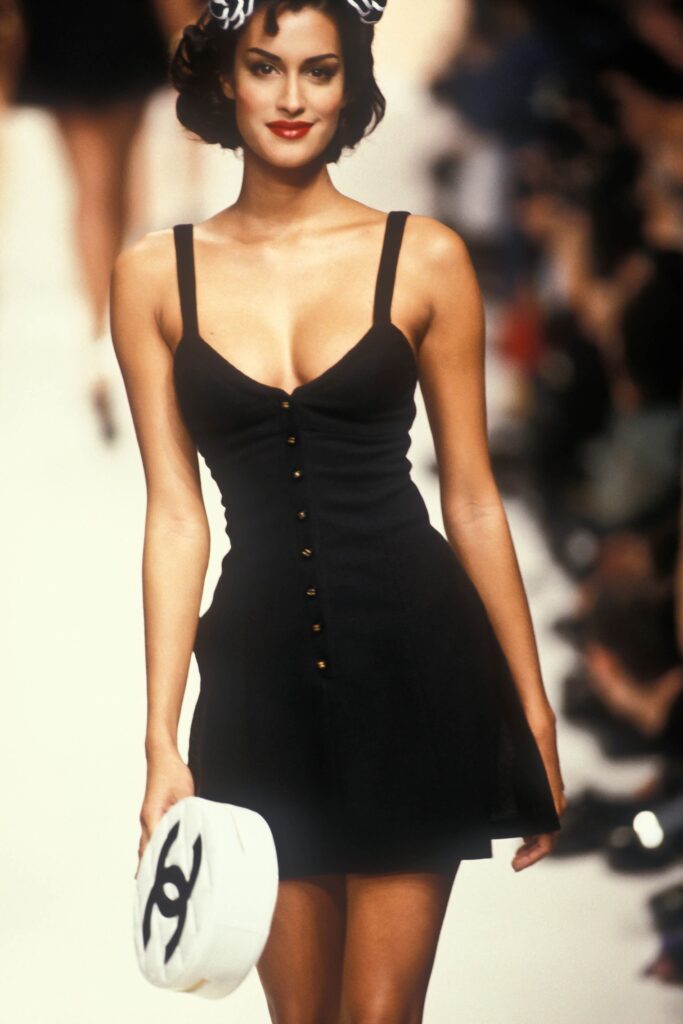
Karl Lagerfeld, Spring/Summer 1995 RTW
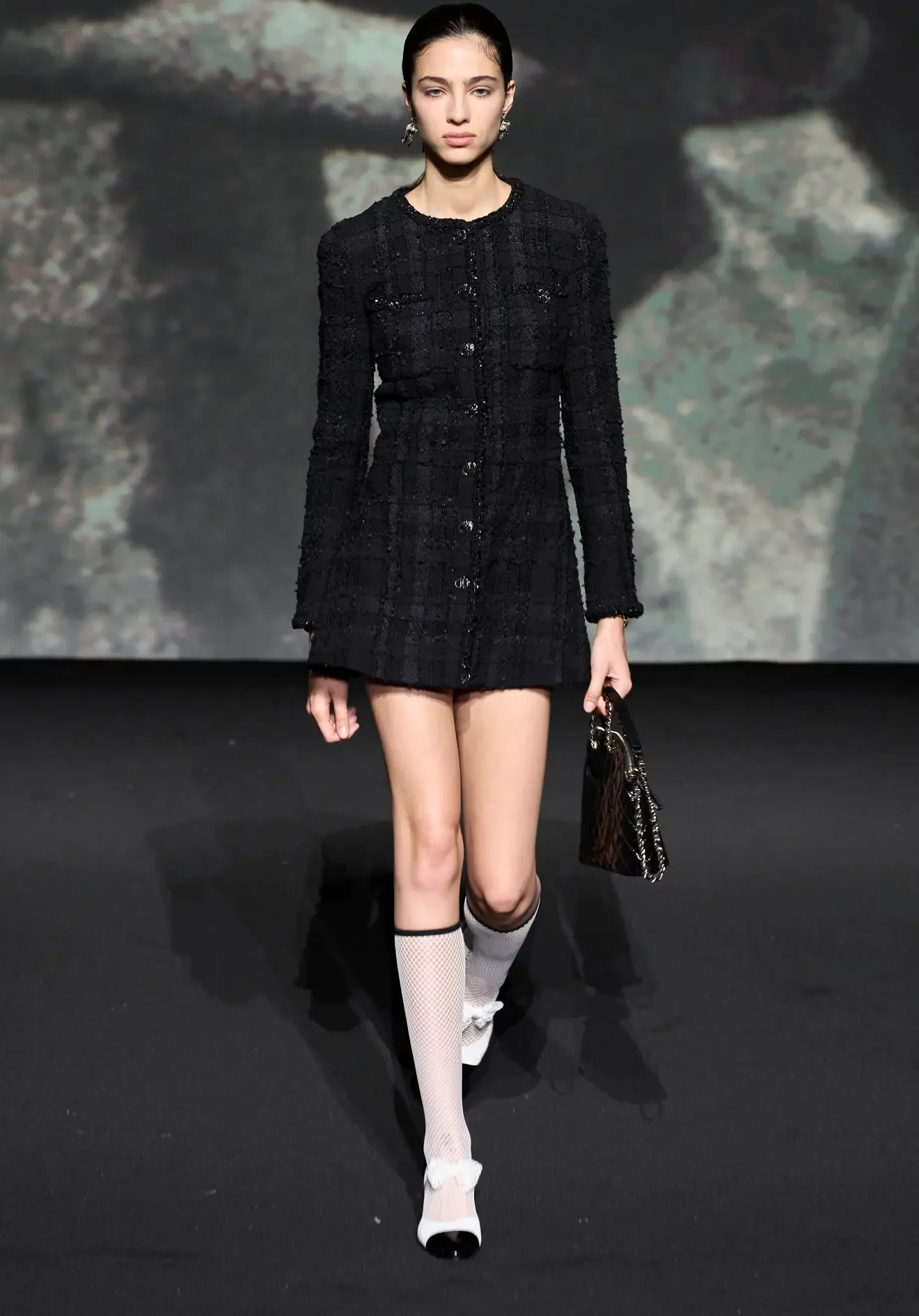
Virginie Viard, Spring/Summer 2023 RTW
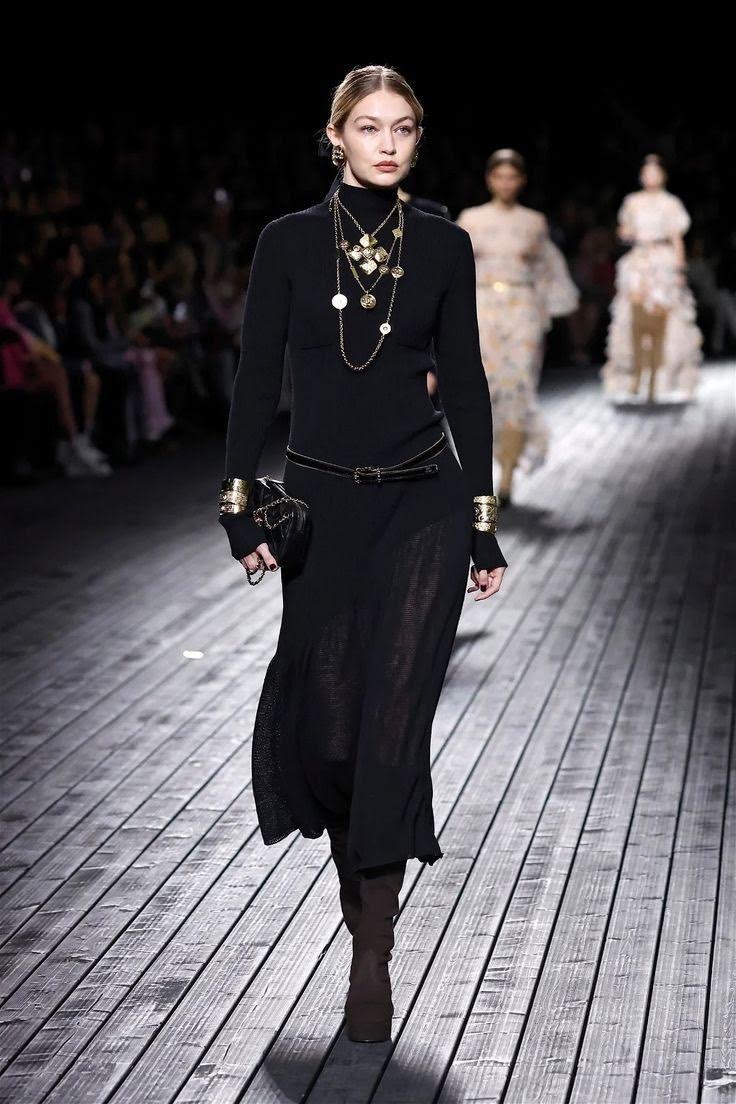
Virginie Viard, Fall/Winter 2024 RTW
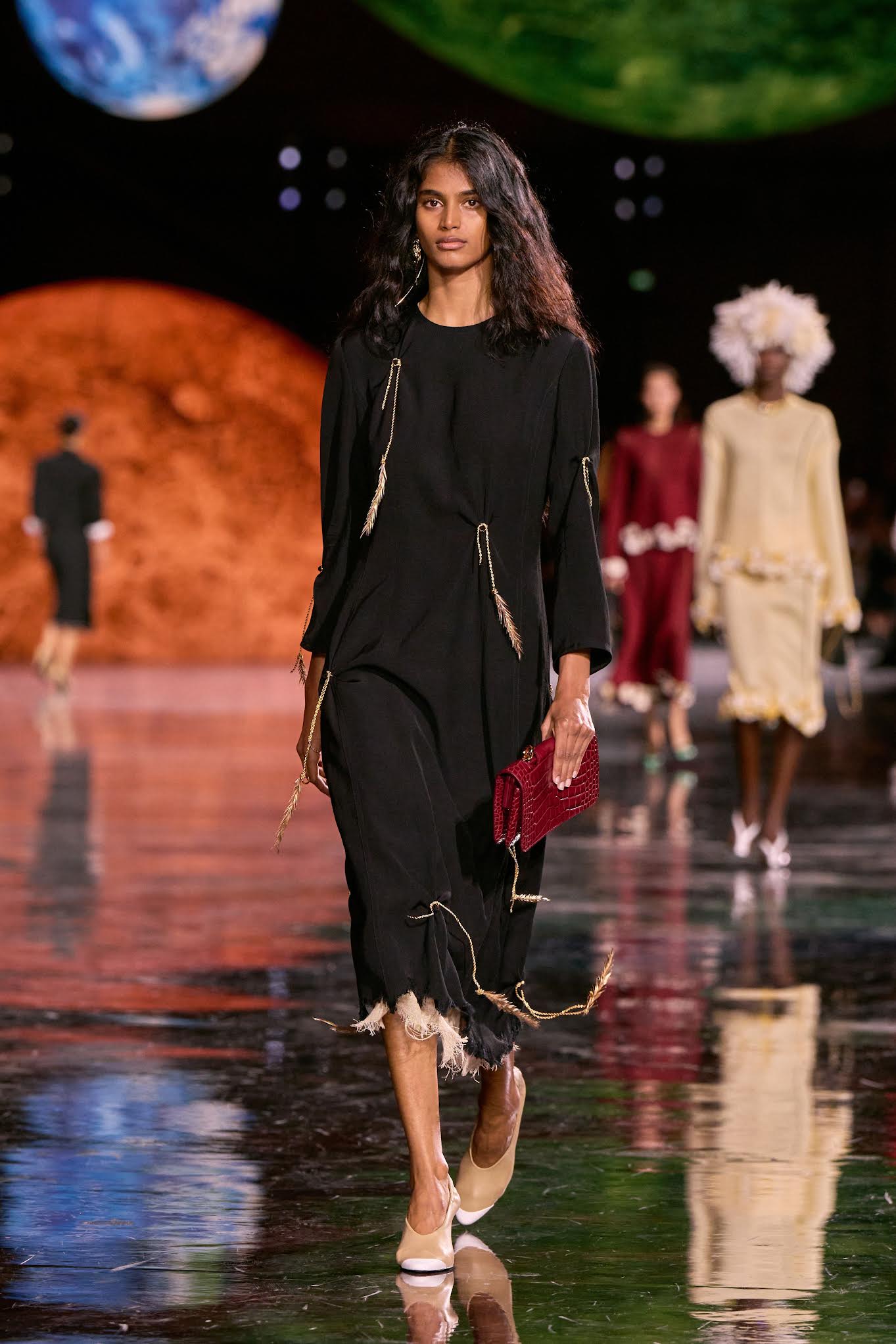
Matthieu Blazy, Spring/Summer 2026 RTW
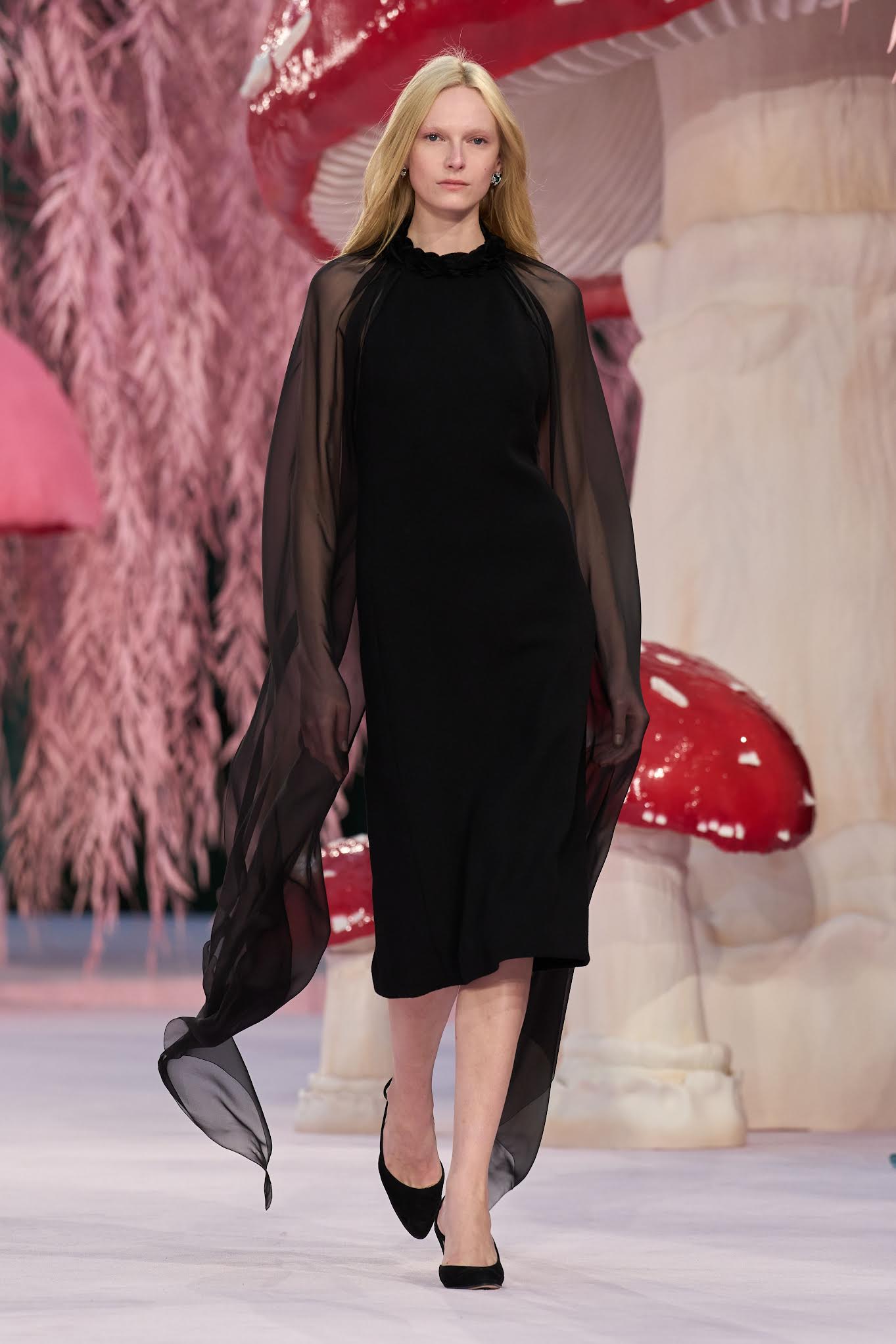
Matthieu Blazy, Spring/Summer 2026 Haute Couture
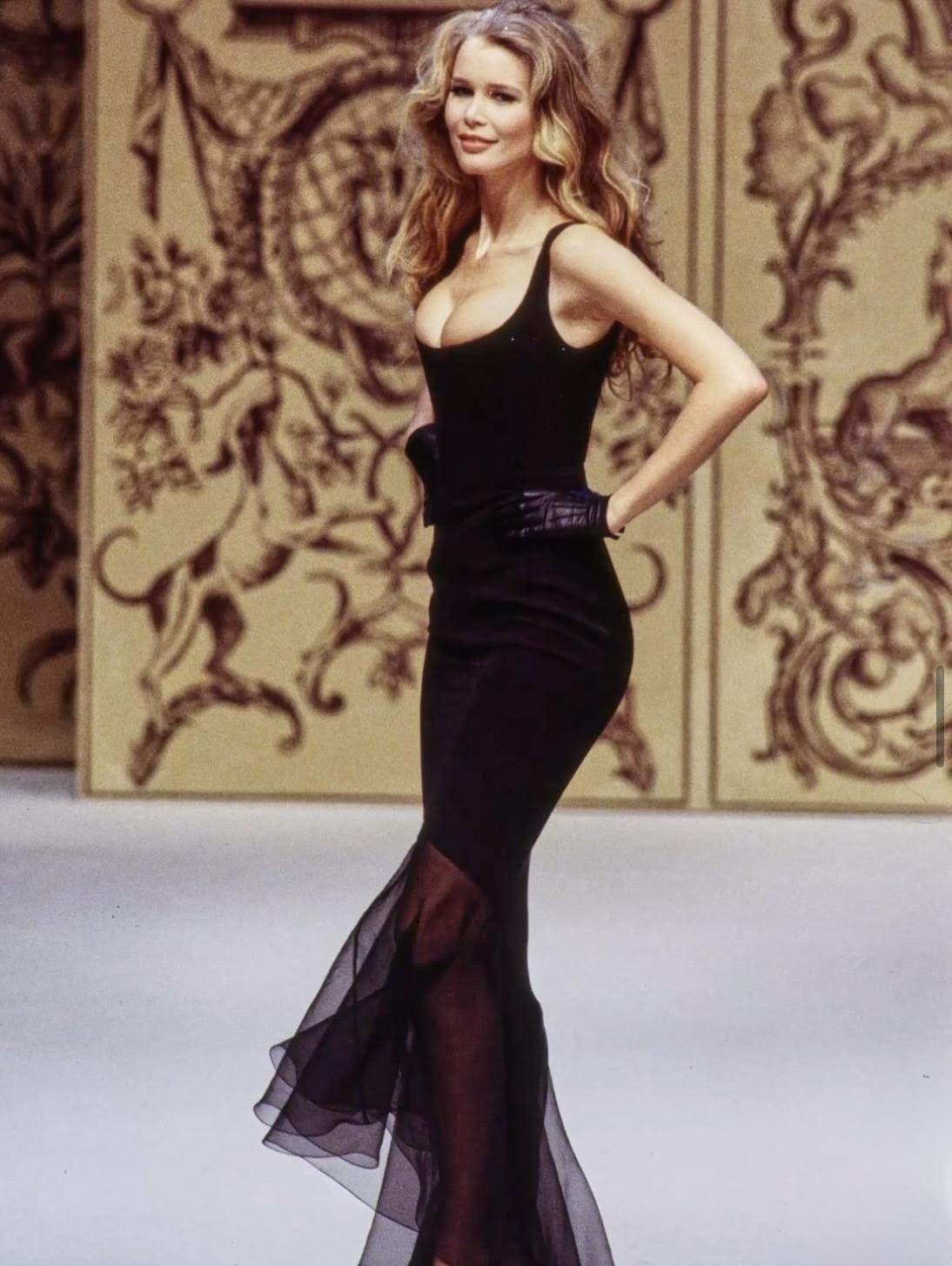
Karl Lagerfeld, Spring/Summer 1993 Haute Couture