
6 April 2026
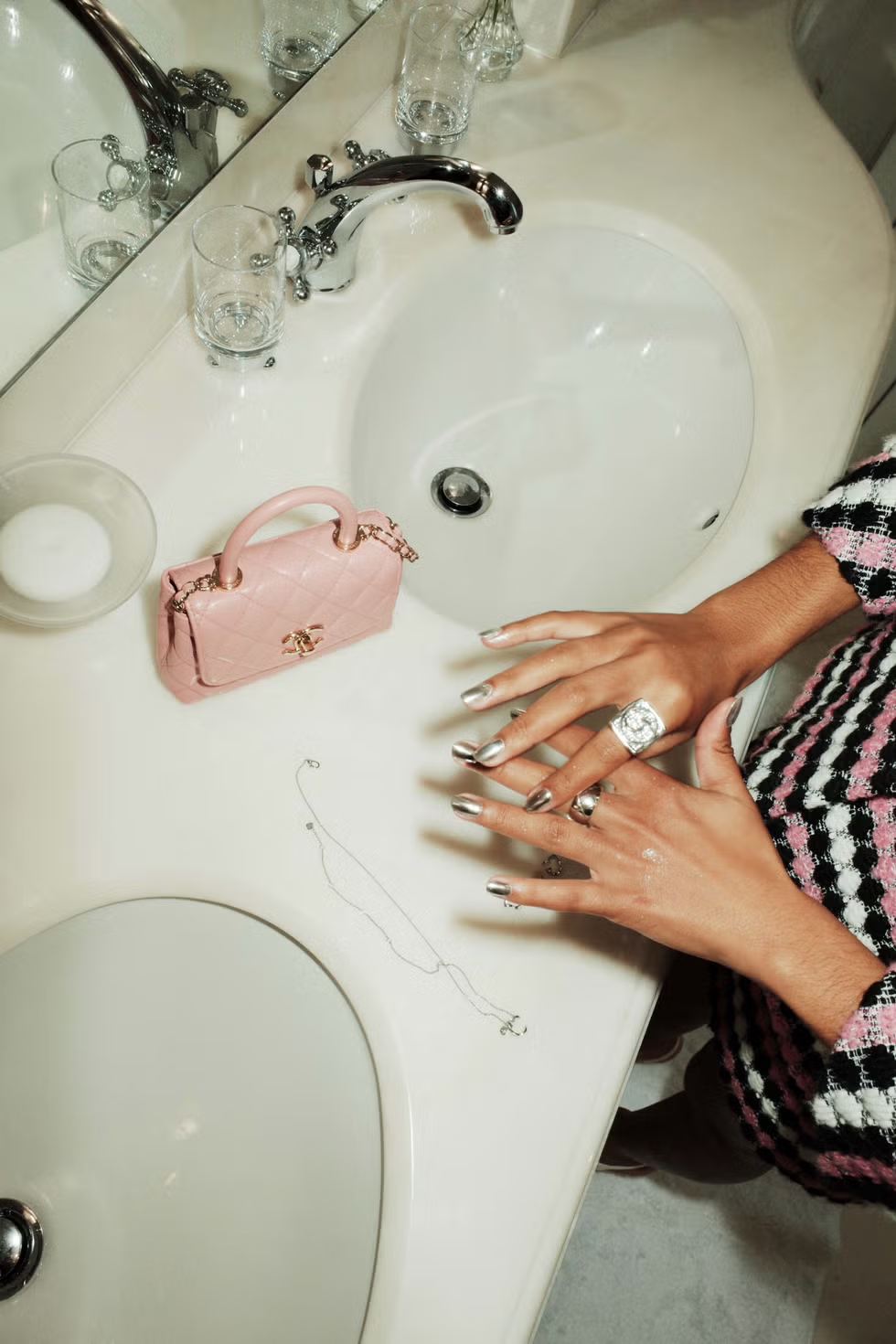
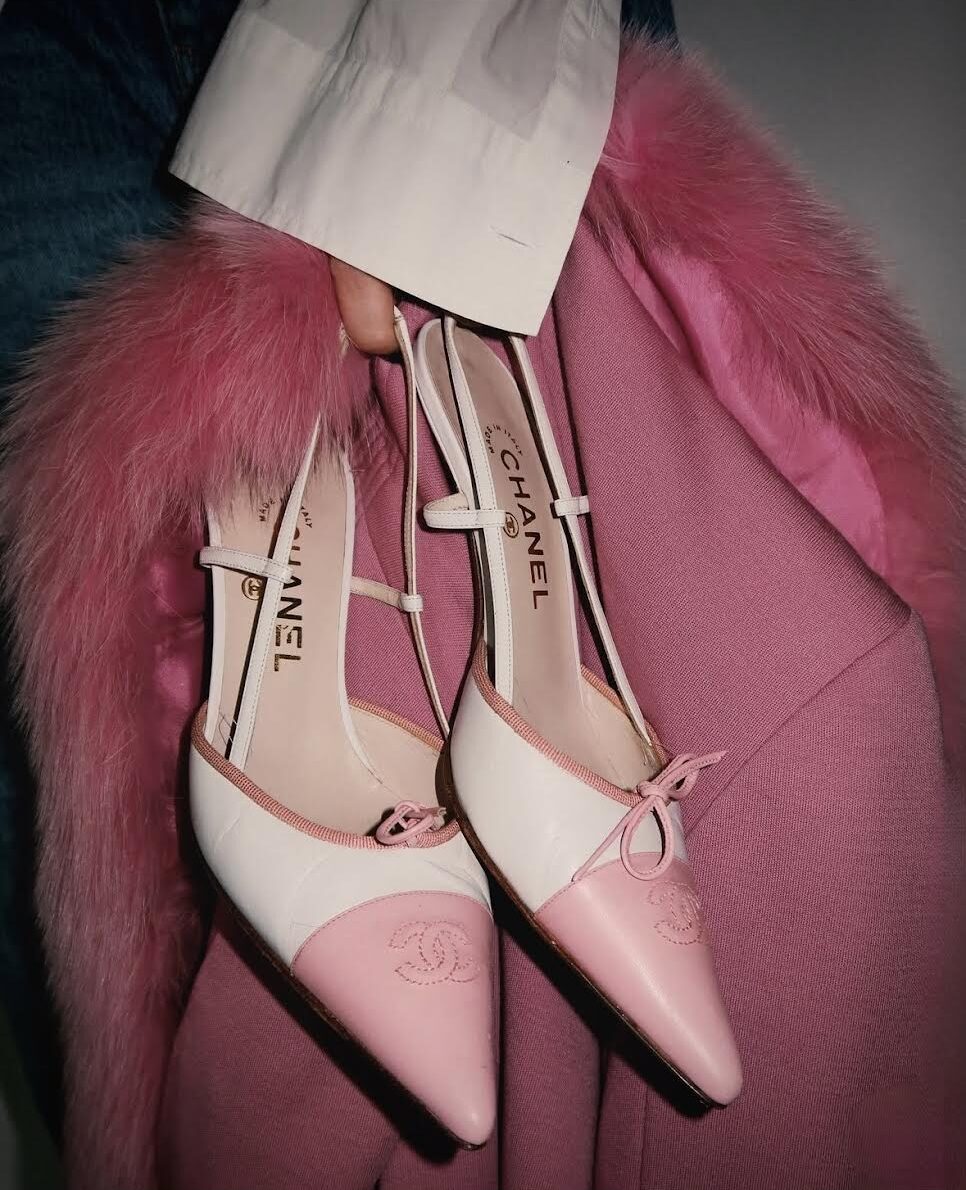
There is a version of the CHANEL philosophy that gets repeated so often it has almost lost its meaning. You’ve seen it on mood boards and in magazine editorials, distilled into a clean sans-serif caption: dress for yourself, not for others. It sounds simple. It sounds like something a confident woman in a perfectly cut jacket would say while effortlessly hailing a cab. It sounds, in other words, like an advertisement.
But spend any time with what Gabrielle Chanel actually did – not what she said, but what she built, and why – and the idea starts to feel less like a slogan and more like a genuine provocation. One worth taking seriously. One that, if you actually applied it to the ordinary Tuesday morning ritual of standing in front of your wardrobe, might change something.
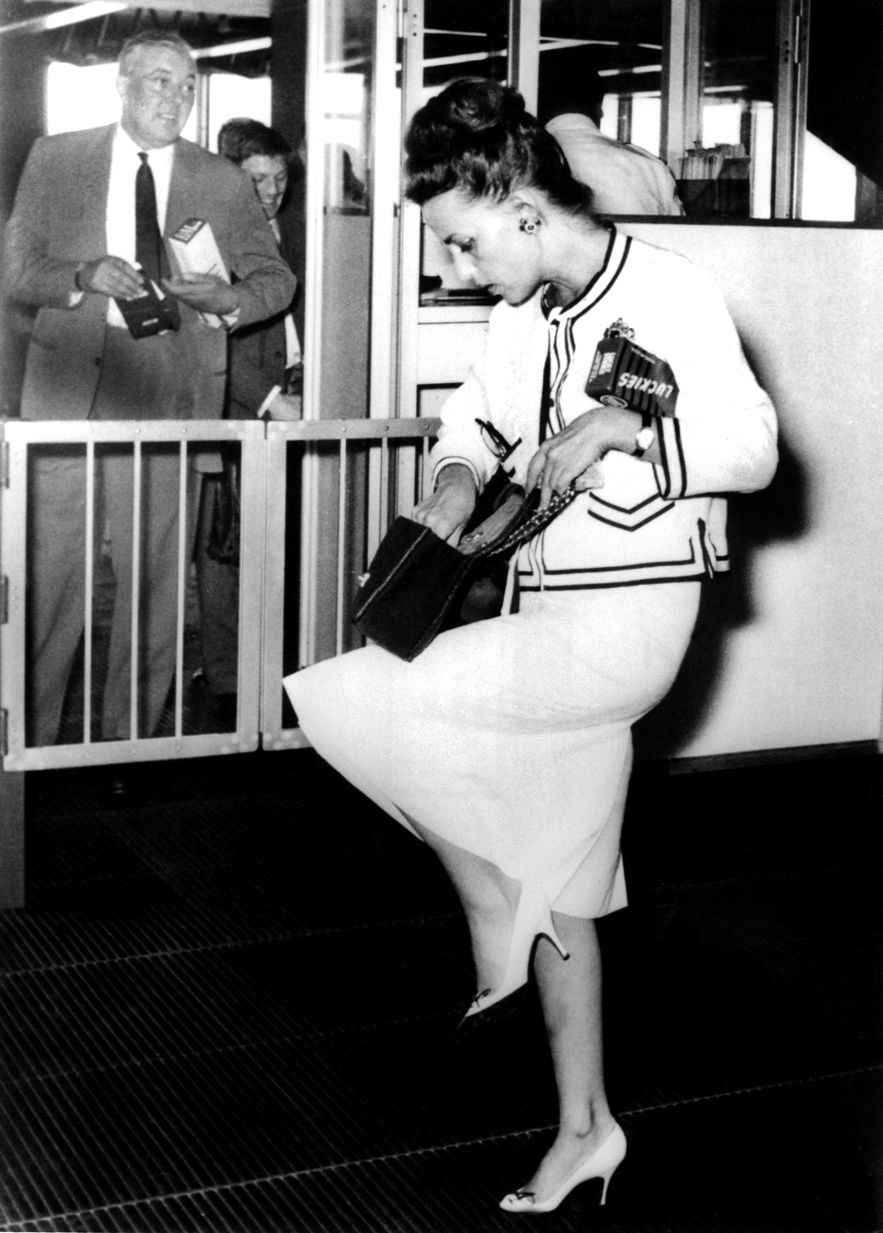
Jeanne Moreau, 1961. Image Credit: VOGUE France

Image Credit: Camila Coelho
“Elegance is refusal.” That quote – possibly the most famous thing Coco Chanel ever said – is often read as aesthetic advice: avoid excess, edit ruthlessly. But it is also something more confrontational. Refusal of what? Of the expectation that a woman’s appearance exists to communicate something to the room. Of the idea that being seen and being dressed are the same thing.
Coco Chanel was not a philosopher. She was a dressmaker with strong opinions and an extraordinary instinct for what women actually needed to feel like themselves. But her instincts were, at their core, a critique of the fashion that preceded her and the assumptions built into it.
Before Chanel, women’s clothing was largely designed around being looked at. The silhouette of the early twentieth century – the corseted waist, the elaborate skirt, the towering hat – was a performance directed outward. It announced social position, marital status, wealth. It was, in the most literal sense, dressing for other people.
Chanel dismantled this. She borrowed from menswear. She used jersey for day dresses. She made trousers acceptable for women. She cut the corset out entirely. Her argument, made through the clothes themselves rather than any manifesto, was this: a woman should be able to move freely, think clearly, and occupy space without her clothing demanding attention on her behalf.

Image Credit: Angelo Pannetta
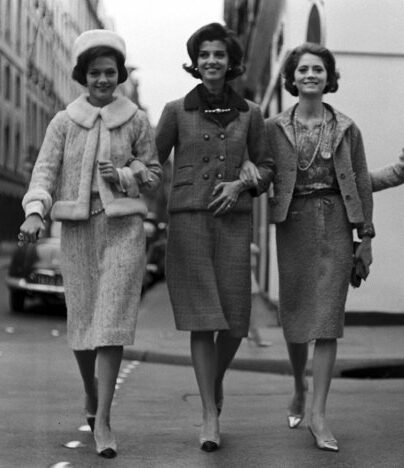
Women wearing CHANEL, 1960s
Here is the honest part. For most of us, getting dressed is not a philosophical act. It is a negotiation between who we are and who we’re expected to be that day, between what we want to wear and what the occasion permits, between the self we’d like to project and the one we suspect is actually visible.
We dress for job interviews and first dates and funerals with a keen awareness of how we’ll be read. We navigate dress codes, office environments, family dinners. We own things we’ve never worn because they felt right in the shop and wrong in real life. We reach for the safe option more often than we’d like to admit.
None of this is weakness or vanity. It is the complexity of living socially. And a philosophy that pretends otherwise – that insists you can simply opt out of the social dimension of dress by being confident enough – is selling you something. So what does it actually mean, in practice, to dress for yourself? Not in the CHANEL campaign sense, but in the real, imperfect, Tuesday-morning sense?
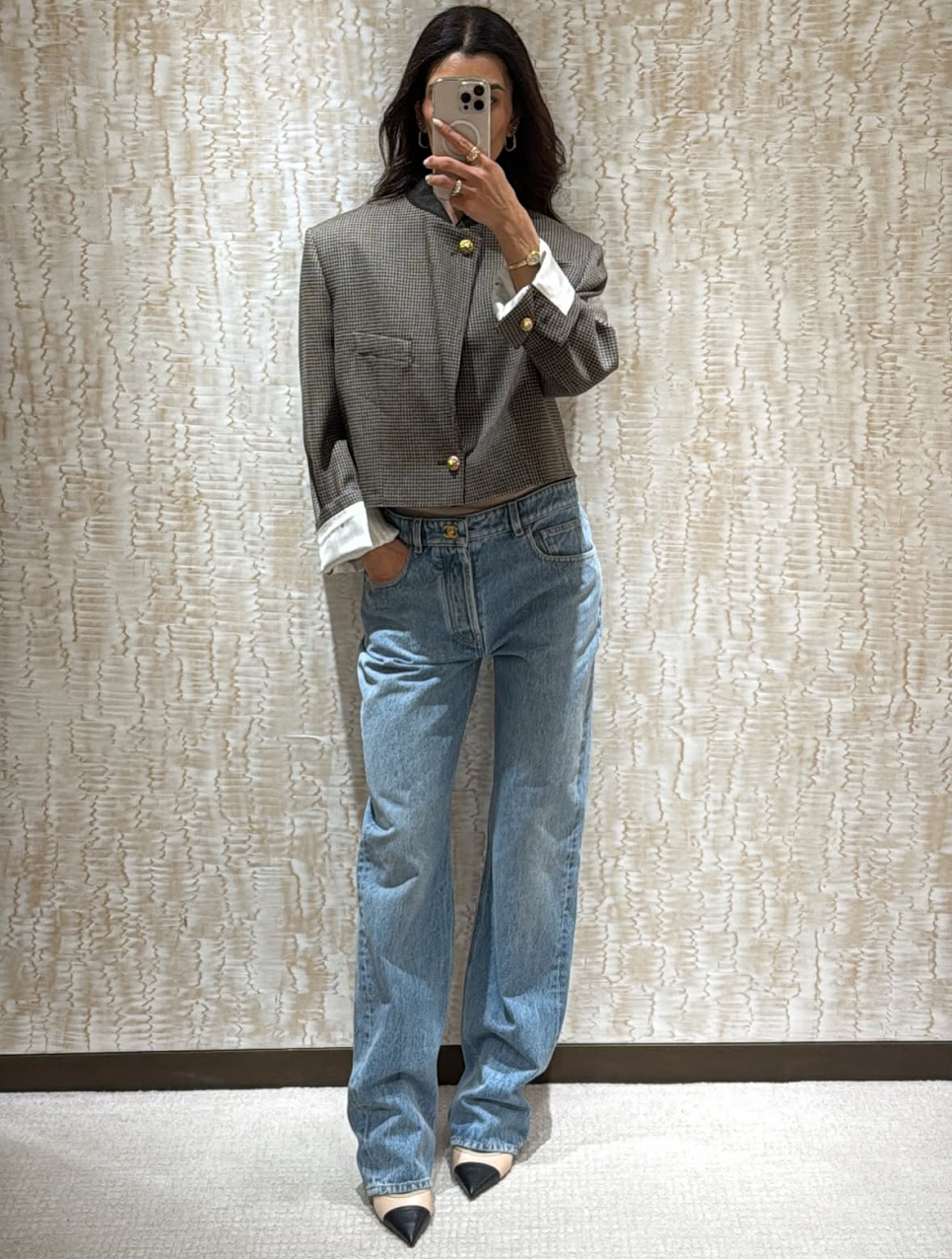
@kellyfzilli
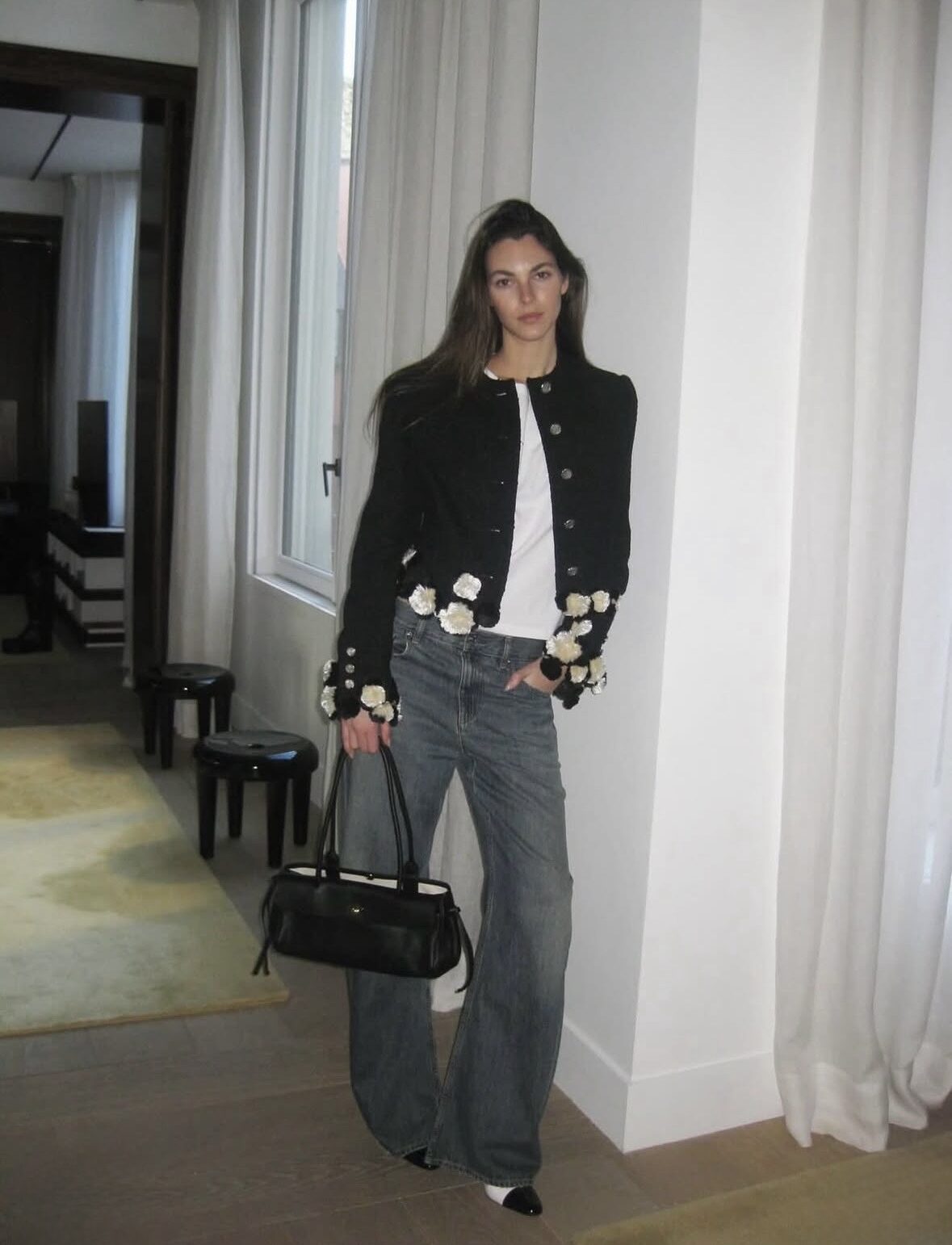
@natasha.colvin, Vittoria Ceretti
The most concrete thing Chanel gave women was comfort – and it is worth being precise about what that meant. It wasn’t the comfort of athleisure or the comfort of simply wearing whatever requires the least effort. It was the comfort of clothing that worked with a body rather than against it. Clothing that didn’t restrict movement, require adjustment, or demand constant awareness.
This distinction matters because comfort is often framed as a concession. You wear the comfortable shoes because your feet hurt, not because comfort is the point. You choose the looser cut because the tailored one was too much. Comfort arrives as a compromise, not a philosophy.
Chanel inverted this. She made comfort the non-negotiable starting requirement and then built elegance on top of it. The tweed suit worked because it moved. The little black dress worked because it wasn’t fighting you. The jersey dress worked because you could breathe in it. Style was not sacrificed for comfort; style was achieved through it.
Applied to the everyday: this is an invitation to stop treating ease as a guilty concession. If a piece of clothing makes you feel contained or restricted or perpetually adjusted, it doesn’t matter how beautiful it is on the hanger. Clothes that fight you are clothes that take energy, and energy spent on your clothing is energy diverted from everything else.
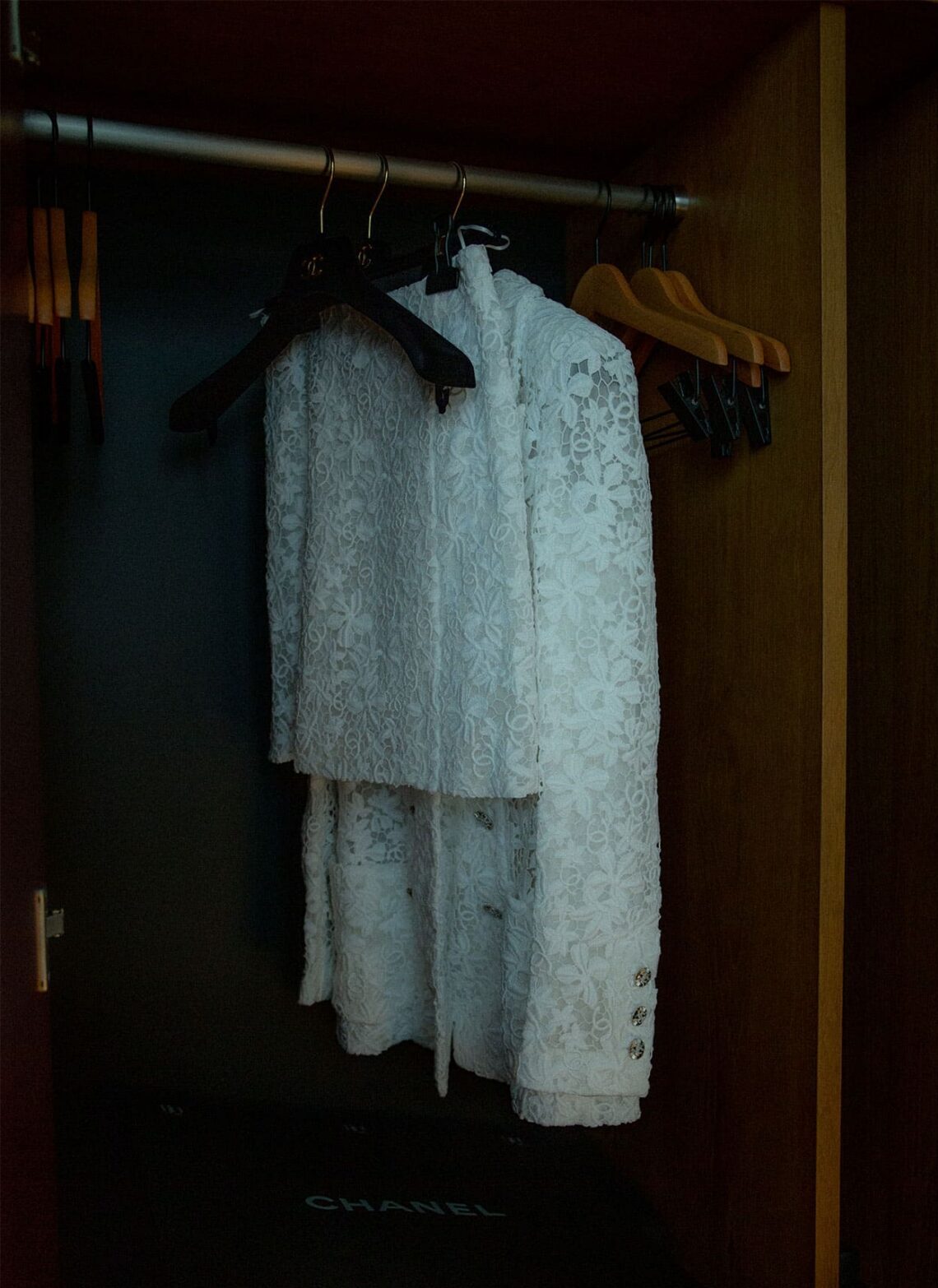
Image Credit: Ella O'Keeffe, RUSSH
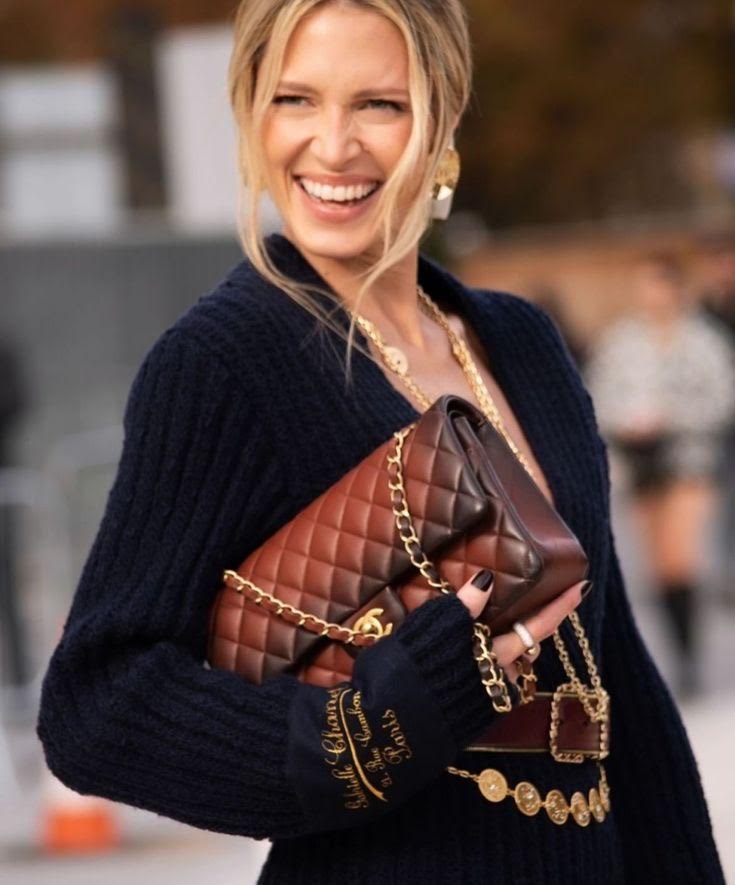
Image Credit: Helena Bordon
One of the more interesting tensions in how we talk about personal style is the pressure to have a distinctive one. The fashion conversation often rewards those with a ‘look’ – a recognizable visual signature that makes their choices feel intentional and coherent. The Parisienne in her striped top. The minimalist in monochrome. The maximalist in prints.
But real individuality in dress is quieter than this. It is not a character you perform; it is the accumulation of small preferences that, over time, tell the truth about who you are. The colour you reach for instinctively. The silhouette that makes you stand differently. The piece you’ve owned for twelve years because it has never not felt right.
CHANEL’s design codes – the camellia, the chain, the quilting, the interlocking CC – are recognizable as a house language. But within any single collection, the range is vast. A CHANEL garment can be severe or romantic, graphic or delicate, casual or ceremonial. The house’s genius is that its codes provide a framework without prescribing an identity. You bring the self; the clothes accommodate it.
This is worth borrowing as a personal principle. The goal is not to develop a look that signals effortless style to the outside world. The goal is to know, clearly and without apology, what you actually like and to let that knowledge guide the choices.

Image Credit: CHANEL

Bhavitha Mandava
Chanel’s principle of refusal is, in practice, one of the harder ones to apply. It is easier to accumulate than to edit. It is easier to keep the piece that doesn’t quite work because it was expensive, or a gift, or because you feel you should like it, than to let it go.
But dressing for yourself requires a certain ruthlessness about what you let into your wardrobe and, more importantly, what you continue to let stay. The question is not whether something is beautiful in the abstract. The question is whether it belongs to your life – your actual life, the one you’re living now, not the aspirational version you sometimes imagine.
This is where the CHANEL philosophy gets genuinely personal. Because what you refuse says as much about you as what you choose. Refusing the thing that looks right on everyone else but feels wrong on you. Refusing the trend that you are theoretically on board with but practically never reach for. Refusing the idea that your wardrobe needs to be larger or more varied or more interesting than it actually is. A wardrobe full of things you love and wear is a more elegant thing than a wardrobe full of options. Fewer, better, more honest.
Image Credit: @moonstonevintagela
Image Credit: Edward Rivera, Harper's Bazaar UK
All of this lands somewhere very undramatic: the morning routine. The unremarkable act of getting dressed for a day that probably looks a lot like the day before it. No camera, no occasion, no one watching particularly closely.
This is where the philosophy either holds or it doesn’t. Because dressing for yourself is easiest to proclaim when the stakes are low and hardest to practice when habit, convenience and the path of least resistance are pulling in the other direction.
But it is also in the ordinary moment that the philosophy is most useful. Not as a grand declaration of self-expression, but as a small, daily act of honesty. Reaching for what you actually want to wear rather than what you think you should. Choosing the thing that makes you feel most like yourself rather than most like the version of yourself you think is appropriate for today.
Gabrielle Chanel did not build an empire by making women look more impressive to other people. She built it by making women feel more like themselves. The distinction is subtle and it is everything.

Image Credit: Carin Backoff, ELLE
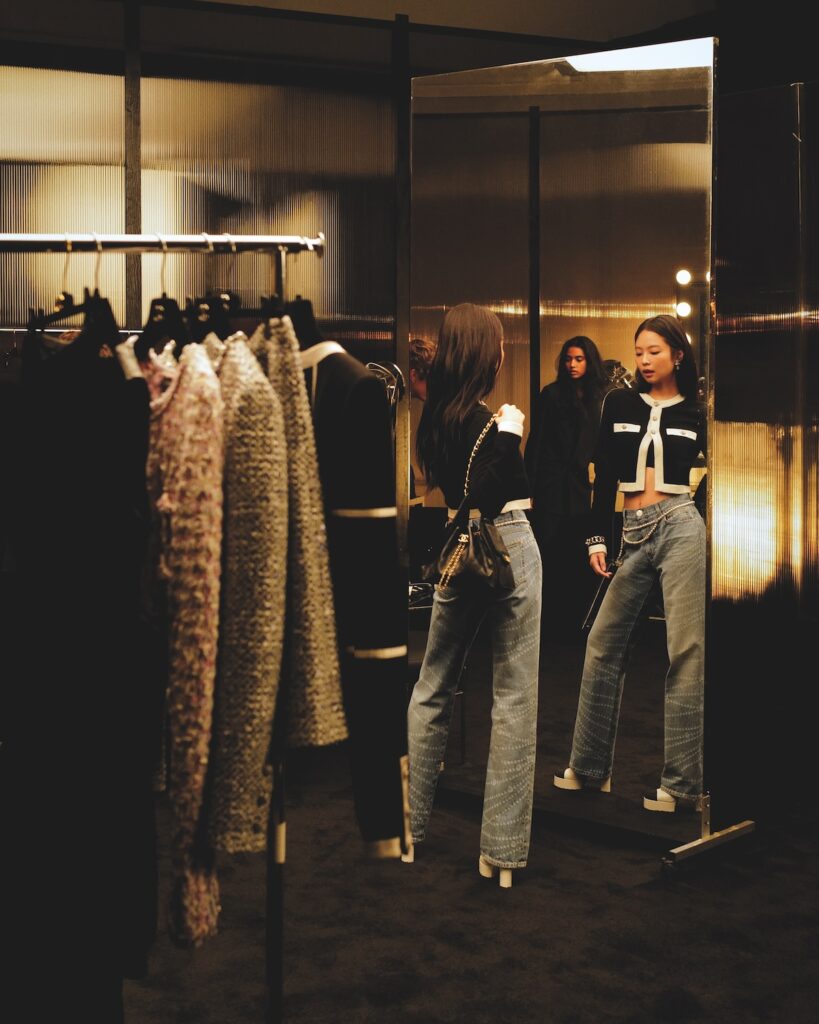
Image Credit: CHANEL