14 December 2025
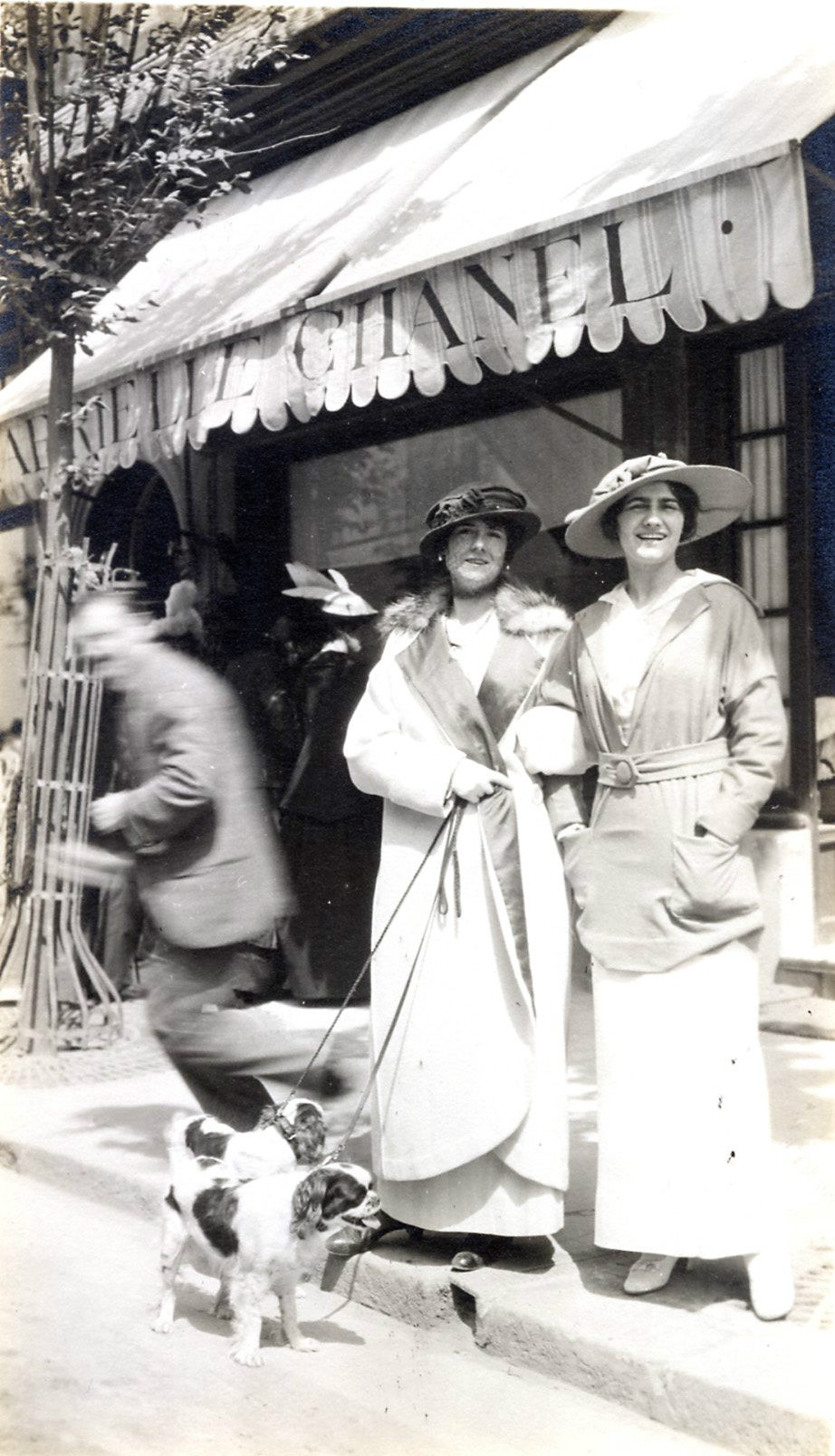
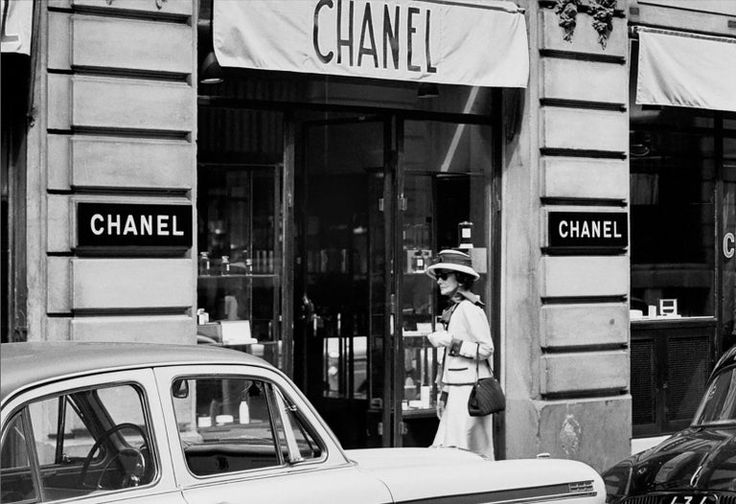
Gabrielle “Coco” Chanel did not build her empire in a single stroke or a single place. Instead, her vision unfolded across a constellation of coastal resorts and cosmopolitan capitals, each boutique responding to a specific way of life. Deauville, Biarritz, Paris, and Cannes were not merely retail locations; they were laboratories in which Chanel tested new silhouettes, materials, and attitudes toward women’s dress. Together, they form the geographic and philosophical foundations of the CHANEL house.
Here, we take a look at the significance of each of these locations and how over the years, CHANEL’s Creative Director’s have dedicated specific collections to the influence of these cities.
Chanel’s first fashion boutique in Deauville opened in 1913, in the heart of a Normandy seaside resort favoured by aristocrats and the Parisian elite. Deauville was a place of movement – horse racing, beach walks, sailing – and this rhythm shaped Chanel’s earliest radical ideas.
Rejecting the stiff corsetry and ornate decoration of the Belle Époque, Chanel designed clothes for leisure: sailor-inspired blouses, loose cardigans, and simple skirts made from jersey, a fabric then considered appropriate only for men’s underwear. In Deauville, functionality became elegance. The boutique catered to women who wanted freedom of movement and an understated sophistication aligned with modern life.
This shop marked Chanel’s first decisive break with fashion convention. Clothing was no longer about display; it was about living.
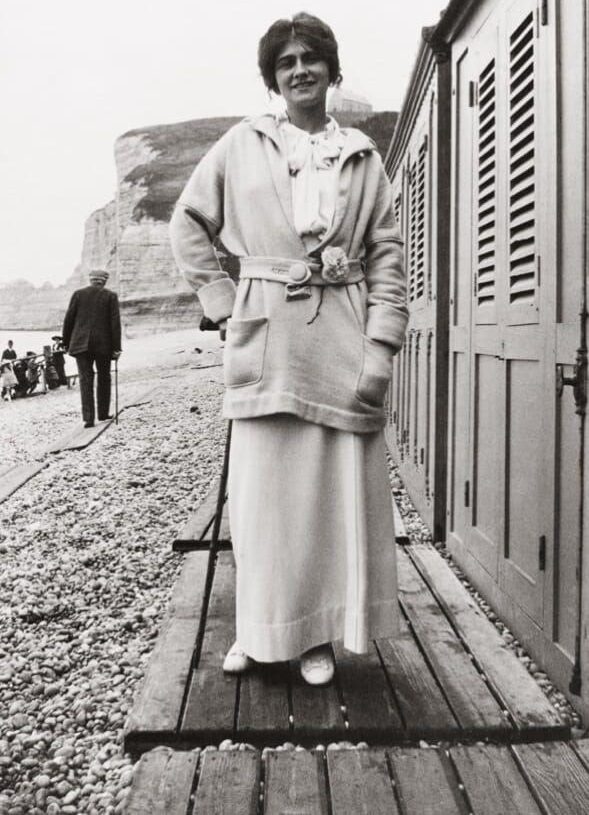
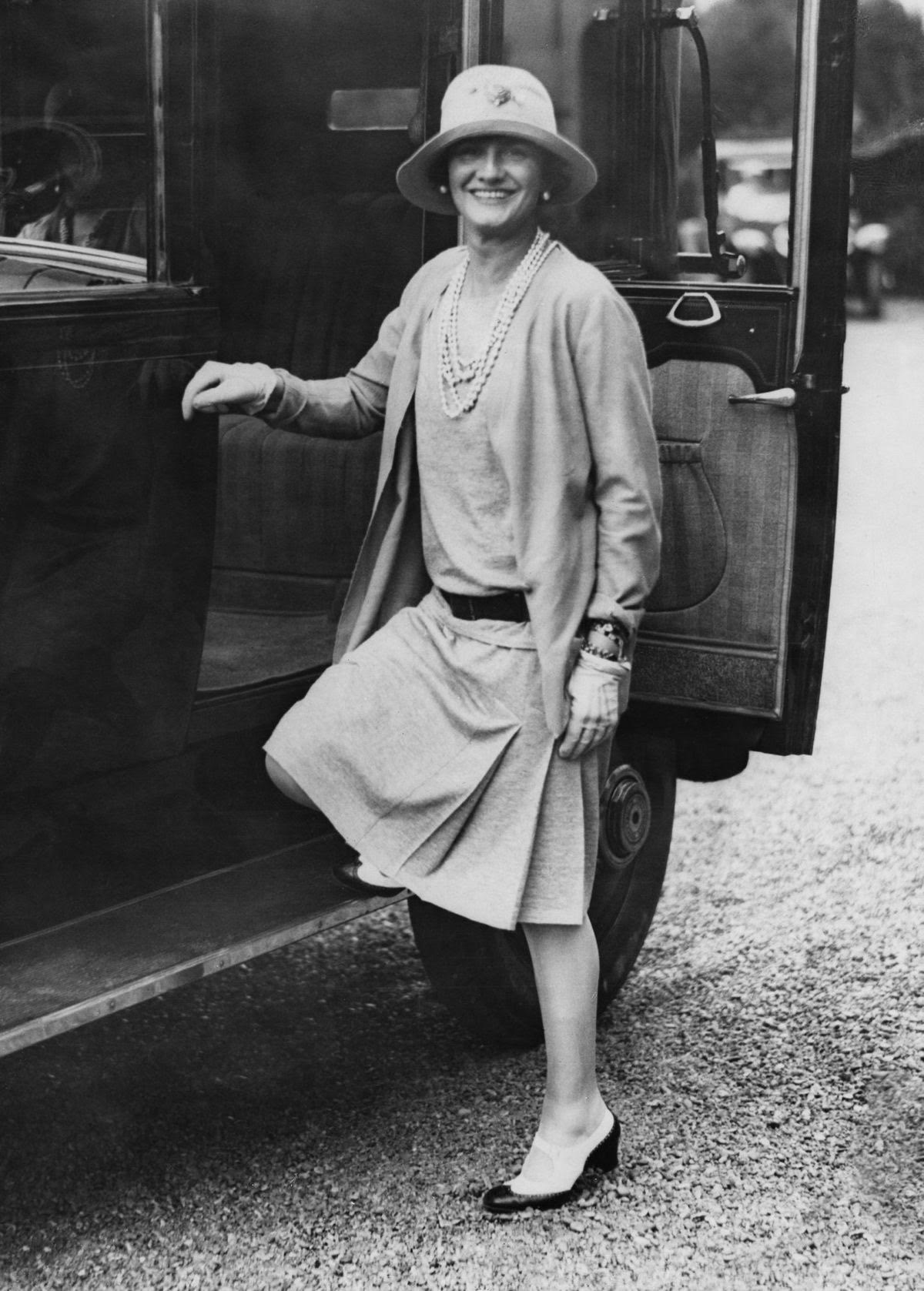
In 1915, Chanel opened a couture house in Biarritz, a glamorous resort town near the Spanish border that attracted royalty, artists, and international elites during World War I. If Deauville was about casual rebellion, Biarritz was about refinement without rigidity.
Here, Chanel translated her minimalist philosophy into full-fledged couture. The silhouettes remained relaxed, but the execution became more polished. Lace, embroidery, and fluid evening wear appeared, designed for clients who moved between beach afternoons and elegant dinners.
Biarritz also solidified Chanel’s financial independence and reputation as a serious couturier. The boutique’s success proved that modern simplicity could rival traditional Parisian luxury. It was in Biarritz that Chanel learned how to balance ease with prestige—a balance that remains central to the brand.
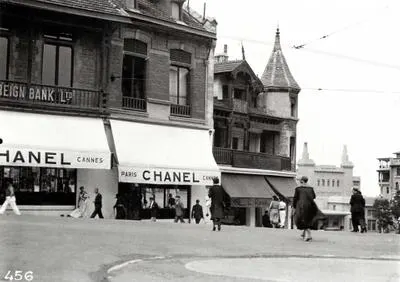
Chanel’s first Paris boutique opened in 1910 at 21 rue Cambon as a millinery shop, prior to Deauville and Biarritz. But it was in Paris that her vision crystallized and endured when she opened her boutique at 31 Rue Cambon in 1918. Rue Cambon would eventually become the symbolic heart of the house and remains that way to this day.
Paris gave Chanel proximity to artists, patrons, and cultural power. From this address emerged the house’s most enduring innovations: the little black dress, costume jewelry, the tweed suit, and a philosophy of elegance built on restraint. The boutique evolved into salons, ateliers, and eventually the mirrored staircase that became legendary.
While the seaside boutiques responded to leisure, Paris was about permanence. It was here that Chanel transformed lifestyle dressing into a coherent fashion system, one that redefined femininity for the 20th century.
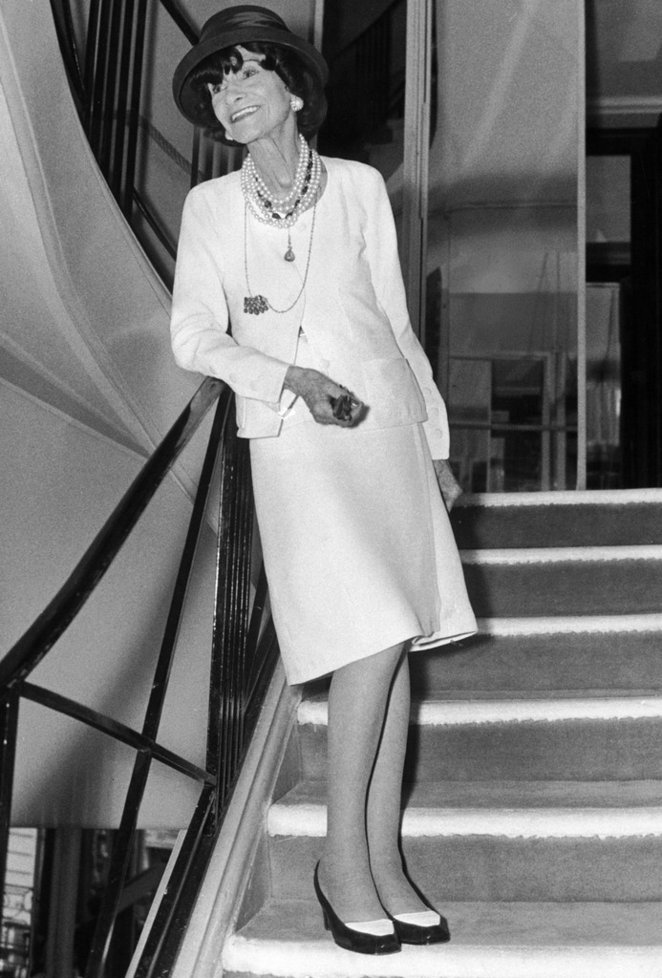

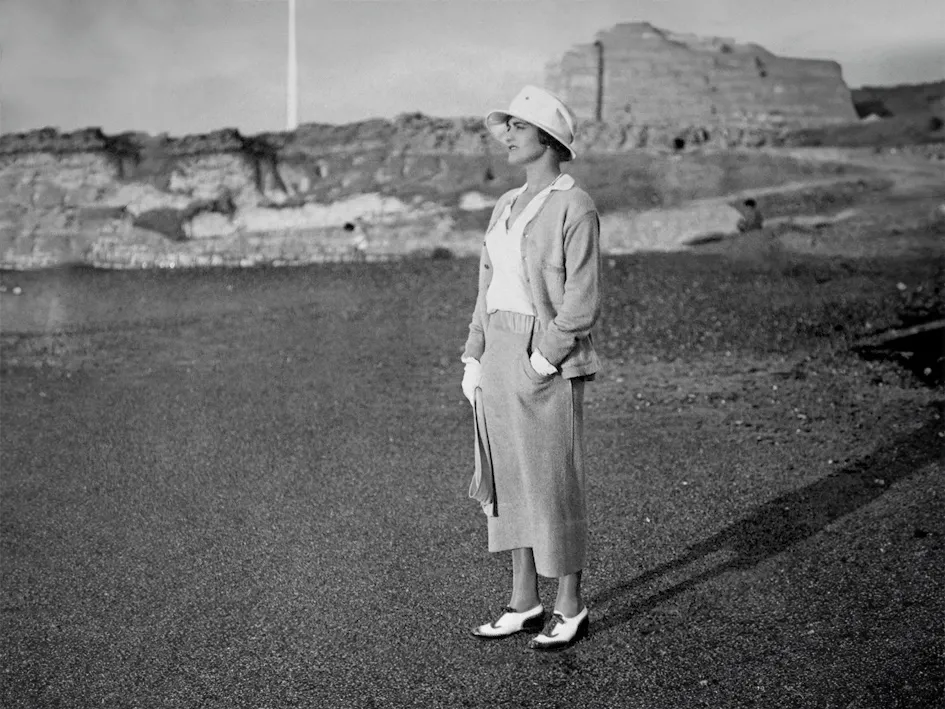
Chanel’s first boutique in Cannes opened in 1923. Cannes was becoming a glamorous hotspot on the French Riviera. It attracted wealthy elites, artists and writers, creating a vibrant social scene. Casinos and elegant promenades like the Croisette created a stylish playground where creativity flourished.
Unlike Deauville’s informality or Biarritz’s resort elegance, Cannes demanded glamour. Chanel answered with sleek eveningwear, embellished jackets, and dresses that balanced star power with discipline. The boutique aligned the house with modern celebrity culture, dressing actresses who embodied confidence rather than ornamentation.
Cannes reinforced Chanel’s ability to adapt without abandoning its core values: clarity of line, comfort, and authority in dress.
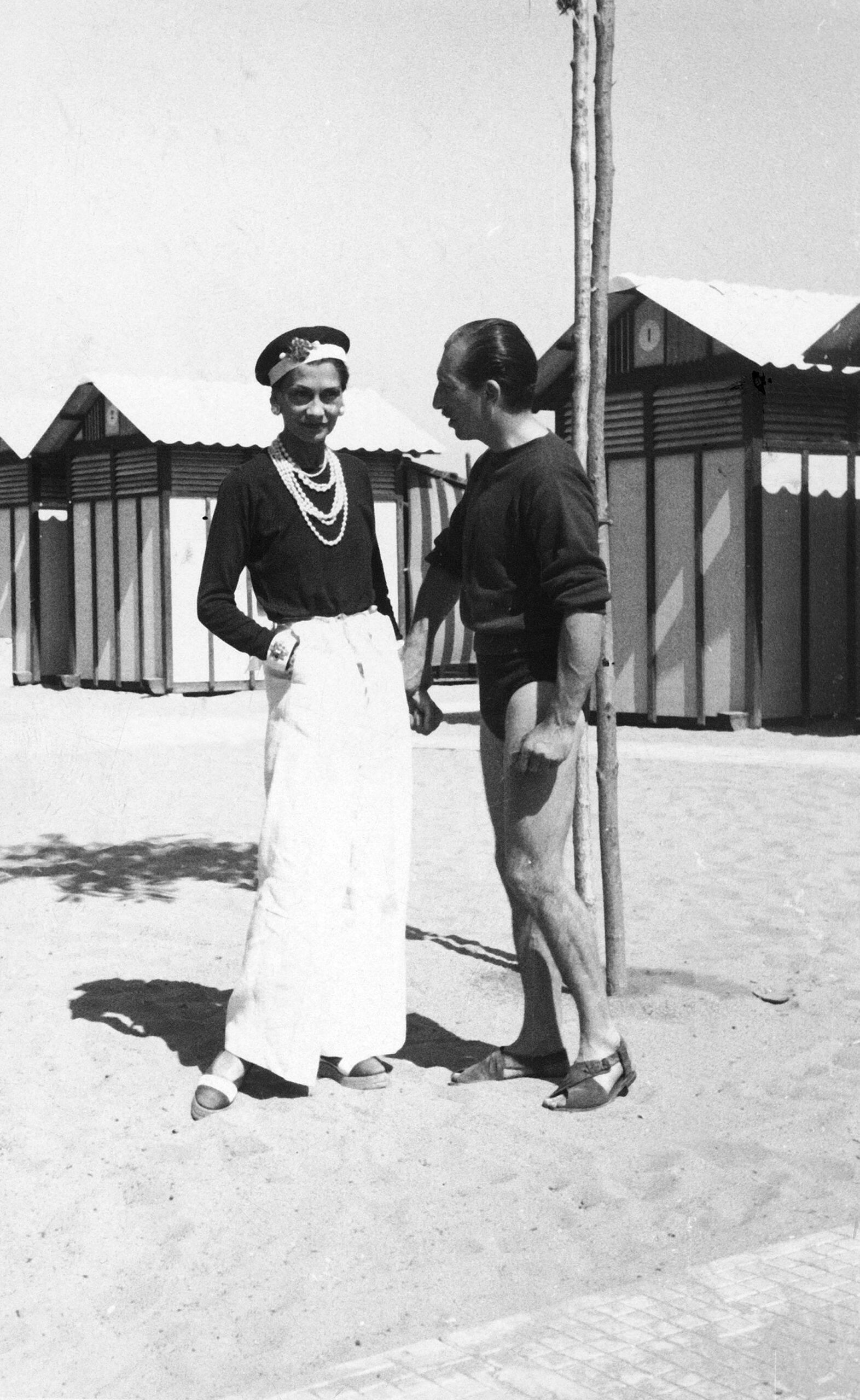
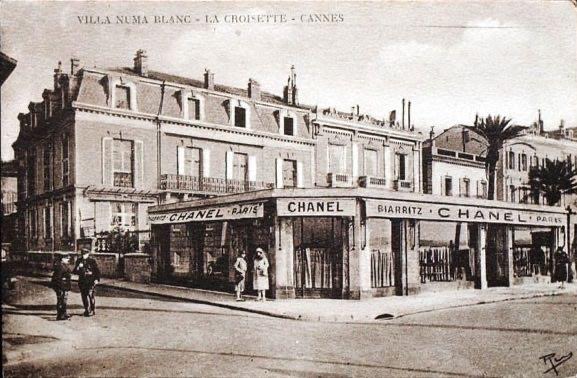
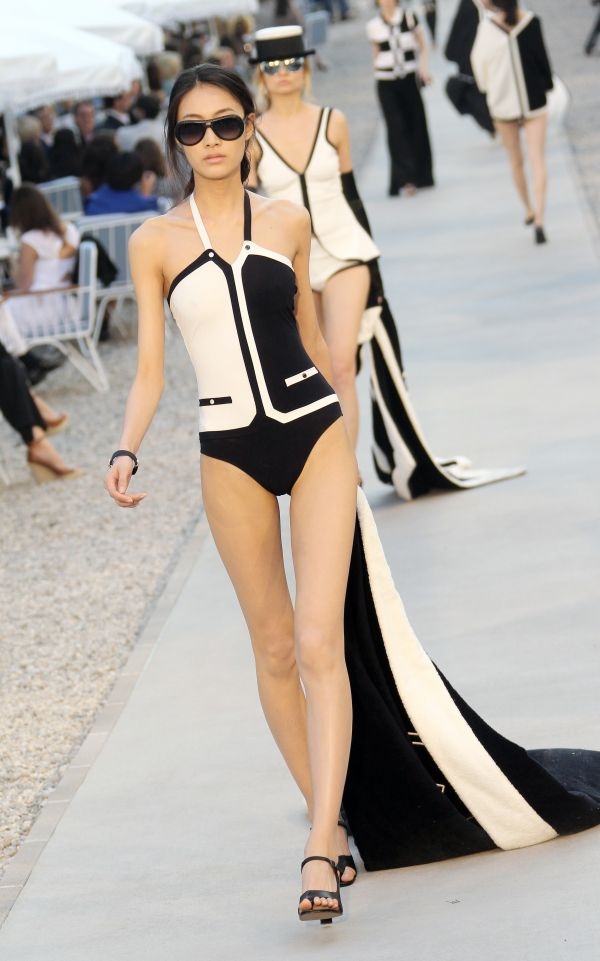
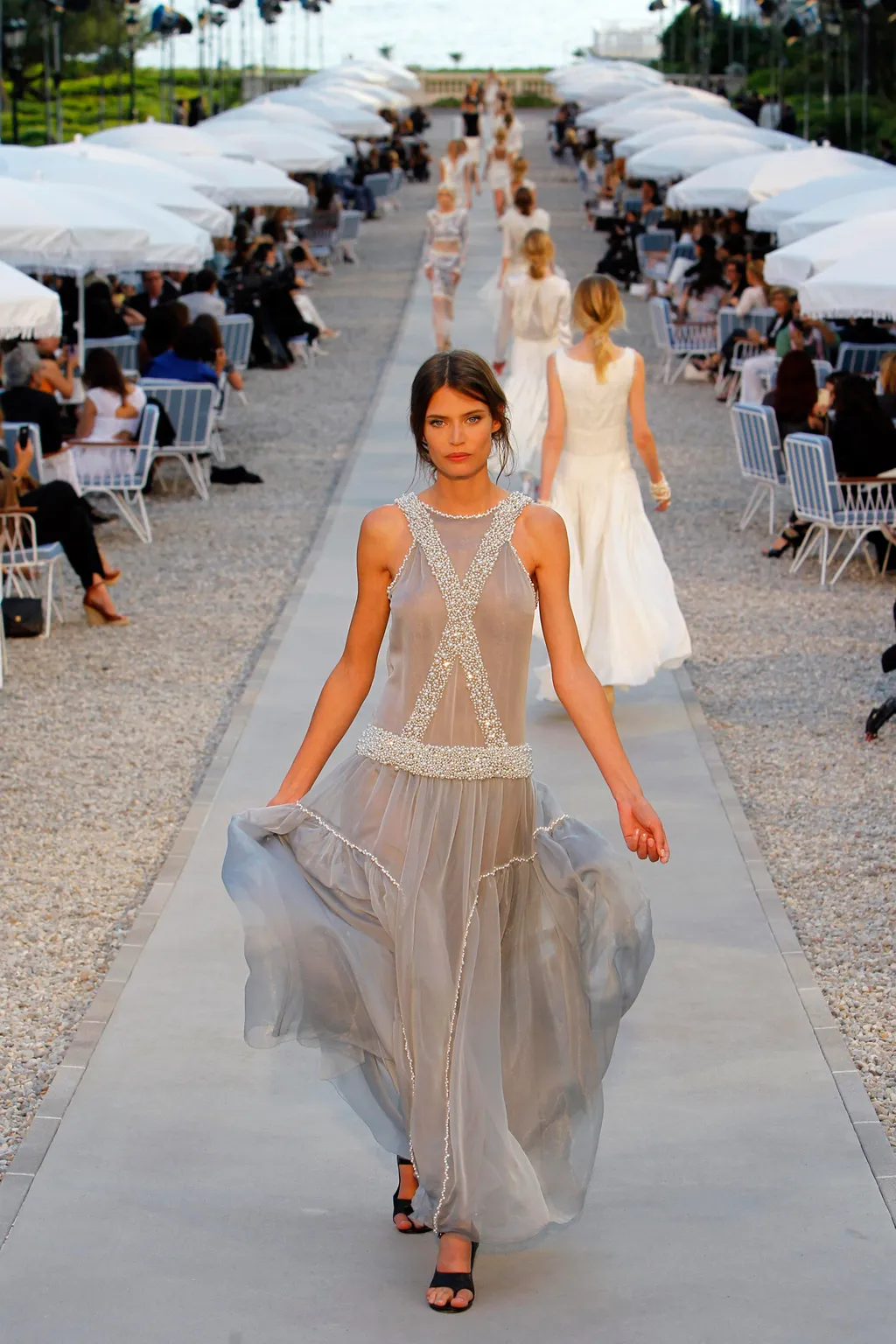
Chanel’s Cruise 2012 collection was a direct love letter to the cinematic mythology of Cannes and the Côte d’Azur. Although it was not actually in Cannes, it was staged at the Hôtel du Cap–Eden–Roc, the collection translated Riviera glamour into a modern, wearable language. The clothes echoed the relaxed opulence of mid-century film stars off duty rather than red-carpet excess: pajama-style trousers, fluid evening dresses, and softly tailored jackets worn with flat sandals.
Sequins and metallics appeared not as sunlit reflections, while the color palette – pearlescent whites, soft golds, and deep blacks – mirrored the interplay of sea, sky, and evening light along the coast. Accessories reinforced the mood of discreet wealth: oversized sunglasses, minaudières, and jewelry that felt inherited rather than acquired. This collection captured Cannes not as a moment of flash, but as a lifestyle defined by privacy, elegance, and cinematic restraint.

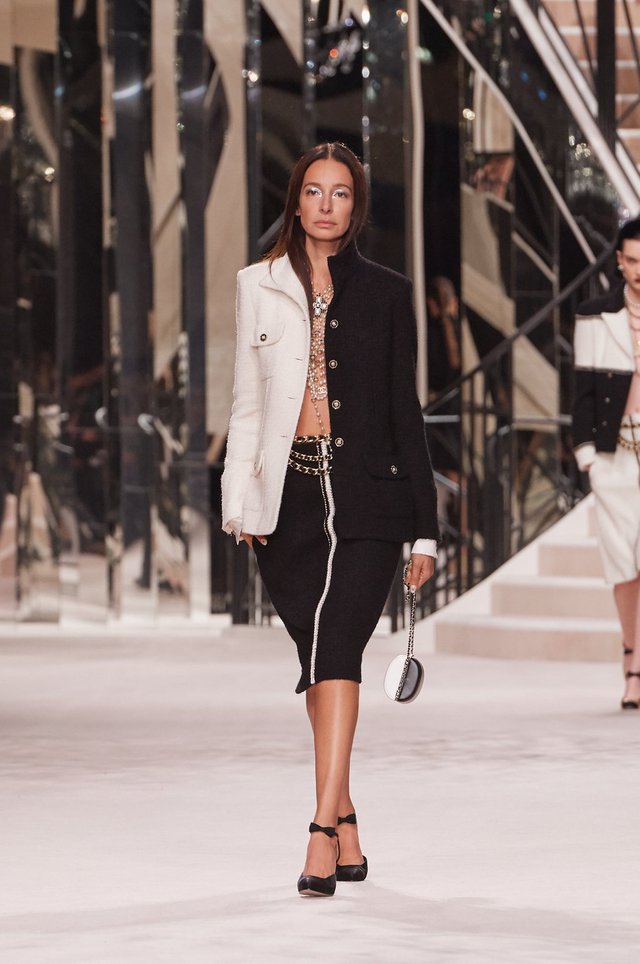
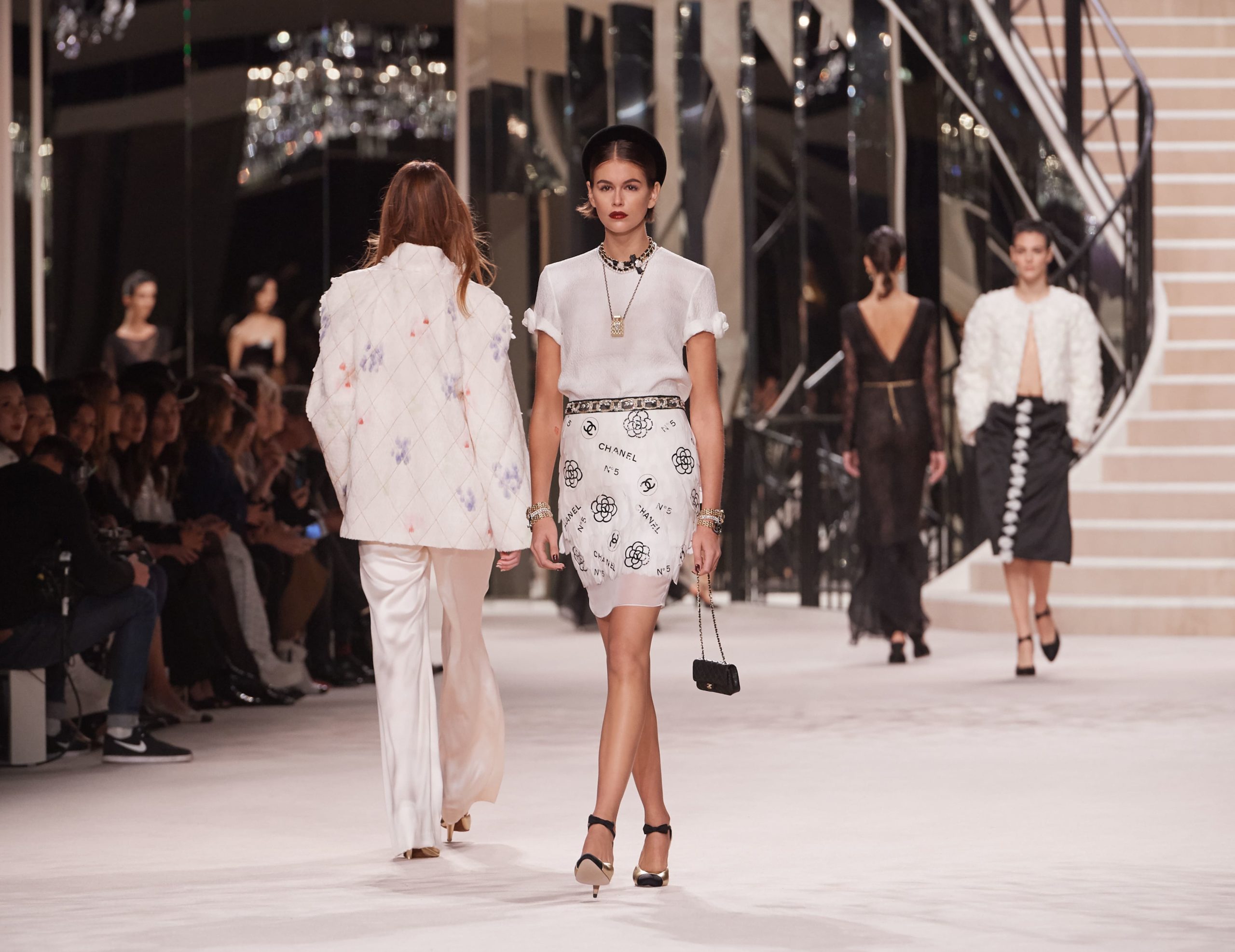
The Métiers d’Art 2020 collection was CHANEL’s most explicit celebration of Paris as an intellectual and artisanal capital. Presented within the city itself, staged on a set that was designed to replicate 31 Rue Cambon, specifically the iconic mirrored staircase. The collection foregrounded craftsmanship as culture, emphasizing the ateliers and specialized artisans that sustain the house’s creative legacy. Tweed, embroidery, featherwork, and goldwork were treated not as ornament but as architectural elements.
Silhouettes referenced Parisian discipline: precise jackets, structured coats, and eveningwear that balanced severity with softness. The color story – black, ivory, gold, and jewel tones – felt deliberate and timeless, reinforcing Coco’s Paris as a place of continuity rather than trend.

For Fall-Winter 2024, CHANEL returned to Deauville not only as a nostalgic origin story, but as a meditation on weather, movement, and the poetry of restraint. The collection reinterpreted the founder’s earliest codes – jersey, knits, sailor references – through a more introspective, seasonal lens. Layering was central: long coats over soft tailoring, knitted dresses paired with boots, and silhouettes designed to withstand wind and rain without sacrificing elegance.
The palette echoed the Deauville coastline in winter – stormy greys, chalky whites, deep navies, and muted blacks – while textures took precedence over embellishment and proportions favored freedom rather than structure. This was Deauville as a lived reality rather than postcard fantasy, reaffirming Coco Chanel’s belief that true luxury lies in clothes that move with the body and adapt to life.
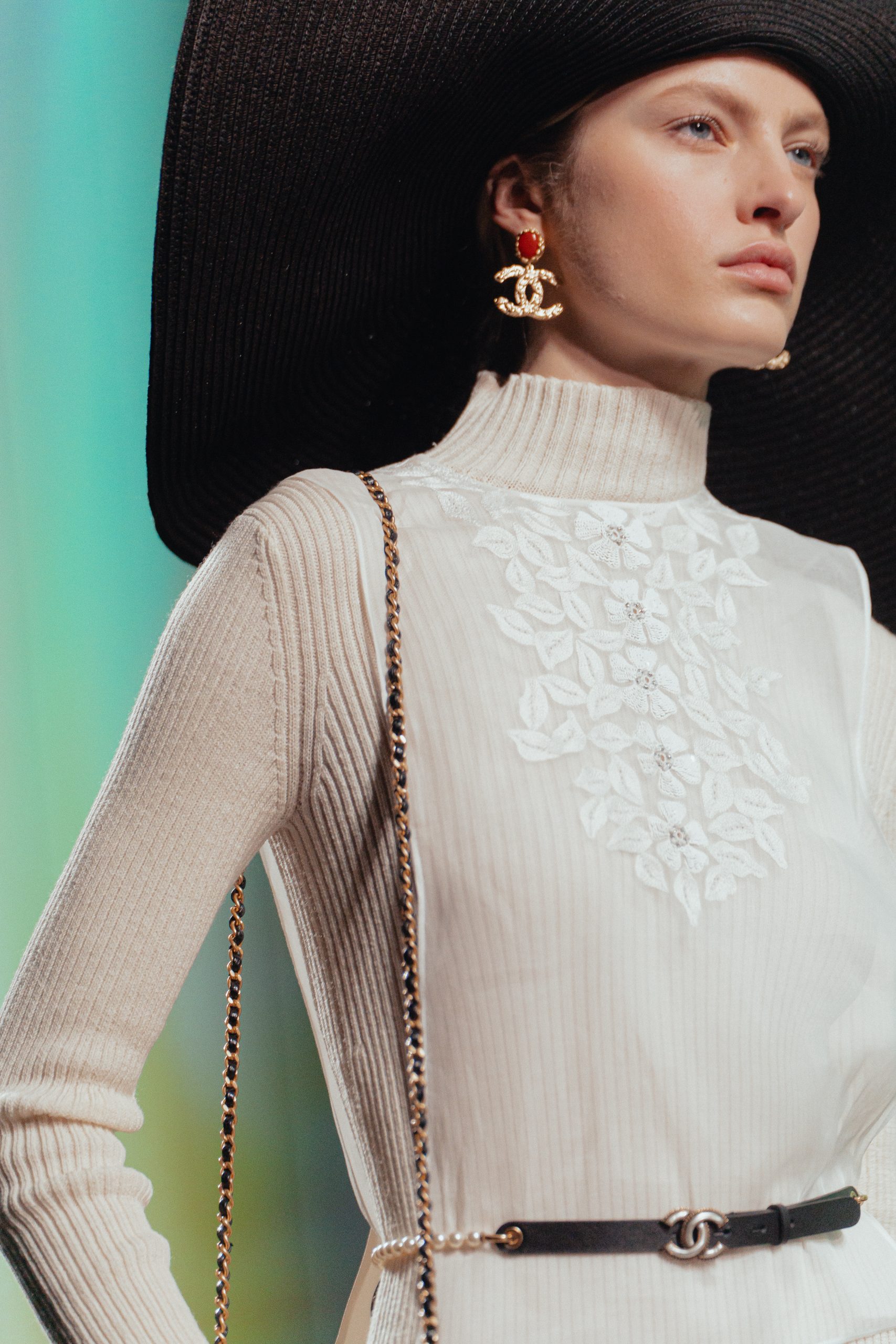
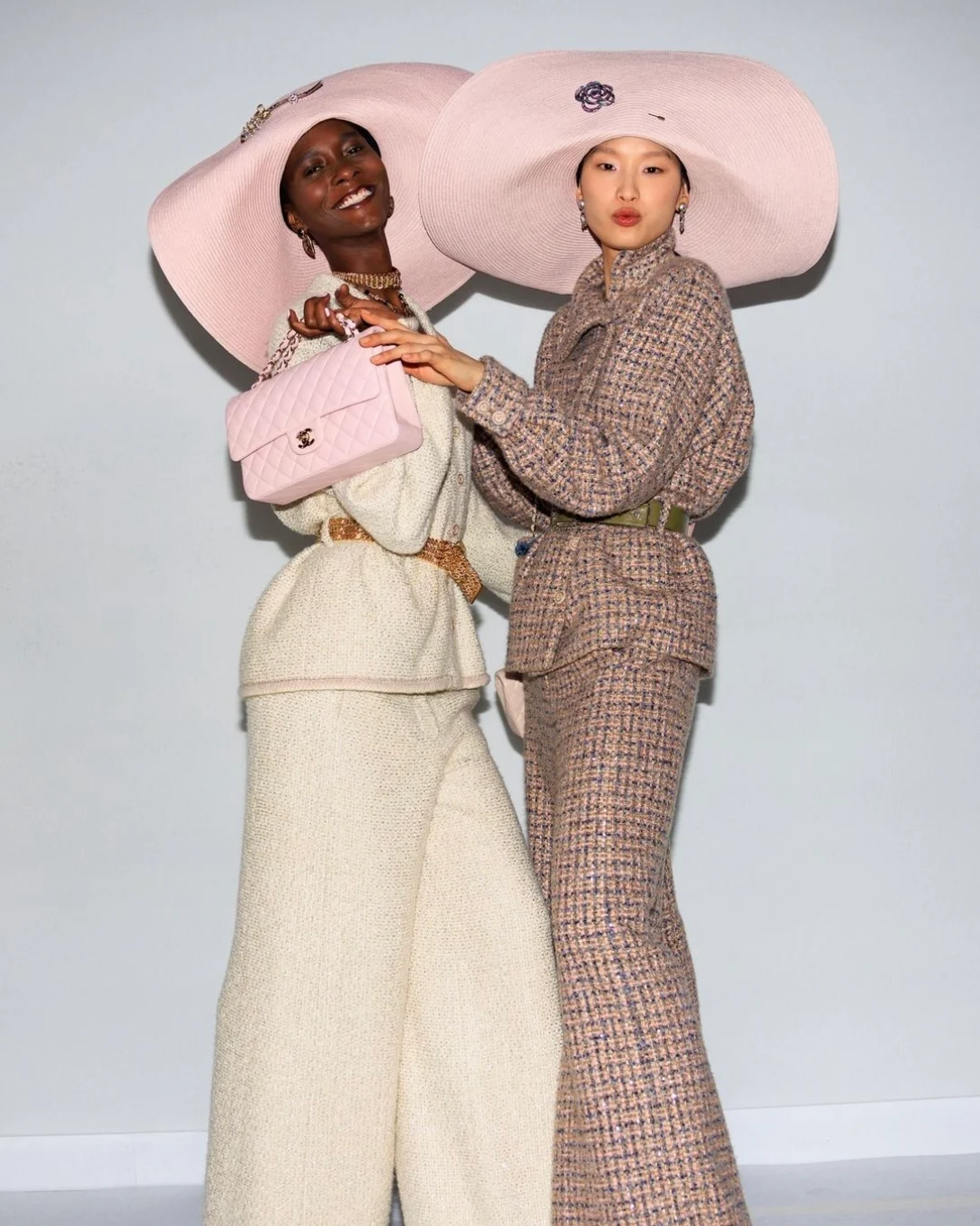
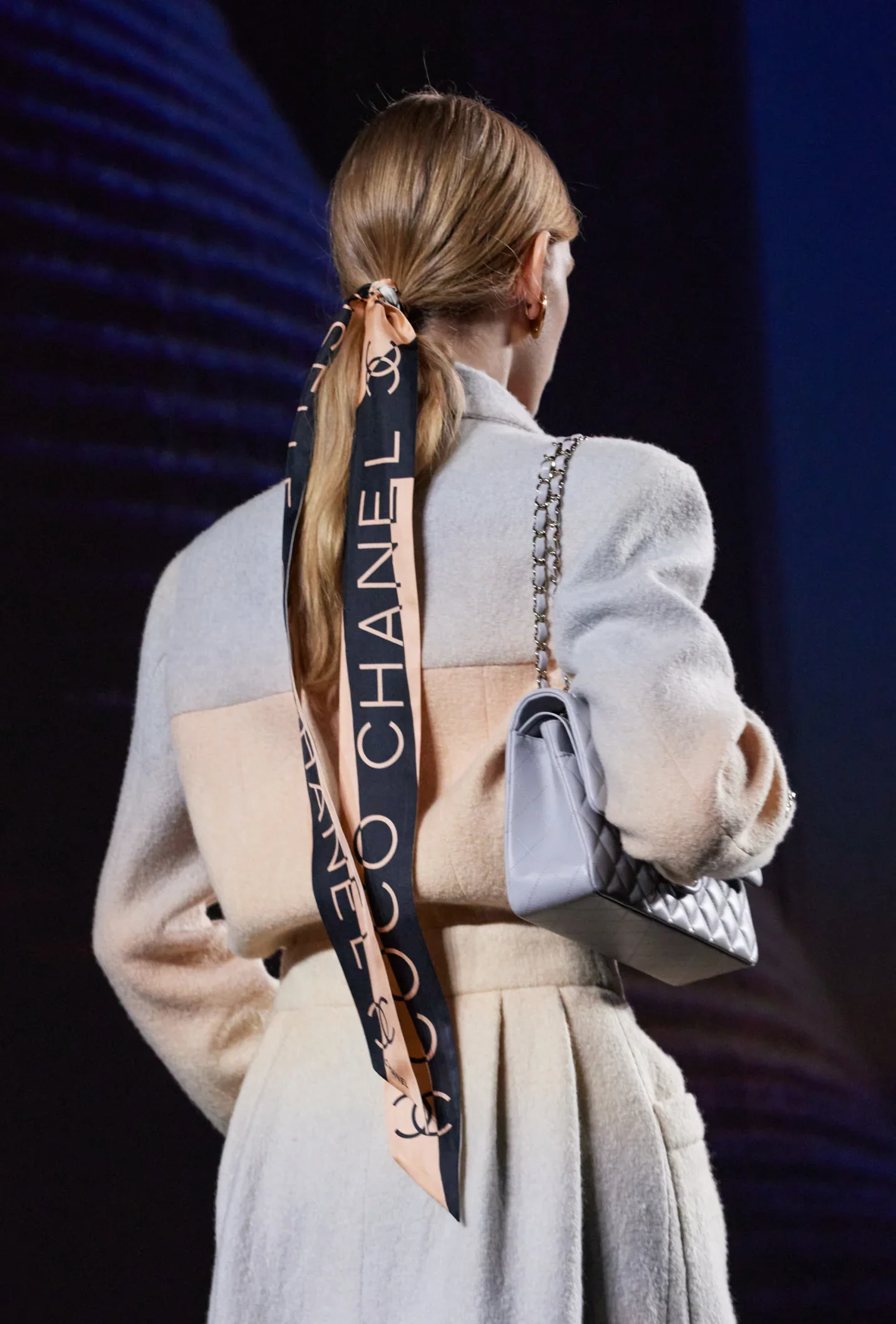
Matthieu Blazy’s upcoming Chanel Cruise 2026 show in Biarritz carries profound symbolism. Historically, Biarritz was where Chanel proved that modernity could coexist with couture, and Blazy’s own design language – sensual, tactile, and deeply material-driven – suggests a return to that founding tension.
What can be expected is a redefinition of resort wear through substance rather than surface. Likely references include fluid silhouettes that echo the movement of the sea, garments that blur the line between day and evening, and an emphasis on craftsmanship that feels lived-in rather than fragile. Blazy’s talents with fabric manipulation and quiet luxury may translate Biarritz into a contemporary vocabulary of ease, intimacy, and cosmopolitan refinement.
Rather than overt historical references, Cruise 2026 may treat Biarritz as a mindset: international, independent, and instinctively elegant. In doing so, the collection has the potential to reconnect CHANEL with one of its most formative pasts – where freedom, craftsmanship, and modern femininity first aligned.
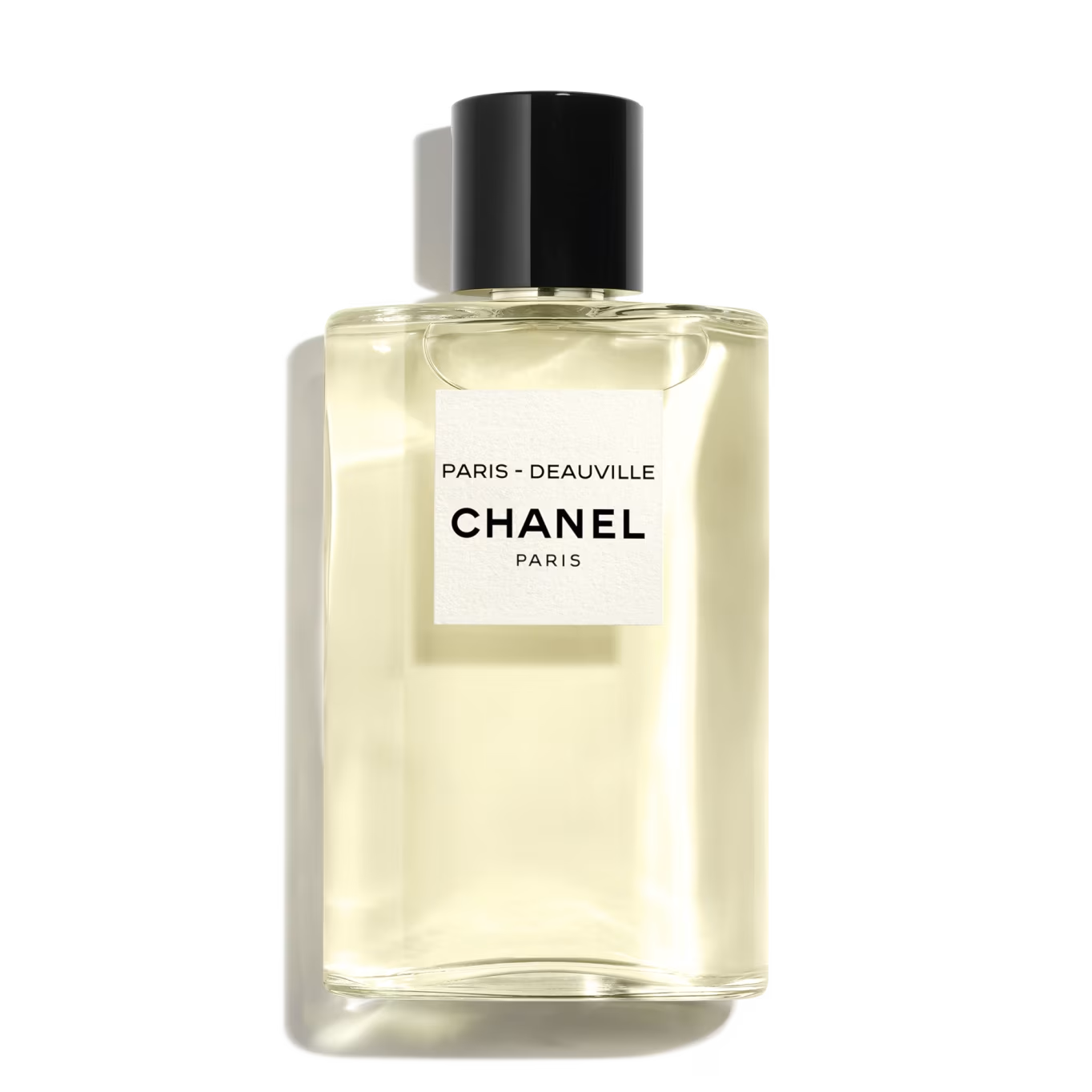
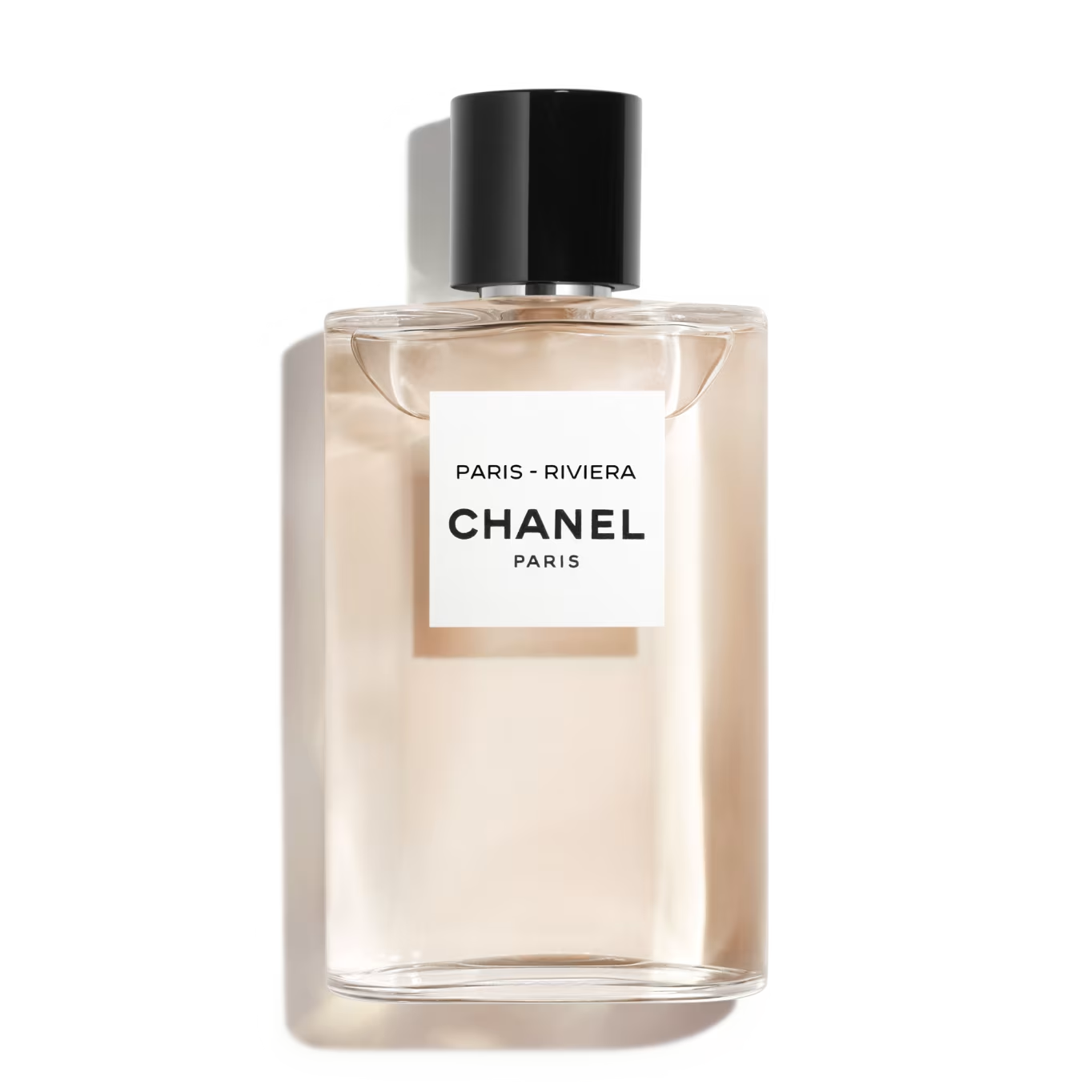
Looking to be inspired by these destinations? These fragrances will transport you through a sensory reflection of each city dear to the House of CHANEL. Which will you choose?