
10 November 2025
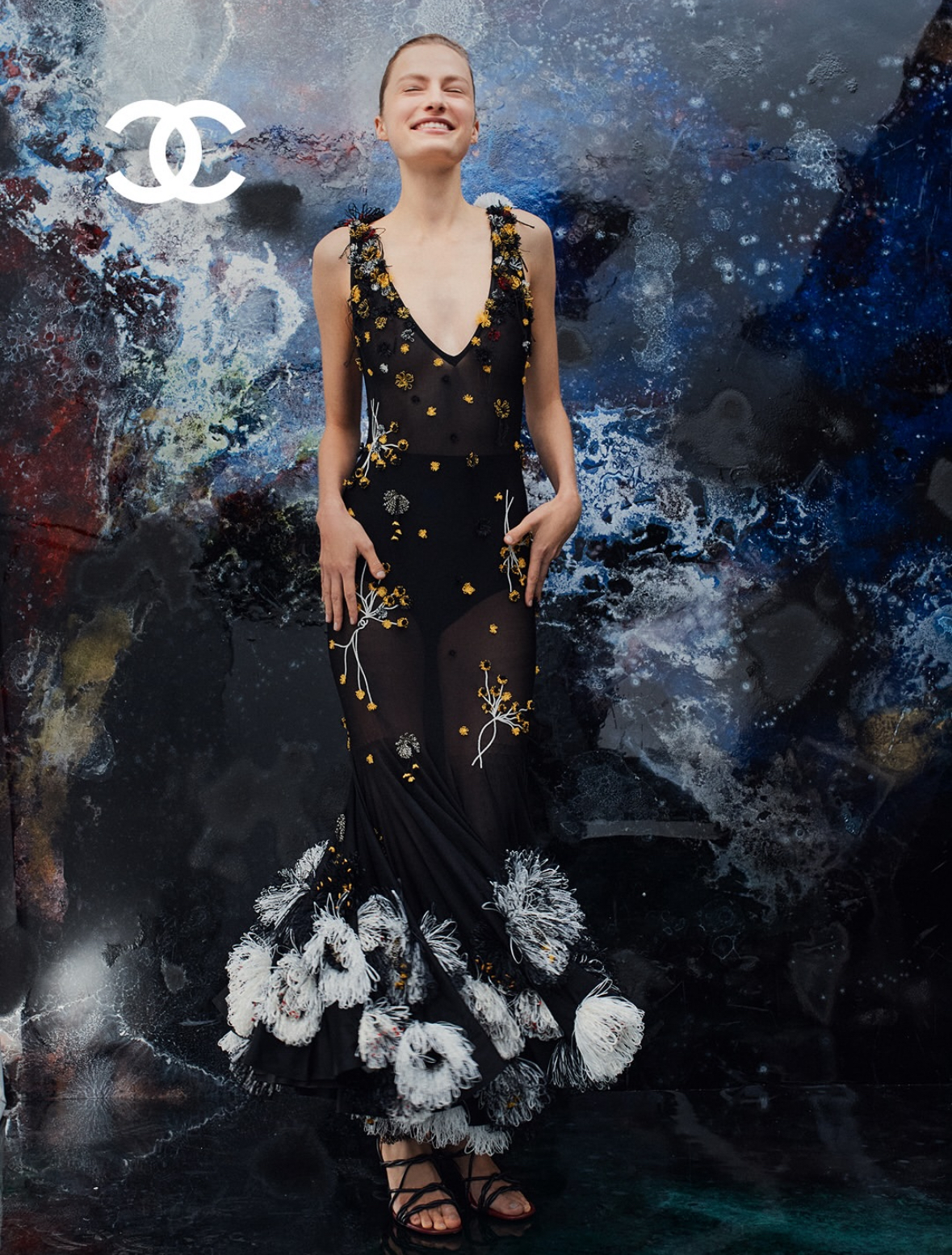

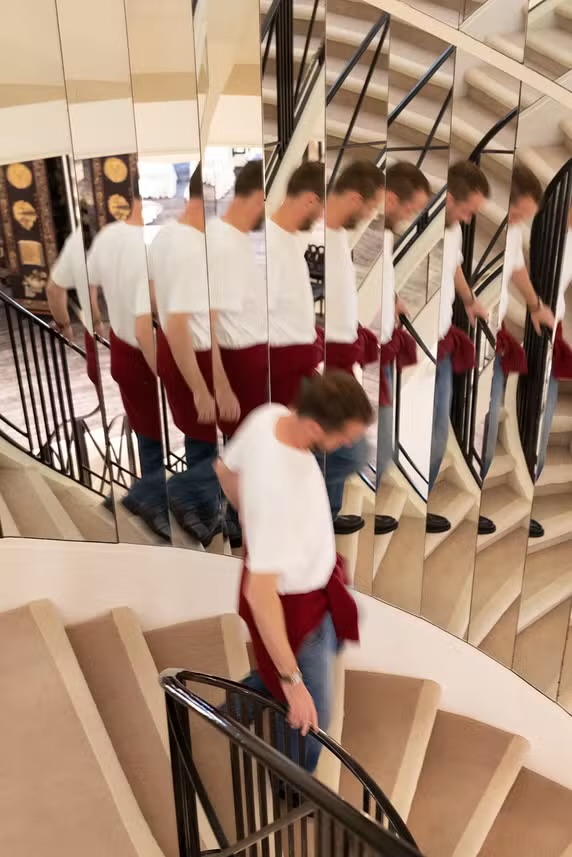
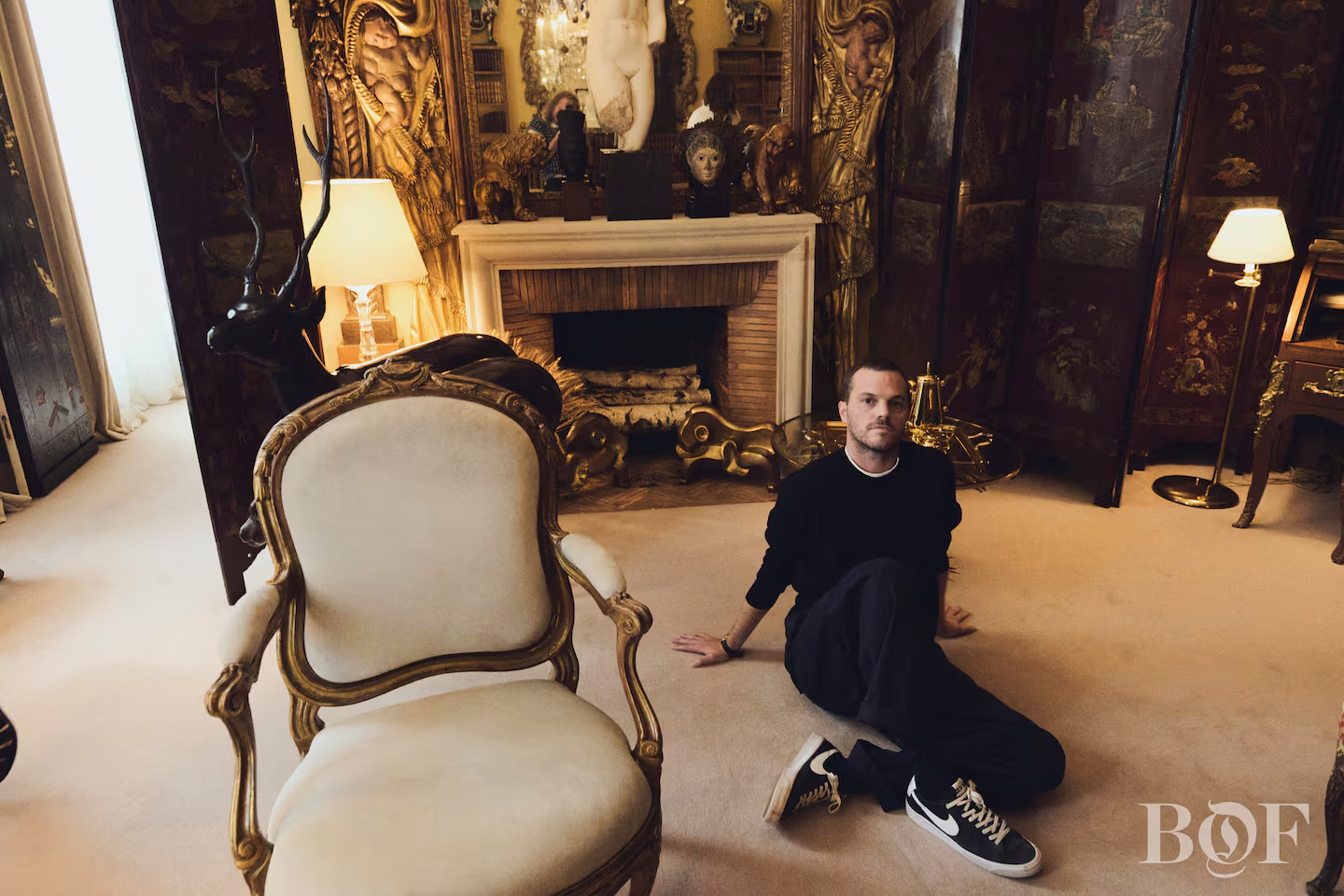
When CHANEL announced on December 12, 2024 that Matthieu Blazy would take over as Artistic Director of Fashion Activities at the house, it marked the beginning of a significant turning point. Following Coco Chanel herself, beginning in 1983 and for nearly four decades, CHANEL’s creative direction was shaped by Karl Lagerfeld, and then by his successor Virginie Viard – so a fresh face with a quite different aesthetic promised something new.
Appointing someone new was a precise process for CHANEL, and they knew what they were looking for. In an interview with Business of Fashion (BOF), Bruno Pavlovsky (President of Fashion Activities at CHANEL) said that Blazy’s “vision for creation, his modernity, his respect for and commitment to products and the women who surround and inspire him” made him an “obvious choice for the brand”.
Before that, Blazy built his reputation at houses including Bottega Veneta, Maison Margiela and Céline, with a creative aesthetic that emphasizes craft, material-intelligence, quiet luxury and subtle provocations. Pavlovsky described Blazy as someone who could “play with the codes and heritage of the house…through an ongoing dialogue with the studio, our ateliers and our maisons d’art”.
In short, CHANEL was signalling that it intended to honour its heritage while steering it into a more contemporary space – “modern but rooted” was the ideal. A new creative era, but one that respects CHANEL’s DNA.
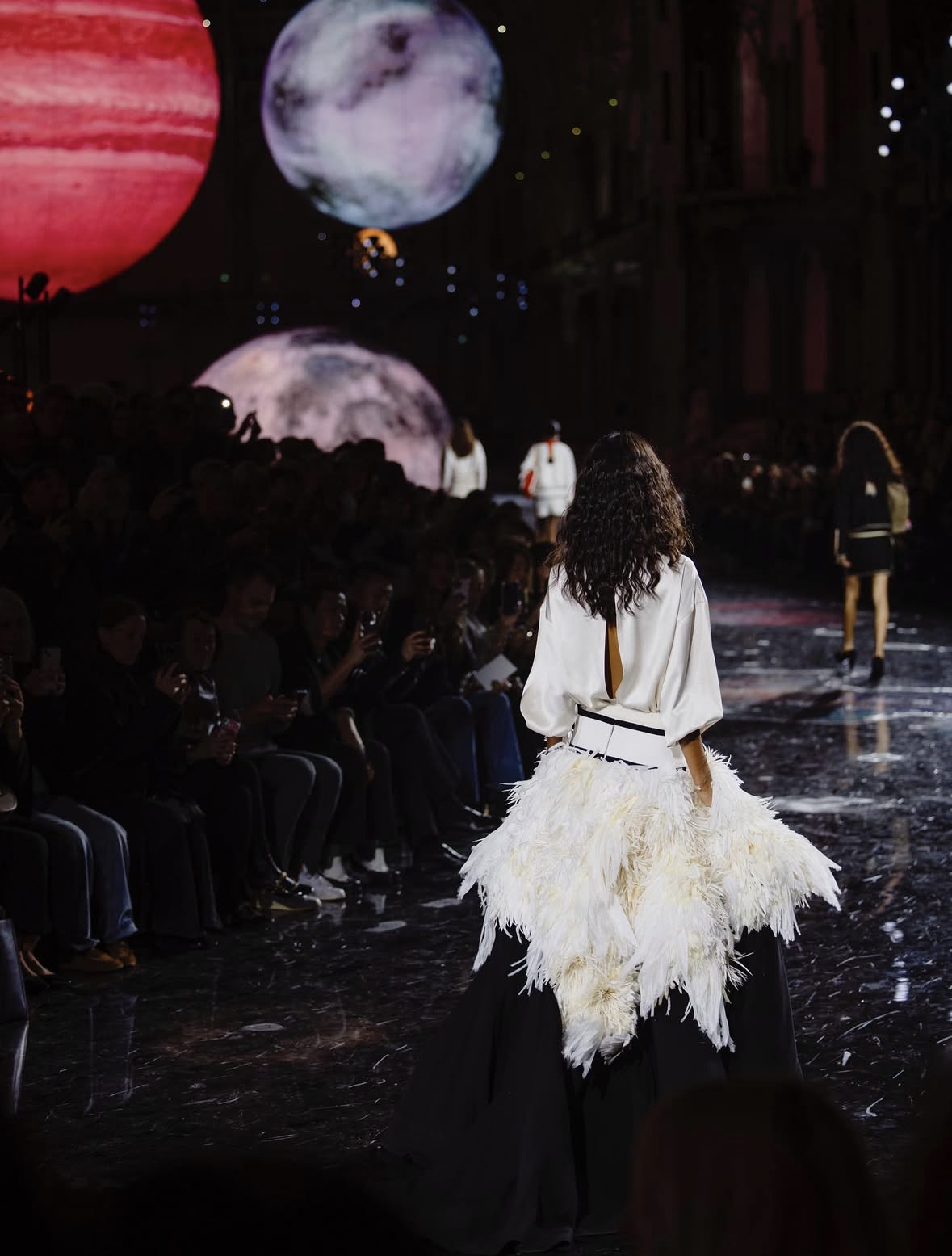
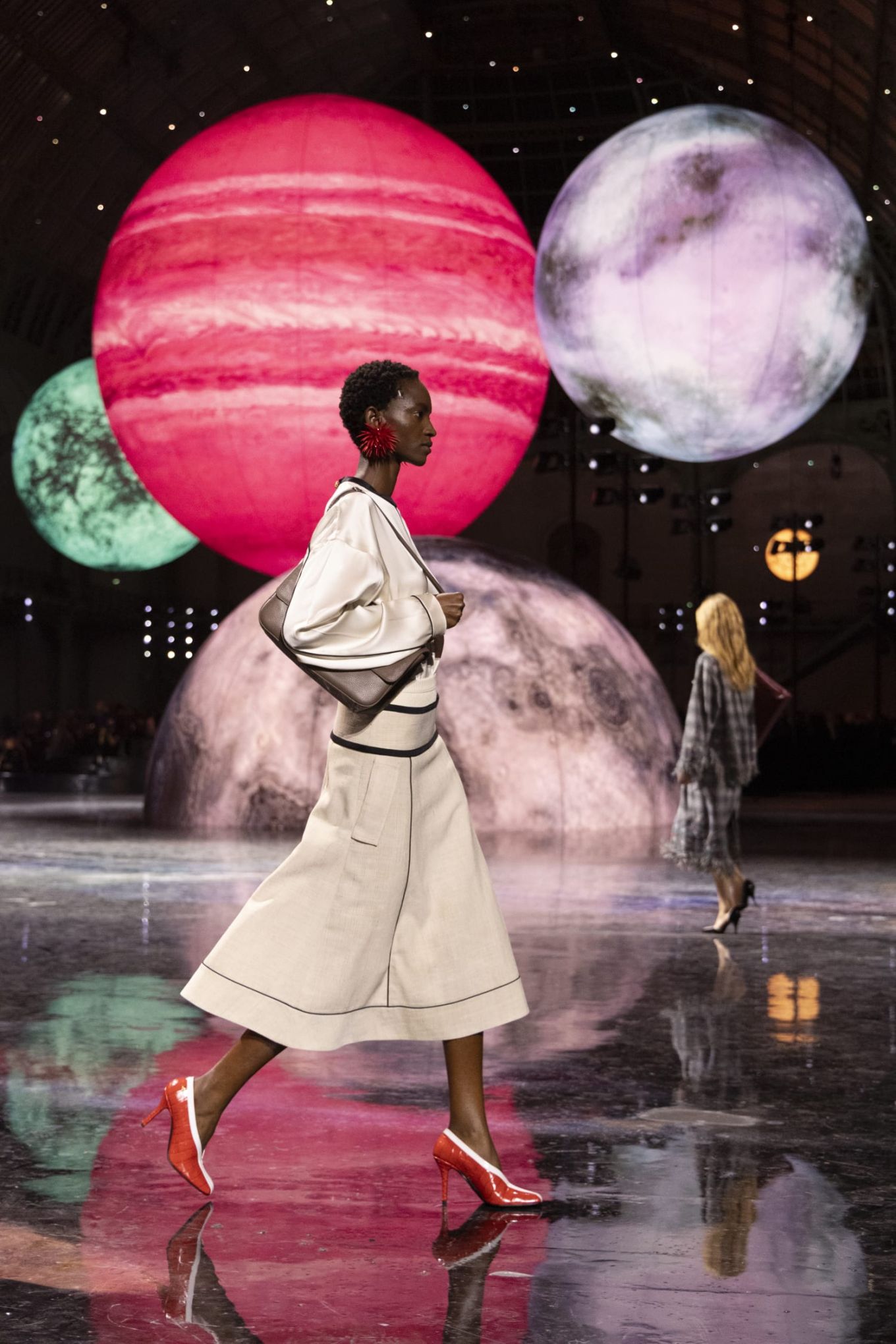
Blazy’s first official day at CHANEL was April 1, 2025, with his first presentation being set for October 6, 2025 – the Spring/Summer 2026 Ready to Wear collection. After months of preparation and speculation, the collection would close out Paris Fashion Week, being dubbed as “the hottest debut of the season”.
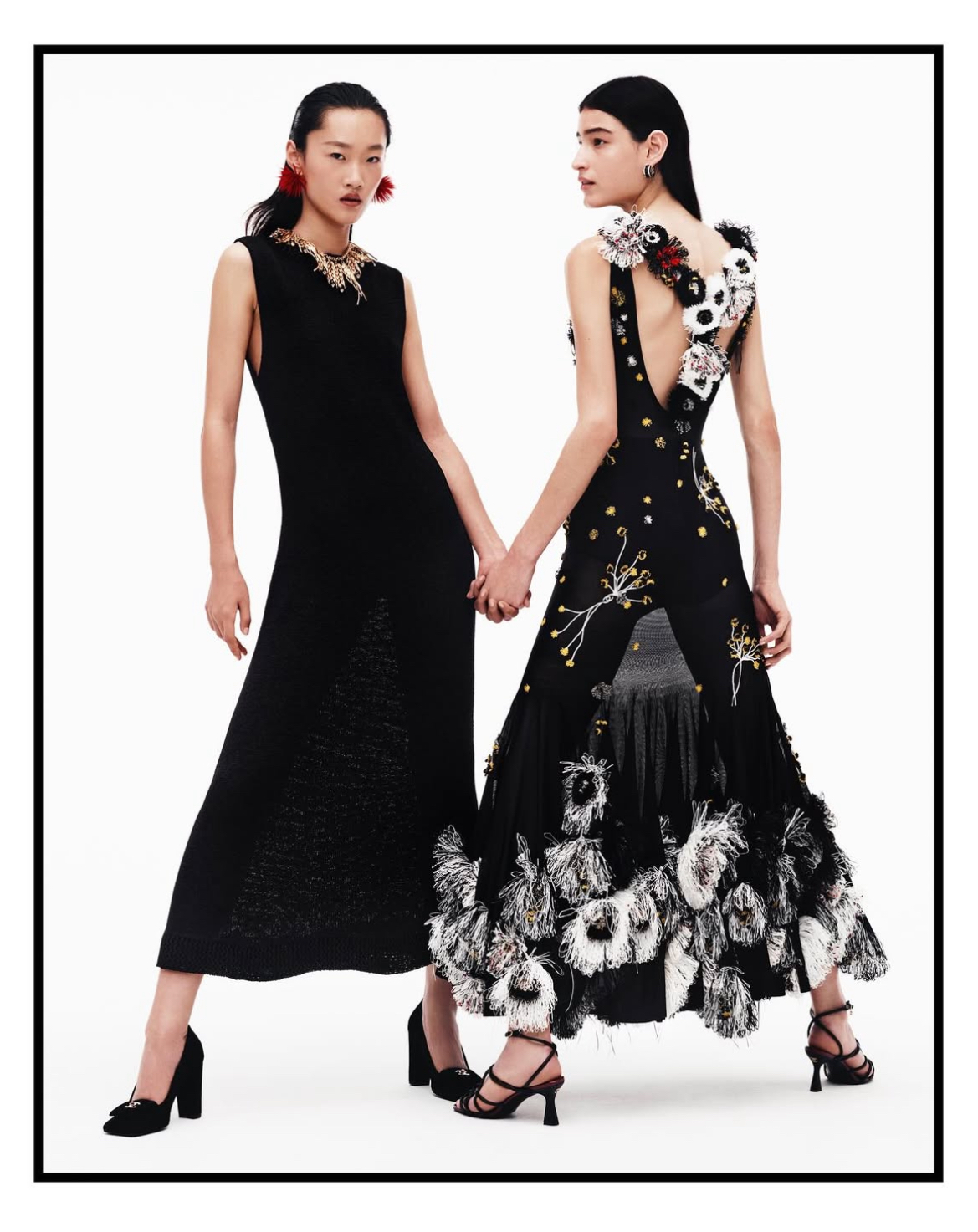
Rafael Pavarotti. Vogue
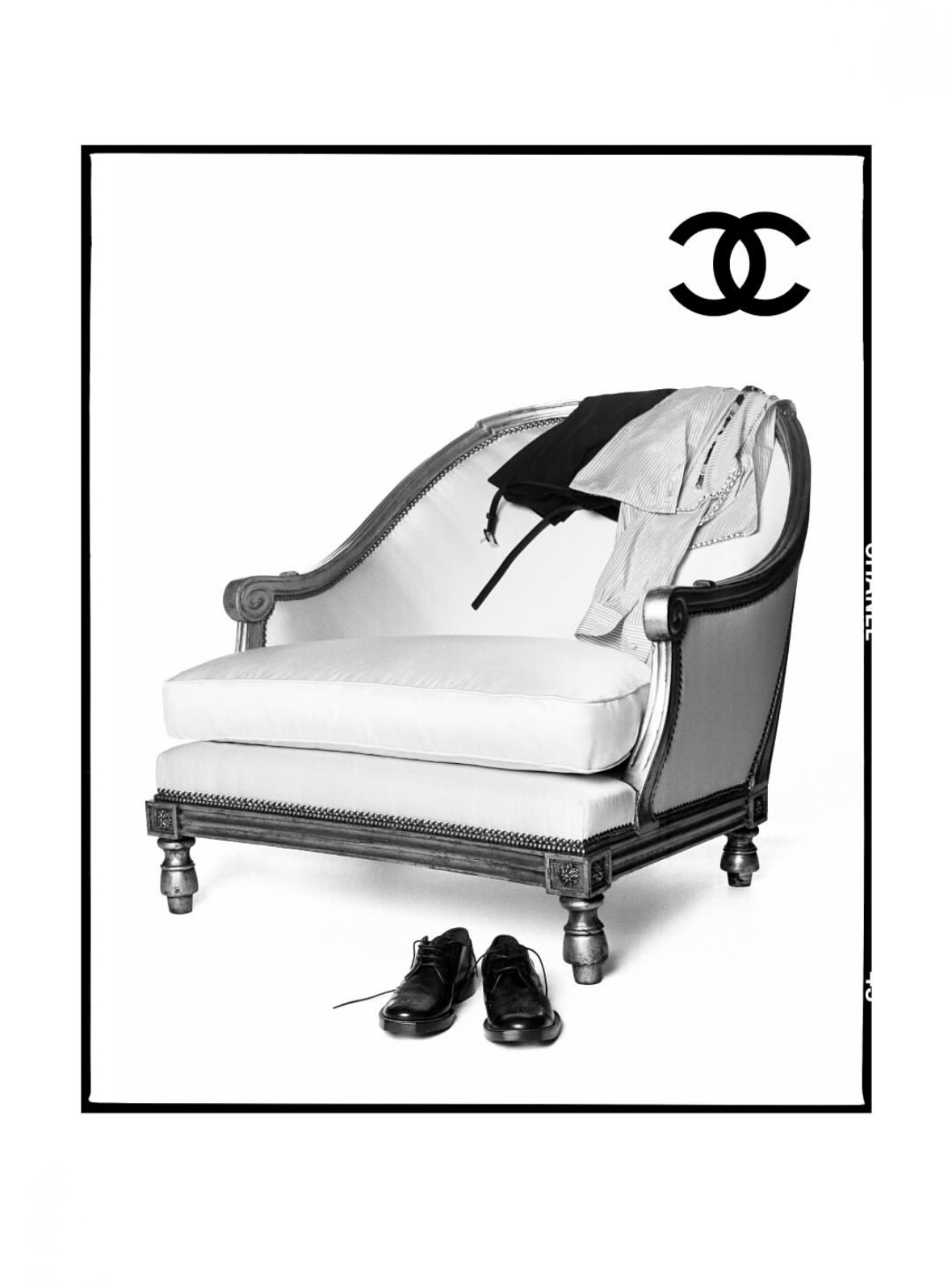
CHANEL
Blazy’s debut reads like a layered conversation with CHANEL heritage, but filtered through his own vision. According to an interview conducted by Tim Blanks of BOF, Blazy’s journey at CHANEL began with multiple visits to the Patrimoine (CHANEL’s Archives). Understandably overwhelmed, Blazy decided to turn to reading and researching everything he could about Gabrielle Chanel. Learning her history and her motivations provided him with his creative direction.
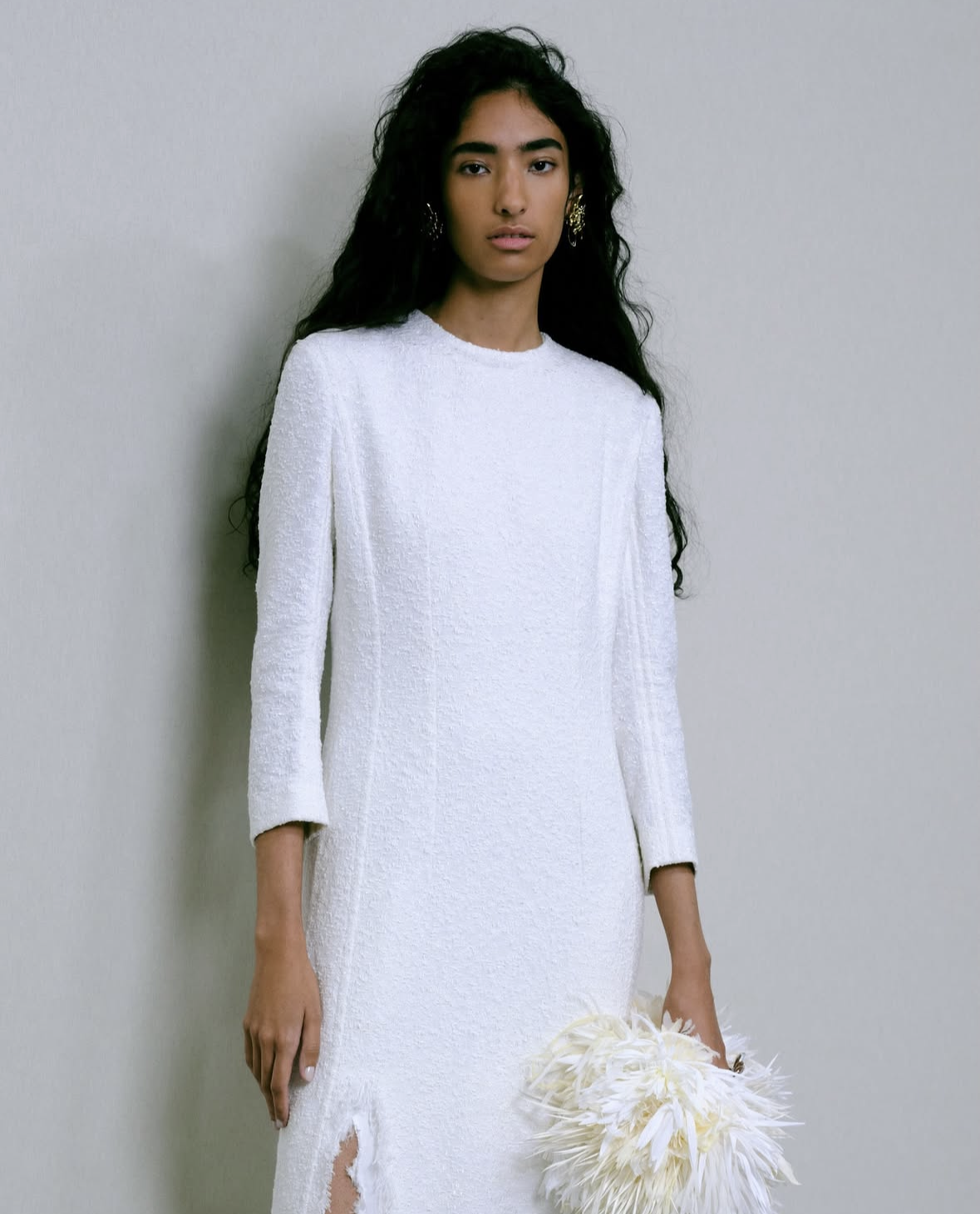
Themes that spoke loudest to Blazy were Coco’s habit of borrowing from menswear styles (the collection opened with a simple, boxy grey suit), her love affair with Boy Capel and how that affected her business and her style (a collaboration with Carvet featured three classic collared shirts with chain-weighted hems and pearl-cufflinks), and the importance of her determination to work with fabrics and styles that allowed freedom (relaxed tailoring, dropped waists and draped dresses were prevalent throughout). He also played upon Coco’s most well known innovations: the little black dress, the handbag, tweed suits and floral appliqués – but each of these was spun into modernity. It was youthful in a sophisticated manner.
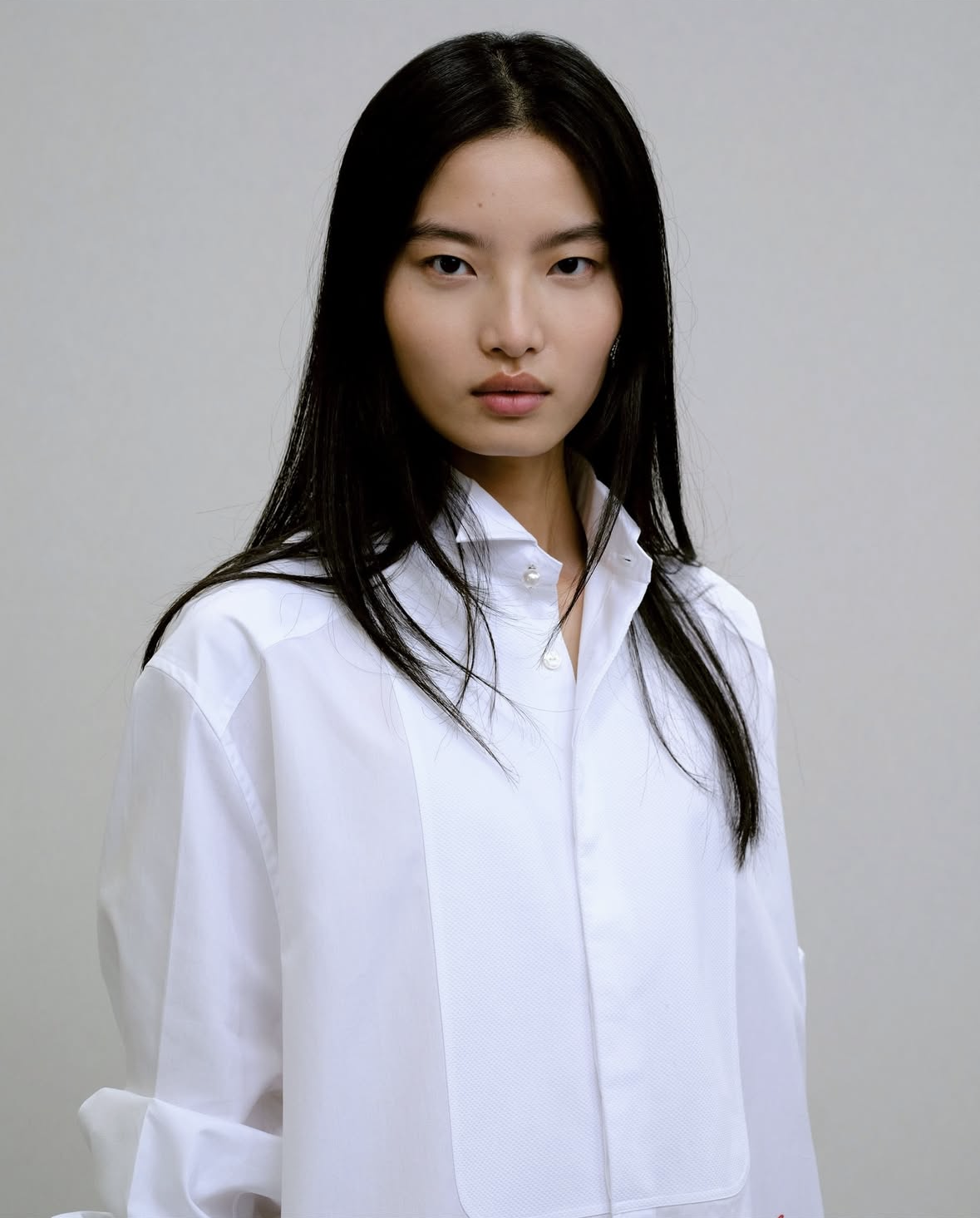
@bazaarthailand
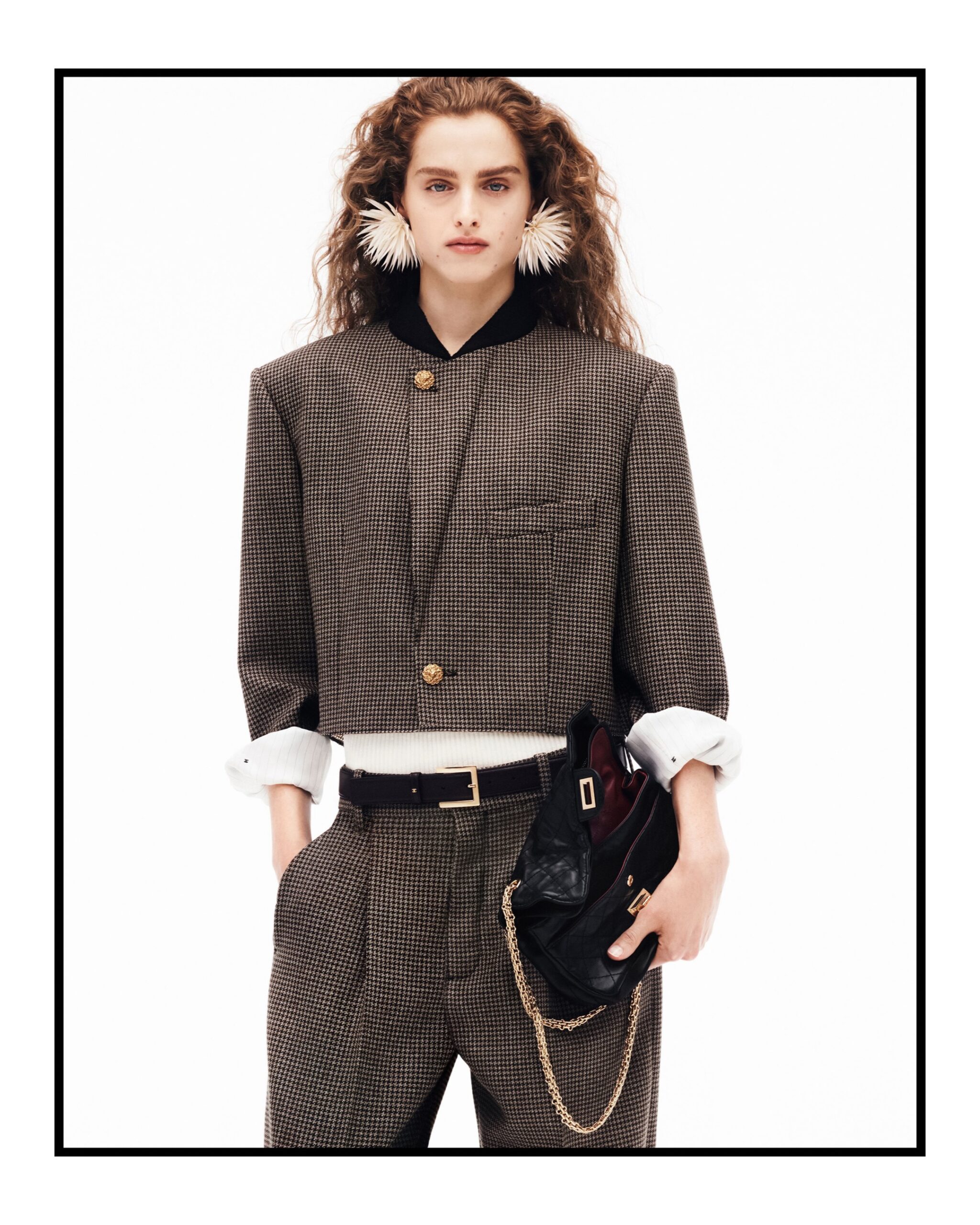
Rafael Pavarotti. Vogue
The reactions to Blazy’s debut collection came in quick and intense, spanning every feeling from complete love and admiration – even from those not typically known to lean towards CHANEL – to shock and disbelief – with CHANEL devotees swearing to never wear CHANEL again. Fashion is a form of art, and the notion that “art should provoke, disturb, arouse our emotions” (Joyce Carol Oates) is not a new one. In this, Blazy succeeded as an artist.
Social-media measurement during Paris Fashion Week found CHANEL among the top brands leading conversations during the season, meaning the house remains culturally relevant.
BOF selected the collection as the standout show of the season, noting its craft innovation, emotional narrative and renewed image for CHANEL as key factors. Many industry voices, such as VOGUE, followed suit noting that Blazy is well-positioned to renew CHANEL, stating: “He creates sensuality from wearable everyday clothes”. Online reviews and analysis praised Blazy’s ability to honour the house’s legacy while presenting his own voice: “‘bold, brilliant, deeply rooted’” is how AnOther Magazine described it.
Carrie Coon, American actress, is quoted in Loic Prigent YouTube report, stating “I found everything so wearable, just felt like ‘I would wear this’, ‘I would wear this’, ‘I would wear this’…” etc. Comments by viewers of the YouTube video read: “It had been a long time since CHANEL impressed me”, “Such a stunning show, bravo Monsieur Blazy”, and “The show was SUPERB!! I was in tears, literally crying from joy to see Matthieu succeed in his debut for the house.”

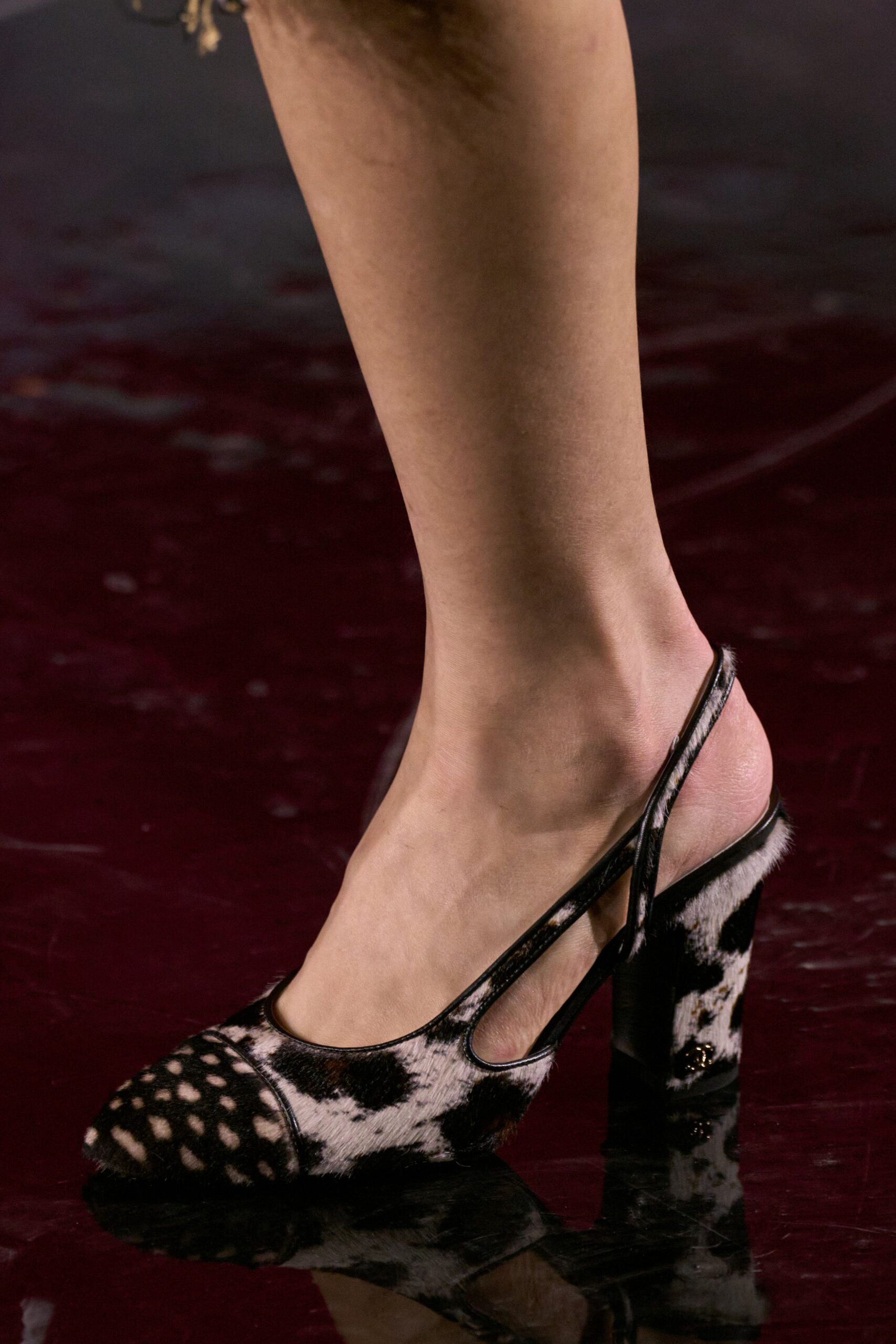
CHANEL
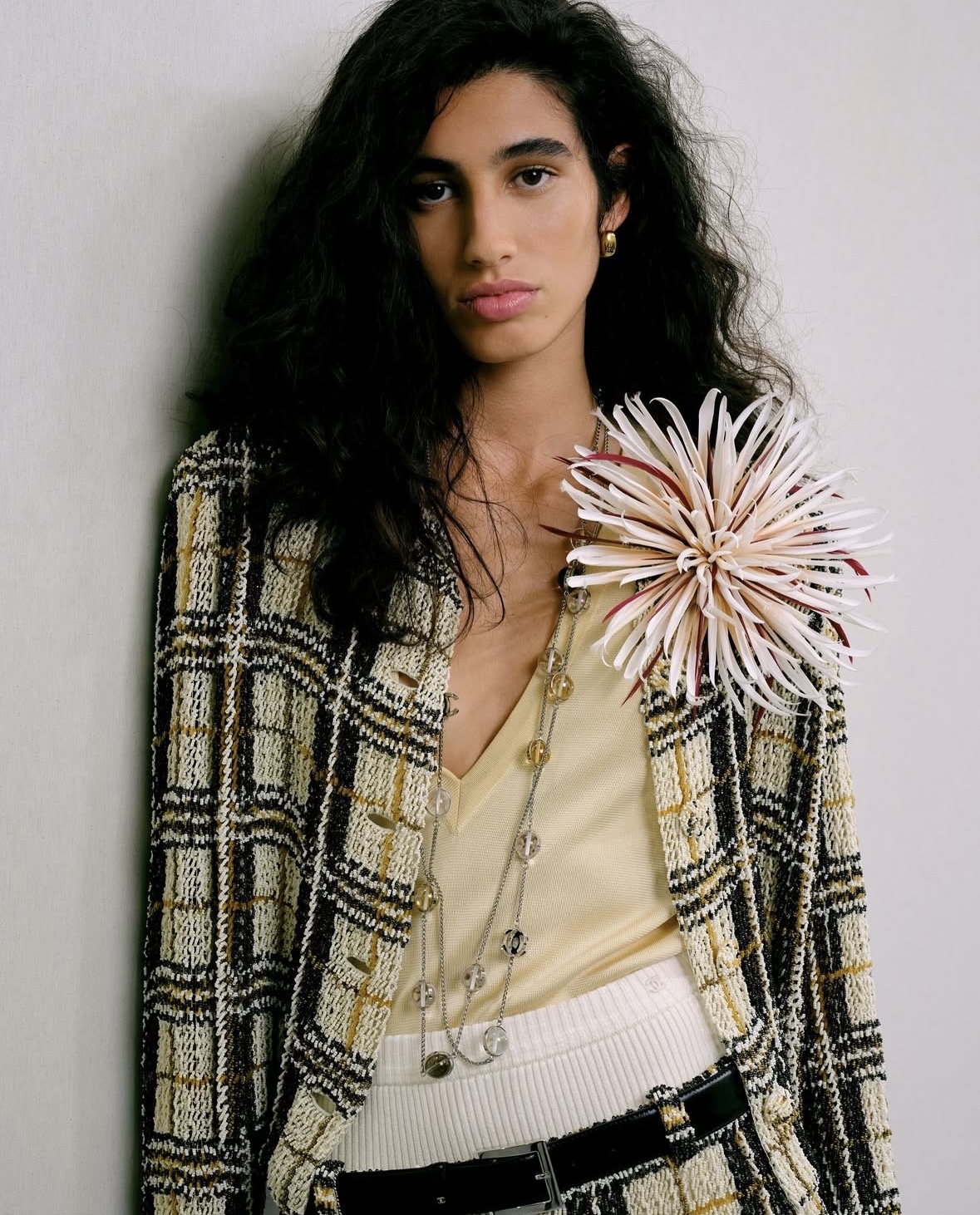
@bazaarthailand
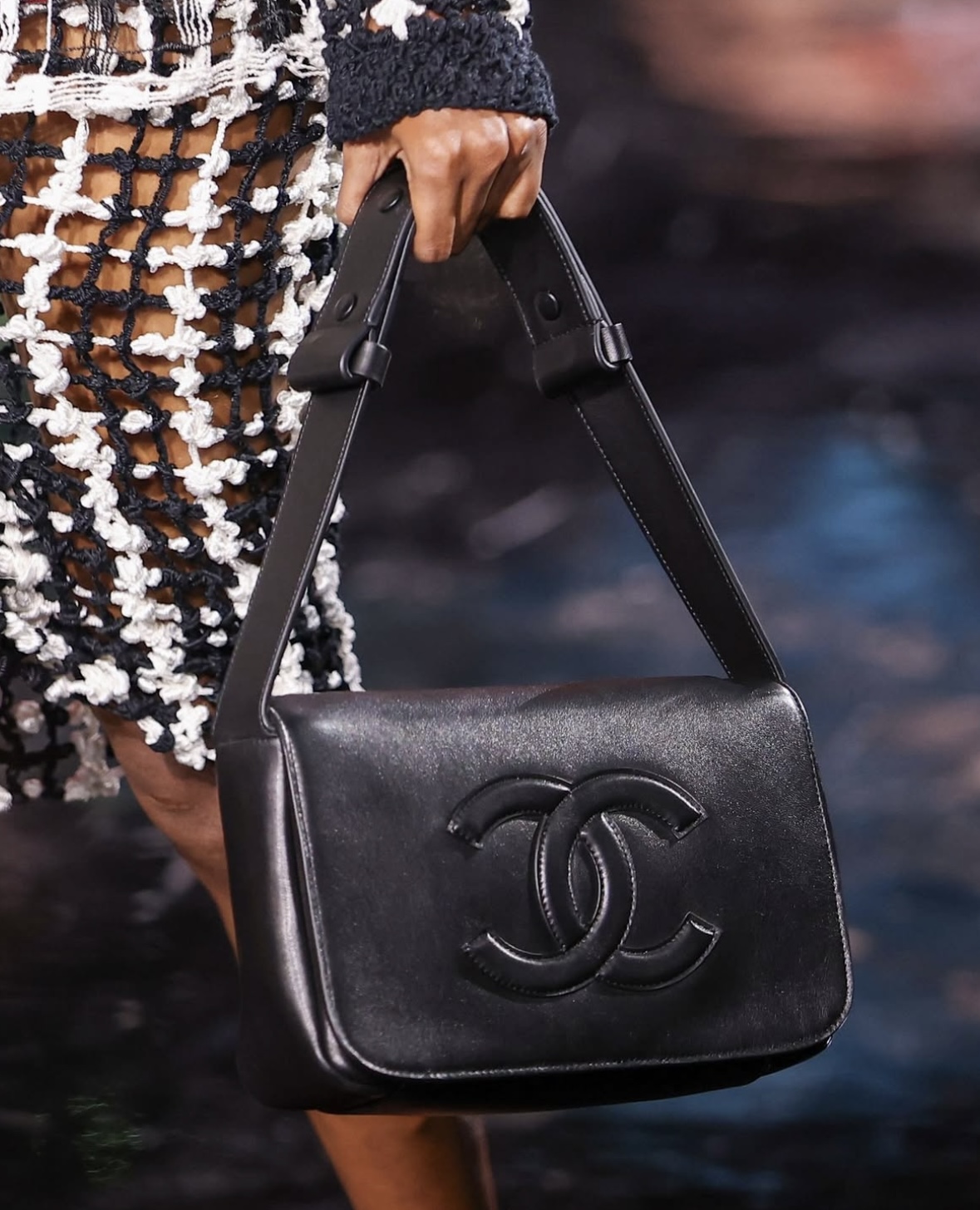
CHANEL
However, despite the praise, not everyone was fully convinced. Some long-time CHANEL customers and watchers voiced hesitation.
Long-time CHANEL devotees worry that the house’s classic allure, such as ladylike silhouettes, perfect tailoring, and timeless elegance were diluted in favour of more ‘trendy’ or ‘youth-oriented’ looks. In the past, “classic CHANEL codes” have been executed flawlessly to extreme proportions season after season, this collection removed the reassuring balance of conformity CHANEL customers have become accustomed to.
This shift – from a formal luxury to a refreshing ease – does carry risk. When an established clientele expects consistency and an awakening is presented, the question is, “are shoppers convinced?” Can Blazy succeed in combining CHANEL’s heritage with a fresh sensibility that both new and existing customers can embrace?
@claireguillon
@bazaarthailand
CHANEL
Some observers noted that while Blazy’s references are clever, the balance between innovation and heritage will need to sustain across seasons. Blazy’s first collection signifies potential rather than proven achievement. When asked about his approach in his interview with BOF, Blazy shared his methodology for this collection: ‘‘We can go two ways. Either we do a clean, modern, by the codes, by the book CHANEL show, and it’s a first step. Or we do this show as if it was our last. I took the last option.” This approach makes sense, as a debut needs to make a statement and there were many expectations to fulfill. The true test will be whether future collections maintain cohesion and whether clients respond – did they feel “CHANEL” in a way they trust and invest in?
If CHANEL, under Matthieu Blazy’s creative direction, can balance heritage and refreshment, maintaining quality and identity while evolving aesthetic, this era could be powerful. The early signs – a designer who understands craft and loves heritage codes, yet is not afraid to twist them – are promising.
Blazy’s next collection, 2025/26 Métiers d’Art collection, is scheduled to take place on December 2, 2025 in New York City. And whether you loved or hated his debut, you know you will be watching to see what he does next.
Wolfgang Tillmans for M le Monde
Oliver Hadlee Pearch for BoF